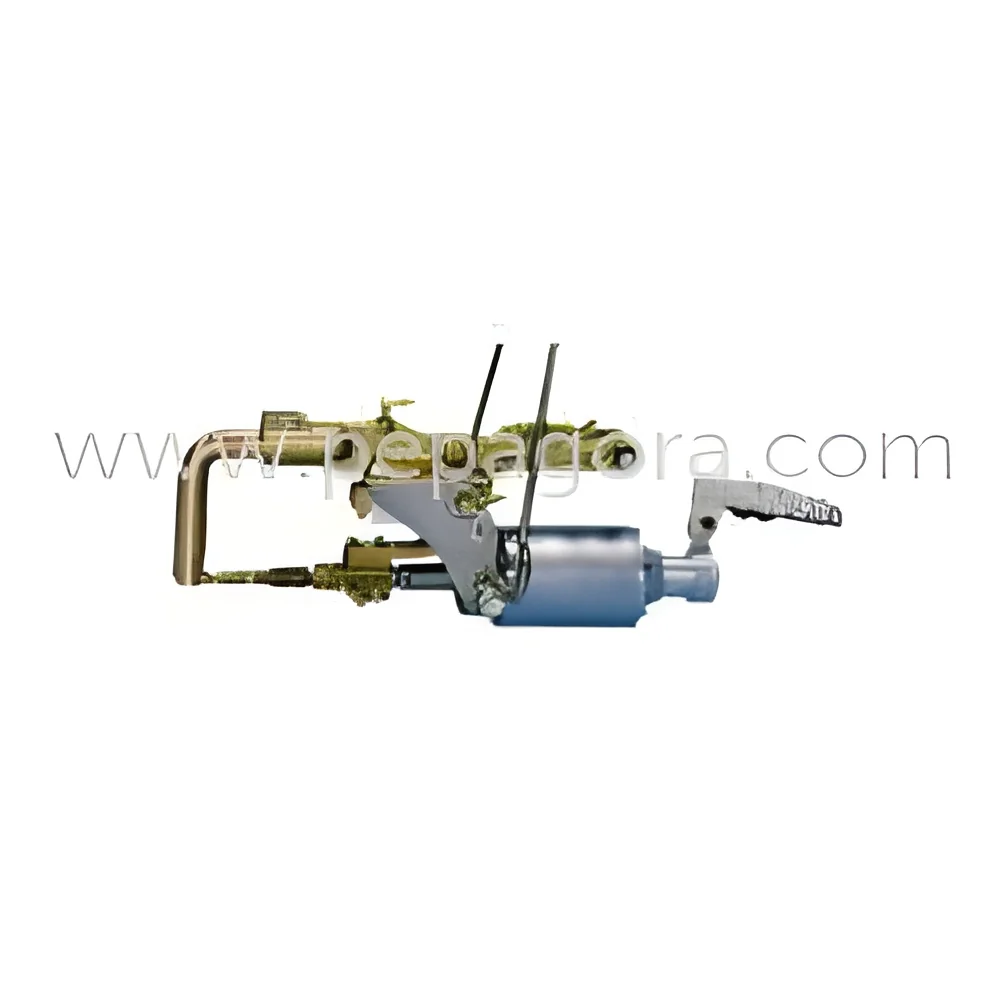
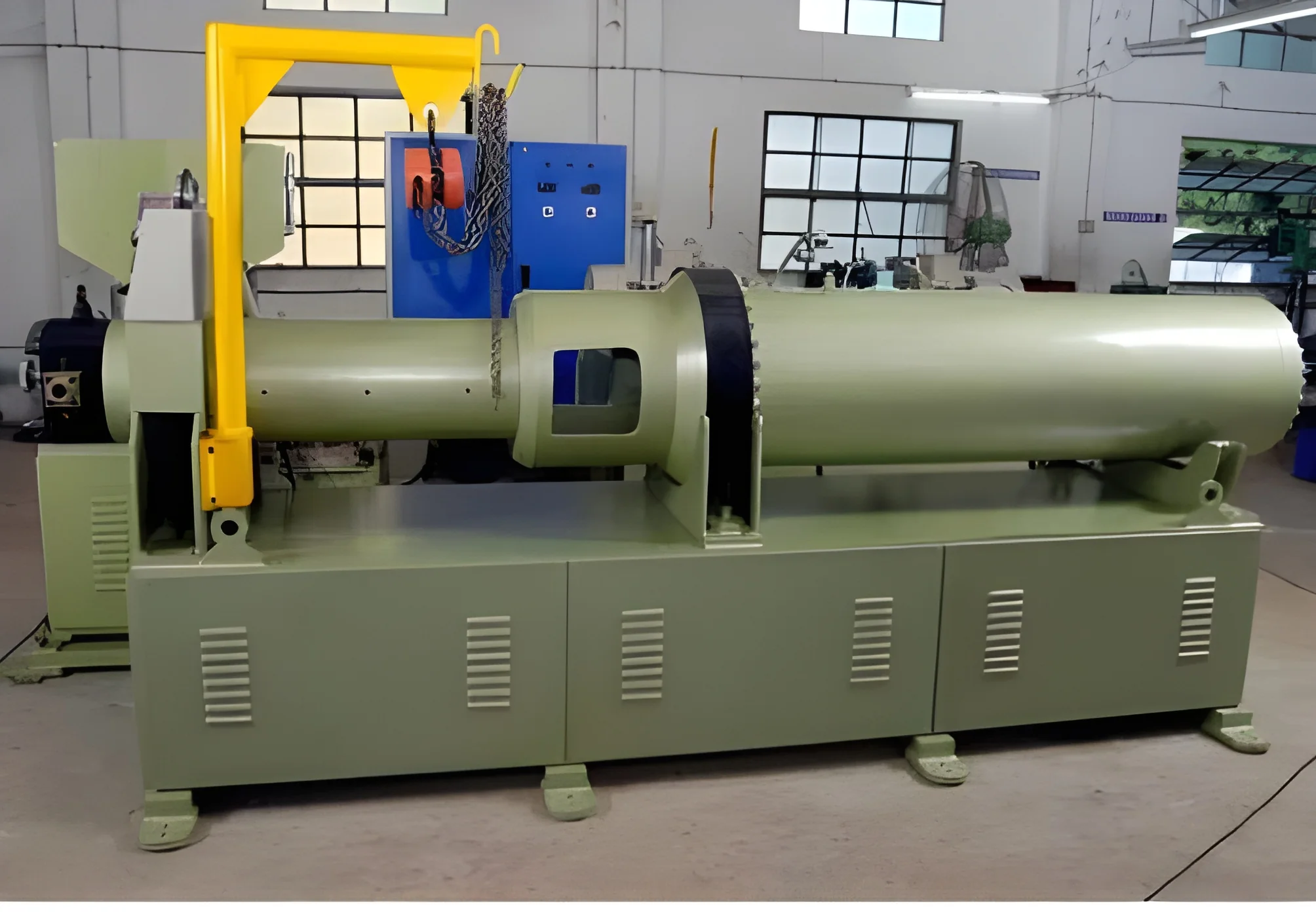
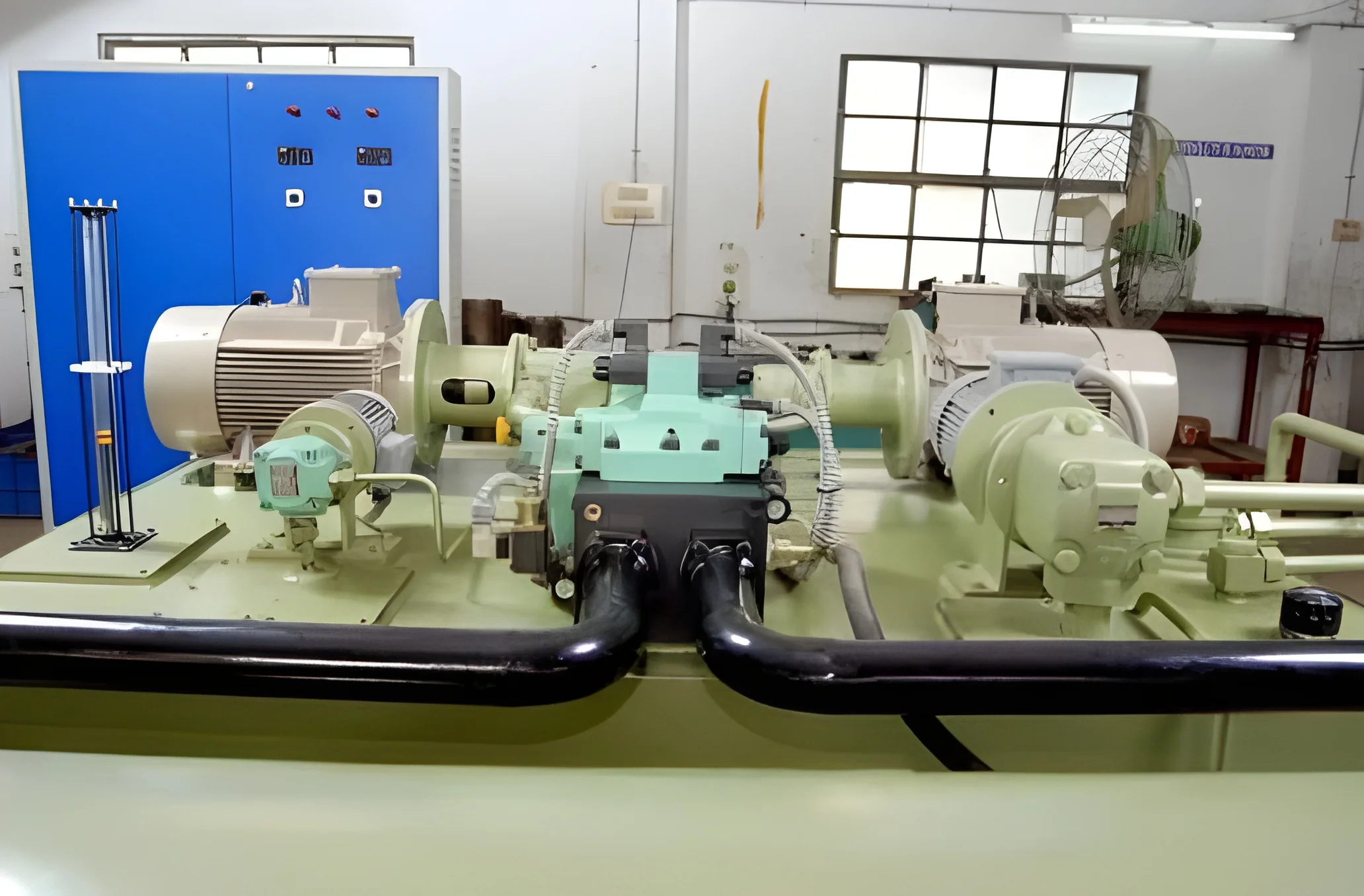
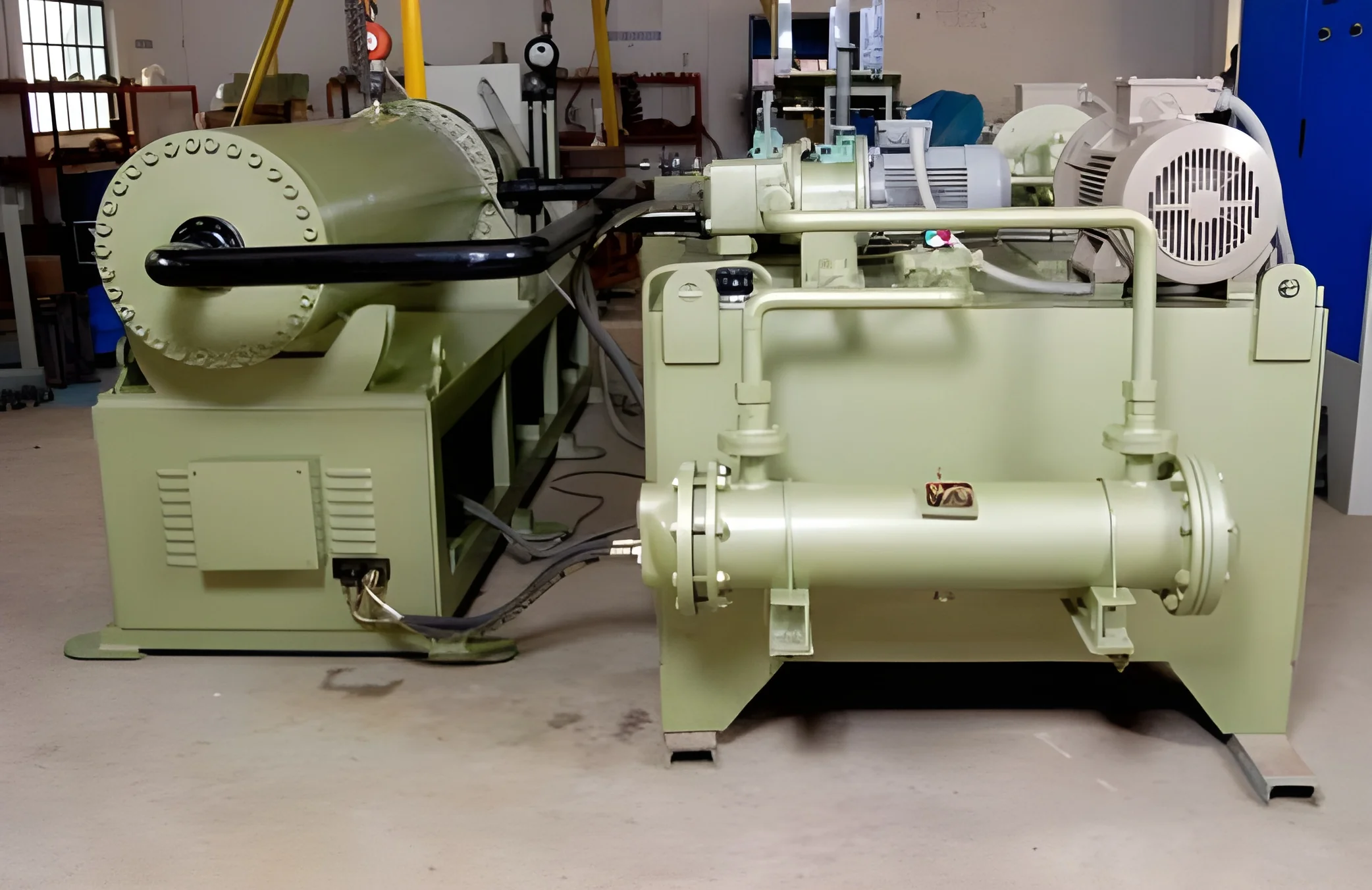
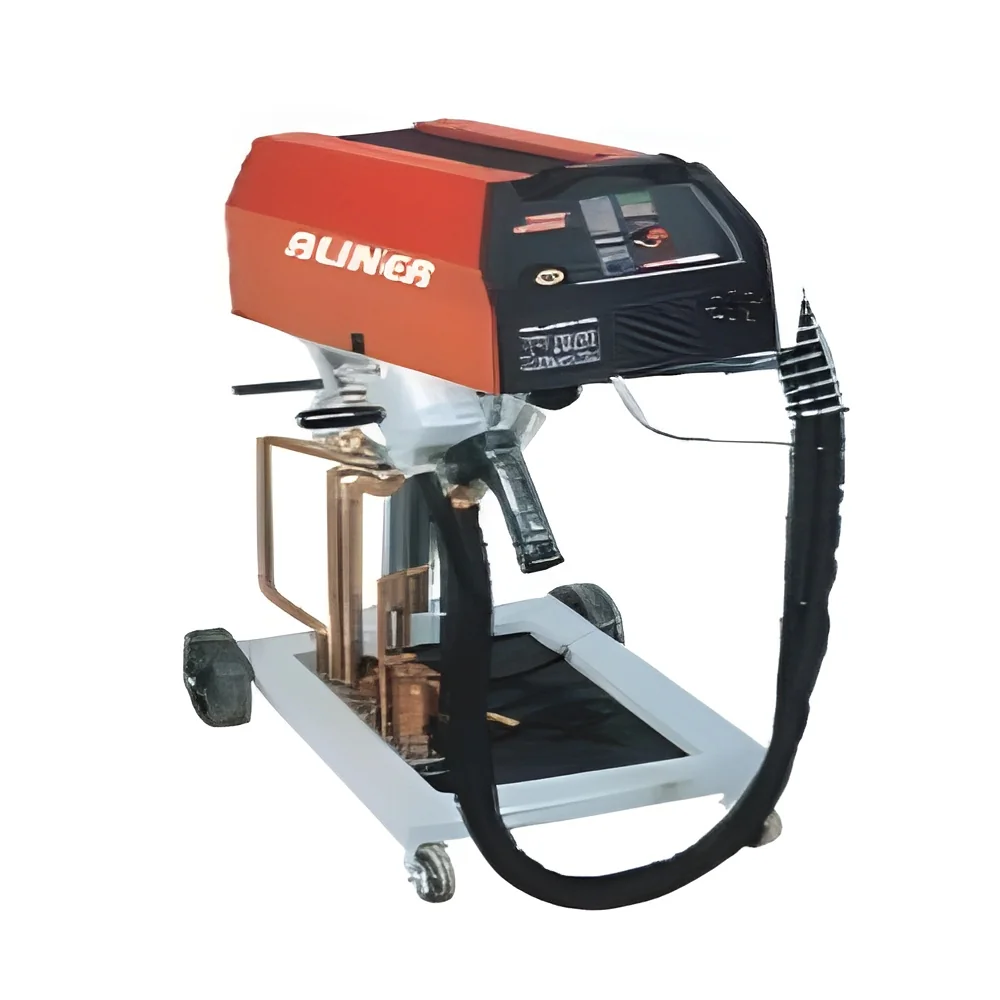
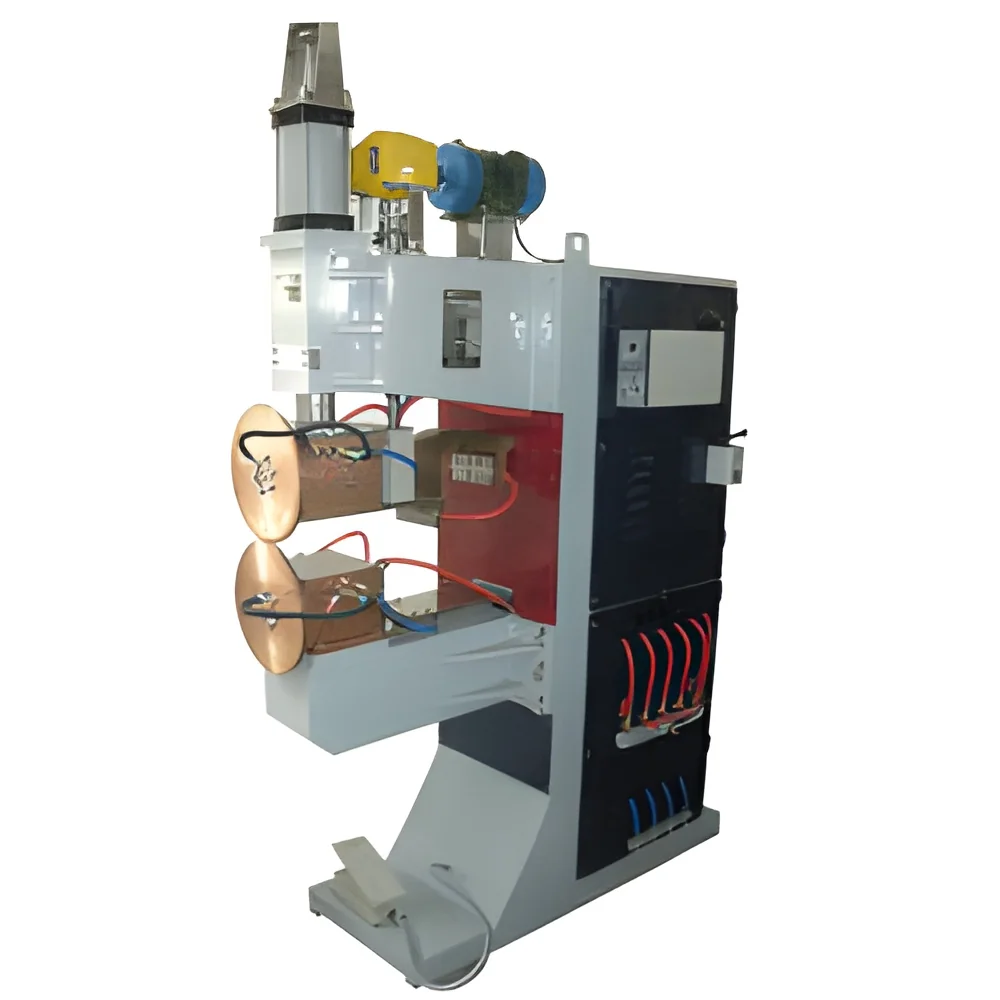
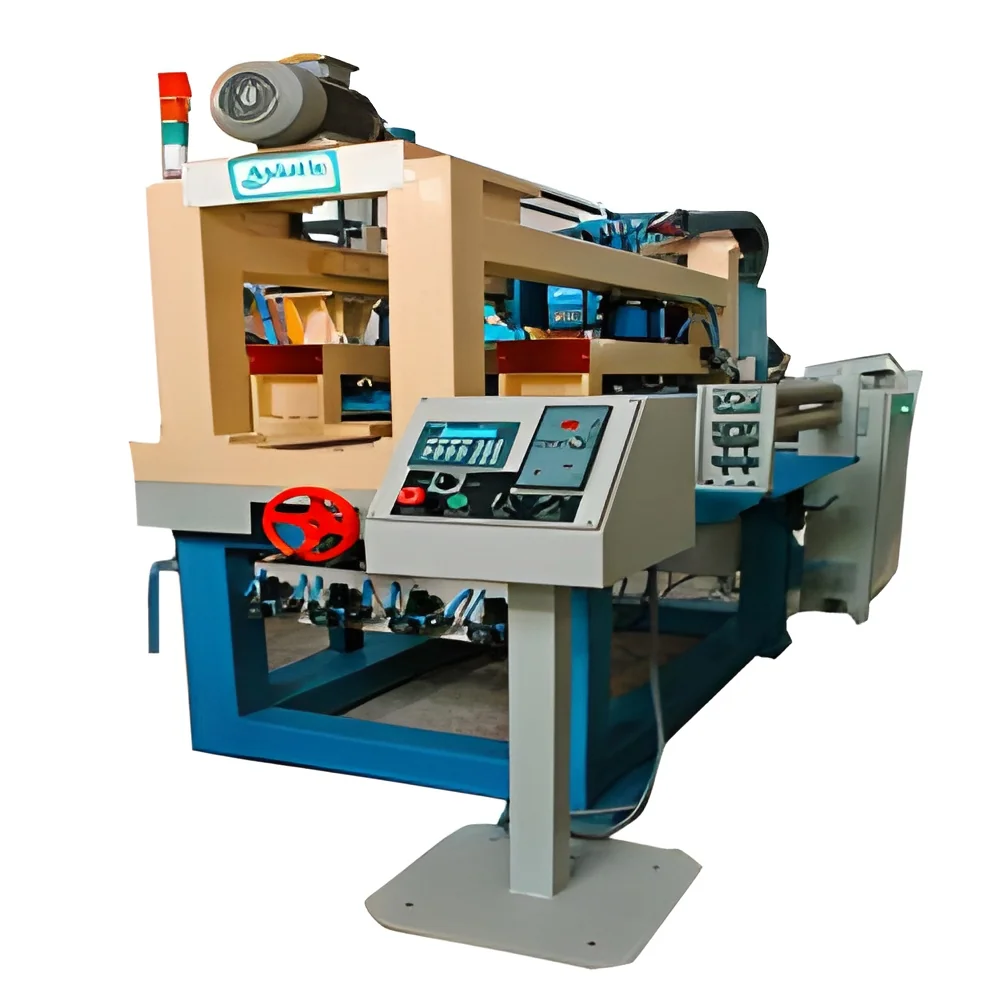
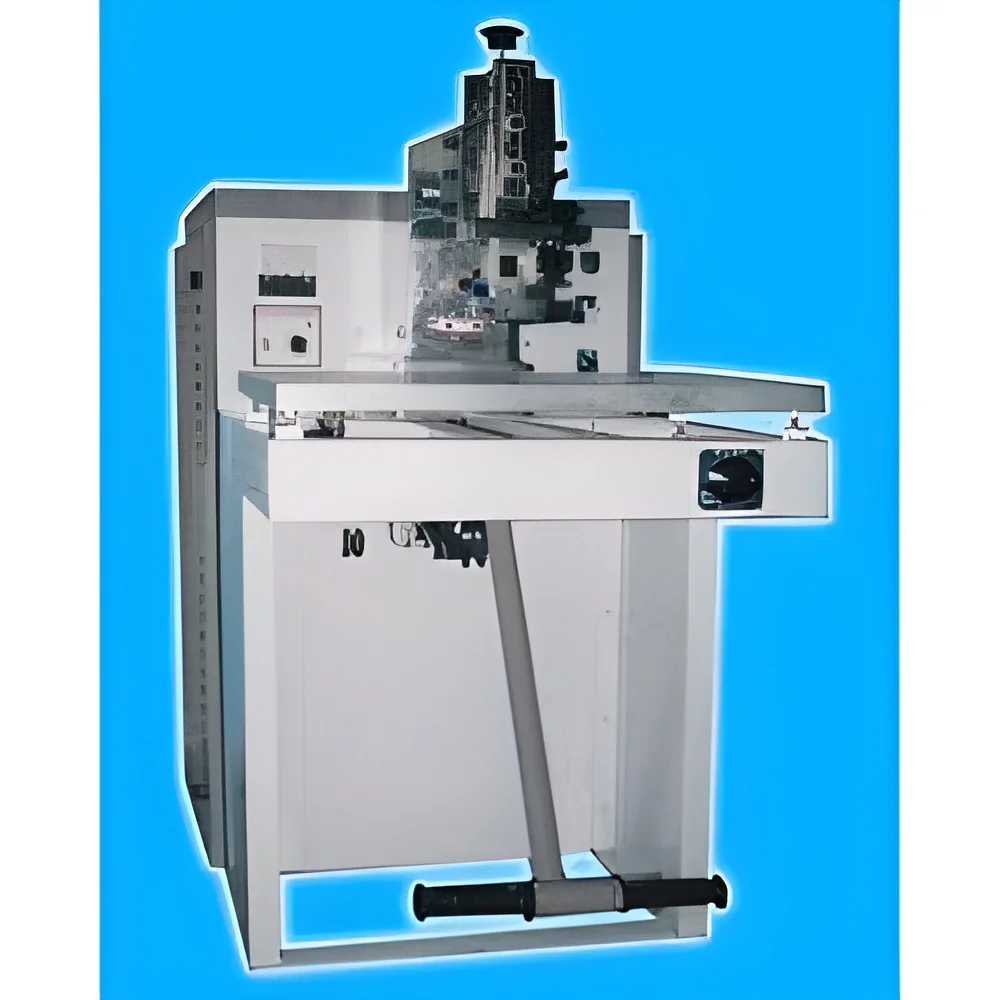
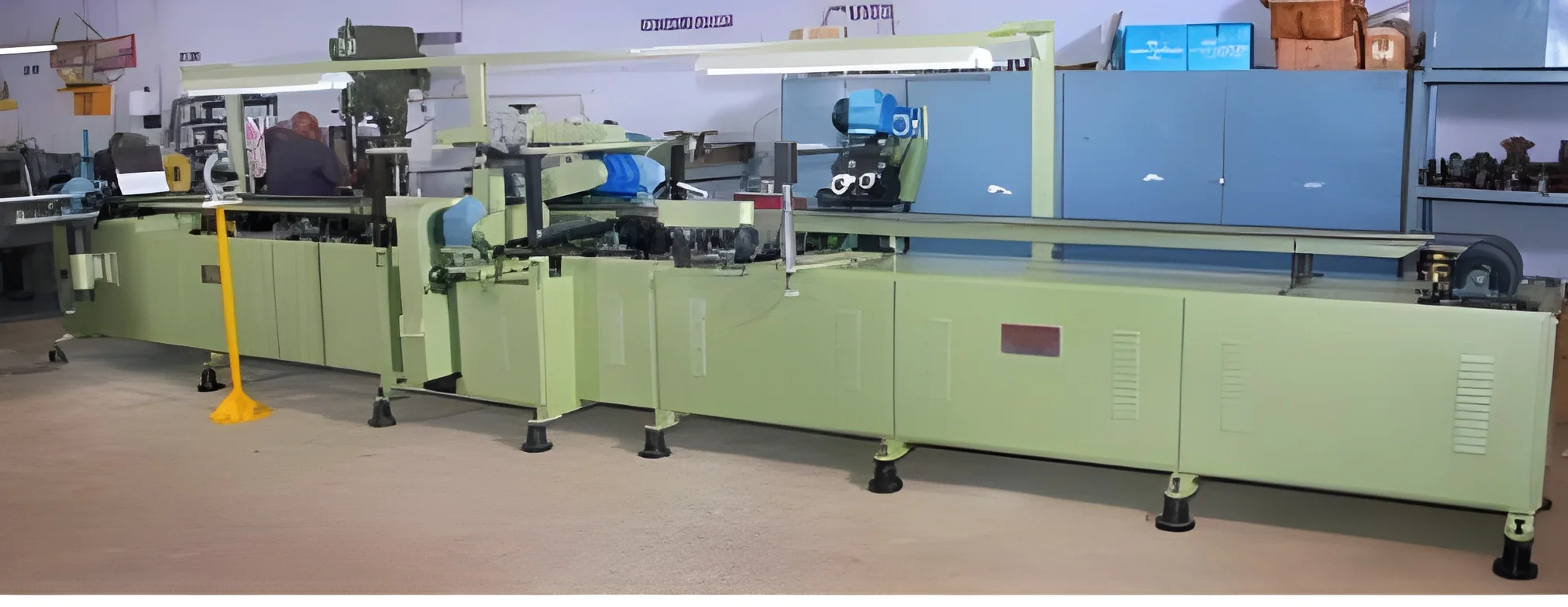
What are Spot Welding Machines?
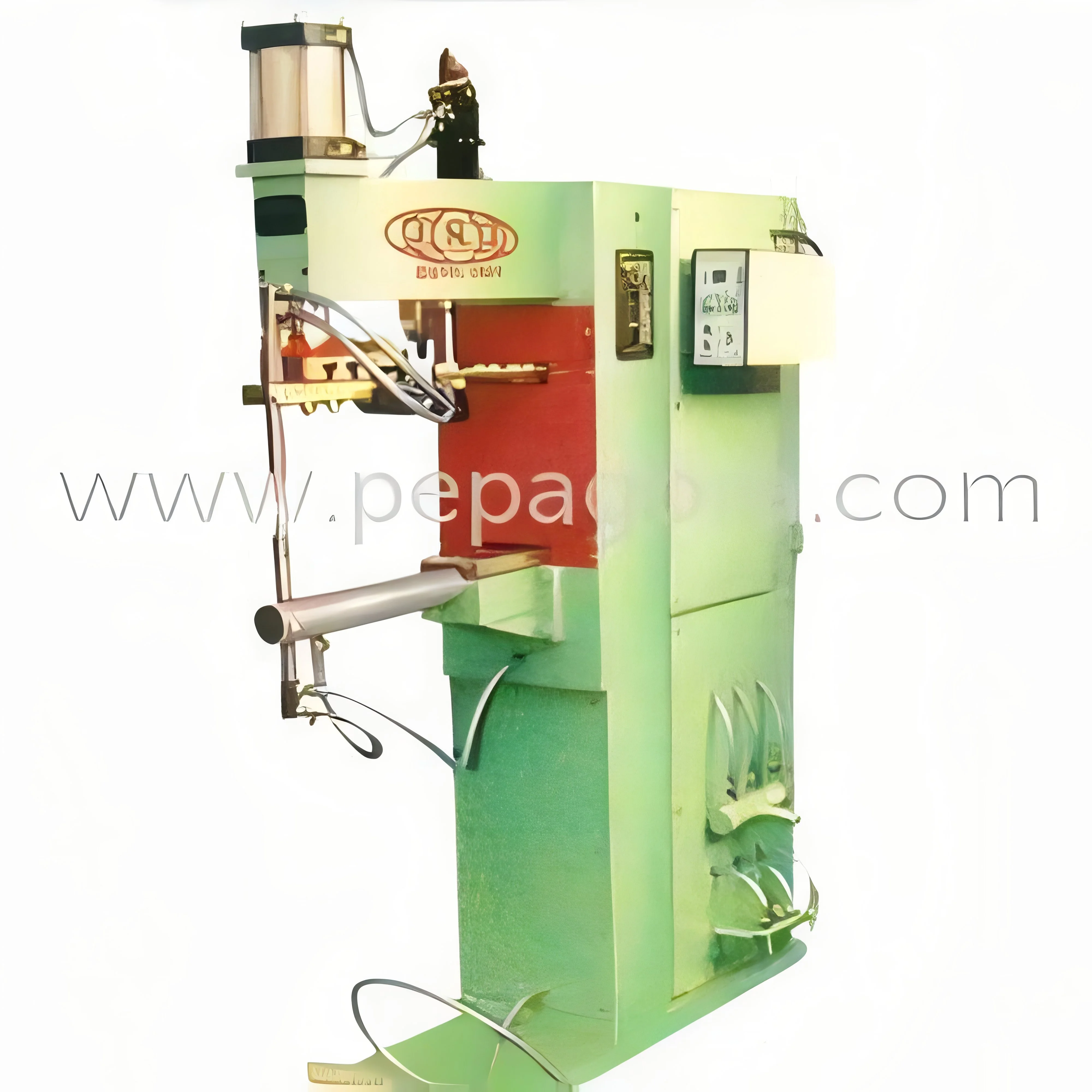
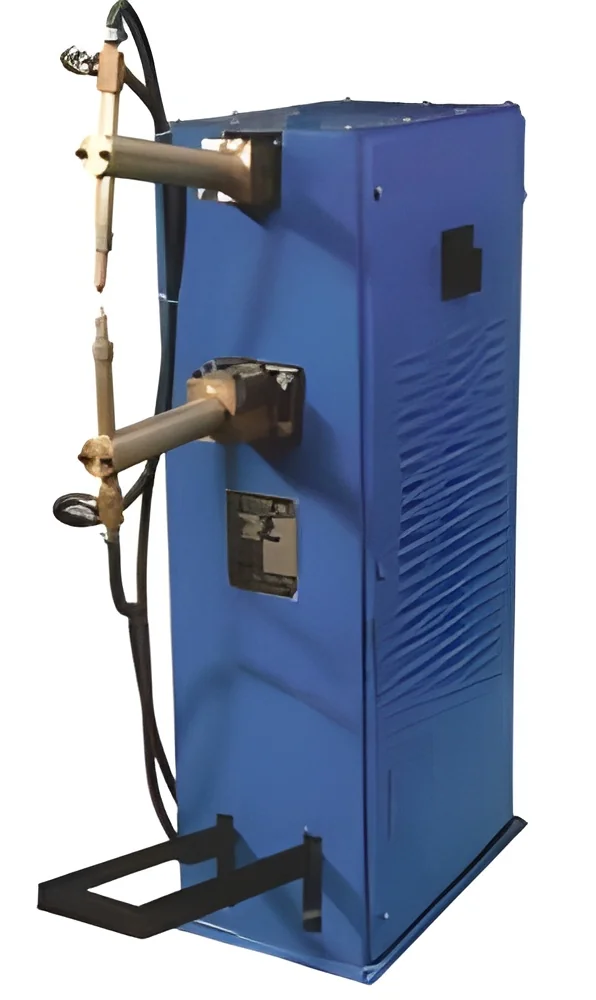
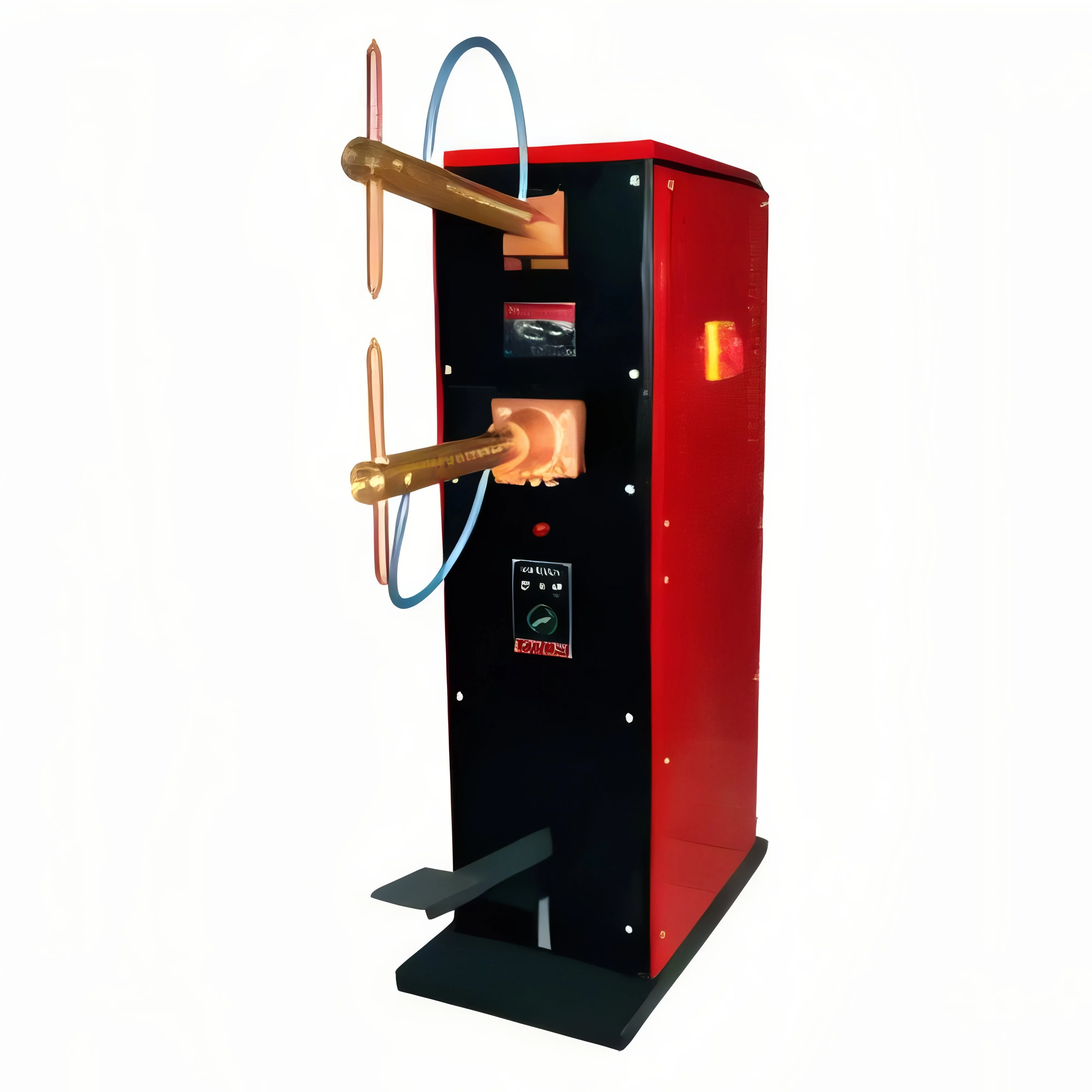
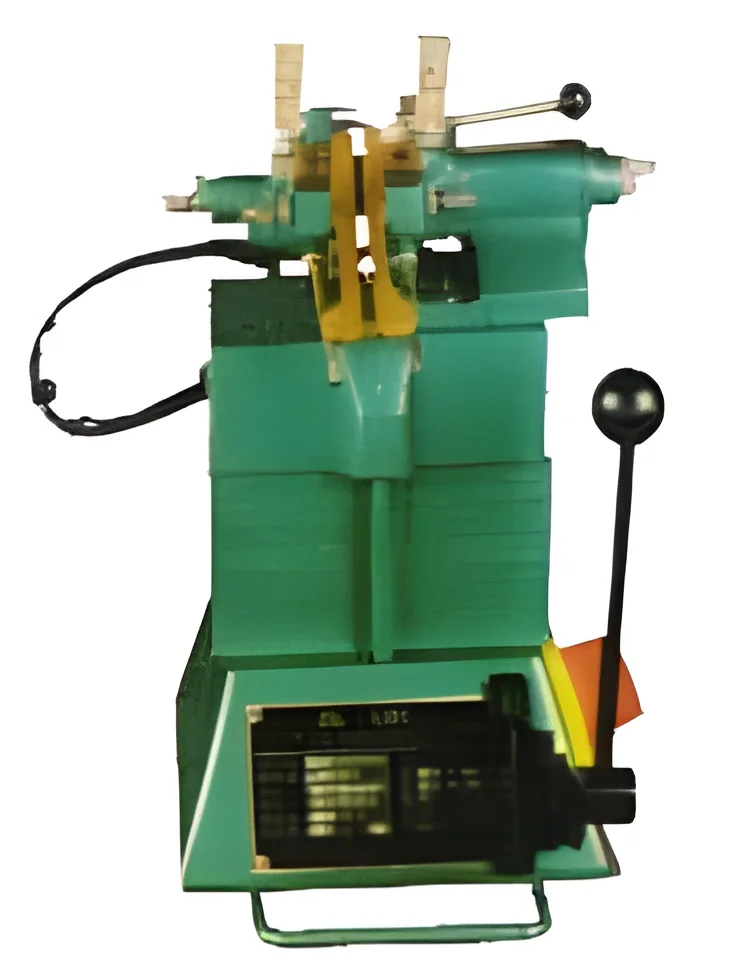
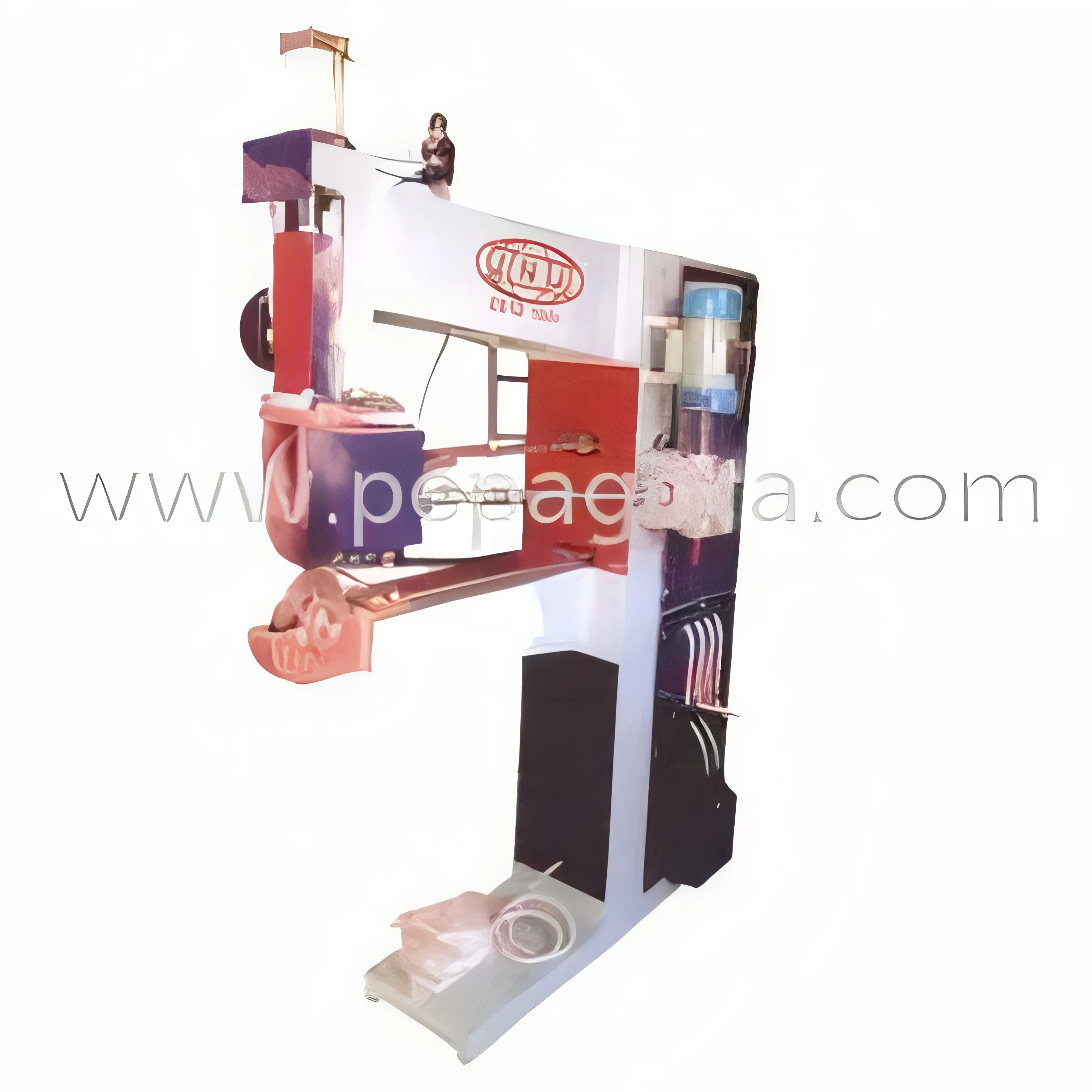
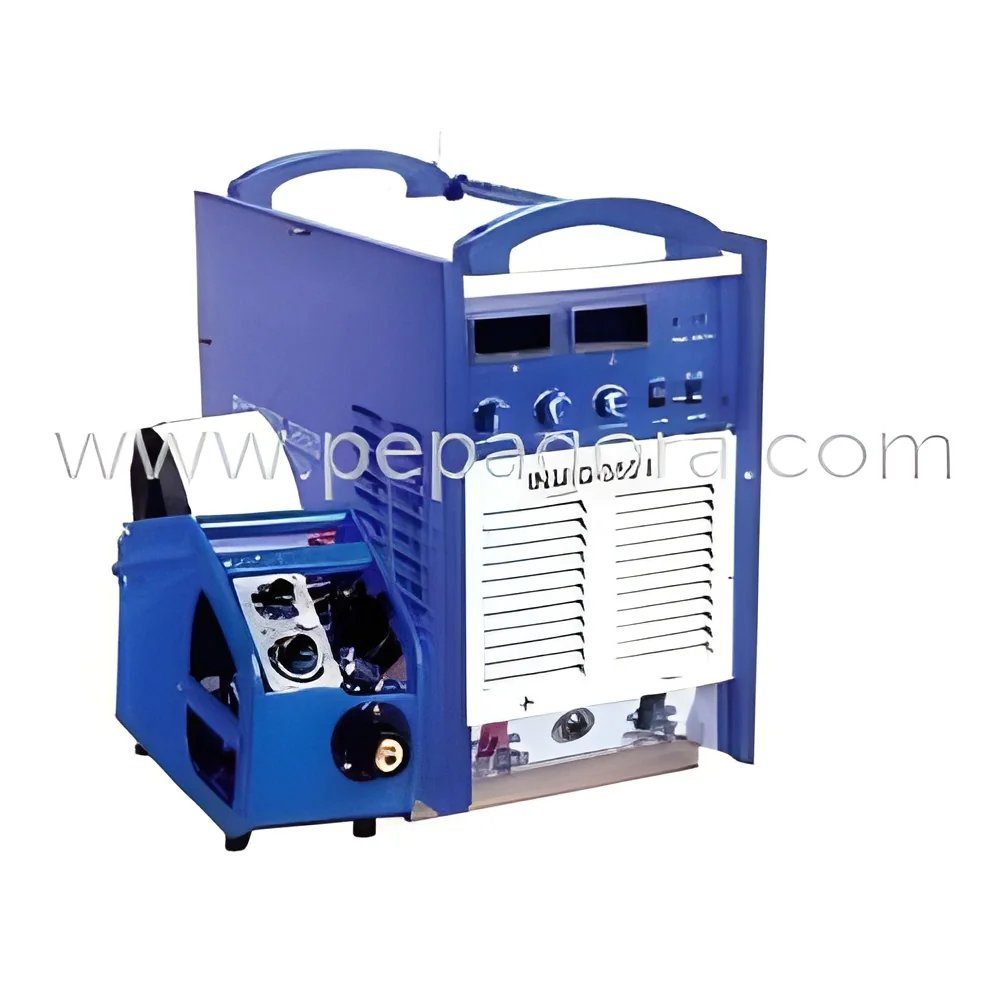
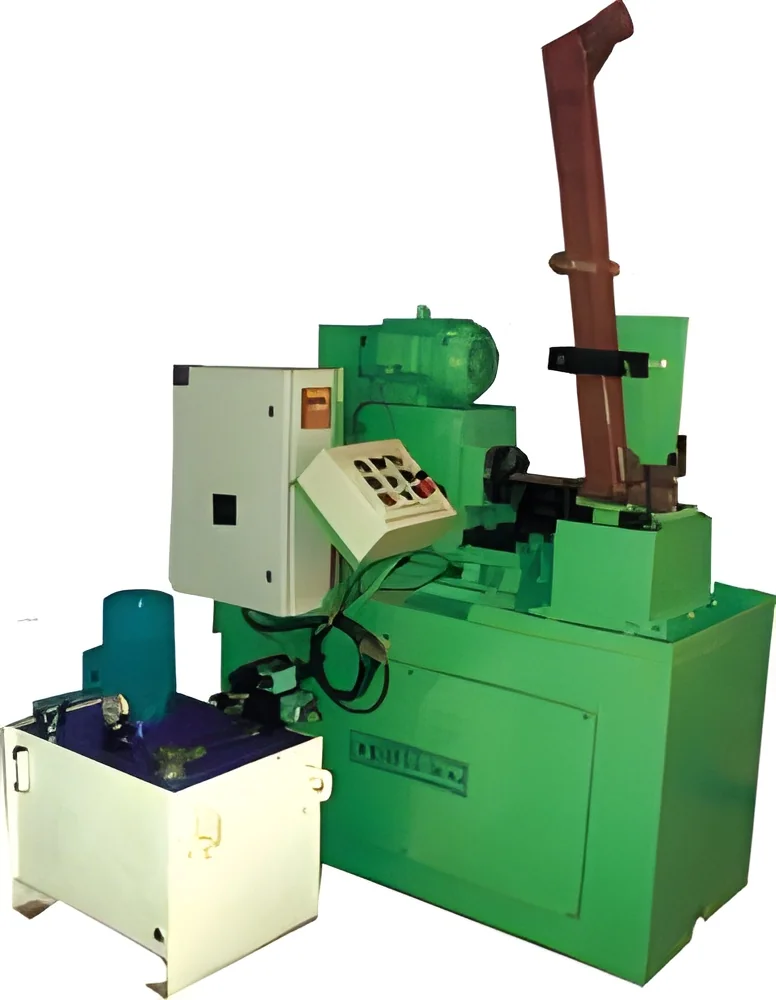
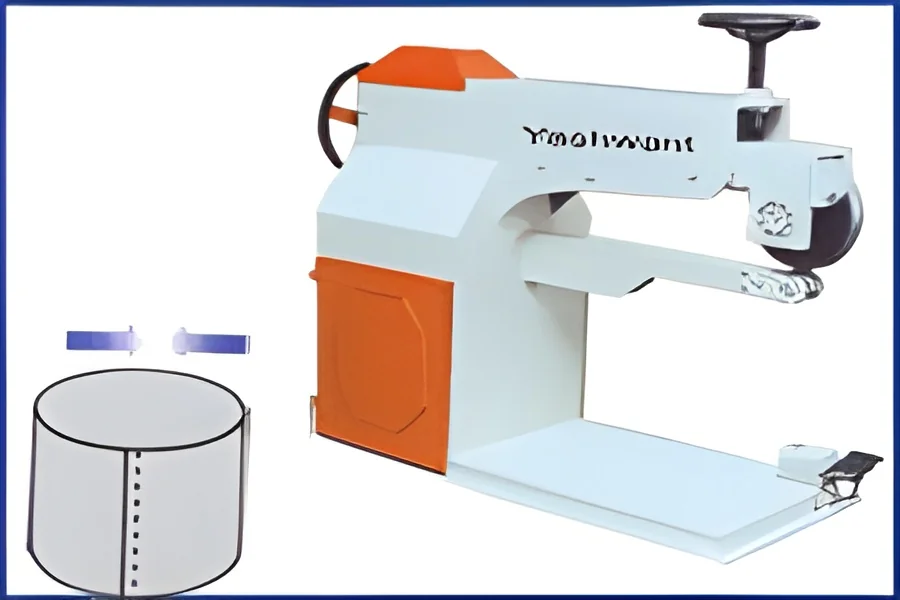
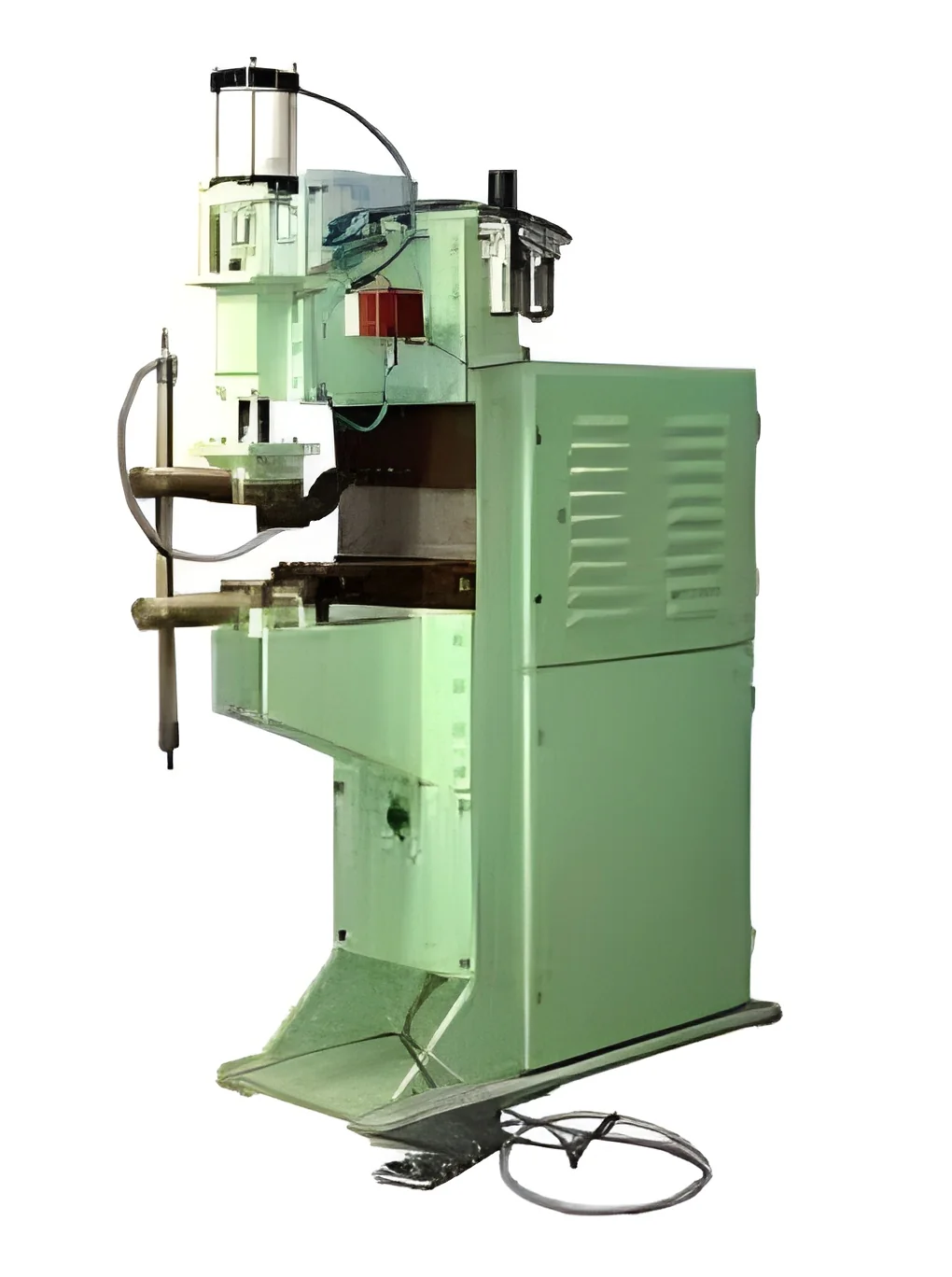
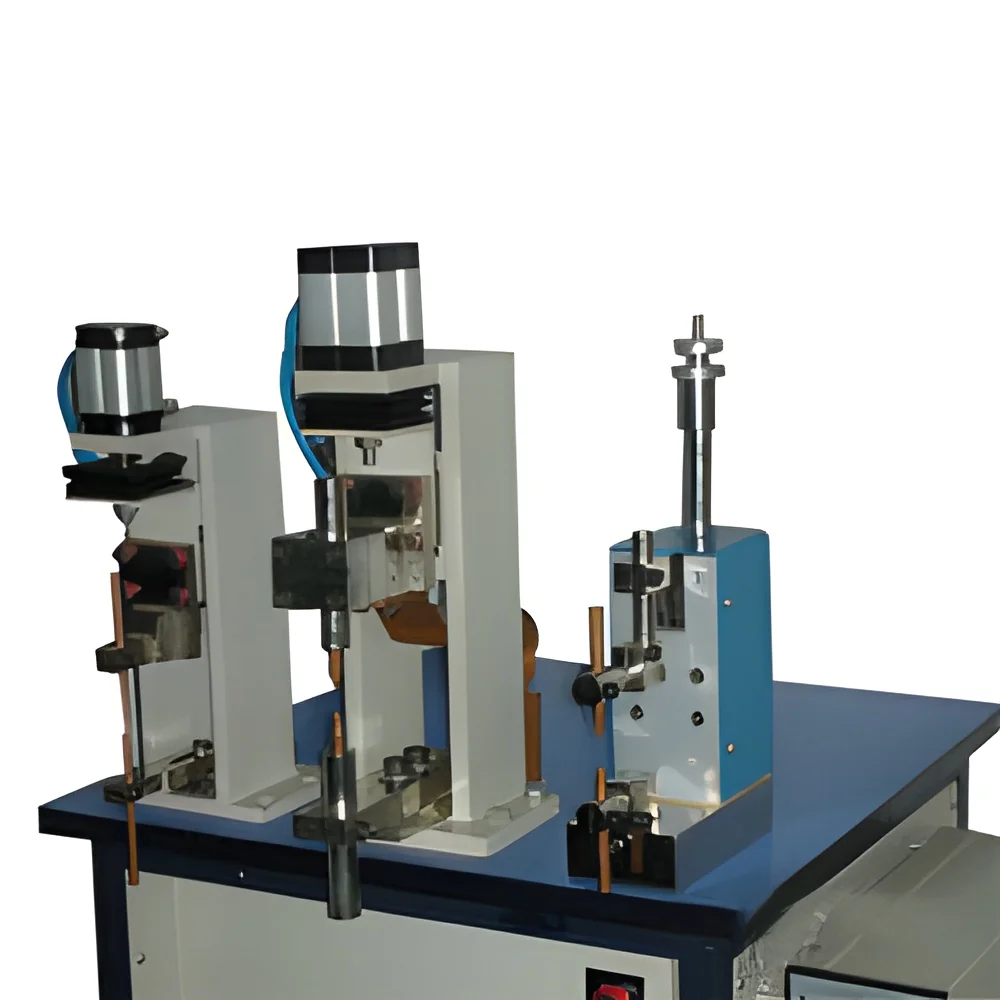
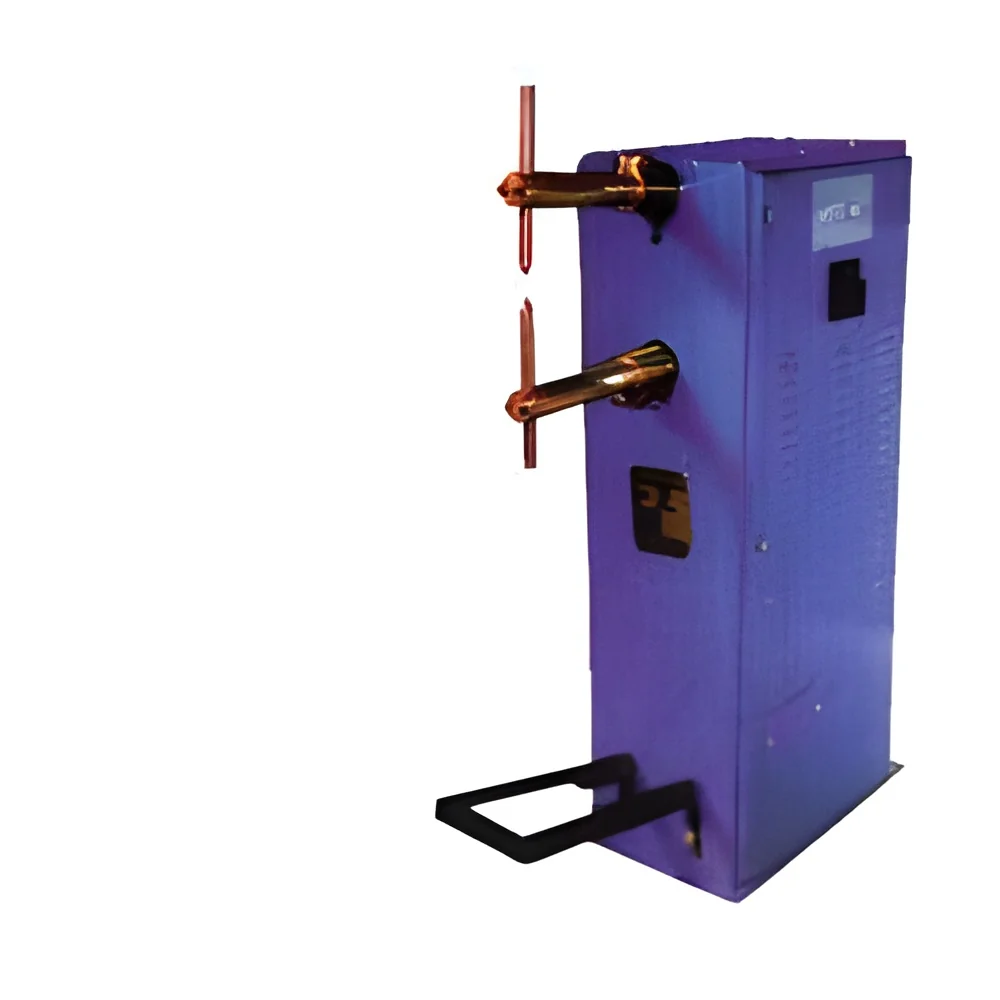
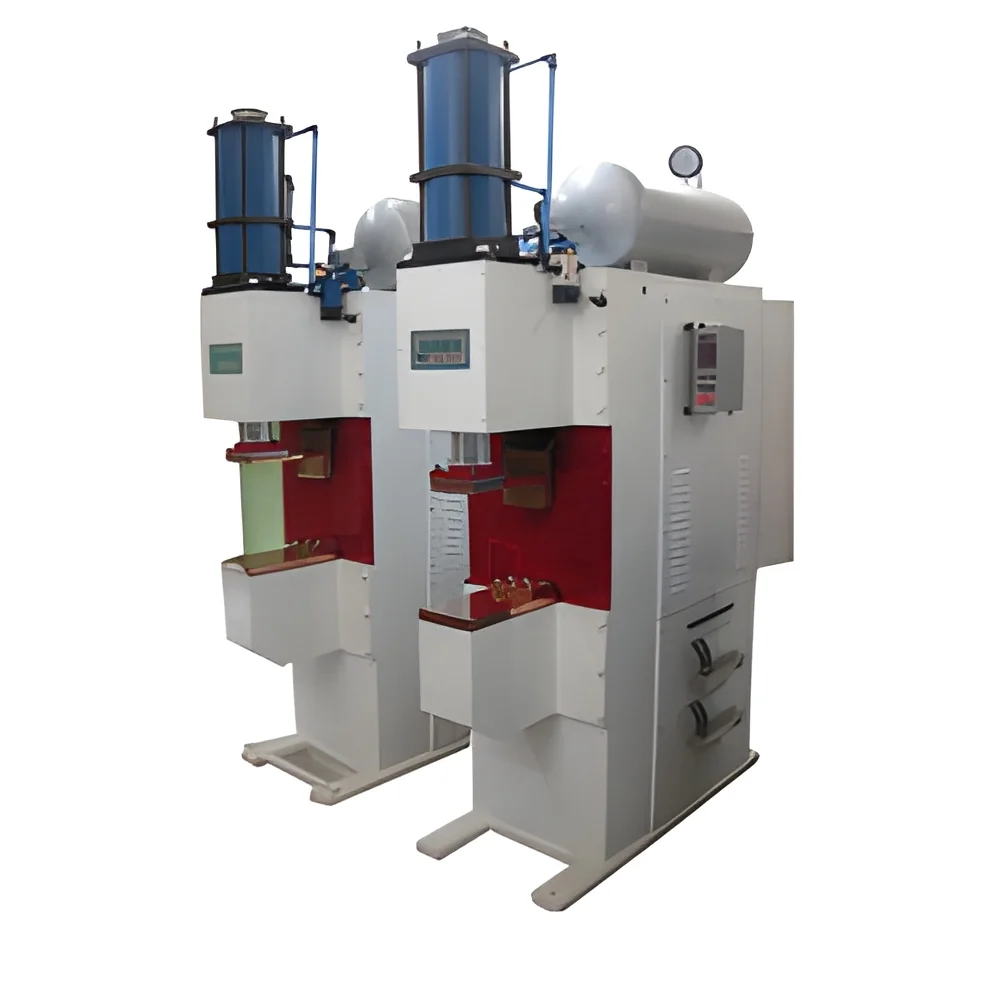
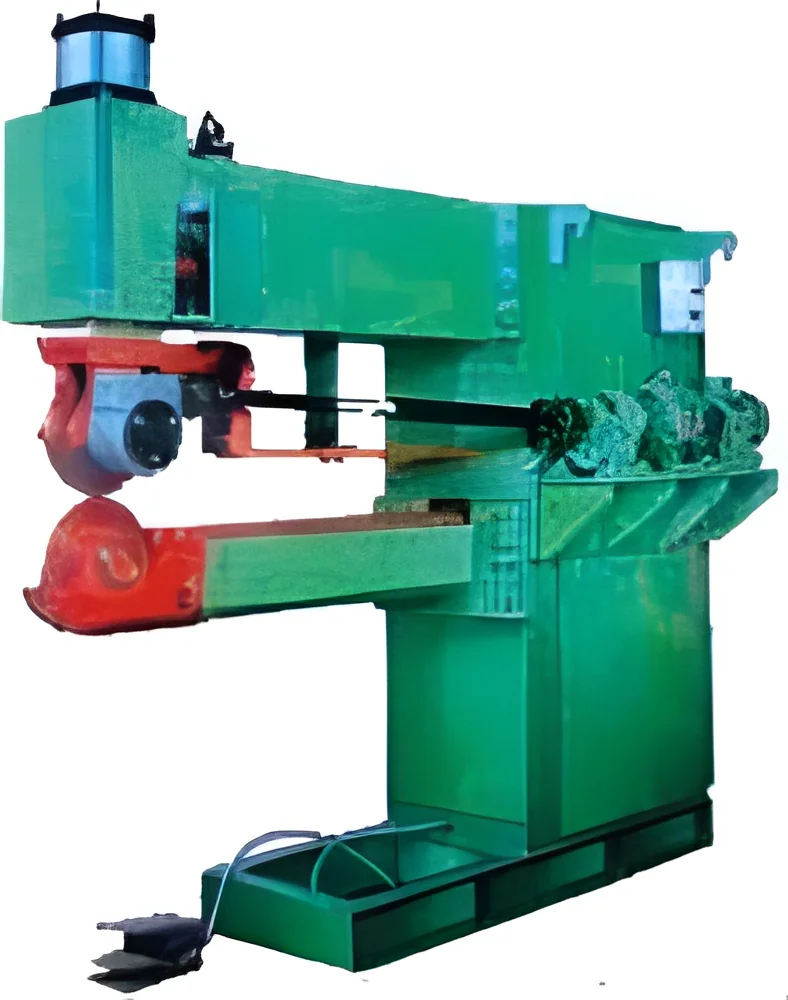
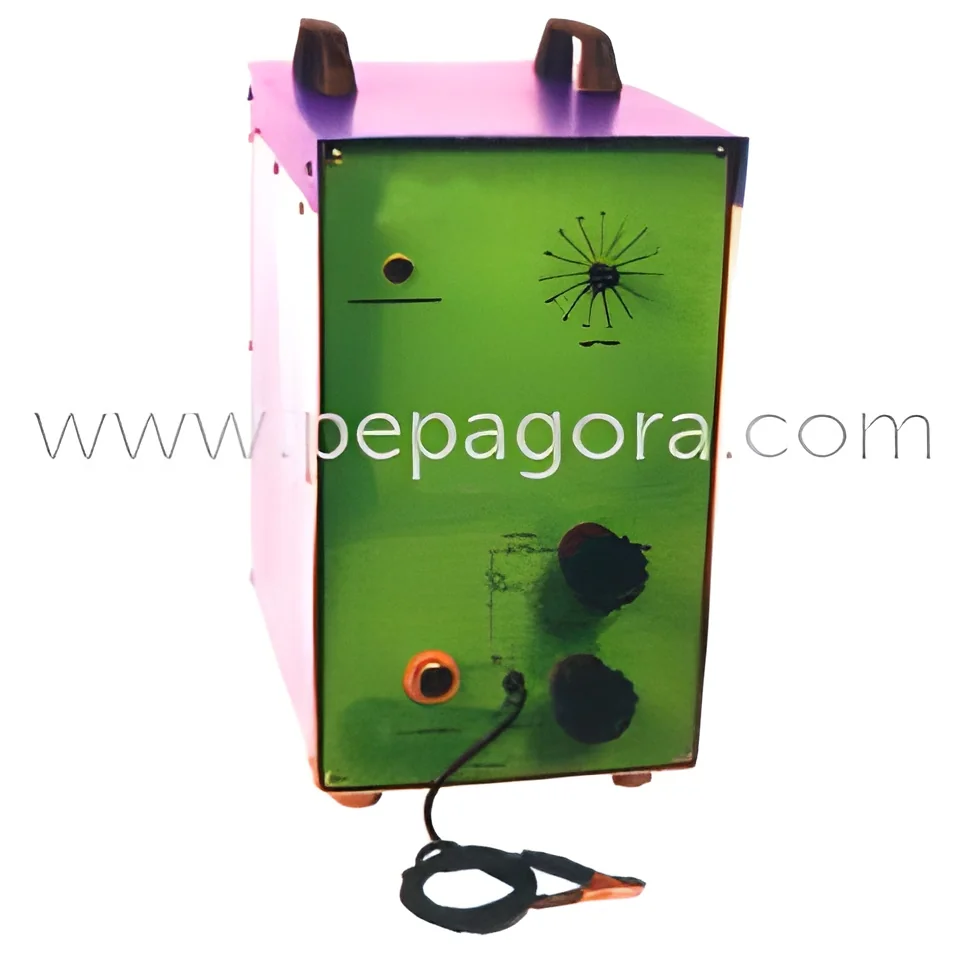
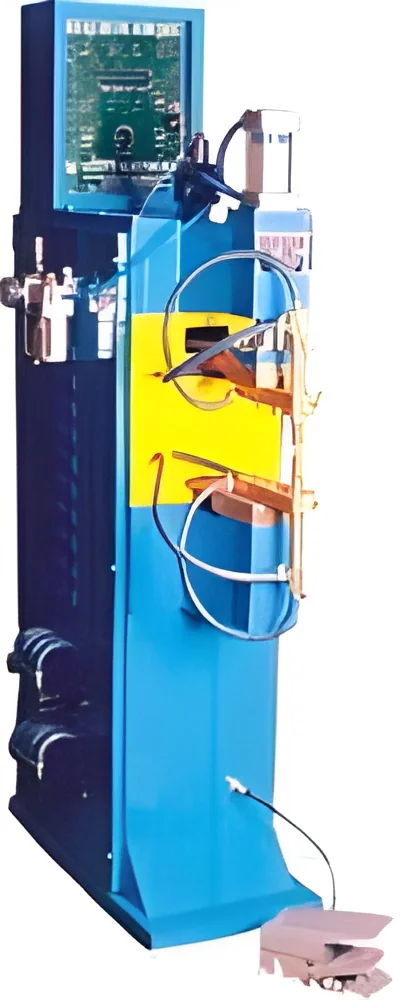
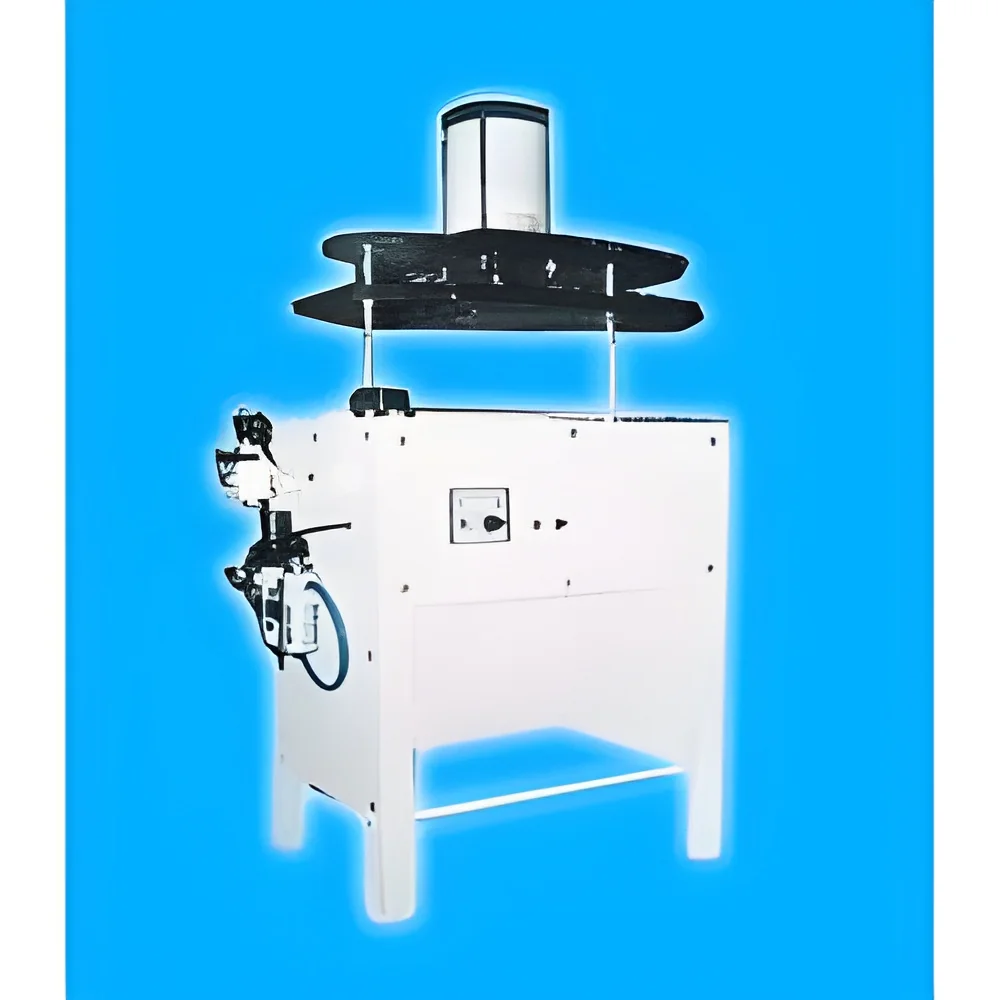
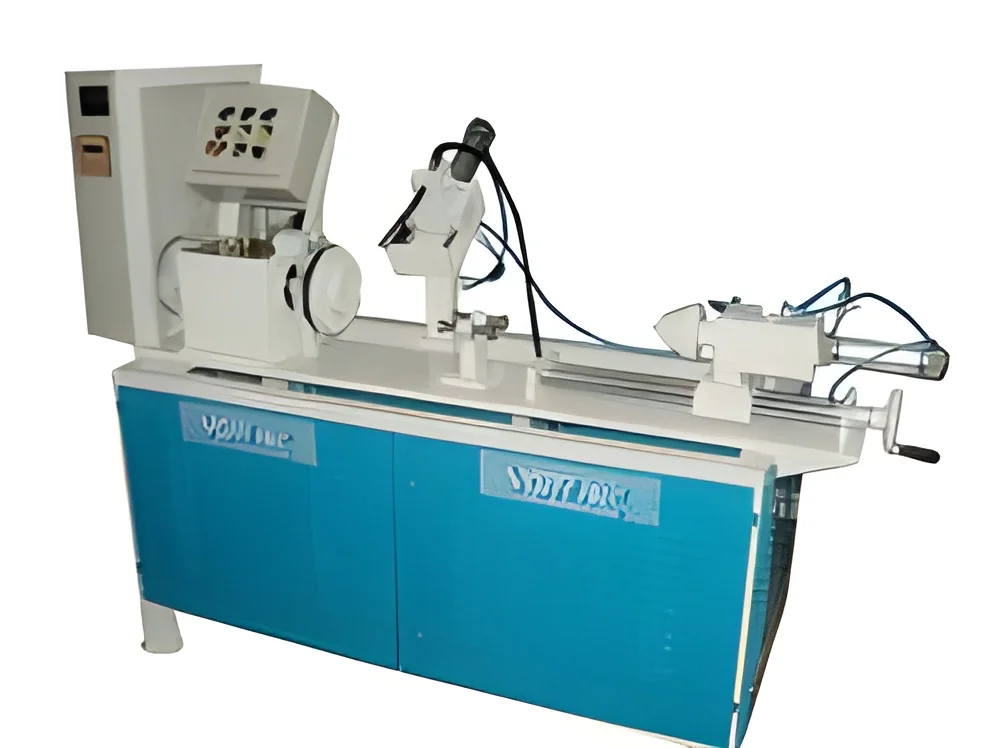
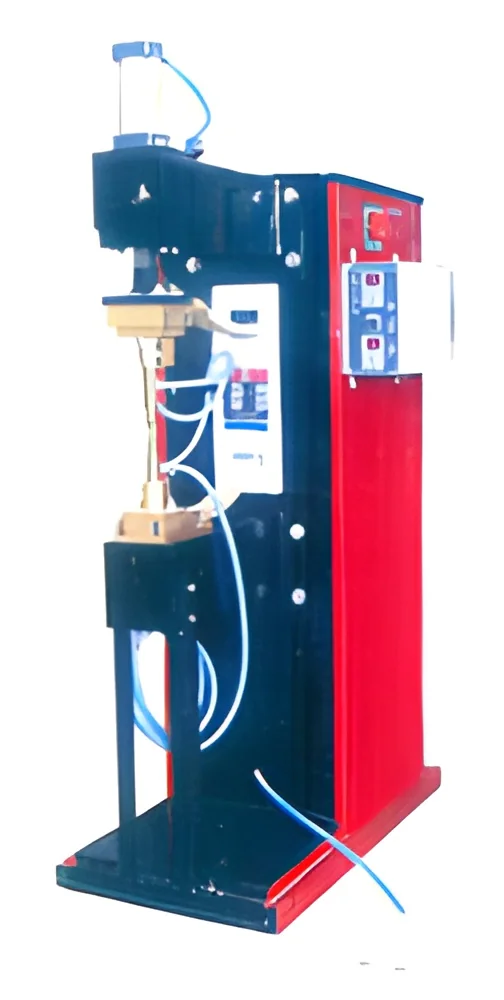
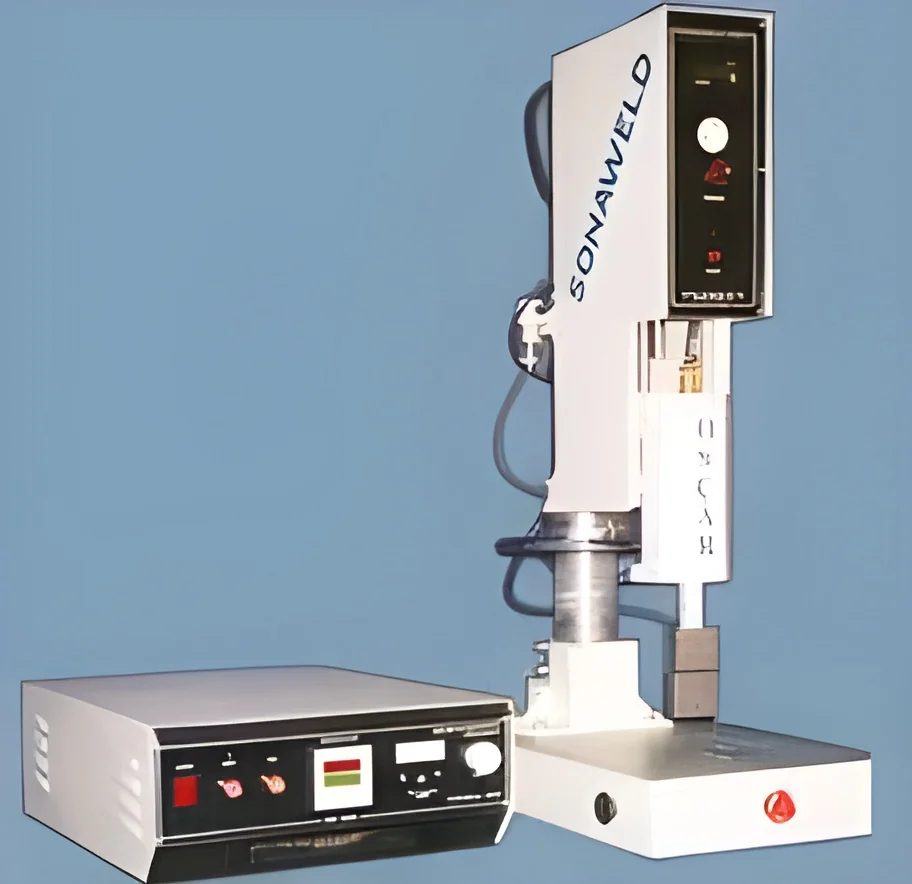
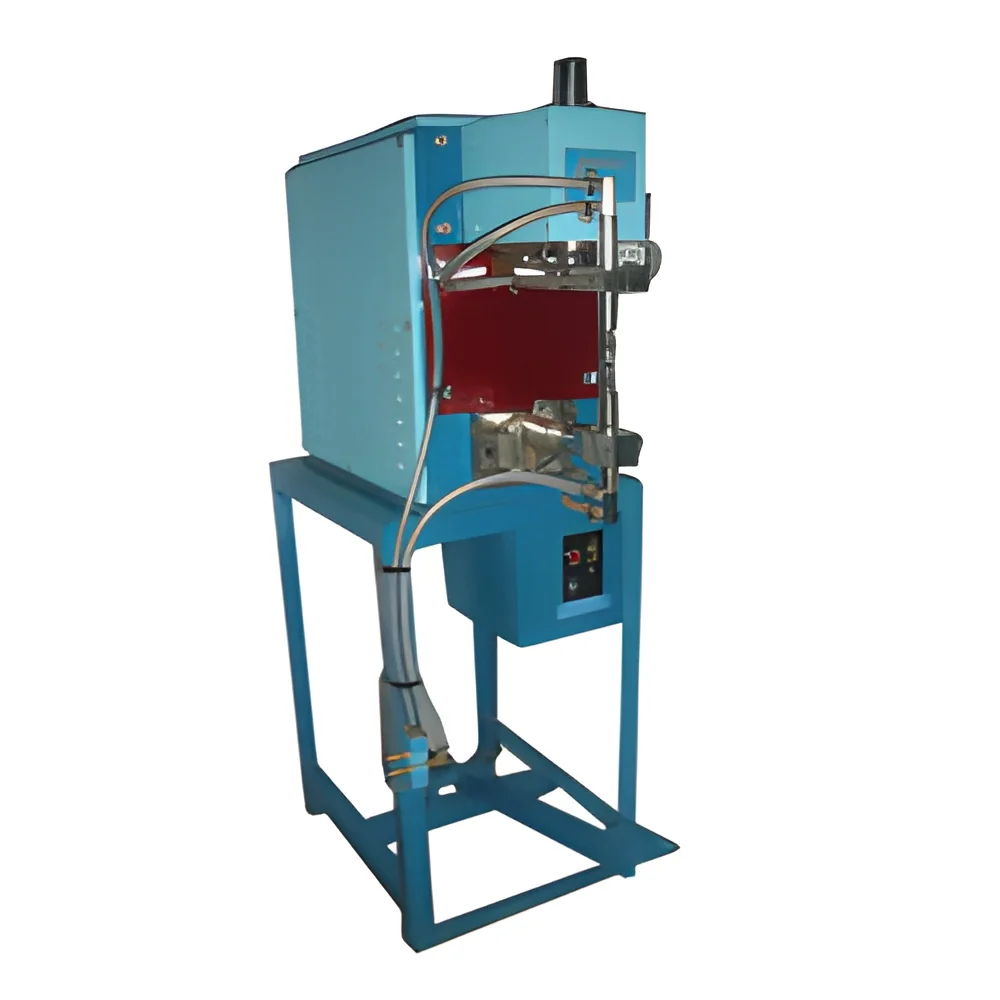
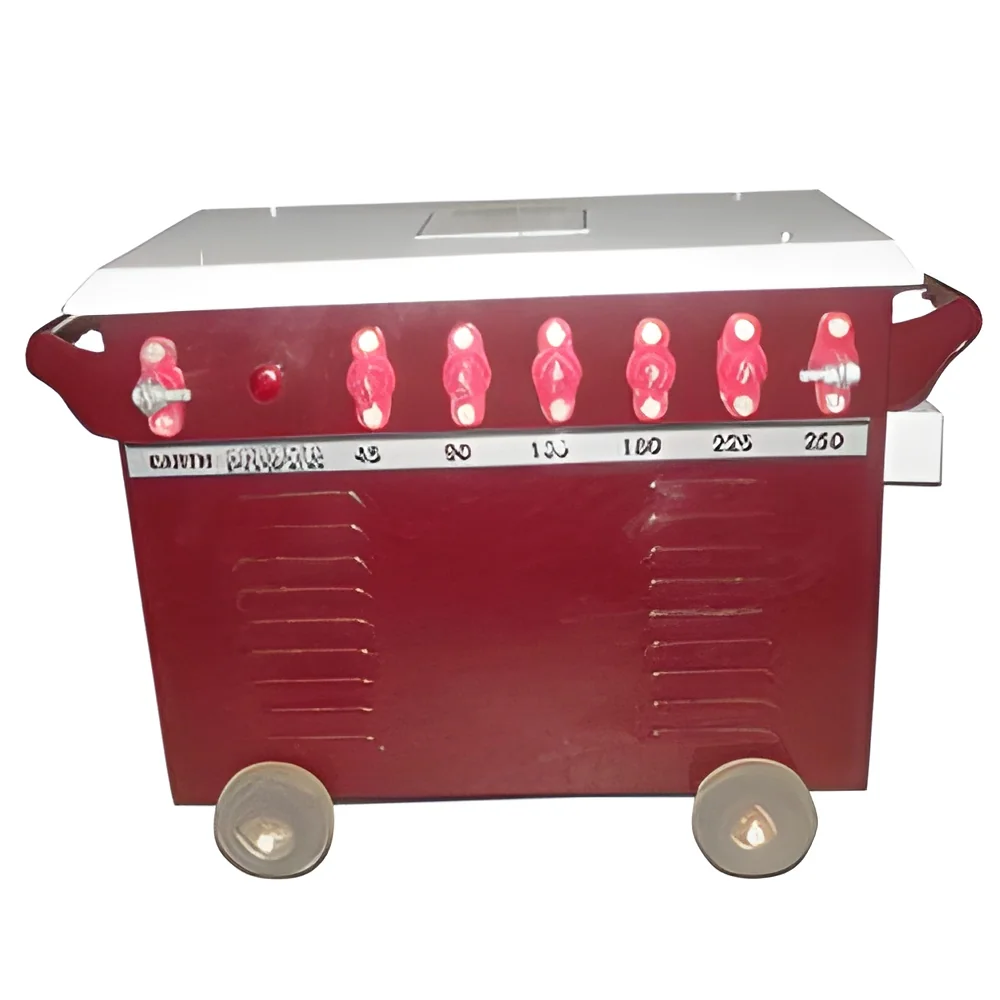
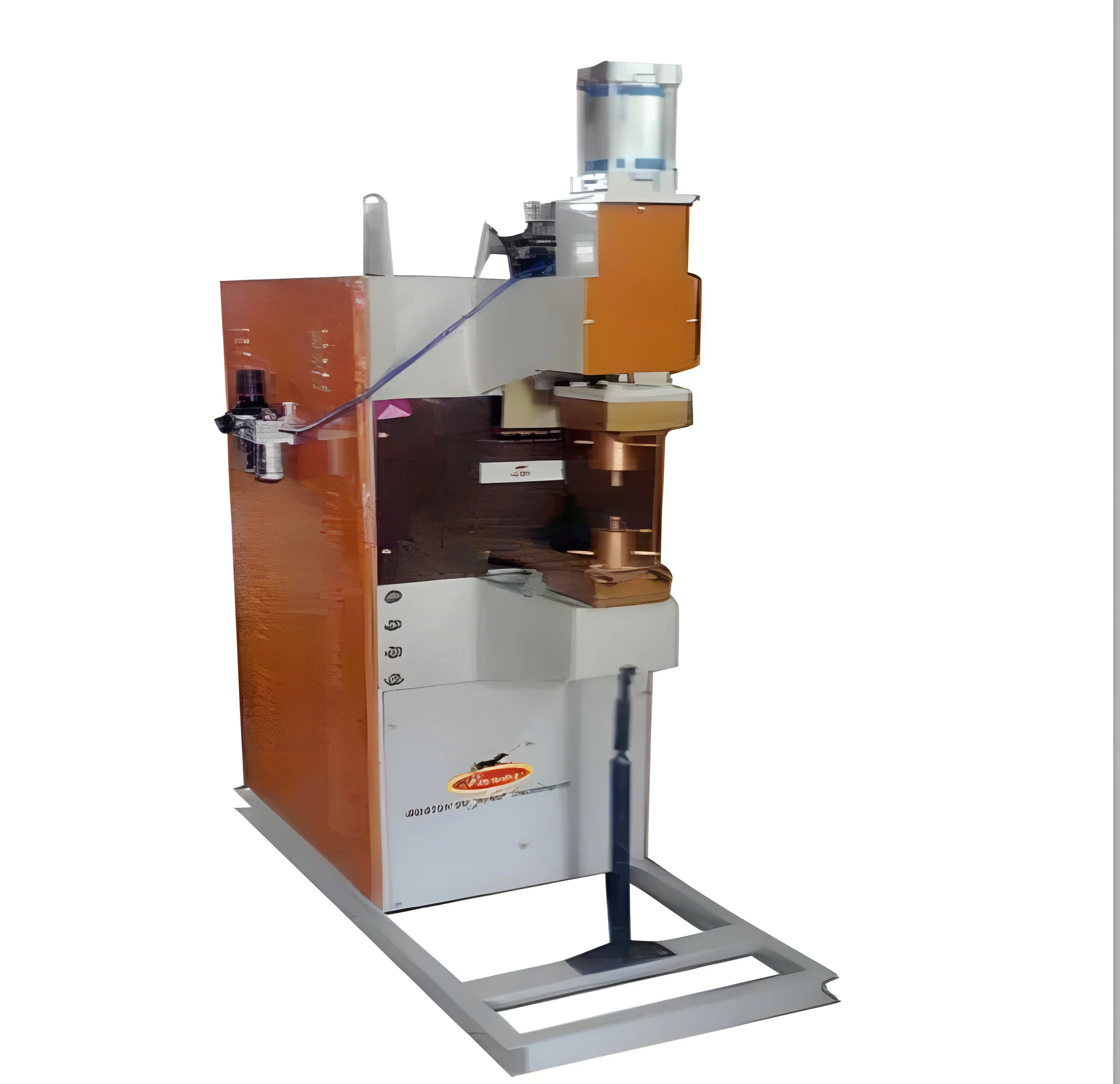
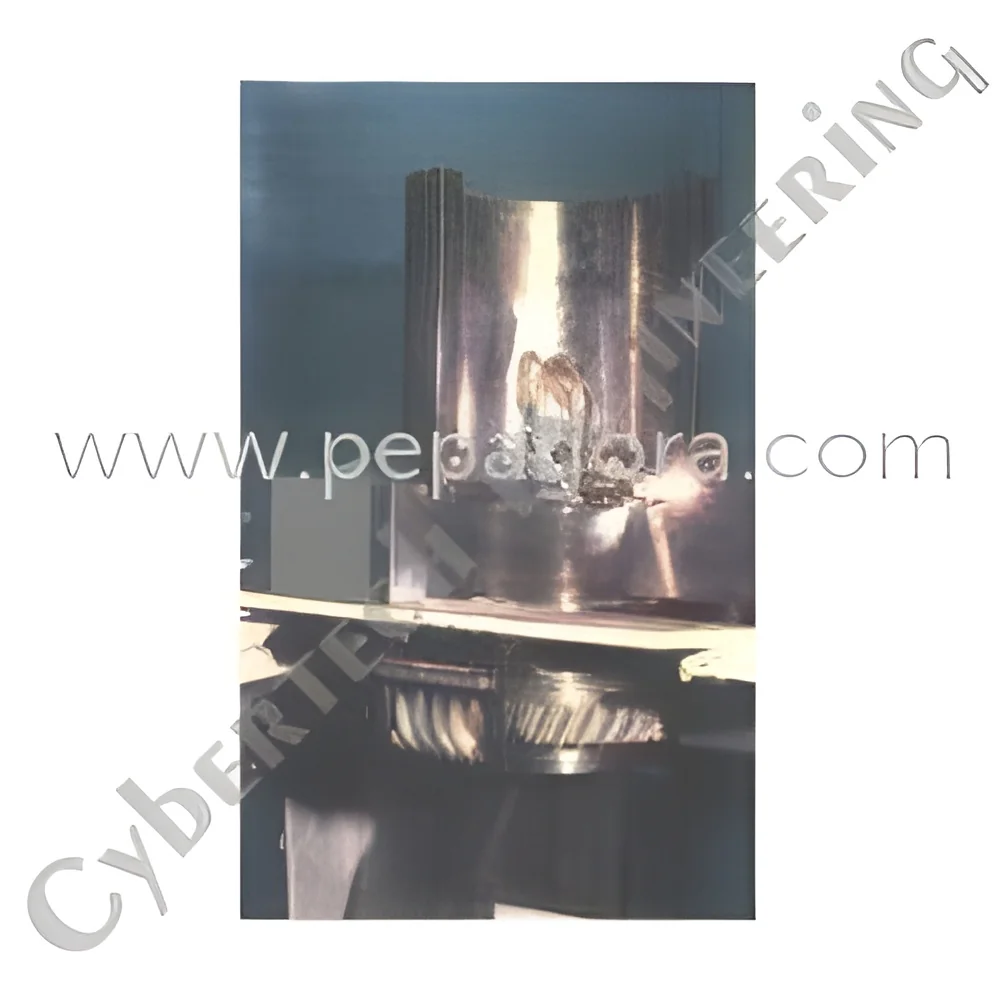
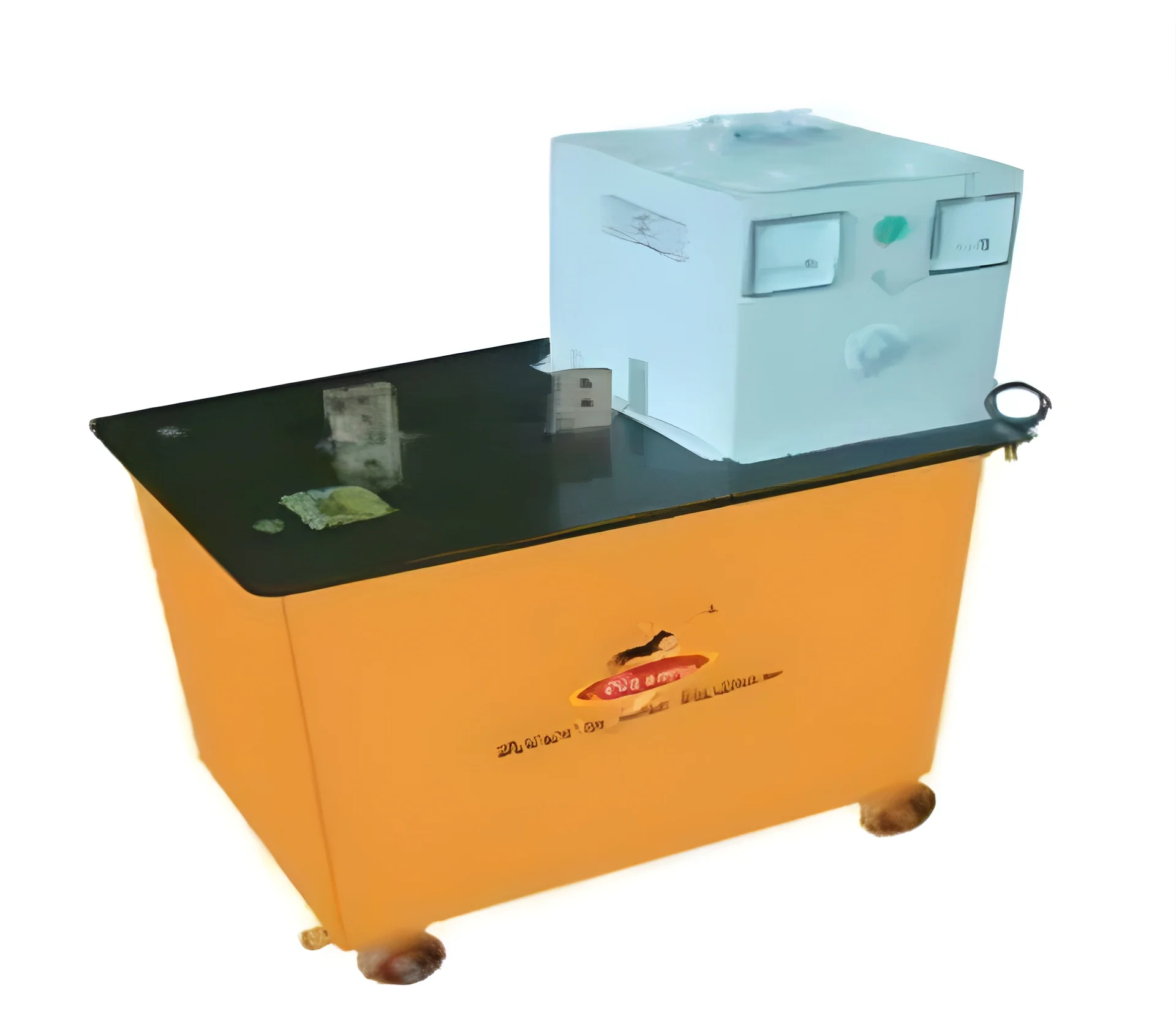
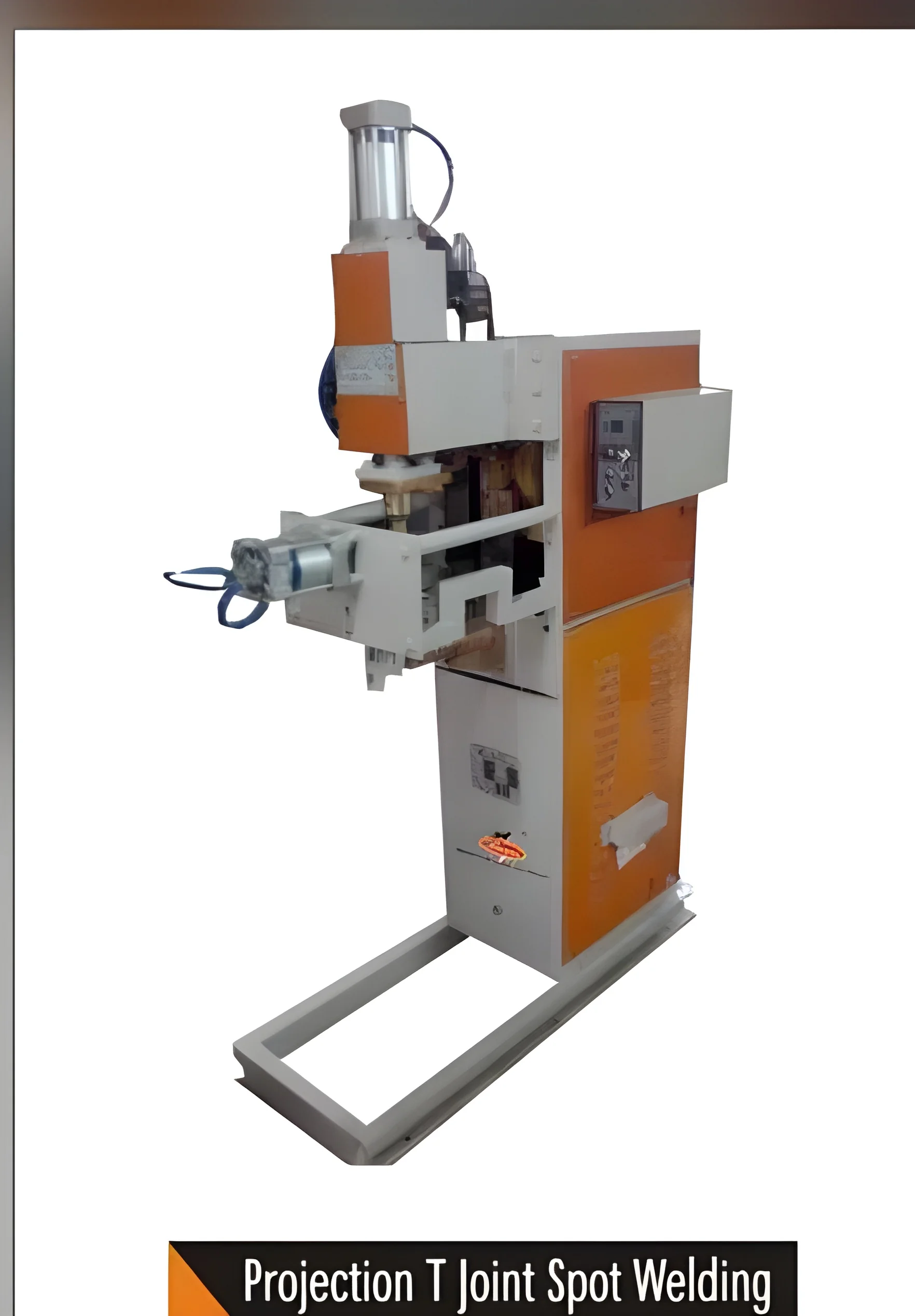
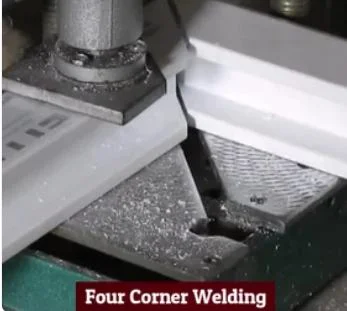
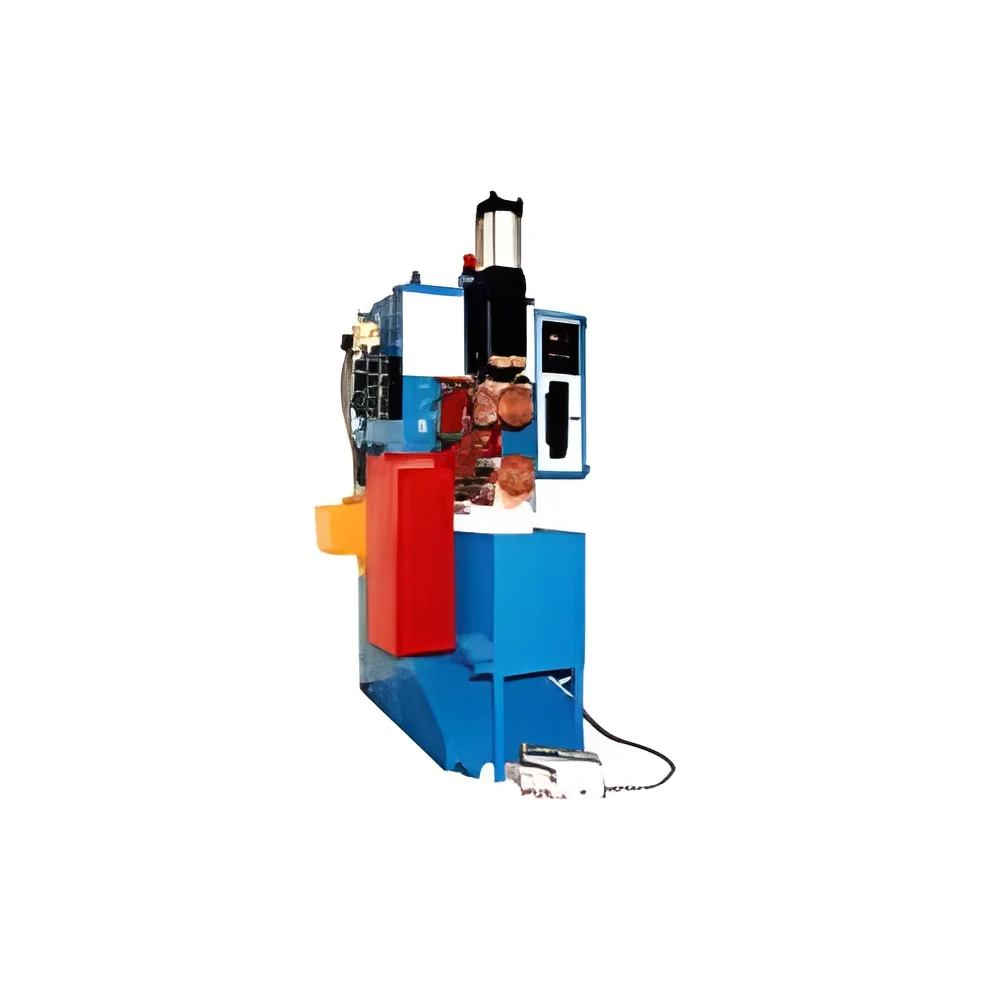
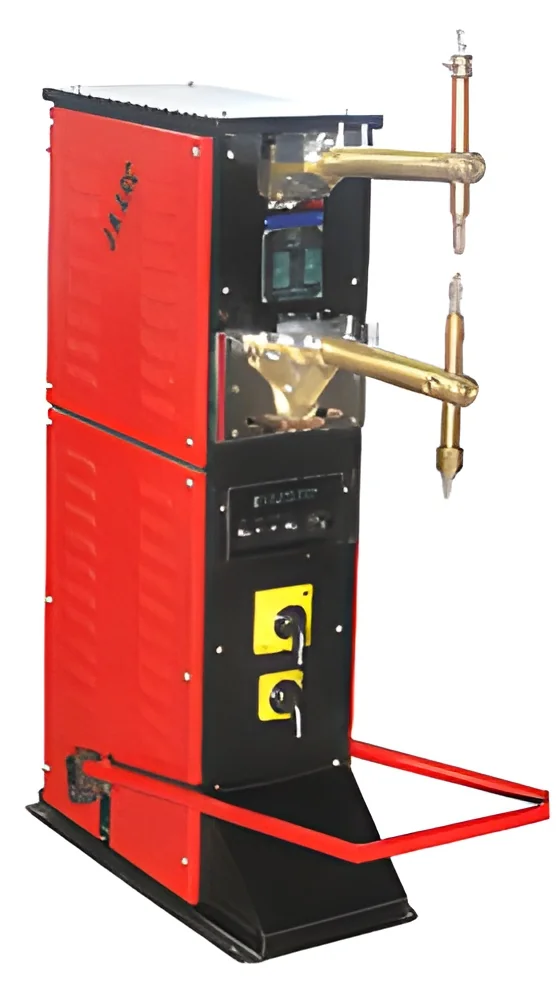
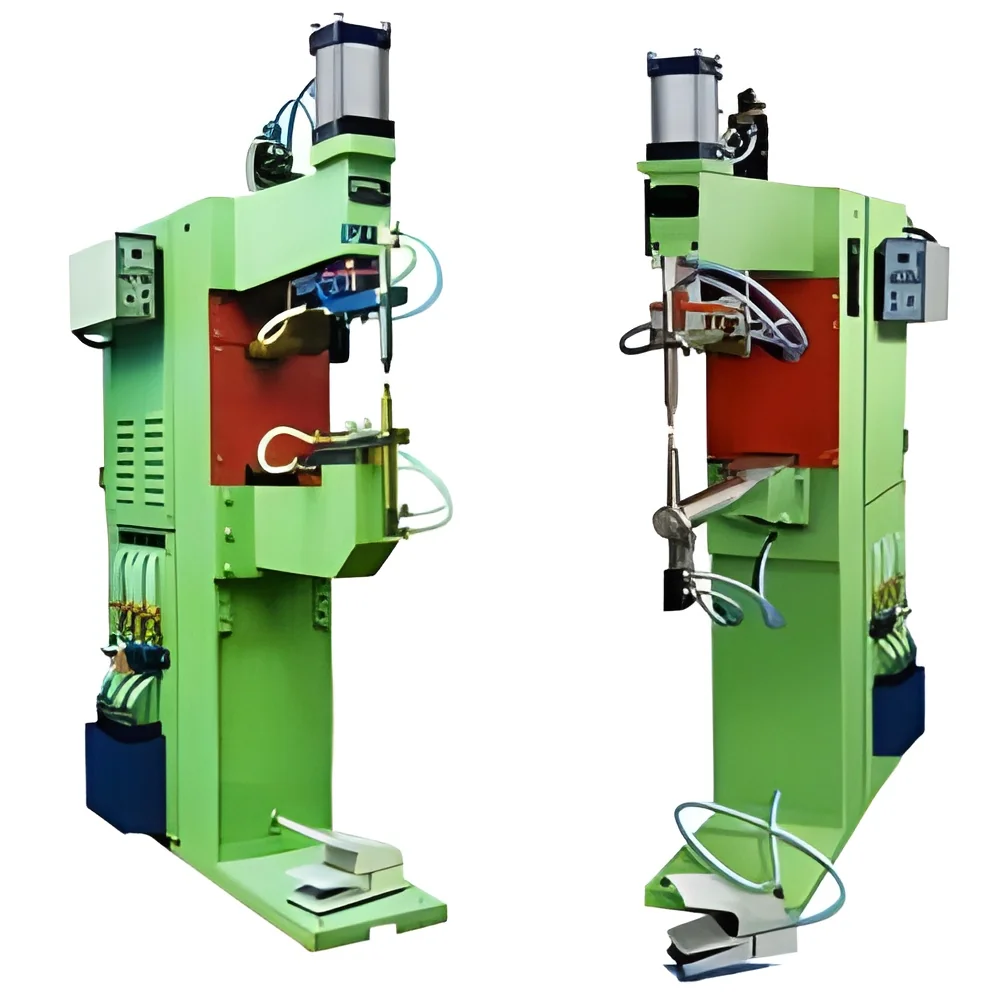
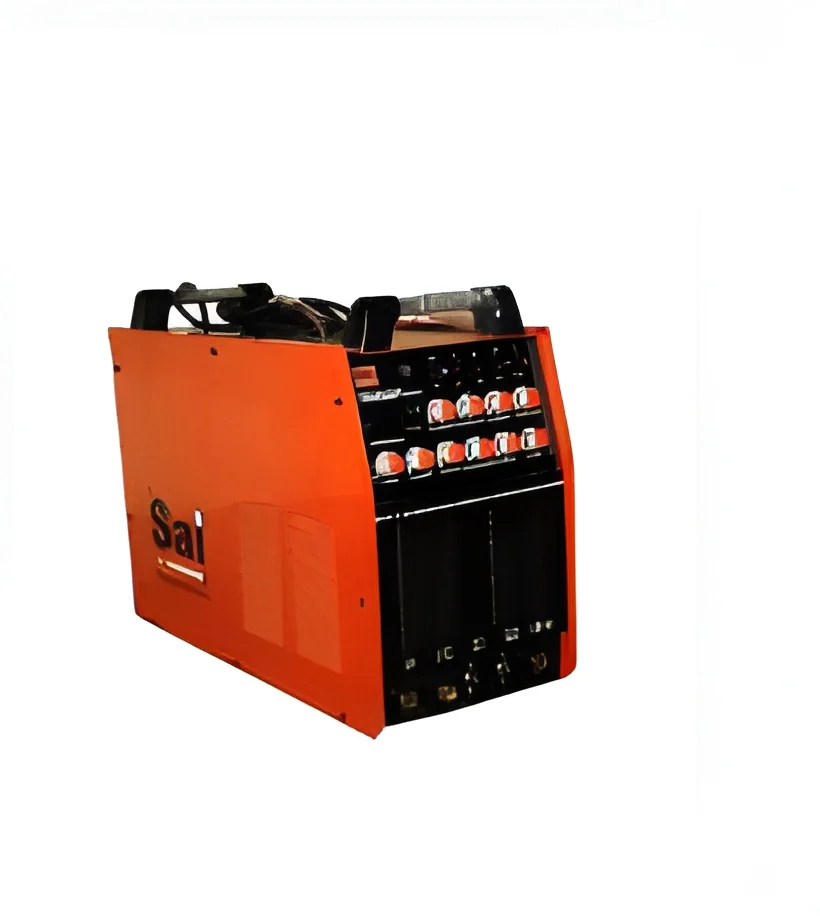
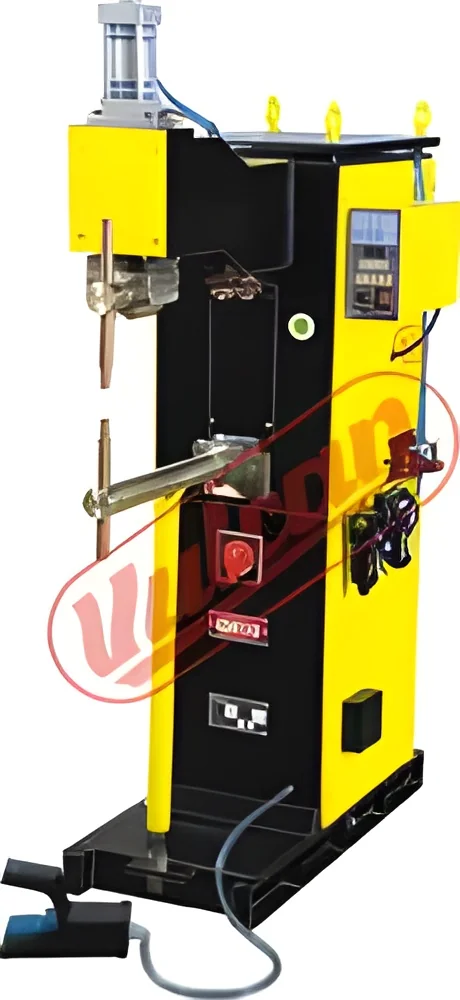
Spot welding machines are specialized devices used for joining two or more metal pieces together by applying heat and pressure at specific points. This process involves the use of electrodes that deliver an electrical current, creating a weld at the contact points of the materials. Spot welding is widely recognized for its efficiency, speed, and ability to produce strong, durable joints, making it an essential technology in various manufacturing processes.
These machines are primarily used in industries such as automotive, aerospace, and electronics, where metal parts are frequently joined together. Spot welding is ideal for production environments requiring high-speed assembly and reliable weld quality. In the automotive sector, for instance, spot welding is used extensively to assemble car bodies, ensuring structural integrity and safety. With the continued growth of manufacturing industries, the relevance of spot welding machines remains significant, as they help meet production demands while maintaining quality standards.
Key Features and Specifications
Spot welding machines come equipped with a variety of features that enhance their functionality and performance. Understanding these specifications is crucial for selecting the right equipment for specific applications.
Key specifications include:
1. Welding Capacity
- This specification indicates the maximum thickness of materials the machine can effectively weld.
- Typical ranges vary from 0.5 mm to 6 mm depending on the model.
2. Power Rating
- This refers to the electrical power required to operate the machine.
- Common ratings are between 5 kW and 50 kW.
3. Electrode Type
- The type of electrodes used can impact the quality of the weld.
- Common materials include copper and copper alloys.
4. Cycle Time
- This specification defines how long it takes to complete a welding operation.
- Typical cycle times can range from 0.1 to 1 second.
5. Cooling System
- A cooling system helps maintain optimal operating temperatures during welding.
- Options include water-cooled and air-cooled systems.
6. Control System
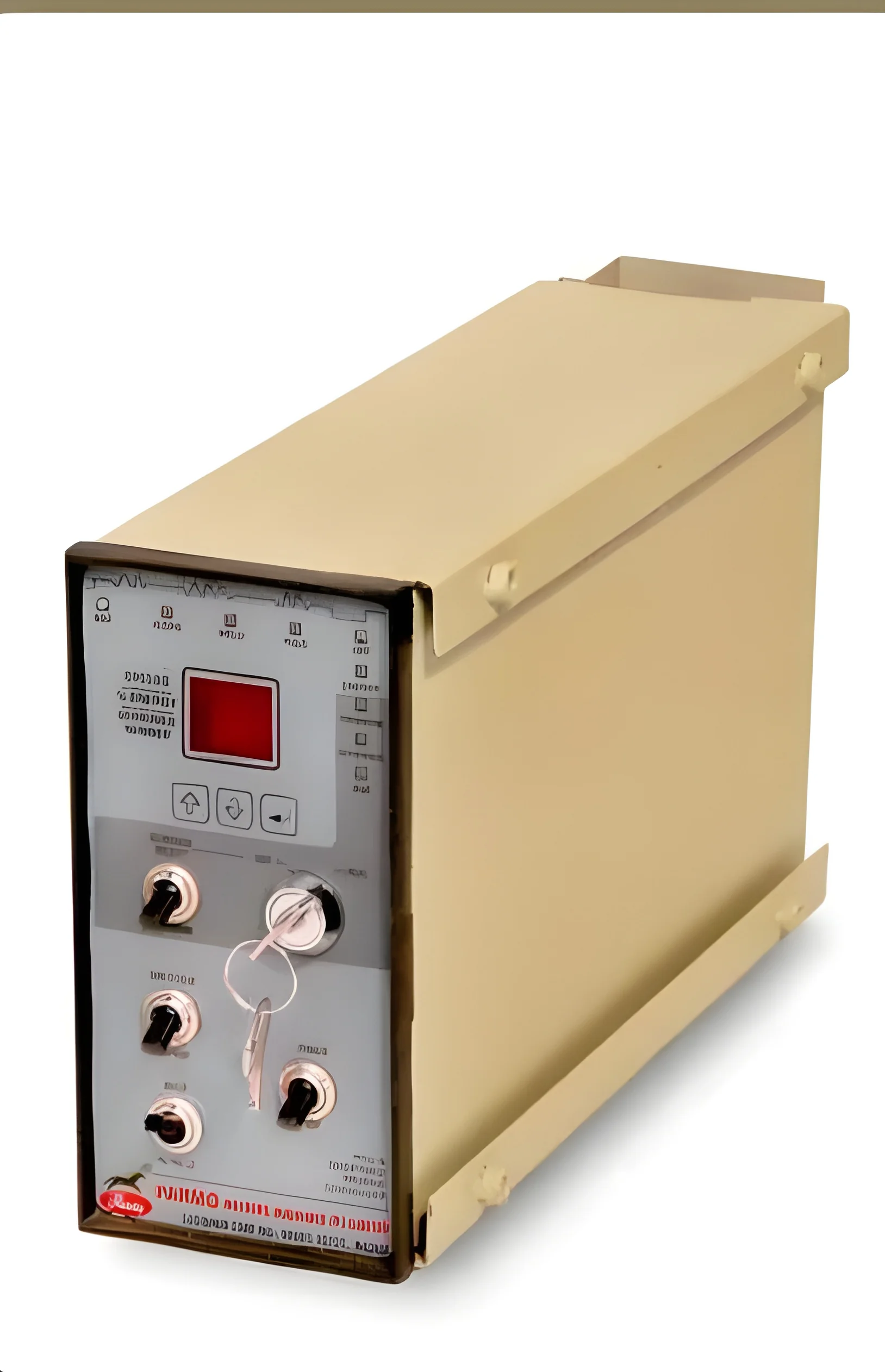
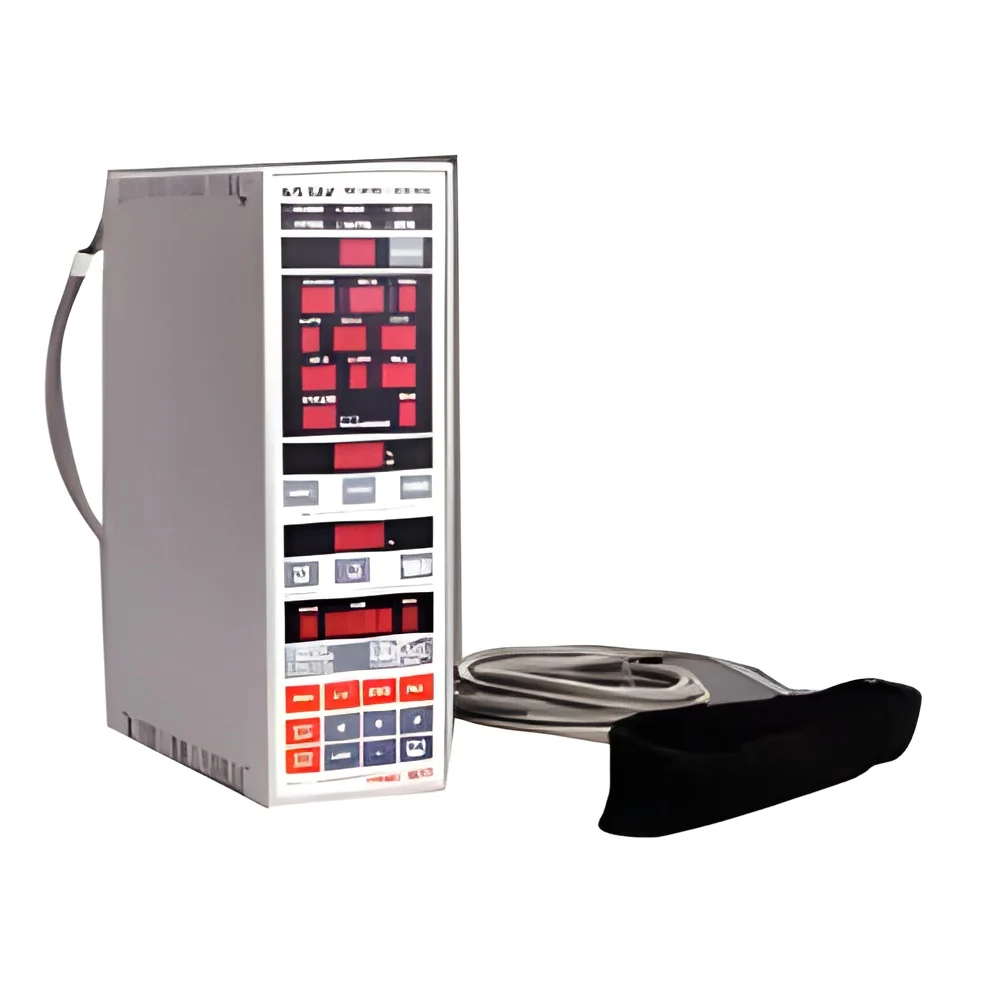
- Many machines come with programmable control systems for enhanced precision.
- Features may include digital displays and automated settings.
7. Safety Features
- Safety mechanisms are essential for protecting operators.
- Common features include emergency stop buttons and protective enclosures.
8. Dimensions and Weight
- This specification outlines the physical size and weight of the machine.
- Machines typically range in size to accommodate different workspace requirements.
In summary, understanding the features and specifications of spot welding machines is essential for ensuring the right fit for specific industrial applications.
Common Applications and Use Cases
Spot welding machines are versatile and serve various industries effectively.
1. Automotive Industry: Spot welding is critical in assembling vehicle bodies, where precision and strength are necessary for safety and performance.
2. Aerospace Industry: These machines are used for joining lightweight materials, crucial for aircraft manufacturing to ensure structural integrity.
3. Electronics Manufacturing: Spot welding is utilized for assembling components in devices, such as circuit boards, ensuring reliable electrical connections.
4. Metal Fabrication: Spot welding aids in the production of custom metal parts, allowing for efficient manufacturing processes in fabricating shops.
5. Appliance Manufacturing: These machines are employed in the assembly of appliances, such as refrigerators and ovens, for joining metal panels.
6. Rail Industry: Spot welding is used for joining rail components, ensuring durability and safety in rail systems.
7. Construction Industry: Spot welding is applied in the fabrication of metal structures and components, providing strong joints for construction applications.
Product Variants and Subcategories
Spot welding machines come in several variants to cater to different manufacturing needs. Each variant is designed to address specific applications and operational requirements.
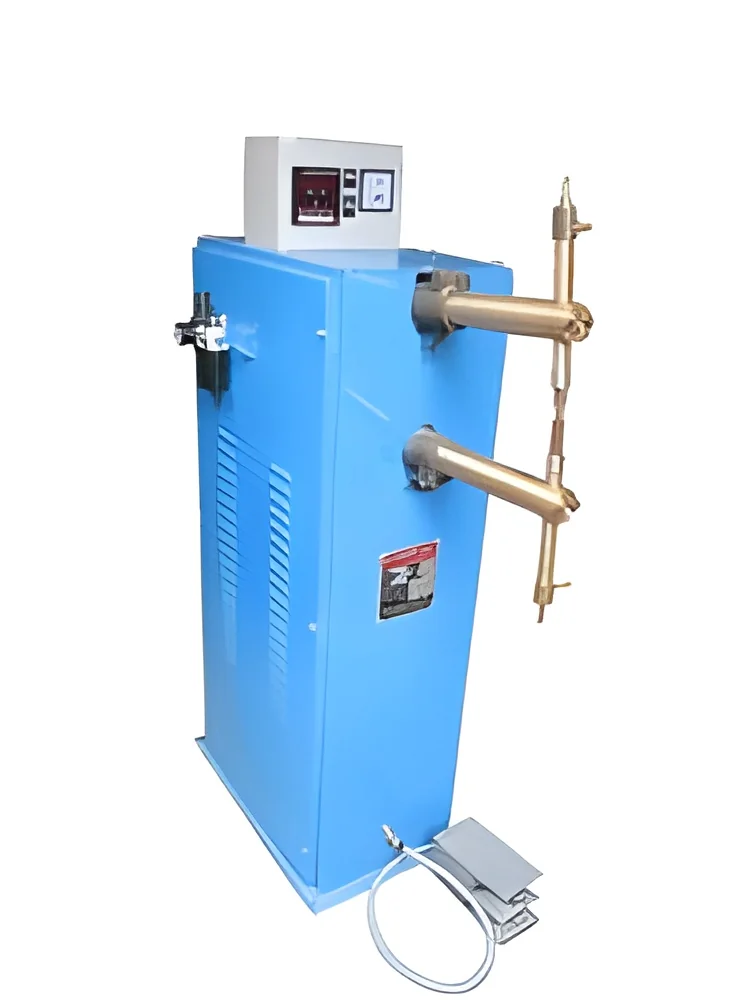
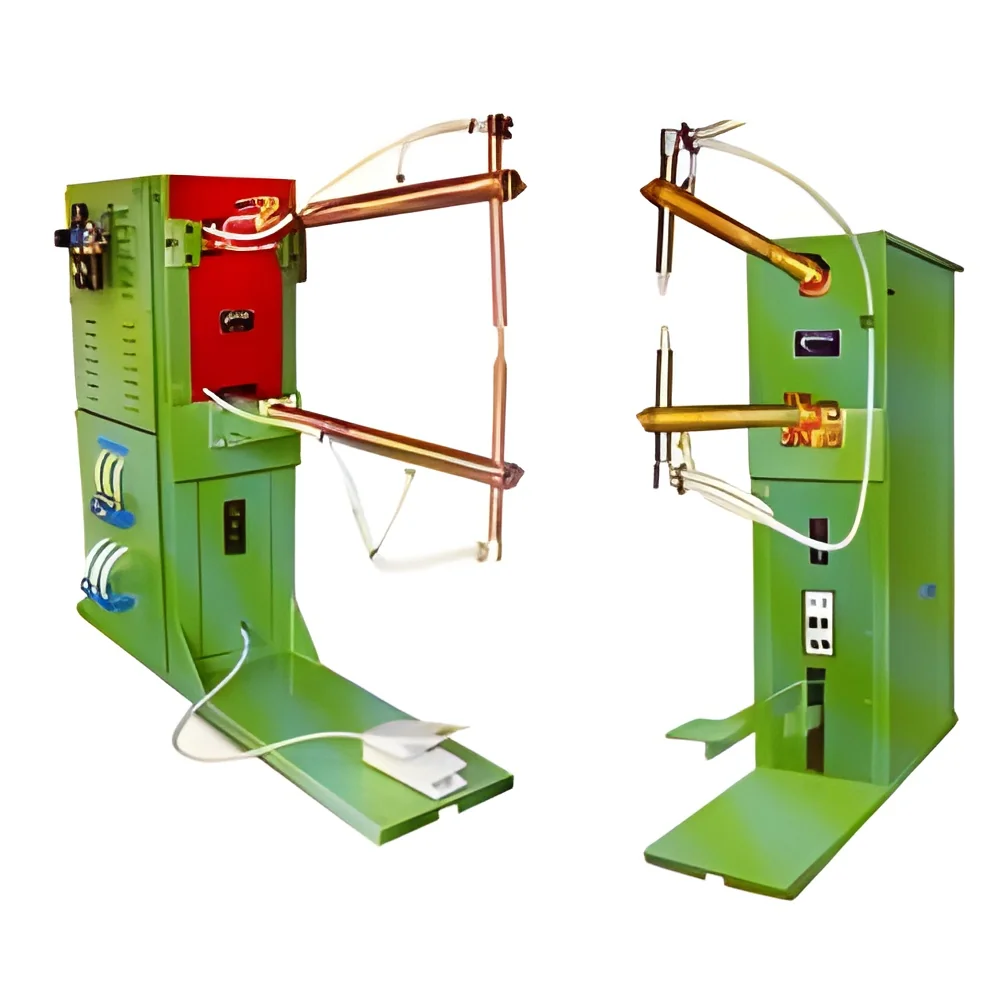
Manual Spot Welding Machines: These machines require operator intervention for each weld. They are suitable for low-volume production and specialized tasks.
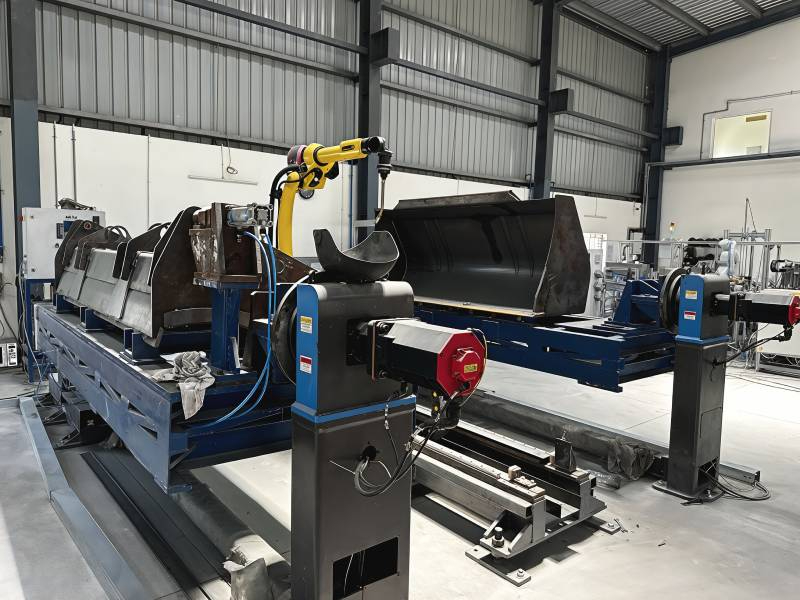
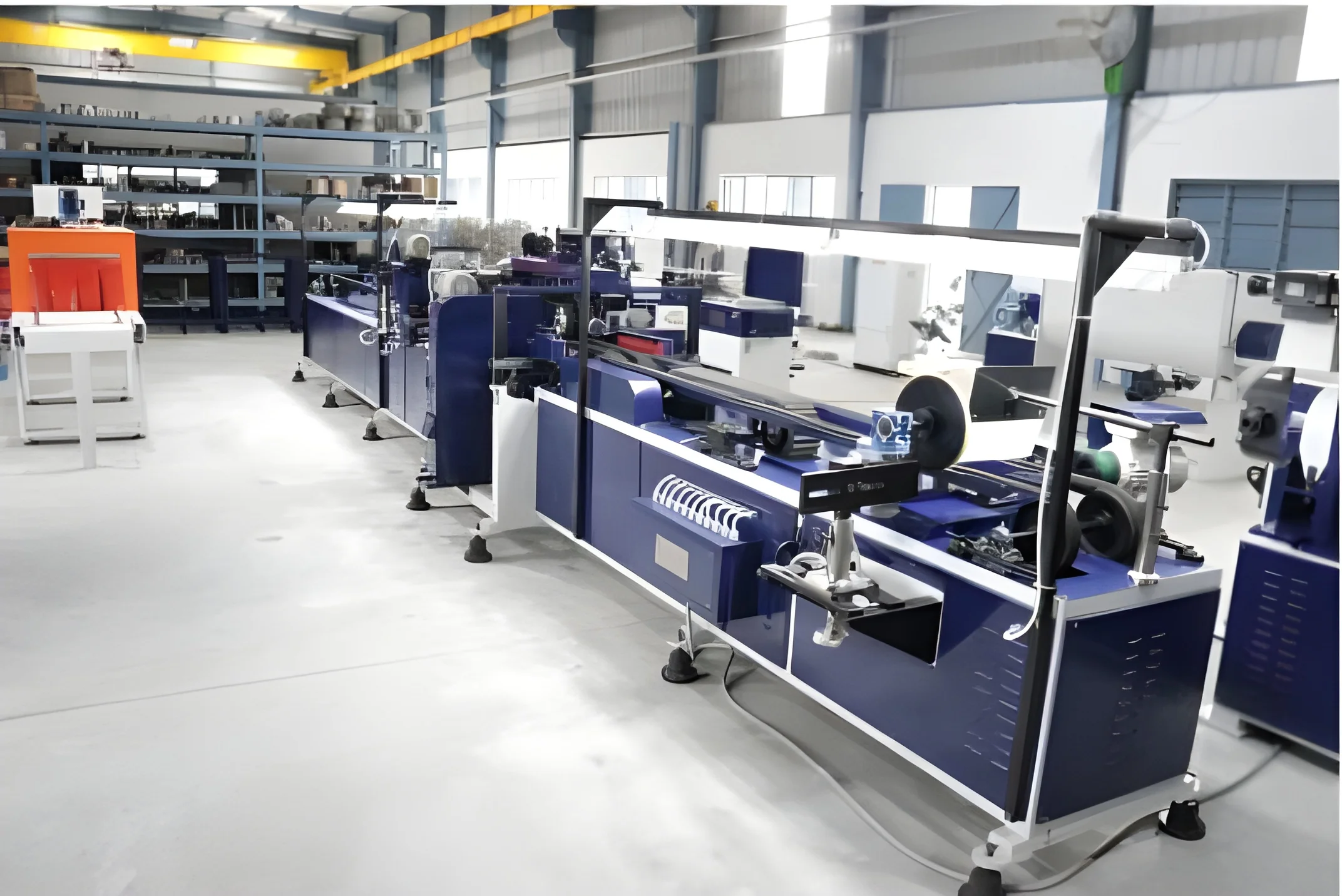
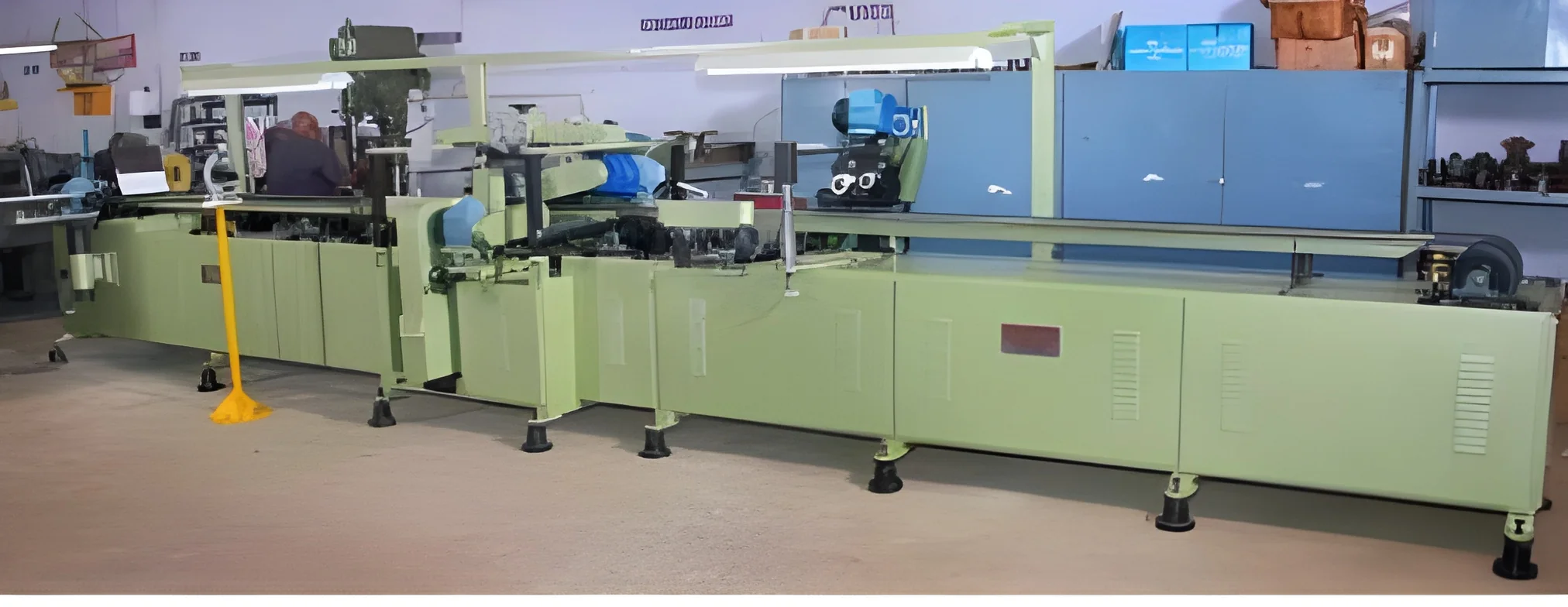
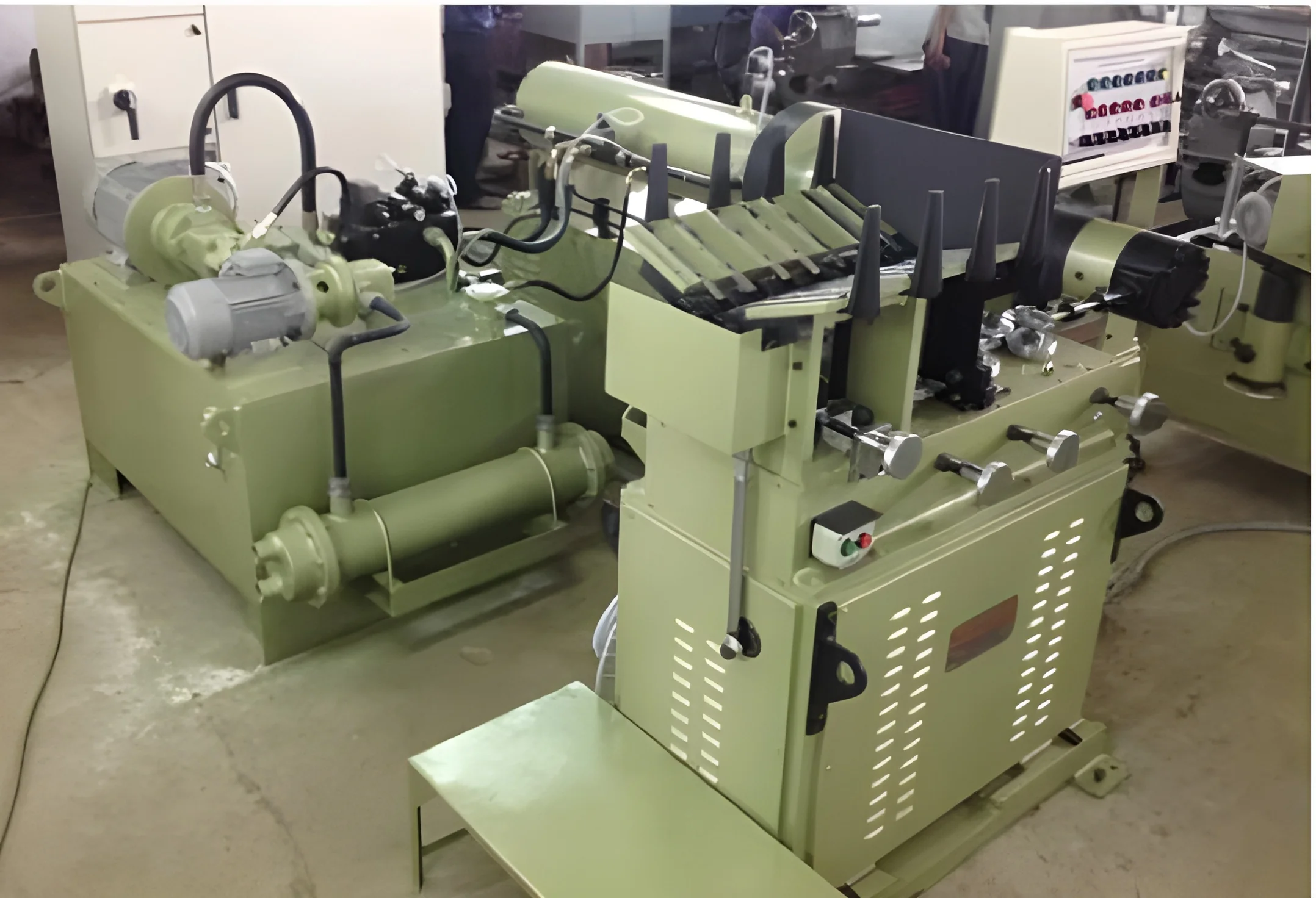
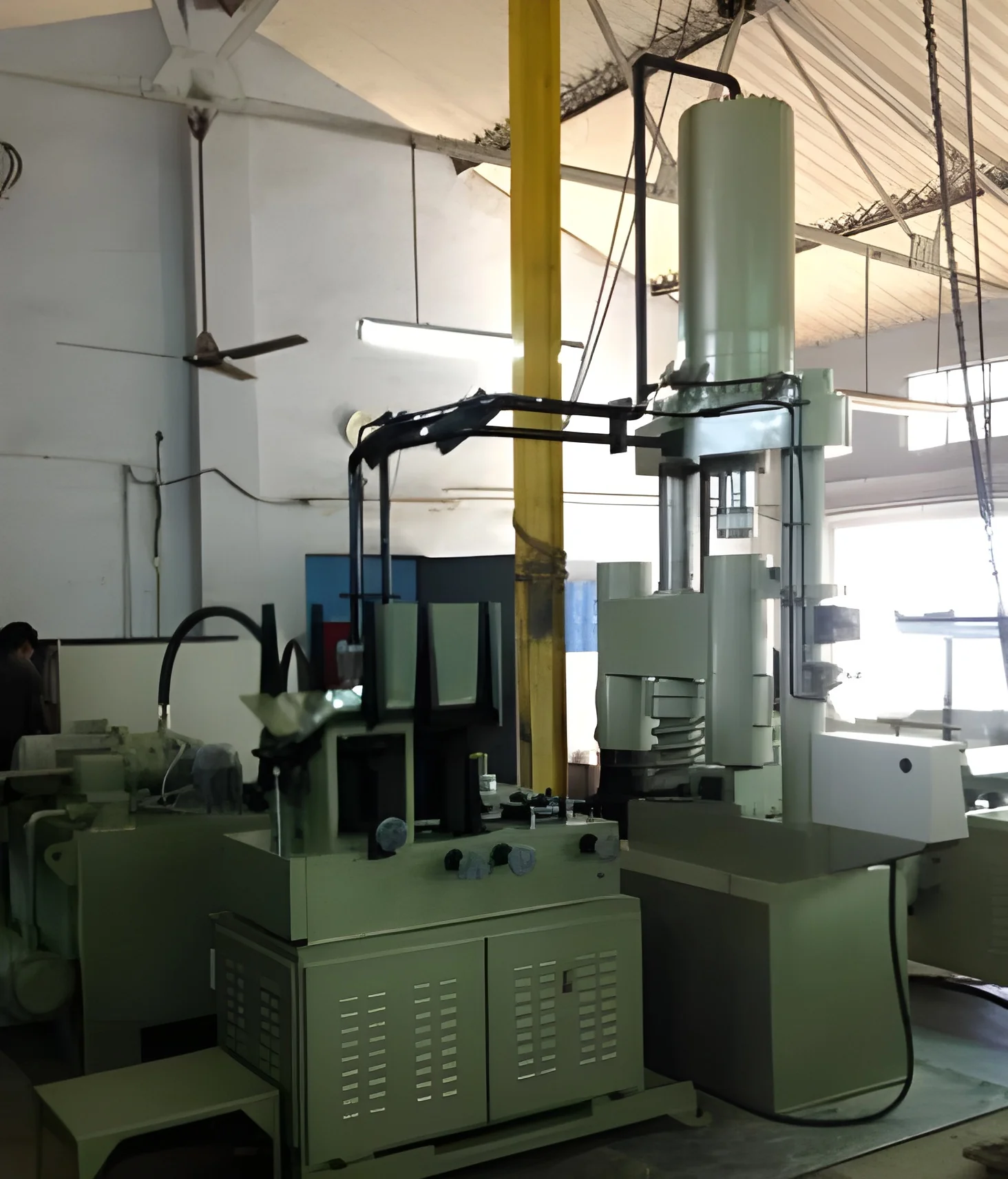
Automatic Spot Welding Machines: These machines operate autonomously, offering high-speed welding for large-scale production environments. They are ideal for assembly lines.
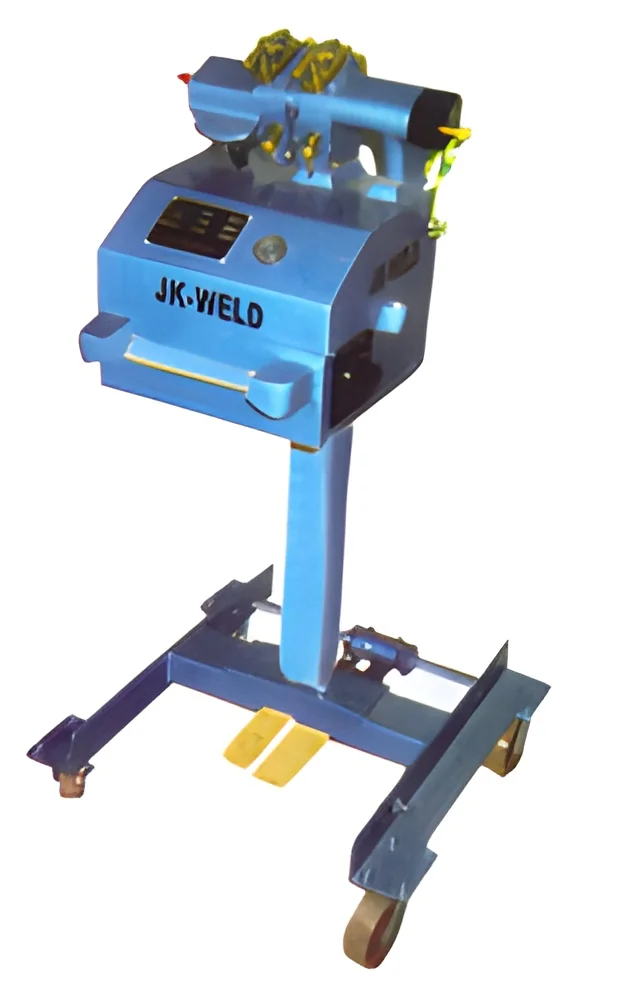
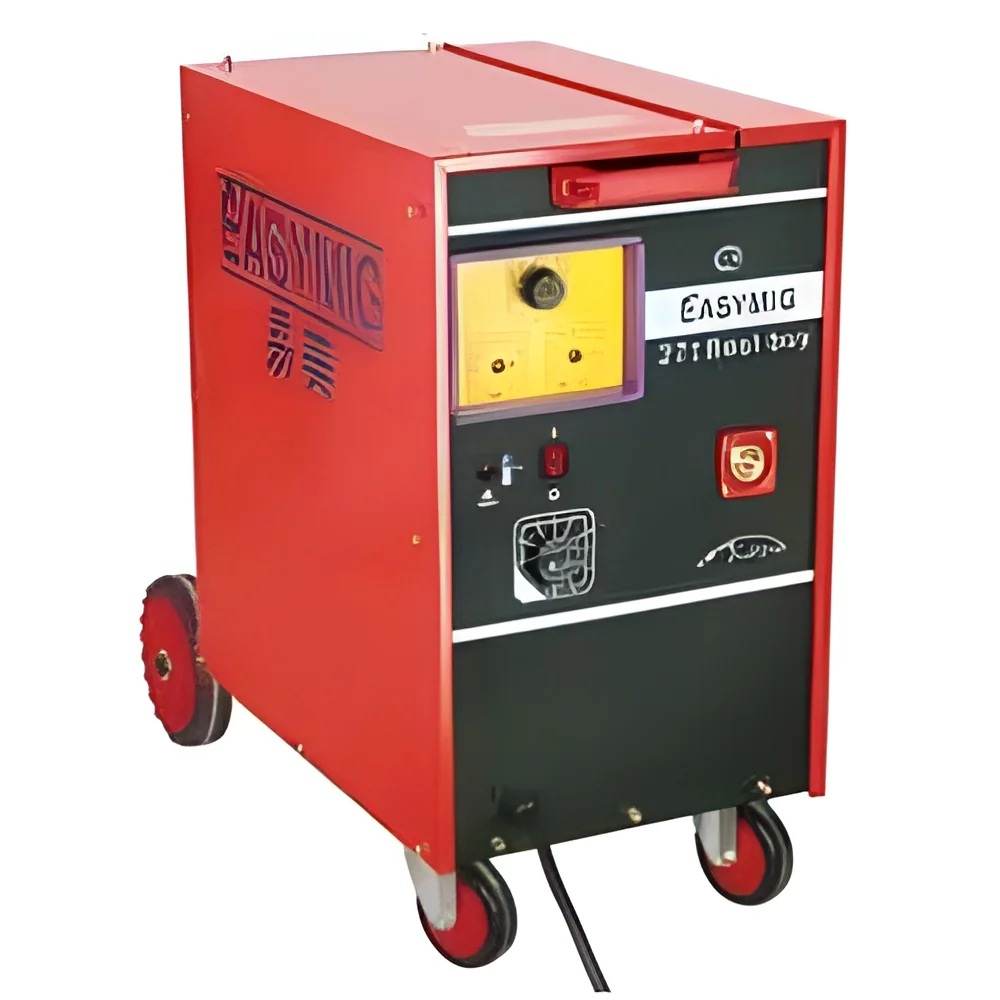
Portable Spot Welding Machines: Designed for flexibility, these machines can be easily transported to different job sites, making them useful for repair and maintenance work.
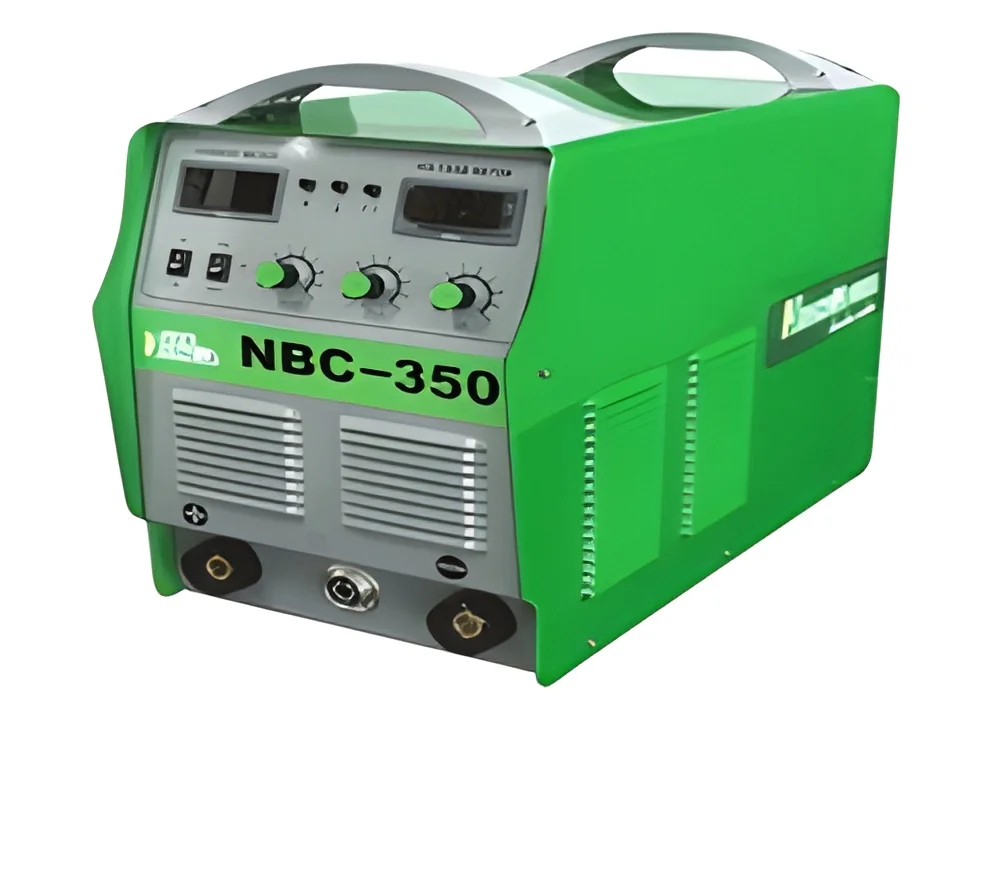
Multi-Process Welders: These machines can perform multiple welding processes, including spot welding, making them versatile for varied applications.
Benefits and Advantages
Spot welding machines offer numerous benefits that enhance productivity and efficiency in manufacturing.
1. Speed: Spot welding is a fast process, enabling high production rates and reduced cycle times.
2. Strong Joints: The welding technique produces strong and durable joints, ensuring structural integrity in finished products.
3. Reduced Material Distortion: The localized heating minimizes the risk of material distortion, maintaining the original shape of components.
4. Cost-Effective: Spot welding machines can reduce labor costs as they automate the welding process, leading to increased profitability.
5. Low Energy Consumption: Compared to other welding methods, spot welding machines consume less energy, contributing to lower operational costs.
6. Flexibility: These machines can be adapted for various applications and materials, making them suitable for diverse industries.
Buying Guide for B2B Buyers
When sourcing spot welding machines, it is essential to consider several key factors to ensure a suitable purchase.
1. Quality Assessment: Evaluate the quality of machines by reviewing manufacturer standards and certifications. Look for machines that comply with industry standards for reliability and performance.
2. Supplier Verification: Conduct thorough research on potential suppliers. Verify their reputation, customer reviews, and industry experience to ensure trustworthy partnerships.
3. Pricing and MOQ: Understand the pricing structure and any minimum order quantity (MOQ) requirements. Compare prices across suppliers to find a competitive option that fits your budget.
4. Delivery and Lead Times: Inquire about delivery schedules and lead times. Ensure the supplier can meet your production timelines to avoid delays.
5. Compliance Requirements: Familiarize yourself with compliance standards relevant to your industry. Ensure the machines meet necessary safety and quality regulations.
Compliance and Certifications
Compliance and certifications are critical aspects of spot welding machines that ensure quality and safety standards are met.
Many manufacturers adhere to ISO 9001 standards, which focus on quality management systems. This certification ensures that the production processes meet international quality benchmarks.
The CE marking is another essential certification for spot welding machines, indicating compliance with European health, safety, and environmental protection standards. This certification is particularly important for businesses operating within the European market.
Safety and testing requirements are paramount in the manufacturing of spot welding machines. Compliance with these requirements helps protect operators and ensures reliable machine performance.
Regional compliance considerations may vary, so it is crucial to understand local regulations that apply to the use of welding equipment. Compliance with these standards ensures that machines can be legally operated in specific regions without violating safety or quality laws.
Why Source Spot Welding Machines from Pepagora?
Pepagora is a trusted platform for sourcing spot welding machines, providing several key advantages for B2B buyers.
Verified Supplier Network: Pepagora connects buyers with verified suppliers, ensuring that you work with reputable manufacturers who meet industry standards.
Streamlined RFQ Process: The platform offers a streamlined request for quotation (RFQ) process, making it easy to compare prices and options from multiple suppliers quickly.
Trade Assurance and Support: Pepagora provides trade assurance to protect buyers, ensuring that transactions are secure and that you receive the expected quality of machines.
Regional Coverage: With a broad reach across India, the GCC, and Southeast Asia, Pepagora facilitates sourcing for businesses in various geographic locations, making it easier to find the right spot welding machines for your needs.

 IN
IN