What are Gas Regulators & Flow Meters?
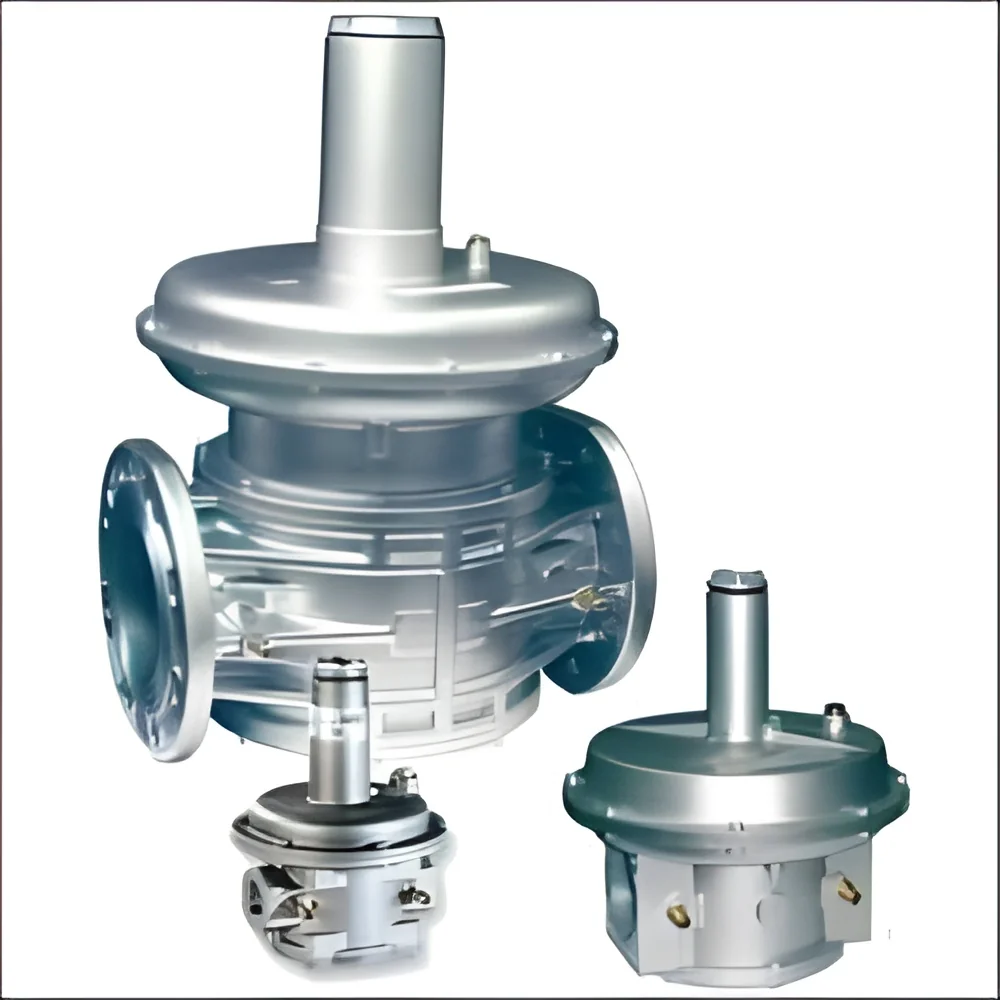
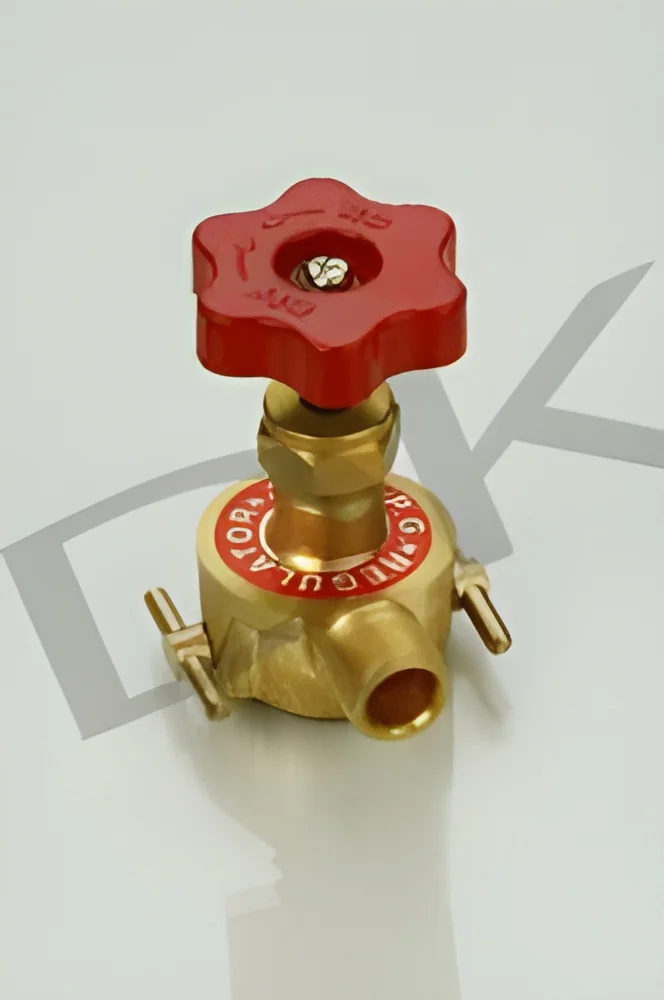
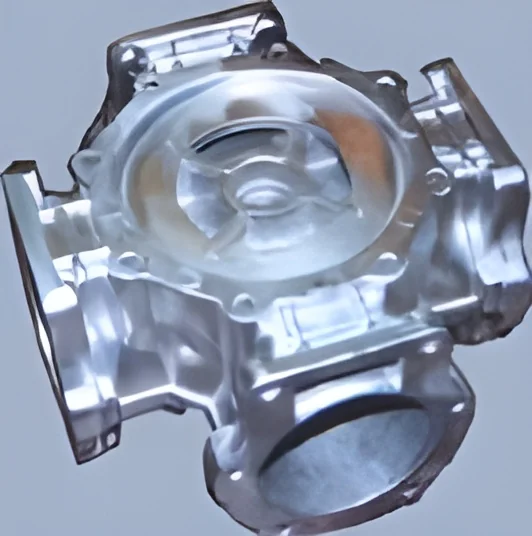
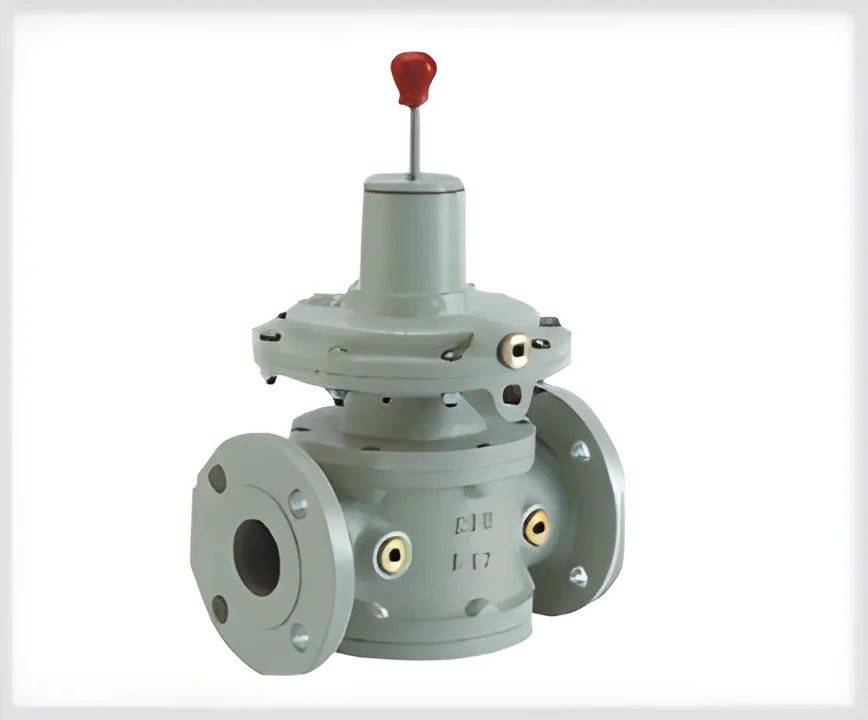
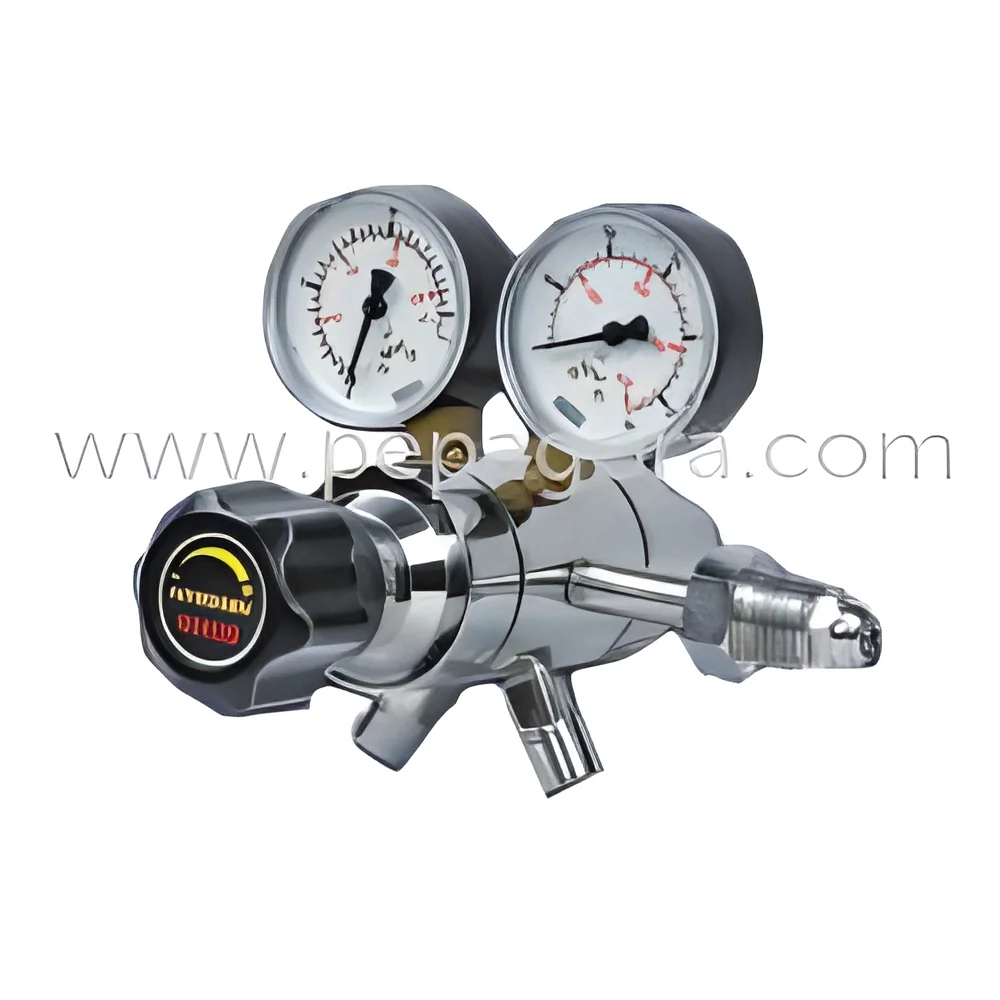
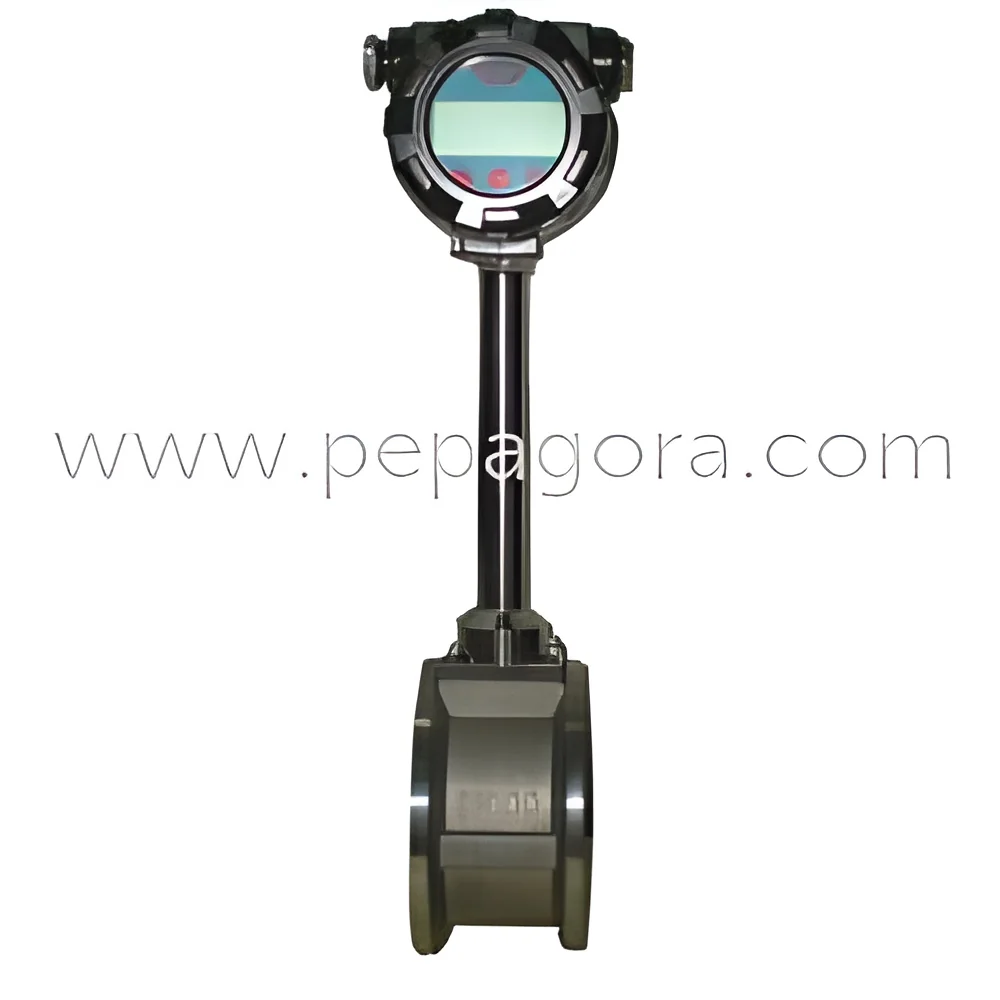
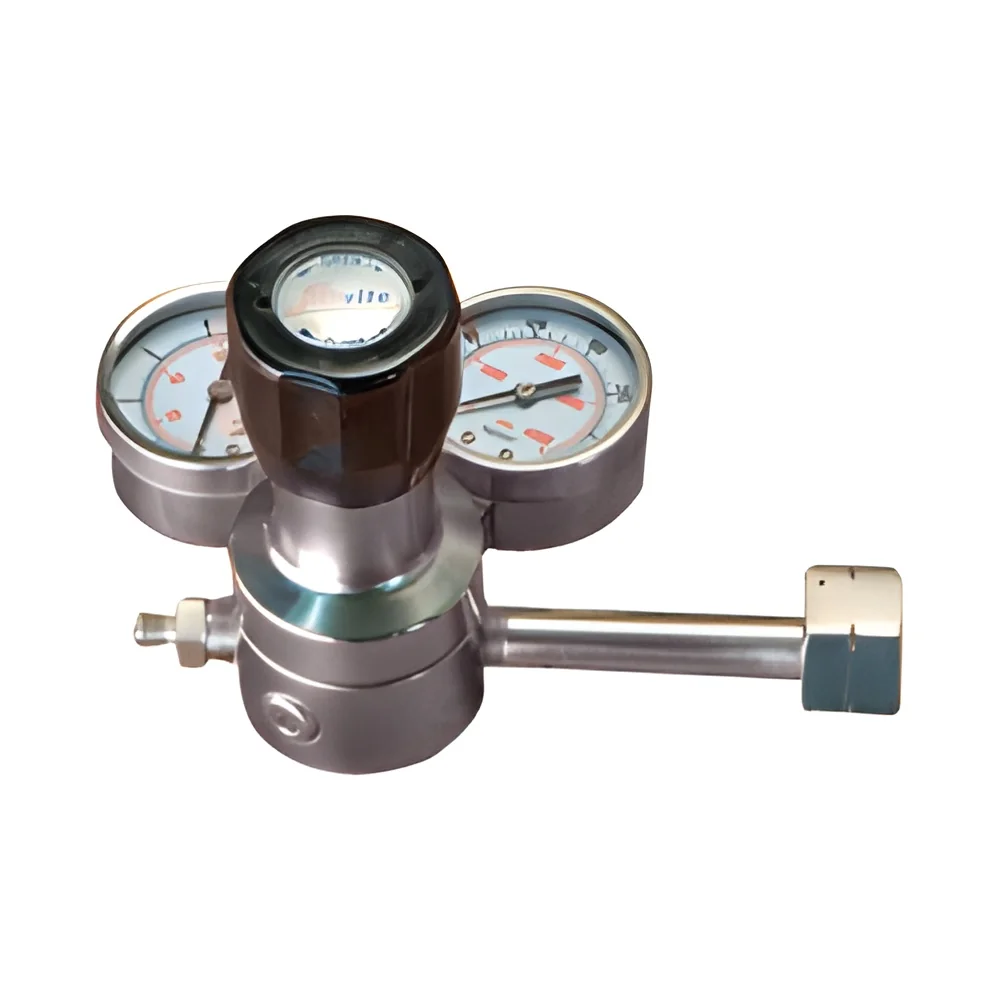
Gas regulators and flow meters are essential devices used in controlling and measuring gas flow in various industrial applications. Gas regulators are designed to reduce the pressure of gas from a high-pressure source to a lower, more manageable level. They ensure a consistent flow of gas and help protect downstream equipment from potential damage caused by excessive pressure. Flow meters, on the other hand, are instruments that measure the flow rate of gases, providing critical data for monitoring and optimizing processes.
These devices are widely used in a range of sectors, including manufacturing, energy, food and beverage, and pharmaceuticals. In manufacturing, gas regulators maintain stable pressure for processes such as welding and cutting. Flow meters are crucial in gas distribution systems, ensuring accurate billing and efficient resource management. The relevance of gas regulators and flow meters continues to grow as industries seek to enhance operational efficiency and comply with safety regulations.
The global market for gas regulators and flow meters is expanding, driven by the increasing demand for process automation and safety in industrial environments. As businesses seek to optimize their operations, the need for reliable and efficient gas control solutions becomes paramount.
Key Features and Specifications
Gas regulators and flow meters come equipped with various features and specifications that cater to different industrial needs. Understanding these specifications is key to selecting the right products for specific applications.
Key specifications include:
1. Pressure Range
- Gas regulators typically operate within pressure ranges of 0.5 to 60 psi, depending on the model and application.
2. Flow Rate Capacity
- Flow meters have varying capacities, usually measured in standard cubic feet per minute (SCFM) or liters per minute (LPM), accommodating different gas flow requirements.
3. Body Material
- Common materials include brass, stainless steel, or aluminum, chosen based on the compatibility with the specific gas type.
4. Connection Type
- Various connection options are available, including threaded, flanged, or quick-connect fittings, allowing for easy integration into existing systems.
5. Accuracy Rating
- Flow meters often have accuracy ratings of ±1% to ±5%, ensuring precise measurements for effective monitoring and control.
6. Temperature Range
- Operating temperature ranges are typically between -20°C to 60°C, suitable for most industrial applications.
7. Safety Features
- Many regulators include built-in safety features such as pressure relief valves to prevent overpressure conditions.
8. Calibration
- Flow meters may come pre-calibrated or offer adjustable calibration settings to ensure optimal performance.
In summary, selecting gas regulators and flow meters with the appropriate specifications is crucial for ensuring safety, efficiency, and reliability in industrial applications.
Common Applications and Use Cases
Gas regulators and flow meters serve a wide range of industries, each requiring tailored solutions for specific applications.
1. Manufacturing: In this sector, gas regulators maintain stable pressure in processes such as welding, cutting, and material handling, ensuring consistent performance.
2. Oil and Gas: Flow meters are vital for measuring gas production rates and ensuring accurate billing in pipeline transportation.
3. Food and Beverage: These devices help maintain quality and safety standards by controlling gas flow in processes like carbonation and fermentation.
4. Pharmaceutical: Gas regulators are used to manage gas supplies in laboratory settings, ensuring precise conditions for research and production.
5. HVAC: In heating, ventilation, and air conditioning systems, flow meters monitor gas flow for optimal system performance and energy efficiency.
6. Chemical Processing: Gas regulators control the flow of gases in chemical reactions, maintaining safety and efficiency throughout the production process.
7. Power Generation: Flow meters measure the gas supplied to turbines and engines, ensuring operational efficiency and compliance with regulatory standards.
Product Variants and Subcategories
Gas regulators and flow meters are available in a variety of configurations to meet diverse industrial needs.
Diaphragm Regulators
These regulators are designed for low to medium pressure applications. They provide excellent regulation and are often used in laboratory and industrial settings where precise pressure control is essential.
Electronic Flow Meters
These advanced meters utilize digital technology to provide accurate flow measurements and often feature data logging capabilities. They are commonly used in applications requiring real-time monitoring and analysis.
Rotary Vane Flow Meters
Ideal for high viscosity fluids and gases, rotary vane flow meters offer reliable performance and accuracy in demanding environments such as oil and gas industries.
Differential Pressure Flow Meters
These meters measure flow based on pressure differences, making them suitable for high flow applications in various industries, including chemical processing.
Benefits and Advantages
The advantages of using gas regulators and flow meters are significant for businesses looking to enhance their operations.
1. Enhanced Safety: By regulating gas pressure and flow, these devices minimize the risk of accidents and equipment failures.
2. Improved Efficiency: Accurate flow measurements enable better resource management and process optimization, leading to reduced operational costs.
3. Compliance Assurance: Using certified equipment helps organizations meet industry regulations and standards, avoiding potential fines and liabilities.
4. Versatility: A wide range of models and configurations ensures that businesses can find suitable solutions for various applications.
5. Reliability: High-quality gas regulators and flow meters are designed for durability and consistent performance, reducing the need for frequent replacements.
6. Easy Integration: Many models feature standard connections, making it simple to incorporate them into existing systems without extensive modifications.
Buying Guide for B2B Buyers
When sourcing gas regulators and flow meters, several factors should be taken into consideration to ensure the right choice.
1. Quality Assessment: Evaluate products based on material quality, durability, and manufacturer reputation. Look for certifications that demonstrate adherence to industry standards.
2. Supplier Verification: Conduct thorough background checks on suppliers to ensure they have a proven track record in providing high-quality products and reliable customer service.
3. Pricing and MOQ: Consider the cost of products alongside the minimum order quantity. This will help balance budget constraints with operational needs.
4. Delivery and Lead Times: Check suppliers’ lead times and shipping options to ensure timely delivery that aligns with your operational schedule.
5. Compliance Requirements: Verify that the products meet all relevant regulatory and safety standards for your specific industry.
Compliance and Certifications
When it comes to gas regulators and flow meters, compliance with quality standards and certifications is crucial for ensuring safety and reliability. Key industry standards include ISO 9001, which focuses on quality management systems, and HACCP, which is essential for food safety.
In addition to these standards, many products are certified by organizations such as CE and UL. These certifications indicate that the equipment meets rigorous safety and performance criteria, providing assurance to buyers.
Safety and testing requirements also play a significant role in product selection. Manufacturers must conduct thorough testing to ensure that their products can withstand the operating conditions they will face in the field.
Regional compliance considerations may vary, so it is vital to be aware of local regulations that could impact the selection and use of gas regulators and flow meters in different markets.
Why Source Gas Regulators & Flow Meters from Pepagora?
Pepagora offers a trusted platform for sourcing gas regulators and flow meters, providing several key advantages to buyers.
Verified Supplier Network: Pepagora has a rigorous supplier verification process, ensuring that buyers have access to high-quality products from reputable manufacturers.
Streamlined RFQ Process: The request for quotation process on Pepagora is designed to be efficient, allowing buyers to receive competitive quotes quickly and easily.
Trade Assurance and Support: Buyers benefit from trade assurance measures that protect their purchases, coupled with responsive customer support to address any inquiries or issues.
Regional Coverage: With a focus on markets in India, the GCC, and Southeast Asia, Pepagora provides extensive geographic reach, connecting buyers with local suppliers to meet their specific needs.

 IN
IN