What are Fume Extractors?
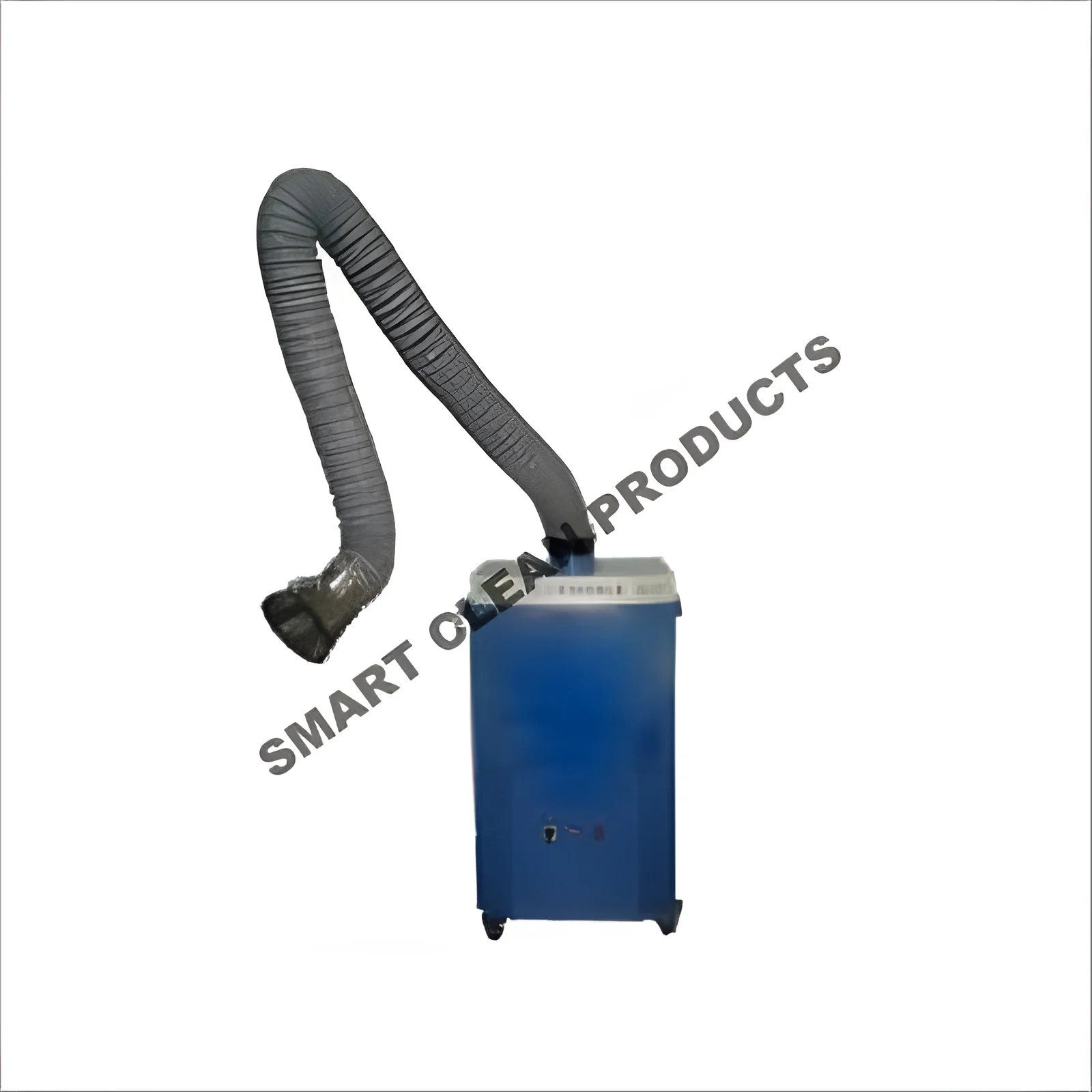
Fume extractors are essential pieces of equipment designed to capture and eliminate harmful fumes, vapors, and particulates generated during various industrial processes. These devices work by drawing contaminated air through high-efficiency filters and expelling clean air back into the environment. Fume extractors can be portable or fixed installations, depending on the needs of the workplace and the specific applications for which they are designed.
These extractors are primarily used in industries such as welding, soldering, chemical manufacturing, and electronics assembly, where exposure to hazardous materials is a concern. They help maintain air quality and ensure compliance with occupational safety regulations. By effectively removing pollutants from the air, fume extractors not only protect workers' health but also contribute to overall workplace safety and productivity.
In a market increasingly focused on health and safety standards, the relevance of fume extractors continues to grow. Industries are looking for reliable solutions to manage air quality and comply with stringent environmental regulations. As a result, manufacturers are investing in advanced technologies to enhance the efficiency and effectiveness of fume extraction systems.
Key Features and Specifications
Fume extractors come equipped with a range of features designed to enhance their performance and ensure user safety. Understanding these specifications is essential for selecting the right unit for specific applications.
Key specifications include:
1. Airflow Rate
- This specification indicates the volume of air that the extractor can process per minute.
- Typical ranges are from 100 to 500 CFM (Cubic Feet per Minute).
2. Filtration Efficiency
- This measures the effectiveness of the filters in capturing particulates and fumes.
- High-efficiency particulate air (HEPA) filters typically achieve 99.97% efficiency at 0.3 microns.
3. Noise Level
- The operational sound level of the extractor, measured in decibels (dB).
- Common levels range between 60 dB to 80 dB, depending on the model.
4. Power Consumption
- The amount of electrical power required to operate the unit, usually measured in watts.
- Typical units consume between 300 to 1200 watts.
5. Portability
- Refers to whether the extractor is designed to be moved easily or is a fixed installation.
- Portable units often include wheels for mobility.
6. Filter Replacement Indicator
- A feature that alerts users when the filters need to be changed.
- This ensures optimal performance and extends the life of the equipment.
7. Size and Weight
- The dimensions and weight of the unit, which can impact installation and mobility.
- Varies significantly based on the design and intended use.
8. Certification
- Indicates compliance with industry standards, such as CE certification.
- Ensures that the product meets safety and performance criteria.
In summary, understanding these key features and specifications helps businesses make informed decisions when selecting fume extractors suited to their operational needs.
Common Applications and Use Cases
Fume extractors find utility in a variety of industrial settings, ensuring safe working conditions by effectively managing airborne contaminants.
1. Welding: Fume extractors are widely used in welding applications to capture harmful smoke and gases generated during the welding process. This not only protects the welders but also helps maintain air quality in the work environment.
2. Soldering: In electronics manufacturing, fume extractors are critical for removing toxic fumes produced during soldering. They help prevent respiratory issues among workers and ensure compliance with health regulations.
3. Chemical Manufacturing: Factories producing chemicals often require fume extractors to manage volatile organic compounds (VOCs) and other hazardous emissions. This is essential for protecting workers and minimizing environmental impact.
4. Automotive Repair: In auto repair shops, fume extractors are used to capture exhaust fumes and harmful vapors from solvents and paints, safeguarding mechanics and improving air quality.
5. Beauty and Nail Salons: Fume extractors are increasingly used in beauty salons to remove fumes from nail products, providing a safer and healthier environment for both technicians and clients.
6. Laboratories: In research and testing laboratories, fume extractors are essential for controlling hazardous fumes and ensuring a safe workspace for scientists and technicians.
7. Food Processing: While not as common, fume extractors can also be utilized in food processing facilities to manage fumes from cooking and cleaning processes, ensuring compliance with health standards.
Product Variants and Subcategories
Fume extractors come in a variety of designs and configurations to cater to different operational needs. Their diversity allows businesses to select the most appropriate solution for their specific applications.
Portable Fume Extractors
These units are designed for flexibility and can be easily moved from one location to another. They often feature built-in casters and are suitable for applications where mobility is essential, such as in welding or soldering operations.
Wall-Mounted Fume Extractors
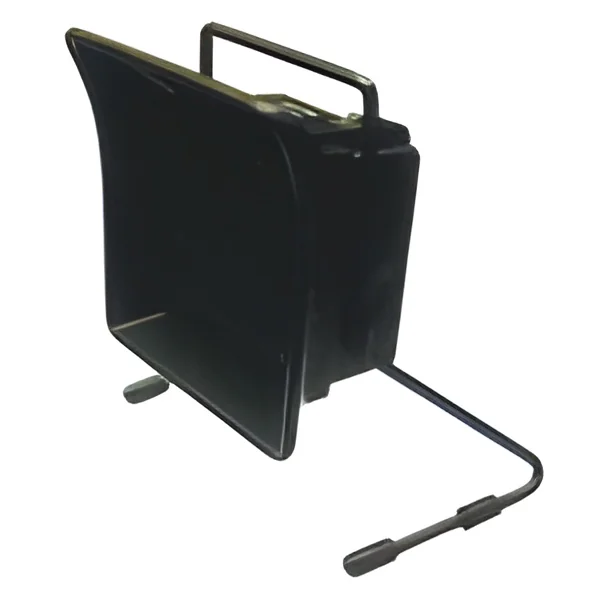
Fixed installations that are mounted on walls provide a permanent solution for fume extraction in specific areas. They are ideal for workstations where consistent fume removal is necessary, particularly in manufacturing environments.
Bench-Top Fume Extractors
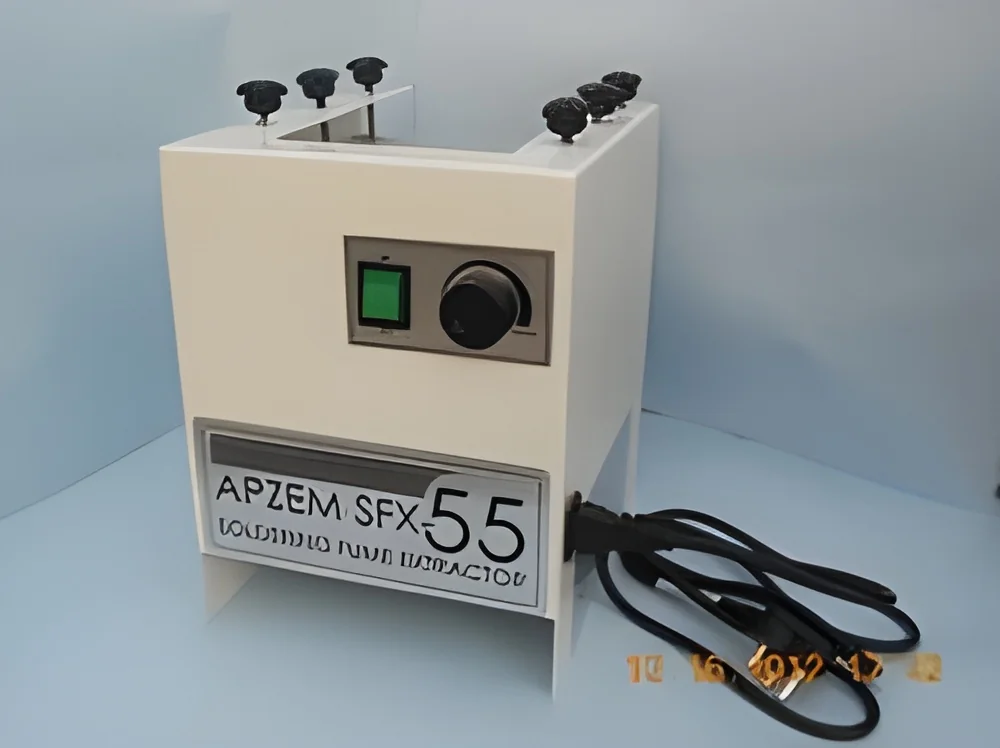
These compact units are designed for small workspaces and are commonly used in laboratories and small-scale manufacturing setups. They are effective for localized fume extraction in confined areas.
Centralized Fume Extraction Systems
These larger systems provide comprehensive fume extraction for entire facilities. They are connected to multiple workstations through ductwork and are suitable for larger operations that require extensive fume management.
Benefits and Advantages
Fume extractors provide numerous benefits that contribute to a safer and more efficient working environment.
1. Improved Air Quality: By removing harmful fumes and particulates, fume extractors enhance the overall air quality in the workplace, promoting better health for employees.
2. Compliance with Regulations: Using fume extractors helps businesses meet occupational safety and health regulations, reducing the risk of legal issues and penalties.
3. Increased Productivity: A cleaner work environment leads to improved focus and productivity among employees, as they are less likely to experience health-related distractions.
4. Protection from Health Risks: Regular use of fume extractors significantly decreases the risk of respiratory issues and other health problems associated with exposure to hazardous materials.
5. Cost Savings: By preventing health issues and ensuring compliance, fume extractors can lead to lower insurance premiums and reduced healthcare costs for businesses.
6. Versatile Applications: Fume extractors can be utilized in various industries, making them a versatile solution for different operational needs.
Buying Guide for B2B Buyers
When sourcing fume extractors, it is vital to consider several key factors to ensure the right choice for your business.
1. Quality Assessment: Evaluate the quality of the fume extractors based on material construction, filtration efficiency, and performance metrics. Look for products that meet industry standards to ensure reliability.
2. Supplier Verification: Conduct thorough background checks on suppliers to verify their credibility and reputation in the market. Look for reviews, certifications, and industry experience.
3. Pricing and MOQ: Analyze the pricing structure of different suppliers and consider the minimum order quantity (MOQ). Ensure that the costs align with your budget and operational needs.
4. Delivery and Lead Times: Confirm the delivery timelines and lead times for the fume extractors. Reliable suppliers should provide clear information on shipping and handling.
5. Compliance Requirements: Ensure that the fume extractors meet all relevant compliance and safety regulations in your industry. This includes certifications such as CE and adherence to local laws.
Compliance and Certifications
Fume extractors must adhere to relevant quality standards to ensure their safety and effectiveness in various applications. Key standards include ISO 9001, which outlines requirements for a quality management system, and HACCP for food safety management.
Industry certifications, such as CE, indicate that the products meet European safety, health, and environmental protection standards. These certifications are crucial for ensuring that fume extractors are safe for use in industrial settings.
Safety and testing requirements are also vital for fume extractors. This may include rigorous testing for filtration performance and emissions levels to ensure that they do not contribute to workplace hazards.
Additionally, regional compliance considerations may vary based on local regulations governing air quality and occupational safety. It is important for buyers to be aware of these requirements to avoid potential legal issues and ensure a safe working environment.
Why Source Fume Extractors from Pepagora?
Pepagora offers a trusted platform for sourcing fume extractors, ensuring that businesses find the right solutions for their needs. One of the key advantages is the verified supplier network, which includes reputable manufacturers and distributors known for their quality products and reliable service.
The streamlined RFQ process simplifies the quotation system for buyers. This allows businesses to compare offerings and make informed decisions quickly, reducing the time spent on procurement.
Pepagora also provides trade assurance and support, which protects buyers throughout the purchasing process. This added layer of security gives businesses confidence in their investments.
Lastly, Pepagora's regional coverage extends to markets such as India, the GCC, and Southeast Asia, providing access to a wide range of suppliers and products tailored to diverse market needs. This comprehensive reach makes it easier for businesses to find suitable fume extraction solutions.

 IN
IN