
 IN
Inverter TIG Welders
6 products available
What are Inverter TIG Welders?
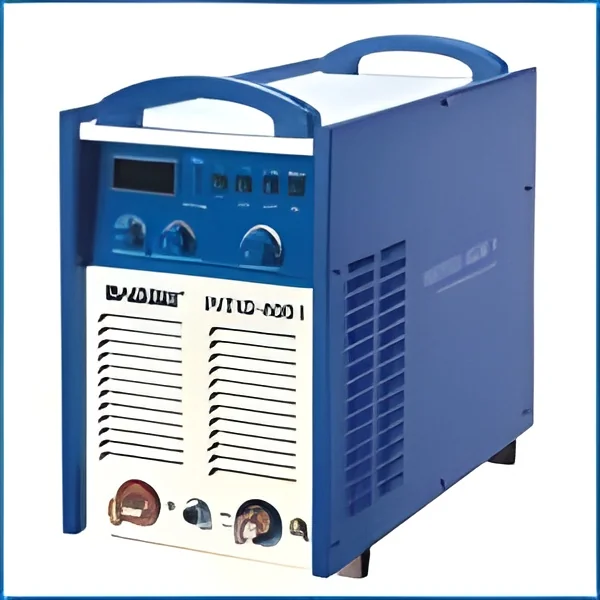
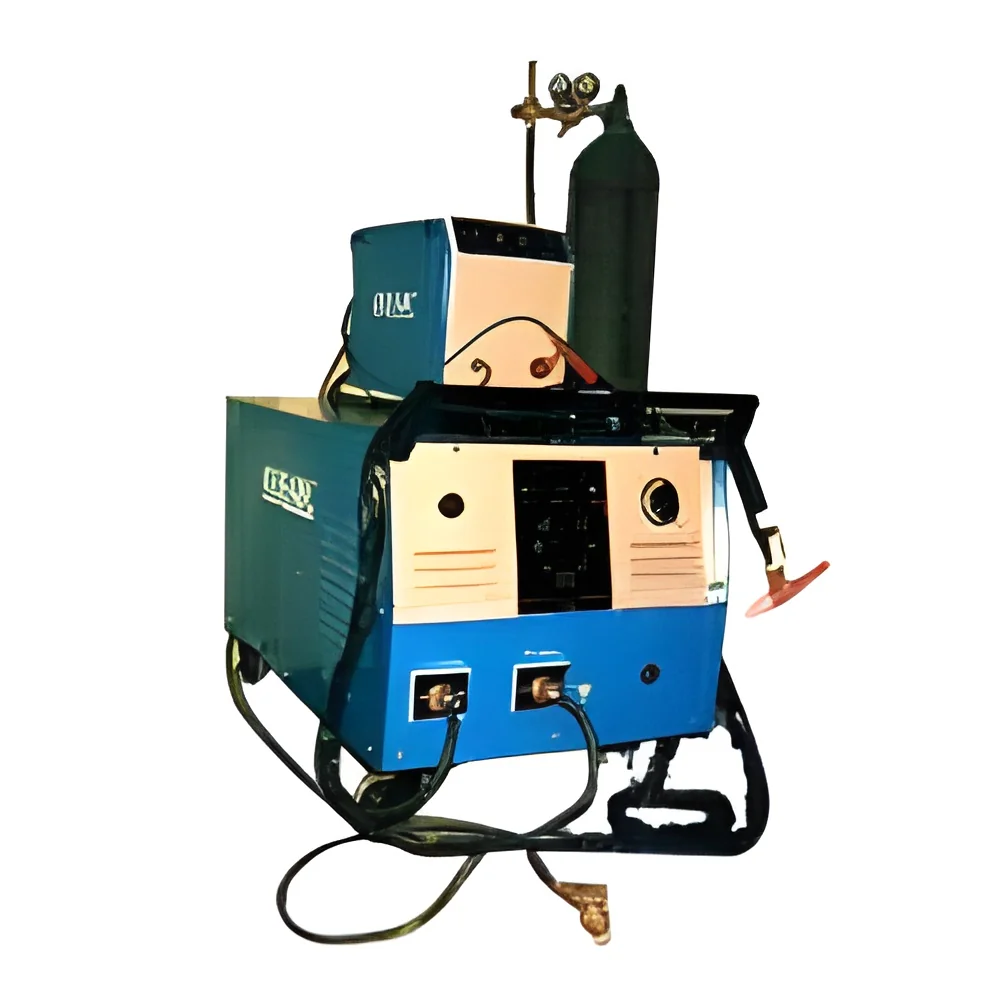
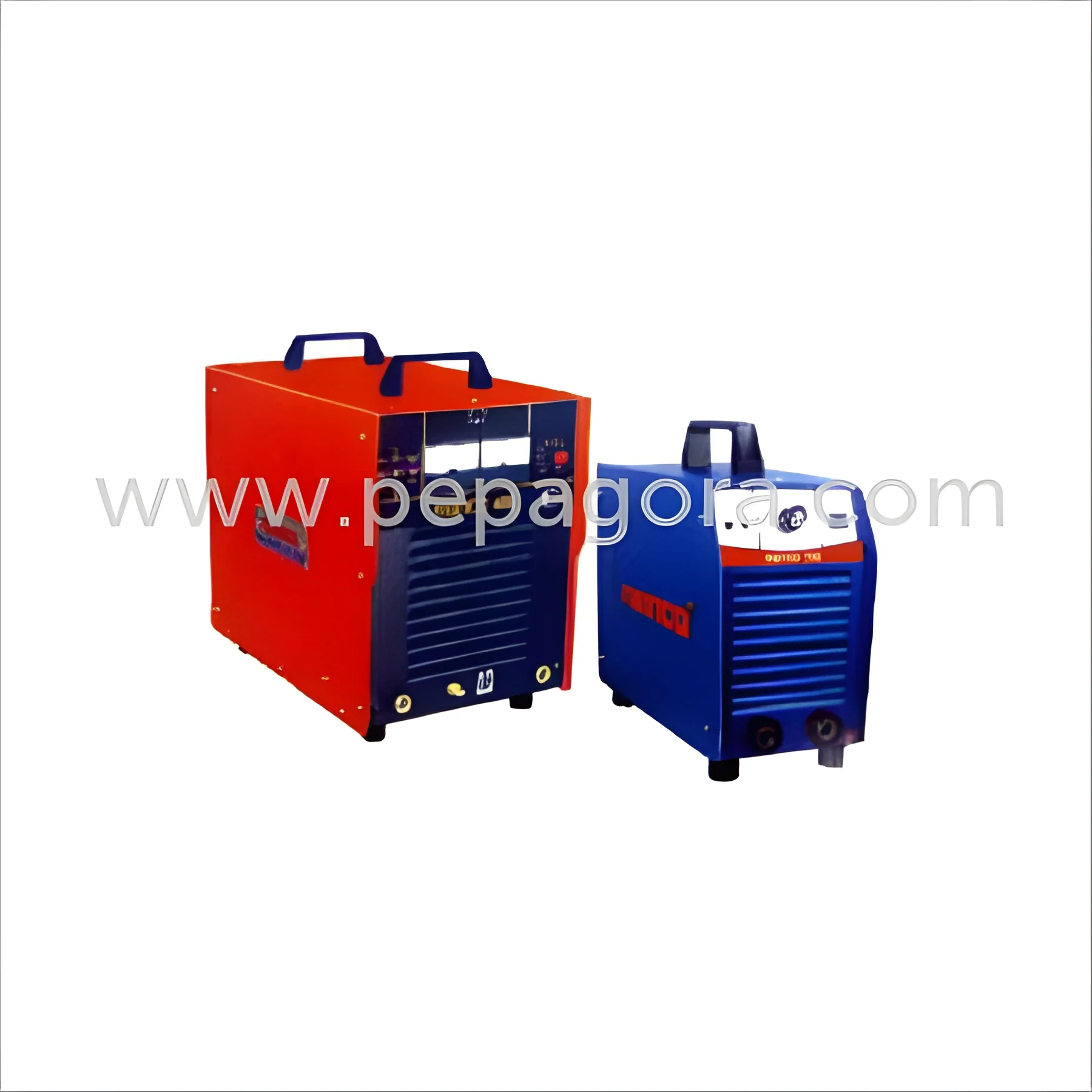
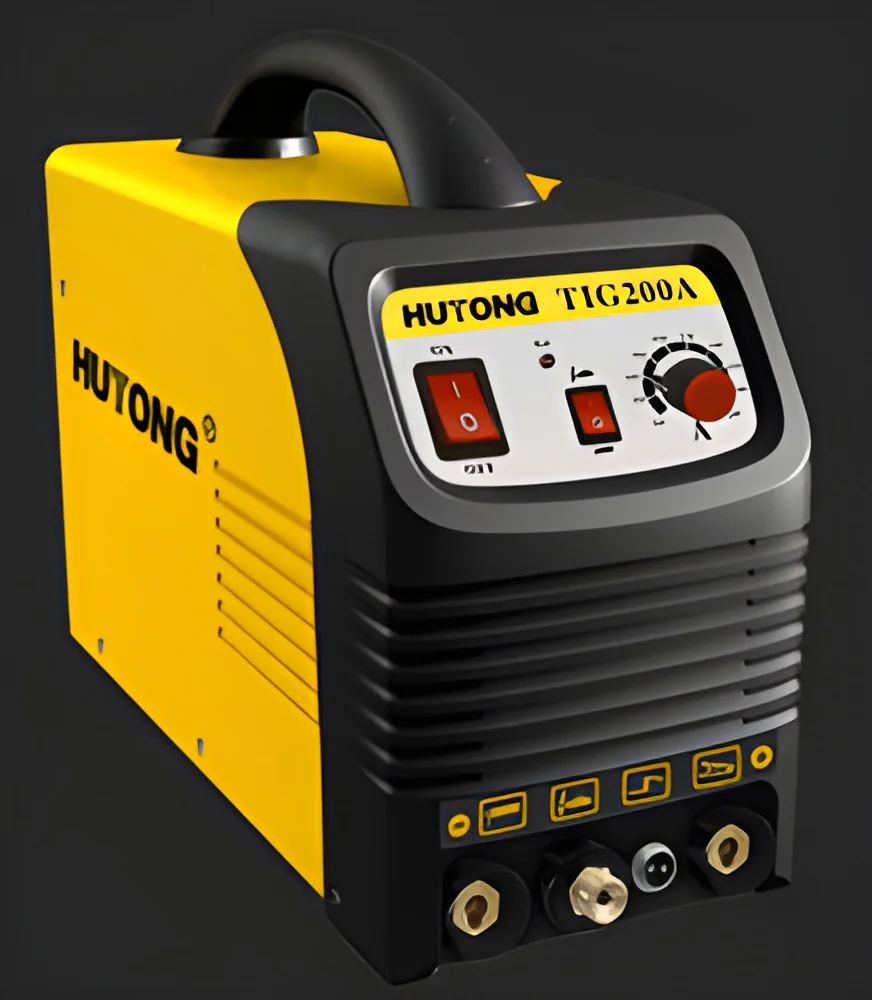
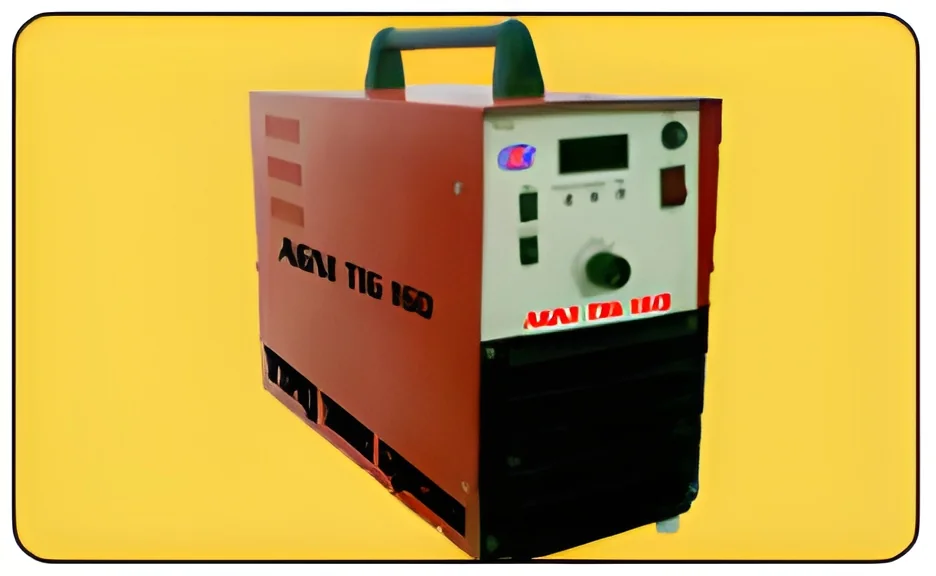
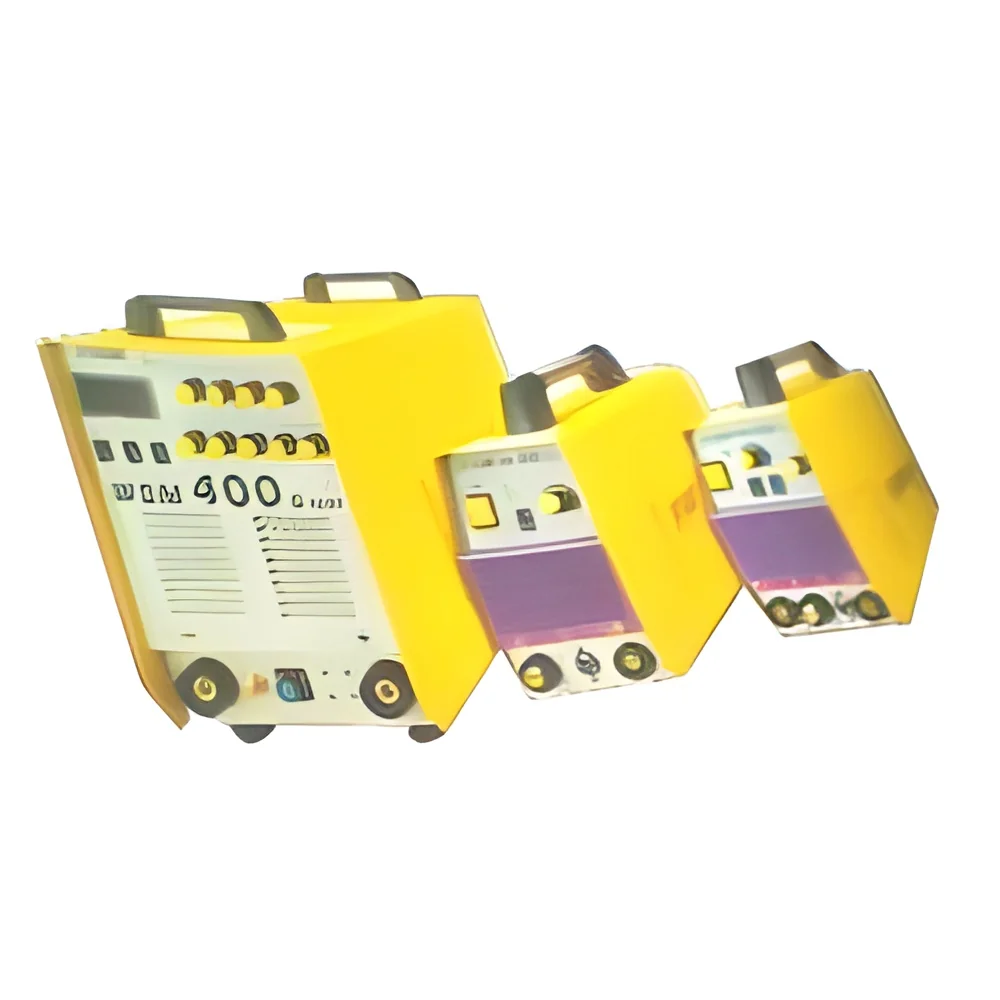
Inverter TIG welders are advanced welding machines designed to perform tungsten inert gas (TIG) welding. They utilize inverter technology to convert high-frequency electrical currents into a stable welding arc, allowing for precise control over the heat input. This technology makes them significantly more efficient and compact compared to traditional transformer-based welders. Inverter TIG welders are favored for their portability, energy efficiency, and ability to deliver high-quality welds on various materials, including aluminum, stainless steel, and other non-ferrous metals.
These welders find their primary applications in industries that require high-quality welds and intricate work, such as aerospace, automotive, and manufacturing. They are particularly useful in projects that demand meticulous attention to detail, such as thin materials and pipe welding. The versatility of inverter TIG welders allows businesses to adapt to various welding tasks, making them a vital tool in modern fabrication shops. As industries continue to evolve toward more efficient and precise techniques, inverter TIG welders are becoming increasingly relevant in the market.
Key Features and Specifications
Inverter TIG welders come with numerous features that enhance their performance and usability. These features cater to a wide range of welding applications and ensure high-quality results. Understanding the specifications of these machines can aid businesses in selecting the right model for their needs.
Key specifications include:
1. Output Current Range
- Typically ranges from 10 to 250 amps
- Allows for flexibility in welding different materials and thicknesses
2. Duty Cycle
- Commonly ranges from 60% to 100% at rated amperage
- Indicates the amount of time the welder can operate continuously without overheating
3. Voltage Input
- Usually operates on 110V or 220V power supply
- Determines compatibility with available electrical infrastructure
4. Weight and Portability
- Weighs between 20 to 50 lbs depending on the model
- Lightweight designs enhance portability for onsite work
5. Control Type
- May feature analog or digital controls
- Digital displays often provide real-time feedback on settings
6. Cooling System
- Equipped with built-in or external cooling systems
- Ensures optimal performance during prolonged use
7. Arc Stability
- Advanced inverter technology enhances arc stability
- Reduces spatter and improves weld quality
In summary, the features and specifications of inverter TIG welders make them suitable for various industrial applications, ensuring efficiency and high-quality welds.
Common Applications and Use Cases
Inverter TIG welders serve a broad spectrum of industries, making them versatile tools in various applications.
1. Aerospace: In this sector, inverter TIG welders are used for welding lightweight alloys and complex geometries, ensuring structural integrity and precision.
2. Automotive: These welders play a crucial role in fabricating components, repairing parts, and assembling vehicles, particularly for aluminum and stainless steel parts.
3. Manufacturing: Inverter TIG welders are employed in manufacturing processes that require high-quality welds on thin materials and intricate assemblies.
4. Shipbuilding: They are used for welding hulls and fittings, ensuring durability and resistance to harsh marine environments.
5. Pipeline Construction: Inverter TIG welders are essential for welding pipes in oil and gas industries, where precision and reliability are paramount.
6. HVAC: These machines are utilized for fabricating duct systems and components, ensuring leak-proof joints and seamless finishes.
7. Art and Sculpture: Artists and sculptors use inverter TIG welders for creating metal artworks and sculptures, benefiting from the machine's precision capabilities.
Product Variants and Subcategories
Inverter TIG welders come in various models to cater to different user needs and applications. Each variant is designed with unique features for specific tasks.
Standard Inverter TIG Welder
These models are versatile and suitable for general welding tasks. They provide a good balance of performance, features, and price, making them ideal for both hobbyists and professionals.
Advanced Inverter TIG Welder
This variant includes advanced features such as digital control panels and programmable settings. It is ideal for users requiring higher precision and control for complex welding projects.
Portable Inverter TIG Welder
Designed for users who need mobility, these models are lightweight and compact. They are perfect for onsite welding jobs and small workshops where space is limited.
Multi-Process Inverter Welder
These machines can switch between TIG, MIG, and stick welding processes. They offer flexibility for users who work with different welding techniques and materials.
Benefits and Advantages
Inverter TIG welders offer numerous benefits that make them a preferred choice in the welding industry.
1. Energy Efficiency: Inverter technology consumes less power compared to traditional welders, resulting in lower operational costs.
2. Portability: Their compact design allows for easy transportation, making them ideal for fieldwork and mobile applications.
3. Precision Control: Inverter TIG welders provide excellent control over heat input, allowing for high-quality welds on thin materials.
4. Versatility: These machines can weld a variety of metals, including aluminum, stainless steel, and copper, making them suitable for diverse applications.
5. Reduced Spatter: The stable arc produced by inverter technology minimizes spatter, leading to cleaner welds and reduced post-weld cleanup.
6. Quick Setup: Many inverter TIG welders feature user-friendly interfaces, allowing for quick and easy setup, which saves time during projects.
Buying Guide for B2B Buyers
When sourcing inverter TIG welders, it is essential to consider several factors to make an informed decision.
1. Quality Assessment: Look for welders that meet industry standards and have a proven track record of performance. Evaluate warranty and service options offered by manufacturers.
2. Supplier Verification: Vet suppliers by checking their credentials, customer reviews, and industry reputation. A reliable supplier will provide support and maintenance services.
3. Pricing and MOQ: Understand the pricing structures and minimum order quantities (MOQ) set by suppliers. Compare prices across different vendors to ensure competitive rates.
4. Delivery and Lead Times: Inquire about the expected delivery times and logistics involved in shipping the welders to your location. Factor in lead times when planning projects.
5. Compliance Requirements: Ensure that the welders comply with relevant safety and quality regulations in your region. Certifications like CE indicate adherence to industry standards.
Compliance and Certifications
Inverter TIG welders must adhere to various compliance and certification standards to ensure quality and safety. Key quality standards include ISO 9001, which emphasizes quality management systems, and CE certification, which indicates conformity to health, safety, and environmental protection standards.
Safety and testing requirements are crucial in the manufacturing of these welders, ensuring they operate safely under various conditions. Manufacturers must conduct rigorous testing to meet these standards, ensuring reliability and performance.
Regional compliance considerations may vary, so it is vital for businesses to understand the requirements specific to their location. This includes any additional certifications needed for specific industries or applications.
Why Source Inverter TIG Welders from Pepagora?
Pepagora offers a reliable platform for sourcing inverter TIG welders, providing several advantages that enhance the purchasing experience.
Verified Supplier Network: Pepagora connects buyers with a network of verified suppliers, ensuring that products meet quality standards and performance expectations. This network fosters trust between buyers and manufacturers.
Streamlined RFQ Process: The platform features an efficient Request for Quotation (RFQ) system, allowing buyers to quickly obtain quotes from multiple suppliers. This process saves time and simplifies decision-making.
Trade Assurance and Support: Pepagora provides trade assurance, protecting buyers against potential risks associated with sourcing. The platform offers support throughout the buying process, ensuring a smooth transaction.
Regional Coverage: With a strong presence in India, the GCC, and Southeast Asia, Pepagora facilitates access to a wide range of inverter TIG welders, catering to diverse industrial needs across these regions.

Frequently Asked Questions
What are Inverter TIG Welders?
Inverter TIG Welders are advanced welding machines that utilize inverter technology to produce a stable arc and precise welds. They are known for their efficiency, lightweight design, and ability to weld various materials, including stainless steel, aluminum, and copper.
What are the different types of Inverter TIG Welders?
Inverter TIG Welders can be classified into several types based on their features and applications. Common types include portable inverter TIG welders, multiprocess inverter welders, and industrial-grade inverter TIG welders, each designed for specific welding needs.
How do I choose the right Inverter TIG Welders?
Choosing the right Inverter TIG Welder involves considering factors such as the material you intend to weld, the thickness of the materials, and the welder's amperage range. Additionally, assess features like portability, ease of use, and the type of TIG welding processes supported.
What are the standard specifications for Inverter TIG Welders?
Standard specifications for Inverter TIG Welders include input voltage, output current range, duty cycle, and weight. Typically, these welders have an output current range of 10-300 amps and a duty cycle of around 60% at maximum output.
What is the price range for Inverter TIG Welders?
The price range for Inverter TIG Welders varies significantly based on the brand, features, and specifications. Generally, prices can range from INR 20,000 for basic models to over INR 1,00,000 for high-end industrial units.
What quality standards apply to Inverter TIG Welders?
Inverter TIG Welders must comply with various quality standards, including ISO 9001 and CE certification, which ensure safety and reliability. Additionally, manufacturers may adhere to industry-specific standards such as AWS and ASME for welding equipment.
Where can I find Inverter TIG Welders suppliers in India?
You can find Inverter TIG Welders suppliers in India through B2B marketplaces like Pepagora, industry trade shows, and direct manufacturer websites. Additionally, local welding equipment distributors and retailers can be valuable sources.
Can Inverter TIG Welders be customized?
Yes, many manufacturers offer customization options for Inverter TIG Welders based on specific requirements, such as output capacity, additional features, or branding. It is advisable to discuss your needs with suppliers to explore available options.
What is the typical minimum order quantity for Inverter TIG Welders?
The typical minimum order quantity (MOQ) for Inverter TIG Welders can vary among suppliers, but it generally ranges from 1 to 10 units. Larger quantities may be required for bulk orders or customized models.
What is the typical lead time for Inverter TIG Welders?
The typical lead time for Inverter TIG Welders varies based on the manufacturer's production schedule and order size. Generally, it ranges from 2 to 6 weeks for standard models, while custom orders may take longer.
Why Businesses Trust Pepagora
Thousands of companies trust Pepagora to source smarter and sell faster
Expand Your Sales Globally

Source Smarter,Grow Faster
