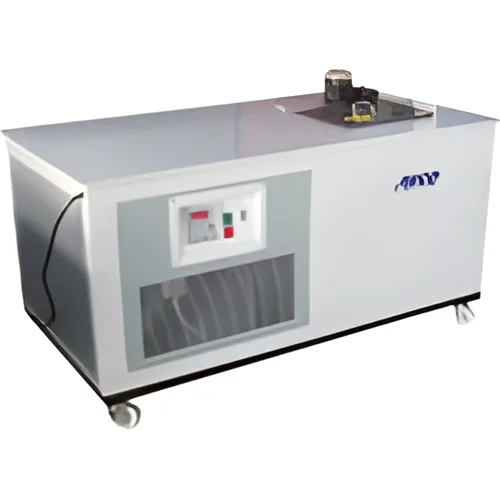
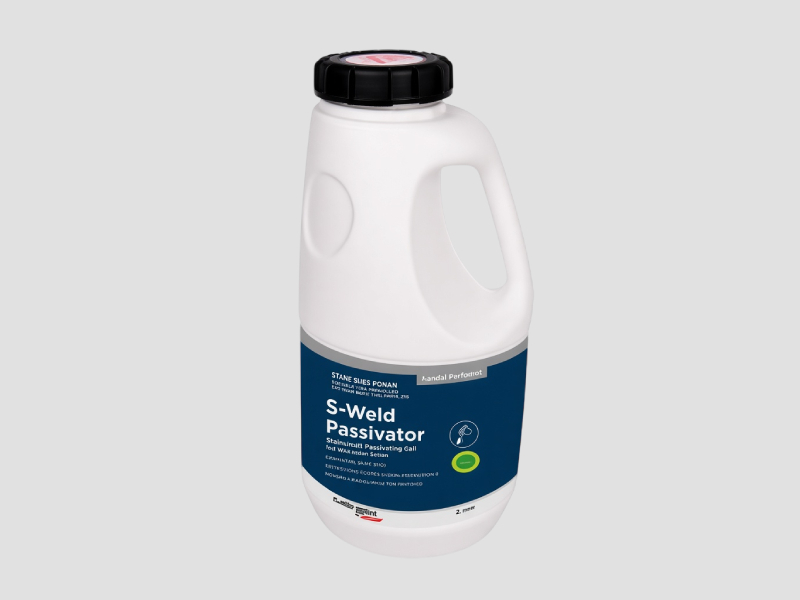
What are Weld Testing Equipment?
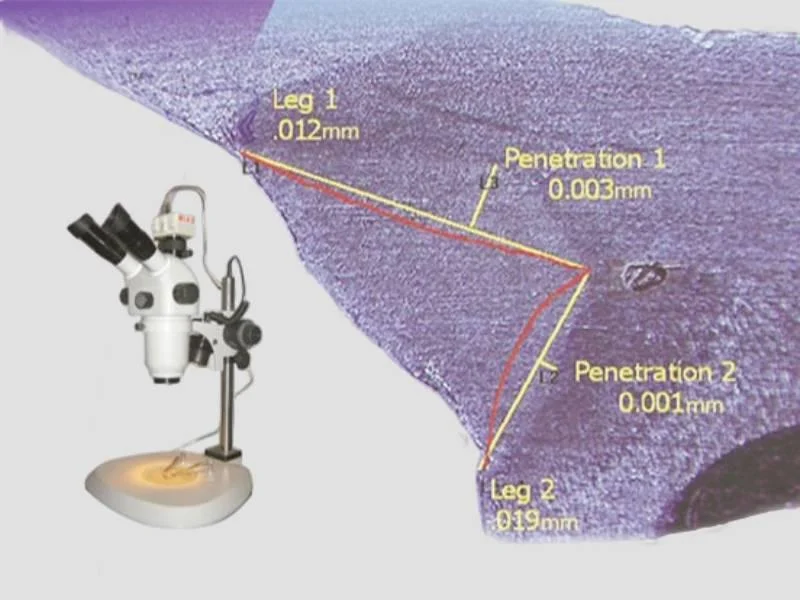
Weld testing equipment refers to a range of tools and devices used to assess the quality and integrity of welds in various materials. These tools are essential in ensuring that welded joints meet specific standards and perform reliably under stress. The equipment can measure various factors such as tensile strength, ductility, and the presence of defects like cracks or porosity.
The primary applications of weld testing equipment span multiple industries, including construction, manufacturing, and automotive sectors. Businesses utilize this equipment to verify that their welding processes produce safe and durable products. Moreover, weld testing is critical for compliance with industry standards and regulations, ensuring that products can withstand operational demands.
As industries continue to evolve, the market for weld testing equipment remains robust. With increased focus on safety and quality assurance, businesses are investing in advanced testing technologies. This trend is driven by the need to maintain competitive advantages and meet stringent regulatory requirements in various sectors.
Key Features and Specifications
Weld testing equipment is designed with several essential features that enhance its functionality and reliability. These features directly influence the accuracy and efficiency of weld assessments.
Key specifications include:
1. Load Capacity
- Determines the maximum weight the equipment can handle.
- Typical ranges vary based on the type of testing equipment.
2. Measurement Accuracy
- Refers to the precision of the equipment in detecting weld defects.
- Often measured in millimeters or percentage of deviation.
3. Testing Methods
- Includes techniques such as tensile testing, bend testing, and ultrasonic testing.
- Each method has unique applications and requirements.
4. Display Type
- Digital or analog displays for showing test results.
- Digital displays often provide clearer readings and data logging capabilities.
5. Portability
- Some equipment is designed for easy transport, while others are stationary.
- Portability can be crucial for field testing applications.
6. Compliance Standards
- Equipment may adhere to specific industry standards like CE certification.
- Ensures that the equipment meets safety and quality benchmarks.
7. Calibration Requirements
- Indicates how frequently the equipment needs calibration to maintain accuracy.
- Regular calibration is essential for reliable results.
8. User Interface
- The ease of use of the device, including controls and software.
- A user-friendly interface can enhance operational efficiency.
In summary, understanding these features and specifications is vital for selecting the right weld testing equipment for specific applications and ensuring compliance with industry standards.
Common Applications and Use Cases
Weld testing equipment serves a broad range of industries, each utilizing it to ensure weld quality and structural integrity.
1. Construction: In construction, weld testing is critical for structural components, ensuring that steel frameworks can support loads safely.
2. Manufacturing: Manufacturers employ weld testing to verify the quality of welded components in products, preventing failures in the production line.
3. Automotive: In the automotive industry, weld testing equipment is used to ensure the durability of welded joints in vehicles, contributing to overall safety and performance.
4. Aerospace: Aerospace manufacturers rely on meticulous weld testing to ensure that components meet strict safety standards due to the high stakes involved in flight.
5. Shipbuilding: Welding in shipbuilding requires rigorous testing to ensure that hulls and structural components can withstand harsh marine environments.
6. Oil and Gas: In this sector, weld testing is essential for pipeline integrity, preventing leaks and ensuring safe operations.
7. Power Generation: Weld testing is used in power plants to assess the integrity of components subject to extreme conditions and pressures.
Product Variants and Subcategories
Weld testing equipment comes in various forms, each designed for specific testing needs.
Portable Weld Testing Machine
This variant is compact and designed for field use. It features battery operation and lightweight materials, making it ideal for on-site inspections.
Digital Weld Tester
A digital weld tester provides advanced features such as data logging and more precise measurements. It is commonly used in laboratories and manufacturing environments.
Ultrasonic Weld Tester
This specialized equipment uses ultrasonic waves to detect internal defects in welds. It is particularly useful in applications where visual inspection is insufficient.
Bend Testing Machine
This machine is specifically designed for bend tests, allowing users to assess ductility and strength in welded joints. It is widely used in quality control in manufacturing.
Benefits and Advantages
Investing in weld testing equipment offers numerous benefits that enhance operational efficiency and product quality.
1. Improved Quality Assurance: Regular testing helps identify defects early, ensuring high-quality production and reducing rework costs.
2. Compliance with Standards: Using certified equipment helps businesses meet industry regulations and standards, which can prevent legal issues.
3. Enhanced Safety: By ensuring weld integrity, companies can significantly reduce the risk of failures that could lead to accidents or injuries.
4. Increased Efficiency: Advanced testing equipment can streamline the inspection process, saving time and resources in the production cycle.
5. Cost Savings: By preventing defects and ensuring compliance, businesses can save on potential costs associated with recalls or repairs.
6. Reputation Management: Consistently high-quality products enhance brand reputation and customer trust, leading to increased market share.
Buying Guide for B2B Buyers
When sourcing weld testing equipment, several key factors should guide the decision-making process.
1. Quality Assessment: It is vital to evaluate the quality of equipment based on manufacturer reputation, reviews, and compliance with recognized standards.
2. Supplier Verification: Buyers should perform due diligence on suppliers, reviewing their certifications, customer feedback, and service history to ensure reliability.
3. Pricing and MOQ: Understanding the pricing structure and minimum order quantities can help businesses budget effectively and negotiate better terms.
4. Delivery and Lead Times: Logistics play a crucial role in procurement, so assessing delivery schedules and lead times is essential to avoid production delays.
5. Compliance Requirements: Buyers must ensure that the equipment meets all relevant regulatory and safety standards specific to their industry.
Compliance and Certifications
Compliance with industry standards is critical for weld testing equipment to ensure safety and reliability. Equipment may adhere to quality standards such as ISO 9001, which outlines requirements for quality management systems. This certification is essential for manufacturers seeking to optimize their processes and maintain high-quality outputs.
Industry certifications like CE validate that the equipment meets European safety and health regulations. Such certifications are vital for companies operating in or exporting to European markets.
Additionally, there are specific safety and testing requirements that vary by industry. For example, aerospace and automotive sectors have stringent testing protocols to ensure product reliability.
Regional compliance considerations are also important. Different regions may have varying regulations, and it is crucial for buyers to understand these to ensure they are in compliance with local laws.
Why Source Weld Testing Equipment from Pepagora?
Pepagora provides a trusted platform for sourcing weld testing equipment with several key advantages.
Verified Supplier Network: Pepagora maintains a rigorous verification process for suppliers, ensuring that buyers can confidently purchase equipment from reliable sources. This network helps mitigate risks associated with procurement.
Streamlined RFQ Process: The platform features an efficient request for quotation (RFQ) system that simplifies the purchasing process. Buyers can easily compare offers and select the best option for their needs.
Trade Assurance and Support: Pepagora offers trade assurance, providing buyers with protection throughout their purchasing journey. This support helps buyers navigate challenges and ensures a secure transaction.
Regional Coverage: With a focus on markets in India, the Gulf Cooperation Council (GCC), and Southeast Asia, Pepagora provides comprehensive regional coverage. This geographic reach allows businesses to connect with local suppliers and meet their specific needs effectively.

 IN
IN