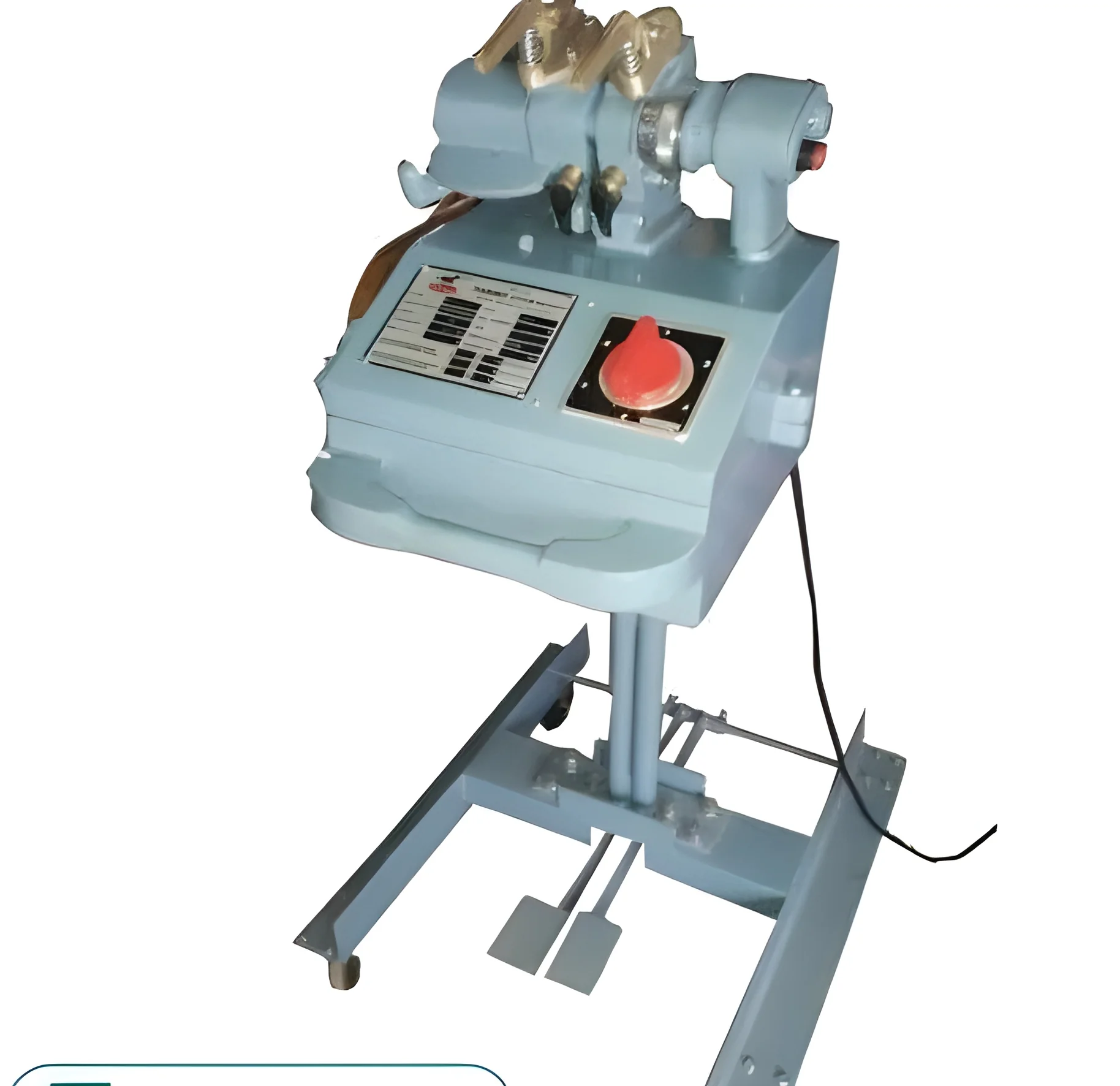
What are Butt Welding Machines?
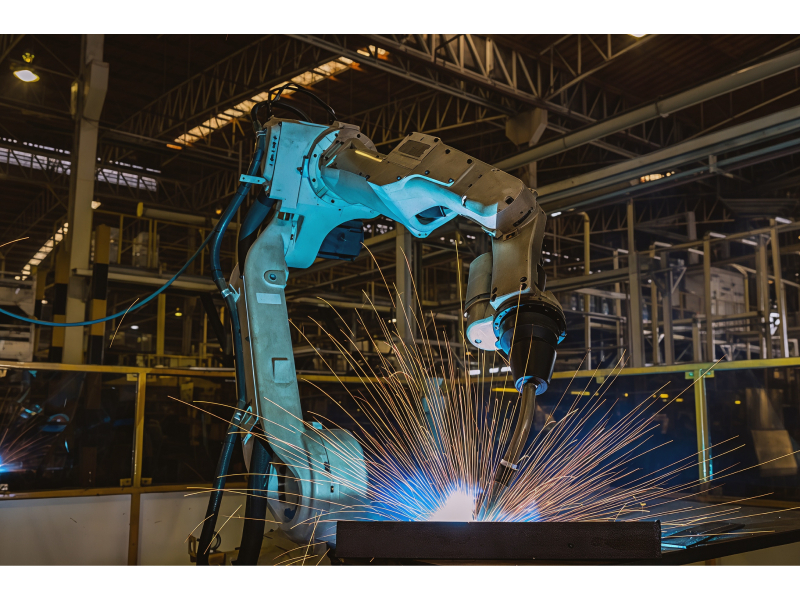
Butt welding machines are specialized tools designed to join two pieces of material, typically thermoplastics, by applying heat and pressure. The process involves aligning the edges of the materials to be welded, heating them to their melting point, and then forcing them together to form a strong bond. This method is widely used in industries where the integrity of the joint is critical, such as in piping systems, automotive applications, and construction.
These machines are essential in various business applications, including manufacturing, construction, and plumbing, where reliable and efficient joining of materials is required. The butt welding process is favored due to its ability to produce strong, leak-proof joints, which are crucial in high-pressure applications, such as pipelines and tanks. With the growing demand for durable and reliable solutions across industries, butt welding machines have become increasingly relevant in the market.
Key Features and Specifications
Butt welding machines come with various features and specifications that cater to different industrial needs. These machines are designed for efficiency, precision, and durability, ensuring high-quality welds in various applications.
Key specifications include:
1. Welding Capacity
- The maximum thickness of materials that can be welded
- Typically ranges from 1 mm to 100 mm depending on the machine model
2. Power Supply
- The type of power supply required for operation
- Commonly available in single-phase or three-phase options
3. Heating Method
- The method used to generate heat for the welding process
- Options include electric resistance heating or hot gas heating
4. Control System
- The type of control system used to monitor and manage the welding process
- May include manual controls or advanced digital interfaces
5. Machine Weight
- The overall weight of the machine, which affects portability and stability
- Ranges from lightweight models suitable for mobile applications to heavy-duty machines for stationary use
6. Operating Temperature Range
- The temperature range within which the machine can operate effectively
- Data not available for specific ranges
7. Safety Features
- Built-in safety mechanisms to protect operators and equipment
- Common features include automatic shut-off and emergency stop buttons
8. Compliance Standards
- Adherence to industry standards for safety and performance
- Machines often certified under CE regulations
These specifications ensure that butt welding machines meet the rigorous demands of various industrial applications.
Common Applications and Use Cases
Butt welding machines serve a wide range of industries, offering essential solutions for material joining.
1. Manufacturing: In manufacturing, these machines are used to create strong joints in plastic components, such as in automotive parts and household appliances.
2. Construction: Butt welding machines are crucial in the construction industry for joining pipes and sheets, ensuring structural integrity in buildings and infrastructure.
3. Plumbing: In plumbing applications, these machines are employed to weld pipes for water and gas distribution systems, where leak-proof connections are vital.
4. Aerospace: The aerospace industry utilizes butt welding machines for joining components in aircraft structures, where reliability and strength are paramount.
5. Shipbuilding: In shipbuilding, these machines are used to weld metal parts and components, contributing to the overall durability of vessels.
6. Oil and Gas: Butt welding is essential in the oil and gas sector for creating pipelines that transport materials safely and effectively.
7. Medical Devices: In the production of medical devices, precision and reliability in welding are critical, making butt welding machines an important tool.
Product Variants and Subcategories
Butt welding machines come in various variants tailored to specific applications and operational needs.
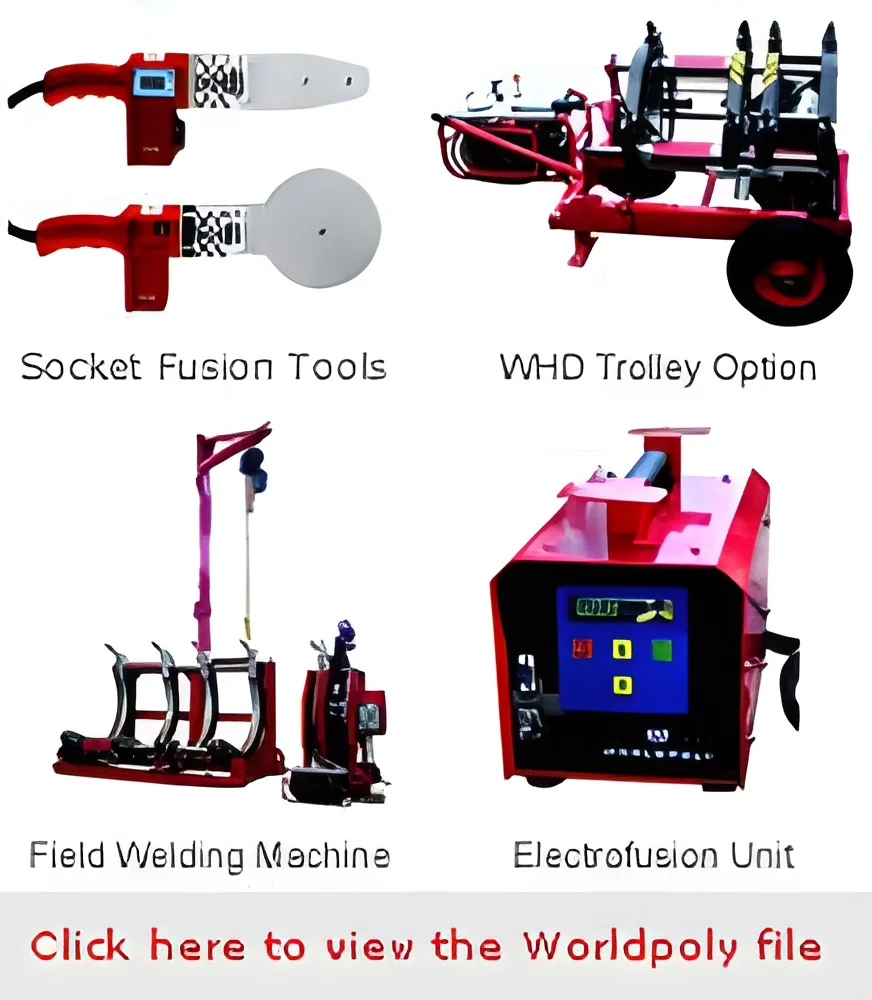
Hydraulic Butt Welding Machine
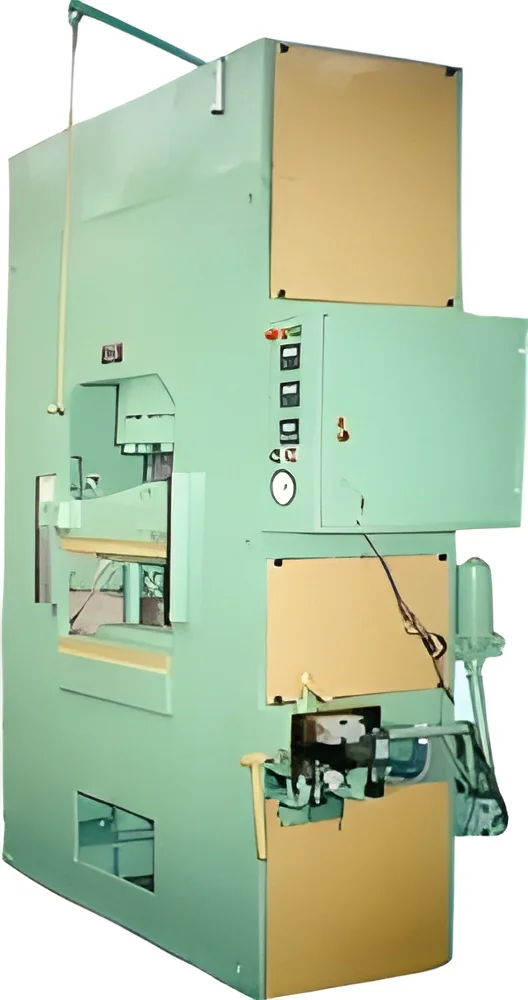
This variant uses hydraulic power to apply pressure during the welding process. It is ideal for heavy-duty applications, providing consistent and reliable welds in thick materials.
Electro-Fusion Welding Machine
Designed for joining polyethylene pipes, this machine uses electrical current to fuse the materials together. It is commonly used in water and gas pipeline installations.
Portable Butt Welding Machine
This lightweight and compact variant is designed for on-site applications. It offers flexibility and ease of use, making it suitable for various field operations.
Benefits and Advantages
Investing in butt welding machines brings several benefits to businesses looking for efficient joining solutions.
1. Strong Joints: Butt welding produces robust and durable joints that withstand high pressure and stress, ensuring reliability in various applications.
2. Efficiency: These machines enable quick welding processes, reducing production time and increasing overall efficiency in manufacturing and construction.
3. Cost-Effectiveness: By providing reliable joints, butt welding machines minimize the risk of leaks and failures, leading to lower maintenance costs over time.
4. Versatility: Suitable for a wide range of materials and thicknesses, these machines can be adapted to various industrial applications.
5. Improved Safety: Advanced safety features reduce the risk of accidents during the welding process, ensuring a safer working environment for operators.
6. Precision Control: Many butt welding machines offer advanced control systems that enhance precision and consistency in the welding process.
Buying Guide for B2B Buyers
When sourcing butt welding machines, it is essential to consider several key factors to ensure you make the right choice for your business needs.
1. Quality Assessment: Evaluate the quality of the machines by reviewing manufacturer certifications and customer testimonials. Look for machines that comply with industry standards for performance and safety.
2. Supplier Verification: Vet potential suppliers thoroughly to ensure they have a track record of delivering reliable products. Check their reputation in the industry and seek references from other buyers.
3. Pricing and MOQ: Compare pricing across different suppliers while considering the minimum order quantity. Understand the cost implications of both the machine and any additional services, such as maintenance.
4. Delivery and Lead Times: Discuss delivery timelines with suppliers to ensure the machines can be delivered when needed. Factor in lead times for manufacturing and shipping.
5. Compliance Requirements: Ensure that the machines meet all regulatory requirements for your region. This may include safety standards and environmental regulations.
Compliance and Certifications
Compliance and certifications are critical in ensuring that butt welding machines operate safely and effectively within industry standards.
Many manufacturers adhere to quality standards such as ISO 9001, which focuses on maintaining high-quality management systems. Compliance with HACCP and GDP standards may also be relevant in industries like food and pharmaceuticals, where material integrity is crucial.
Additionally, butt welding machines often come with CE certifications, indicating they meet European safety and performance standards. This certification assures buyers of the machine's reliability and safety for operation.
Safety and testing requirements are essential to the design and manufacturing process. Machines must undergo rigorous testing to ensure they can withstand the operational demands of various industries. Regional compliance considerations may vary, so buyers should always verify that the machines meet local regulations.
Why Source Butt Welding Machines from Pepagora?
Pepagora provides a trusted platform for sourcing butt welding machines, offering several key advantages to B2B buyers.
Verified Supplier Network: Pepagora connects buyers with a network of verified suppliers, ensuring that you have access to high-quality machines. The platform conducts thorough vetting processes to maintain supplier credibility.
Streamlined RFQ Process: The request for quotation (RFQ) process on Pepagora is straightforward, allowing buyers to easily request and compare quotes from multiple suppliers. This helps in making informed purchasing decisions.
Trade Assurance and Support: Pepagora offers trade assurance programs that protect buyers during transactions. This includes support for dispute resolution and guarantees on product quality.
Regional Coverage: With a strong presence in India, the GCC, and Southeast Asia, Pepagora has the geographic reach to cater to various markets. This makes it easier for businesses to find suitable suppliers that meet their specific needs.

 IN
IN