What are Handheld Laser Welders?
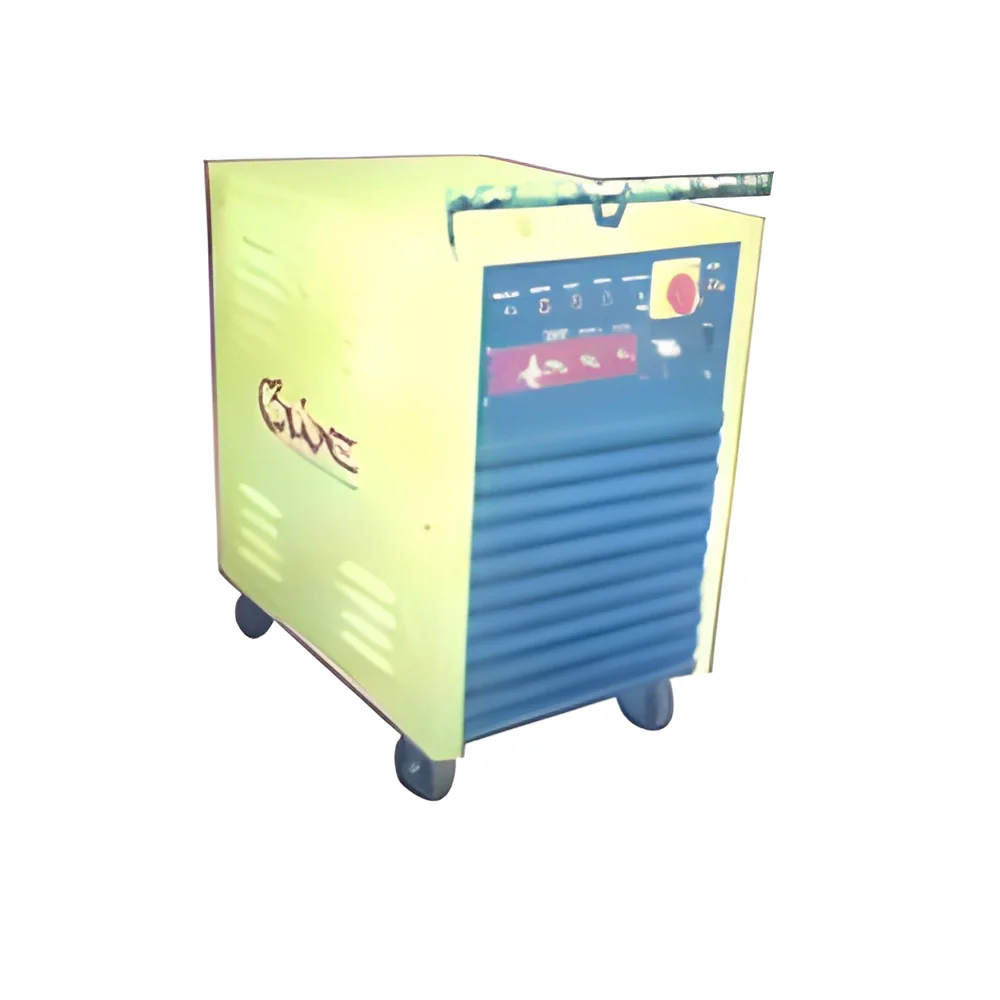
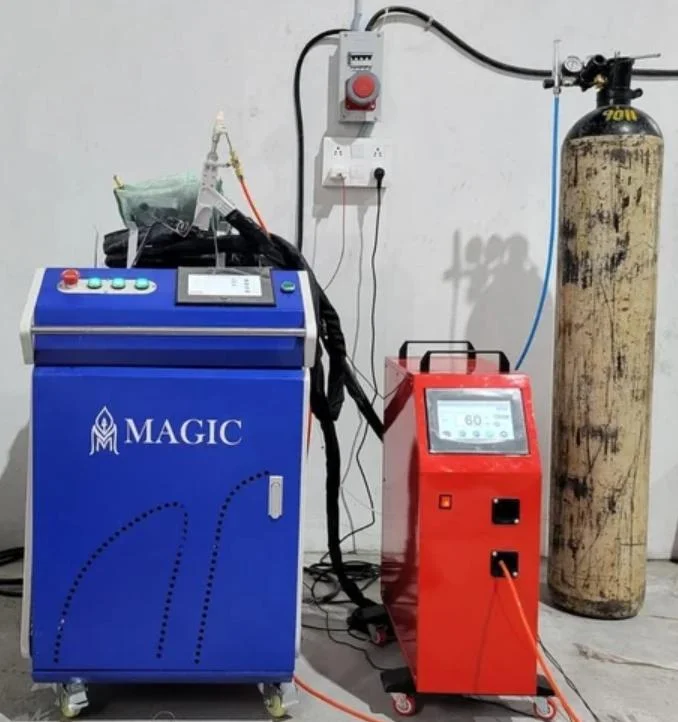
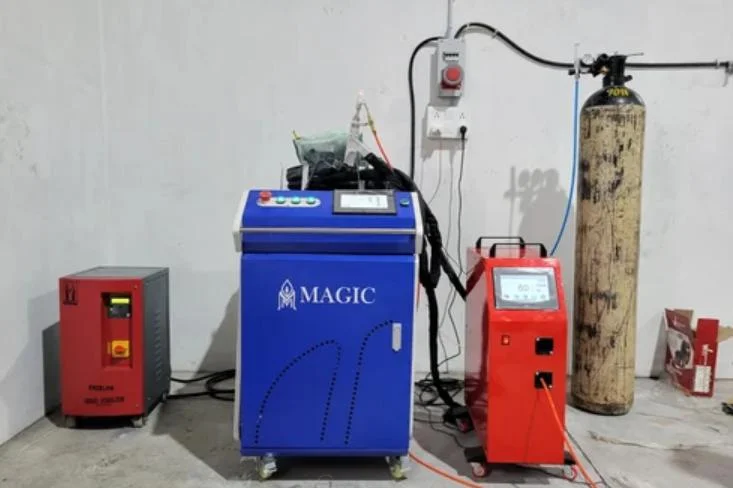
Handheld laser welders are advanced welding devices that utilize laser technology to join materials together. These tools are designed for portability, allowing operators to perform welding tasks in various locations without the need for complex setups. The laser beam produced by the welder is highly concentrated, enabling precise and efficient welding with minimal heat input. This results in reduced distortion and improved weld quality.
The primary applications of handheld laser welders span multiple industries, including automotive, aerospace, electronics, and manufacturing. They are particularly useful for tasks that require intricate welds in tight spaces, such as repairing components or assembling delicate parts. The versatility and portability of these welders make them an essential tool for businesses looking to enhance their welding capabilities and improve productivity.
As industries increasingly adopt automation and advanced technologies, handheld laser welders are gaining traction in the market. Their efficiency, speed, and precision address the growing demand for high-quality welding solutions. Businesses are recognizing the benefits of incorporating laser welding into their operations, leading to a more competitive edge in the marketplace.
Key Features and Specifications
Handheld laser welders offer a range of features and specifications that make them suitable for various applications. These features contribute to their effectiveness in delivering high-quality welds while ensuring ease of use for operators.
Key specifications include:
1. Laser Type
- The type of laser used, typically fiber or Nd:YAG, affects the quality and speed of the welding process.
- Fiber lasers are known for their efficiency and precision.
2. Power Output
- The power output ranges from 100W to 1000W, allowing for adjustments based on material thickness and type.
- Higher power outputs enable faster welding speeds.
3. Welding Speed
- The welding speed can vary, with options typically between 0.1 to 2 meters per minute.
- Adjustable speeds help in achieving optimal results for different materials.
4. Cooling System
- Handheld laser welders may include integrated cooling systems to prevent overheating during prolonged use.
- Efficient cooling extends the life of the equipment.
5. Weight
- The weight of the device impacts portability, with models generally ranging from 5 kg to 10 kg.
- Lightweight designs enhance operator comfort during extended use.
6. Safety Features
- Includes safety mechanisms such as automatic shut-off and protective enclosures to ensure user safety.
- Compliance with safety standards is crucial for operation.
7. Control Interface
- User-friendly control panels or touch screens facilitate easy adjustments and monitoring of settings.
- Intuitive interfaces improve operational efficiency.
8. Power Supply
- The devices typically operate on standard electrical outlets, with options for battery-powered models for increased mobility.
- Versatile power supplies enhance usability across various environments.
In summary, handheld laser welders deliver advanced welding capabilities with features tailored to meet the needs of diverse industrial applications.
Common Applications and Use Cases
Handheld laser welders are utilized across multiple industries, showcasing their versatility and effectiveness.
1. Automotive: Handheld laser welders are used for welding components such as body panels, exhaust systems, and brackets. Their precision allows for high-quality joints in complex assemblies.
2. Aerospace: In the aerospace industry, these welders are employed for lightweight materials and intricate parts, ensuring strong yet lightweight structures. The ability to weld without significant heat input is essential.
3. Electronics: Handheld laser welders are ideal for welding small electronic components, such as connectors and circuit boards. Their precision minimizes the risk of damaging sensitive parts.
4. Manufacturing: Various manufacturing processes, including sheet metal fabrication, benefit from the use of handheld laser welders. They provide efficient solutions for joining metals in production lines.
5. Jewelry: In the jewelry industry, these welders enable artisans to create detailed designs and repairs on delicate pieces, ensuring high-quality finishes.
6. Medical Devices: Handheld laser welders are used to assemble medical equipment and devices, where precision and cleanliness are crucial.
7. Construction: These welders facilitate on-site repairs and assembly of structural components, increasing efficiency in construction projects.
Product Variants and Subcategories
Handheld laser welders are available in various configurations to suit different needs and applications. Although specific subcategories are not available, several variants cater to distinct requirements.
Compact Model
This variant is designed for lightweight tasks, offering portability and ease of use. It is ideal for small-scale operations and repairs, allowing operators to maneuver easily in confined spaces.
High-Power Model
The high-power variant is suited for heavy-duty applications, providing increased power output for welding thicker materials. It is an excellent choice for industrial environments requiring robust performance.
Multi-Function Model
This model integrates various welding capabilities, including cutting and engraving functions. It offers versatility for businesses needing a multi-purpose tool in their operations.
Benefits and Advantages
Handheld laser welders provide numerous benefits that make them an attractive choice for businesses.
1. Precision Welding: The focused laser beam allows for highly accurate welding, reducing the risk of defects in the finished product.
2. Reduced Heat Affected Zone: Laser welding minimizes the heat impact on surrounding materials, preserving their structural integrity and reducing distortion.
3. Increased Productivity: The speed at which handheld laser welders operate can significantly enhance production rates, allowing businesses to meet tight deadlines.
4. Portability: Their lightweight design enables operators to perform welding tasks in various locations, increasing flexibility in operations.
5. Lower Operating Costs: The efficiency of laser welding can lead to reduced material waste and lower energy consumption, positively impacting overall operating costs.
6. Enhanced Safety: Many models come with advanced safety features, ensuring a safer working environment for operators.
Buying Guide for B2B Buyers
When sourcing handheld laser welders, buyers should consider several key factors to make informed decisions.
1. Quality Assessment: Evaluate the build quality and reliability of the equipment. Look for manufacturers that adhere to recognized quality standards to ensure long-lasting performance.
2. Supplier Verification: Vet potential suppliers to confirm their credibility and reputation in the market. Ensure they have a track record of delivering quality products and customer service.
3. Pricing and MOQ: Understand the pricing structure and minimum order quantity requirements. Compare prices from different suppliers to ensure competitive deals without compromising quality.
4. Delivery and Lead Times: Inquire about delivery schedules and lead times. Timely delivery is crucial for maintaining production schedules.
5. Compliance Requirements: Ensure that the handheld laser welders meet relevant industry standards and regulations. Compliance with safety and quality certifications is essential for operational integrity.
Compliance and Certifications
Handheld laser welders must adhere to various compliance and certification standards to ensure safety and performance.
ISO 9001 is a quality management standard that ensures manufacturers maintain consistent quality in their products and services. This certification is critical for buyers looking for reliable suppliers.
CE certification indicates that a product meets European safety and environmental requirements. This certification is essential for businesses operating in or exporting to European markets.
Safety and testing requirements are significant in the manufacturing of handheld laser welders. Manufacturers must conduct thorough testing to ensure the devices operate safely under various conditions.
Regional compliance considerations may vary. Buyers should be aware of specific regulations and standards applicable to their regions, ensuring that the products meet local requirements.
Why Source Handheld Laser Welders from Pepagora?
Pepagora provides a trusted platform for sourcing handheld laser welders, offering several key advantages that benefit B2B buyers.
Verified Supplier Network: Pepagora connects buyers with a network of verified suppliers. Each supplier undergoes a stringent verification process, ensuring that buyers can trust the quality and reliability of the products offered.
Streamlined RFQ Process: The platform features a straightforward request for quotation (RFQ) system. Buyers can easily compare multiple quotations from different suppliers, facilitating informed decision-making.
Trade Assurance and Support: Pepagora offers trade assurance, protecting buyers against potential risks associated with international trade. The platform provides support throughout the purchasing process, ensuring a smooth transaction.
Regional Coverage: Pepagora has a strong presence in key markets such as India, the Gulf Cooperation Council (GCC) countries, and Southeast Asia. This geographic reach enables buyers to access a diverse range of suppliers and products tailored to their specific needs.

 IN
IN