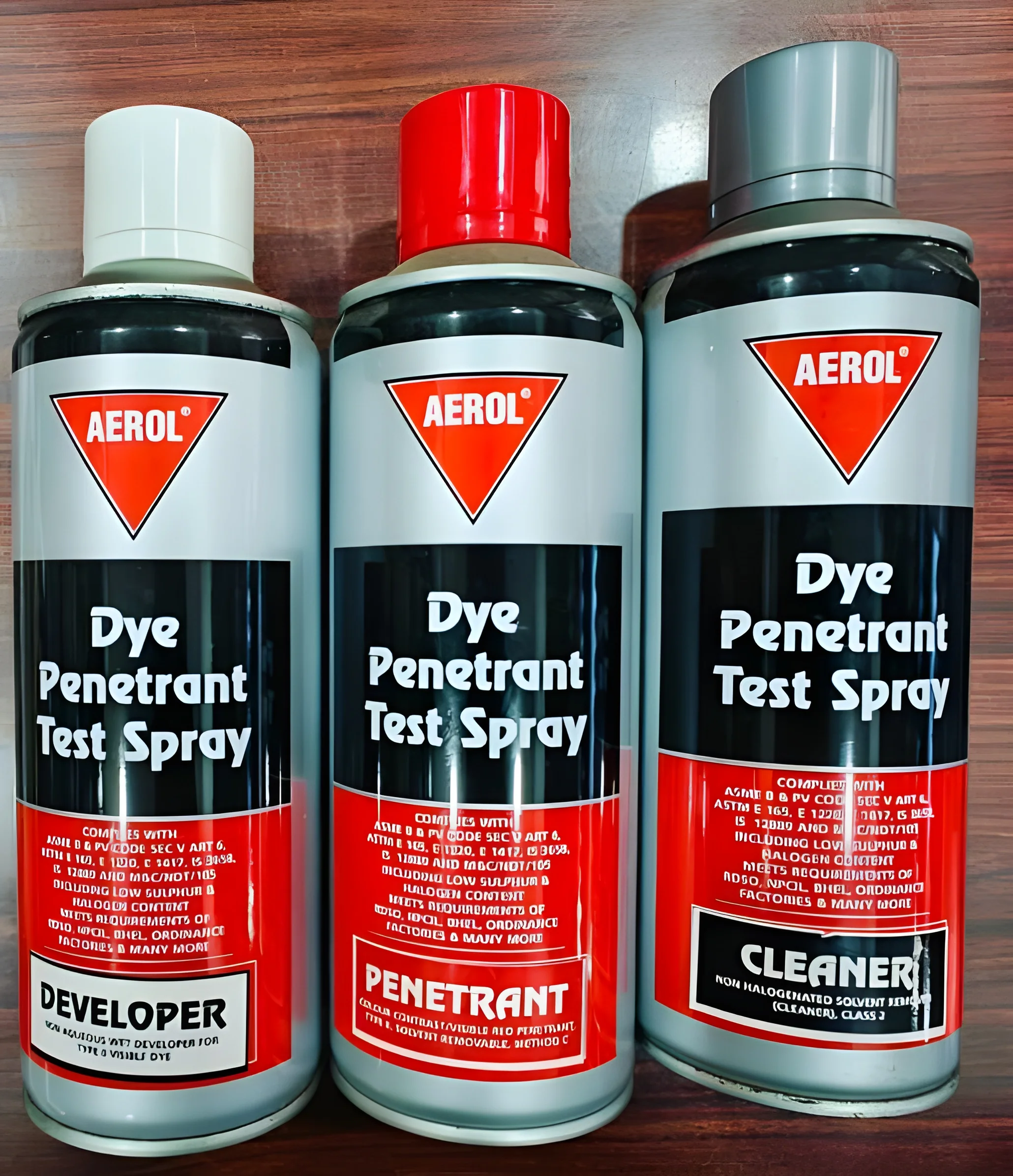
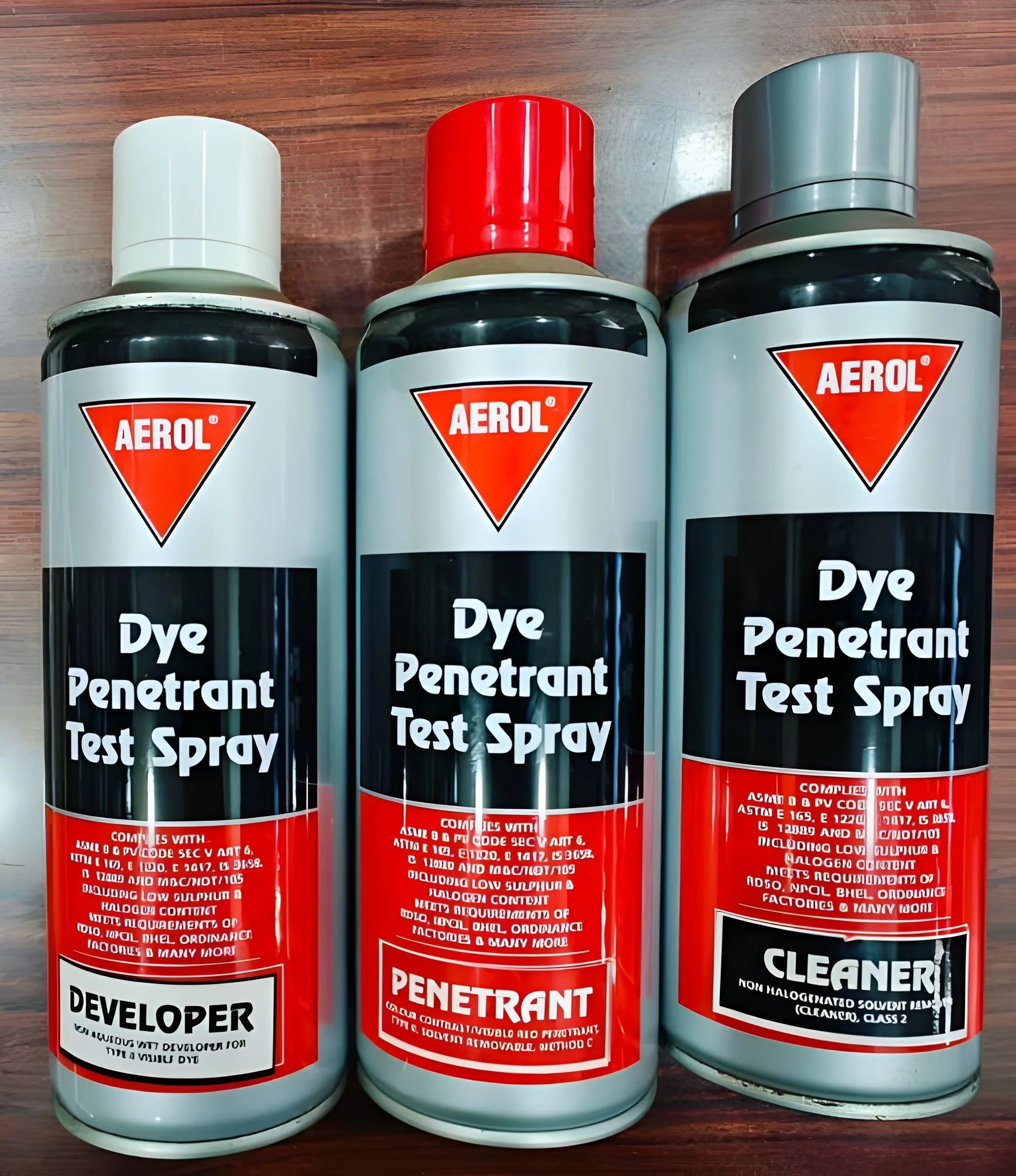
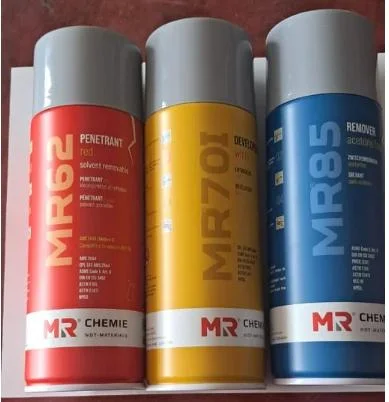
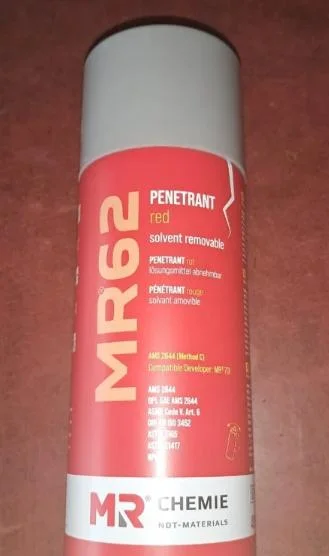
What are Penetrant Testing Kits?
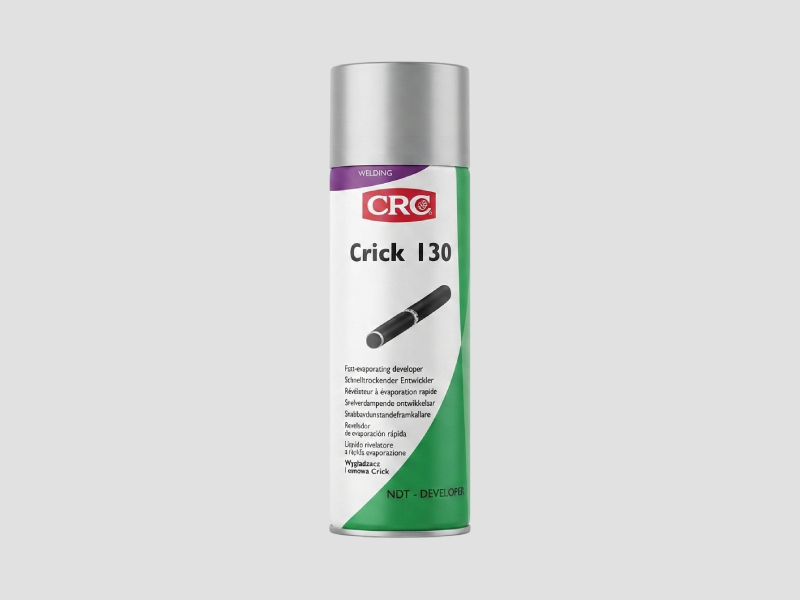
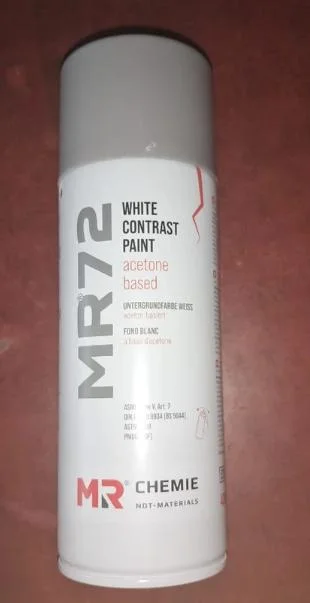
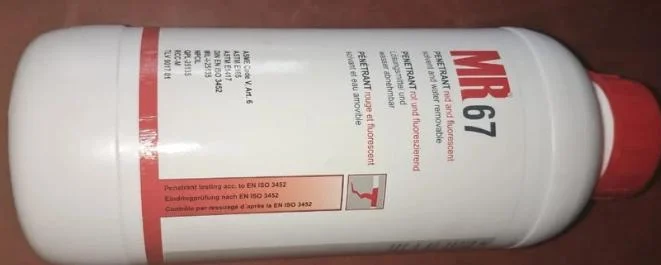
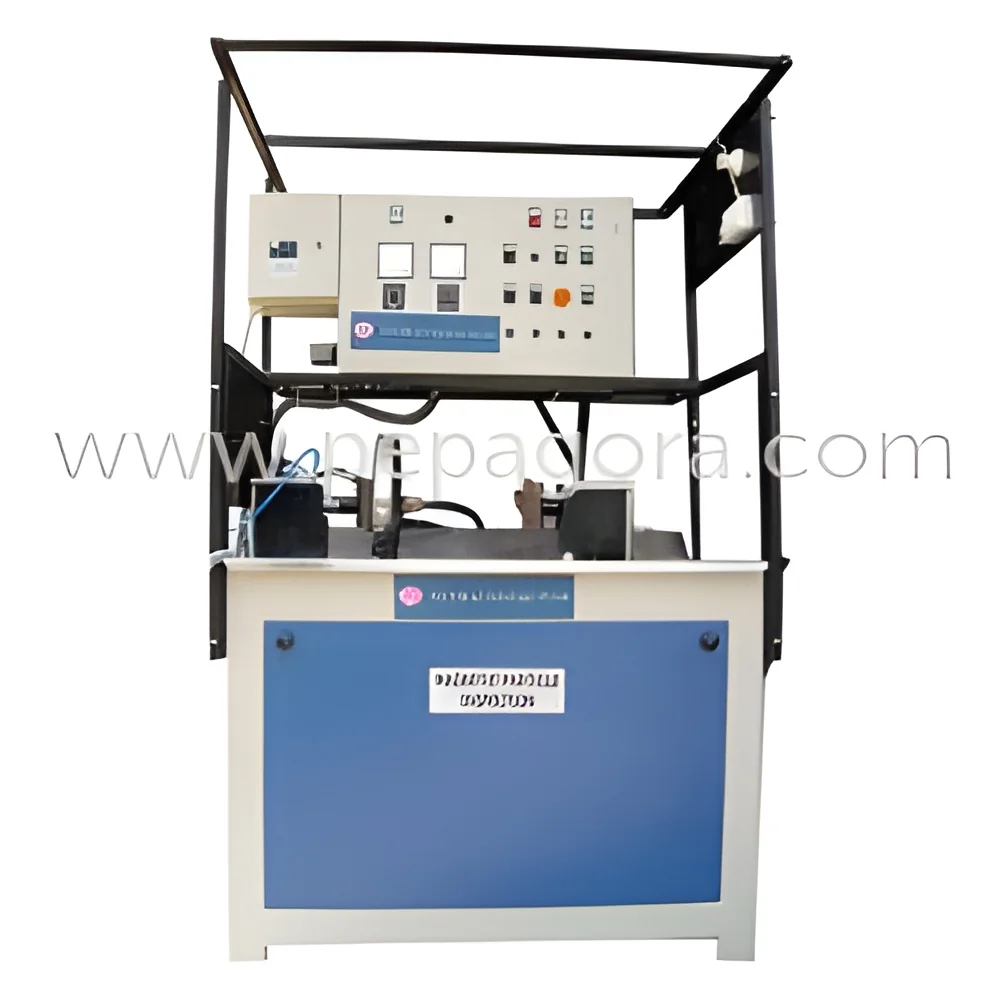
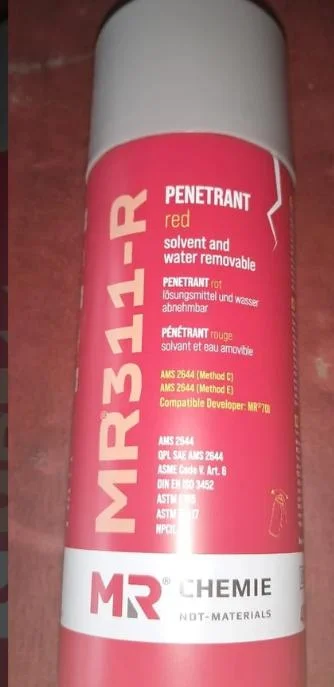
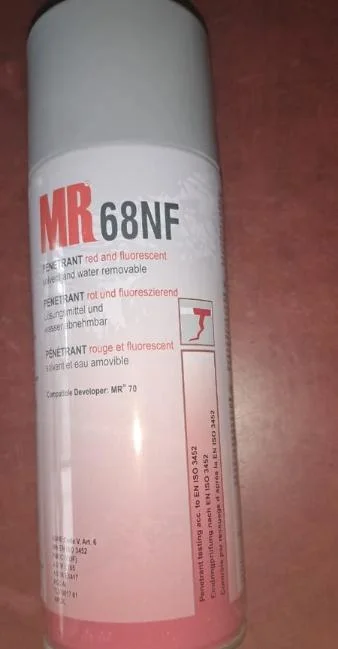
Penetrant Testing Kits are essential tools used in non-destructive testing (NDT) to detect surface-breaking defects in various materials. These kits typically contain a penetrant, developer, and cleaner, enabling users to identify cracks, voids, and other irregularities that may compromise the integrity of a component. The process involves applying the penetrant to the surface, allowing it to seep into any flaws, and then using a developer to draw the penetrant out, making the defects visible.
These kits are widely used across industries such as manufacturing, aerospace, automotive, and construction. They are vital for quality control and assurance, helping to maintain safety standards and ensure the reliability of products. By facilitating the early detection of flaws, Penetrant Testing Kits minimize the risk of failure in critical applications, thereby saving costs and enhancing operational efficiency. The growing emphasis on safety and compliance in various sectors has led to an increased demand for these testing kits in the market.
Key Features and Specifications
Penetrant Testing Kits come with a variety of features and specifications that enhance their effectiveness. These specifications are crucial for users to understand the capabilities and limitations of the kits they are considering for their testing needs.
Key specifications include:
1. Penetrant Type
- Fluorescent or visible dye options
- Ensures visibility under varying lighting conditions
2. Developer Type
- Dry powder or liquid developers
- Facilitates the best contrast for defect visibility
3. Cleaner Type
- Solvent-based or water-soluble cleaners
- Essential for surface preparation and cleanliness
4. Temperature Range
- Typically operational from ambient to elevated temperatures
- Ensures effectiveness in diverse environments
5. Shelf Life
- Varies by product, usually up to 24 months
- Important for inventory management
6. Application Method
- Spray, brush, or dip application options
- Allows for versatility in different testing scenarios
7. Compliance Standards
- Adherence to relevant industry standards (e.g., ISO, ASTM)
- Ensures reliability and acceptance in various sectors
8. Packaging Size
- Available in various sizes from small kits to bulk containers
- Facilitates ease of use and storage
These specifications help users select the right kit for their specific applications and ensure optimal performance during testing.
Common Applications and Use Cases
Penetrant Testing Kits serve a multitude of industries with varied applications.
1. Aerospace: Used for inspecting aircraft components to ensure safety and reliability in flight operations.
2. Automotive: Essential for detecting surface cracks in critical parts like engine blocks and chassis components.
3. Manufacturing: Employed in quality control to check for defects in metal, plastic, and composite materials.
4. Oil and Gas: Utilized to evaluate the integrity of pipelines and storage tanks, preventing leaks and environmental hazards.
5. Construction: Important for assessing weld integrity in structural elements, ensuring compliance with safety standards.
6. Railways: Used to inspect rail tracks and carriages for defects that could lead to catastrophic failures.
7. Marine: Essential for checking the integrity of ship hulls and other marine structures subjected to harsh conditions.
Product Variants and Subcategories
Penetrant Testing Kits are available in various forms to cater to different user needs and industry requirements.
Standard Penetrant Kit
This variant includes all essential components: a penetrant, developer, and cleaner. It is suitable for general-purpose use across several industries, providing reliable results in defect detection.
Advanced Penetrant Kit
Designed for specialized applications, this kit includes high-performance penetrants that work effectively on challenging surfaces. It is ideal for industries where stringent safety standards are paramount.
Portable Penetrant Kit
This lightweight and compact version is designed for field use, allowing technicians to perform tests on-site. It includes all necessary items in a convenient carrying case.
Benefits and Advantages
Using Penetrant Testing Kits offers several key benefits that enhance testing processes.
1. Cost-Effective: Early detection of defects can prevent costly failures and repairs, leading to significant savings over time.
2. Versatile Applications: Suitable for a wide range of materials and industries, making them a valuable tool for various testing scenarios.
3. Easy to Use: The straightforward application process allows for quick training and deployment, maximizing productivity.
4. Non-Destructive: Testing does not alter the material being inspected, ensuring that components remain intact for further use.
5. Reliable Results: Proven methodologies provide accurate and repeatable results, enhancing confidence in inspection outcomes.
6. Compliance Assurance: Helps organizations meet industry standards and regulatory requirements, promoting safety and quality.
Buying Guide for B2B Buyers
When sourcing Penetrant Testing Kits, B2B buyers should consider several key factors to ensure they make informed decisions.
1. Quality Assessment: Evaluate the quality of the penetrants and developers by checking certifications and industry standards. High-quality products lead to more reliable results.
2. Supplier Verification: Vet suppliers thoroughly by checking references, reviews, and previous client feedback. A reputable supplier ensures access to reliable products.
3. Pricing and MOQ: Compare pricing structures and minimum order quantities (MOQ) from different suppliers. Look for bulk purchase discounts that can lead to cost savings.
4. Delivery and Lead Times: Confirm delivery options and lead times to ensure timely availability of products for ongoing projects.
5. Compliance Requirements: Ensure that the selected products meet relevant regulatory and compliance standards specific to your industry.
Compliance and Certifications
Compliance and certifications are critical aspects of Penetrant Testing Kits. These kits must adhere to various quality standards to ensure they are reliable and effective.
ISO 9001 is an important quality management standard that many reputable suppliers follow. It ensures that products consistently meet customer and regulatory requirements, enhancing trust in their performance.
CE certification is another significant marker, particularly in Europe. It indicates that the products comply with health, safety, and environmental protection standards, making them suitable for market use.
Safety and testing requirements must be met, ensuring that the kits do not pose risks to users or the environment. Additionally, regional compliance considerations may vary, so it is essential to check local regulations that apply to the specific industry.
Why Source Penetrant Testing Kits from Pepagora?
Pepagora provides a trusted platform for sourcing Penetrant Testing Kits, offering several key advantages to B2B buyers.
Verified Supplier Network: Pepagora connects buyers with a robust network of verified suppliers. This ensures that you are sourcing from reputable vendors who provide quality products.
Streamlined RFQ Process: The request for quotation (RFQ) process is designed to be efficient and user-friendly. Buyers can easily compare options and make informed purchasing decisions.
Trade Assurance and Support: Pepagora offers trade assurance, protecting buyers against potential risks associated with transactions. This support builds confidence in sourcing decisions.
Regional Coverage: With a strong presence in India, the GCC, and Southeast Asia, Pepagora provides extensive regional coverage. This geographic reach ensures timely access to products and services across multiple markets.

 IN
IN