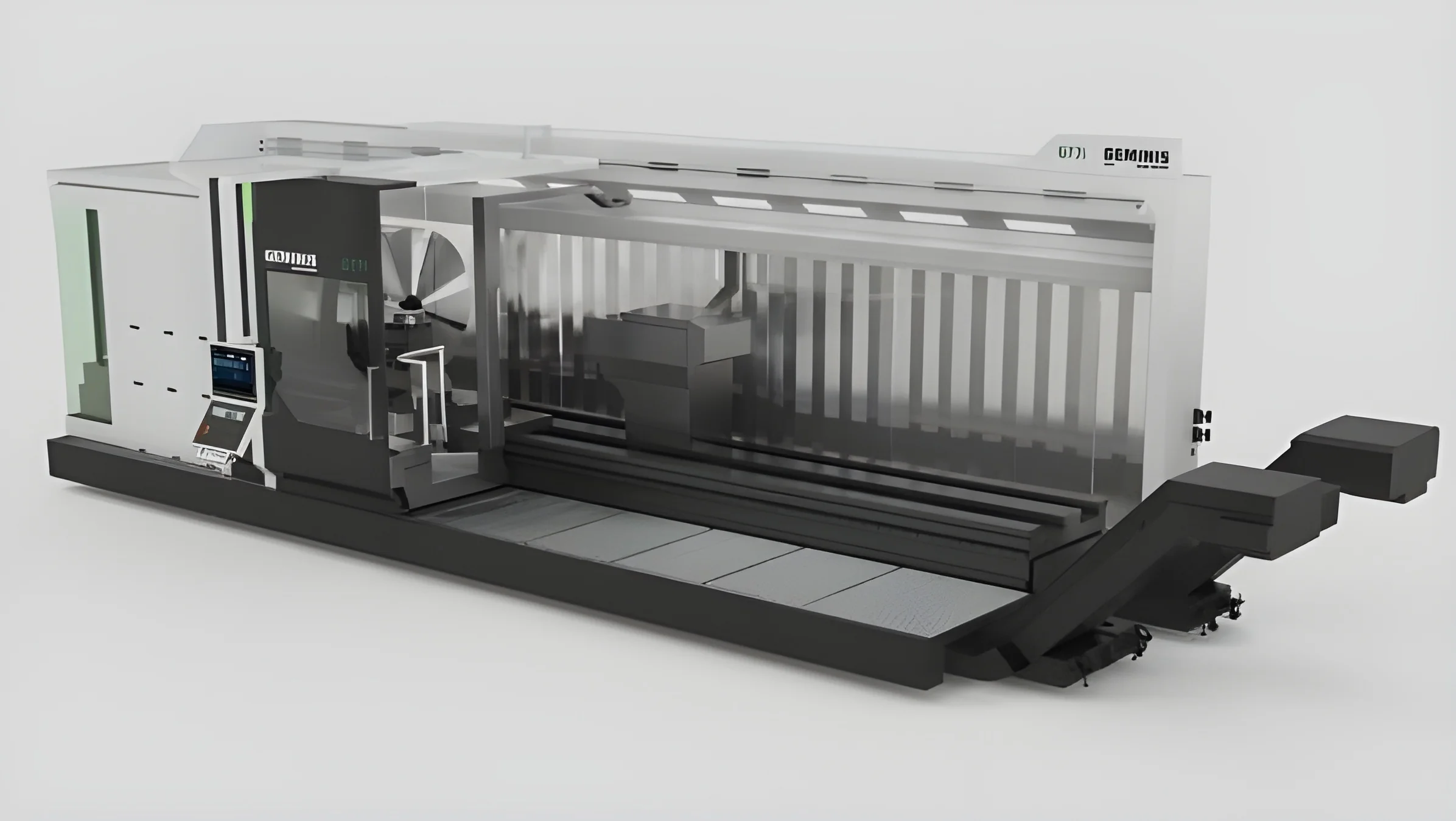
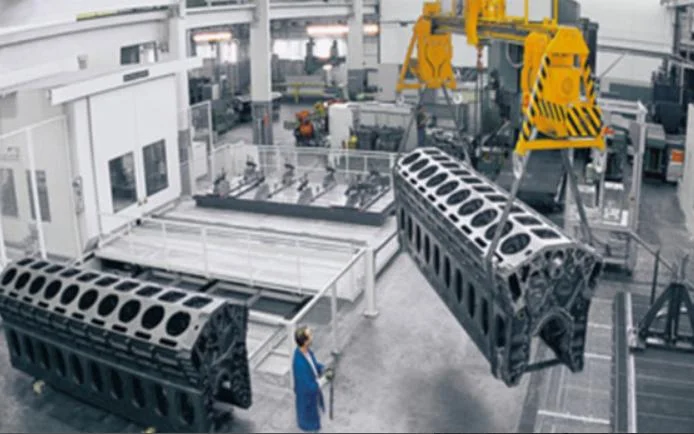
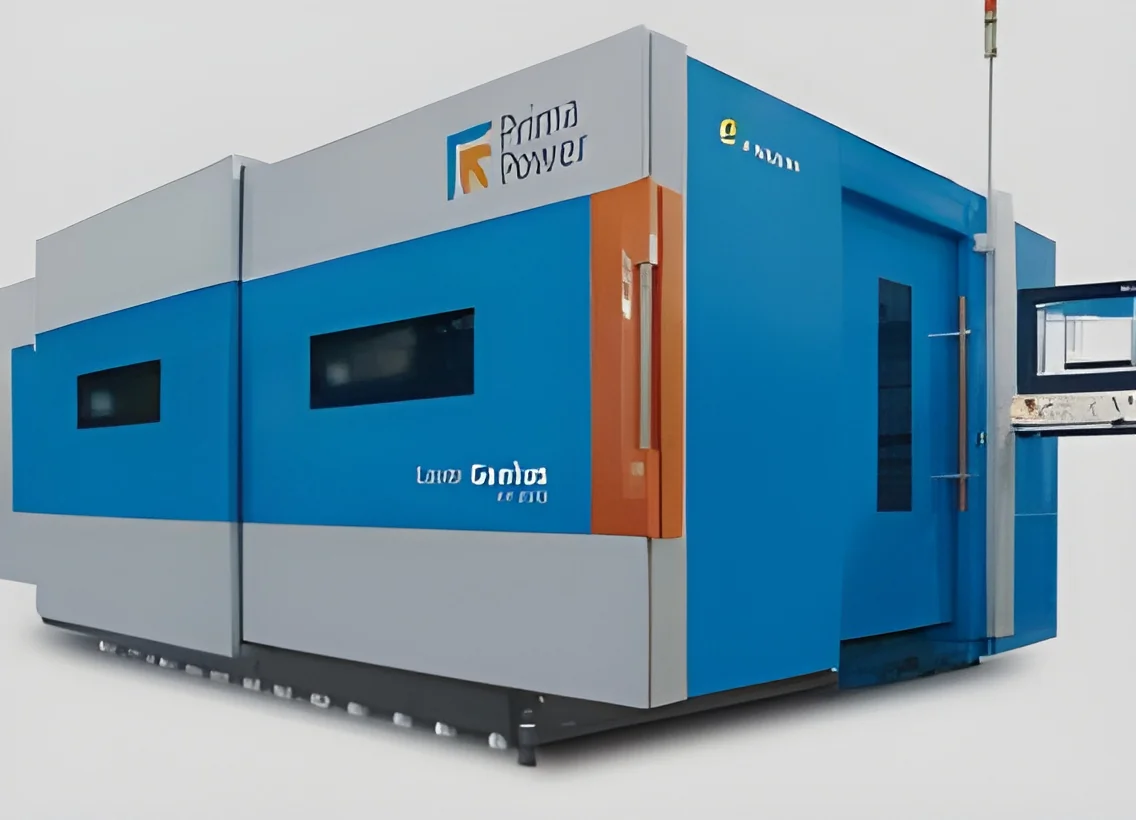
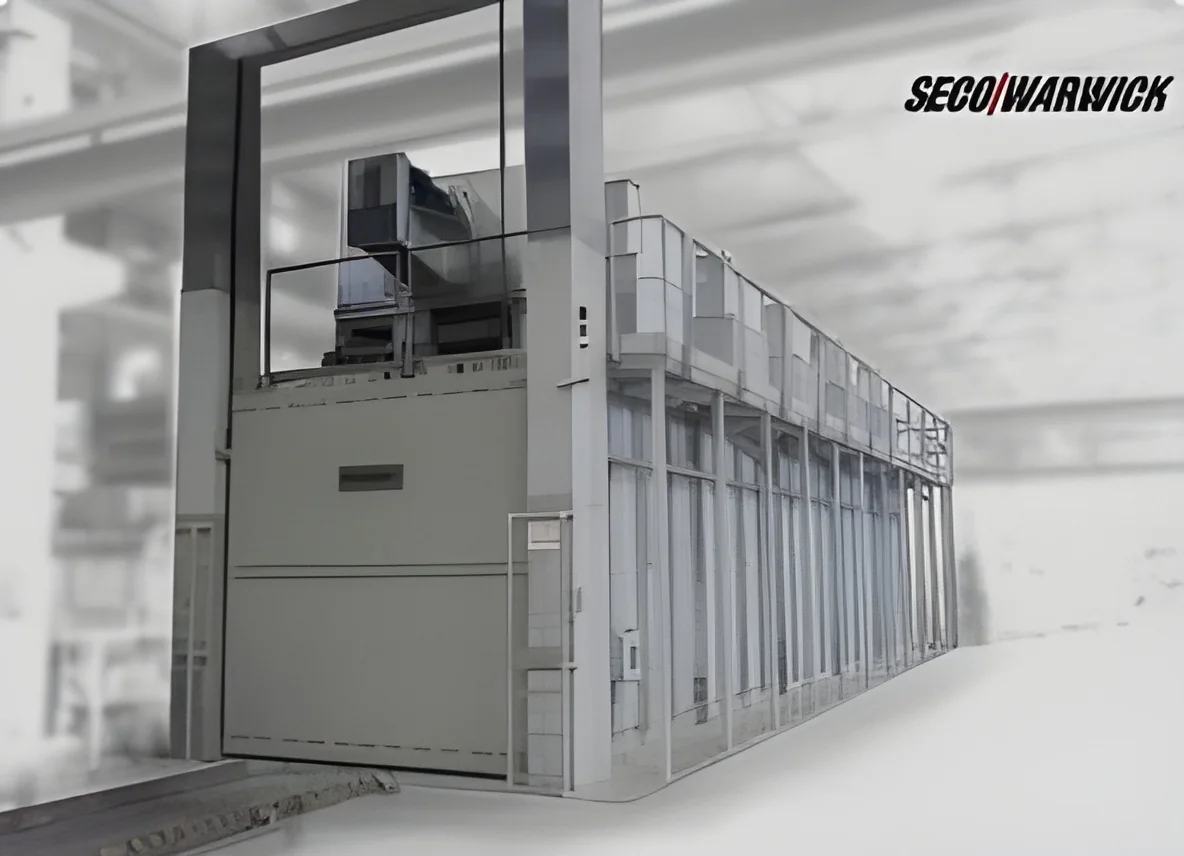
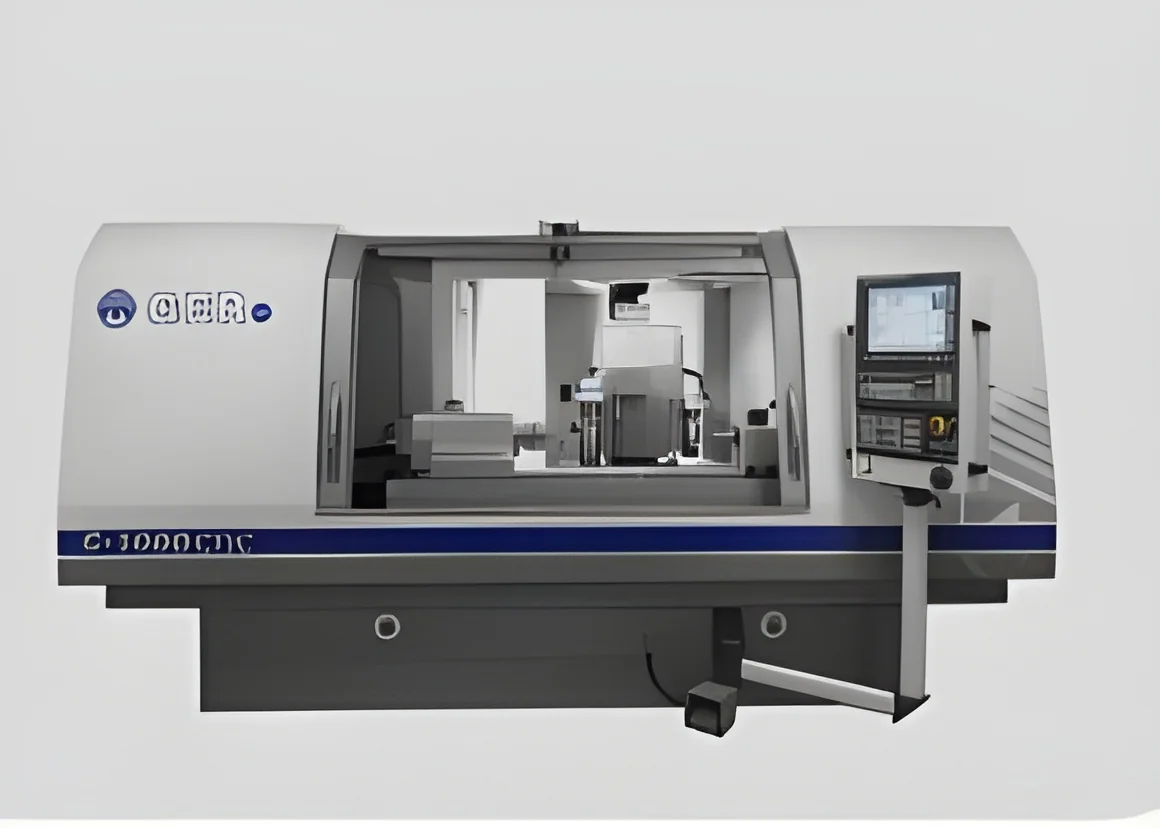
Our laser welding systems excel in environments demanding flawless metal joining without compromising material integrity. The precise heat control prevents warping in thin sheets and delicate components, while the deep penetration capability handles thicker materials with consistent quality. This makes the technology indispensable for manufacturers who cannot tolerate post-weld distortion or extensive rework. The flexibility of manual, semi-automatic, and fully automatic operation allows seamless integration into diverse production workflows. From custom job shops handling varied small batches to high-volume automated lines, the system adapts to your operational scale. The robust C-Frame and H-Frame designs provide the stability needed for continuous industrial use across different workshop layouts and space constraints. - Precision welding of automotive body panels and chassis components without heat distortion. - Joining aerospace-grade alloys and thin-walled structures in aircraft p

 IN
₹
Description
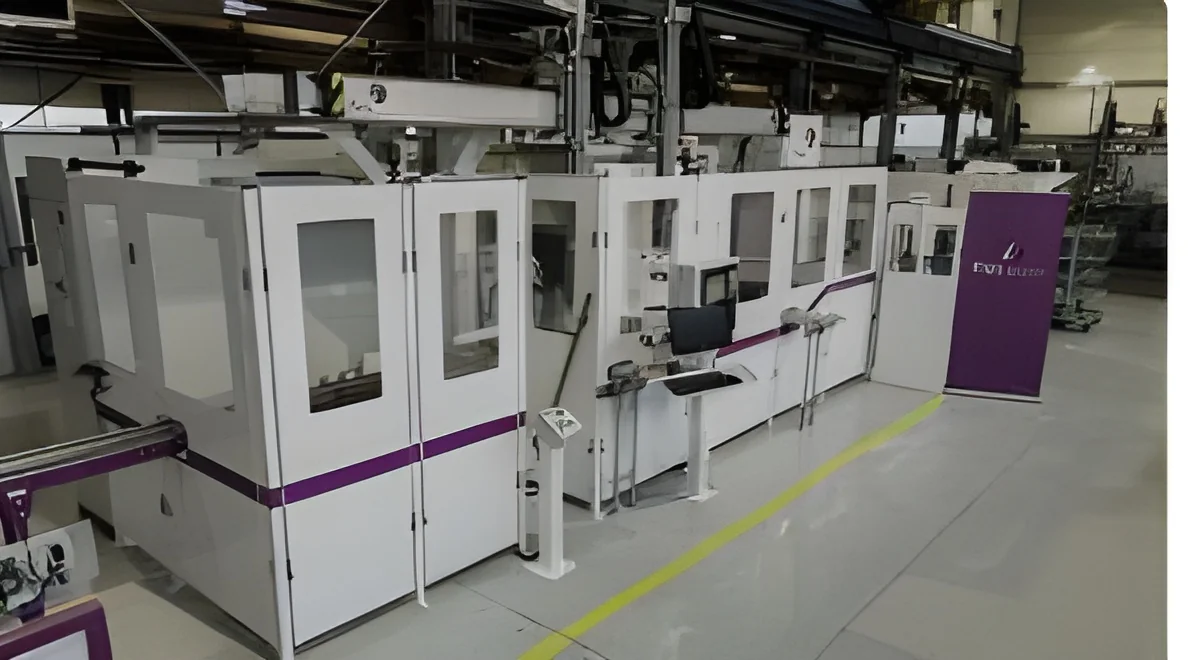
Engineered for industrial metal fabrication, our High-Precision Laser Welding Solutions utilize advanced fiber laser technology to create strong, clean welds with exceptional accuracy. The system delivers deep penetration welding while generating minimal heat-affected zones, virtually eliminating distortion in the workpiece. This capability is crucial for maintaining tight tolerances and material properties in finished products. Available in capacities ranging from 10 to 500 tons and configurable as C-Frame or H-Frame units, the equipment supports manual, semi-automatic, or fully automatic operation to match your production requirements. The core technology ensures consistent beam quality and stable power output for welding everything from reflective metals to complex joint geometries. These laser welders serve critical functions across multiple precision manufacturing sectors. In automotive production, they join body panels, exhaust systems, and battery trays without compromising corr...
Engineered for industrial metal fabrication, our High-Precision Laser Welding Solutions utilize advanced fiber laser technology to create strong, clean welds with exceptional accuracy. The system delivers deep penetration welding while generating minimal heat-affected zones, virtually eliminating distortion in the workpiece. This capability is crucial for maintaining tight tolerances and material properties in finished products. Available in capacities ranging from 10 to 500 tons and configurable as C-Frame or H-Frame units, the equipment supports manual, semi-automatic, or fully automatic operation to match your production requirements. The core technology ensures consistent beam quality and stable power output for welding everything from reflective metals to complex joint geometries. These laser welders serve critical functions across multiple precision manufacturing sectors. In automotive production, they join body panels, exhaust systems, and battery trays without compromising corrosion resistance. Aerospace manufacturers rely on them for assembling lightweight alloy structures and repairing turbine components. The electronics industry uses them for hermetically sealing enclosu
Specifications
| Key Attributes | |
|---|---|
| Capacity | 10–500 Tons (Customizable) |
| Frame Type | C-Frame / H-Frame |
| Operation | Manual / Semi-Automatic / Fully Automatic |
| Additional Information | |
|---|---|
| Country of Origin | India |
Application
Trade Details
| Available Stock | In Stock |
| Sample Availability | No |
Payment Terms
| Payment Terms |
|
Company Profile

 India
Manufacturer
Factory Details
Factory Size1000-5000 sqm
High-Precision Laser Welding Solutions
High-Precision Laser Welding Solutions deliver distortion-free metal joining with fiber laser technology for automated industrial fabrication. Available in manual to fully automatic operation with 10-500 ton capacity C-Frame or H-Frame configurations.
Min. Order Quantity: 1 Unit
Price₹20000-₹40000
Shipping
Shipping fee and delivery date to be negotiated. Contact supplier now for more details.
Empire Machine tools pvt ltd 
 , India
Manufacturer