IN
₹
Description
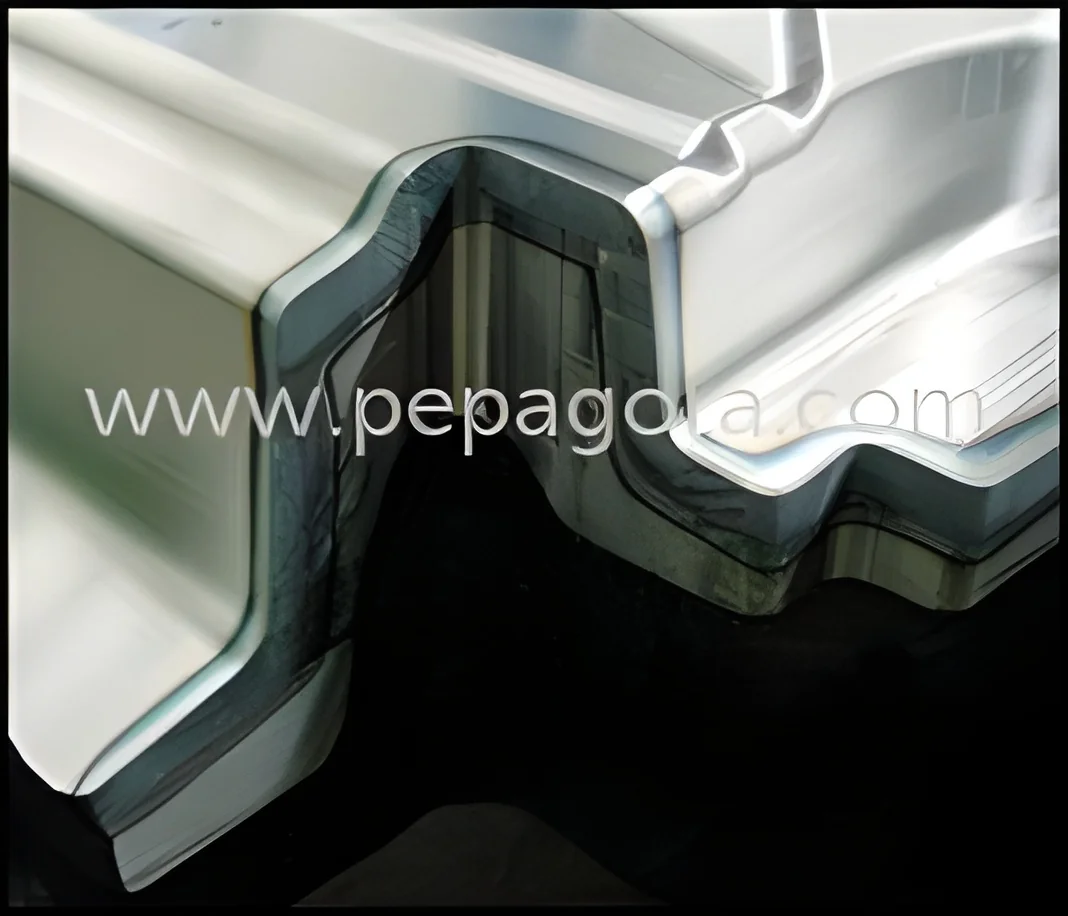
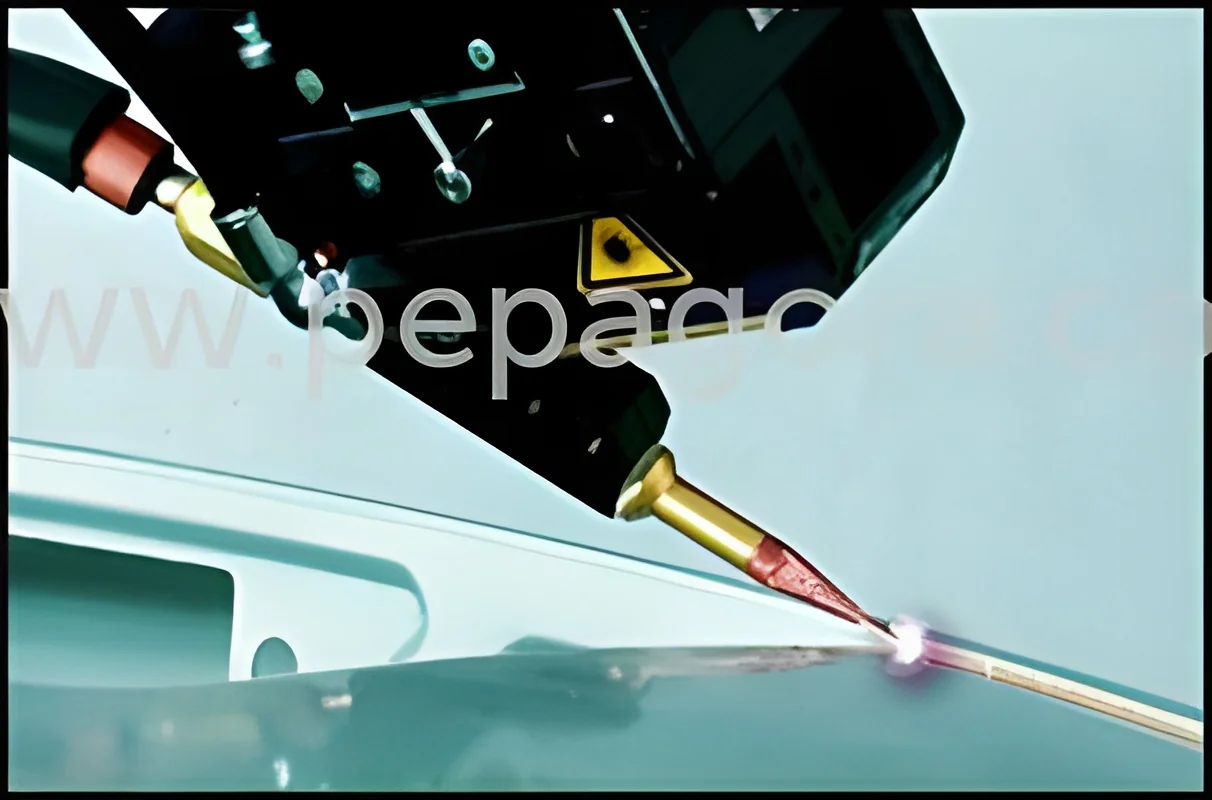
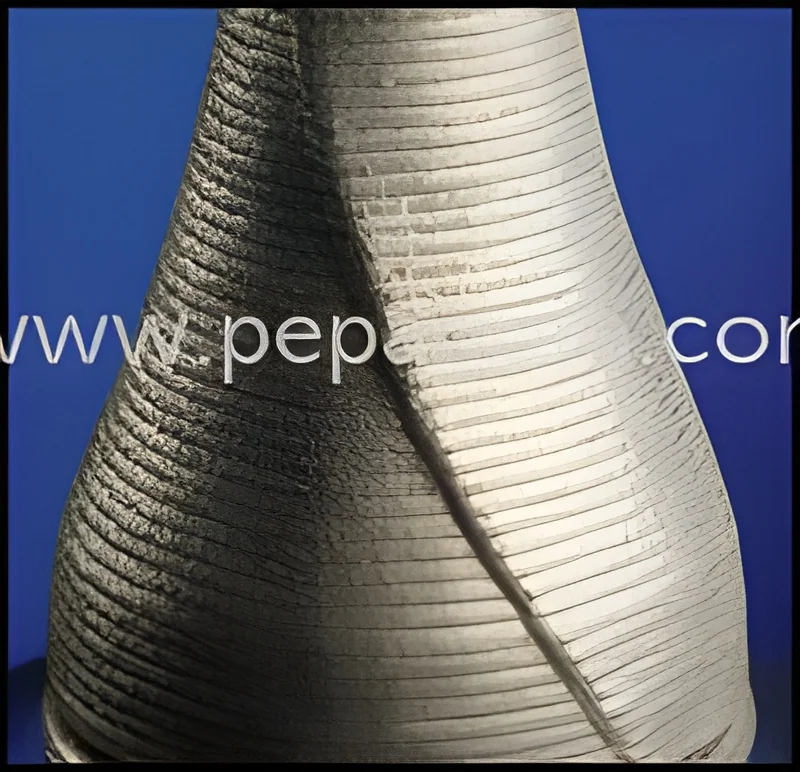
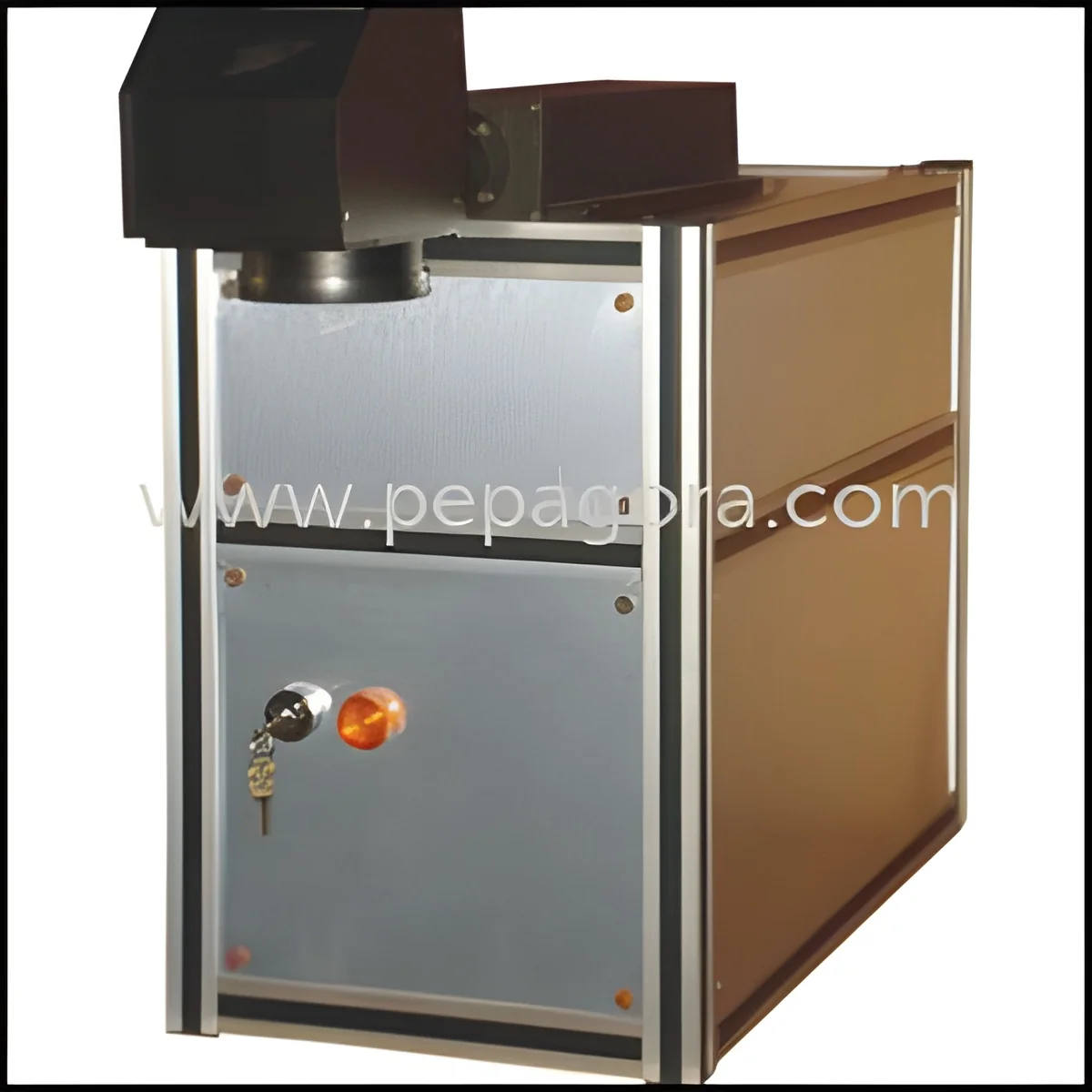
The Industrial Laser Welding System represents advanced joining technology that utilizes focused laser beams to create high-strength, precise welds with exceptional speed and stability. This system minimizes heat input during the welding process, significantly reducing distortion while delivering clean, aesthetically superior seam surfaces. Ideal for applications demanding high process stability and consistent quality, the technology operates with minimal maintenance requirements. With operational reliability and top efficiency among industrial welding systems, it excels in welding thin sheet metals and is perfectly suited for various industrial manufacturing environments. The system's robust construction ensures long-term performance in demanding production settings.

This welding technology finds extensive application across multiple industries including automotive, aerospace, medical devices, electronics, and precision manufacturing. In automotive production environments, it efficie...
The Industrial Laser Welding System represents advanced joining technology that utilizes focused laser beams to create high-strength, precise welds with exceptional speed and stability. This system minimizes heat input during the welding process, significantly reducing distortion while delivering clean, aesthetically superior seam surfaces. Ideal for applications demanding high process stability and consistent quality, the technology operates with minimal maintenance requirements. With operational reliability and top efficiency among industrial welding systems, it excels in welding thin sheet metals and is perfectly suited for various industrial manufacturing environments. The system's robust construction ensures long-term performance in demanding production settings.

This welding technology finds extensive application across multiple industries including automotive, aerospace, medical devices, electronics, and precision manufacturing. In automotive production environments, it efficiently welds body panels, exhaust systems, and structural components with speed and accuracy. Aerospace applications include critical components like turbine blades and lightweight structural elements where joint integrity is essential. Medical sectors rely on this technology for manufacturing implants and surgical instruments requiring biocompatibility and extreme precision. Electronics manufacturers utilize laser welding for circuitry and miniature components, while precision engineering sectors achieve flawless joins in complex assemblies. The system's versatility across materials including steel, aluminum, various alloys, and specialized metals makes it indispensable for high-value manufacturing sectors.

The Industrial Laser Welding System delivers substantial business value through enhanced productivity, significant cost savings, and superior quality outcomes. Its high welding speed dramatically increases production throughput while the minimal distortion characteristics reduce material waste and rework requirements. The technology's proven reliability ensures consistent results batch after batch, supporting just-in-time manufacturing methodologies and meeting stringent industry quality standards. The system's adaptability allows for tailored solutions addressing specific production needs, fostering long-term operational partnerships. With nearly maintenance-free operation and energy-efficient performance, it substantially lowers operational costs while maximizing return on investment, making it an intelligent choice for manufacturing operations focused on durability, performance, and competitive advantage.

Key Features:
- High welding speed for increased production throughput
- Exceptional process stability and consistent weld quality
- Minimal thermal distortion preserving material properties
- Superior weld seam surfaces requiring little finishing
- Robust construction for reliable industrial performance

Benefits:
- Increased production efficiency through faster welding cycles
- Consistent quality results reducing inspection time
- Reduced material waste and rework costs
- Lower operational costs with minimal maintenance
- Enhanced manufacturing capability for competitive advantage
Specifications
| Additional Information | |
|---|---|
| Country of Origin | India |
Application
This laser welding system excels in automotive manufacturing for joining body panels, exhaust systems, and thin sheet metals with exceptional precision. Its high-speed operation maintains consistent quality on assembly lines while minimizing thermal distortion and rework requirements. The technology ensures parts meet strict automotive standards for strength and dimensional accuracy.
In aerospace and medical sectors, this system creates clean, strong welds for critical components including turbine blades, surgical instruments, and medical implants. It handles diverse materials from alloys to sensitive metals while maintaining material integrity and compliance with rigorous safety standards. The process delivers repeatable results suitable for high-value applications where reliability is paramount.
- Automotive assembly lines for body panels and exhaust systems
- Aerospace component fabrication for turbines and structural parts
- Medical device manufacturing of implants and surgical instruments
- Electronics production for precise micro-welding in circuitry
- Precision engineering for detailed, distortion-free metal joins
Trade Details
| Available Stock | In Stock |
| Sample Availability | No |
Payment Terms
| Payment Terms |
|
Company Profile
Laser Automation Pvt Ltd, Maharashtra
 Maharashtra, India
Factory Details
Factory SizeBelow 1000 sqm
Annual Production Capacity0
Industrial Laser Welding System High Speed Precision Minimal Distortion
Industrial Laser Welding System delivers high-speed precision welding with minimal distortion for manufacturing applications. Features stable performance and superior seam quality ideal for industrial automation and custom solutions.
Min. Order Quantity: 1 unit
Shipping
Shipping fee and delivery date to be negotiated. Contact supplier now for more details.
Laser Automation Pvt Ltd
 Maharashtra, India