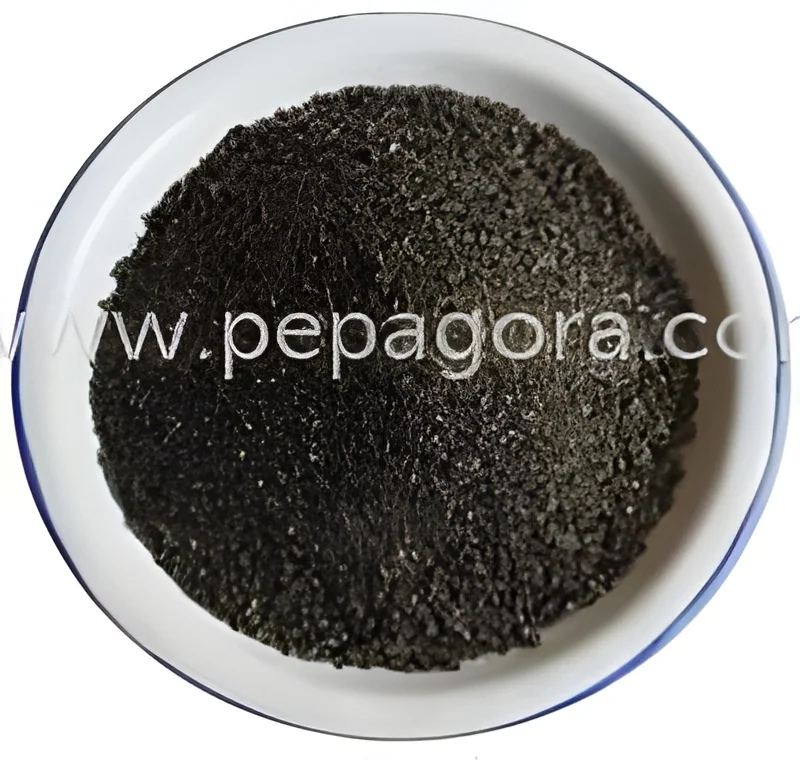
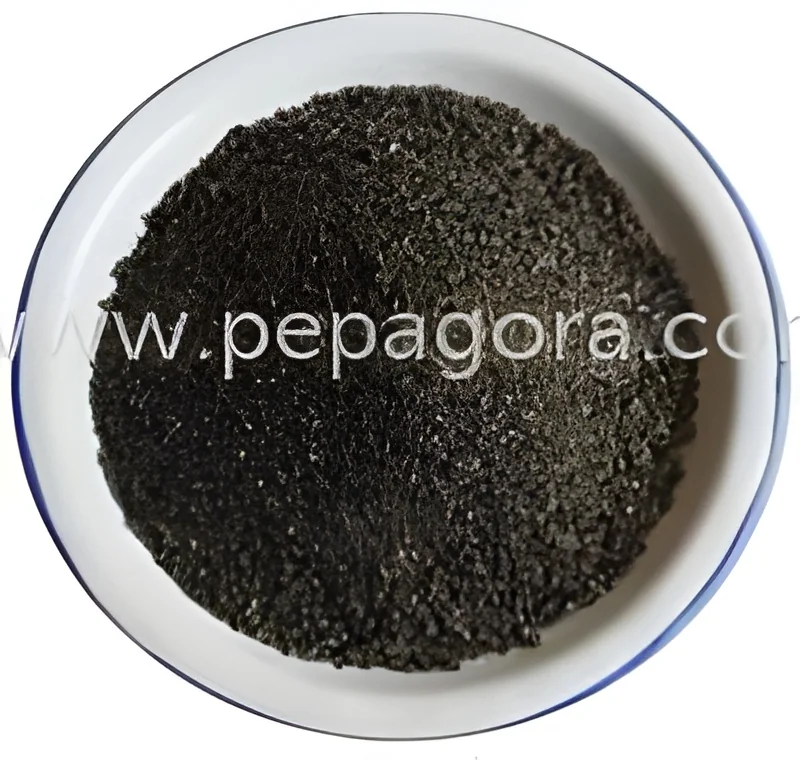
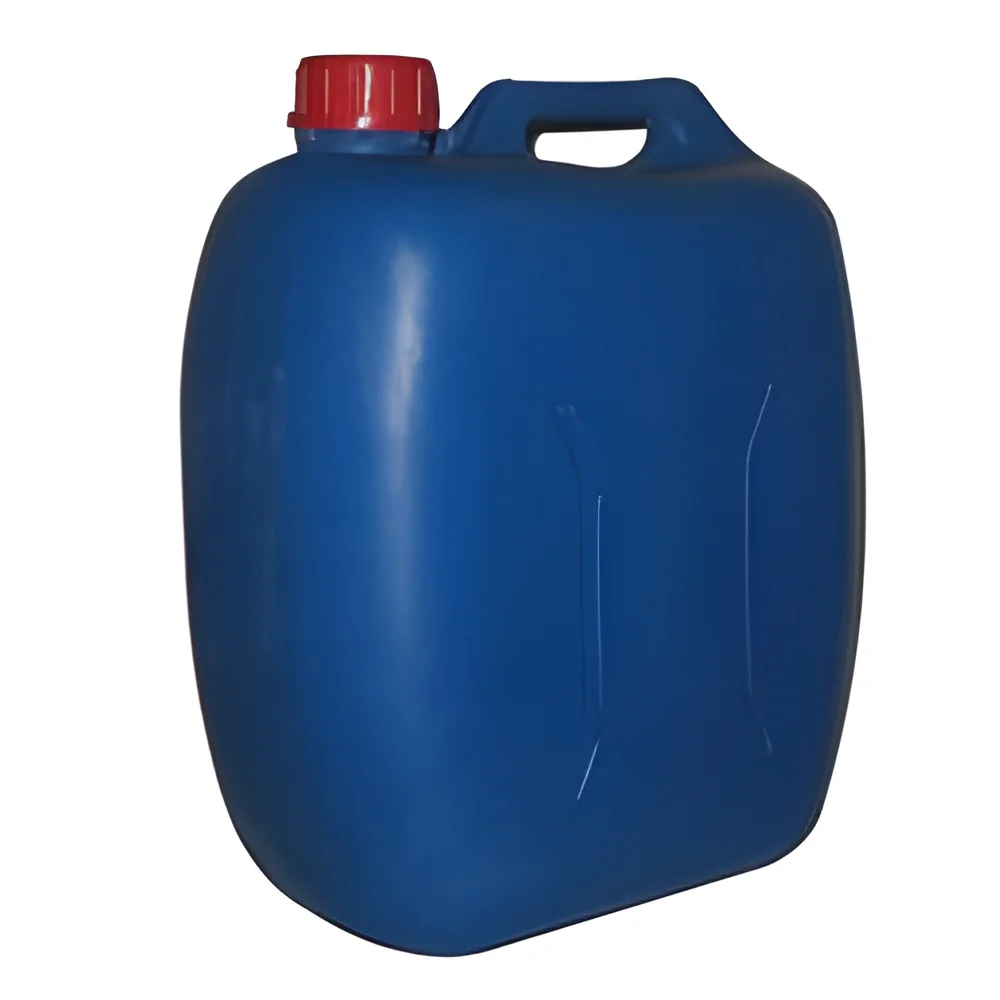
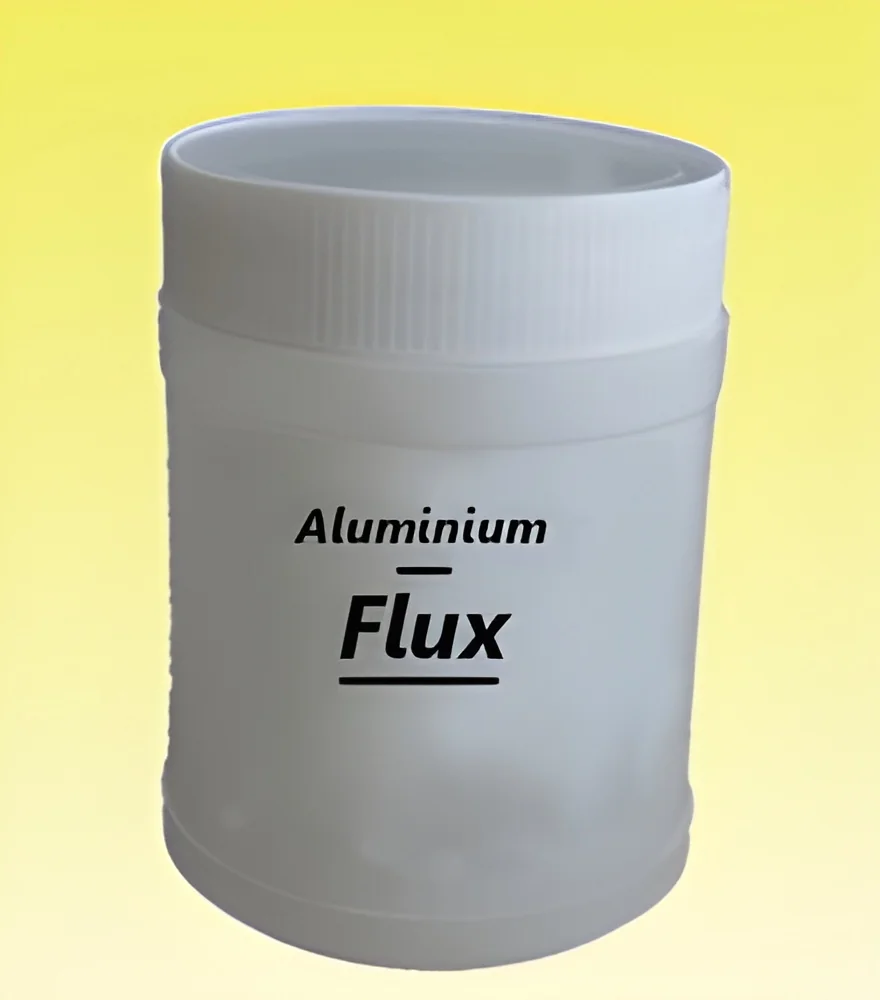
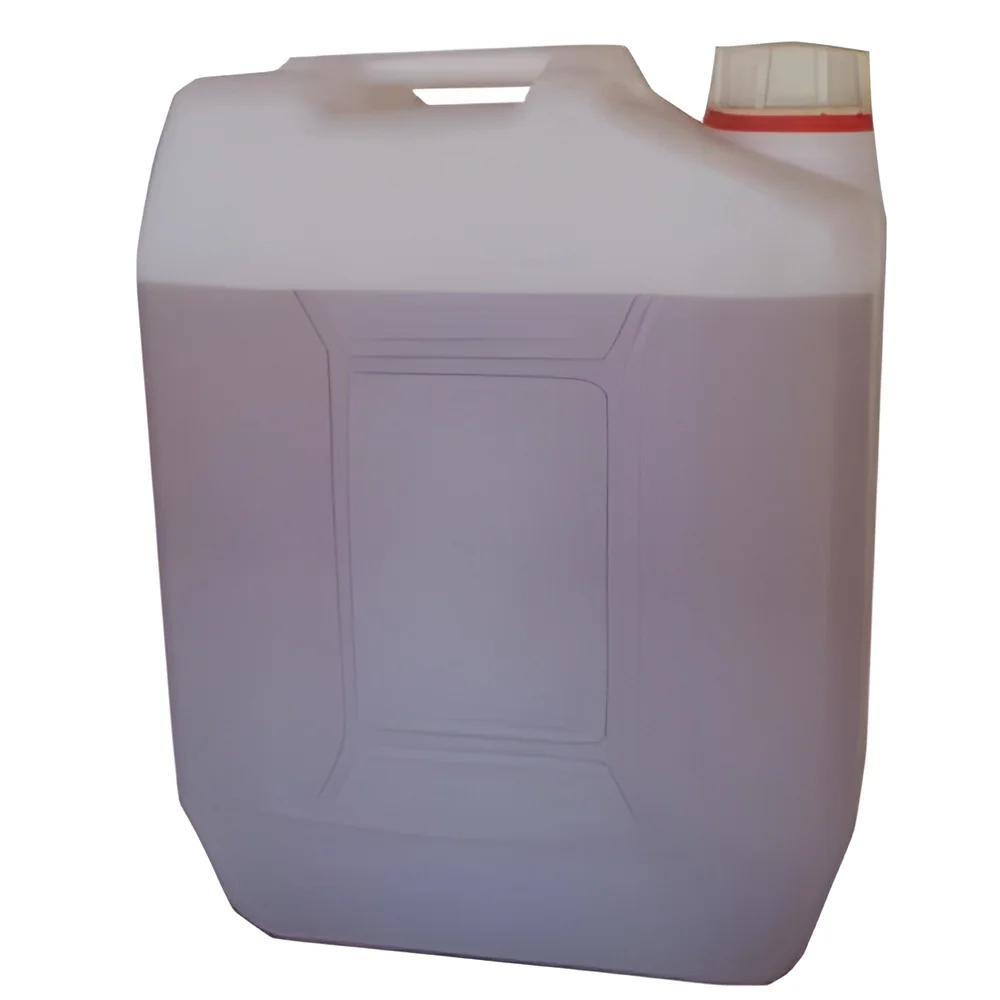
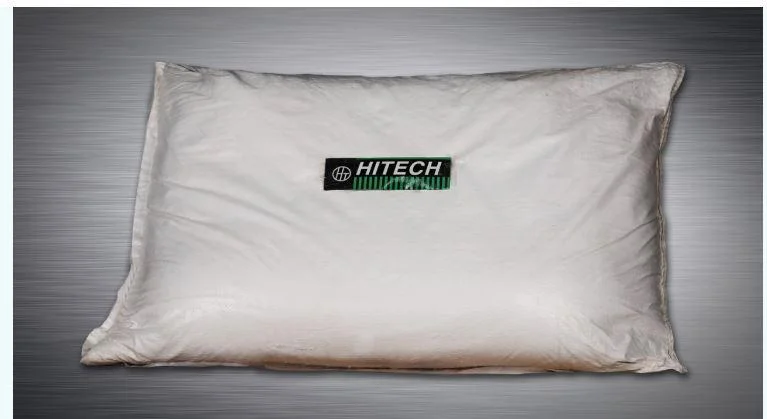
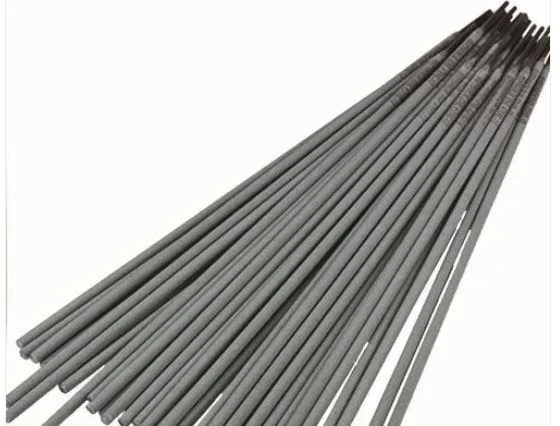
What are Welding Wires & Fluxes?
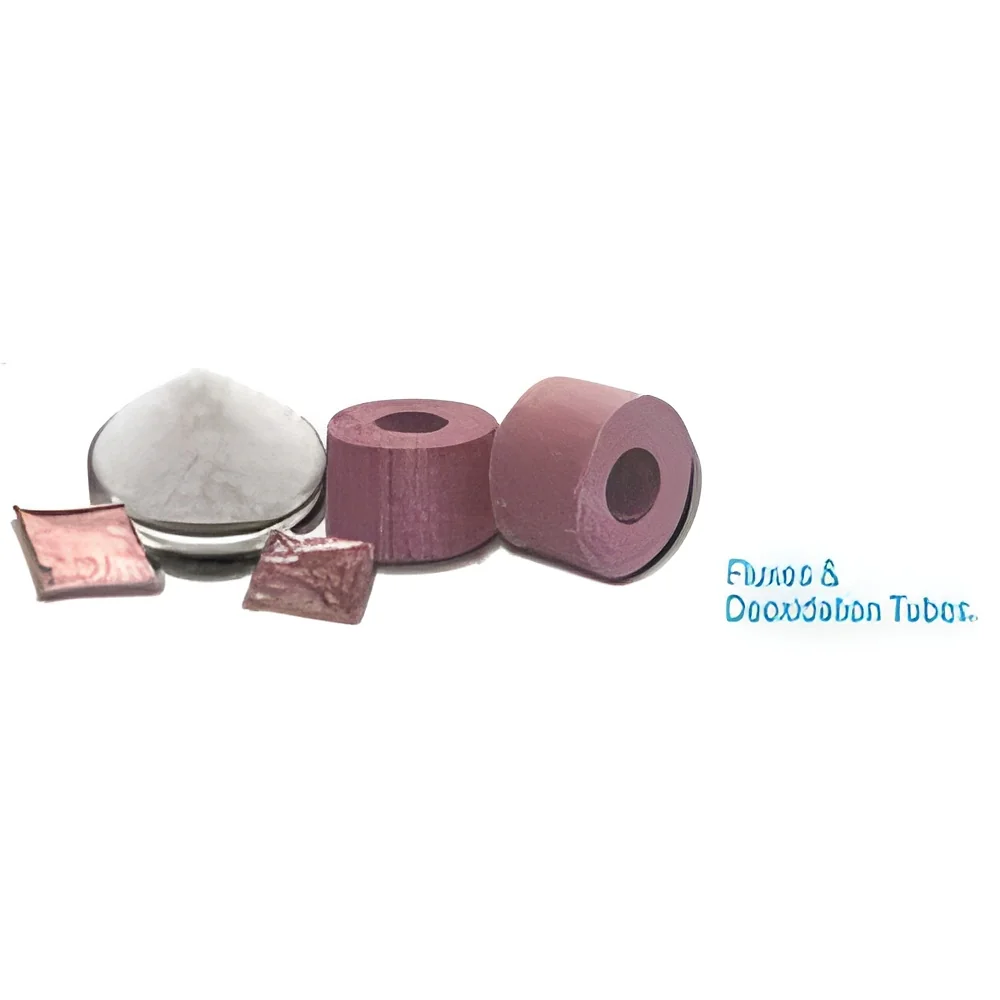
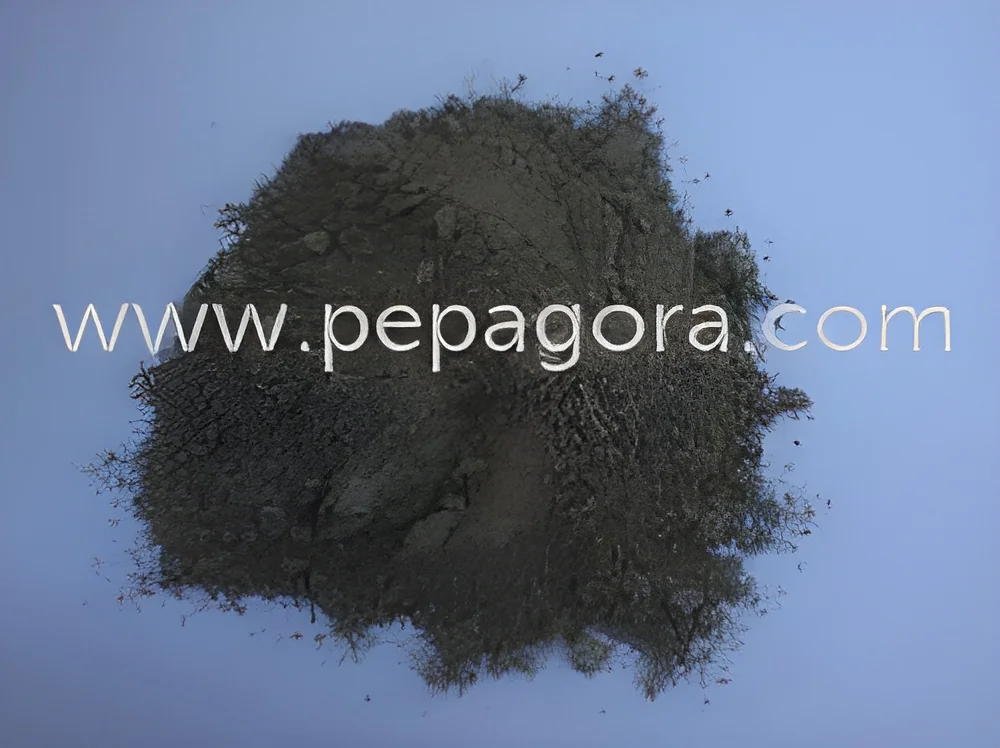
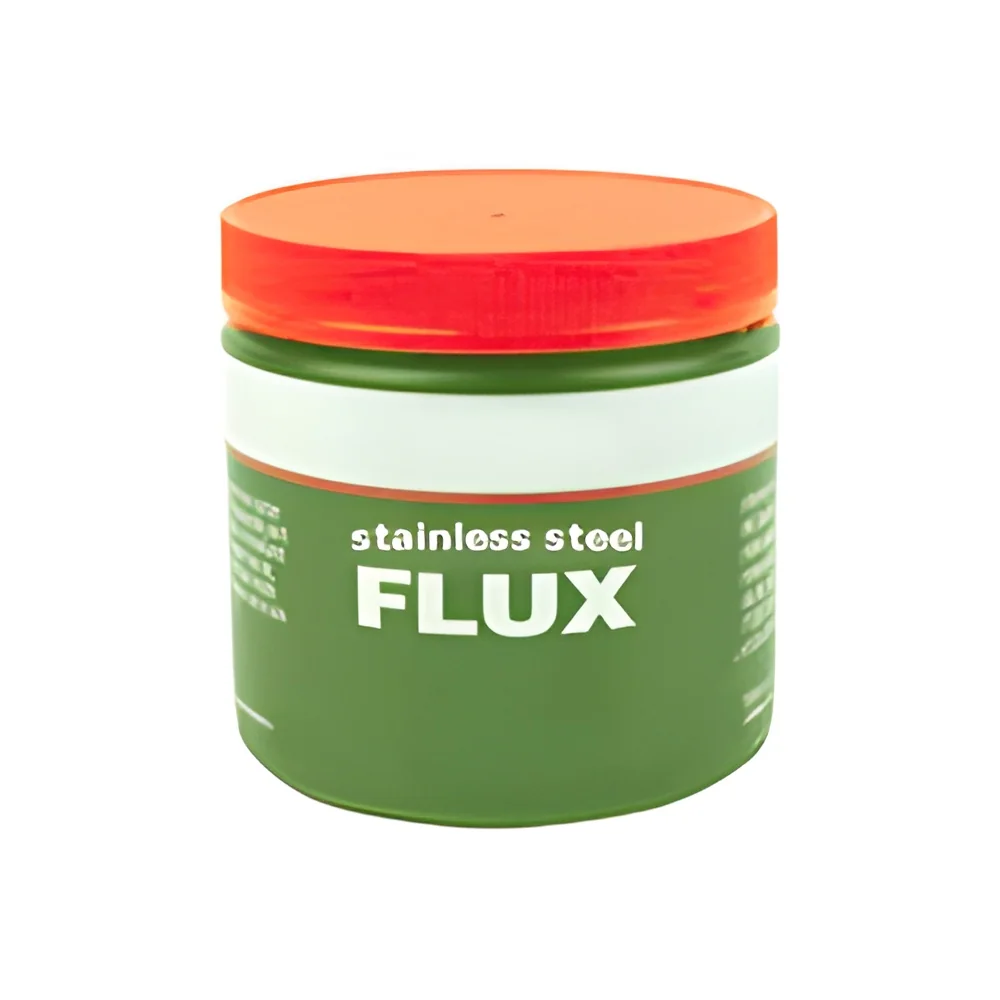
Welding wires and fluxes are essential materials used in various welding processes. Welding wires serve as the filler material that is melted to fuse two or more pieces of metal together. Fluxes, on the other hand, are substances that protect the weld from oxidation and contamination during the welding process. They can also help to improve the flow of molten metal and provide a cleaner weld.
These products are primarily used in industries such as construction, manufacturing, and automotive. Welding wires and fluxes are crucial for producing strong, durable joints that are capable of withstanding extreme conditions. Applications range from structural integrity in buildings to the manufacturing of intricate machinery components. As industries evolve, the demand for high-quality welding wires and fluxes has grown, emphasizing their importance in modern manufacturing and fabrication processes.
The relevance of welding wires and fluxes in the industry cannot be overstated. With advancements in technology and materials science, these products are continuously being improved to meet the demands of various sectors. The market for welding materials is expanding globally, driven by traditional manufacturing and emerging markets seeking to enhance their infrastructure and production capabilities.
Key Features and Specifications
Welding wires and fluxes come with a variety of features and specifications that cater to different welding applications. Understanding these parameters is essential for selecting the right product for specific needs.
Key specifications include:
1. Material Composition
- Commonly made from steel, stainless steel, aluminum, and alloys
- Composition affects weld quality and compatibility with base metals
2. Diameter
- Available in various diameters ranging from 0.6 mm to 2.0 mm
- Diameter impacts the deposition rate and bead appearance
3. Melting Point
- Varies depending on the type of wire or flux
- Affects the welding process and heat input required
4. Coating Type
- Includes flux-cored, solid, or coated wires
- Coating influences arc stability and spatter levels
5. Tensile Strength
- Measured in MPa or ksi
- Indicates the strength of the weld produced
6. Welding Process Compatibility
- Suitable for MIG, TIG, and other welding processes
- Selection depends on the specific welding technique used
7. Packaging Options
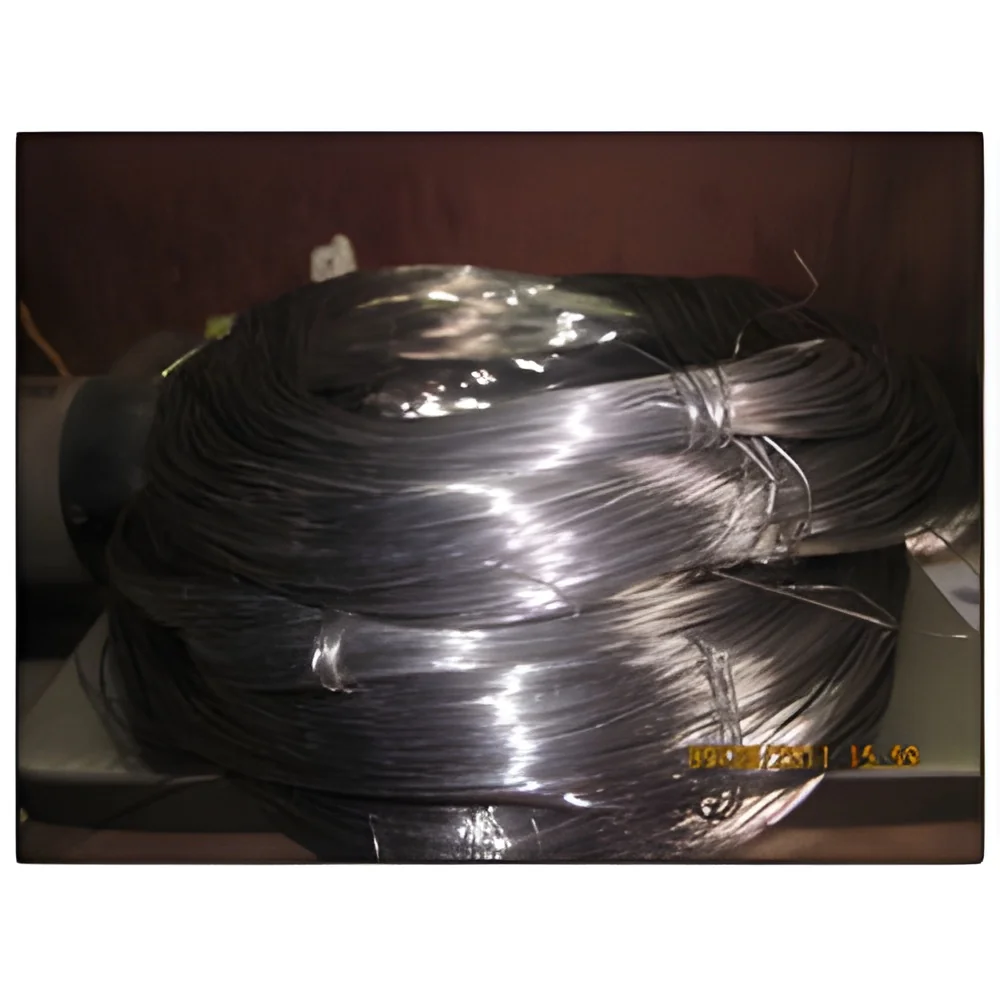
- Available in spools, coils, or straight lengths
- Packaging affects usability and storage requirements
8. Compliance Standards
- Products often comply with international standards such as CE
- Ensures quality and safety in applications
In summary, choosing the right welding wire or flux involves understanding the specific requirements of the application along with the key specifications that influence performance and results.
Common Applications and Use Cases
Welding wires and fluxes serve various industries, each with unique applications.
1. Construction: In the construction industry, welding wires and fluxes are vital for joining structural steel and reinforcing bars. They ensure the integrity of buildings and bridges.
2. Automotive: The automotive sector uses these materials for assembling components and frames. High-quality welds are crucial for vehicle safety and performance.
3. Manufacturing: In manufacturing, welding wires and fluxes are employed to fabricate machinery and equipment. Consistent quality is essential for operational efficiency.
4. Shipbuilding: Welding is critical in shipbuilding for constructing hulls and other structures. Specialized wires and fluxes are used to ensure durability in marine environments.
5. Oil and Gas: The oil and gas industry relies on robust welding solutions for pipelines and drilling equipment. Corrosion-resistant materials are often required.
6. Aerospace: In aerospace applications, precision welding is necessary for aircraft components. Specialized wires and fluxes ensure lightweight and strong joints.
7. Railroads: Welding wires and fluxes are utilized in railroad manufacturing and maintenance. They help maintain the structural integrity of tracks and rolling stock.
Product Variants and Subcategories
Welding wires and fluxes come in various forms to cater to specific needs and applications. Understanding these variants helps in making informed choices.
Solid Welding Wire: This type is primarily used in MIG welding. It offers excellent arc stability and a smooth finish. It is suitable for a variety of materials, including mild steel and stainless steel.
Flux-Cored Wire: This variant contains a core of flux that helps protect the weld pool. It is ideal for outdoor welding applications due to its resistance to wind and contamination.
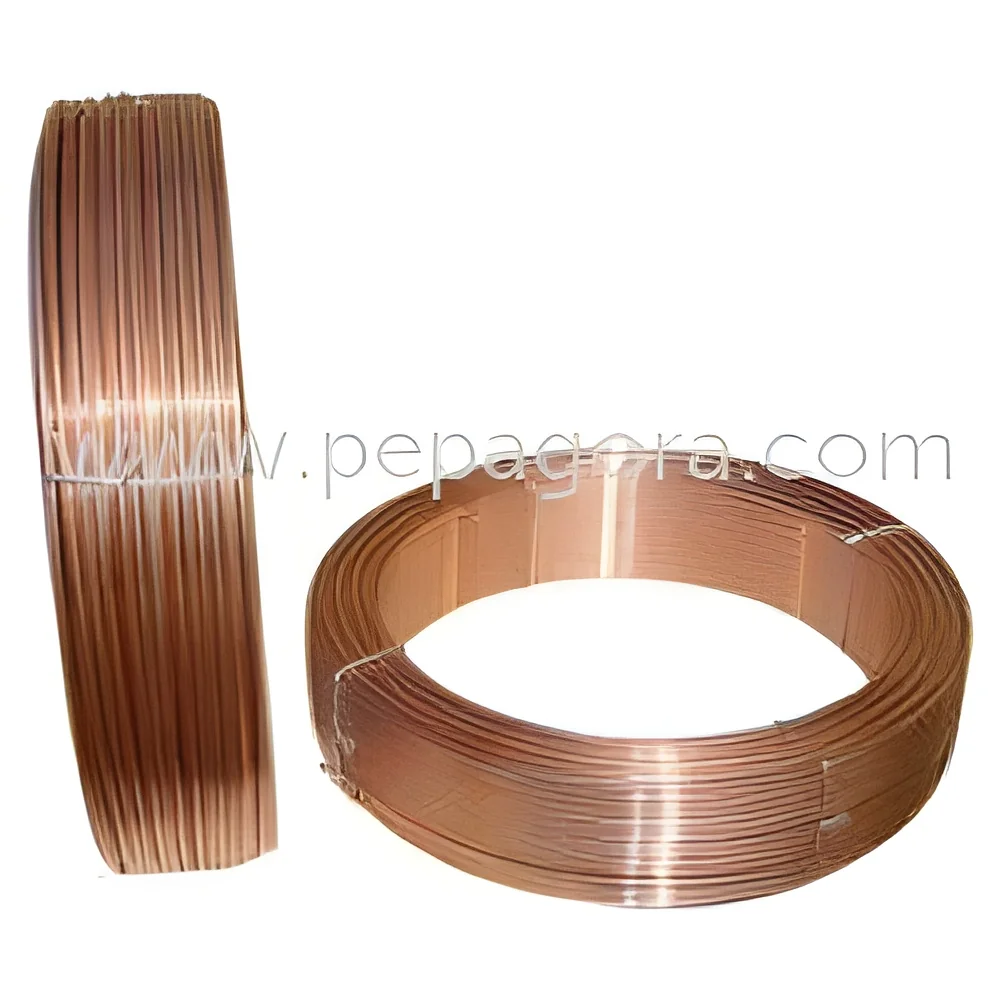
Submerged Arc Welding Wire: Designed for submerged arc welding processes, this wire provides high deposition rates and is suitable for thick materials. It is commonly used in heavy fabrication.
TIG Welding Wire: This type is used in TIG welding processes and is available in various alloys. It offers high cleanliness and is ideal for precise welding applications.
Benefits and Advantages
Welding wires and fluxes offer several significant benefits to users in various industries.
1. Enhanced Weld Quality: High-quality welding materials lead to stronger and more reliable welds, reducing the risk of failure.
2. Improved Productivity: The right welding wires and fluxes can streamline the welding process, increasing overall efficiency.
3. Versatility: Available in various compositions and forms, these products can be used in multiple applications across different industries.
4. Reduced Cleanup: Using fluxes helps minimize slag and spatter, resulting in cleaner work environments and less post-weld cleanup.
5. Cost-Effectiveness: Quality welding materials can reduce rework and scrap, leading to lower overall project costs.
6. Compliance Assurance: Sourcing certified products ensures adherence to industry standards, enhancing safety and reliability.
Buying Guide for B2B Buyers
When sourcing welding wires and fluxes, several factors should be considered to ensure the best selection.
1. Quality Assessment: Evaluate the quality of welding wires and fluxes based on certifications and standards. Look for products that meet or exceed industry specifications.
2. Supplier Verification: Vet suppliers to ensure they have a proven track record of delivering quality materials. Check for customer reviews and industry reputation.
3. Pricing and MOQ: Consider the pricing structure and minimum order quantities (MOQ) offered by suppliers. Balance cost with quality to make informed purchasing decisions.
4. Delivery and Lead Times: Assess the logistics provided by suppliers, including delivery schedules and lead times. Timely delivery is critical for maintaining project timelines.
5. Compliance Requirements: Ensure that the welding wires and fluxes meet all regulatory and compliance standards relevant to your industry and location.
Compliance and Certifications
Welding wires and fluxes are subject to various quality standards and certifications that ensure safety and reliability.
ISO 9001 is a widely recognized quality management standard that many manufacturers adhere to. This certification ensures that processes are in place to maintain consistent quality in production.
CE certification indicates that the product meets European safety, health, and environmental protection standards. This is crucial for products used in multiple regions and industries.
Safety and testing requirements are also paramount. Manufacturers often conduct rigorous testing to ensure their products can withstand specific conditions, such as temperature and pressure.
Regional compliance considerations vary by location, making it essential for buyers to understand the specific requirements in their area. This helps ensure that sourced products are suitable for local applications.
Why Source Welding Wires & Fluxes from Pepagora?
Pepagora provides a trusted platform for sourcing welding wires and fluxes, offering several key advantages for businesses.
Verified Supplier Network: Pepagora has established a network of verified suppliers who meet stringent quality standards. This helps buyers find reliable partners for their welding material needs.
Streamlined RFQ Process: The request for quotation (RFQ) system simplifies sourcing by allowing buyers to easily compare prices and specifications from multiple suppliers.
Trade Assurance and Support: Buyers benefit from trade assurance, which protects their purchases and ensures they receive the quality promised. Customer support is readily available to address any concerns.
Regional Coverage: Pepagora's geographic reach extends across India, the GCC, and Southeast Asia, making it a convenient option for businesses in these regions seeking quality welding materials.
In conclusion, sourcing welding wires and fluxes from Pepagora not only facilitates access to high-quality materials but also ensures a smooth purchasing experience, contributing to overall project success.

 IN
IN