
 IN
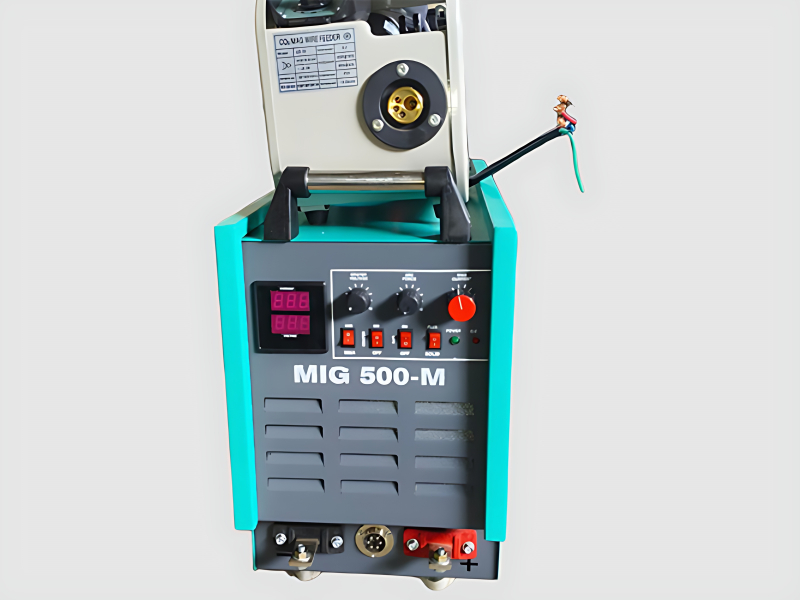
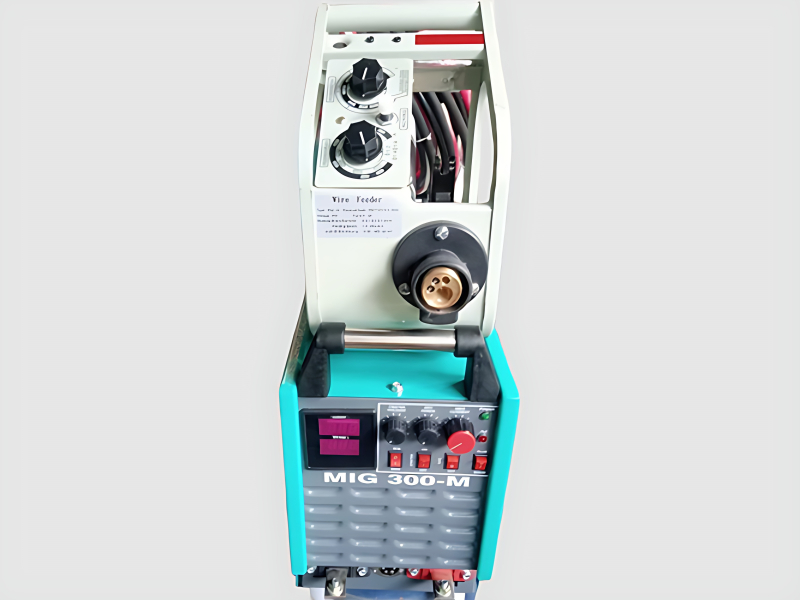
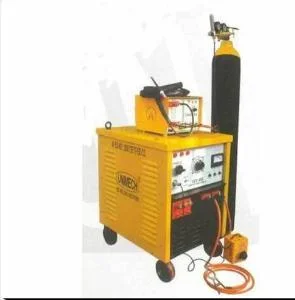
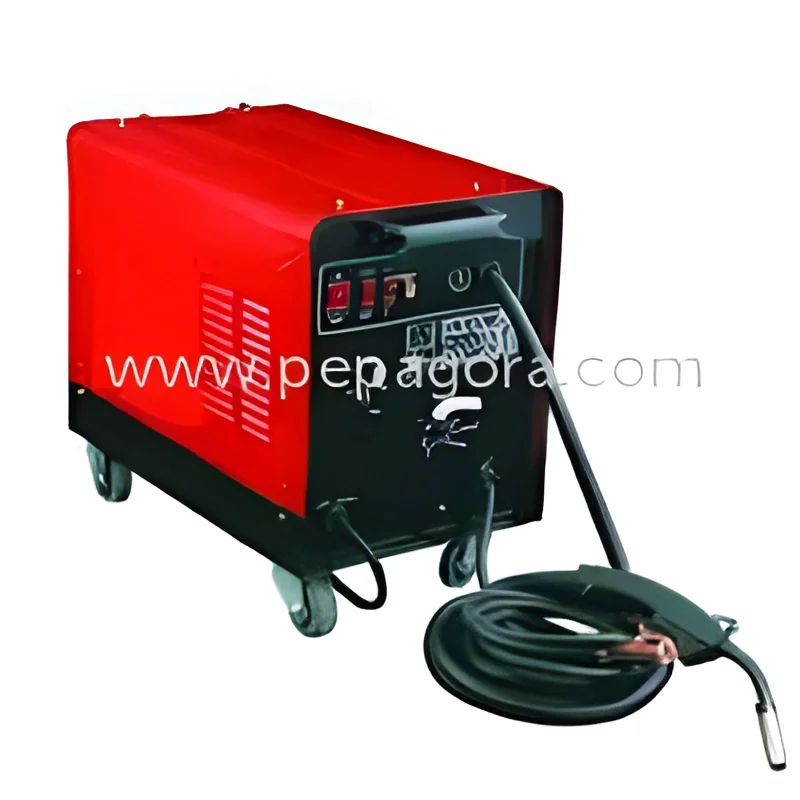
MIG Welding Machines
21 products available
What are MIG Welding Machines?
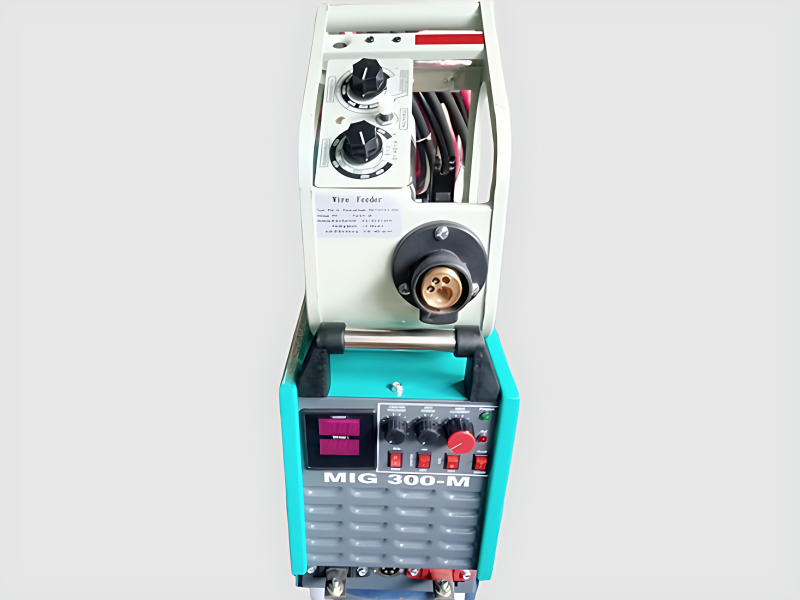
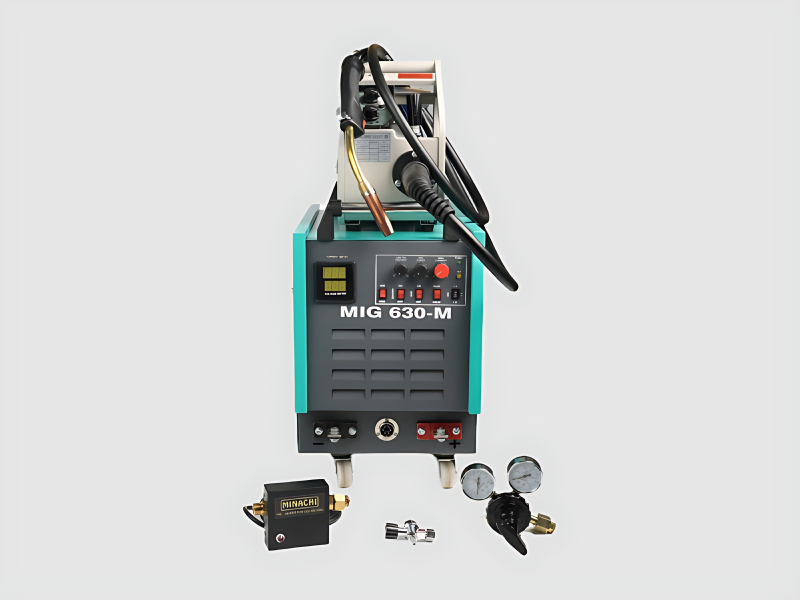
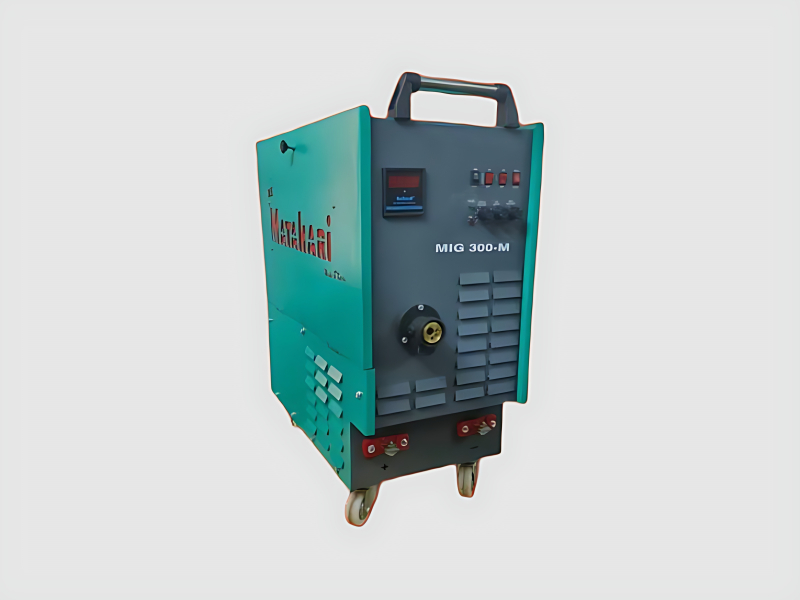
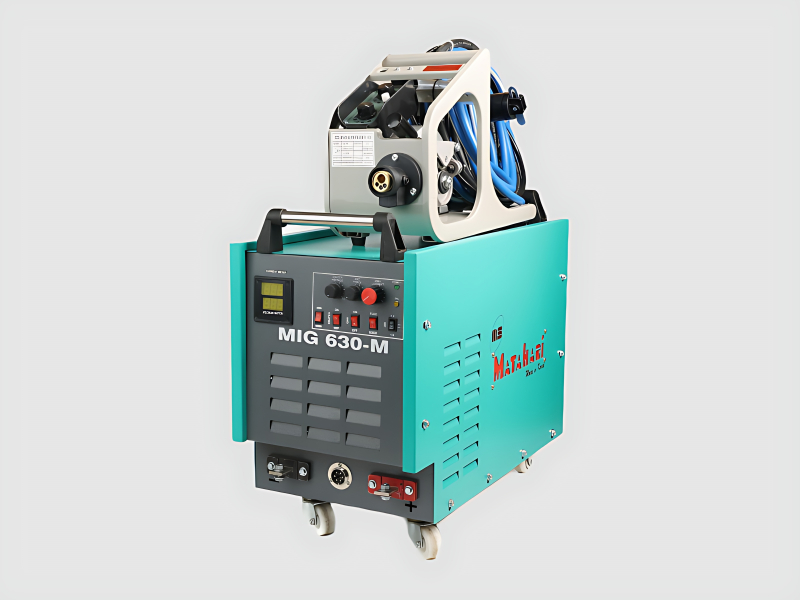
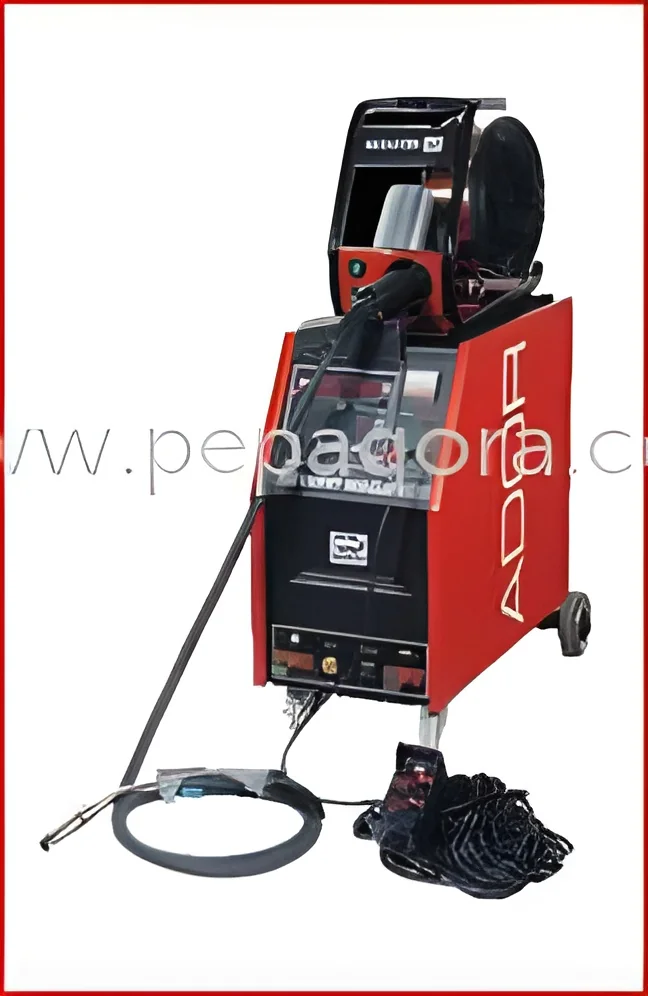
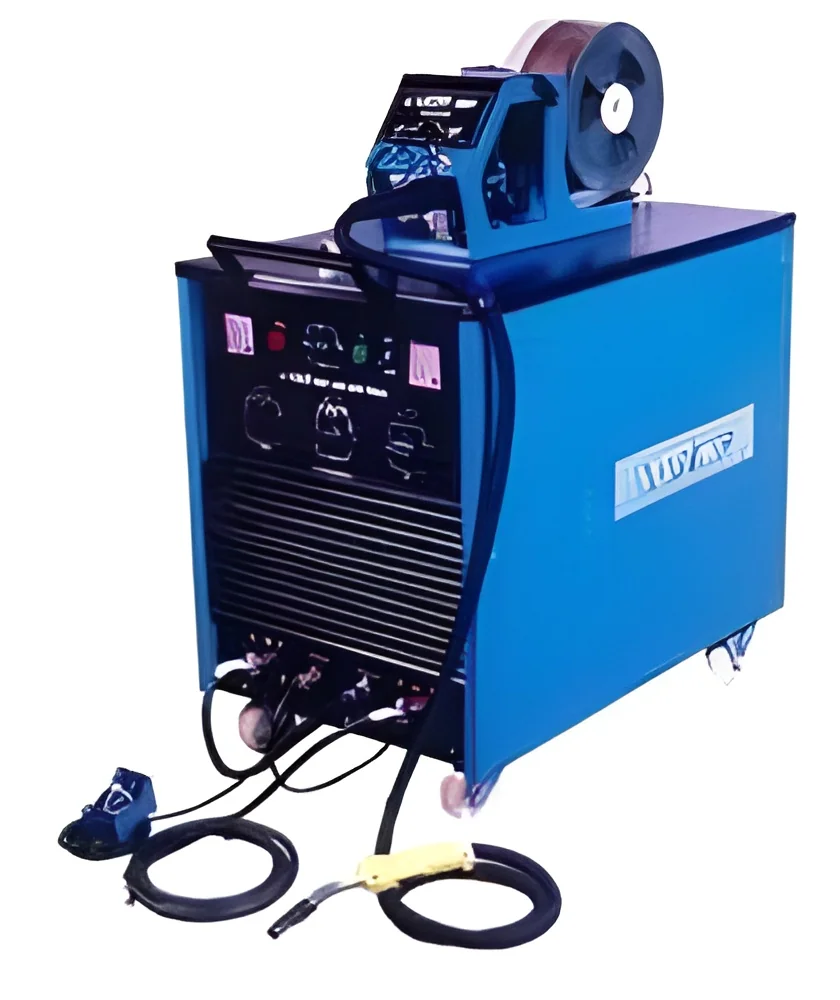
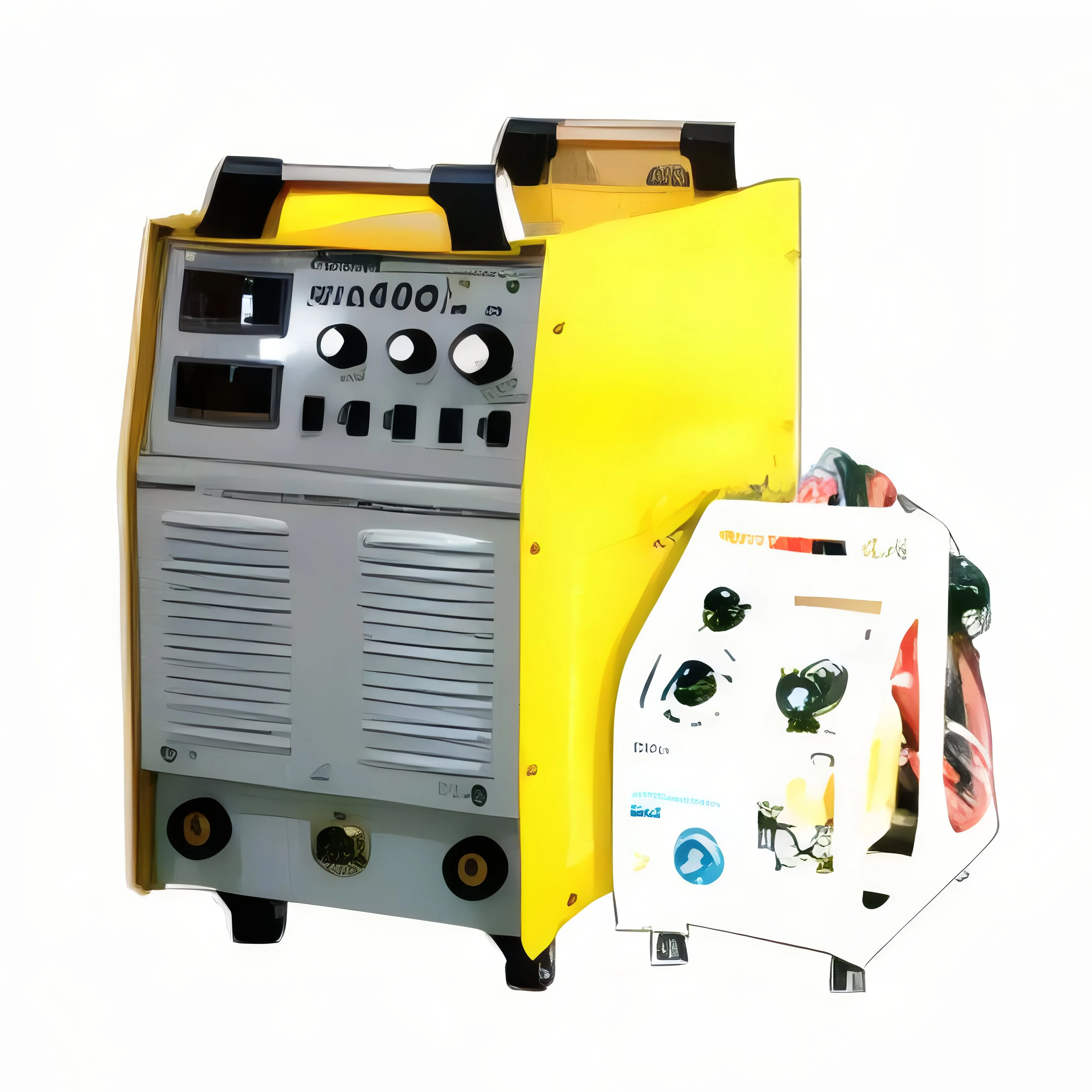
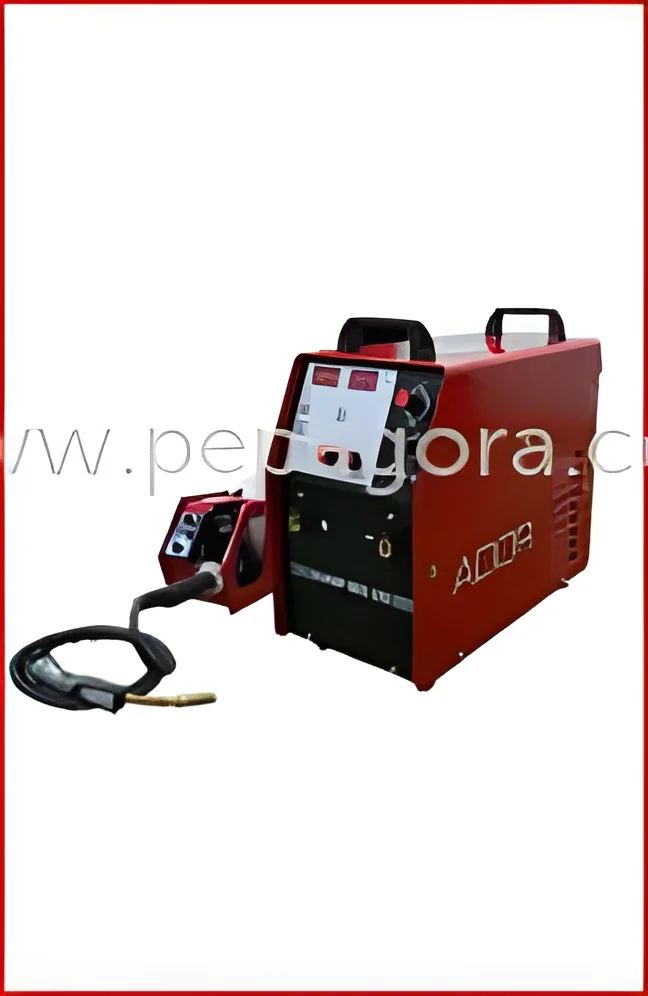
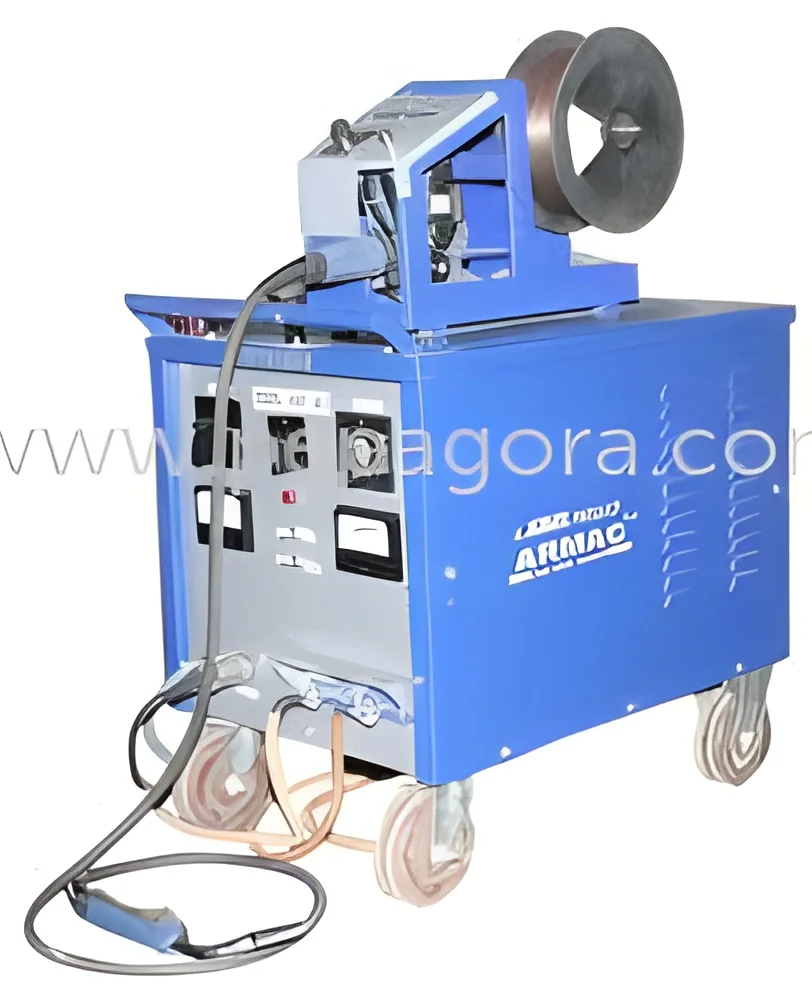
MIG Welding Machines, also known as Metal Inert Gas welding machines, are industrial tools used to join two or more metal pieces together by melting them using an electric arc. The process involves feeding a continuous solid wire electrode through a welding gun into the weld pool, which is protected from atmospheric contamination by a shielding gas. This technique is known for its speed and efficiency, making it a preferred choice for various welding applications.
These machines find primary use in sectors such as automotive, construction, and manufacturing. They are ideal for welding thin sections of stainless steel and non-ferrous metals, making them versatile tools in metal fabrication. As industries evolve, the demand for MIG welding machines continues to grow, driven by the need for quick, reliable, and high-quality welding solutions. This increased demand underscores the importance of these machines in modern manufacturing processes, enhancing productivity and reducing labor costs.
Key Features and Specifications
MIG Welding Machines come with several key features that make them suitable for various applications. Understanding these specifications can help businesses select the right equipment for their needs.
Key specifications include:
1. Power Output
- Ranges typically from 140A to 500A.
- Determines the thickness of materials that can be welded.
2. Duty Cycle
- Generally ranges from 30% to 100%.
- Indicates how long the machine can operate before overheating.
3. Voltage Range
- Commonly between 15V and 30V.
- Affects the arc characteristics and welding speed.
4. Wire Diameter Compatibility
- Typically accommodates wire diameters from 0.6mm to 1.2mm.
- Allows for flexibility in material applications.
5. Cooling System
- Air-cooled or water-cooled options available.
- Essential for maintaining optimal operating temperatures.
6. Weight
- Can vary from 20kg to over 100kg.
- Affects portability and ease of use in different settings.
7. Control Features
- Digital or analog options for adjusting settings.
- Provides better precision and control during welding.
8. Shielding Gas Type
- Compatible with various gases such as Argon, CO2, or a mixture.
- Important for achieving desired weld quality.
In summary, these key specifications highlight the essential aspects to consider when selecting a MIG Welding Machine, ensuring that businesses can find the right match for their specific welding needs.
Common Applications and Use Cases
MIG Welding Machines are employed across numerous industries due to their versatility and efficiency.
1. Automotive: Used for welding body panels, frames, and exhaust systems, providing strong and durable joints.
2. Construction: Essential for structural steel fabrication and repairs, allowing for quick and reliable welding on-site.
3. Manufacturing: Widely used in the production of equipment and machinery, facilitating the efficient assembly of components.
4. Shipbuilding: Critical for welding ship hulls and other large structures, ensuring strength and integrity in marine applications.
5. Aerospace: Used for lightweight metal components, enabling high precision and quality in aircraft manufacturing.
6. Pipe and Tube Fabrication: Commonly used for joining various types of pipes in plumbing and HVAC applications.
7. Art and Sculpture: Employed by artists for creating metal sculptures, offering flexibility in design and execution.
Product Variants and Subcategories
MIG Welding Machines come in various types to cater to different industrial requirements. Each variant offers unique features suited for specific applications.
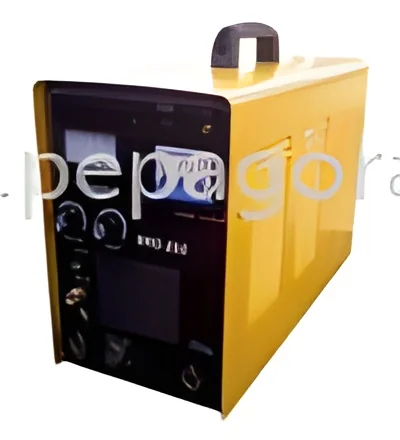
Portable MIG Welding Machines: Designed for easy transport, these machines are ideal for on-site jobs and small workshops. They often come with a lower power output, making them suitable for light to medium welding tasks.
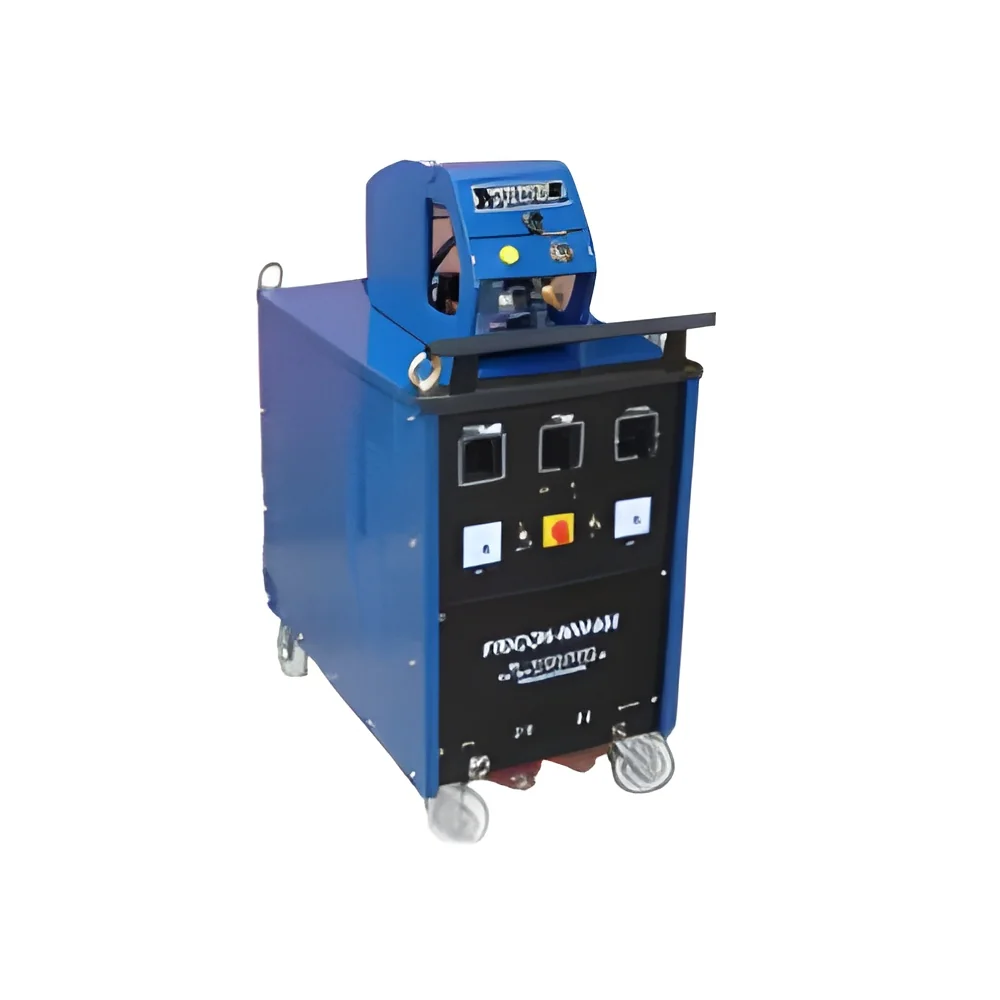
Industrial MIG Welding Machines: Built for heavy-duty applications, these machines can handle larger projects with higher power output and duty cycles. They are typically used in manufacturing and fabrication environments where speed and efficiency are crucial.
Multi-Process Welding Machines: These versatile machines can perform MIG, TIG, and stick welding. They are suitable for businesses that require flexibility in their welding capabilities, allowing for a broader range of applications.
Benefits and Advantages
Investing in MIG Welding Machines comes with numerous advantages that can enhance operational efficiency.
1. Speed: The continuous wire feed allows for faster welding, reducing downtime and increasing productivity.
2. Versatility: Capable of welding various materials, including stainless steel and aluminum, making them suitable for diverse applications.
3. Ease of Use: Designed with user-friendly controls, these machines are easier to operate, reducing the learning curve for new users.
4. Cost-Effectiveness: The efficiency of MIG welding can lead to lower labor costs and higher output, providing a good return on investment.
5. Quality of Weld: The shielding gas protects the weld pool, resulting in cleaner and stronger welds compared to other welding methods.
6. Minimal Post-Weld Cleanup: The process produces less slag and spatter, which means less time is spent on cleaning up after welding.
Buying Guide for B2B Buyers
When sourcing MIG Welding Machines, it is essential for buyers to consider several critical factors to ensure they make an informed purchase.
1. Quality Assessment: Evaluate the build quality and reliability of the machines. Look for brands that adhere to industry standards and have a proven track record.
2. Supplier Verification: Conduct thorough research on suppliers. Verify their credentials, customer reviews, and history of delivering quality products.
3. Pricing and MOQ: Compare pricing across different suppliers and understand the minimum order quantity (MOQ) requirements. This can help in budgeting and negotiating better terms.
4. Delivery and Lead Times: Discuss delivery schedules and lead times with suppliers to ensure timely acquisition of equipment, especially for urgent projects.
5. Compliance Requirements: Familiarize yourself with any regulatory compliance necessary for your industry. Ensure that the machines meet safety and quality standards applicable in your region.
Compliance and Certifications
MIG Welding Machines must adhere to various compliance and certification standards to ensure safety and quality in operation.
ISO 9001 is a key quality standard that ensures consistent quality management systems are in place. This certification is crucial for manufacturers to demonstrate their commitment to quality.
CE certification is essential for machines sold in European markets, indicating compliance with health, safety, and environmental protection standards.
Safety and testing requirements are critical as they ensure that machines operate safely without posing risks to operators. Regular testing and adherence to safety protocols are necessary.
Regional compliance considerations may vary based on local regulations. Buyers should ensure that their selected machines comply with the relevant standards in their specific market.
Why Source MIG Welding Machines from Pepagora?
Pepagora provides a trusted platform for sourcing MIG Welding Machines, offering numerous advantages that enhance the buying experience for businesses.
Verified Supplier Network: Pepagora connects buyers with a network of verified suppliers, ensuring that all sellers meet stringent quality and reliability standards. This reduces the risk associated with purchasing equipment.
Streamlined RFQ Process: The request for quotation (RFQ) process is simplified, allowing buyers to easily compare offers from multiple suppliers. This enhances transparency and helps in making informed decisions.
Trade Assurance and Support: Pepagora offers trade assurance, providing buyers with protection during transactions. This support fosters trust and helps resolve any issues that may arise post-purchase.
Regional Coverage: With a broad geographic reach, including India, the GCC, and Southeast Asia, Pepagora ensures that businesses can find local suppliers and services, facilitating easier logistics and communication.
By choosing Pepagora, businesses can efficiently source high-quality MIG Welding Machines while benefiting from a supportive buying environment.



Frequently Asked Questions
What are MIG Welding Machines?
MIG Welding Machines, or Metal Inert Gas Welding Machines, are used for welding metals through a process that involves feeding a continuous solid wire electrode and a shielding gas to protect the weld pool. This technique is known for its speed and efficiency, making it a popular choice for industrial and manufacturing applications.
What are the different types of MIG Welding Machines?
There are several types of MIG Welding Machines, including gas-shielded and flux-cored models. Gas-shielded MIG welding utilizes an inert gas for shielding, while flux-cored MIG welding uses a tubular wire that contains a flux, which generates its own shielding gas during the welding process.
How do I choose the right MIG Welding Machines?
Choosing the right MIG Welding Machine depends on factors such as the material thickness, type of metal being welded, and the required welding speed. Additionally, consider the machine's power output, portability, and any specific features that may enhance usability for your application.
What are the standard specifications for MIG Welding Machines?
Standard specifications for MIG Welding Machines typically include input voltage, output current range, duty cycle, and wire feed speed. Common voltage levels range from 230V to 480V, while output current can vary significantly to accommodate different welding requirements.
What is the price range for MIG Welding Machines?
The price range for MIG Welding Machines can vary widely based on brand, features, and specifications, typically ranging from INR 20,000 to INR 2,00,000. Entry-level machines are generally more affordable, while industrial-grade machines with advanced features may be more expensive.
What quality standards apply to MIG Welding Machines?
MIG Welding Machines should comply with various quality standards, including ISO 9001 for quality management systems and relevant safety standards such as CE certification in Europe. Compliance with these standards ensures that the machines are safe, reliable, and effective for industrial use.
Where can I find MIG Welding Machines suppliers in India?
You can find MIG Welding Machines suppliers in India through various online B2B marketplaces, industry trade shows, and manufacturer directories. Websites like Pepagora.com provide a platform to connect with verified suppliers and manufacturers across the country.
Can MIG Welding Machines be customized?
Yes, many manufacturers offer customization options for MIG Welding Machines to meet specific requirements. Customizations may include adjustments in power output, modifications for portability, or additional features tailored to particular applications.
What is the typical minimum order quantity for MIG Welding Machines?
The typical minimum order quantity (MOQ) for MIG Welding Machines can vary by supplier, but it generally ranges from one unit to several units for bulk orders. For specific needs, it's advisable to check with individual manufacturers or suppliers.
What is the typical lead time for MIG Welding Machines?
The typical lead time for MIG Welding Machines can range from a few days to several weeks, depending on the supplier's inventory and manufacturing capabilities. Custom orders may require additional time for production and delivery.
Why Businesses Trust Pepagora
Thousands of companies trust Pepagora to source smarter and sell faster
Expand Your Sales Globally

Source Smarter,Grow Faster
