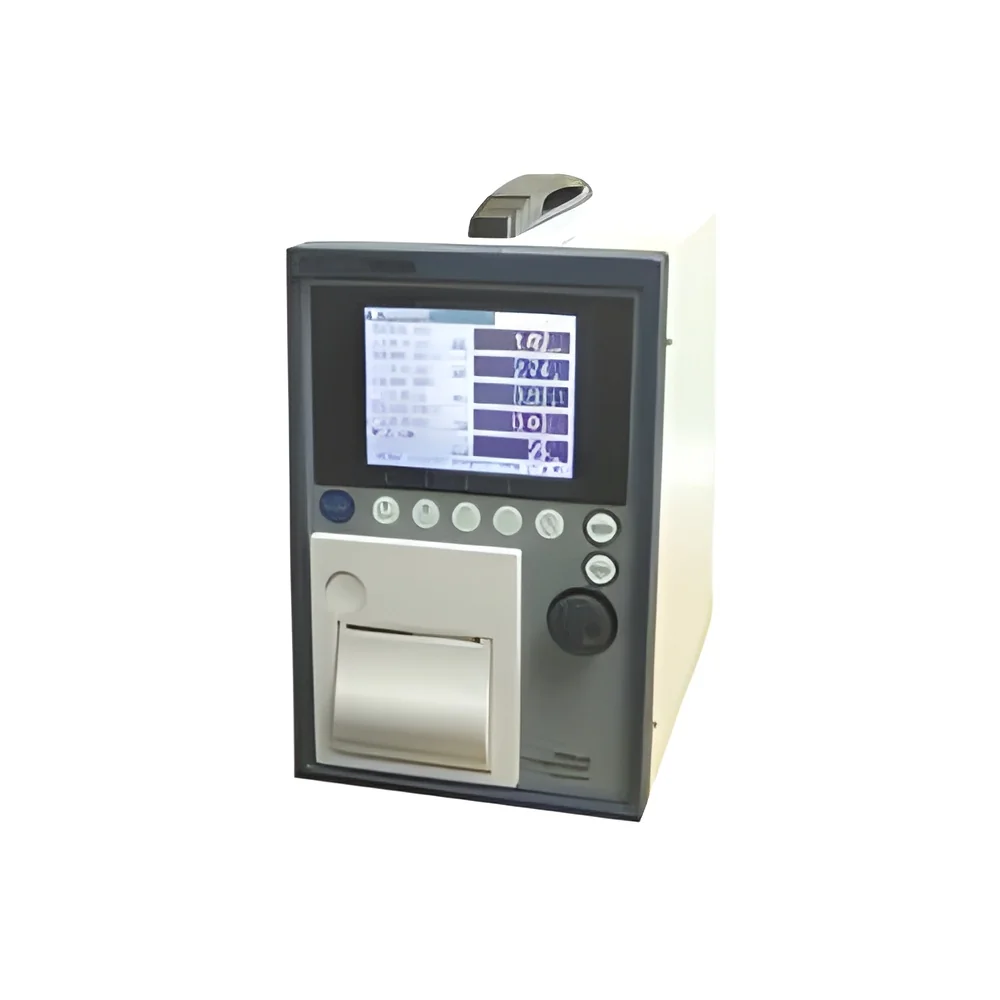
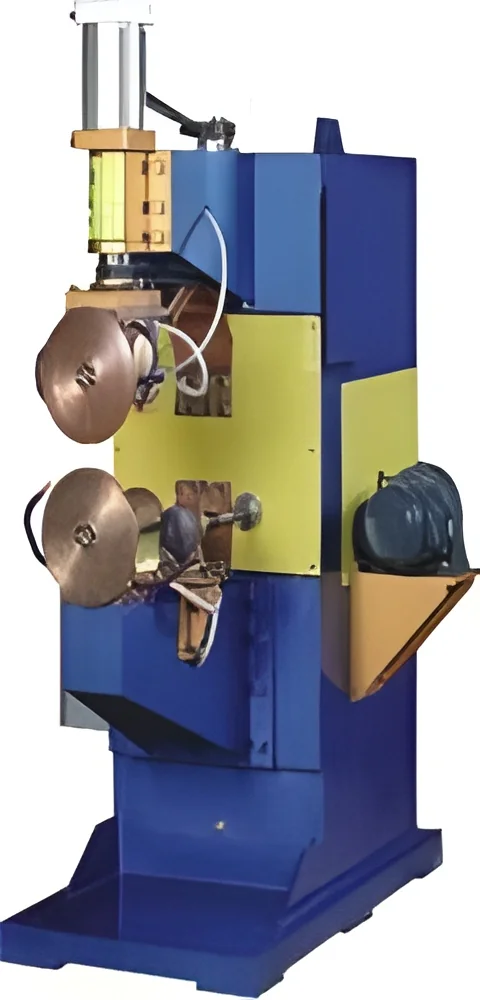
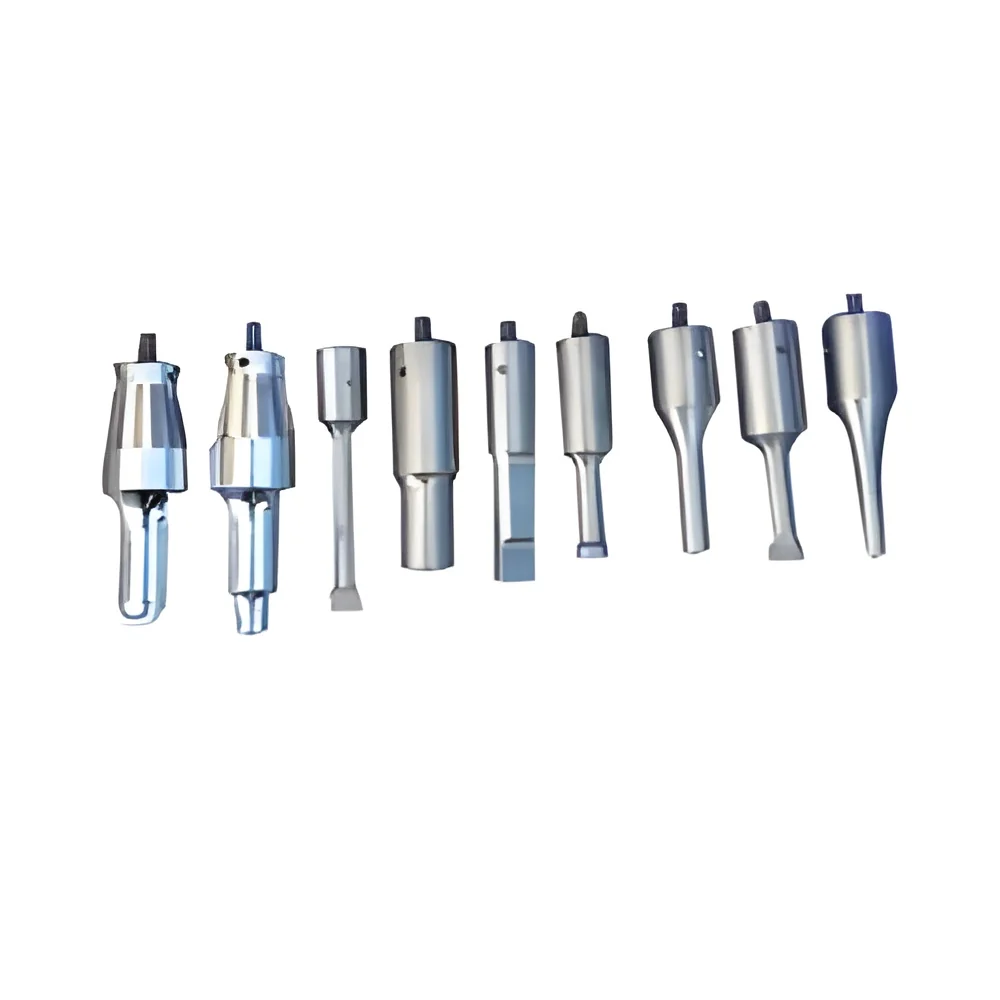
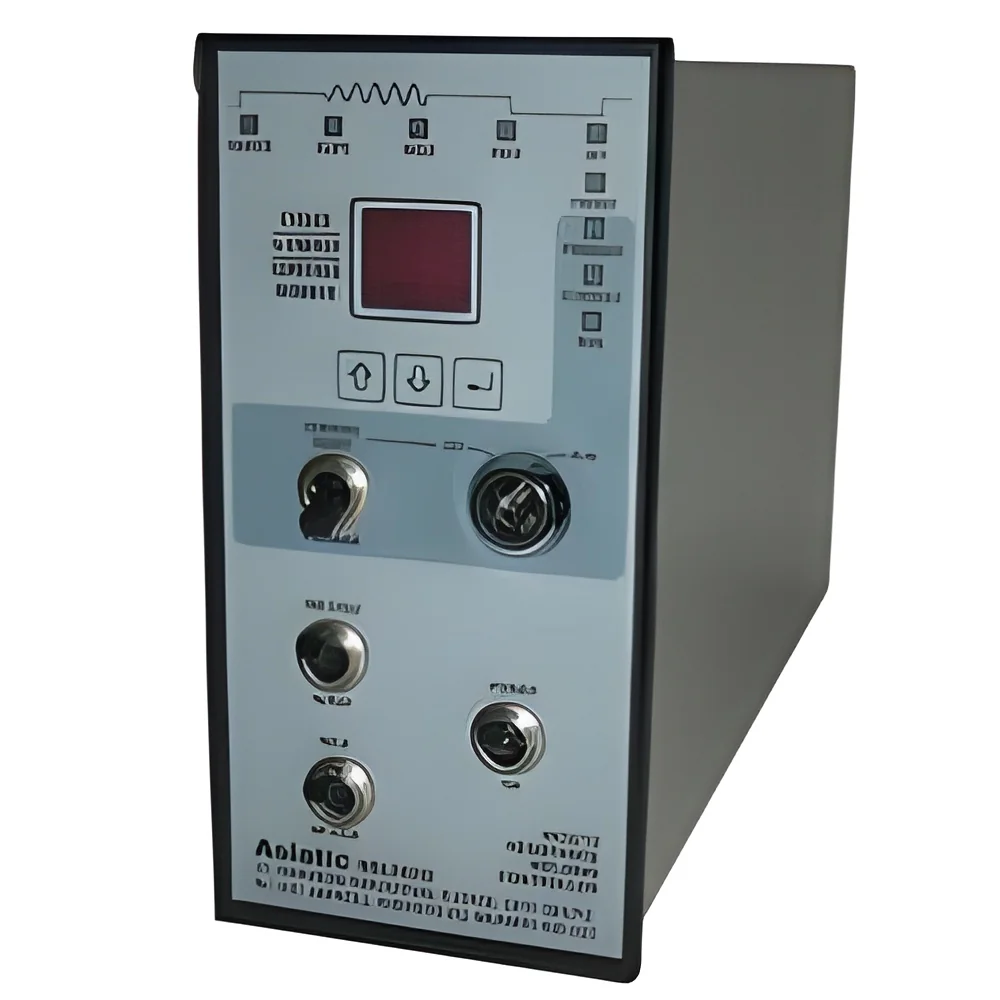
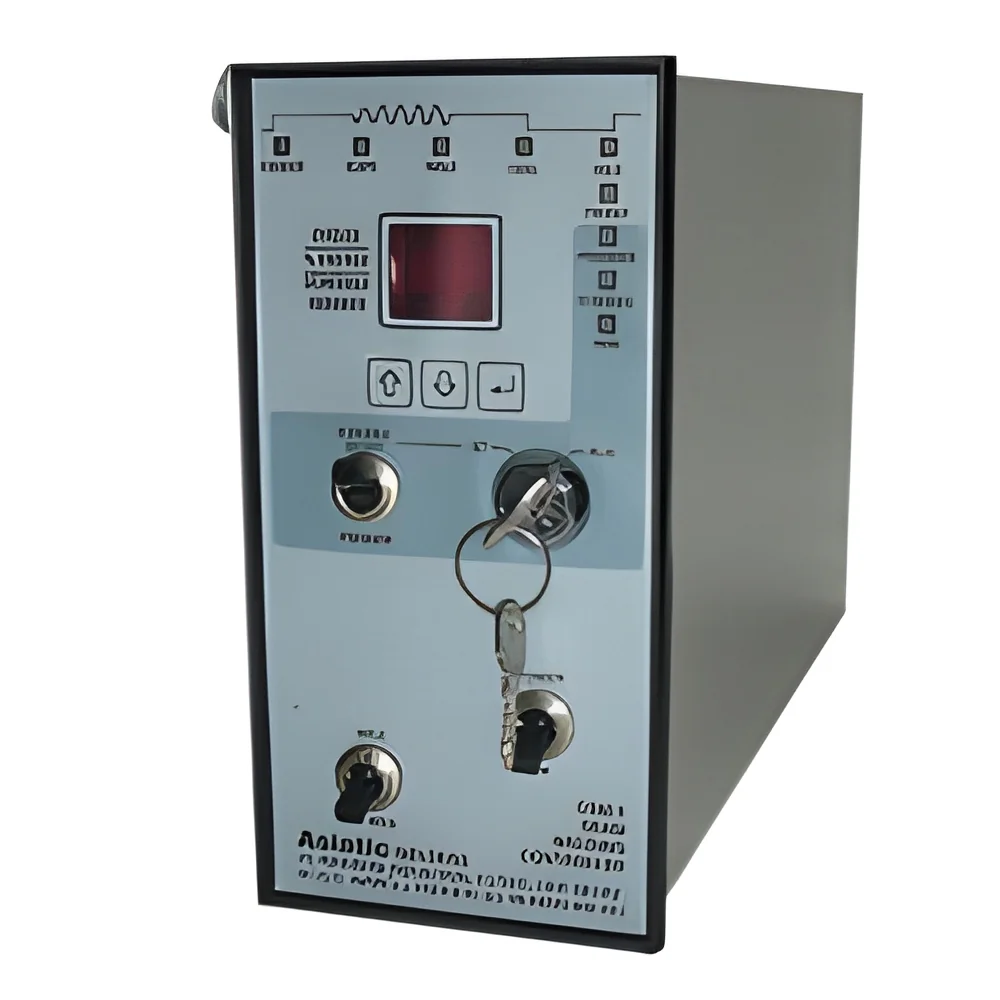
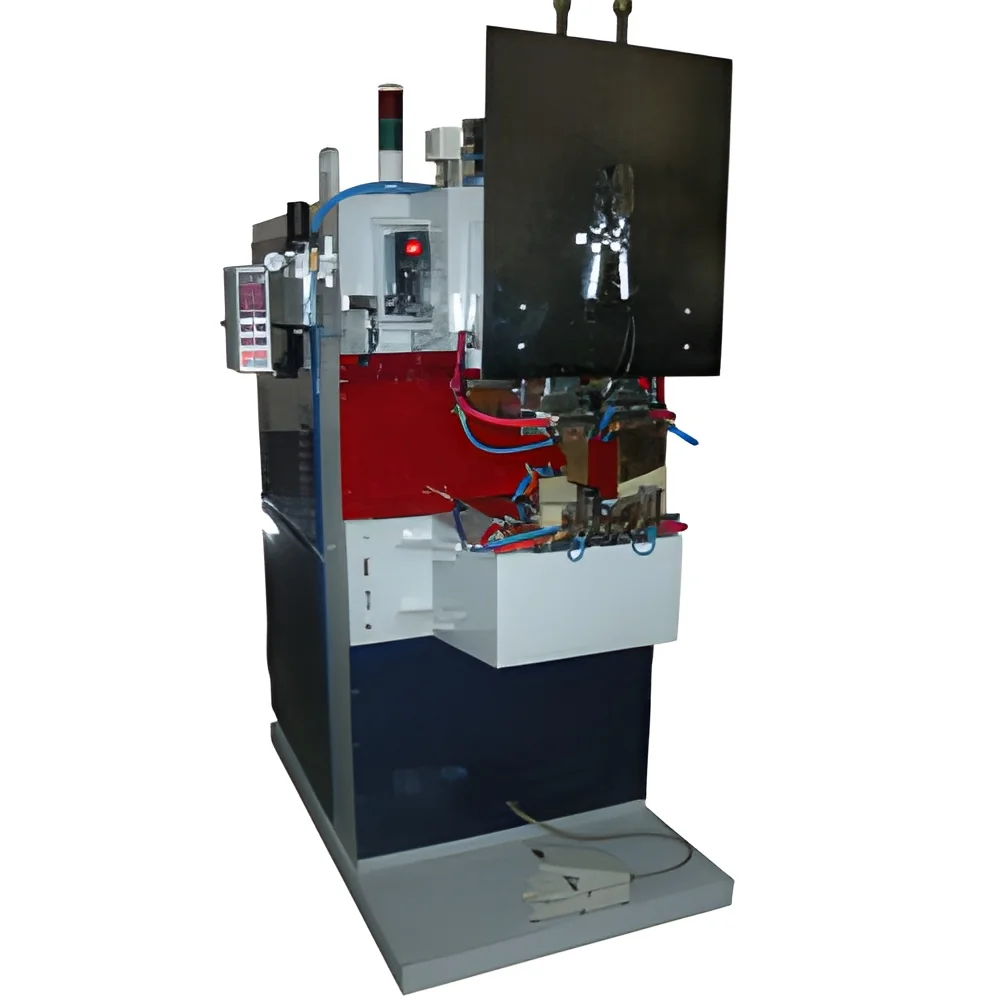
What are Projection Welders?
Projection welders are specialized welding machines designed for joining metal parts through a process that uses localized heat and pressure. This method involves creating small projections or bumps on the surfaces of the materials being joined. When sufficient heat is applied, the projections melt and fuse the components together, resulting in strong and durable welds. Projection welding is typically performed in an automated or semi-automated manner, making it suitable for high-volume production environments.
These welders are commonly used in various industries, including automotive, aerospace, and manufacturing, where precision and efficiency are critical. They excel in applications such as joining sheet metal components, creating electrical connections, and assembling intricate parts. As industries strive for greater automation and efficiency, projection welders have become an essential tool for achieving high-quality welds consistently. The growing demand for reliable and efficient welding solutions further underscores their relevance in the industrial market.
Key Features and Specifications
Projection welders come with a range of features designed to enhance performance, safety, and usability. These machines are engineered for precision, allowing for the controlled application of heat and pressure to achieve optimal welding results. Key specifications are vital in determining the suitability of a projection welder for specific applications.
Key specifications include:
1. Welding Power
- The amount of power delivered during the welding cycle
- Typically measured in kilowatts (kW)
2. Electrode Force
- The force applied by the electrodes during welding
- Measured in kilonewtons (kN) and can vary based on application requirements
3. Cycle Time
- The duration of a complete welding cycle
- Can range from fractions of a second to several seconds
4. Control System
- Type of control mechanism used to manage welding parameters
- May include analog or digital interfaces for precision control
5. Cooling System
- Mechanism to dissipate heat generated during welding
- Ensures prolonged equipment life and consistent performance
6. Voltage Rating
- The electrical voltage required for operation
- Typically ranges from 230V to 480V, depending on machine design
7. Size and Weight
- Physical dimensions and weight of the machine
- Important for space considerations in production facilities
8. Safety Features
- Built-in mechanisms to ensure operator safety
- May include emergency stop buttons and protective enclosures
In summary, understanding these specifications is crucial for selecting the right projection welder to meet specific operational needs and ensure reliable performance.
Common Applications and Use Cases
Projection welders are versatile machines that serve various industries with specific applications tailored to their needs.
1. Automotive Industry: Projection welders are extensively used for joining car body panels, battery connections, and electrical components, ensuring strong, reliable bonds necessary for vehicle safety and performance.
2. Aerospace Sector: In the aerospace industry, these welders facilitate the assembly of structural components and assemblies, where weight reduction and strength are critical factors.
3. Appliance Manufacturing: Projection welders are used to join metal parts in household appliances, such as refrigerators and washing machines, providing durable connections that withstand daily use.
4. Electrical Equipment: These machines are essential in the electrical industry for creating connections in circuit boards and wiring harnesses, ensuring reliable electrical conductivity.
5. Furniture Production: In furniture manufacturing, projection welders are employed to assemble metal frames and components, enhancing the durability and aesthetic appeal of the final product.
6. HVAC Systems: Projection welding is utilized for joining components in heating, ventilation, and air conditioning systems, contributing to the overall efficiency and longevity of the equipment.
7. Industrial Equipment: These welders are also applied in the production of various industrial machinery, where robust and precise metal joining is required for operational efficiency.
Product Variants and Subcategories
Projection welders are available in different variants to cater to diverse industrial requirements.
Manual Projection Welders: These are operated by skilled technicians who control the welding process. They are suitable for low-volume production and customized applications where precision is essential.
Automatic Projection Welders: Designed for high-volume operations, these machines automate the welding process, improving efficiency and consistency. They typically integrate advanced control systems for precise parameter management.
Multi-Spot Projection Welders: These machines can weld multiple spots simultaneously, significantly increasing productivity. They are ideal for applications requiring numerous weld points on a single assembly.
Portable Projection Welders: Lightweight and compact, these welders offer flexibility for on-site applications or in tight spaces. They are particularly useful for maintenance and repair tasks.
Benefits and Advantages
Choosing projection welders offers several advantages that contribute to improved operational efficiencies and product quality.
1. High Welding Speed: Projection welders provide rapid welding cycles, significantly reducing production time and increasing output.
2. Consistent Weld Quality: The precise control of heat and pressure ensures uniform welds, enhancing the overall quality and reliability of the final products.
3. Reduced Material Distortion: The localized heating minimizes the heat-affected zone, reducing warping and distortion of the workpieces.
4. Versatility: These welders can handle a variety of materials and thicknesses, making them adaptable to different manufacturing needs.
5. Cost-Effectiveness: The efficiency of projection welders can lead to lower operational costs and reduced material waste, contributing to overall cost savings.
6. Enhanced Safety: Built-in safety features and automated processes reduce the risk of operator injury and improve workplace safety.
Buying Guide for B2B Buyers
When sourcing projection welders, B2B buyers should consider several key factors to ensure they select the right equipment for their needs.
1. Quality Assessment: Evaluate the quality of the welders by reviewing manufacturer certifications and customer testimonials. Look for compliance with industry standards to ensure reliability.
2. Supplier Verification: Conduct thorough research on potential suppliers. Assess their reputation, experience, and customer service to ensure they can meet your requirements.
3. Pricing and MOQ: Understand the pricing structure and minimum order quantities (MOQ). Compare quotes from different suppliers to find competitive pricing while considering delivery terms.
4. Delivery and Lead Times: Inquire about expected delivery times and logistics. Ensure that the supplier can meet your production schedules without delays.
5. Compliance Requirements: Familiarize yourself with relevant regulations and certifications, such as CE marking, that may apply to the equipment in your industry.
Compliance and Certifications
Projection welders must comply with various quality standards and certifications to ensure safety and reliability. Key standards include ISO 9001, which represents a commitment to quality management systems. This certification indicates that manufacturers adhere to best practices in production processes.
Additionally, CE certification is essential for products sold within the European market, ensuring that they meet health, safety, and environmental protection standards. It is crucial for manufacturers to conduct thorough safety testing to validate the performance and reliability of their welders.
Regional compliance considerations may also vary, requiring manufacturers to be aware of local regulations governing welding equipment. Adhering to these standards not only protects the manufacturer but also enhances buyer confidence in the equipment's safety and efficiency.
Why Source Projection Welders from Pepagora?
Pepagora offers a trusted platform for sourcing projection welders, providing several key advantages for B2B buyers.
Verified Supplier Network: Pepagora has established a robust network of verified suppliers, ensuring that buyers receive high-quality products from reputable manufacturers. This reduces the risk of purchasing subpar equipment.
Streamlined RFQ Process: The request for quotation (RFQ) process on Pepagora is designed to be efficient, allowing buyers to easily compare offers and make informed decisions. This streamlined approach saves time and resources.
Trade Assurance and Support: Buyers on Pepagora benefit from trade assurance programs that protect their purchases. This includes support for resolving issues related to quality or delivery, ensuring a satisfactory buying experience.
Regional Coverage: Pepagora serves a wide geographic area, including India, GCC countries, and Southeast Asia. This extensive coverage allows buyers to access a diverse range of projection welders and suppliers, catering to various industrial needs and preferences.

 IN
IN