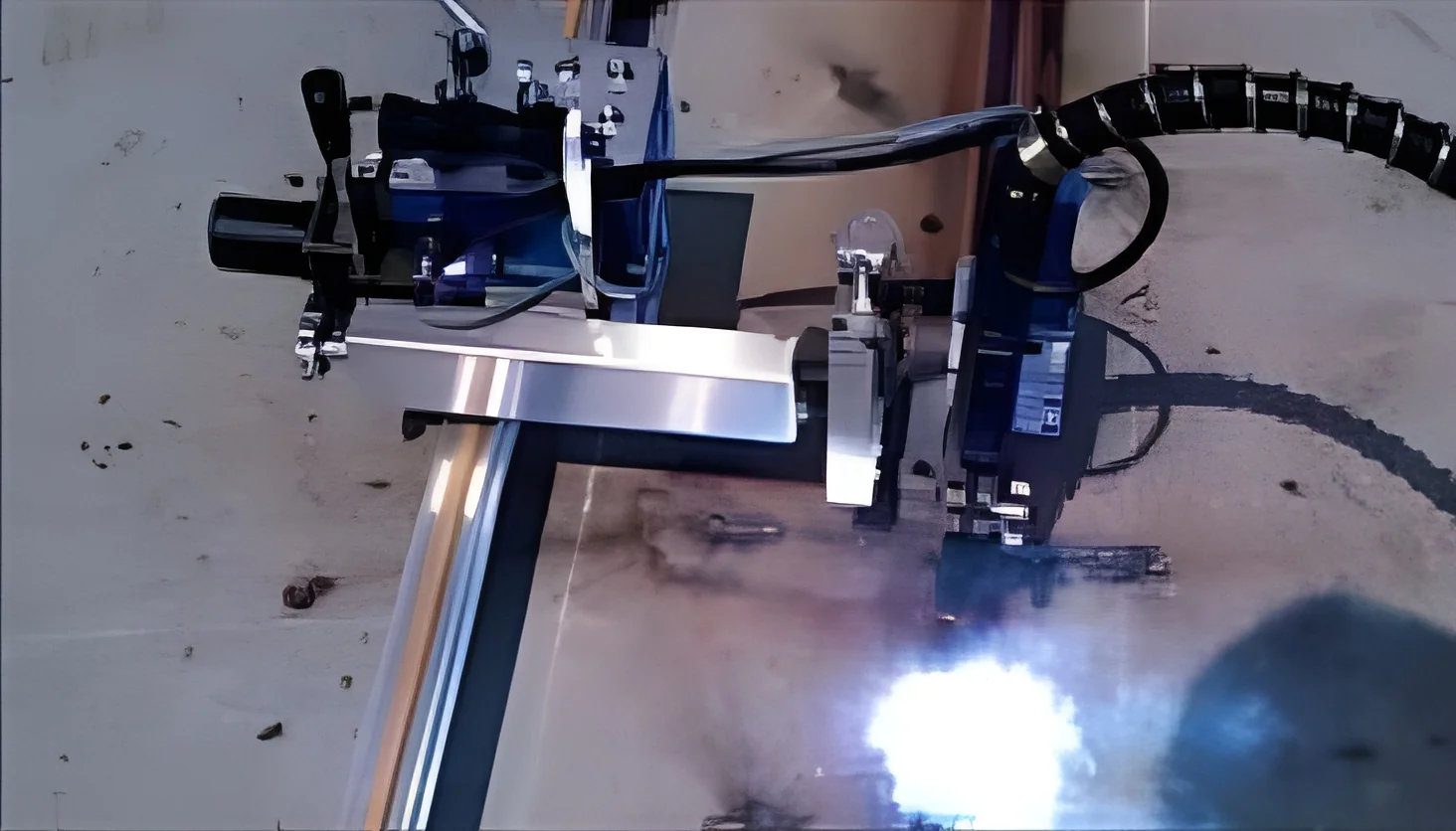
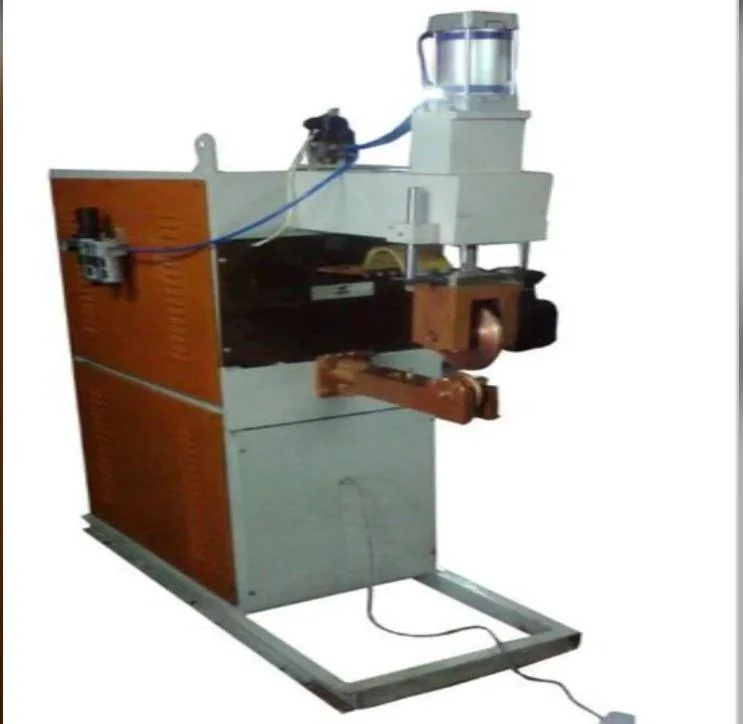
What are Seam Welding Equipment?
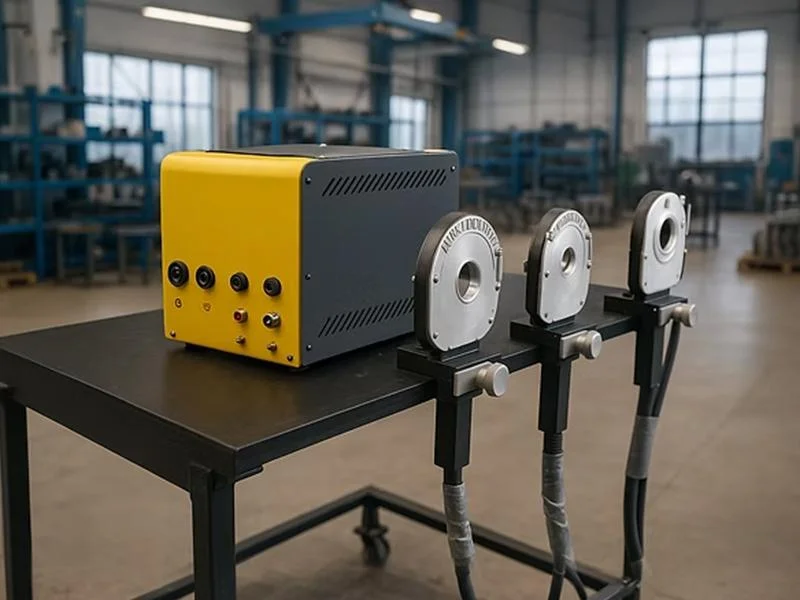
Seam welding equipment refers to specialized machines designed to join two or more metal pieces by creating a continuous weld along the seam. This process involves passing an electric current through the metal materials, heating them to a molten state, and then applying pressure to fuse them together. Seam welding is commonly used in manufacturing processes where strong, airtight, and watertight joints are essential. This technology is particularly useful for welding thin materials, such as metal sheets, used in various applications.
The primary uses of seam welding equipment extend across multiple industries, including automotive, aerospace, and container manufacturing. In these sectors, the equipment is utilized for fabricating components such as fuel tanks, pressure vessels, and other assemblies that require high integrity and strength. The equipment allows manufacturers to achieve high production speeds while maintaining quality, making it an essential asset in competitive manufacturing environments. As industries continue to evolve and demand more efficient production methods, the relevance of seam welding equipment remains strong in the market.
Key Features and Specifications
Seam welding equipment encompasses a variety of features and specifications that cater to different manufacturing needs. These machines are typically built for durability and precision, ensuring they can handle high production rates while maintaining weld quality.
Key specifications include:
1. Welding Power Output
- This specification refers to the amount of electrical energy supplied to the welding process.
- Typically ranges from 5 kW to 30 kW, depending on the material and thickness.
2. Welding Speed
- Indicates how quickly the machine can perform the welding operation.
- Speed can range from 1 meter per minute to over 10 meters per minute.
3. Electrode Configuration
- Defines the design and arrangement of the electrodes used in the welding process.
- Configurations can vary based on application requirements.
4. Cooling System
- Essential for preventing overheating during operation.
- Options include water-cooled and air-cooled systems.
5. Control System
- Modern seam welding machines may feature advanced digital control systems for precision.
- Capable of monitoring and adjusting welding parameters in real-time.
6. Machine Size and Weight
- Influences the installation and space requirements in a manufacturing setup.
- Varies significantly based on machine capabilities.
7. Safety Features
- Includes automatic shut-off, emergency stop buttons, and safety interlocks.
- Ensures operator safety during the welding process.
8. Energy Efficiency
- Reflects the machine's ability to utilize power effectively.
- Newer models may include features that reduce energy consumption.
In summary, seam welding equipment is designed with specific features that enhance its efficiency, reliability, and safety in various industrial applications.
Common Applications and Use Cases
Seam welding equipment is versatile and finds applications across many industries.
1. Automotive: Used for welding body panels and fuel tanks, ensuring strong and lightweight structures.
2. Aerospace: Critical for joining components in aircraft, where precision and strength are paramount.
3. Container Manufacturing: Employed in the production of metal containers, ensuring airtight and watertight seals.
4. HVAC: Used in the manufacturing of heating, ventilation, and air conditioning systems, requiring durable joints.
5. Electronics: Essential for assembling components in devices that require sealed enclosures.
6. Appliances: Commonly found in the production of household appliances where metal parts need to be joined securely.
7. Construction: Utilized in fabricating steel structures and components, enhancing durability and stability.
Product Variants and Subcategories
Seam welding equipment is available in various configurations to meet different production needs.
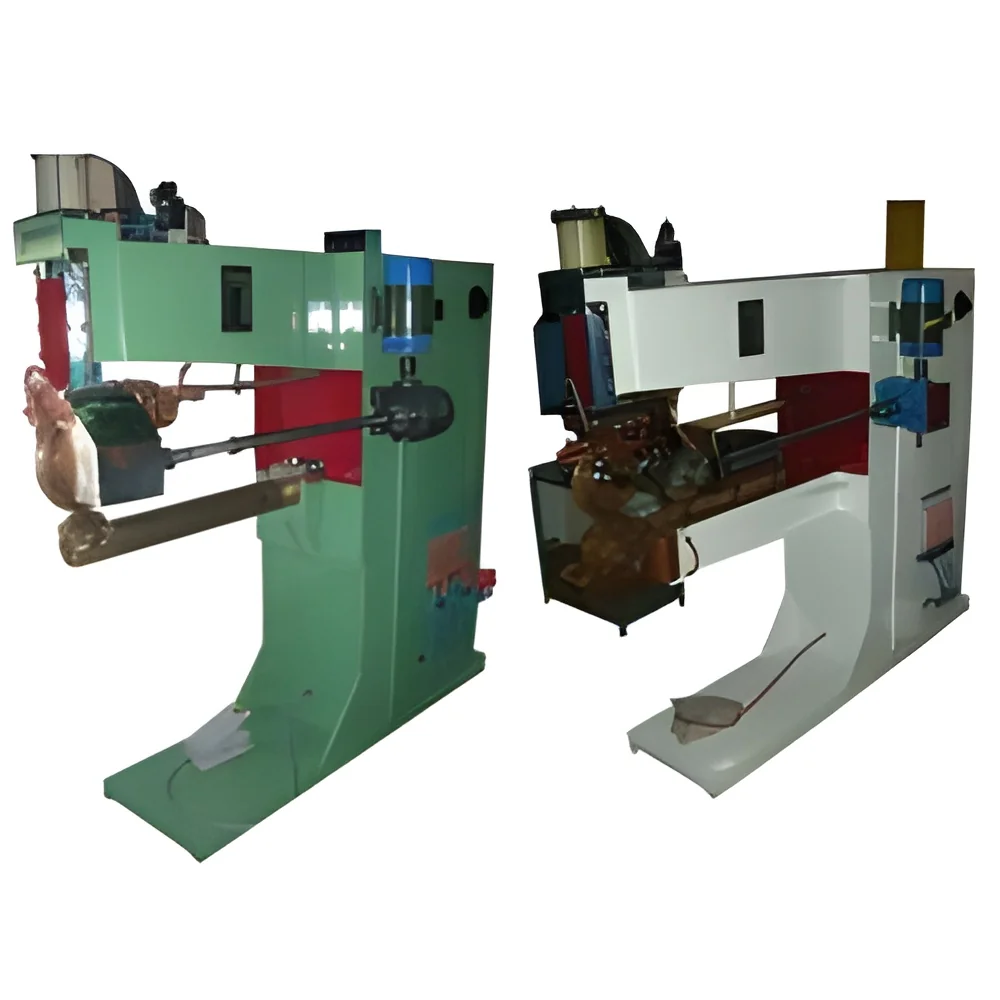
Continuous Seam Welders: These machines are designed for high-speed production, offering continuous welding capabilities for long seams, ideal for manufacturing applications.
Spot Seam Welders: These devices focus on welding at specific points along the seam, suitable for applications where only discrete welds are necessary.
Portable Seam Welders: Lightweight and easy to transport, these machines are ideal for on-site welding tasks, especially in construction and repair applications.
Automated Seam Welders: Equipped with robotic arms or automated systems, these welders increase efficiency and precision in high-volume production environments.
Benefits and Advantages
Seam welding equipment offers several benefits that contribute to improved manufacturing processes.
1. Enhanced Weld Quality: Produces strong, consistent welds that are essential for structural integrity.
2. High Production Efficiency: Capable of fast welding speeds, reducing overall manufacturing time.
3. Versatility: Adaptable to various materials and thicknesses, making it suitable for diverse applications.
4. Cost-Effective: Reduces labor costs by automating the welding process and minimizing material waste.
5. Improved Safety: Modern machines include safety features that protect operators and reduce workplace hazards.
6. Minimal Maintenance: Designed for durability with low maintenance requirements, ensuring continuous operation.
Buying Guide for B2B Buyers
When sourcing seam welding equipment, buyers should consider several key factors to ensure they make informed decisions.
1. Quality Assessment: Evaluate the equipment's build quality and reliability through manufacturer certifications and user reviews. A thorough inspection of materials used can help gauge longevity.
2. Supplier Verification: Vet suppliers by checking their reputation, customer feedback, and compliance with industry standards. Choose suppliers with a proven track record in providing quality equipment.
3. Pricing and MOQ: Analyze the pricing structures and minimum order quantities. Understanding the cost implications can help in budgeting and ensuring the best value for investment.
4. Delivery and Lead Times: Discuss logistics and delivery timelines with suppliers to ensure that equipment will arrive when needed, preventing delays in production schedules.
5. Compliance Requirements: Ensure that the equipment meets regional and industry-specific regulatory standards, including safety and operational certifications.
Compliance and Certifications
Seam welding equipment must adhere to several compliance and certification standards to ensure safety and quality.
ISO 9001 is a widely recognized standard for quality management systems, indicating that manufacturers adhere to rigorous quality control processes.
CE marking demonstrates that the equipment meets European safety, health, and environmental protection requirements, which is crucial for businesses operating in or exporting to Europe.
Safety and testing requirements for seam welding equipment involve regular inspections and adherence to operational guidelines to ensure safety for operators and compliance with workplace regulations.
Regional compliance considerations may vary, requiring manufacturers to be aware of local laws and regulations regarding welding operations and equipment use to avoid legal issues.
Why Source Seam Welding Equipment from Pepagora?
Pepagora provides a trusted platform for sourcing seam welding equipment with several key advantages.
Verified Supplier Network: Pepagora connects buyers with a network of verified suppliers, ensuring that manufacturers can find reliable partners for their equipment needs. This network minimizes risks associated with supplier reliability.
Streamlined RFQ Process: The platform offers an efficient request for quotation (RFQ) process, allowing buyers to easily compare offers from multiple suppliers. This feature simplifies the sourcing process and saves time.
Trade Assurance and Support: Pepagora provides trade assurance that protects buyers from potential losses during transactions. This support includes dispute resolution and buyer protection, enhancing confidence in sourcing decisions.
Regional Coverage: With a strong presence in India, the GCC, and Southeast Asia, Pepagora facilitates access to a wide range of suppliers and equipment options, catering to diverse market needs and regional specifications.

 IN
IN