What are Welding Manipulators?
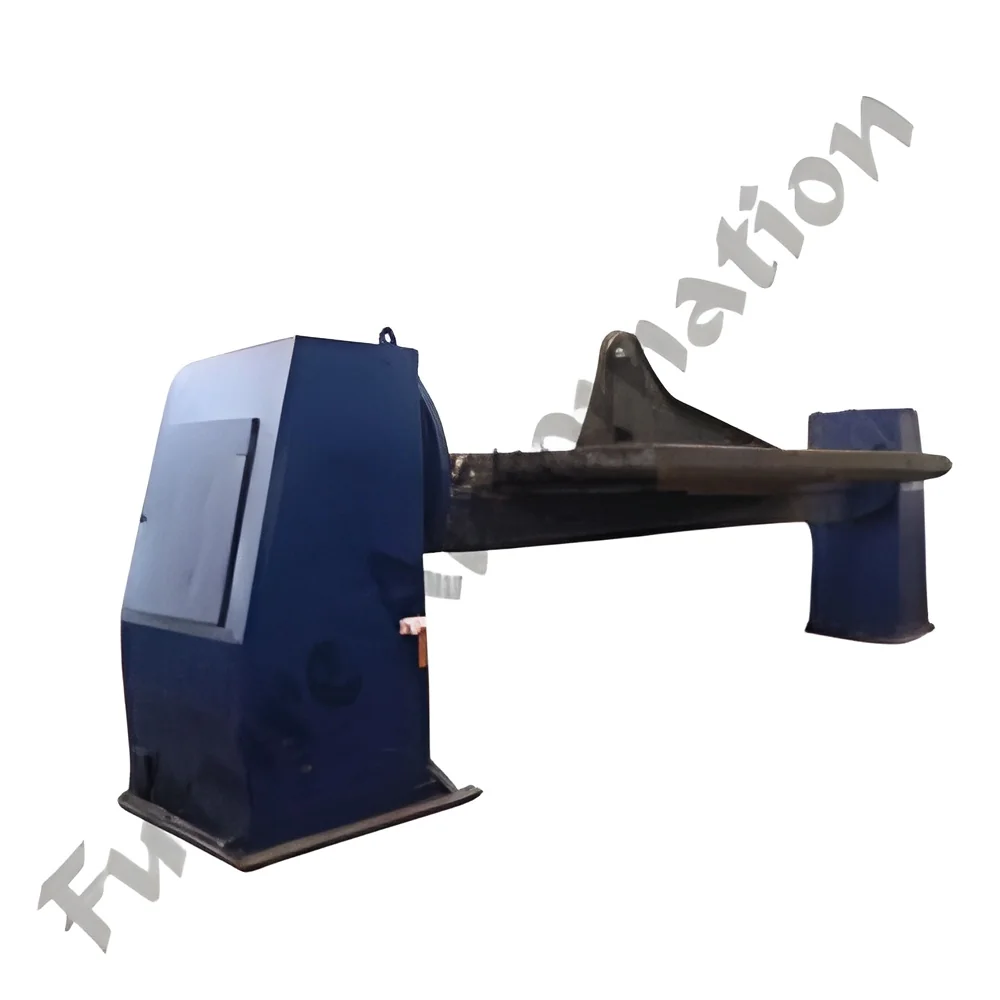
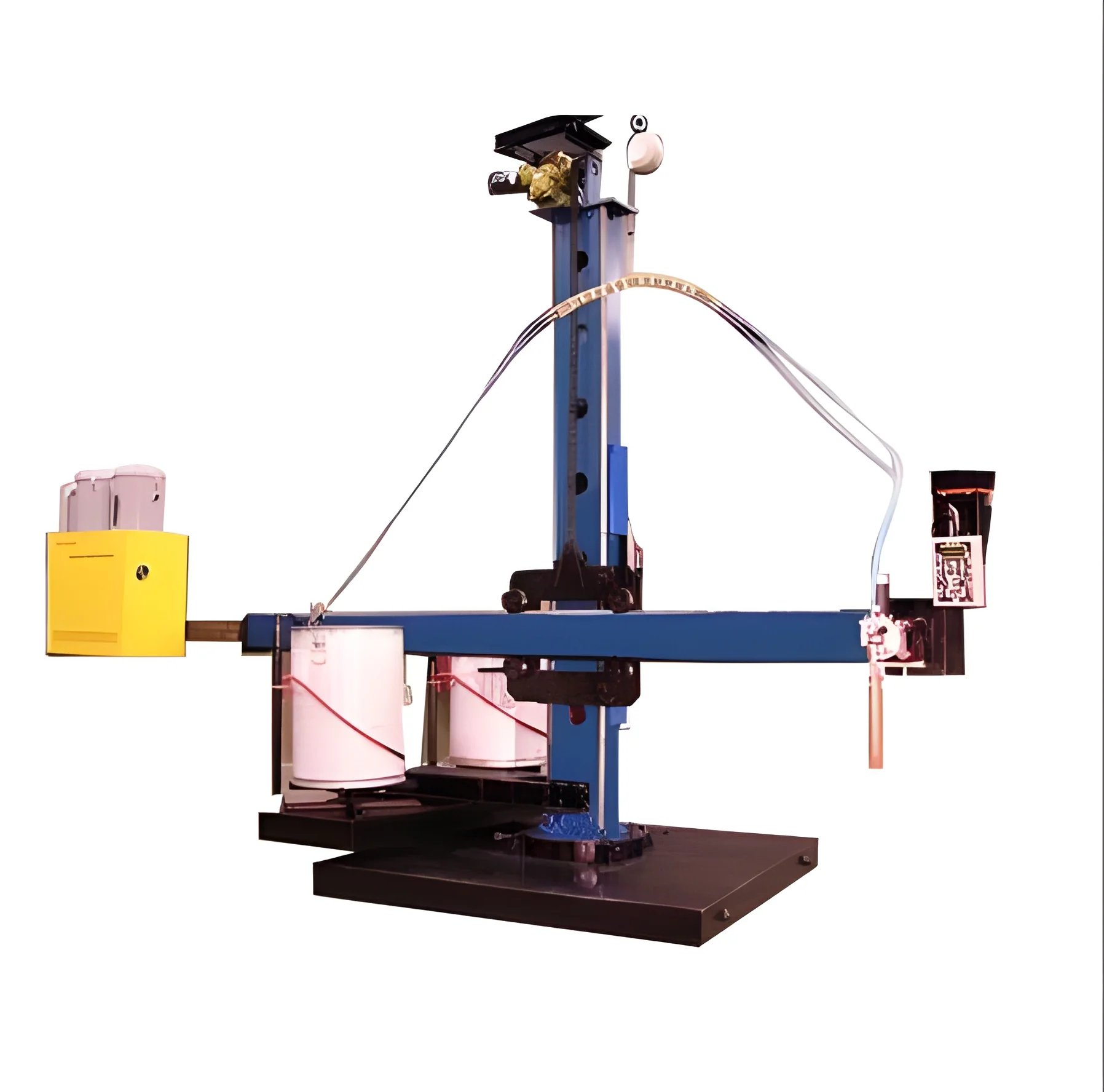
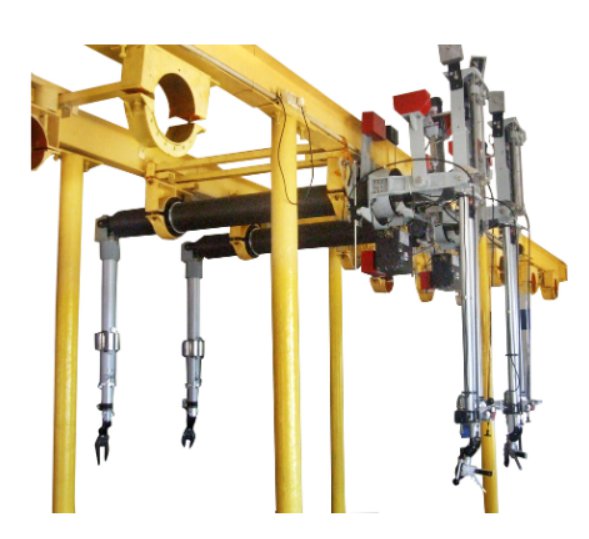
Welding manipulators are essential tools used in the welding industry to position workpieces and welding equipment accurately. They provide the necessary movement and control to enhance the efficiency and quality of welding processes. Typically, these manipulators consist of a series of elevating and rotating components that allow for precise adjustments in various directions, thus facilitating seamless welding operations.
These devices find their primary applications in industries where large or heavy components need to be welded, such as shipbuilding, construction, and heavy machinery manufacturing. By employing welding manipulators, businesses can significantly reduce the time and labor costs associated with manual welding setups. The ability to automate and optimize welding processes leads to improved weld quality and consistency, making manipulators an invaluable asset in modern manufacturing environments.
As the demand for high-quality welding solutions continues to grow across various sectors, the market for welding manipulators is expanding. Companies are increasingly seeking reliable equipment that can enhance productivity and ensure compliance with stringent industry standards. This trend underscores the importance of investing in advanced welding manipulators that meet the evolving needs of the industry.
Key Features and Specifications
Welding manipulators come equipped with a variety of features designed to enhance their functionality and usability. These features are critical to ensuring optimal performance in different welding scenarios. The specifications may vary based on the specific model and intended application, but some common key specifications include:
1. Load Capacity
- The maximum weight the manipulator can handle.
- Ranges typically from 1,000 kg to over 20,000 kg.
2. Vertical Travel
- The height range the manipulator can elevate the workpiece.
- Standard ranges from 1.5 meters to 6 meters.
3. Rotational Range
- The degrees of rotation available for the workpiece.
- Usually spans 360 degrees for full access.
4. Control System
- Type of control interface (manual or automated).
- Advanced models feature programmable logic controls for automation.
5. Speed Settings
- Adjustable speeds for both vertical and rotational movements.
- Speed ranges can vary based on model specifications.
6. Construction Material
- Commonly made of heavy-duty steel for durability.
- Corrosion-resistant coatings may be applied for longevity.
7. Safety Features
- Emergency stop buttons and overload protection systems.
- Safety guards to protect operators during operation.
8. Customization Options
- Ability to modify specifications based on specific application needs.
- Includes attachments for specialized welding processes.
These features collectively enhance the operational efficiency of welding manipulators, making them a vital component in any welding operation.
Common Applications and Use Cases
Welding manipulators serve a wide range of industries, each with unique needs and applications. They are designed to improve productivity and weld quality across various sectors.
1. Shipbuilding: In the shipbuilding industry, welding manipulators are used to assemble large metal structures. They aid in the precise positioning of heavy components, ensuring accurate and consistent welds.
2. Heavy Machinery Manufacturing: These manipulators facilitate welding in the production of heavy machinery. They allow for efficient handling of large parts, which is crucial for assembling equipment such as excavators and bulldozers.
3. Oil and Gas: In the oil and gas sector, manipulators play a significant role in pipeline construction and maintenance. They provide the necessary support for welding pipelines and other structure components.
4. Aerospace: Welding manipulators are utilized in the aerospace industry for assembling aircraft components. The precision offered by these devices is essential for maintaining safety standards.
5. Automotive: In automotive manufacturing, these tools assist in the welding of frames and body parts. They enhance the speed and accuracy of the welding process, contributing to overall production efficiency.
6. Construction: Welding manipulators are employed in construction for fabricating steel structures. They allow for the effective assembly of beams and girders, which are crucial for building integrity.
7. Railways: The railway industry uses welding manipulators for track and train assembly. They help ensure that welds are consistently applied to meet safety regulations.
Product Variants and Subcategories
Welding manipulators come in various models, each tailored to meet specific operational needs. The diversity in design allows businesses to select a manipulator that best fits their application requirements.
Articulating Welding Manipulator
This variant features a flexible arm design that can reach difficult angles and positions. It is ideal for complex welding tasks where accessibility is a concern.
Fixed Welding Manipulator
Designed for stability, this model is suitable for heavy-duty welding applications. It provides a secure platform for large components, ensuring consistent weld quality.
Portable Welding Manipulator
This variant is lightweight and easily transportable. It is perfect for on-site welding projects where mobility is essential.
Automated Welding Manipulator
Equipped with advanced control systems, this model allows for fully automated welding processes. It is best suited for high-volume production environments.
These variations enable companies to choose a welding manipulator that aligns with their specific operational needs and production volumes.
Benefits and Advantages
Investing in welding manipulators offers numerous advantages that can significantly enhance operational efficiency.
1. Increased Productivity: Welding manipulators streamline the welding process, allowing for faster production times and greater output.
2. Enhanced Weld Quality: By ensuring precise positioning, these devices contribute to a higher quality of welds, reducing rework and defects.
3. Labor Savings: Automating welding processes with manipulators decreases the need for manual labor, reducing overall labor costs.
4. Improved Safety: Welding manipulators minimize the risk of injury by reducing the need for workers to handle heavy materials manually.
5. Versatile Applications: Their adaptability allows for use in various industries, making them a valuable investment for businesses across sectors.
6. Customization Options: Many models can be tailored to meet specific requirements, ensuring that they fit seamlessly into existing workflows.
Buying Guide for B2B Buyers
When sourcing welding manipulators, several critical factors must be considered to ensure a successful purchase.
1. Quality Assessment: Evaluate the quality of the welding manipulator by reviewing manufacturer specifications, customer reviews, and industry certifications. High-quality equipment will perform better and last longer.
2. Supplier Verification: Ensure that the supplier has a solid reputation and experience in the industry. Verify their track record and check for customer testimonials to ensure reliability.
3. Pricing and MOQ: Understand the pricing structure and any minimum order quantities (MOQ) that may apply. Compare prices across different suppliers to find a competitive rate.
4. Delivery and Lead Times: Discuss delivery options and lead times with the supplier to ensure that the equipment will arrive when needed. Consider the logistics involved in shipping heavy machinery.
5. Compliance Requirements: Ensure that the welding manipulator meets all relevant industry standards and regulations. Check for certifications such as CE and UL to ensure safety and reliability.
Compliance and Certifications
Welding manipulators must adhere to various quality standards and certifications to ensure safety and performance. Important standards include ISO 9001, which focuses on quality management systems, ensuring consistent product quality and customer satisfaction.
Industry certifications such as CE and UL indicate that the equipment meets specific safety and performance criteria. These certifications are crucial for building trust with clients and partners.
Safety requirements are paramount when operating welding manipulators. Manufacturers must conduct thorough testing to ensure that their products comply with relevant safety regulations. Additionally, regional compliance considerations, such as local safety laws and industry standards, should be addressed to avoid any legal issues.
Why Source Welding Manipulators from Pepagora?
Pepagora offers a trusted platform for sourcing welding manipulators, providing numerous advantages to businesses seeking reliable equipment.
Verified Supplier Network: Pepagora has established a network of verified suppliers, ensuring that buyers can access high-quality products from reputable manufacturers. This network reduces the risk associated with purchasing equipment from unknown sources.
Streamlined RFQ Process: The request for quotation (RFQ) system allows buyers to easily compare multiple suppliers and their offerings. This process enables businesses to make informed decisions based on price, quality, and specifications.
Trade Assurance and Support: Pepagora provides trade assurance to protect buyers during transactions. This support ensures that buyers receive the products as specified, offering peace of mind throughout the purchasing process.
Regional Coverage: With a focus on regions such as India, the GCC, and Southeast Asia, Pepagora is well-positioned to serve businesses across these markets. This geographic reach allows for efficient logistics and support, catering to the diverse needs of industrial buyers.

 IN
IN