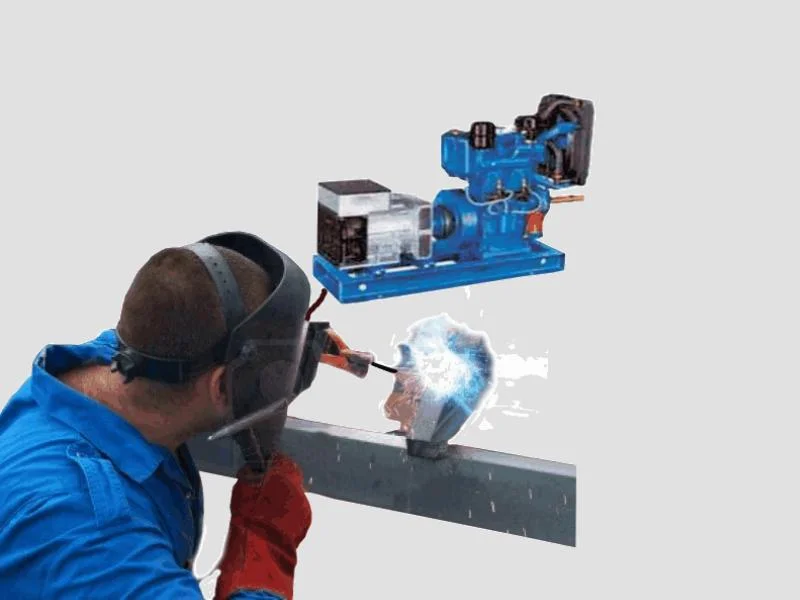
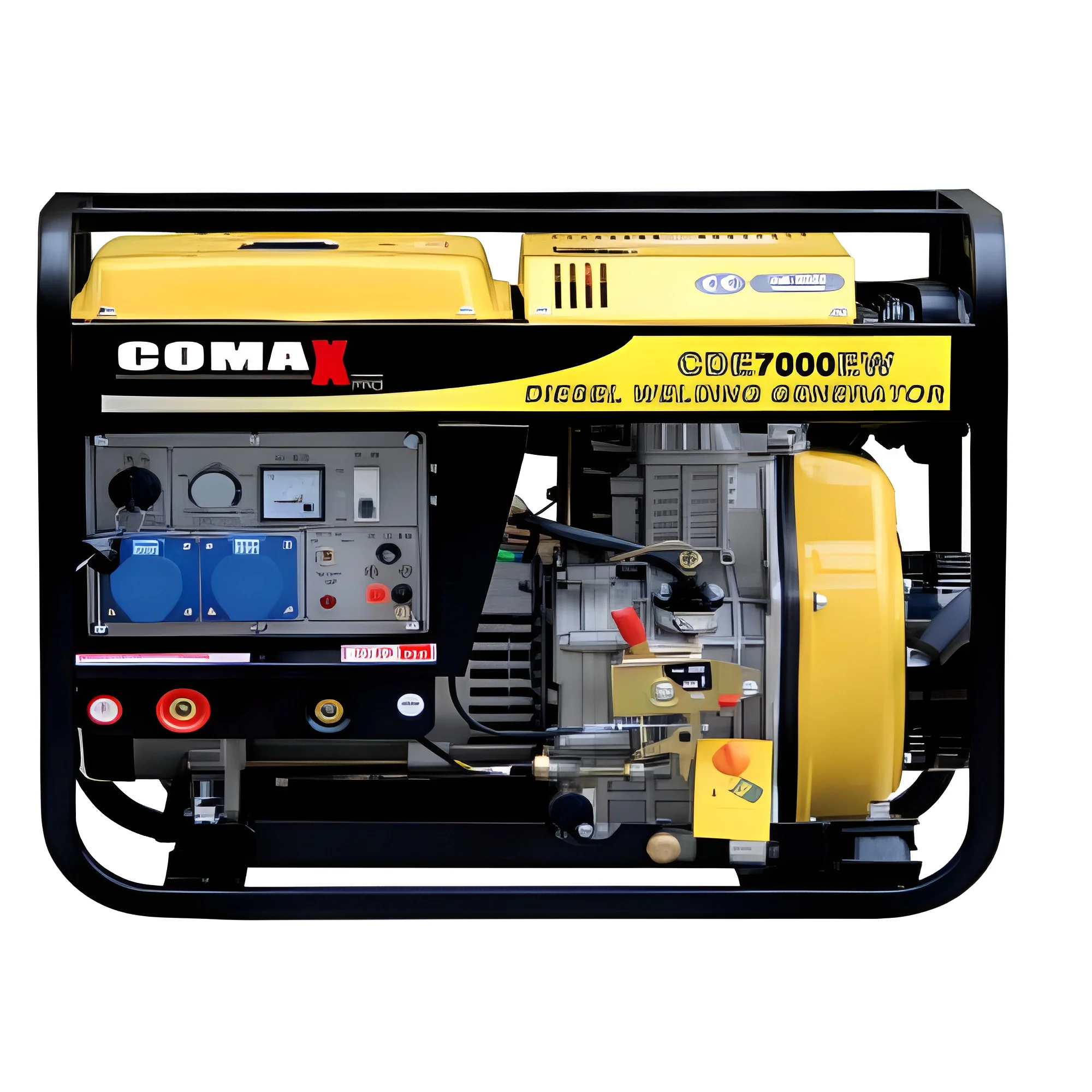
What are Welding Tractor Units?
Welding tractor units are specialized machinery used to automate the welding process in various industrial applications. These units are designed to move along a predetermined path, ensuring consistent and precise welds in a variety of materials. They can be equipped with different welding technologies, such as MIG, TIG, or submerged arc welding, depending on the specific needs of the project. The integration of advanced controls and tracking systems allows operators to set parameters and monitor the welding process effectively.
These units find primary use in industries such as shipbuilding, construction, and manufacturing, where large components require high-quality welds. By utilizing welding tractor units, businesses can enhance productivity, reduce labor costs, and improve the overall quality of their welds. The ability to operate in challenging environments, combined with the precision they offer, makes them a valuable asset in any welding operation, contributing to the efficiency and output of production lines.
With the rise in automation and demand for high-quality welding in the industrial sector, the market for welding tractor units is expanding. As industries strive for greater efficiency and reduced human error, these units are becoming integral to modern welding practices, underscoring their relevance in today’s competitive market.
Key Features and Specifications
Welding tractor units come equipped with several features designed to enhance productivity and precision in welding tasks. These specifications vary by model and application, providing flexibility for different industrial needs.
Key specifications include:
1. Welding Technology
- Options include MIG, TIG, and submerged arc welding.
- Each technology delivers unique benefits depending on material and application.
2. Travel Speed
- Adjustable speed settings ensure optimal welding performance.
- Typical ranges can vary from 0.5 to 10 meters per minute.
3. Control System
- Advanced digital controls allow for precise adjustments and monitoring.
- Some models feature programmable logic controllers for automated operations.
4. Weight Capacity
- Units designed to handle various sizes and weights of components.
- Weight capacities can range from 100 kg to over 2000 kg.
5. Power Supply
- Compatible with single-phase or three-phase power sources.
- Voltage ranges typically from 220V to 400V.
6. Operating Environment
- Units are designed for indoor and outdoor use.
- Some models are resistant to harsh environmental conditions.
7. Safety Features
- Includes emergency stop buttons and safety interlocks.
- Designed to comply with industry safety standards.
8. Portability
- Some models are equipped with wheels for easy movement.
- Lightweight designs facilitate transportation within job sites.
In summary, welding tractor units are highly tailored machines that deliver efficiency, adaptability, and safety in various welding applications, making them essential for modern industrial operations.
Common Applications and Use Cases
Welding tractor units are versatile machines used across multiple industries, each with specific applications to improve efficiency and quality.
1. Shipbuilding: In the shipbuilding industry, welding tractor units are used to weld large sections of hulls and decks. Their ability to maintain consistent speed and precision helps in constructing seaworthy vessels.
2. Construction: These units are employed in the construction of steel structures, including bridges and high-rise buildings. They ensure reliable weld quality in critical load-bearing components.
3. Manufacturing: In manufacturing settings, welding tractor units assist in the production of heavy machinery and equipment. They streamline the welding process, allowing for high-volume production.
4. Automotive: The automotive sector utilizes welding tractor units for assembling vehicle bodies. Their efficiency contributes to rapid production cycles and consistent quality.
5. Aerospace: In aerospace applications, precise welding is crucial. Welding tractor units help meet stringent quality standards while minimizing human error during the fabrication of aircraft components.
6. Oil and Gas: These units are essential in the oil and gas industry for pipeline construction, where robust welds are necessary to withstand high pressures and harsh environments.
7. Heavy Equipment: Welding tractor units are used to manufacture and repair heavy equipment, ensuring durable welds that can endure tough operational conditions.
Product Variants and Subcategories
Welding tractor units come in various configurations to meet different industrial needs. Each variant offers unique features tailored for specific applications.
Compact Welding Tractor Units
These units are designed for smaller jobs and confined spaces. They provide excellent maneuverability while maintaining a high level of welding precision, making them ideal for maintenance and repair tasks.
Heavy-Duty Welding Tractor Units
Engineered for large-scale applications, these units can handle significant weight and are equipped with advanced control systems. They are perfect for heavy industries like construction and shipbuilding, where robust performance is essential.
Automated Welding Systems
These systems integrate welding tractor units with robotics for fully automated operations. They are used in high-volume manufacturing environments where consistency and speed are paramount.
Portable Welding Tractor Units
Designed for mobility, these units are lightweight and easily transportable. They are suitable for fieldwork and remote locations where traditional welding setups are impractical.
Benefits and Advantages
Welding tractor units offer numerous advantages that enhance operational efficiency and product quality.
1. Increased Productivity: Automating the welding process allows for faster completion of projects, significantly boosting overall productivity.
2. Enhanced Quality: With consistent travel speed and precision, these units produce high-quality welds that meet rigorous industry standards.
3. Labor Cost Reduction: The use of welding tractor units can decrease the need for manual labor, reducing overall labor costs.
4. Improved Safety: Equipped with safety features, these units minimize the risk of accidents, ensuring a safer working environment.
5. Flexibility: Welding tractor units can be adapted to various welding technologies and materials, providing versatility for different applications.
6. Reduced Human Error: Automation minimizes the potential for mistakes, ensuring consistent results across multiple welding tasks.
Buying Guide for B2B Buyers
When sourcing welding tractor units, it is essential to consider several key factors to ensure you make an informed decision.
1. Quality Assessment: Evaluate the quality of welding tractor units by reviewing manufacturer certifications and customer reviews. Look for units built to withstand rigorous industrial conditions.
2. Supplier Verification: Verify suppliers by checking their reputation and reliability in the market. Consider their history, experience, and customer service capabilities.
3. Pricing and MOQ: Analyze pricing structures and minimum order quantities (MOQ) from different suppliers. Ensure you understand the cost implications for your budget and project needs.
4. Delivery and Lead Times: Discuss delivery schedules and lead times with suppliers to ensure timely project completion. Consider logistics and transportation options.
5. Compliance Requirements: Ensure that the welding tractor units meet relevant industry standards and regulatory compliance requirements, such as CE certifications.
Compliance and Certifications
Welding tractor units must adhere to various quality standards and certifications to ensure safety and performance.
ISO 9001 is a widely recognized standard that indicates a commitment to quality management systems in manufacturing. Compliance with this standard ensures that the production processes of welding tractor units meet high-quality criteria.
CE certification is another essential requirement for welding tractor units, particularly in the European market. It signifies that the product meets safety, health, and environmental protection standards.
Additionally, safety and testing requirements are critical in the manufacturing of welding tractor units. These units must undergo thorough testing to guarantee their reliability and safety during operation.
Regional compliance considerations may also play a role in sourcing welding tractor units. Different regions may have specific regulations that manufacturers need to follow, making it essential to verify compliance for your location.
Why Source Welding Tractor Units from Pepagora?
Pepagora provides a trusted platform for sourcing welding tractor units, offering several key advantages to B2B buyers.
Verified Supplier Network: Pepagora boasts a robust network of verified suppliers, ensuring that buyers connect with reputable manufacturers. This verification process adds a layer of security, helping buyers make informed decisions.
Streamlined RFQ Process: The Request for Quotation (RFQ) process on Pepagora is designed to be efficient and user-friendly. Buyers can easily submit their requirements and receive competitive quotes from multiple suppliers, simplifying the purchasing process.
Trade Assurance and Support: Pepagora offers trade assurance to protect buyers during transactions. This includes support services that assist with any issues that may arise, ensuring a smooth experience.
Regional Coverage: With a strong presence in India, the Gulf Cooperation Council (GCC) countries, and Southeast Asia, Pepagora provides extensive geographic coverage. This enables buyers to access a diverse range of welding tractor units suited to their specific needs.

 IN
IN