What are Other Welding Machines & Equipment?
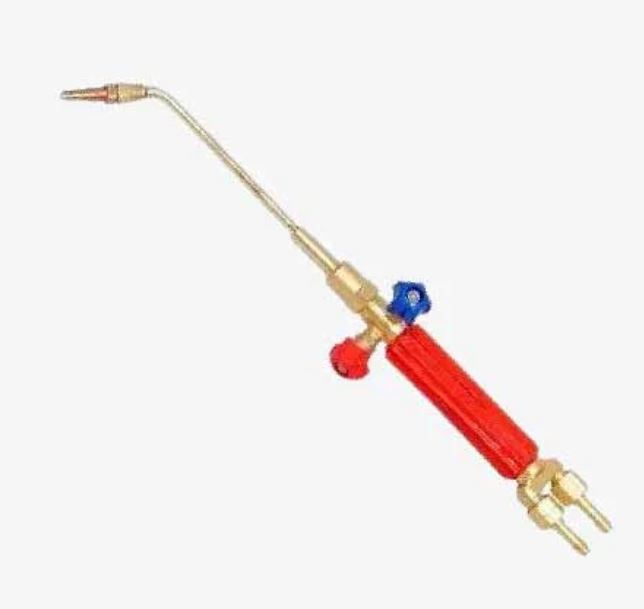
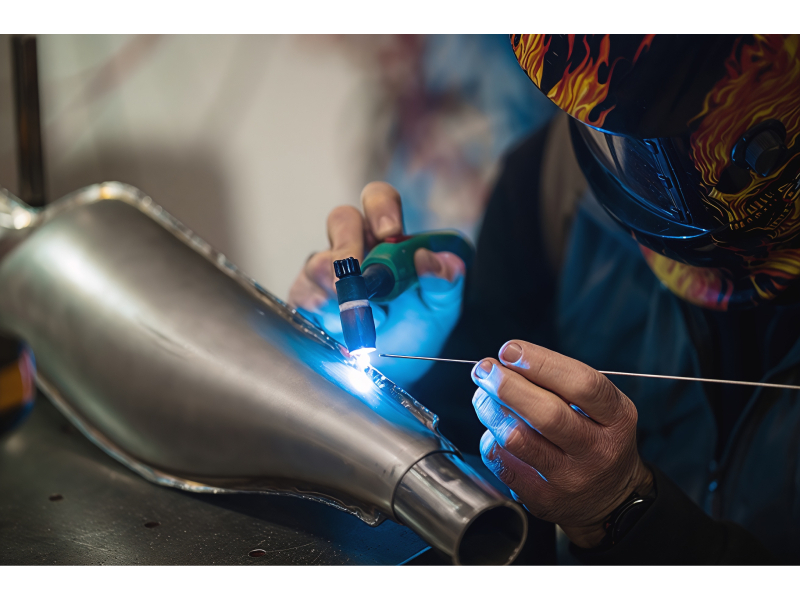
Other Welding Machines & Equipment encompass a variety of tools and machinery used in the welding process, beyond the more well-known types like MIG and TIG welders. These machines are designed to assist in various welding techniques, providing essential support for manufacturing, construction, and repair tasks. The category includes equipment such as plasma cutters, arc welders, and portable welding devices, each tailored for specific applications and environments.
These machines serve critical roles in several industries, including automotive, aerospace, and construction. Businesses utilize them for tasks such as joining metals, repairing components, and fabricating parts. The versatility of other welding equipment allows companies to adapt to diverse project requirements, ensuring efficiency and quality in their operations. As the market for welding technology expands, the relevance of these machines continues to grow, driven by advancements in technology and increasing demand for precision welding solutions.
Key Features and Specifications
Other Welding Machines & Equipment come with a variety of features and specifications that cater to different welding needs. Understanding these specifications is crucial for selecting the right equipment for your business.
Key specifications include:
1. Power Supply Type
- Options include AC, DC, or hybrid
- Voltage ranges typically from 110V to 480V
2. Welding Process Compatibility
- Supports various processes like MIG, TIG, Stick, and more
- May include multi-process capabilities
3. Duty Cycle
- Represents the percentage of time the machine can operate continuously
- Common duty cycles range from 20% to 100%
4. Weight and Portability
- Varies widely to suit stationary or mobile applications
- Lightweight models often weigh under 50 lbs for easy transport
5. Control Features
- Includes manual, semi-automatic, or fully automatic controls
- Digital displays for easy monitoring of settings
6. Safety Features
- Overload protection and thermal cut-off
- Compliance with safety standards like CE
7. Cooling System
- Air-cooled or water-cooled options available
- Essential for high-duty cycle operations
8. Accessories and Attachments
- May come with torches, cables, and welding helmets
- Optional add-ons for enhanced functionality
Understanding these specifications helps businesses make informed decisions when selecting welding machines that align with their operational needs.
Common Applications and Use Cases
Other Welding Machines & Equipment are utilized across various industries, demonstrating their versatility and importance in modern manufacturing and repair processes.
1. Automotive: Welding equipment is crucial in automotive manufacturing for assembling vehicles and repairing parts. Techniques such as spot welding and MIG welding are commonly employed.
2. Aerospace: In the aerospace sector, precision welding is vital for assembling aircraft components, ensuring safety and reliability in the final product. TIG welding is often preferred for its accuracy.
3. Construction: Welding machines are extensively used in construction for fabricating structural steel and joining metal components. Portable welding equipment allows for on-site repairs and installations.
4. Shipbuilding: The maritime industry relies on welding for constructing and repairing ships. Equipment must withstand harsh environments while providing strong joints.
5. Metal Fabrication: Custom metal fabrication shops utilize various welding machines to create bespoke products, from furniture to industrial equipment.
6. Repair and Maintenance: Welding equipment is essential for repair services across industries, allowing for quick fixes and maintenance of machinery and infrastructure.
7. Art and Sculpture: Some artists use welding techniques to create metal sculptures, showcasing the creative potential of welding machines beyond industrial applications.
Product Variants and Subcategories
Other Welding Machines & Equipment come in a range of variants to address specific user needs and applications.
Portable Welding Machines: These machines are lightweight and easy to transport, making them ideal for on-site welding tasks. They often support multiple welding processes, offering versatility for various jobs.
Plasma Cutters: Designed for cutting through metals with precision, plasma cutters are essential in industries that require intricate cuts. They provide speed and accuracy, improving productivity.
Multi-Process Welders: These machines can perform several welding types, including MIG, TIG, and Stick welding. They are suitable for shops that handle diverse projects and require flexibility.
Automated Welding Systems: Used in high-volume production settings, these systems can operate without human intervention, increasing efficiency and consistency in weld quality.
Benefits and Advantages
Investing in Other Welding Machines & Equipment provides numerous benefits that can enhance operational efficiency and product quality.
1. Versatility: Many machines support multiple welding processes, allowing businesses to take on a variety of projects without needing separate equipment.
2. Increased Productivity: With advanced features and automation options, these machines can significantly reduce welding time, leading to faster project completion.
3. Improved Quality: Modern welding machines offer precise control and monitoring, resulting in higher quality welds and fewer defects.
4. Cost Efficiency: By streamlining the welding process and reducing waste, businesses can save on materials and labor costs.
5. Enhanced Safety: Equipped with safety features and compliance certifications, these machines help protect workers and ensure safe operating conditions.
6. Technical Support: Many suppliers provide technical assistance and training, helping businesses maximize the performance of their equipment.
Buying Guide for B2B Buyers
When sourcing Other Welding Machines & Equipment, businesses should consider several critical factors to ensure they make the best purchasing decisions.
1. Quality Assessment: Evaluate the quality of the machines by checking manufacturer credentials, reviews, and any available certifications. High-quality equipment often results in better performance and longevity.
2. Supplier Verification: It is essential to vet suppliers for reliability and reputation. Look for established companies with positive customer feedback and a proven track record in the welding equipment industry.
3. Pricing and MOQ: Consider the price range of the machines and any minimum order quantities (MOQ) set by suppliers. Comparing multiple quotes can provide insights into fair pricing.
4. Delivery and Lead Times: Assess the supplier's ability to meet delivery schedules. Timely delivery is crucial for keeping projects on track and avoiding downtime.
5. Compliance Requirements: Ensure that the equipment meets all necessary industry regulations and safety standards, such as CE certification. This is vital for legal compliance and operational safety.
Compliance and Certifications
Compliance and certifications are fundamental aspects of Other Welding Machines & Equipment that ensure safety and reliability in various applications.
Key quality standards include ISO 9001, which focuses on quality management systems and continuous improvement. Adhering to these standards helps manufacturers maintain high levels of quality in their products.
Industry certifications, such as CE marking, indicate that the equipment meets European safety, health, and environmental protection requirements. This certification is important for industries operating in or exporting to Europe.
Safety and testing requirements are critical for ensuring that welding machines operate safely and effectively. Equipment must undergo rigorous testing to verify compliance with safety standards.
Regional compliance considerations can vary significantly. Businesses must ensure their equipment meets local regulations, which may differ by country or region.
Why Source Other Welding Machines & Equipment from Pepagora?
Pepagora provides a trusted platform for sourcing Other Welding Machines & Equipment, offering several key advantages that benefit B2B buyers.
Verified Supplier Network: Pepagora connects buyers with a network of verified suppliers, ensuring that all vendors meet rigorous quality standards. This verification process helps reduce the risk associated with sourcing equipment.
Streamlined RFQ Process: The platform allows buyers to submit requests for quotations (RFQs) easily, facilitating quick comparisons between different suppliers and products. This efficiency helps buyers make informed decisions faster.
Trade Assurance and Support: Pepagora offers trade assurance to protect buyers, ensuring that purchases are secure and that any issues can be addressed promptly. This level of support enhances buyer confidence.
Regional Coverage: With operations spanning India, the GCC, and Southeast Asia, Pepagora provides extensive regional coverage. This reach allows businesses to find suppliers that meet their specific needs, regardless of location.
By choosing Pepagora, businesses can benefit from a comprehensive sourcing experience that prioritizes quality, efficiency, and support.

 IN
IN