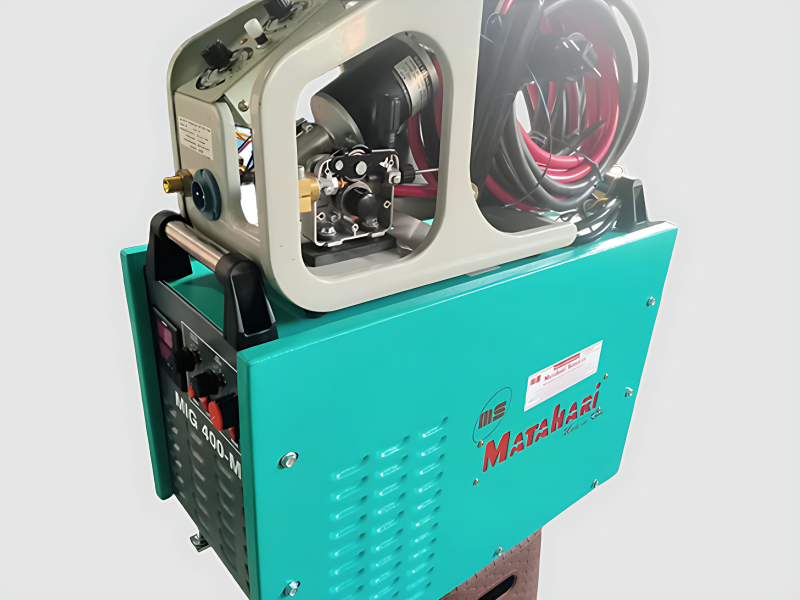
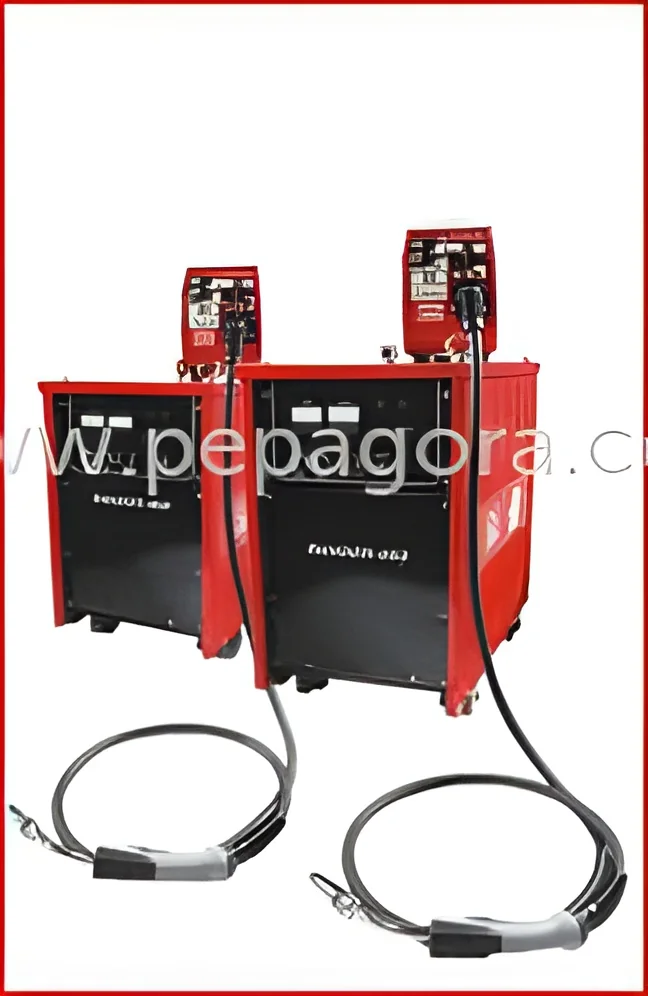
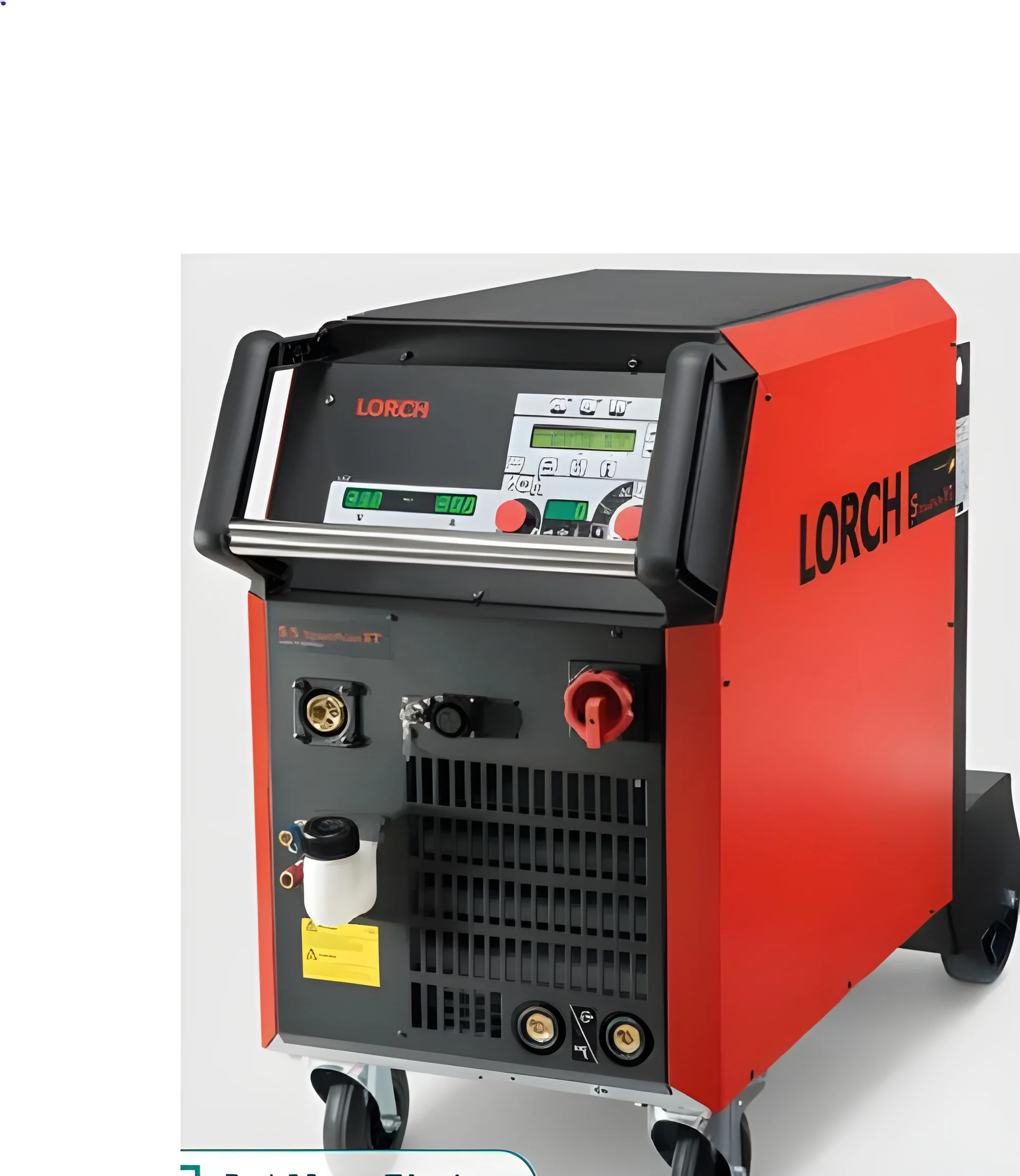
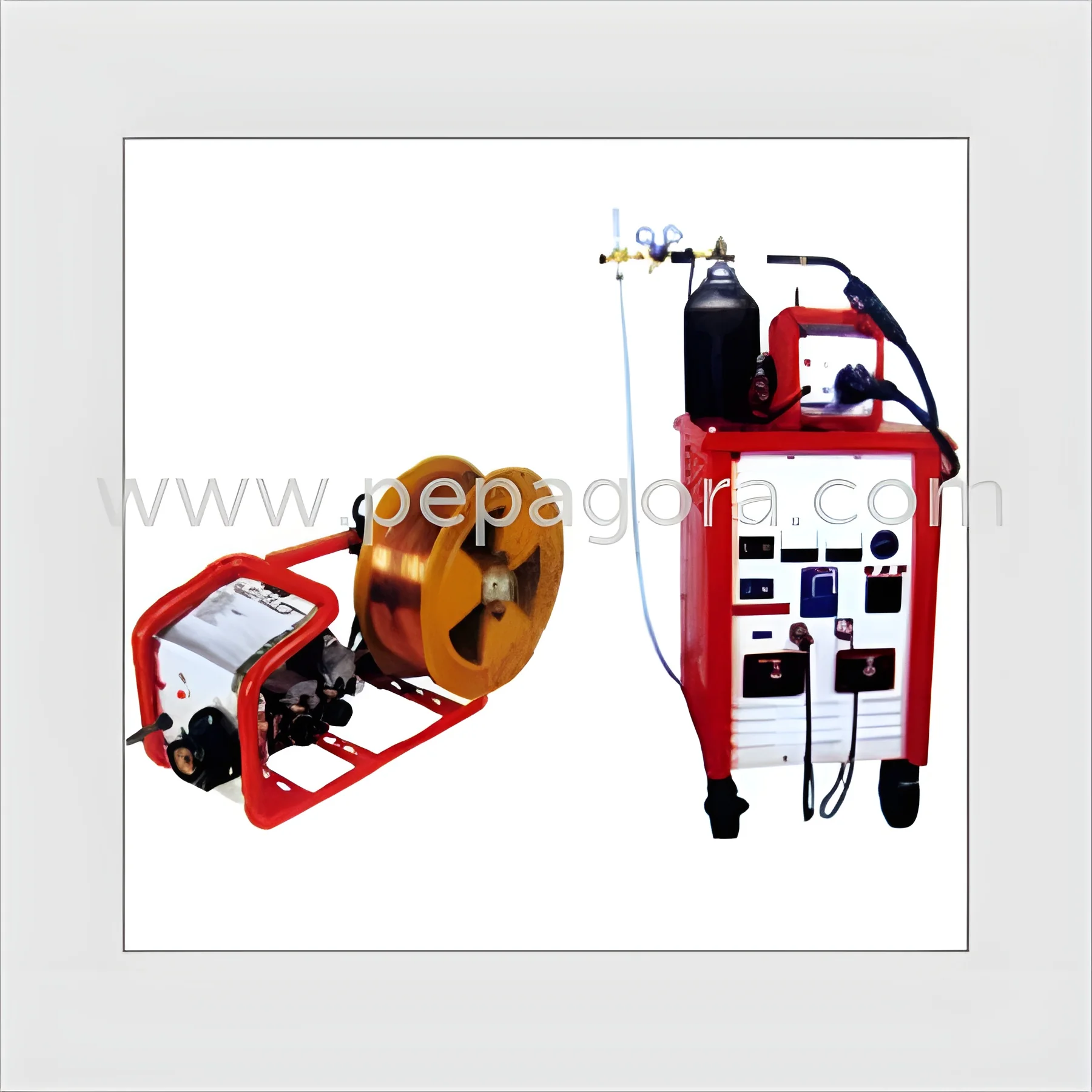
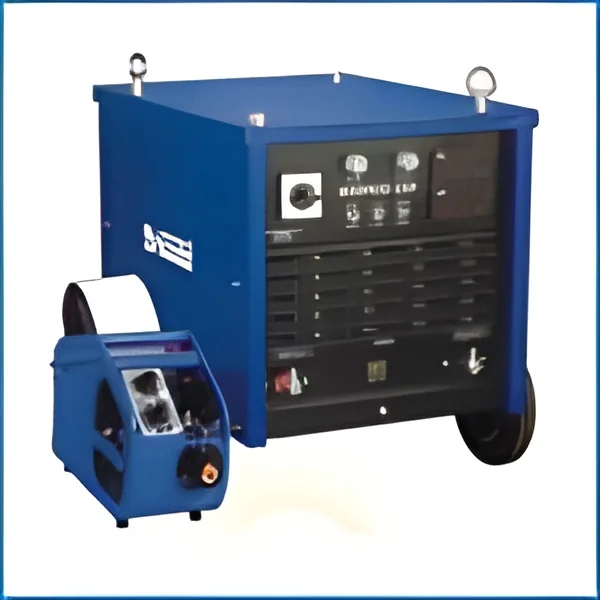
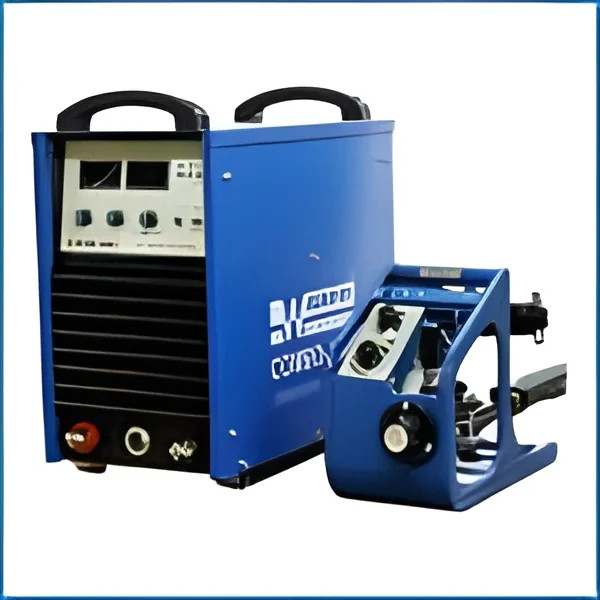
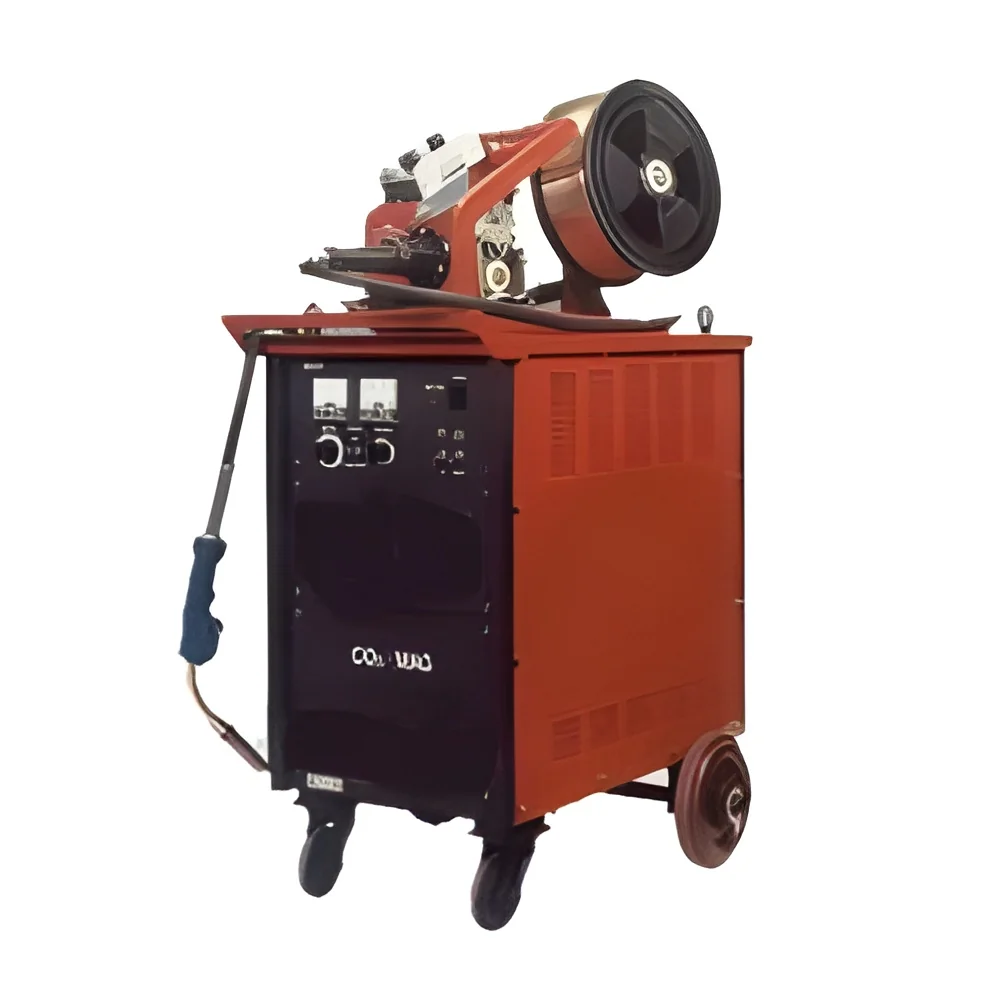
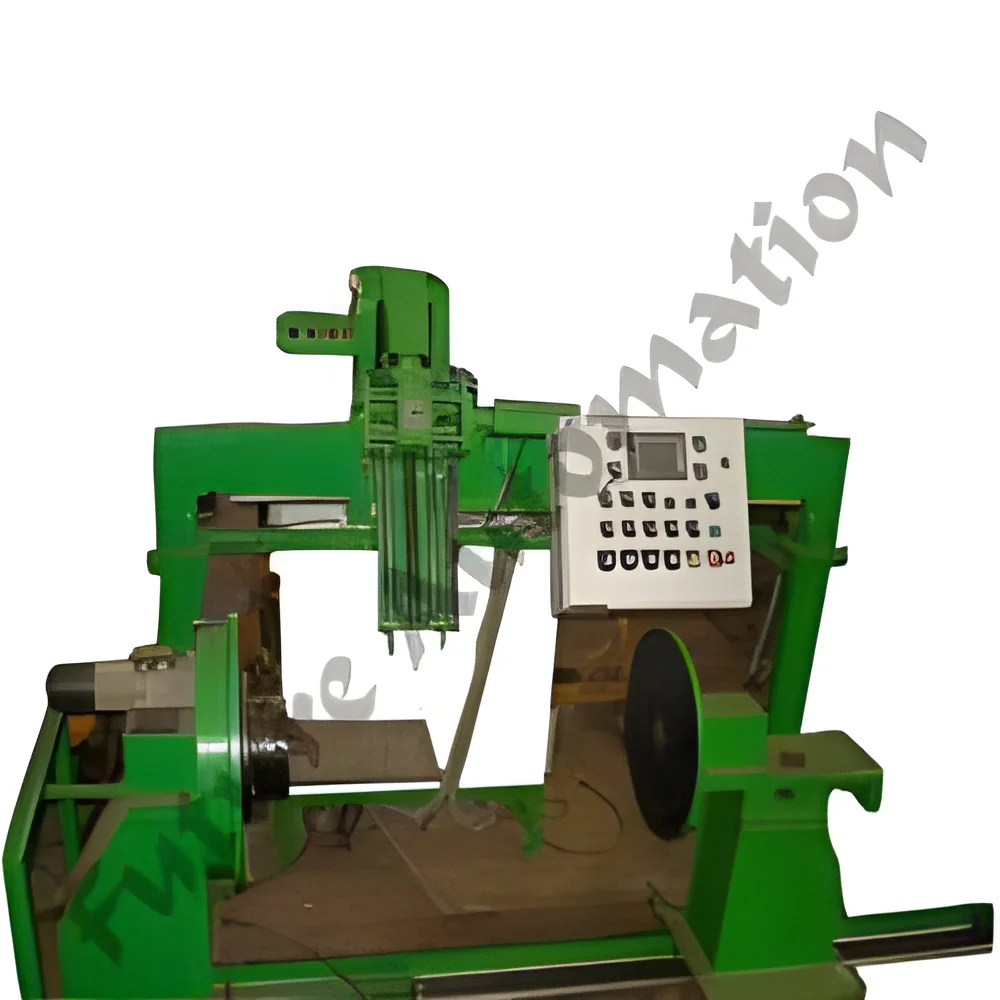
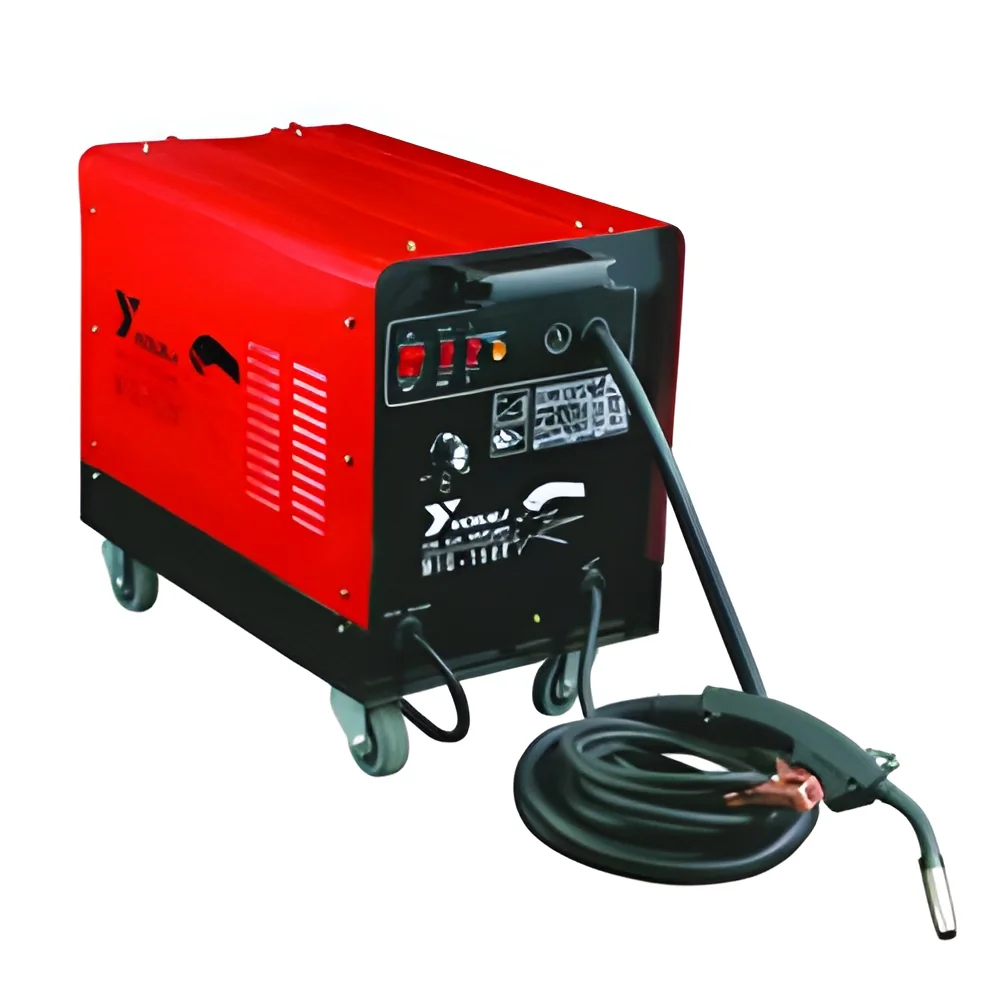
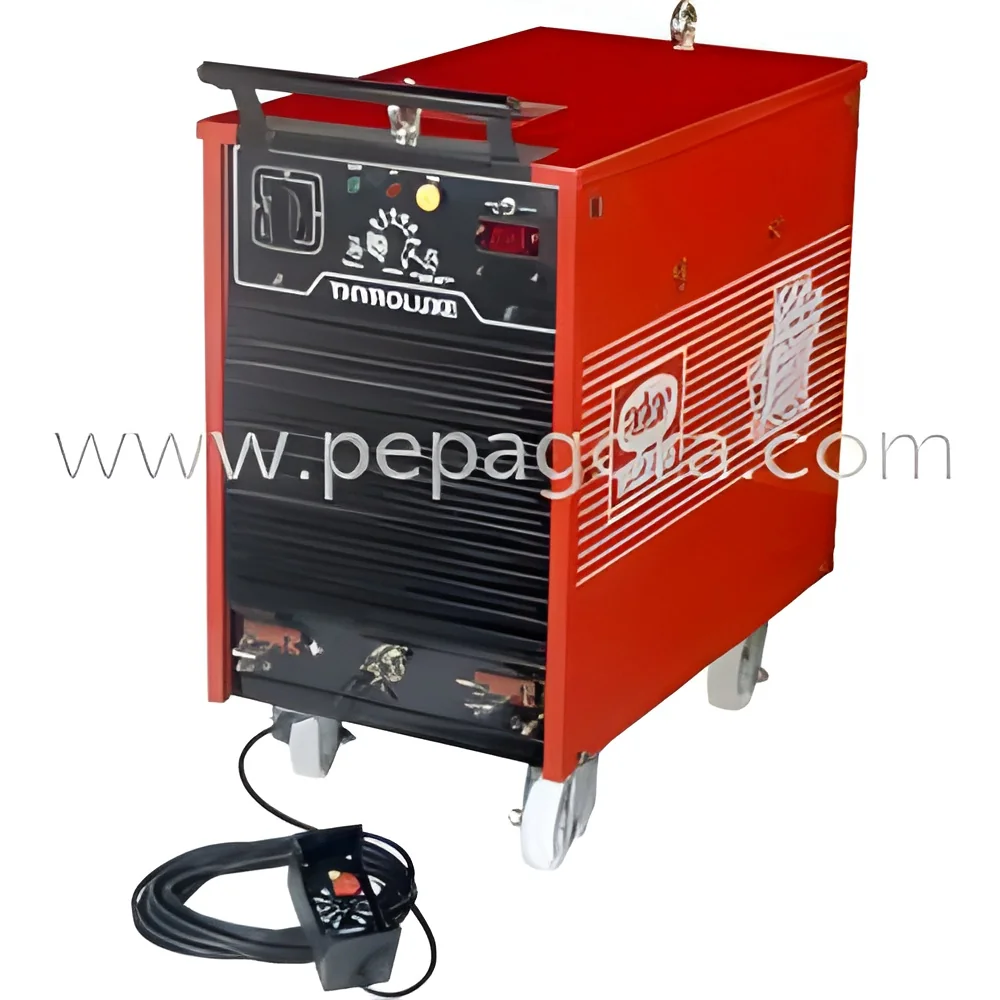
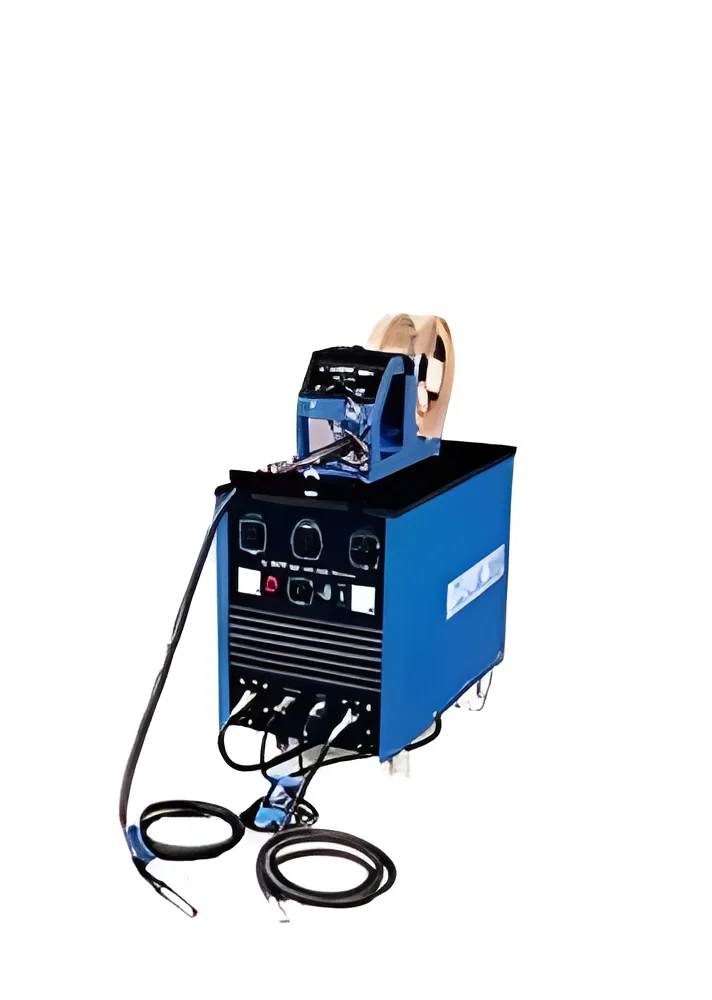
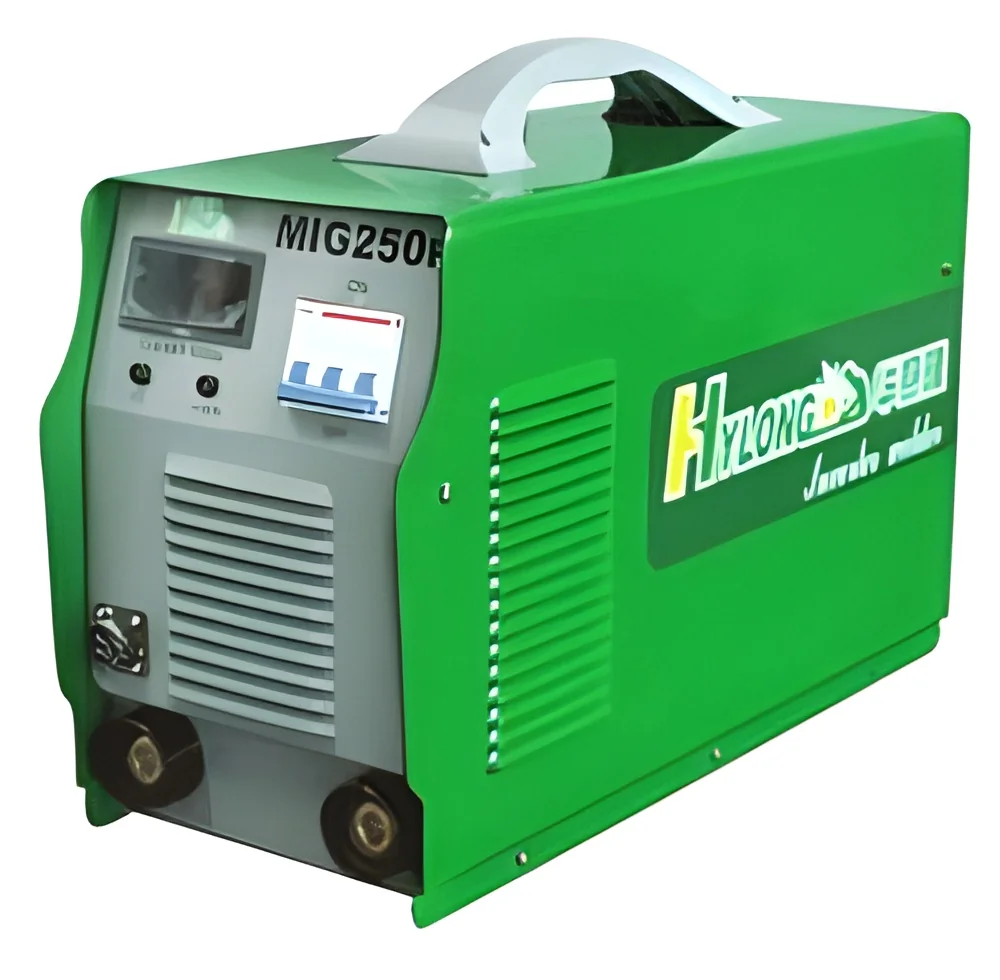
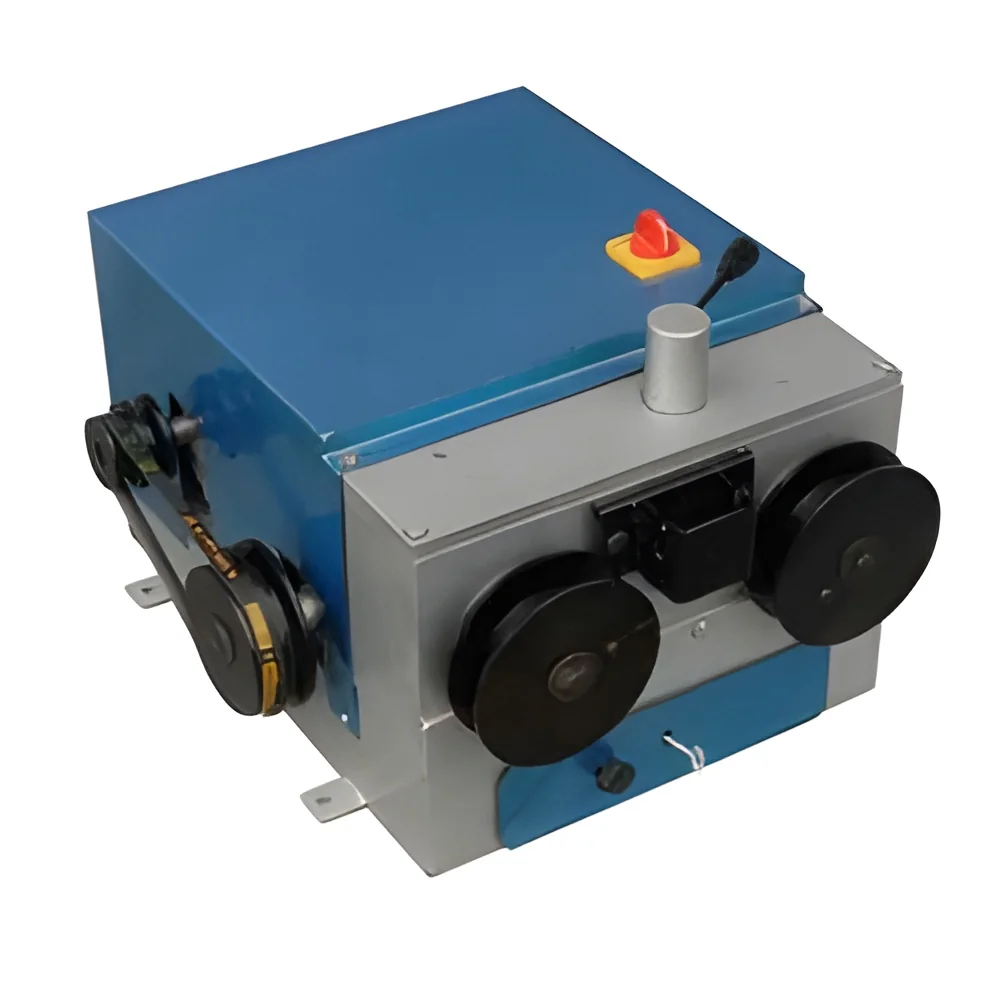
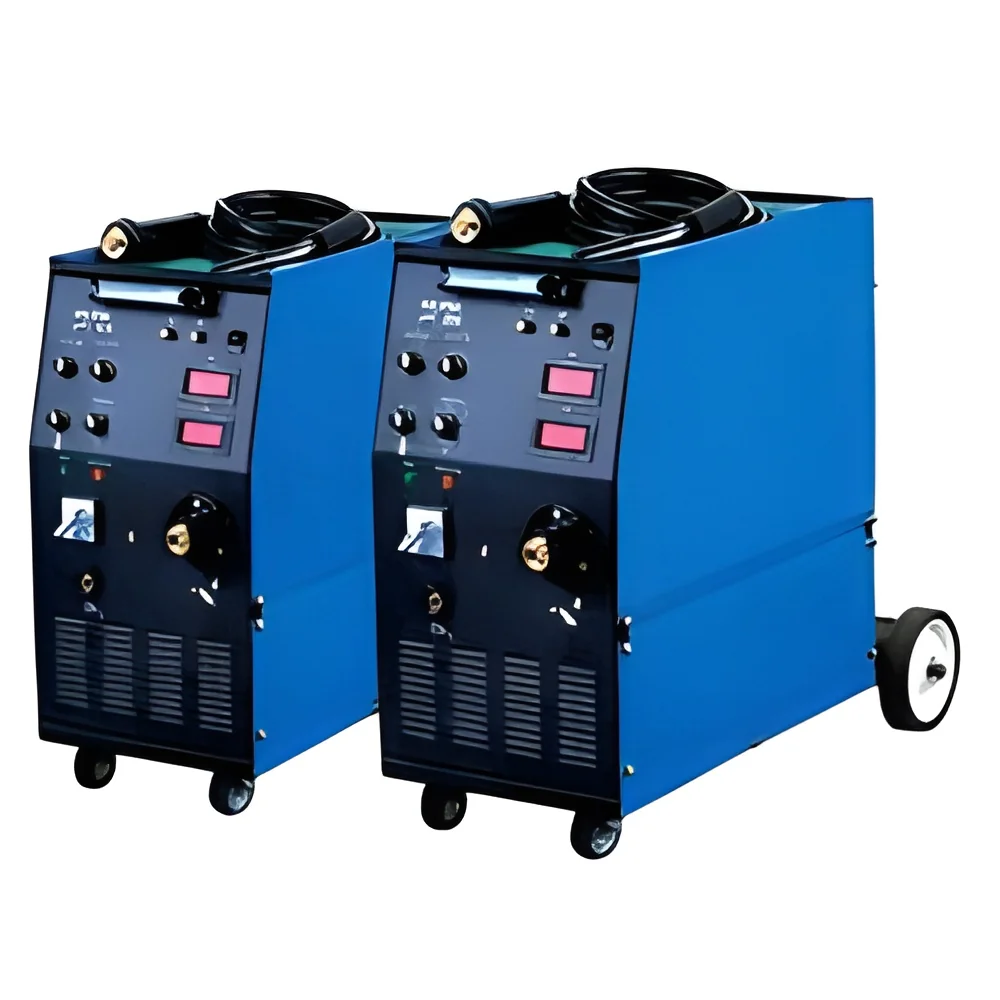
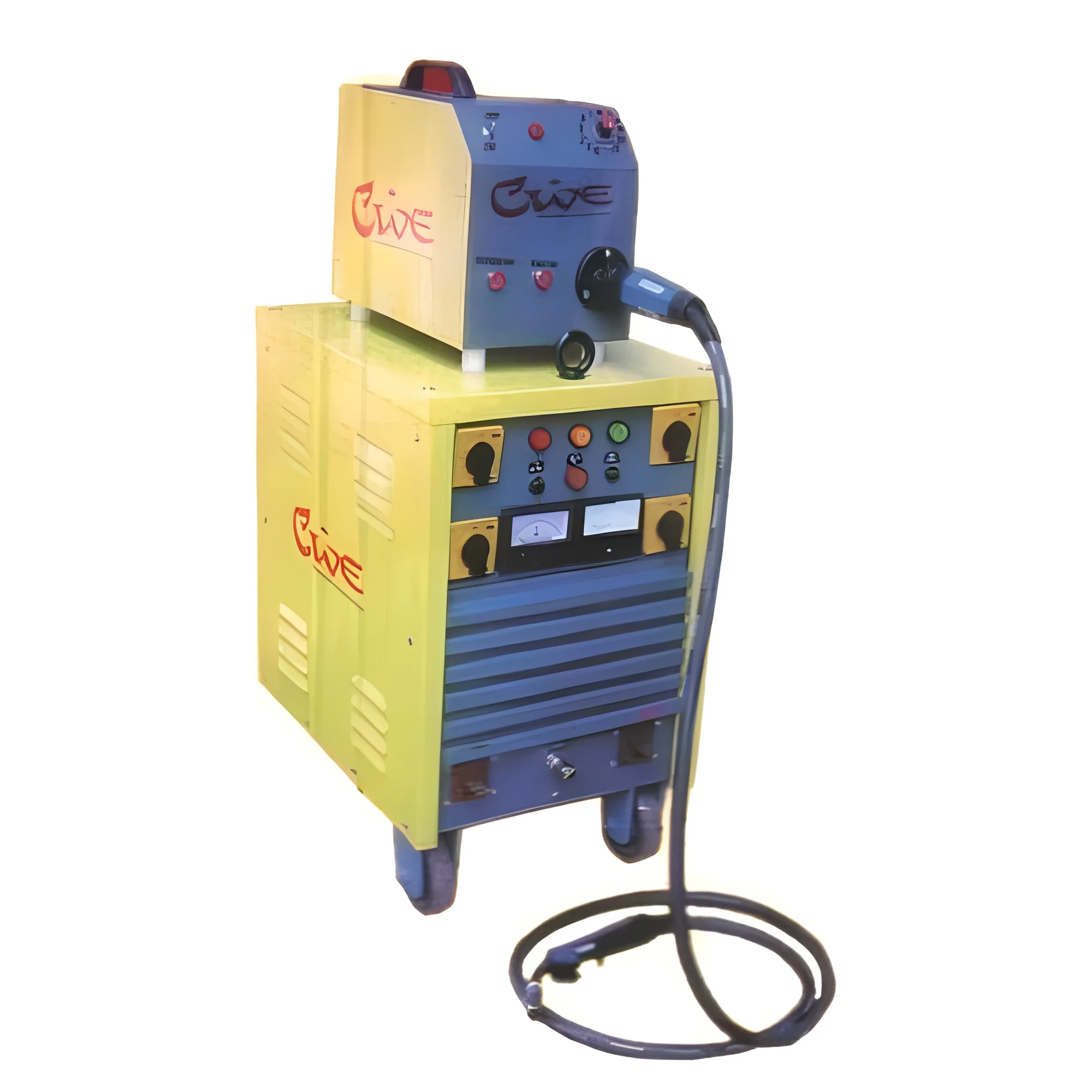
What are Pulse MIG Welding Machines?
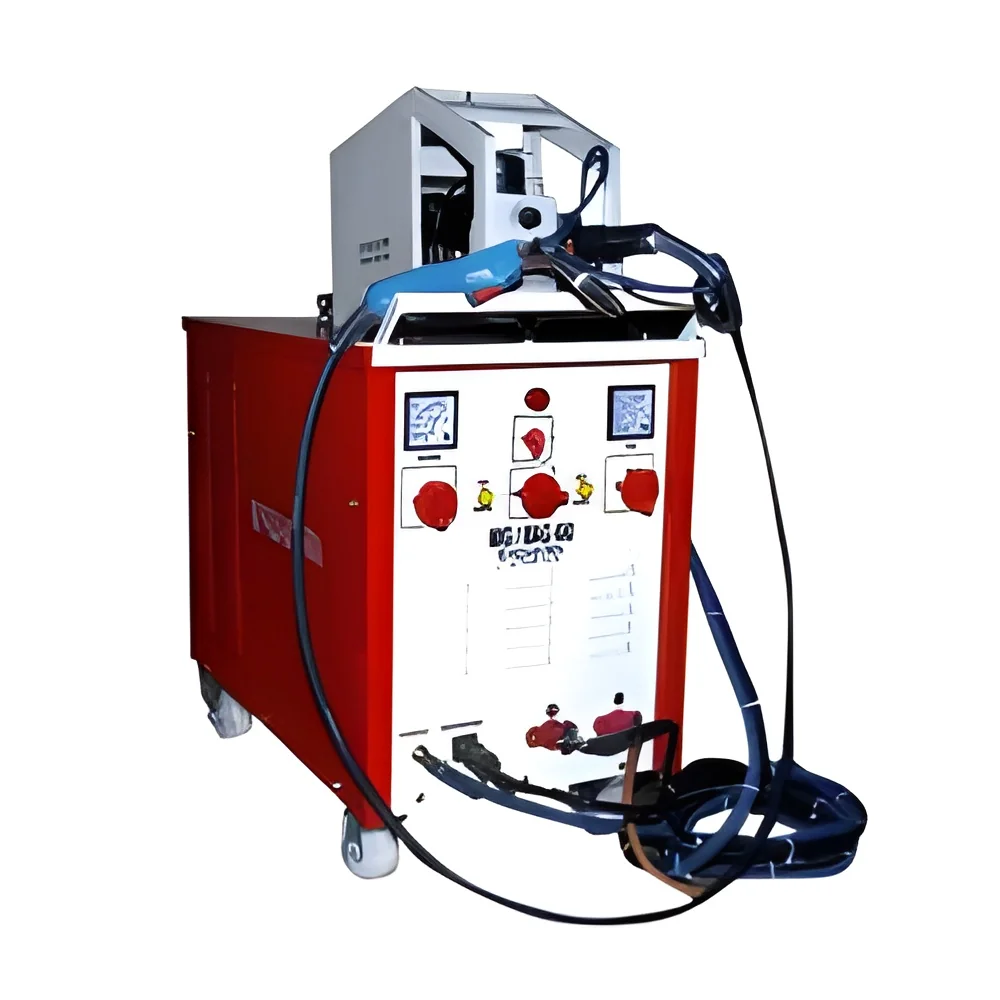
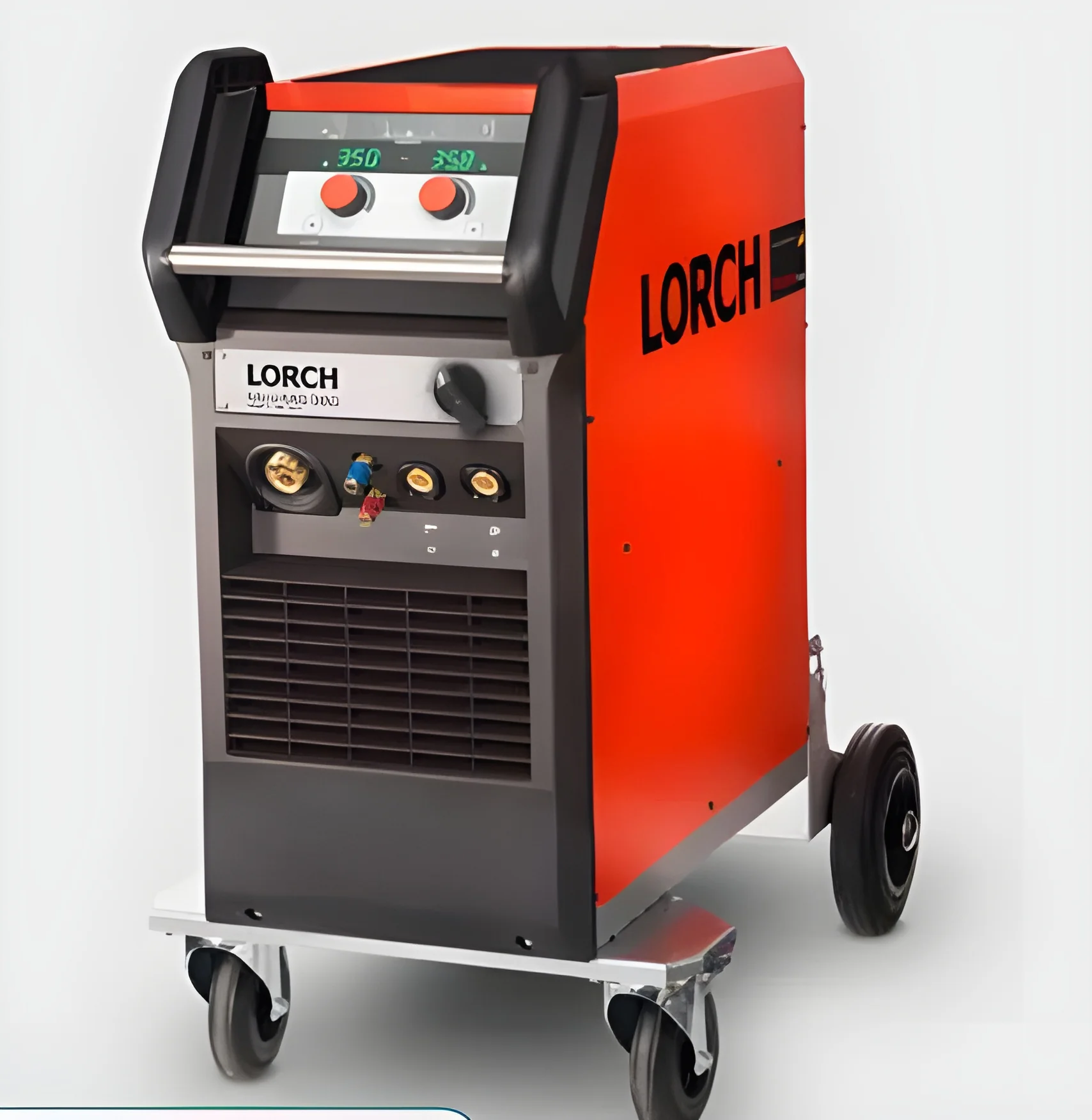
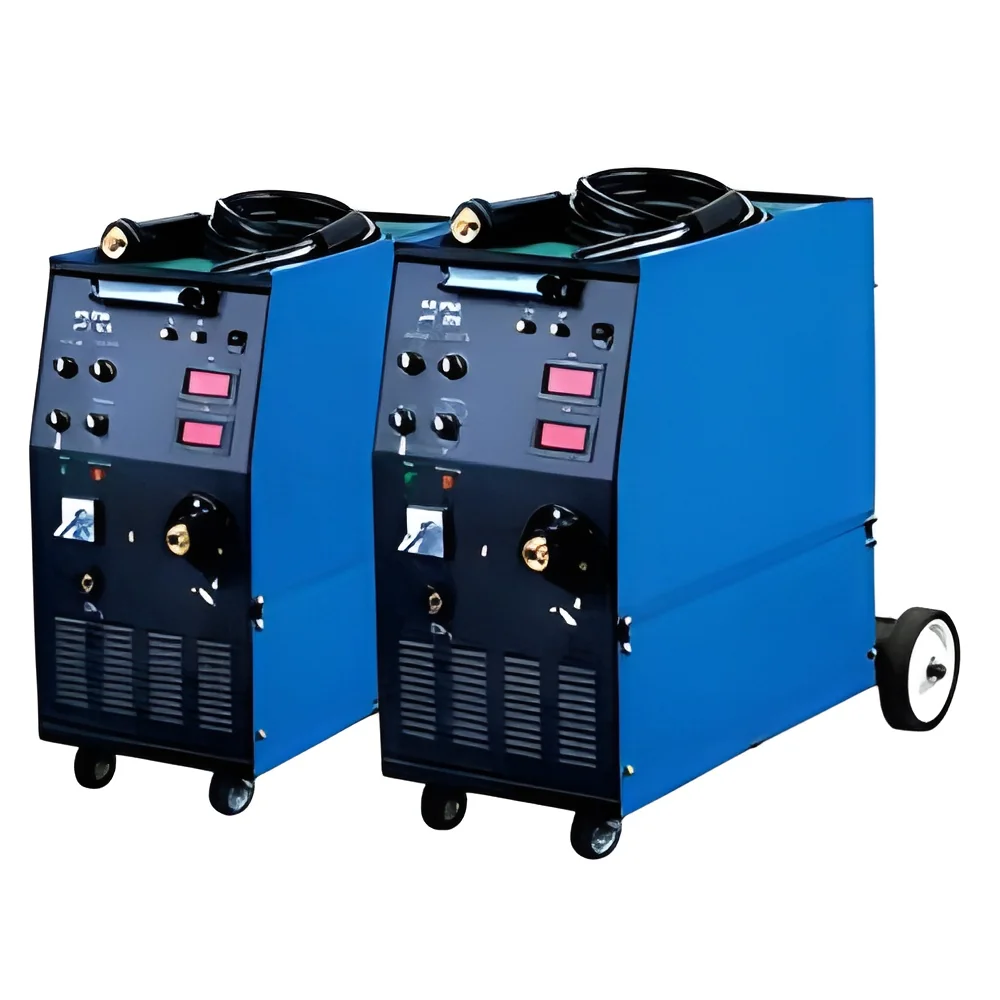
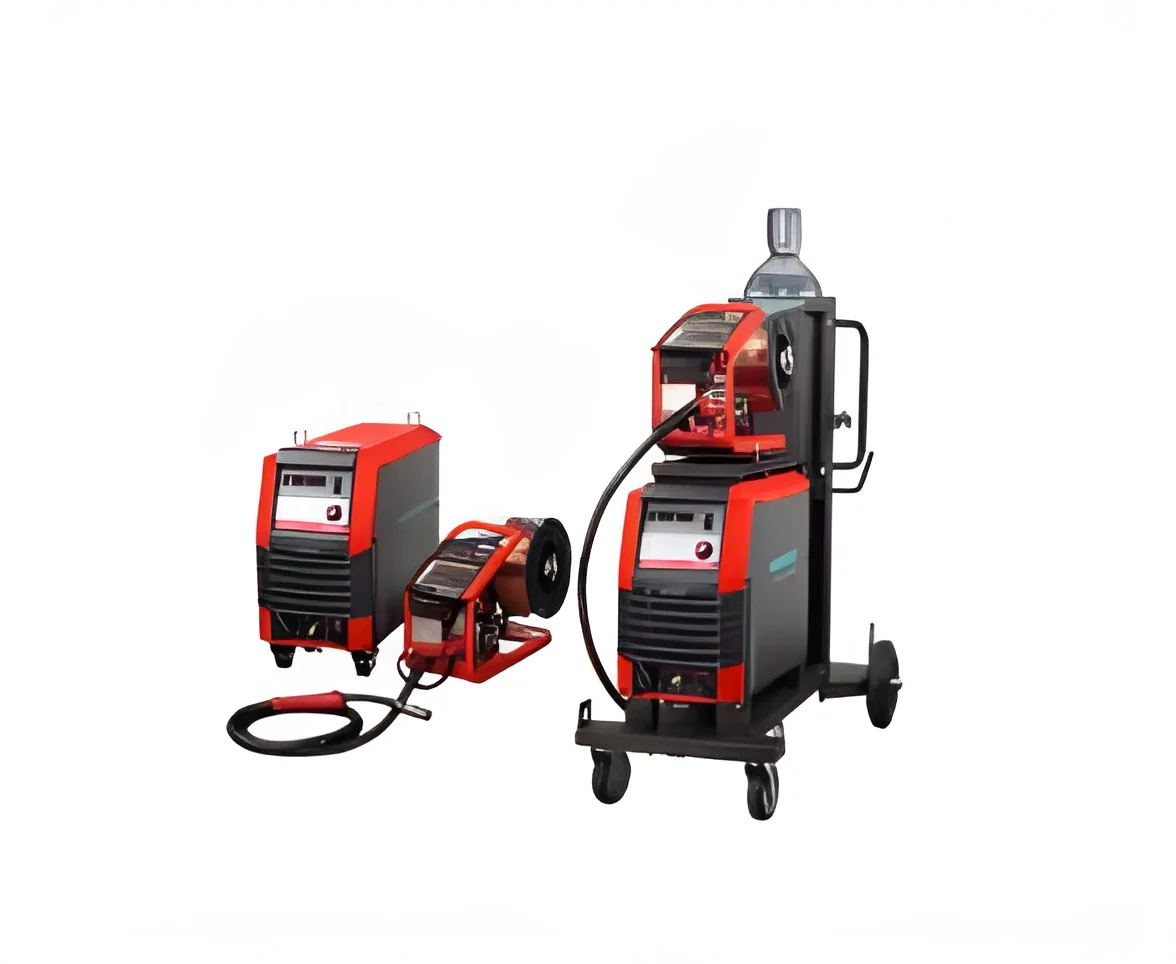
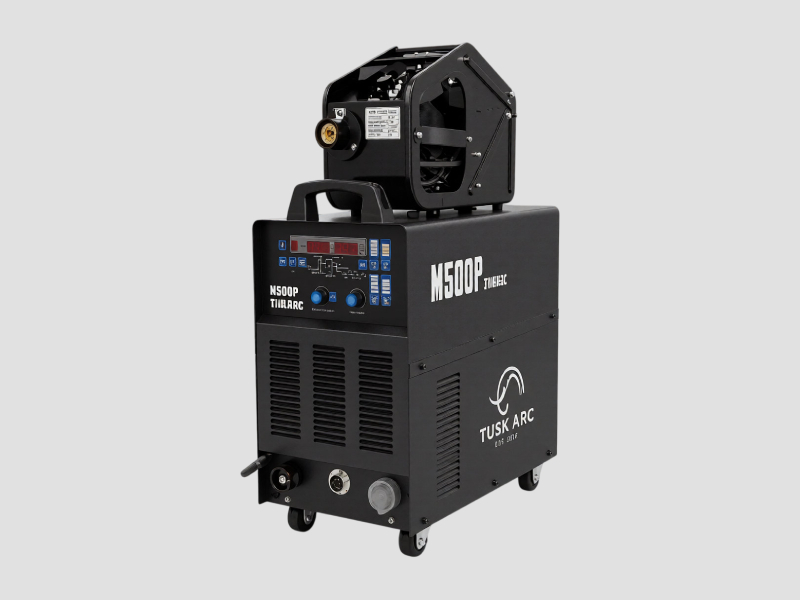
Pulse MIG welding machines are advanced welding devices that utilize a pulsing technique to enhance the welding process. The pulsed arc allows for better control over heat input, which minimizes distortion and improves the quality of the weld. This technology is particularly effective for welding thin materials and achieving high-quality welds with reduced spatter.
These machines are primarily used in manufacturing, automotive, and construction industries where precision welding is critical. They are suitable for a variety of applications, including fabricating metal structures, repairing vehicles, and creating intricate designs in metalwork. The relevance of Pulse MIG welding machines in today's market is growing as industries seek to improve efficiency and weld quality while minimizing costs.
Key Features and Specifications
Pulse MIG welding machines come equipped with several key features that enhance their performance and usability. These machines are designed to provide a high level of control over the welding process, making them suitable for a range of applications.
Key specifications include:
1. Welding Current Range
- Typically ranges from 10 to 500 amps
- Adjustable settings for different material thicknesses
2. Duty Cycle
- Standard duty cycles range from 30% to 60%
- Allows for extended use in industrial applications
3. Voltage Control
- Adjustable voltage settings for better arc stability
- Generally ranges from 15 to 35 volts
4. Weight
- Portable models weigh between 50 to 150 pounds
- Heavier models provide stability for industrial use
5. Cooling System
- Air-cooled or water-cooled options available
- Essential for maintaining optimal operating temperatures
6. User Interface
- Digital display for easy settings adjustment
- Some models feature programmable weld settings
7. Gas Supply
- Compatible with various shielding gases
- Often includes dual gas supply options
8. Safety Features
- Equipped with thermal overload protection
- Integrated safety interlocks to prevent accidents
These specifications ensure that Pulse MIG welding machines deliver reliable performance for various industrial applications.
Common Applications and Use Cases
Pulse MIG welding machines are versatile and can be utilized across a variety of industries.
1. Automotive: These machines are ideal for welding components in vehicles, ensuring strong joints while minimizing heat distortion.
2. Manufacturing: They are commonly used in the fabrication of metal parts, allowing for precise welds in production lines.
3. Construction: In construction, these machines facilitate the welding of structural steel, ensuring safety and durability.
4. Aerospace: Pulse MIG technology is applied in aerospace for lightweight materials, providing high-quality welds with minimal weight.
5. Shipbuilding: They are also employed in shipbuilding, where strong, reliable welds are crucial for hull integrity.
6. HVAC: In HVAC applications, these machines are used for ductwork fabrication, ensuring tight joints and efficient airflow.
7. Art and Sculpture: Artists and metalworkers utilize Pulse MIG machines for creating intricate metal sculptures and art pieces.
Product Variants and Subcategories
Pulse MIG welding machines come in various models to cater to different industrial needs. The diversity of these machines allows businesses to select options that best fit their operational requirements.
Portable Pulse MIG Welding Machine: This variant is designed for mobility and ease of use in various locations. It is lightweight and offers battery-operated options for convenience.
Industrial Pulse MIG Welding Machine: These machines are built for heavy-duty applications, providing higher power and duty cycles for continuous operation in manufacturing and construction settings.
Multi-Process Pulse MIG Welding Machine: This type integrates multiple welding processes, including MIG, TIG, and stick welding, allowing for versatility in different welding tasks.
Benefits and Advantages
Investing in Pulse MIG welding machines offers numerous advantages for businesses looking to enhance their welding capabilities.
1. Improved Weld Quality: The pulsing technology provides better control, resulting in cleaner, more consistent welds.
2. Reduced Heat Input: Lower heat input minimizes distortion and warping in thin materials, ensuring integrity in delicate projects.
3. Increased Efficiency: Faster welding speeds lead to improved productivity, allowing for higher output in manufacturing processes.
4. Versatility: These machines can weld a wide range of materials, making them suitable for various applications across industries.
5. Cost-Effectiveness: Enhanced weld quality reduces the need for rework, saving time and costs in production.
6. User-Friendly: Many models feature intuitive controls and digital displays, making them accessible for operators of different skill levels.
Buying Guide for B2B Buyers
When sourcing Pulse MIG welding machines, several factors should be considered to ensure the right selection.
1. Quality Assessment: Evaluate machines based on build quality and performance standards. Look for certifications that guarantee reliability and safety.
2. Supplier Verification: Verify the credentials of suppliers to ensure they are reputable and provide quality products. Check for customer reviews and ratings.
3. Pricing and MOQ: Consider the price range and minimum order quantities required by suppliers. Compare costs across different models and features.
4. Delivery and Lead Times: Assess logistics capabilities to ensure timely delivery. Understand the lead times for production and shipping before making a commitment.
5. Compliance Requirements: Ensure that the machines meet relevant industry standards and regulations, including safety certifications and environmental compliance.
Compliance and Certifications
Pulse MIG welding machines must adhere to various quality and safety standards to ensure reliability and performance in industrial settings. Common quality standards include ISO 9001, which outlines requirements for a quality management system, ensuring consistent product quality.
Industry certifications such as CE and UL are crucial as they signify compliance with safety and performance standards in the relevant markets. These certifications help buyers feel confident in the reliability of the machinery.
Additionally, safety and testing requirements mandate that Pulse MIG welding machines undergo rigorous testing to ensure they perform safely under various conditions. Regional compliance considerations may vary, so it is essential for buyers to be aware of local regulations that may impact the procurement of welding machines.
Why Source Pulse MIG Welding Machines from Pepagora?
Pepagora offers a reliable platform for sourcing Pulse MIG welding machines, providing numerous advantages for B2B buyers.
Verified Supplier Network: Pepagora features a network of verified suppliers, ensuring that buyers connect with reputable manufacturers who meet industry standards.
Streamlined RFQ Process: The request for quotation process is designed to be user-friendly, allowing buyers to easily compare products and obtain competitive pricing.
Trade Assurance and Support: Pepagora provides buyer protection through trade assurance, ensuring that transactions are secure and that buyers receive the products as promised.
Regional Coverage: With a strong presence in India, the GCC, and Southeast Asia, Pepagora enables buyers to access a wide range of suppliers and products tailored to their regional needs.

 IN
IN