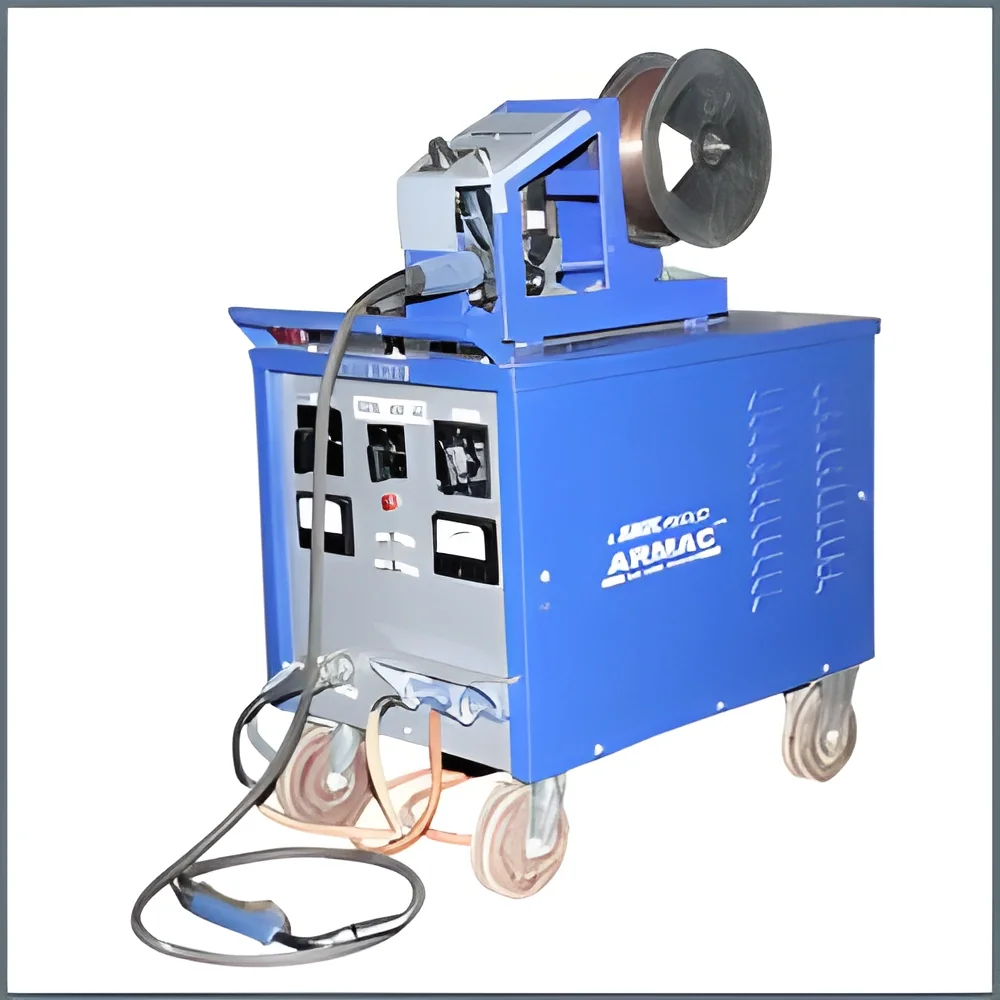
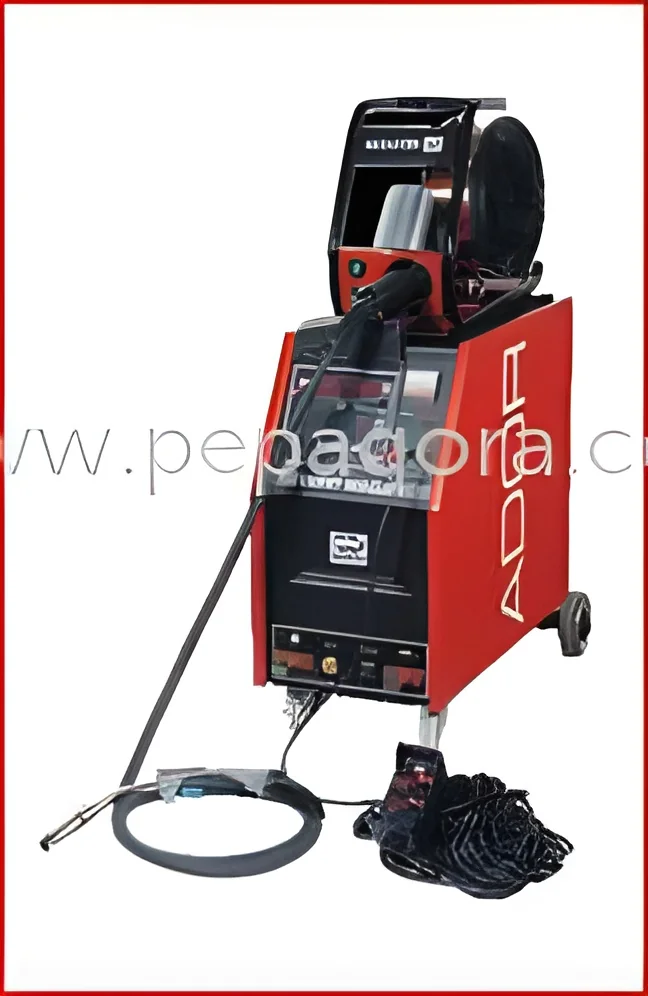
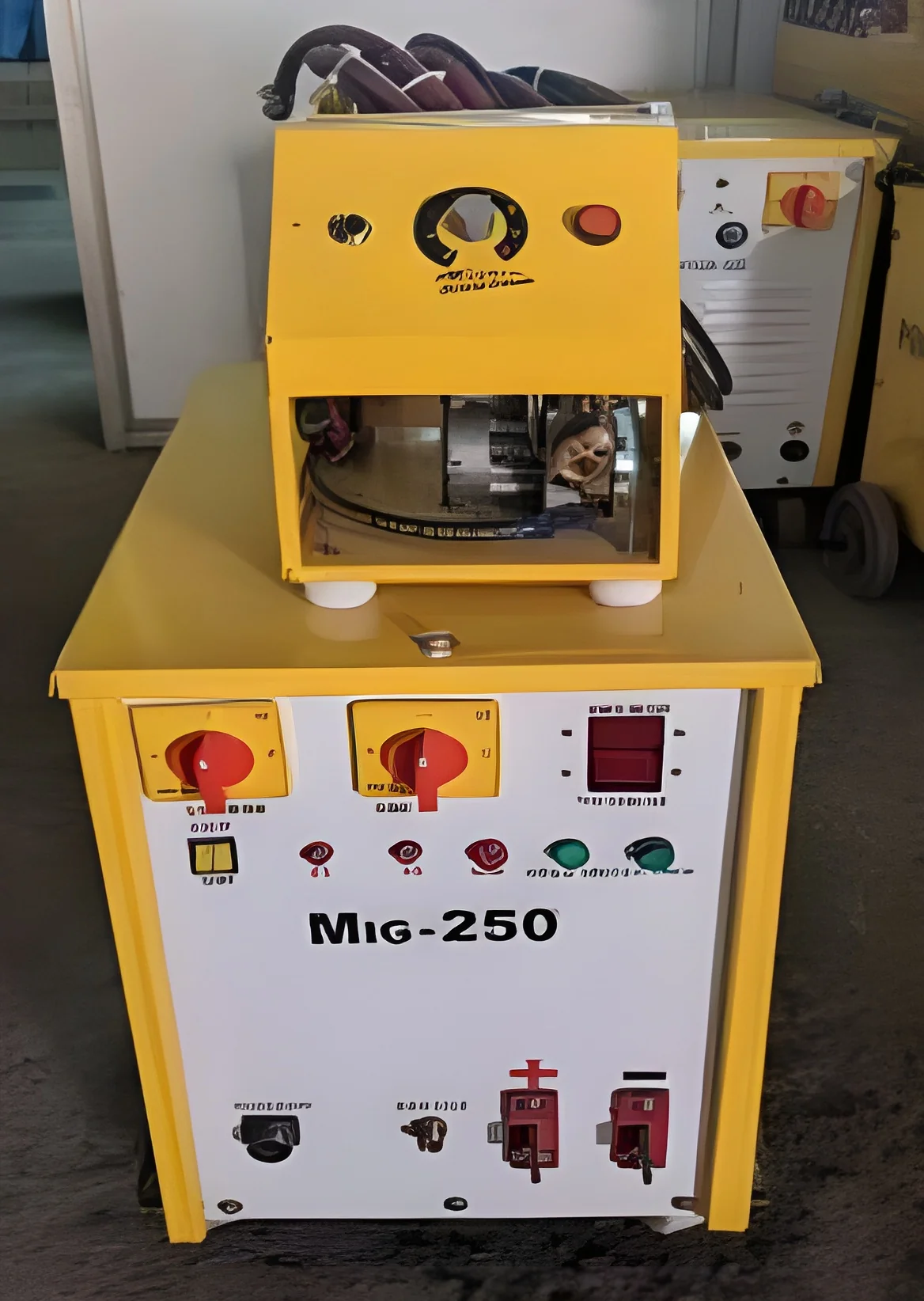
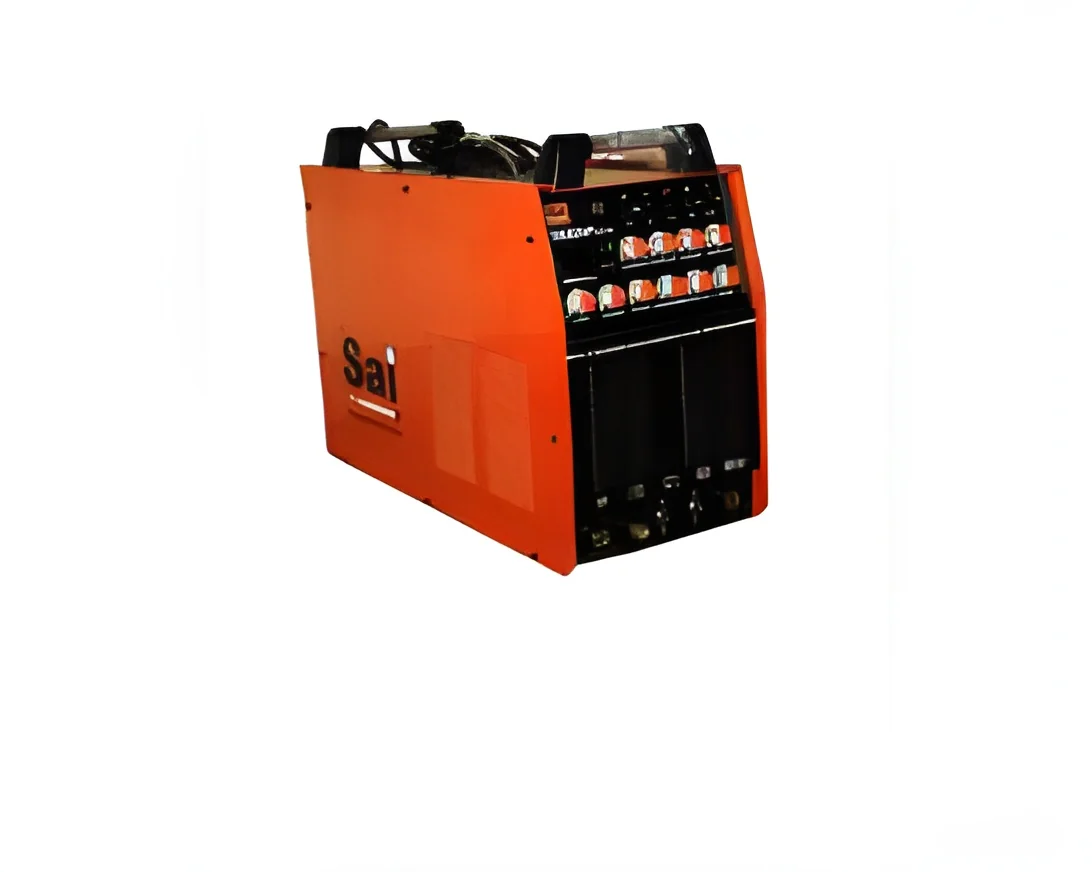
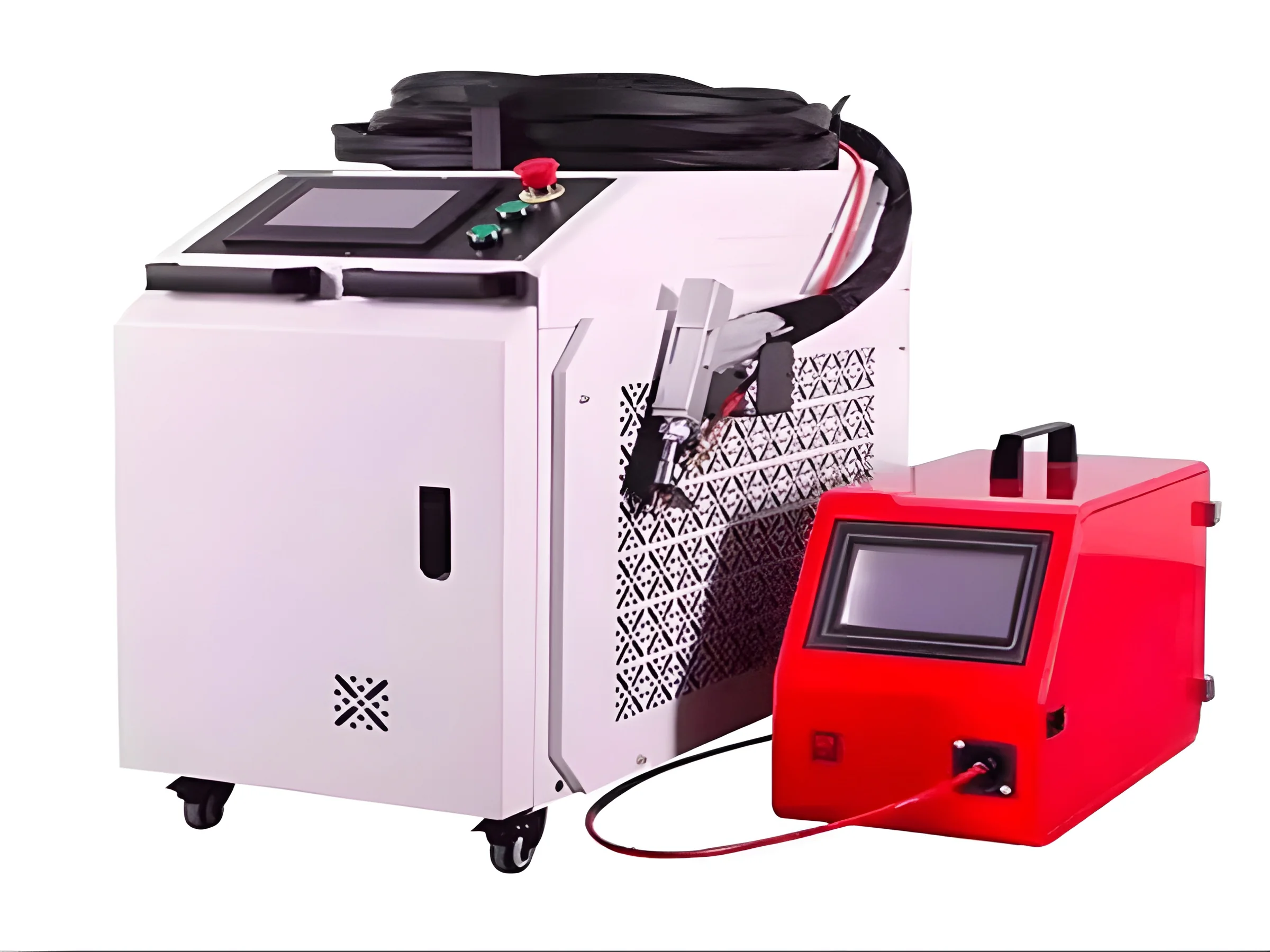
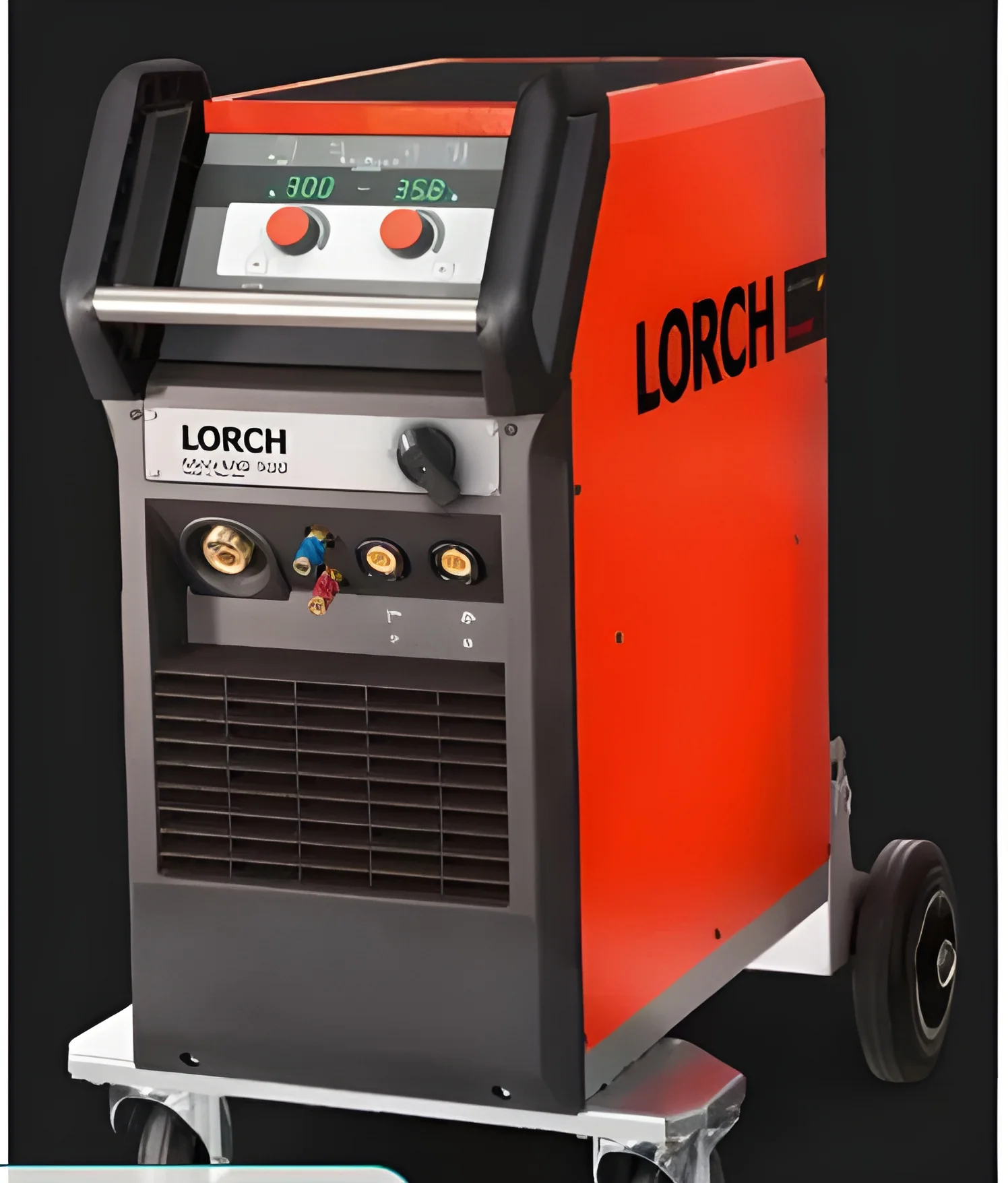
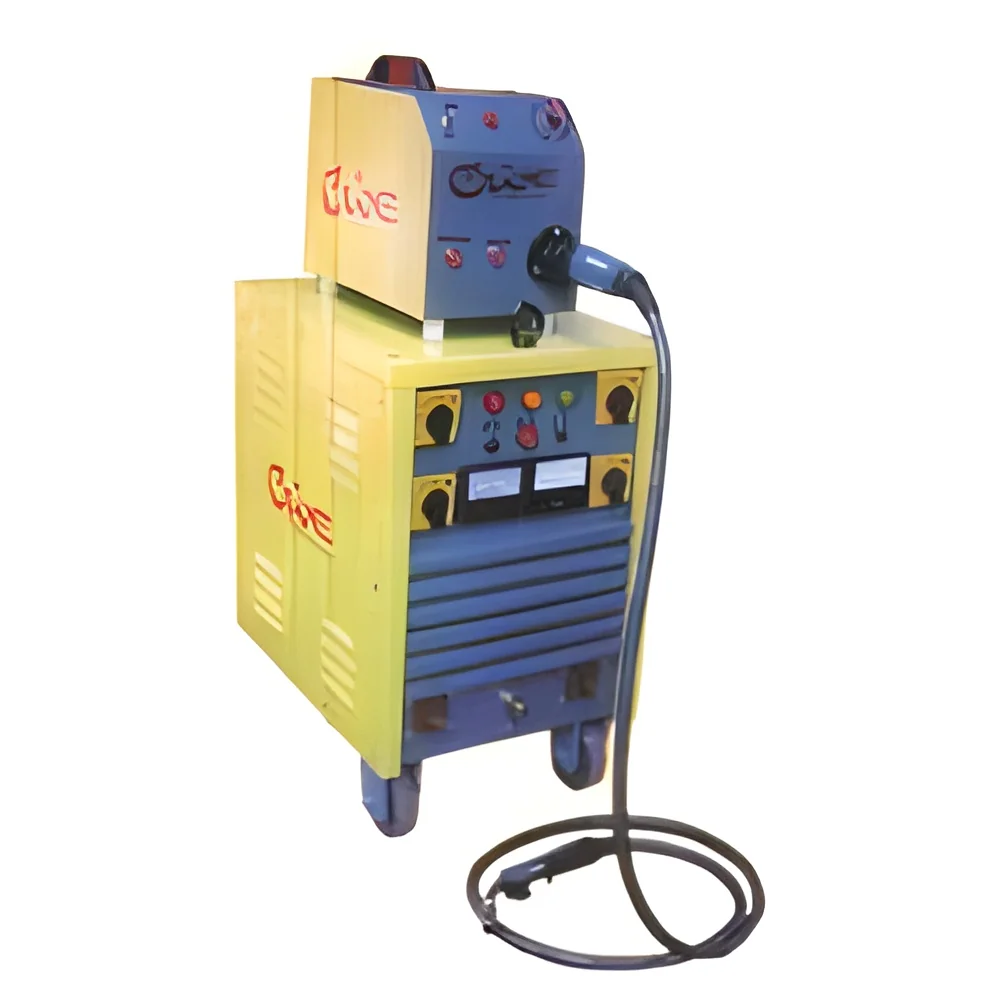
What are Synergic MIG Welders?
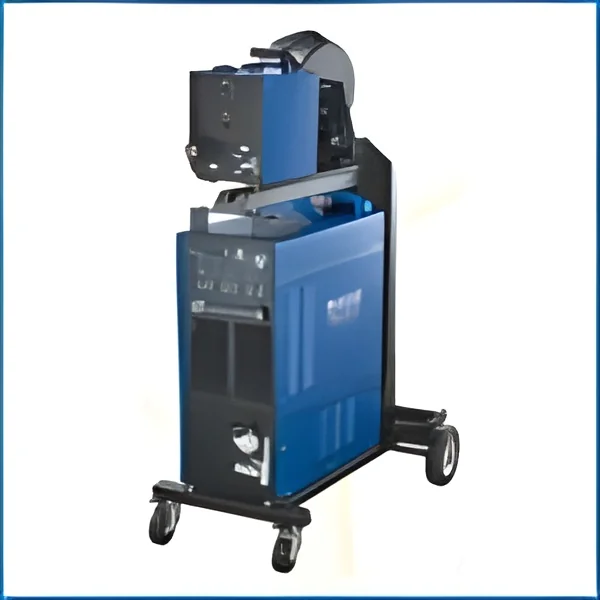
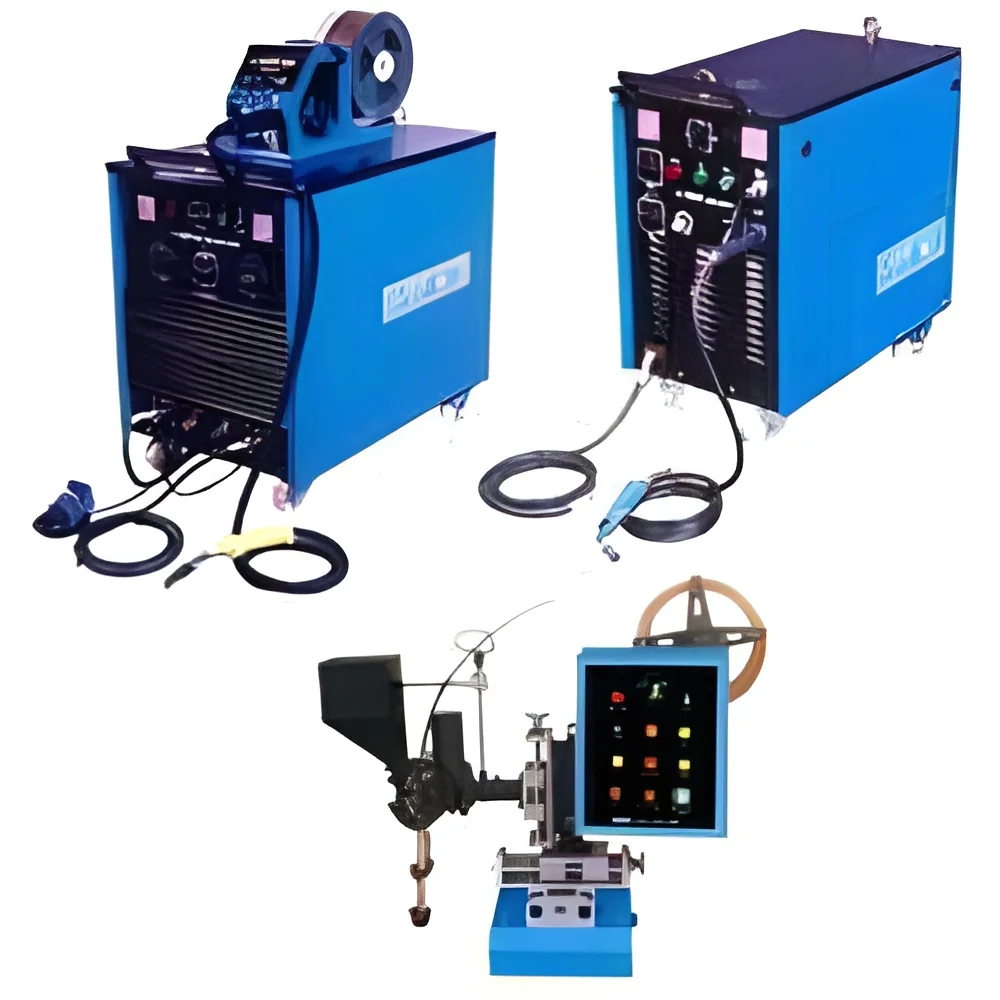
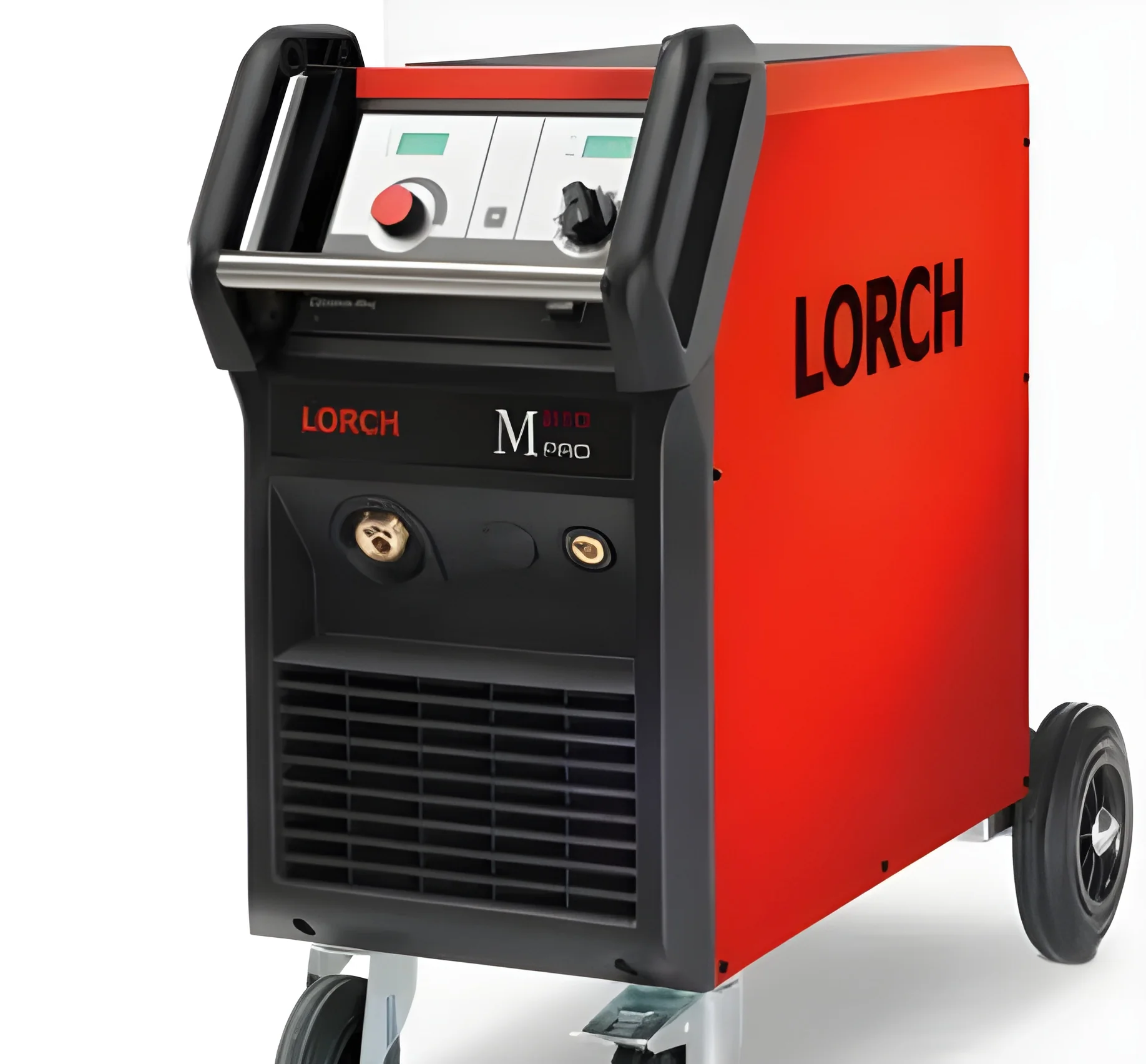
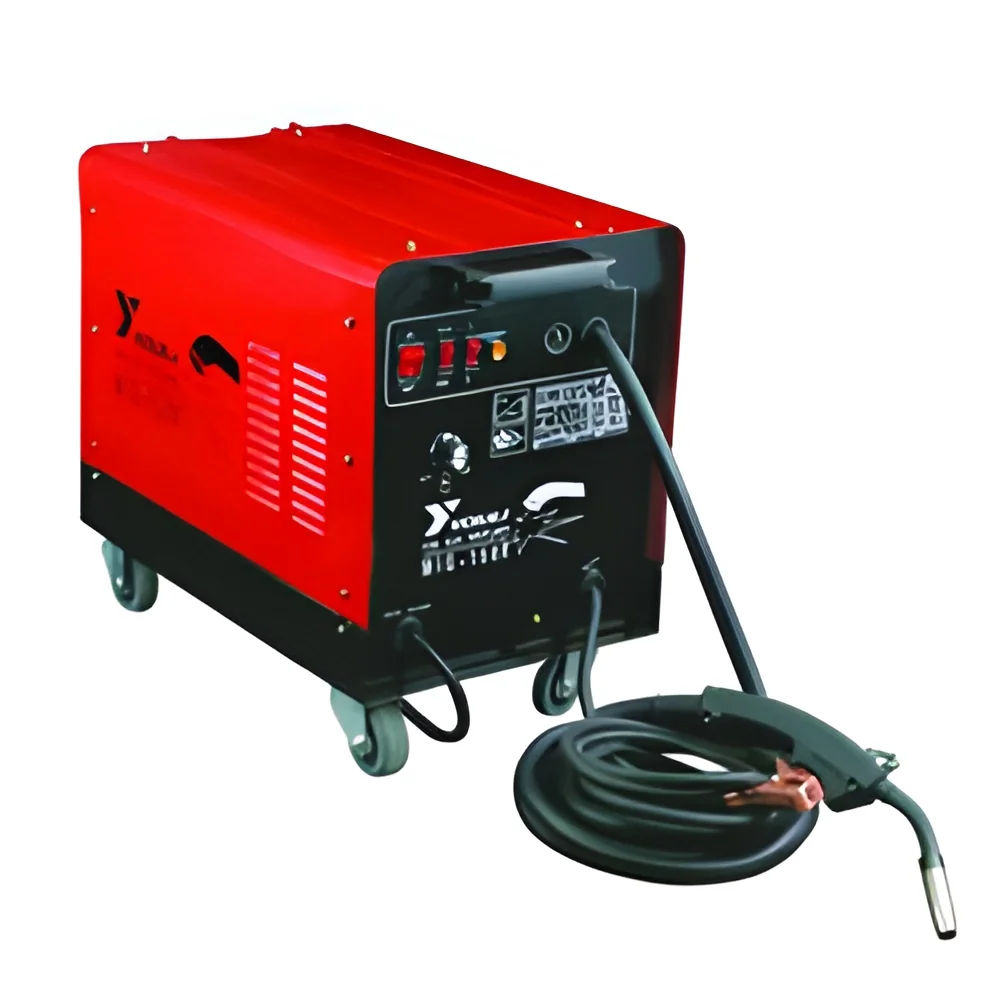
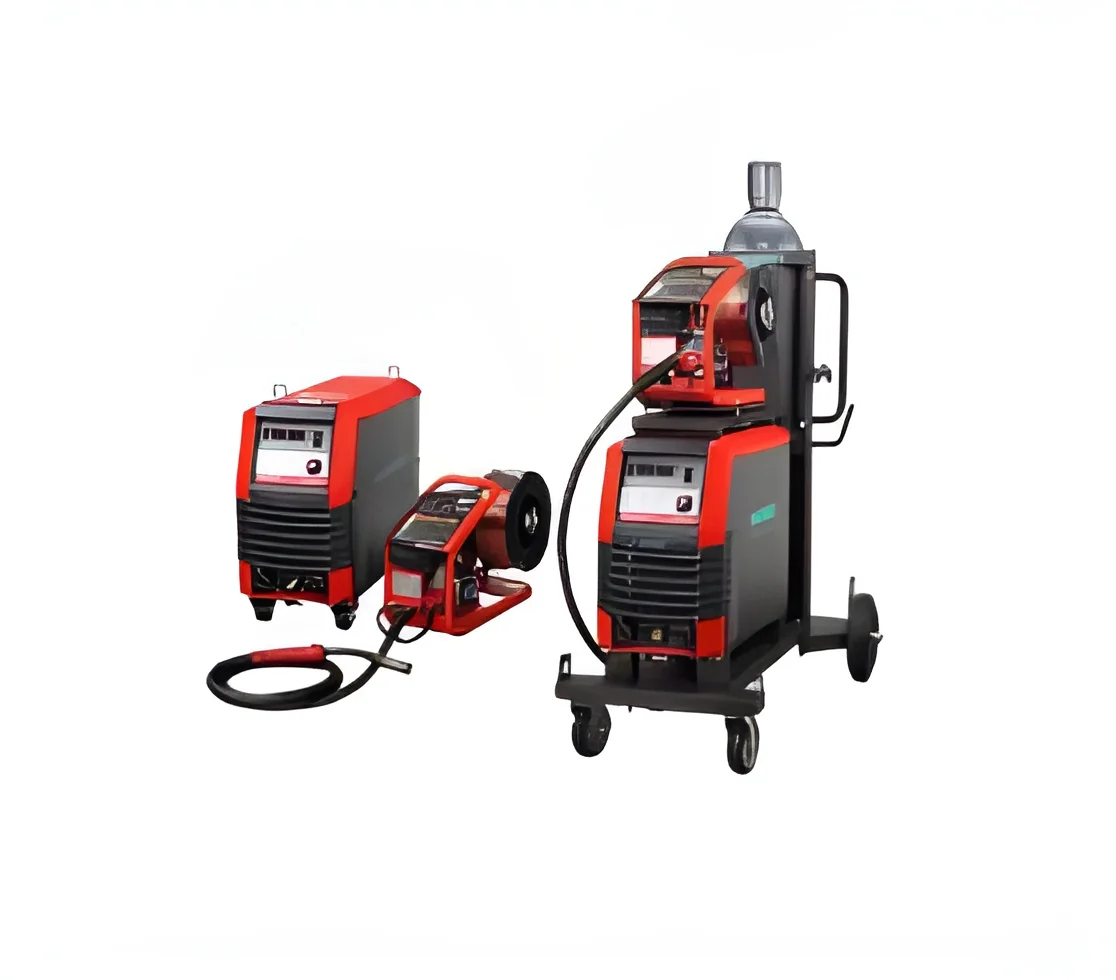
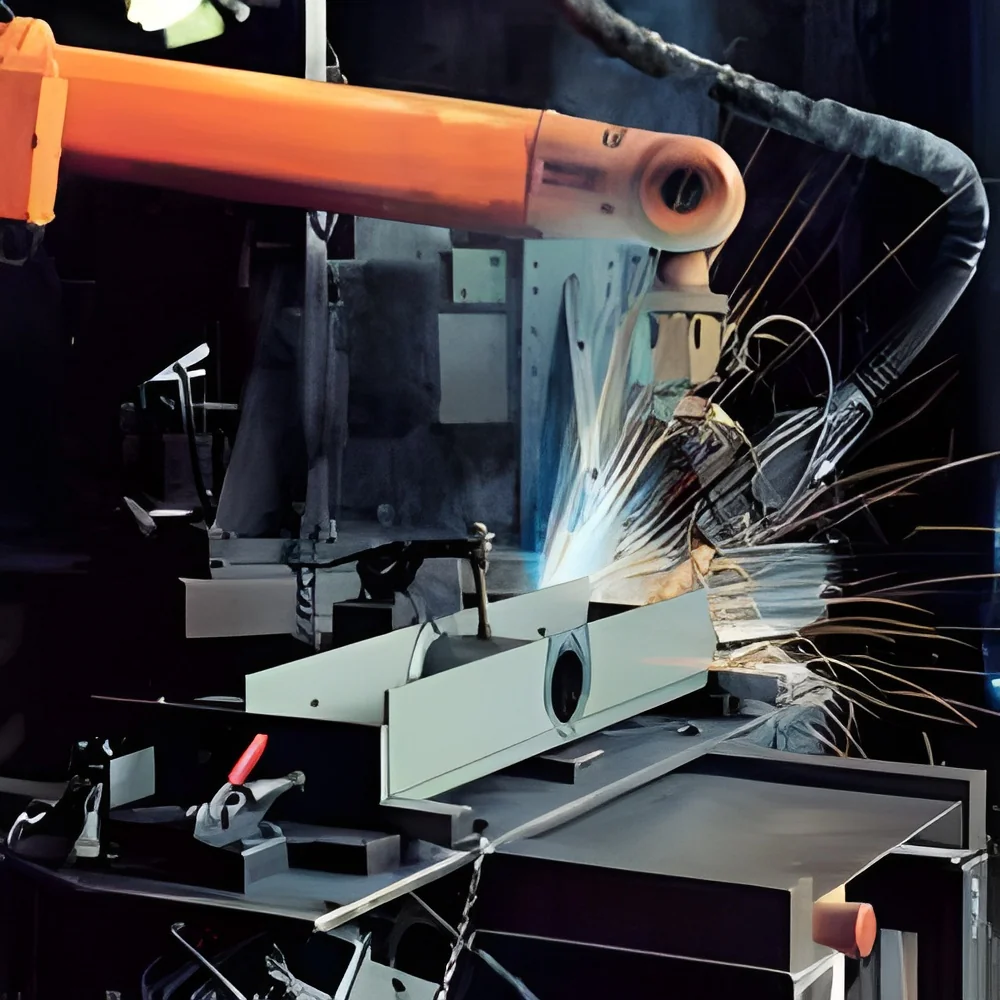
Synergic MIG welders are advanced welding machines designed to optimize the MIG (Metal Inert Gas) welding process by automatically adjusting parameters based on the material being welded. These welders integrate technology that allows users to achieve consistent weld quality without extensive manual adjustments. By taking into account factors such as wire diameter, material thickness, and gas type, synergic MIG welders provide a more streamlined and user-friendly welding experience.
These machines are commonly used in various industrial applications, including automotive manufacturing, metal fabrication, and construction. They are particularly beneficial for businesses that require high productivity and precision in their welding processes. With their ability to adapt to different welding conditions automatically, synergic MIG welders are ideal for both novice and experienced welders looking to improve efficiency and reduce waste.
In the current market context, the demand for synergic MIG welders is on the rise due to their versatility and ease of use. Many industries are prioritizing automation and technology integration to enhance operational efficiency, making these welders a valuable asset. As companies seek to improve their welding capabilities, the relevance of synergic MIG welders continues to grow, positioning them as a preferred choice for a wide range of applications.
Key Features and Specifications
Synergic MIG welders come equipped with several key features that enhance their performance and usability. These features are designed to cater to the diverse needs of industries and improve the overall welding experience. Understanding these specifications is crucial when selecting the right equipment for your business.
Key specifications include:
1. Automatic Parameter Adjustment
- This feature allows the welder to automatically set voltage and wire feed speed based on selected materials.
- Ensures optimal weld quality with minimal manual intervention.
2. User-Friendly Interface
- Many models include digital displays and intuitive controls for easy operation.
- Reduces the learning curve for new operators.
3. Versatile Welding Modes
- Synergic MIG welders often offer multiple welding modes, including standard MIG, pulsed MIG, and synergic modes.
- Adaptable for various welding applications.
4. Robust Construction
- Designed for durability, these welders can withstand harsh industrial environments.
- Often include protective features such as thermal overload protection.
5. Compact Design
- Many models are designed to be portable and easy to transport.
- Ideal for use in confined spaces or on job sites.
6. High Duty Cycle
- Allows for extended use without overheating.
- Suitable for heavy-duty applications.
7. CE Certification
- Ensures compliance with European safety and quality standards.
- Provides assurance of product reliability.
8. Compatibility with Various Materials
- Capable of welding different materials, including steel, stainless steel, and aluminum.
- Increases versatility for different welding projects.
In summary, the combination of these features makes synergic MIG welders a popular choice for businesses looking to enhance their welding capabilities and efficiency.
Common Applications and Use Cases
Synergic MIG welders serve various industries, providing solutions for a multitude of applications.
1. Automotive Manufacturing: These welders are used for assembling vehicle components, ensuring strong and reliable welds in chassis and bodywork.
2. Metal Fabrication: They play a critical role in fabricating metal structures and components, allowing for precision welding in custom projects.
3. Construction: In construction, synergic MIG welders are utilized for welding steel beams and other structural elements, contributing to the integrity of buildings.
4. Aerospace: Aerospace manufacturers rely on these welders for high-quality welds in aircraft components, where precision is paramount.
5. Shipbuilding: The maritime industry uses synergic MIG welders for constructing and repairing ships, ensuring durability and strength in welds subject to harsh environments.
6. Maintenance and Repair: Businesses in repair industries employ these welders for quick and effective repairs on metal equipment and structures.
7. HVAC: In heating, ventilation, and air conditioning, these welders are used for fabricating and repairing ducts and piping systems.
Product Variants and Subcategories
Synergic MIG welders come in various models, each designed to meet specific needs and preferences in industrial applications.
Model 1: Compact MIG Welder
This variant is designed for portability and ease of use in small workshops or job sites. It features a lightweight design and a user-friendly interface, making it ideal for beginners or mobile welding tasks.
Model 2: Industrial MIG Welder
This model is built for heavy-duty applications, featuring a higher duty cycle and advanced cooling systems. It is suitable for use in large manufacturing settings where continuous operation is required.
Model 3: Multi-Process Welder
This versatile machine allows users to perform MIG, TIG, and Stick welding, making it a flexible choice for businesses that require multiple welding processes in one unit.
Model 4: Digital MIG Welder
Equipped with advanced digital controls and displays, this variant offers precise parameter settings and monitoring features. It is ideal for applications requiring high levels of accuracy.
Benefits and Advantages
Investing in synergic MIG welders brings several advantages to businesses looking to enhance their welding operations.
1. Increased Efficiency: Automated adjustments reduce the time spent on setup and calibration, leading to faster production times.
2. Improved Weld Quality: Consistent parameters ensure high-quality welds with fewer defects, which is crucial for meeting industry standards.
3. User-Friendly Operation: Intuitive controls make these welders accessible to operators of all skill levels, reducing the need for extensive training.
4. Versatility: The ability to weld various materials and switch between different modes allows businesses to tackle a wide range of projects.
5. Cost-Effectiveness: Reduced waste and increased productivity contribute to lower operational costs over time.
6. Enhanced Safety Features: Many models include built-in safety mechanisms that protect operators and equipment, ensuring a safer working environment.
Buying Guide for B2B Buyers
When sourcing synergic MIG welders, several factors should be considered to ensure a wise investment.
1. Quality Assessment: Evaluate the build quality and reliability of the welder. Look for models with positive reviews and industry certifications that ensure durability.
2. Supplier Verification: Vet suppliers thoroughly before making a purchase. Check for their reputation, reliability, and the quality of their after-sales support.
3. Pricing and MOQ: Understand the pricing structure and minimum order quantities. This helps in budgeting and ensures you are getting a fair deal.
4. Delivery and Lead Times: Consider the logistics involved in sourcing the welder. Ensure that suppliers can meet your delivery timelines to avoid disruptions in your operations.
5. Compliance Requirements: Be aware of any regulatory standards that the welders must meet in your region. This may include safety certifications and quality assurance protocols.
Compliance and Certifications
Compliance and certifications are critical aspects of synergic MIG welders, ensuring they meet necessary quality and safety standards.
Many manufacturers adhere to the ISO 9001 quality management standard, which outlines requirements for a quality management system. This certification signifies that the manufacturer maintains a consistent level of quality in their production processes.
In addition, CE certification is often required for products sold in European markets, indicating compliance with health, safety, and environmental protection standards. This certification provides assurance of the product's reliability and performance.
Safety and testing requirements are also essential. Welding equipment must undergo rigorous testing to ensure it meets industry standards for safety and performance. This includes checks for electrical safety, thermal performance, and operational reliability.
Regional compliance considerations may vary, so it is vital for buyers to familiarize themselves with local regulations and ensure that the welders they purchase meet these requirements.
Why Source Synergic MIG Welders from Pepagora?
Pepagora provides a trusted platform for sourcing synergic MIG welders, offering several key advantages that benefit B2B buyers.
Verified Supplier Network: Pepagora connects buyers with a network of verified suppliers, ensuring that all listed products meet high standards of quality and reliability. This verification process minimizes the risks associated with sourcing equipment.
Streamlined RFQ Process: The platform features a streamlined Request for Quotation (RFQ) process that simplifies the procurement of synergic MIG welders. Buyers can easily request quotes from multiple suppliers, facilitating competitive pricing.
Trade Assurance and Support: Buyers benefit from trade assurance programs that provide protection during transactions. This support ensures a secure purchasing experience and builds trust between buyers and suppliers.
Regional Coverage: Pepagora's geographic reach spans India, the GCC, and Southeast Asia, ensuring that businesses in these regions have access to a wide range of synergic MIG welders. This regional focus allows for better support and quicker logistics, enhancing the overall procurement experience.

 IN
IN