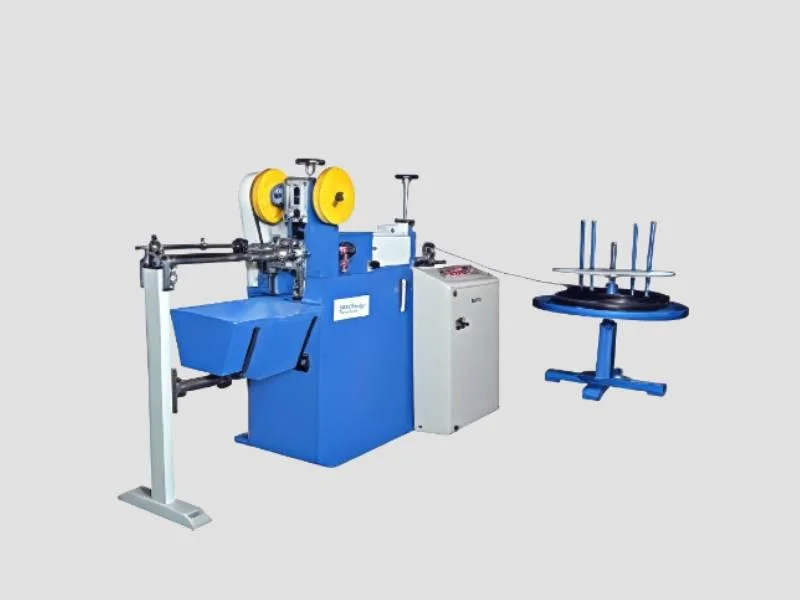
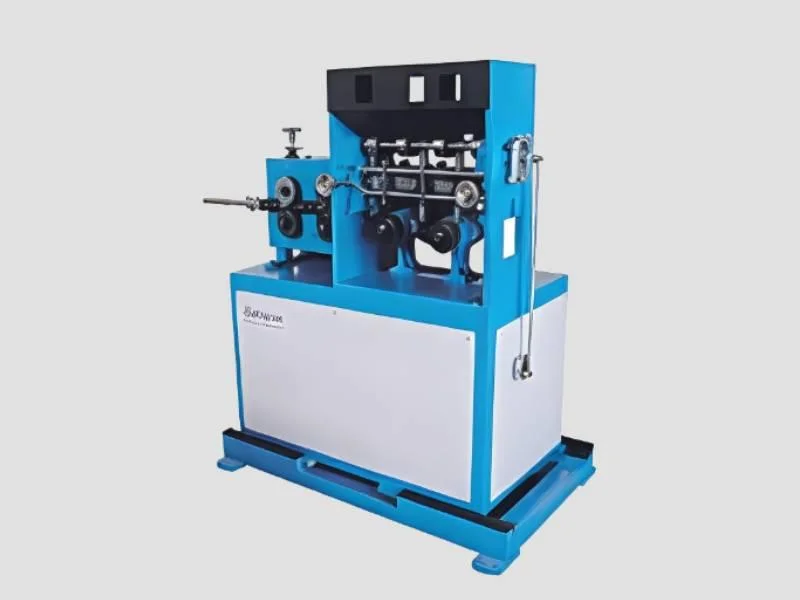
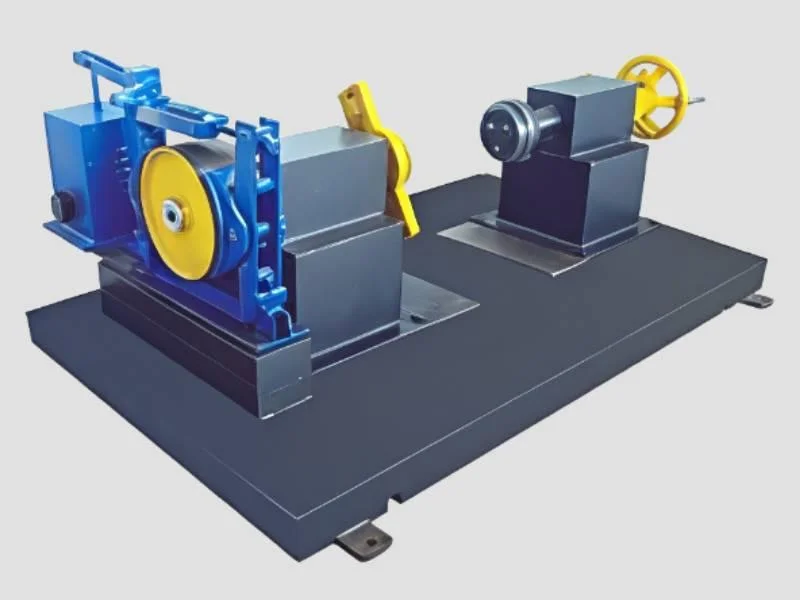
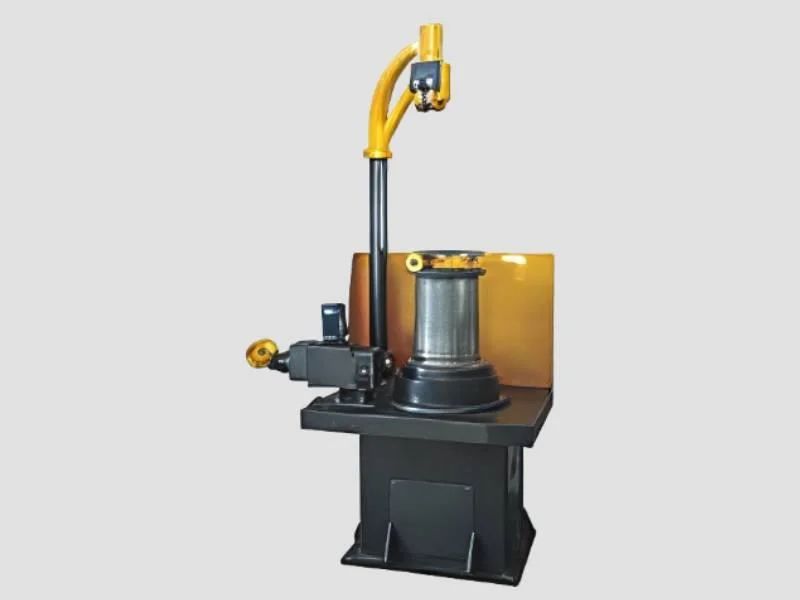
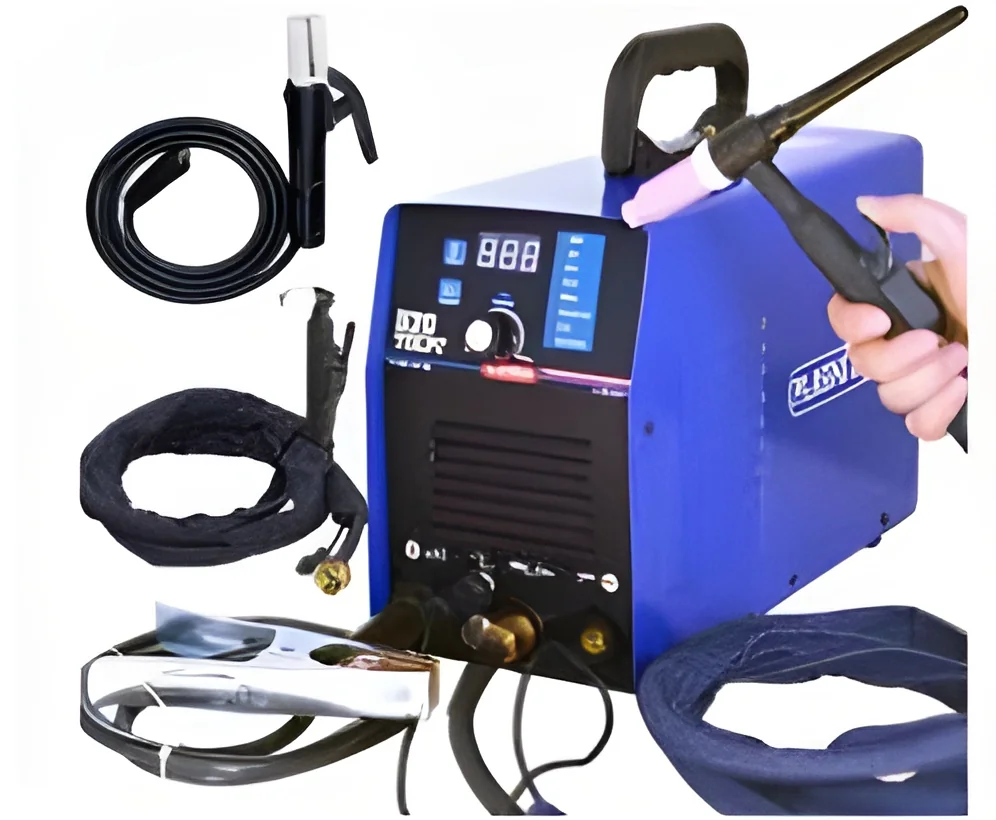
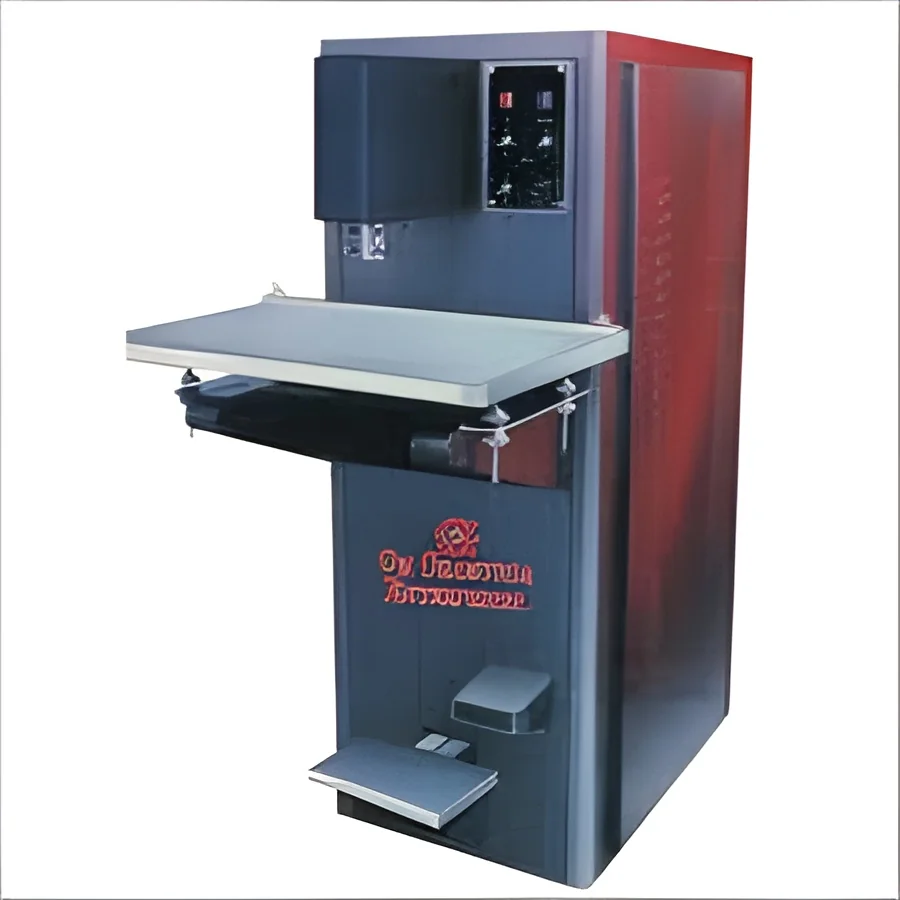
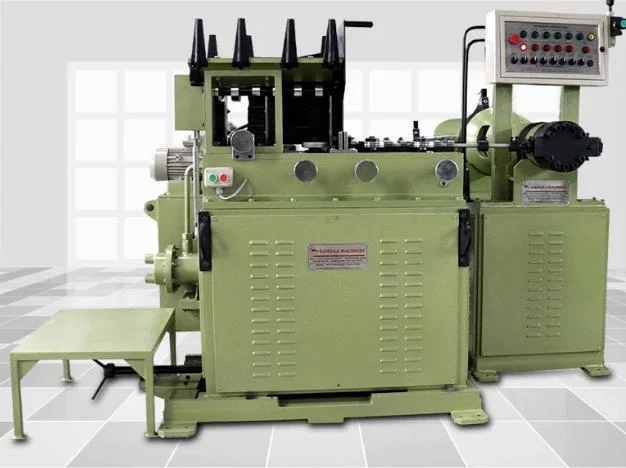
What are CNC Welding Automation?
CNC Welding Automation refers to the use of computer numerical control technology in the welding process. This technology enables precise control over welding operations, enhancing the accuracy and efficiency of the welding tasks. CNC systems automate various aspects of welding, from programming and execution to monitoring and quality control. This results in a more consistent product and reduced human error, making it a vital component in modern manufacturing environments.
The primary uses of CNC Welding Automation include the fabrication of metal components across various industries, including automotive, aerospace, and construction. Businesses leverage this technology to increase production rates while maintaining high-quality standards. The automation of welding processes allows for complex geometries and designs to be produced quickly and efficiently, which is essential in today's fast-paced industrial landscape.
Given its effectiveness, CNC Welding Automation holds significant relevance in the manufacturing sector. As industries continue to demand higher productivity and quality, the market for CNC welding solutions is expected to grow. Companies that adopt this technology are likely to gain a competitive edge by enhancing their operational capabilities and reducing costs.
Key Features and Specifications
CNC Welding Automation systems come equipped with several advanced features that enhance performance and usability. These systems are designed to meet the diverse needs of various industries while ensuring that they adhere to quality standards.
Key specifications include:
1. Control System
- Microprocessor-based control for precise operation
- Interface options for easy programming and monitoring
2. Welding Types
- Compatibility with various welding processes such as MIG, TIG, and arc welding
- Ability to switch between processes for versatility
3. Welding Speed
- Adjustable welding speed settings
- Typical ranges from 1 to 10 meters per minute
4. Material Compatibility
- Supports a wide range of materials including steel, aluminum, and stainless steel
- Capability to handle different thicknesses of materials
5. Programming Features
- User-friendly programming interface with graphical display
- Supports G-code and other programming languages
6. Safety Features
- Integrated safety mechanisms to prevent accidents
- Emergency stop functions and safety interlocks
7. Size and Weight
- Compact designs suitable for various workspace configurations
- Weight typically ranging from 200 kg to 1000 kg depending on the model
8. Energy Efficiency
- Designed to minimize energy consumption
- Features like standby modes when not in operation
In summary, CNC Welding Automation systems combine advanced technology with user-friendly features to deliver high-quality welding solutions across various industries.
Common Applications and Use Cases
CNC Welding Automation finds applications in numerous industries, each benefiting from its efficiency and precision.
1. Automotive Industry: In the automotive sector, CNC welding is used for the assembly of metal frames and body parts. The automation ensures consistent weld quality and reduces production time.
2. Aerospace Industry: Aerospace manufacturers utilize CNC welding for crafting lightweight yet strong components. The precision of automated welding is critical for meeting safety and performance standards.
3. Construction Industry: In construction, CNC welding is employed for fabricating steel structures and components. Automated systems streamline the production process, ensuring structural integrity.
4. Shipbuilding Industry: CNC welding is essential in shipbuilding for creating intricate hull designs and large structural elements. The automation speeds up the build process while maintaining quality.
5. Heavy Machinery: Manufacturers of heavy machinery rely on CNC welding for assembling equipment parts. The automation allows for complex shapes and robust welds suited for harsh environments.
6. Energy Sector: In renewable energy, particularly in solar panel and wind turbine manufacturing, CNC welding is used for assembling various components efficiently.
7. Consumer Electronics: The consumer electronics industry employs CNC welding for precision assembly of metal casings and internal components, ensuring high-quality performance.
Product Variants and Subcategories
CNC Welding Automation systems come in diverse variants, each catering to specific industrial needs.
Compact CNC Welding System: This variant is designed for small-scale operations and workshops. It offers mobility and versatility, making it suitable for various welding tasks without compromising on performance.
Robotic Welding Cells: These systems integrate robotic arms with CNC technology for high-speed welding applications. They are ideal for large-scale production environments where speed and accuracy are paramount.
High-Precision CNC Welders: Focused on industries requiring meticulous detail, these machines offer advanced programming features and fine-tuning capabilities. They are perfect for applications in aerospace and medical device manufacturing.
Portable CNC Welding Units: Designed for fieldwork, these units offer mobility and ease of use. They are ideal for onsite welding tasks in construction and repair operations.
Benefits and Advantages
Utilizing CNC Welding Automation brings numerous advantages to businesses.
1. Increased Efficiency: Automated systems significantly reduce welding time, allowing for higher production rates.
2. Consistent Quality: CNC technology ensures uniform welds, minimizing defects and rework.
3. Reduced Labor Costs: The automation of welding processes reduces the need for manual labor, leading to cost savings.
4. Enhanced Flexibility: CNC systems can be programmed for various tasks, allowing for quick adaptations to changing product designs.
5. Improved Safety: Automation reduces the risk of accidents associated with manual welding, creating a safer work environment.
6. Precision and Accuracy: CNC welding allows for precise control over welding parameters, resulting in high-quality outputs that meet strict tolerances.
Buying Guide for B2B Buyers
When sourcing CNC Welding Automation, several crucial factors should be considered to ensure an optimal purchase.
1. Quality Assessment: Evaluate the quality of the CNC systems based on industry standards. Look for machines that have been tested for durability and reliability.
2. Supplier Verification: Conduct thorough research on potential suppliers. Verify their credentials, customer reviews, and their track record in the industry.
3. Pricing and MOQ: Understand the price range for CNC Welding Automation and the minimum order quantities required. This helps in budgeting and planning purchases effectively.
4. Delivery and Lead Times: Assess the logistics involved in getting the equipment to your facility. Inquire about lead times and the supplier's ability to meet deadlines.
5. Compliance Requirements: Ensure that the equipment meets necessary regulatory standards and certifications relevant to your industry. This is crucial for avoiding legal issues and ensuring safety.
Compliance and Certifications
CNC Welding Automation must adhere to various industry standards and certifications to ensure quality and safety.
Relevant quality standards include ISO 9001, which focuses on quality management systems, ensuring that manufacturers meet customer and regulatory requirements consistently. Compliance with HACCP (Hazard Analysis Critical Control Point) may also be relevant in industries where safety is a priority.
Industry certifications such as CE indicate that the equipment meets European safety, health, and environmental protection standards. This certification is especially important for companies looking to expand their market reach in Europe.
Safety and testing requirements are critical. Manufacturers must ensure that their systems undergo rigorous testing to verify performance and safety features. This includes evaluating the machinery's operational limits and safety mechanisms.
Regional compliance considerations may vary based on geographic location. It is essential to be aware of local regulations that could impact the operation and installation of CNC Welding Automation systems.
Why Source CNC Welding Automation from Pepagora?
Pepagora offers a reliable platform for sourcing CNC Welding Automation, providing numerous benefits to buyers.
Verified Supplier Network: The platform connects buyers with a network of verified suppliers. This ensures that businesses can purchase from reputable companies that meet industry standards.
Streamlined RFQ Process: Pepagora features a user-friendly Request for Quotation (RFQ) system, simplifying the process of obtaining quotes from multiple suppliers. This allows buyers to compare options easily.
Trade Assurance and Support: Buyers benefit from trade assurance programs that protect their purchases. Pepagora offers support to resolve any issues that may arise during the sourcing process.
Regional Coverage: With a presence in key markets such as India, the GCC, and Southeast Asia, Pepagora facilitates access to a vast network of suppliers, making it easier for businesses to find the right CNC Welding Automation solutions tailored to their needs.

 IN
IN