
 IN
Welding Machines & Equipment
441 products available
𝗪𝗵𝗮𝘁 𝗮𝗿𝗲 𝗪𝗲𝗹𝗱𝗶𝗻𝗴 𝗠𝗮𝗰𝗵𝗶𝗻𝗲𝘀 & 𝗘𝗾𝘂𝗶𝗽𝗺𝗲𝗻𝘁?
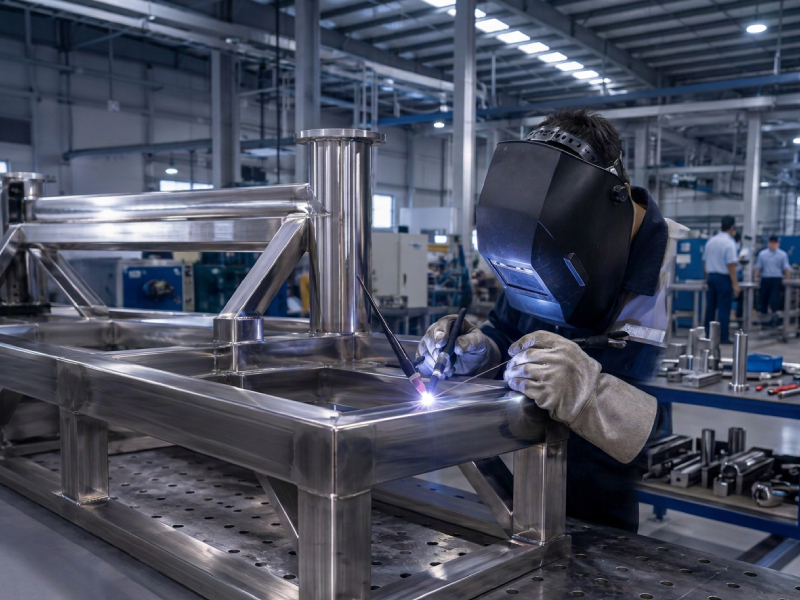
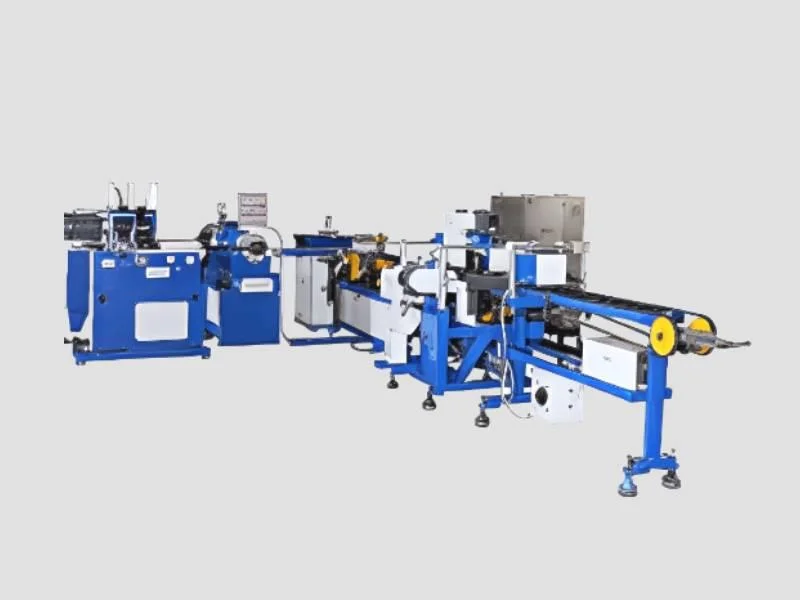
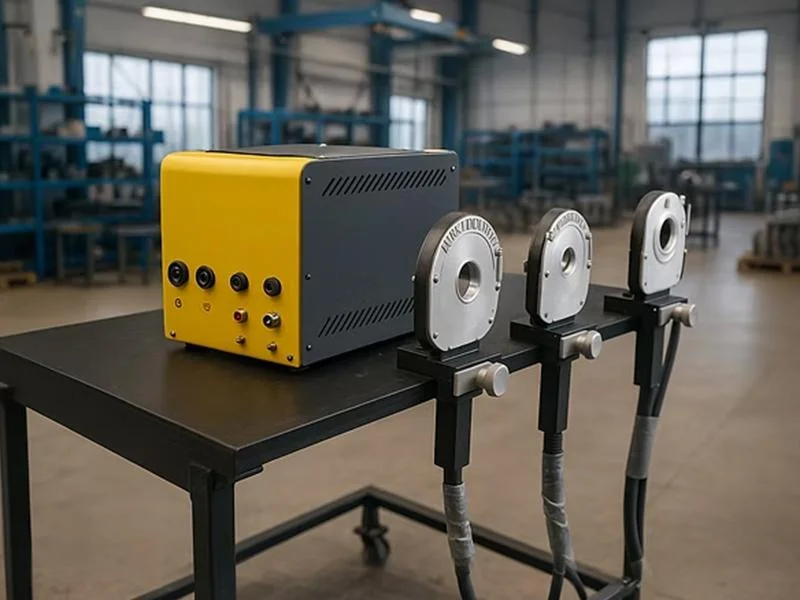
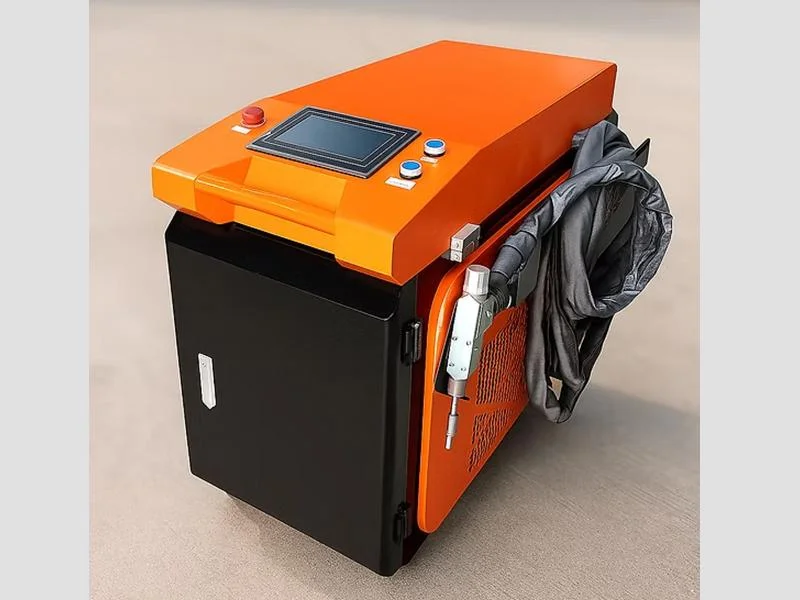
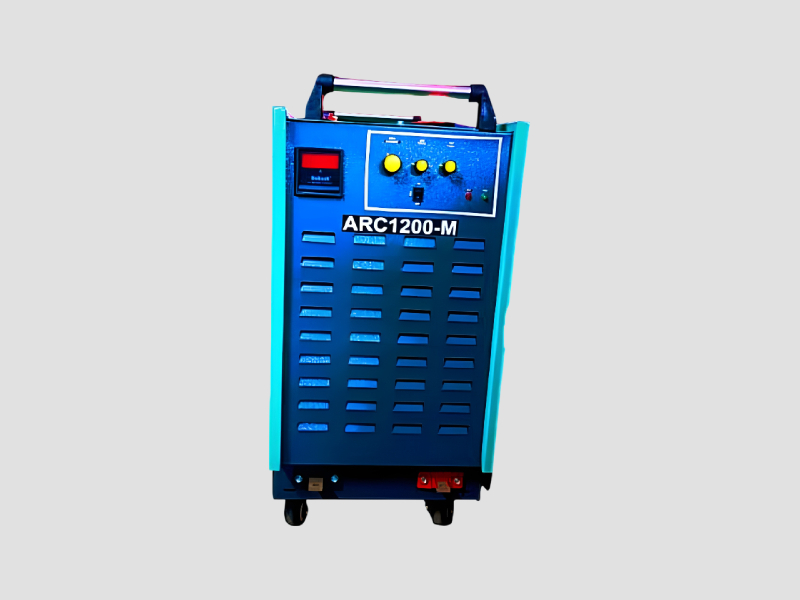
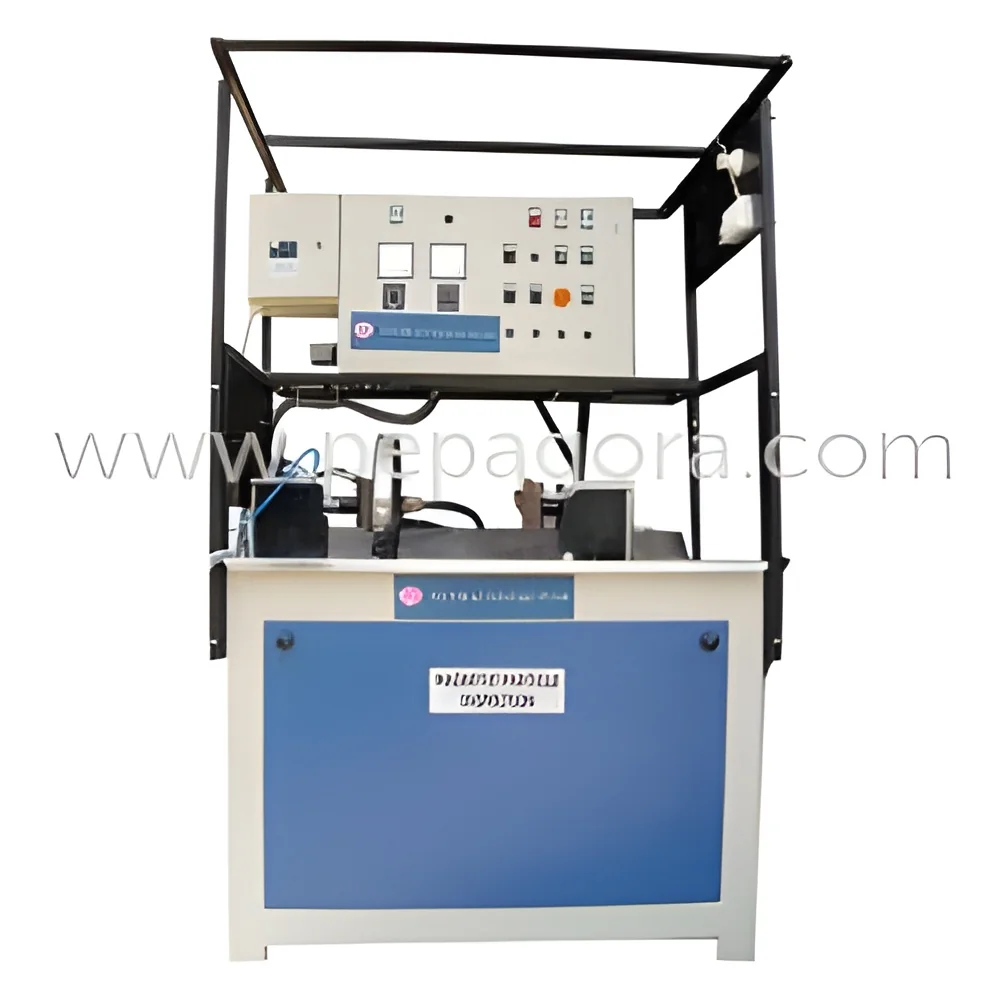
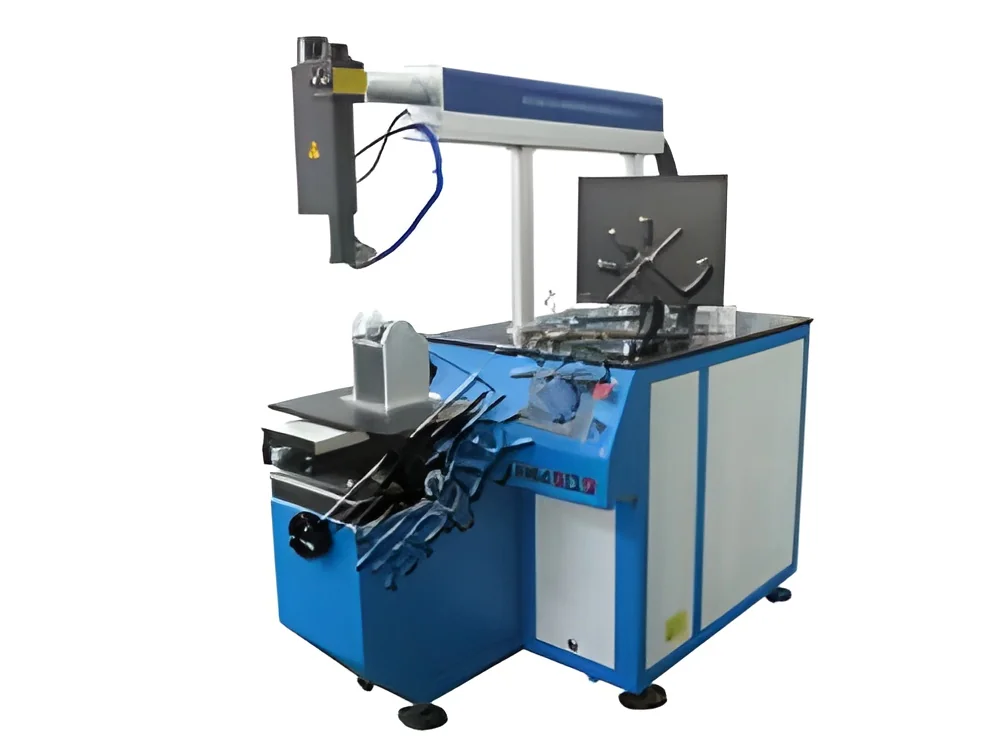
Welding machines and equipment are essential tools used in various industrial processes to join materials, typically metals, through the application of heat, pressure, or both. These machines vary in technology, including arc welding, MIG (Metal Inert Gas) welding, TIG (Tungsten Inert Gas) welding, and resistance welding. Each type of welding machine is designed for specific tasks and applications, ensuring that industries can achieve strong, durable joints in a wide range of materials.
These machines are primarily used in manufacturing, construction, automotive, and repair services. Businesses use welding equipment for multiple applications such as fabricating metal structures, repairing machinery, and creating components for various products. The demand for welding machines is closely tied to the growth of the manufacturing sector, which drives innovations in welding technology to improve efficiency, safety, and quality.
The welding equipment market is significant and continuously evolving, with advancements in automation and digital integration. As industries focus on automation and precision, the relevance of high-quality welding machines becomes increasingly apparent. Companies seek reliable equipment that can enhance productivity while ensuring compliance with industry standards.
𝗞𝗲𝘆 𝗙𝗲𝗮𝘁𝘂𝗿𝗲𝘀 𝗮𝗻𝗱 𝗦𝗽𝗲𝗰𝗶𝗳𝗶𝗰𝗮𝘁𝗶𝗼𝗻𝘀
Welding machines come with various features designed to improve performance, safety, and usability. Understanding these specifications helps buyers select the right equipment for their needs.
Key specifications include:
1. Welding Process Type
- Various processes include MIG, TIG, Stick, and Flux-Cored
- Each is suited for specific welding tasks and materials
2. Power Source
- Options include AC and DC power supplies
- Determines compatibility with different welding processes
3. Output Current Range
- Usually measured in amperes (A)
- Typical ranges vary by machine type, influencing welding thickness capabilities
4. Duty Cycle
- Percentage of time a machine can operate within a given period
- Crucial for understanding how long a machine can run without overheating
5. Weight and Portability
- Machines can vary from lightweight, portable units to heavy-duty stationary ones
- Affects ease of transport and setup in job sites
6. Safety Features
- Includes thermal overload protection and automatic shutdown
- Enhances user safety during operation
7. Voltage Input
- Common input voltages include 120V, 230V, and 400V
- Important for compatibility with power sources
8. Digital Controls and Displays
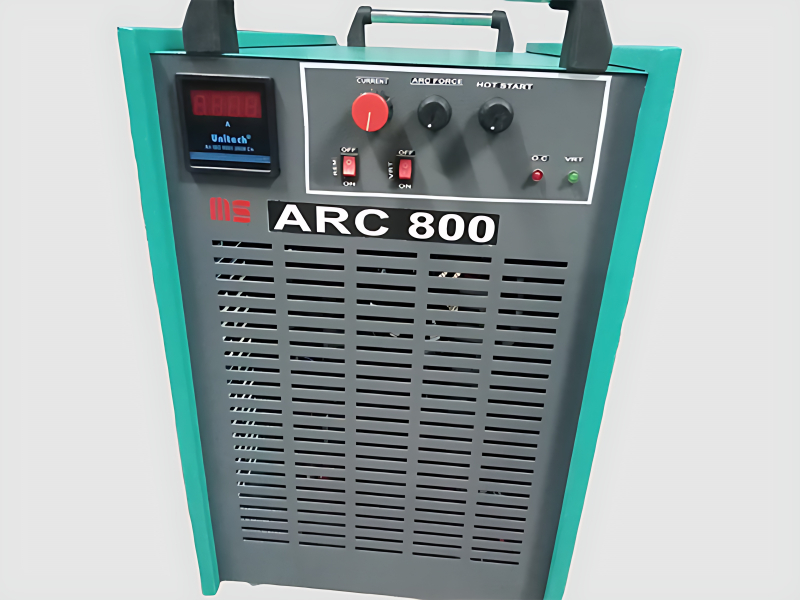
- Many modern machines feature digital interfaces for precise settings
- Facilitates easier operation and monitoring of parameters
In summary, understanding the key features and specifications of welding machines is essential for making informed purchasing decisions. Buyers should assess their specific needs against the capabilities of available machines.
𝗖𝗼𝗺𝗺𝗼𝗻 𝗔𝗽𝗽𝗹𝗶𝗰𝗮𝘁𝗶𝗼𝗻𝘀 𝗮𝗻𝗱 𝗨𝘀𝗲 𝗖𝗮𝘀𝗲𝘀
Welding machines serve various industries, each with unique requirements and applications.
1. Manufacturing: In manufacturing, welding machines are used to assemble metal parts for machinery, equipment, and structures. High precision is essential to ensure product integrity.
2. Construction: Welding is critical in construction for joining steel beams, reinforcing structures, and fabricating components. The strength of welded joints is crucial for safety and durability.
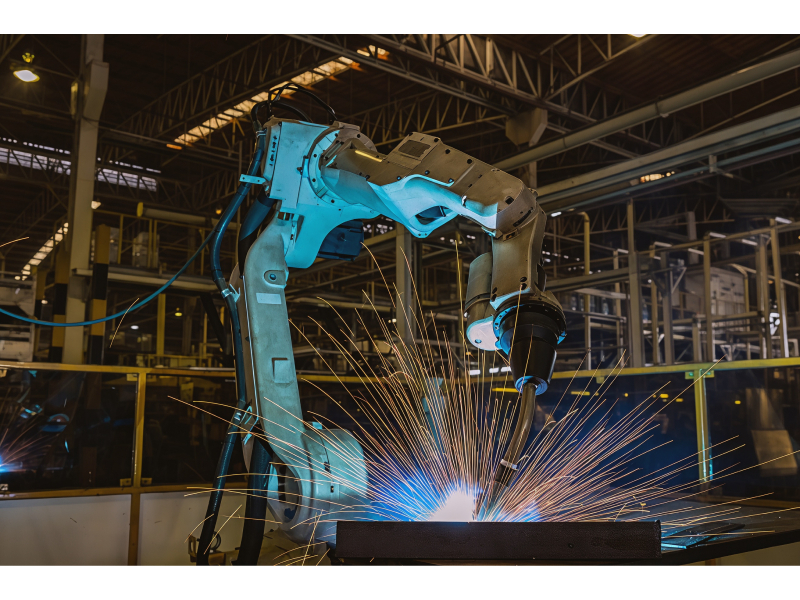
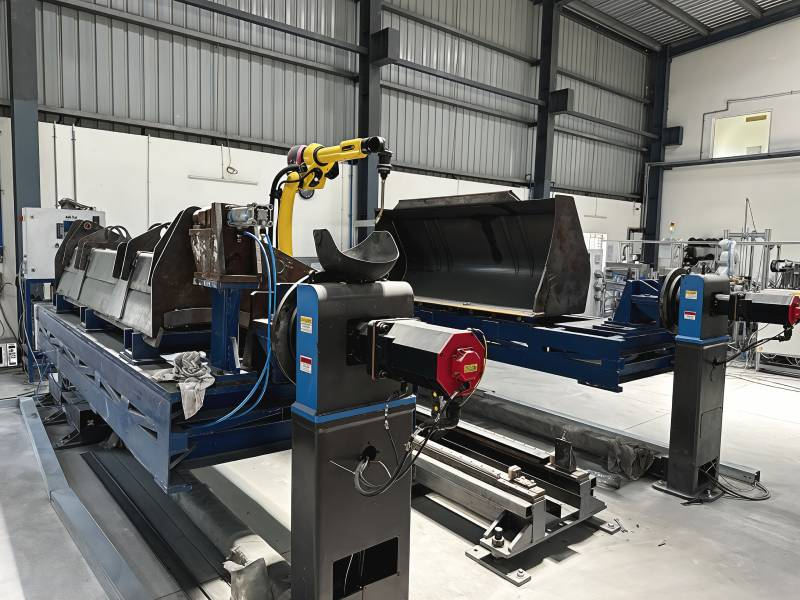
3. Automotive: The automotive industry relies heavily on welding for assembling vehicle frames, body panels, and exhaust systems. Automated welding processes enhance production efficiency.
4. Aerospace: In aerospace, welding ensures that components meet stringent safety and performance standards. Specialized welding techniques are often employed for lightweight materials.
5. Shipbuilding: Welding is fundamental in shipbuilding for constructing hulls and assembling various components. The ability to create strong, water-tight joints is essential.
6. Energy: In the energy sector, welding machines are used for constructing pipelines, wind turbine components, and other critical infrastructure. Reliability and efficiency are paramount.
7. Repair and Maintenance: Many businesses utilize welding machines for repairs. This includes fixing machinery, vehicles, and structural damage in various settings.
𝗣𝗿𝗼𝗱𝘂𝗰𝘁 𝗩𝗮𝗿𝗶𝗮𝗻𝘁𝘀 𝗮𝗻𝗱 𝗦𝘂𝗯𝗰𝗮𝘁𝗲𝗴𝗼𝗿𝗶𝗲𝘀
Welding machines come in diverse variants to cater to different needs and applications in the industry.
MIG Welding Machines
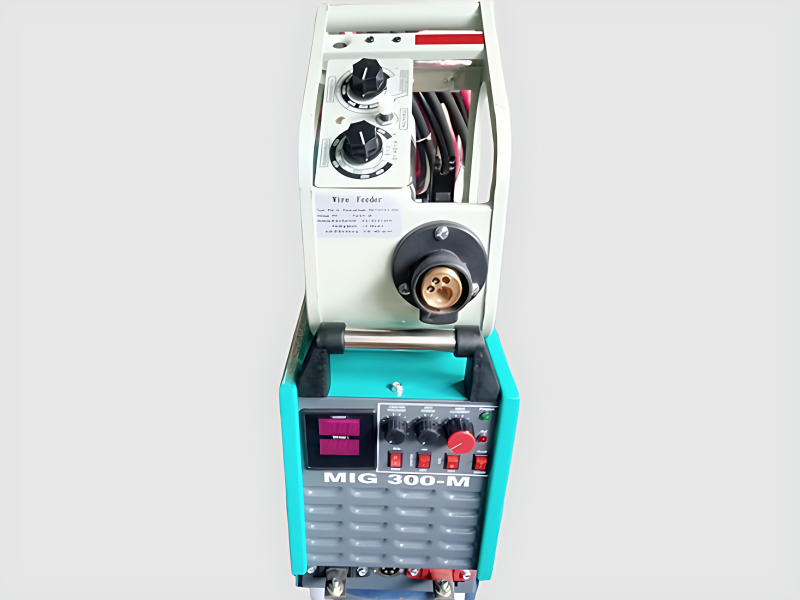
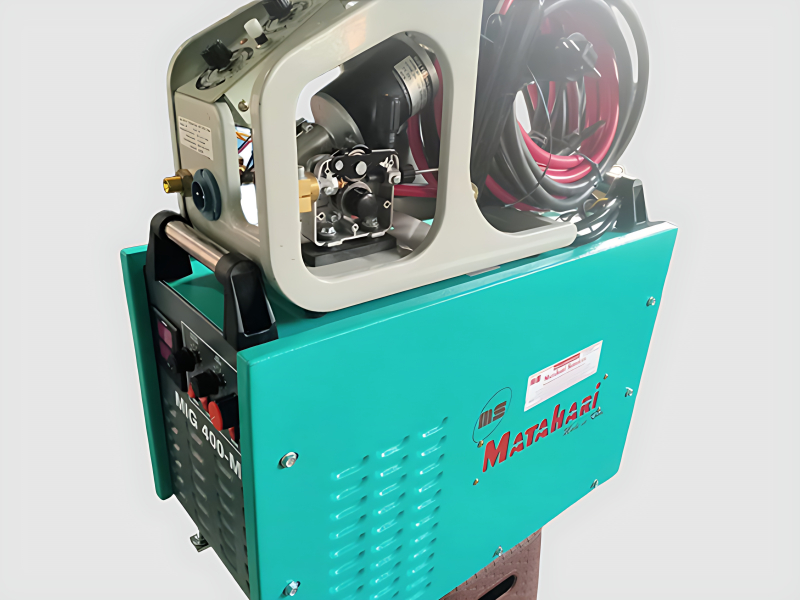
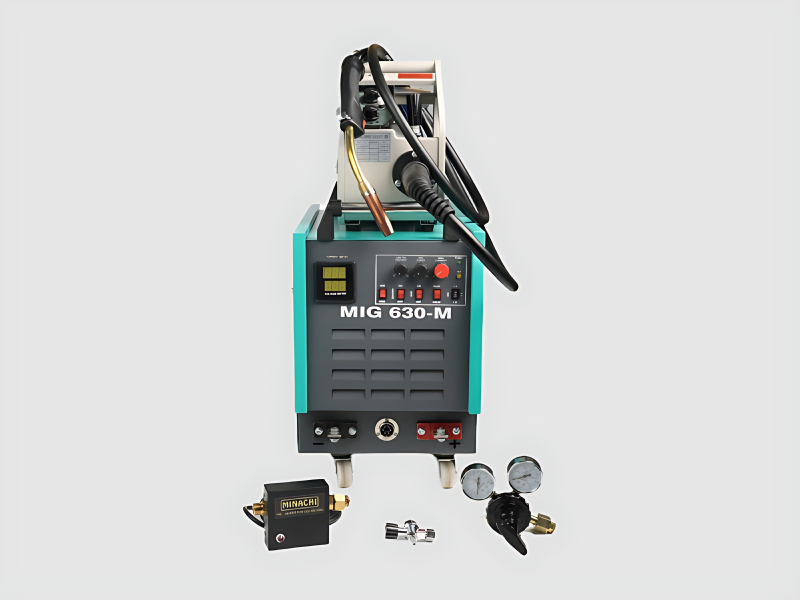
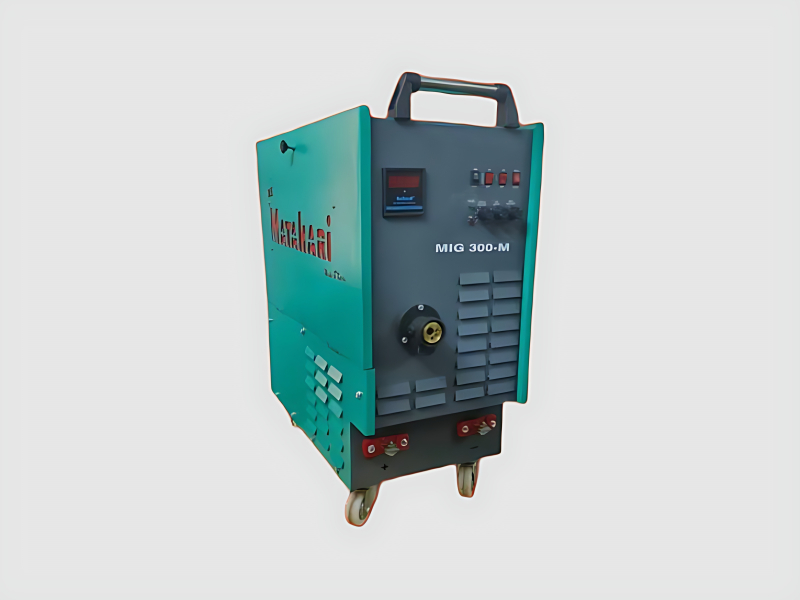
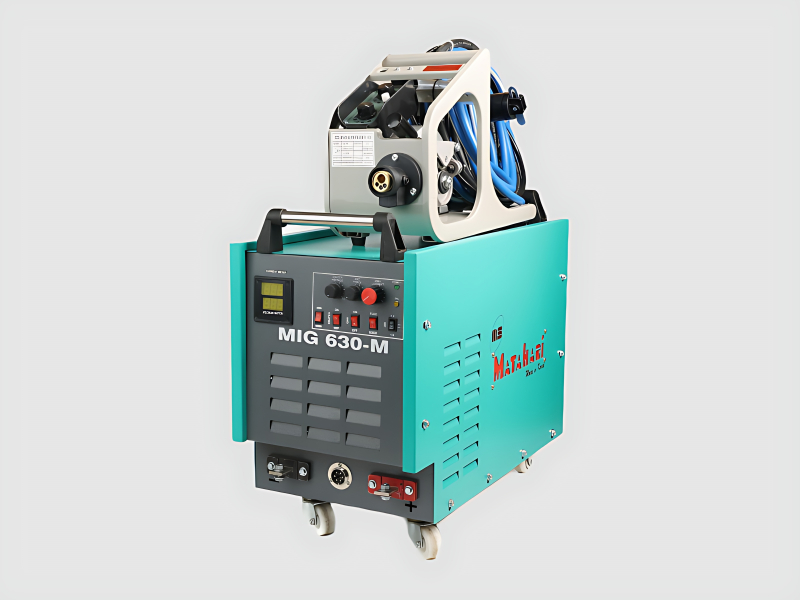
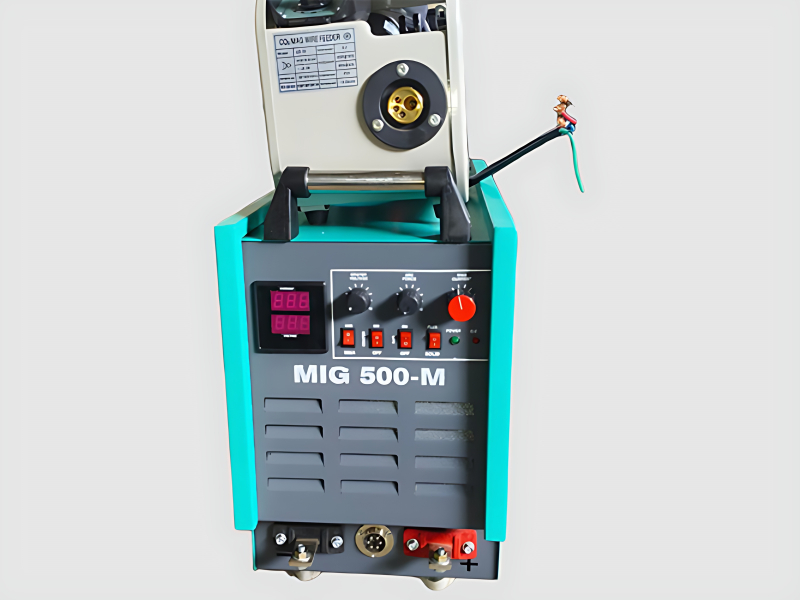
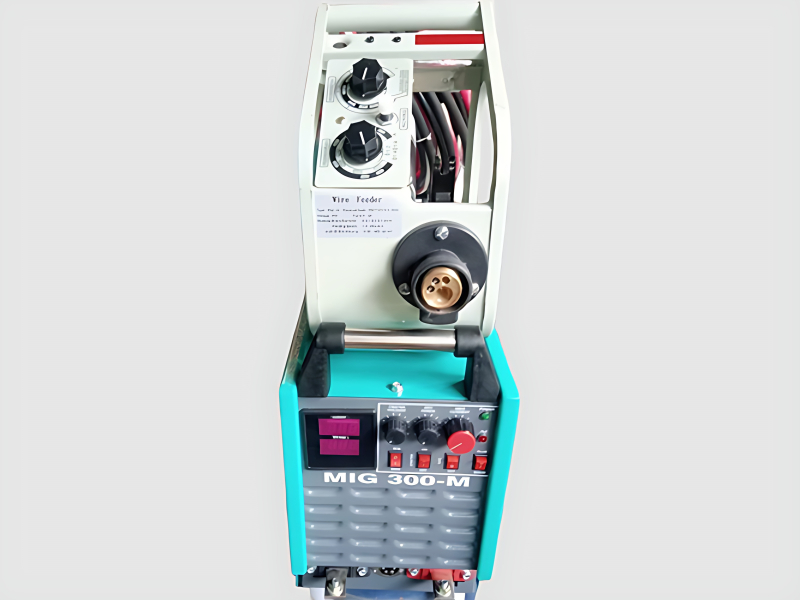
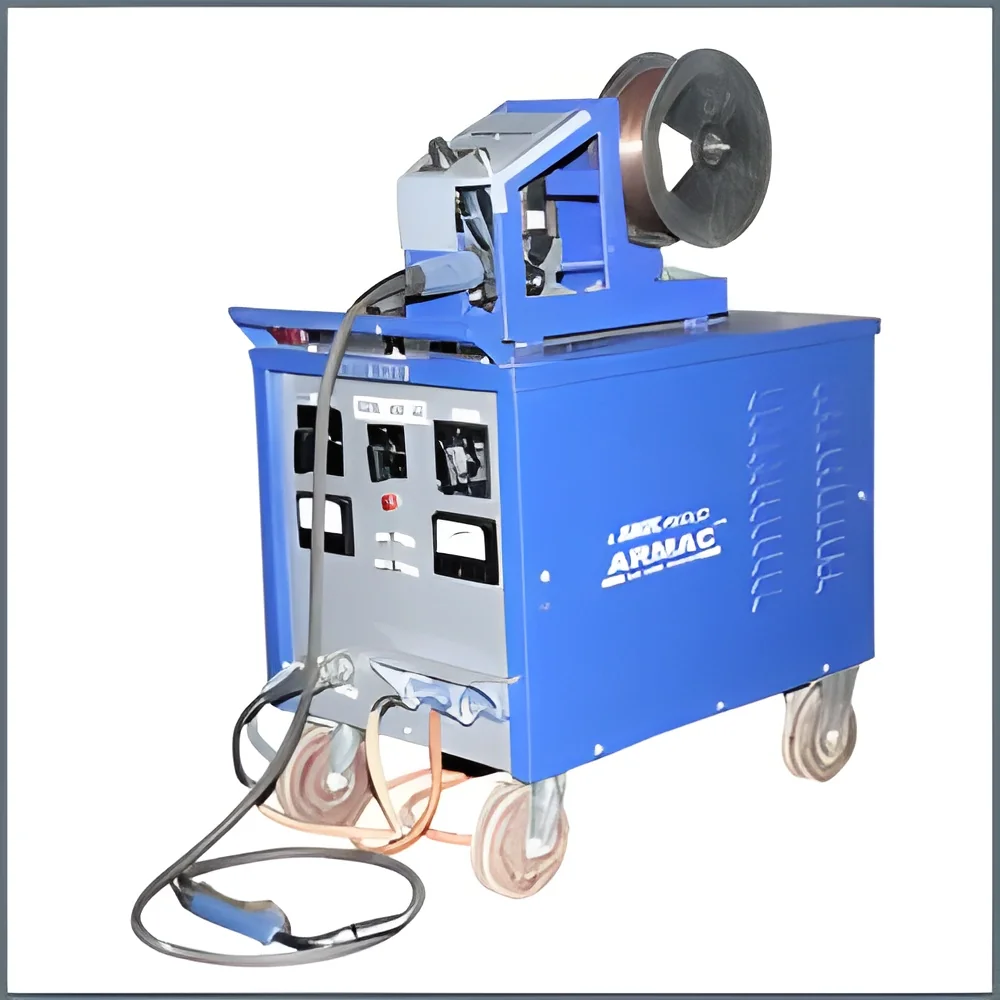
MIG welding machines use a continuous wire feed to create a weld. They are popular for their speed and ease of use, making them ideal for automotive and manufacturing applications.
TIG Welding Machines
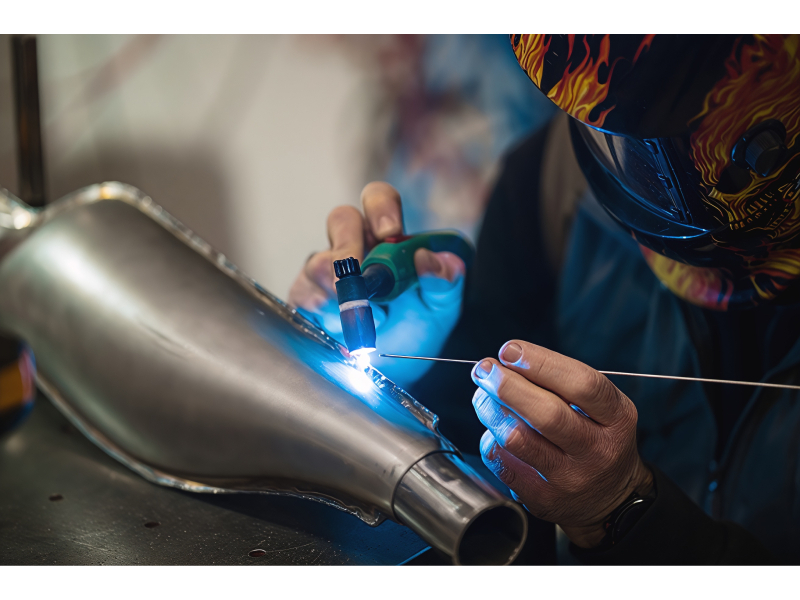
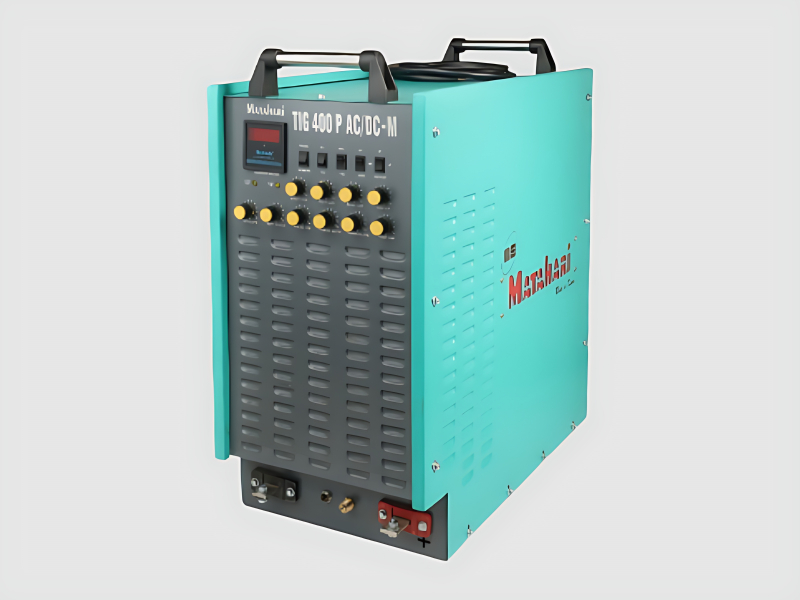
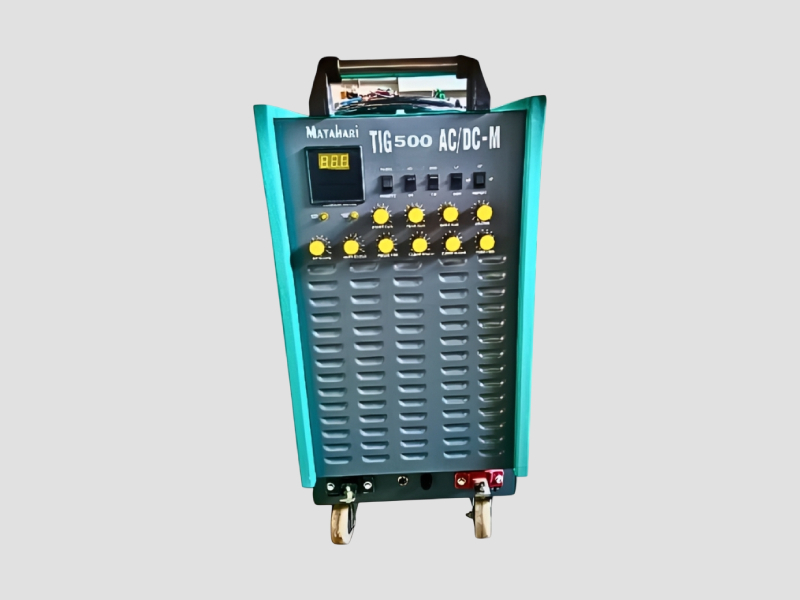
TIG welding machines provide precise control over the welding process, suitable for thin materials and intricate designs. They are commonly used in aerospace and artistic metalworking.
Stick Welding Machines
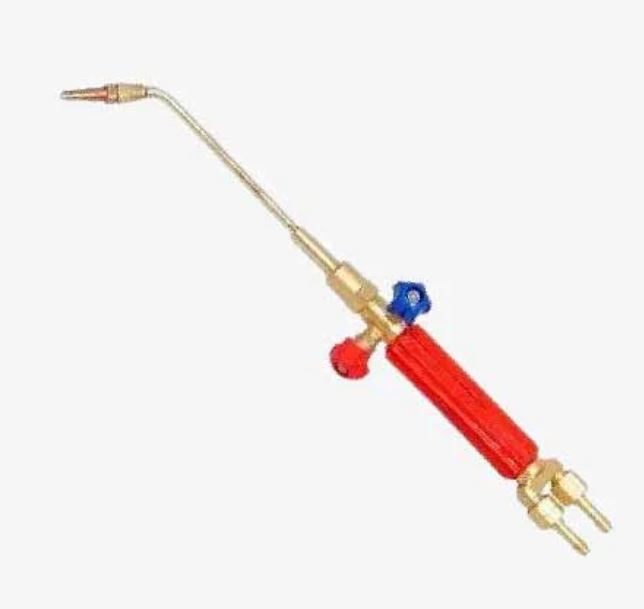
Stick welding machines are versatile and can work in various environments, including outdoors. They are often used in construction and repair applications due to their portability.
Plasma Cutting Machines
Although not welding machines in the traditional sense, plasma cutters are often used in conjunction with welding. They provide precise cutting for metal fabrication, complementing welding operations.
Multi-Process Welding Machines
These machines can perform multiple welding processes, such as MIG, TIG, and Stick. They offer versatility for businesses that require different welding methods.
𝗕𝗲𝗻𝗲𝗳𝗶𝘁𝘀 𝗮𝗻𝗱 𝗔𝗱𝘃𝗮𝗻𝘁𝗮𝗴𝗲𝘀
Investing in high-quality welding machines and equipment provides several key benefits.
1. Enhanced Productivity: Advanced machines allow for faster welding processes, reducing overall production times and increasing output.
2. Improved Quality: High-quality welding equipment ensures strong, consistent welds, minimizing the need for rework and enhancing product reliability.
3. Operational Safety: Modern welding machines often come with advanced safety features, reducing the risk of accidents and injuries in the workplace.
4. Cost Efficiency: Reliable welding equipment can lead to lower operational costs over time, as they often require fewer repairs and less maintenance.
5. Flexibility: With various machine types and configurations available, businesses can choose equipment that best fits their specific applications and production needs.
6. Technological Advancements: Modern welding machines incorporate the latest technology, such as digital controls and automation, improving the overall welding process.
𝗕𝘂𝘆𝗶𝗻𝗴 𝗚𝘂𝗶𝗱𝗲 𝗳𝗼𝗿 𝗕𝟮𝗕 𝗕𝘂𝘆𝗲𝗿𝘀
When sourcing welding machines and equipment, buyers should consider several factors to ensure they make the right choice.
1. Quality Assessment: Evaluate the quality of the machine and its components. Look for machines that meet industry standards and have been tested for durability.
2. Supplier Verification: It is essential to vet suppliers thoroughly. Check for their reputation, customer reviews, and certifications to ensure reliable sourcing.
3. Pricing and MOQ: Understand the pricing structure and minimum order quantities. Compare prices across suppliers but prioritize quality and service over just cost.
4. Delivery and Lead Times: Consider logistics and the supplier's ability to meet delivery schedules. Timely delivery is critical for maintaining production timelines.
5. Compliance Requirements: Ensure that the welding machines meet all necessary regulatory and compliance standards, including safety certifications and quality assurance protocols.
𝗖𝗼𝗺𝗽𝗹𝗶𝗮𝗻𝗰𝗲 𝗮𝗻𝗱 𝗖𝗲𝗿𝘁𝗶𝗳𝗶𝗰𝗮𝘁𝗶𝗼𝗻𝘀
Welding machines must adhere to various quality standards and compliance regulations to ensure safety and effectiveness.
ISO 9001 is a widely recognized quality management standard that applies to manufacturing processes, including welding equipment production. Compliance with ISO 9001 ensures consistent quality and customer satisfaction.
In Europe, CE certification is mandatory for certain equipment, indicating conformity with health, safety, and environmental protection standards. This certification helps buyers identify reliable products in the market.
Safety and testing requirements are critical in the welding industry. Equipment must undergo rigorous testing to meet safety standards, which protects operators and ensures safe operation.
Additionally, regional compliance considerations may vary, so businesses should be aware of local regulations regarding welding equipment to avoid legal issues and ensure suitable operations.
𝗪𝗵𝘆 𝗦𝗼𝘂𝗿𝗰𝗲 𝗪𝗲𝗹𝗱𝗶𝗻𝗴 𝗠𝗮𝗰𝗵𝗶𝗻𝗲𝘀 & 𝗘𝗾𝘂𝗶𝗽𝗺𝗲𝗻𝘁 𝗳𝗿𝗼𝗺 𝗣𝗲𝗽𝗮𝗴𝗼𝗿𝗮?
Pepagora provides a trusted platform for sourcing welding machines and equipment, offering several key advantages that benefit B2B buyers.
Verified Supplier Network: Pepagora connects buyers with a network of verified suppliers. This ensures that businesses can source high-quality machines from reputable manufacturers.
Streamlined RFQ Process: The request for quotation (RFQ) process on Pepagora is efficient, allowing buyers to compare offers and specifications from multiple suppliers quickly. This transparency simplifies decision-making.
Trade Assurance and Support: Buyers can benefit from trade assurance programs that protect their purchases. Pepagora offers support throughout the buying process, ensuring a smooth transaction.
Regional Coverage: With a broad geographic reach that includes India, the GCC, and Southeast Asia, Pepagora connects buyers with suppliers across multiple regions, enhancing accessibility and options for sourcing welding machines.











Frequently Asked Questions
What are Welding Machines & Equipment?
Welding Machines & Equipment are tools and devices used to join materials, typically metals, through the application of heat, pressure, or both. These machines are essential in various industries, including construction, manufacturing, and automotive, enabling the creation of strong and durable bonds.
What are the different types of Welding Machines & Equipment?
There are several types of Welding Machines & Equipment, including MIG (Metal Inert Gas), TIG (Tungsten Inert Gas), Stick (Shielded Metal Arc Welding), and Flux-Cored Arc Welding machines. Each type serves specific applications and materials, offering varying levels of control, speed, and quality.
How do I choose the right Welding Machines & Equipment?
Choosing the right Welding Machines & Equipment depends on several factors, including the materials you will be working with, the thickness of the materials, and the type of welding process required. Additionally, consider the machine's power capacity, portability, and ease of use to ensure it meets your specific operational needs.
What are the standard specifications for Welding Machines & Equipment?
Standard specifications for Welding Machines & Equipment typically include voltage, amperage, duty cycle, and weight. These specifications help determine the machine's efficiency and suitability for specific welding tasks, ensuring optimal performance for different applications.
What is the price range for Welding Machines & Equipment?
The price range for Welding Machines & Equipment can vary significantly based on the type and brand, typically ranging from INR 10,000 to over INR 1,00,000. Factors influencing the price include machine features, quality, and additional equipment required for operation.
What quality standards apply to Welding Machines & Equipment?
Welding Machines & Equipment must comply with various quality standards, such as ISO 9001 for quality management systems and IEC standards for electrical safety. These standards ensure that the equipment is reliable, safe, and effective for industrial use.
Where can I find Welding Machines & Equipment suppliers in India?
You can find Welding Machines & Equipment suppliers in India through online B2B marketplaces like Pepagora, trade shows, and industry directories. It is advisable to compare multiple suppliers to ensure you choose a reputable one that meets your specific requirements.
Can Welding Machines & Equipment be customized?
Yes, Welding Machines & Equipment can often be customized to meet specific operational needs or project requirements. Customization options may include adjustments to machine size, features, or additional attachments to enhance performance.
What is the typical minimum order quantity for Welding Machines & Equipment?
The typical minimum order quantity (MOQ) for Welding Machines & Equipment can vary by supplier but generally ranges from 1 to 10 units. It's important to discuss MOQs directly with suppliers to understand their specific policies.
What is the typical lead time for Welding Machines & Equipment?
The typical lead time for Welding Machines & Equipment can range from a few days to several weeks, depending on factors such as the supplier's inventory, customization requests, and shipping logistics. It is advisable to confirm lead times with suppliers for accurate planning.
Why Businesses Trust Pepagora
Thousands of companies trust Pepagora to source smarter and sell faster
Expand Your Sales Globally

Source Smarter,Grow Faster
