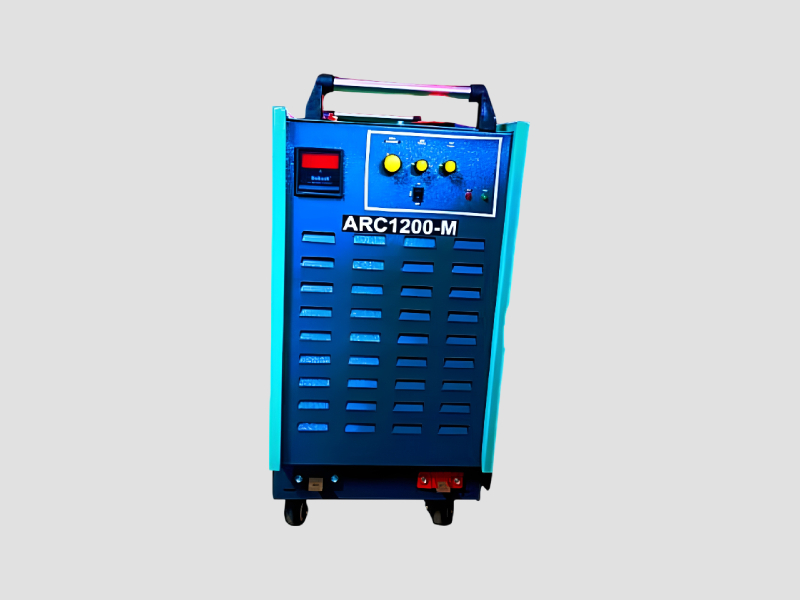
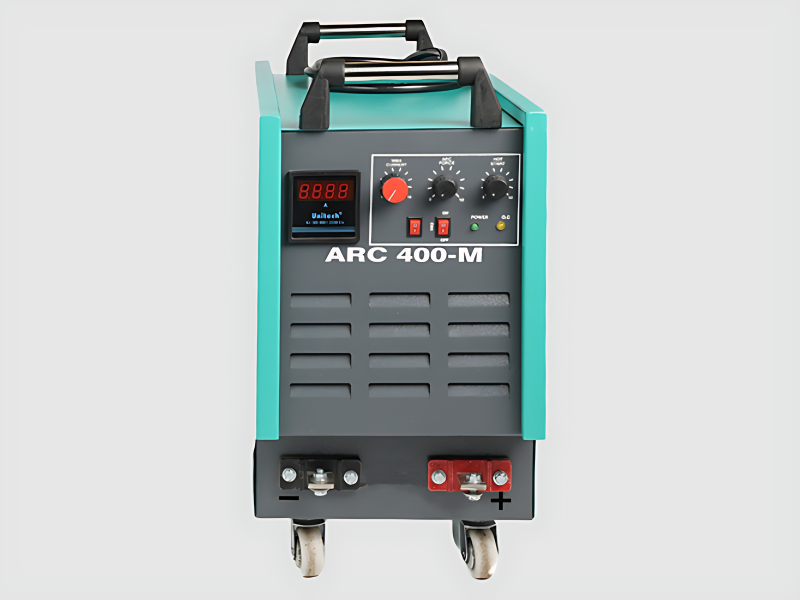
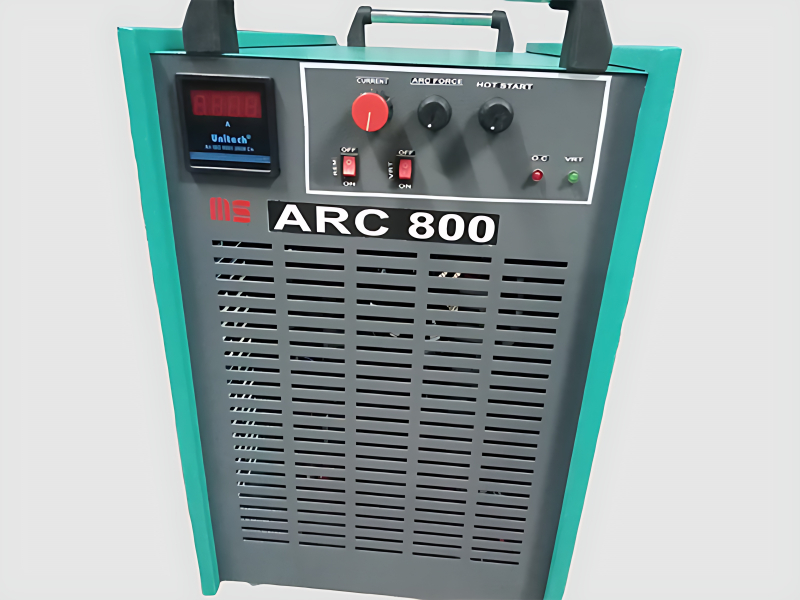
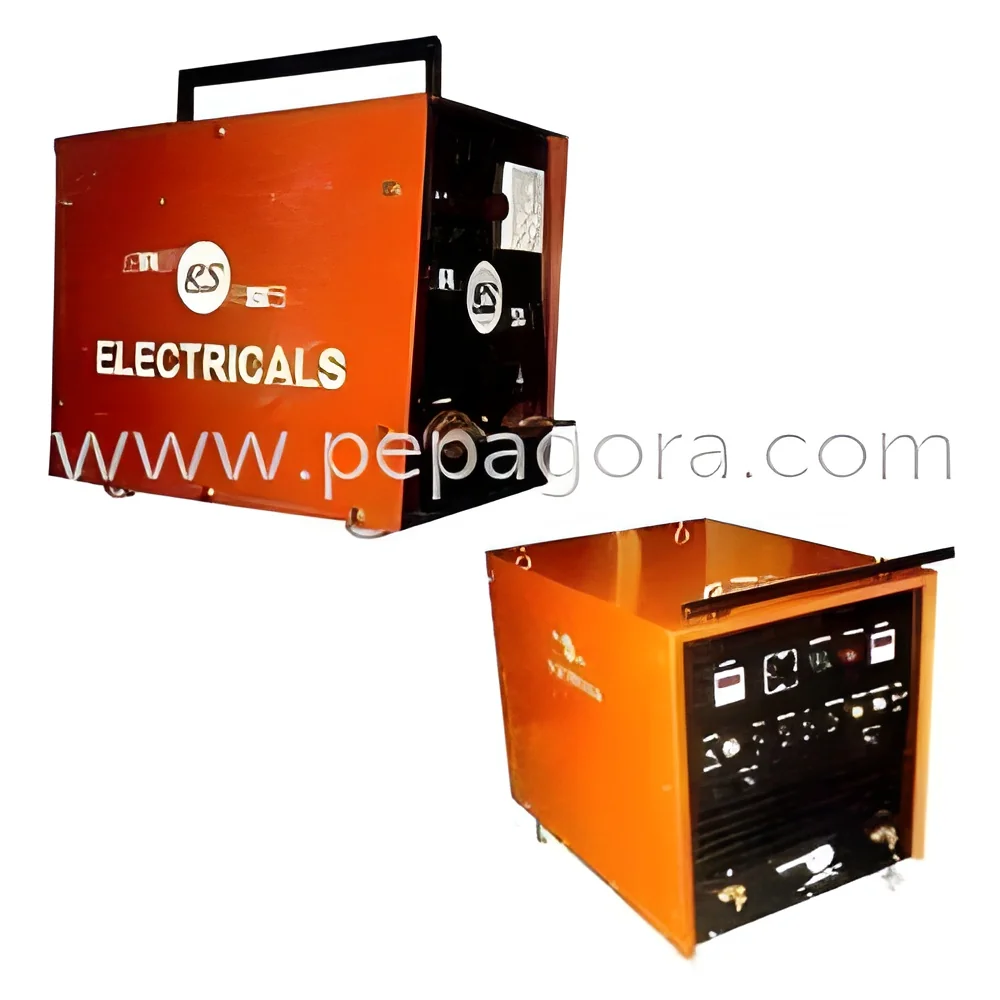
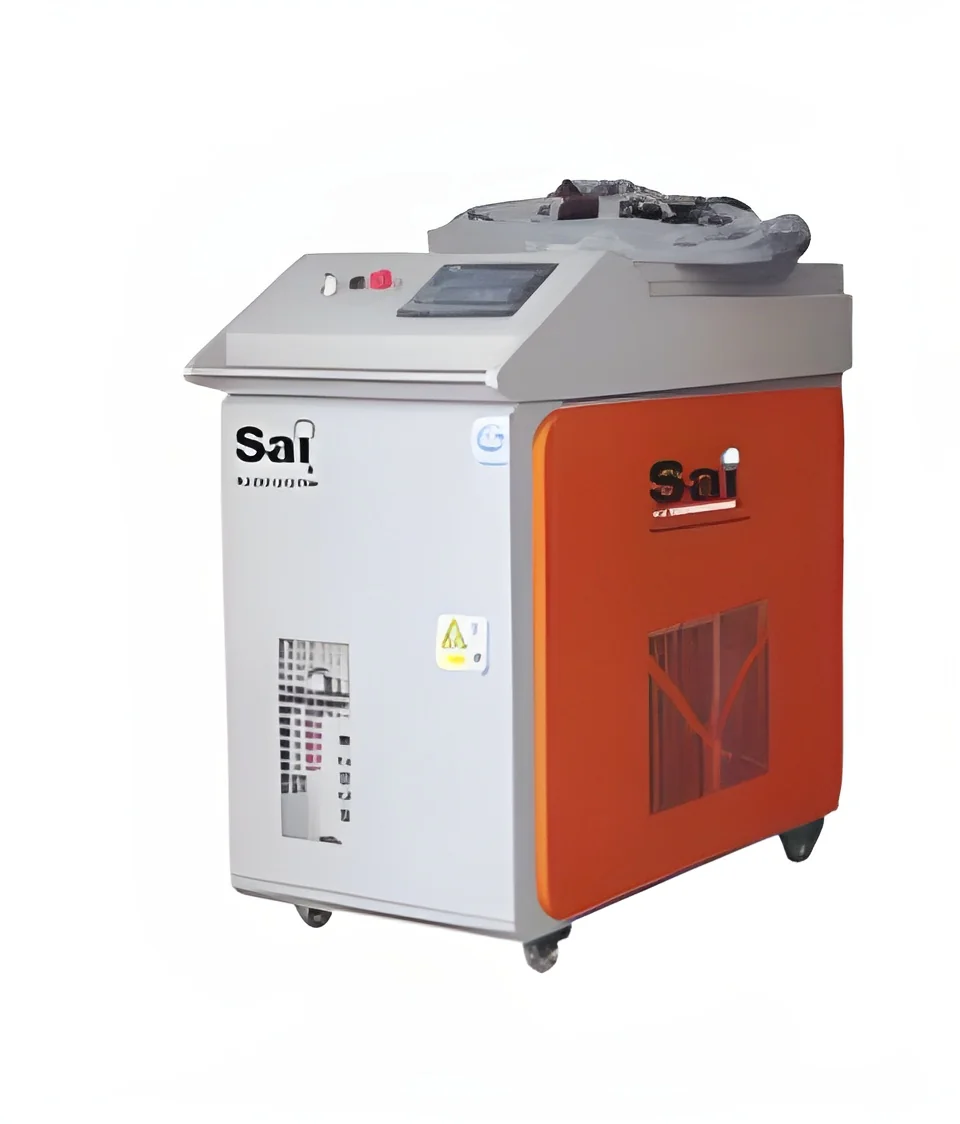
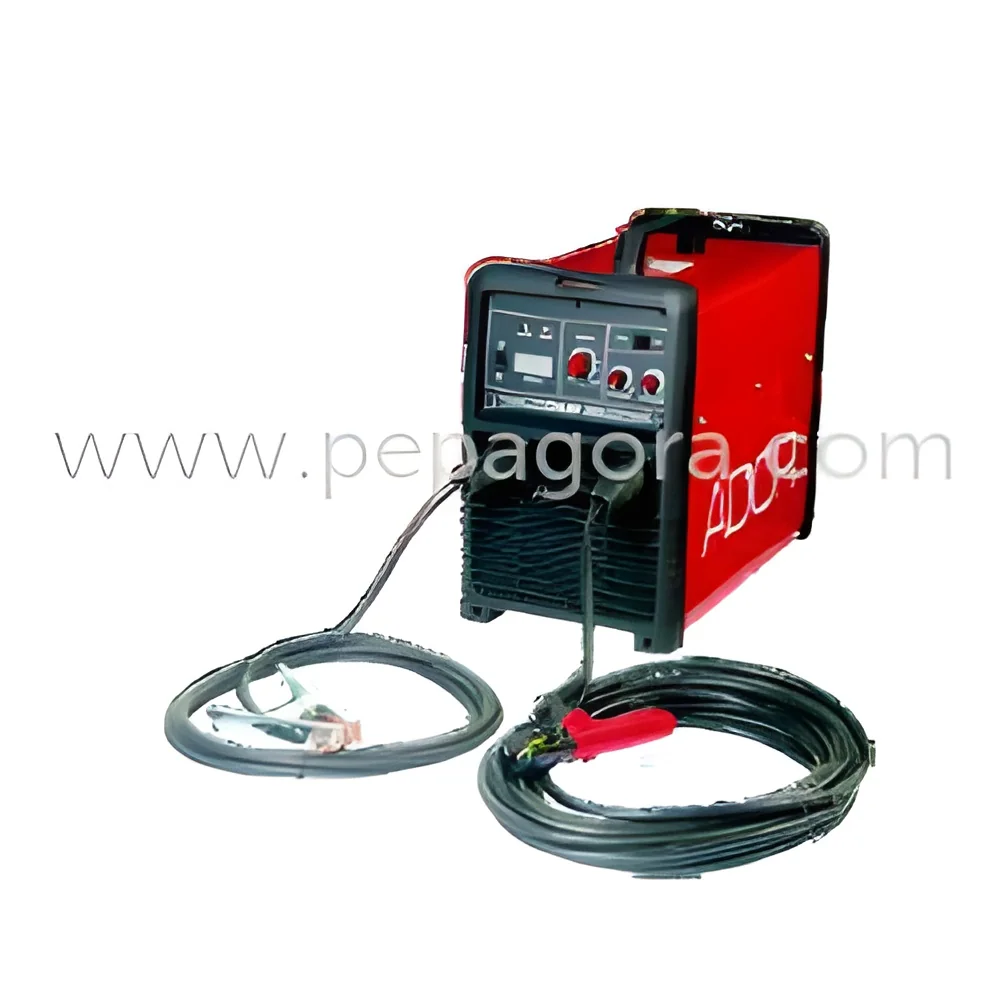
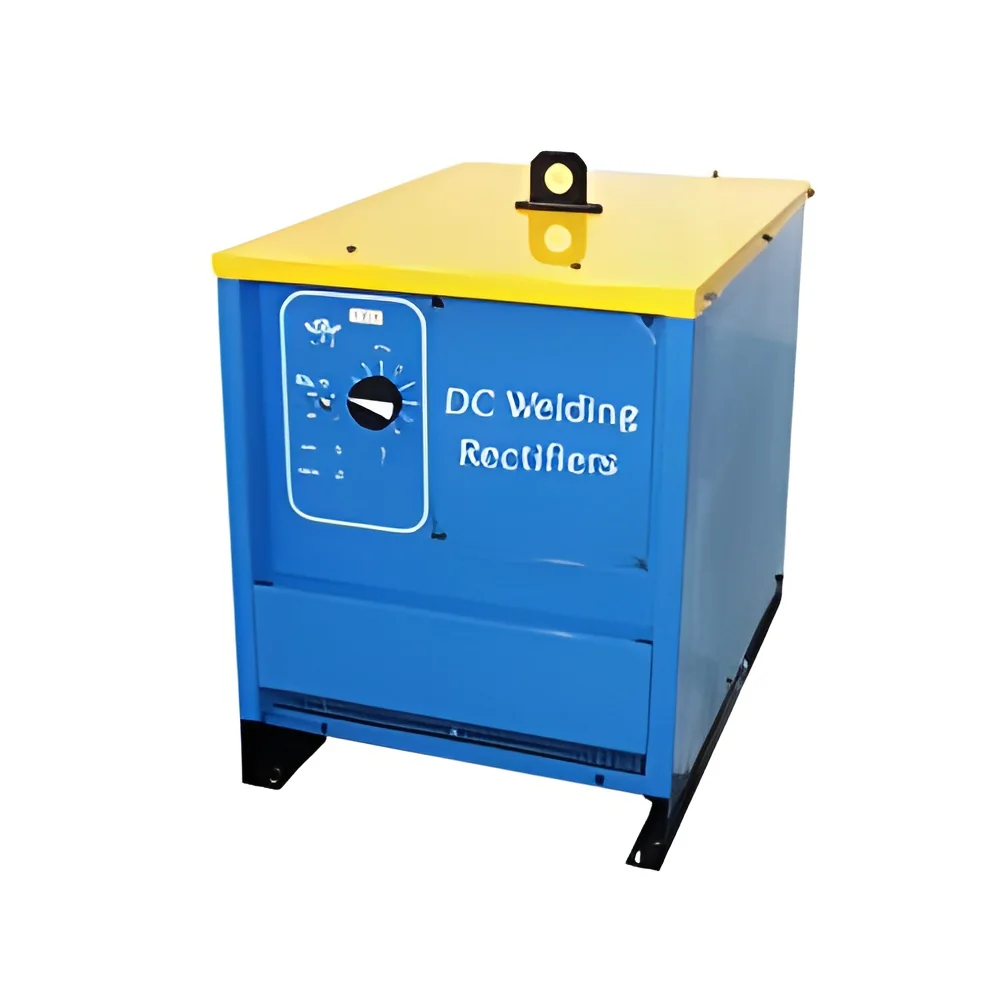
What are Heavy-Duty Industrial Arc Welders?
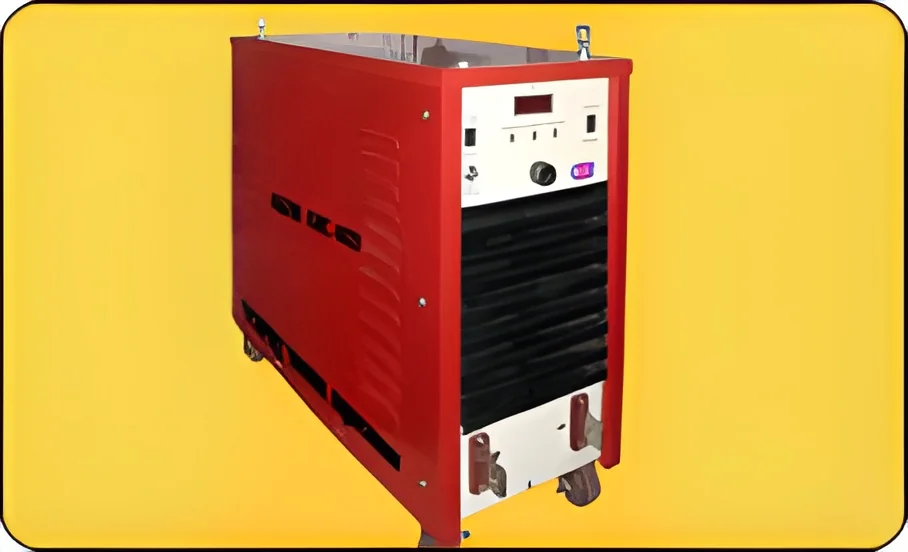
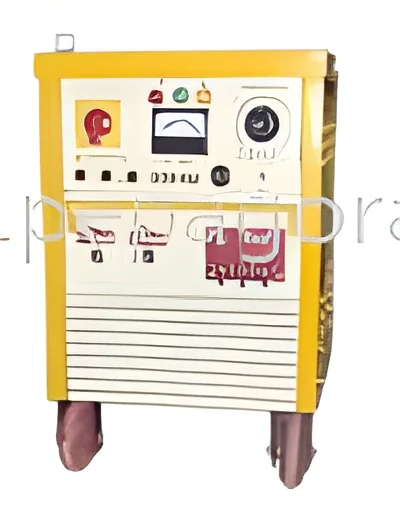
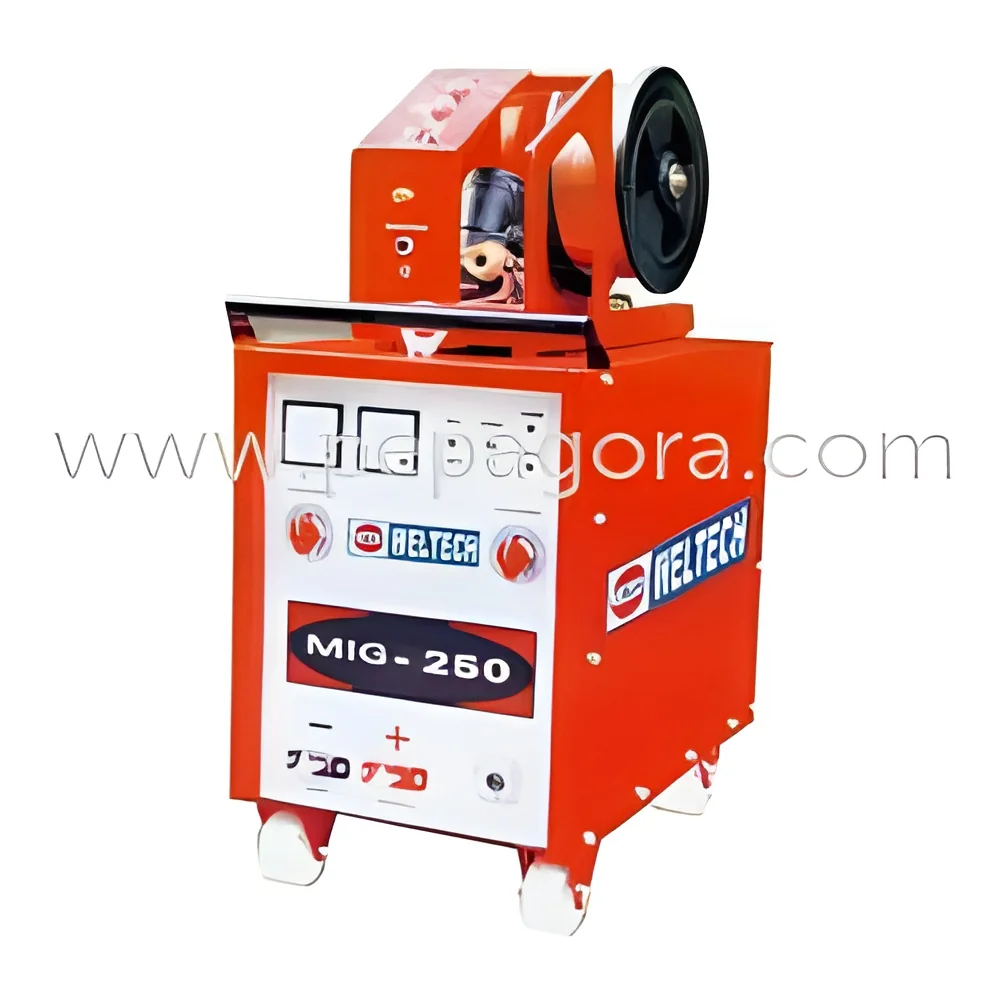
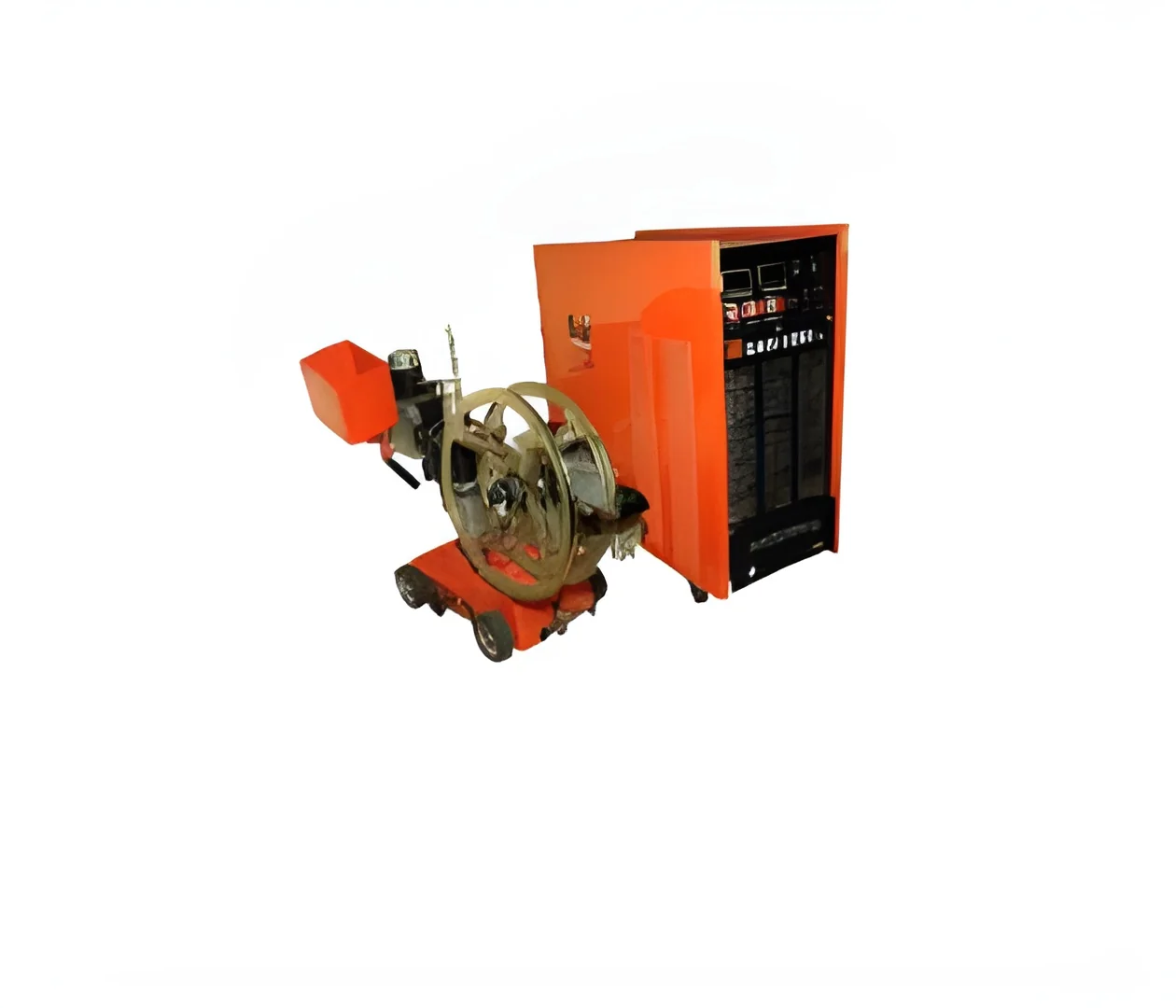
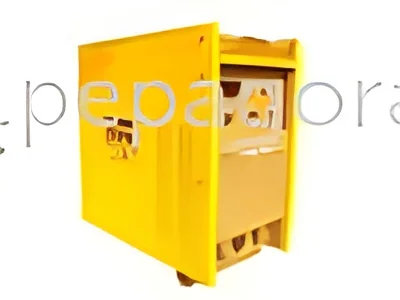
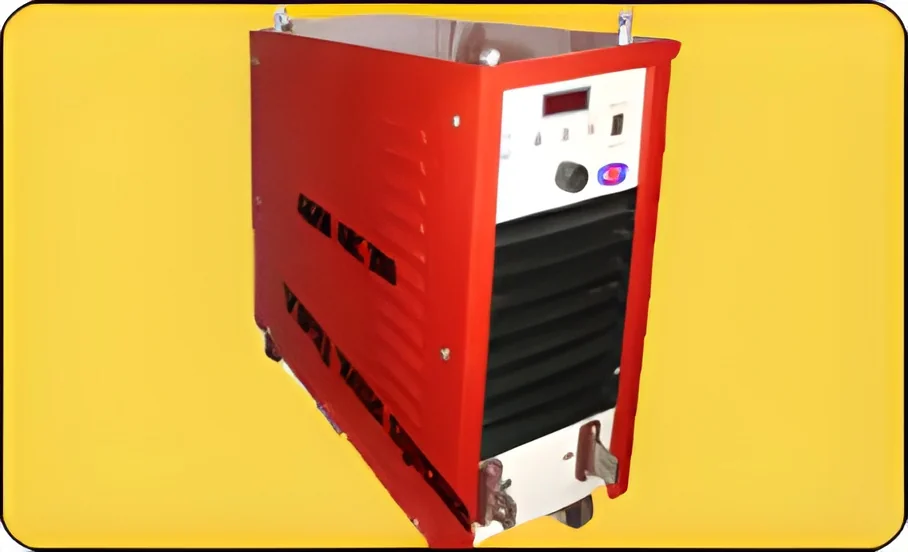
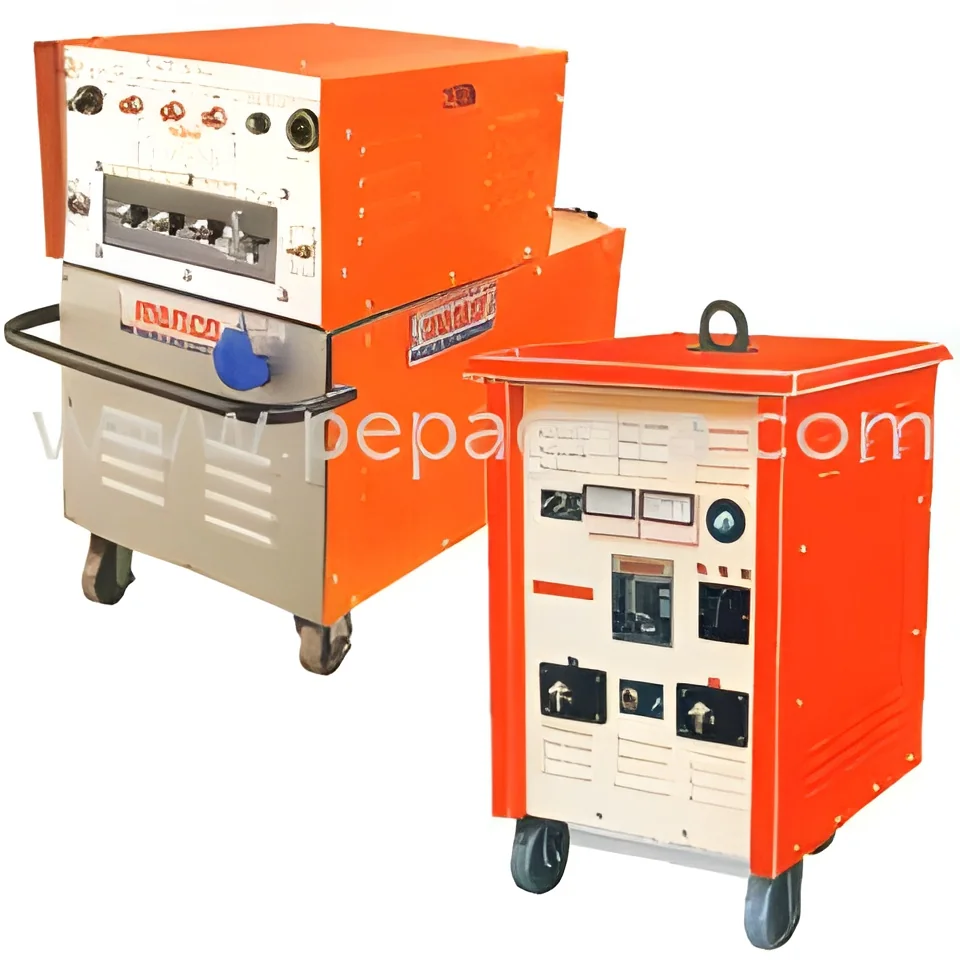
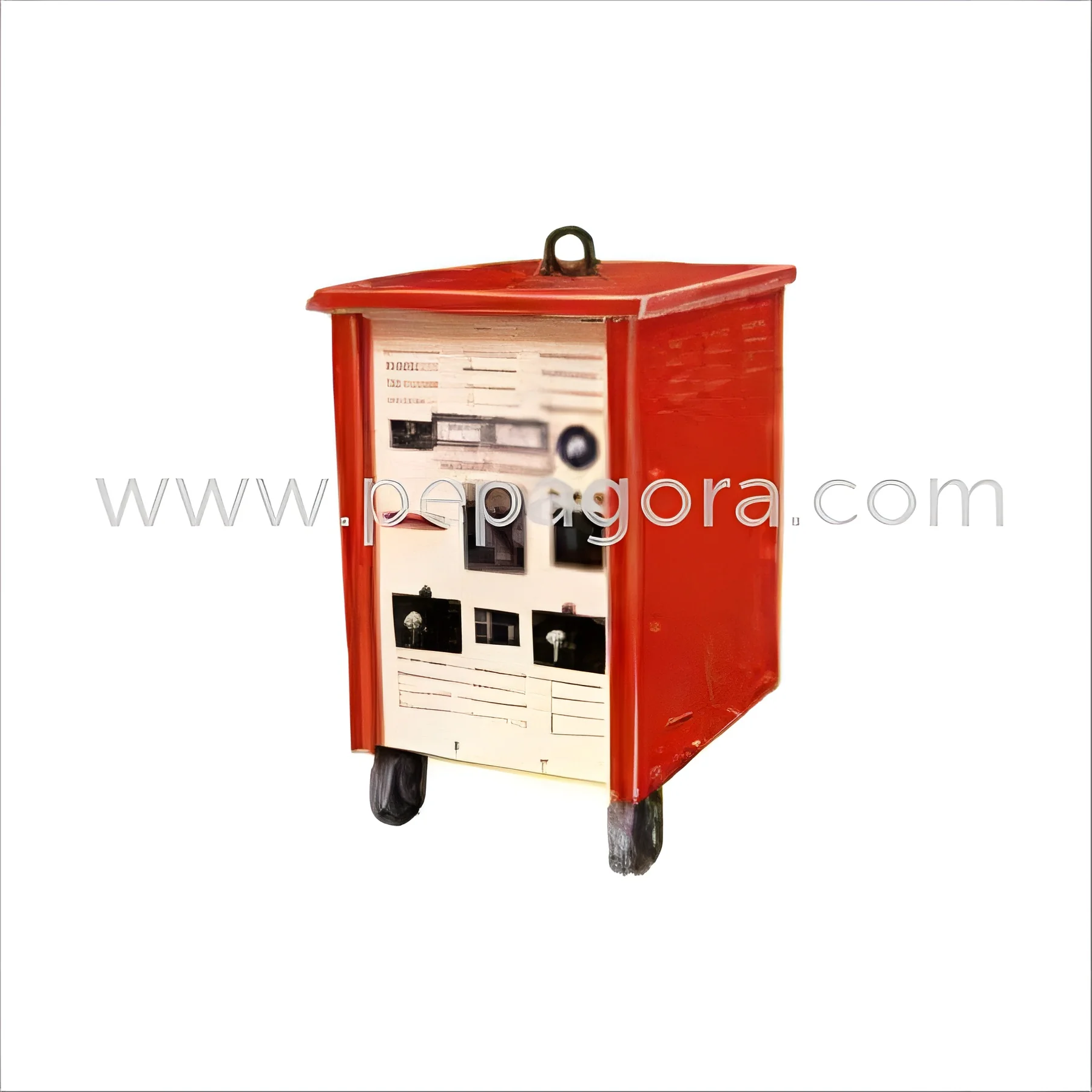
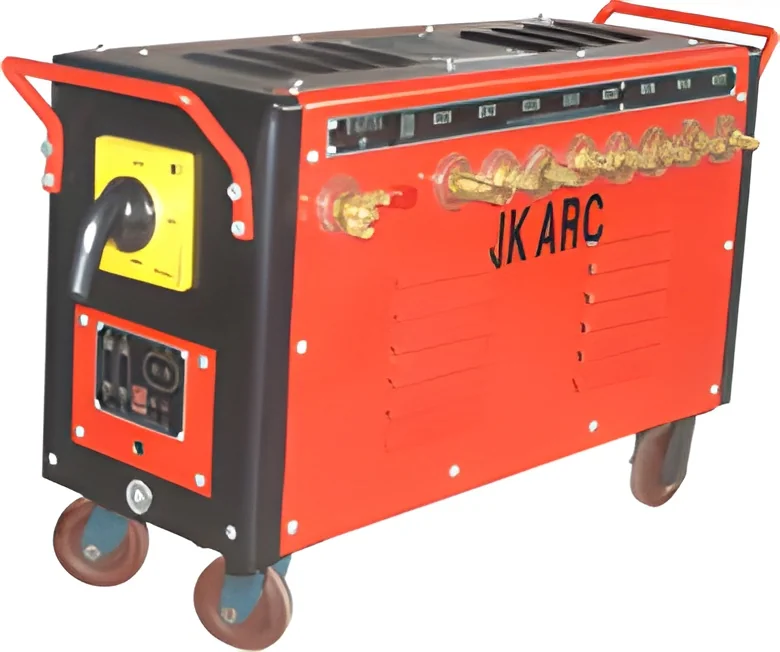
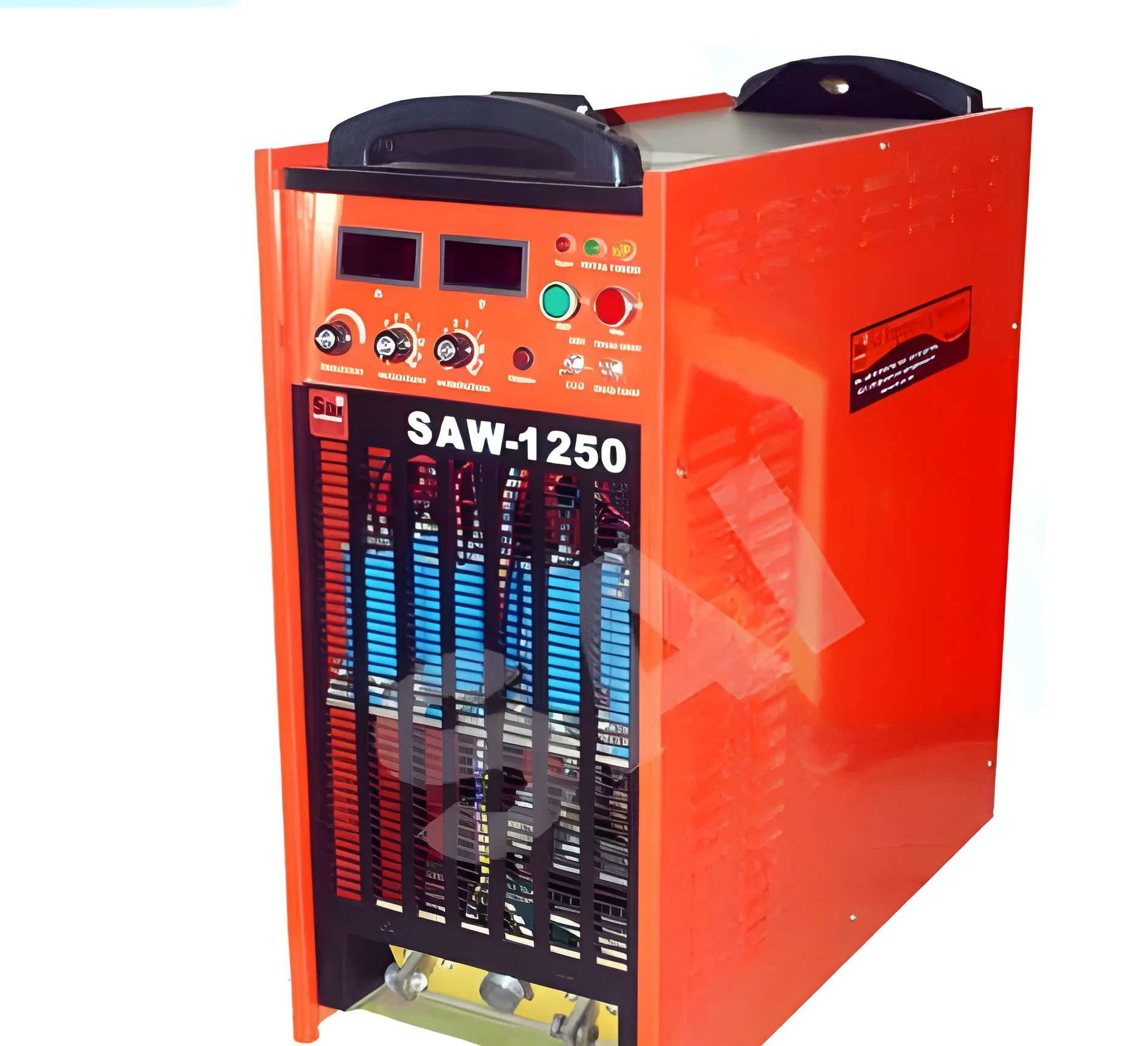
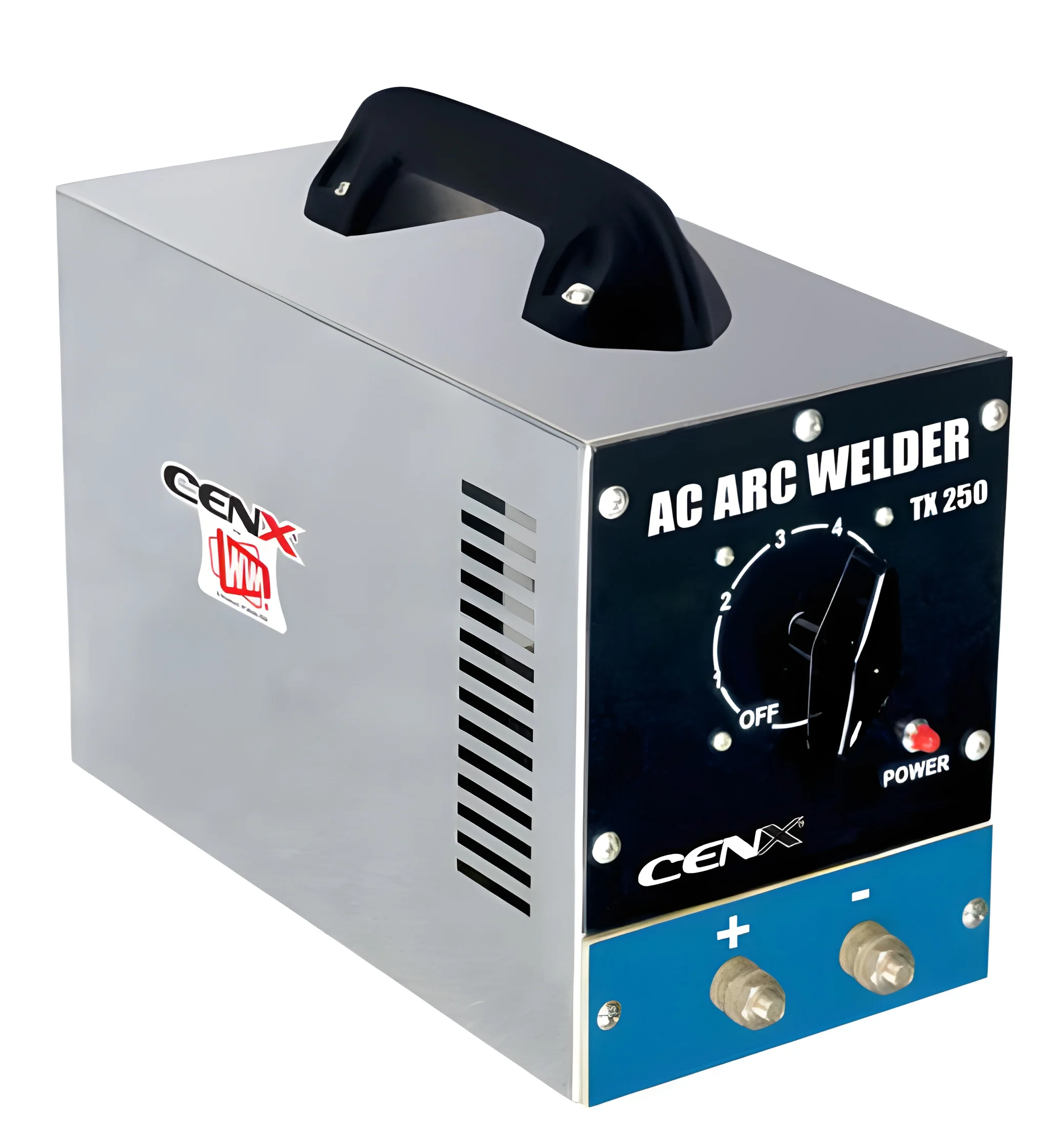
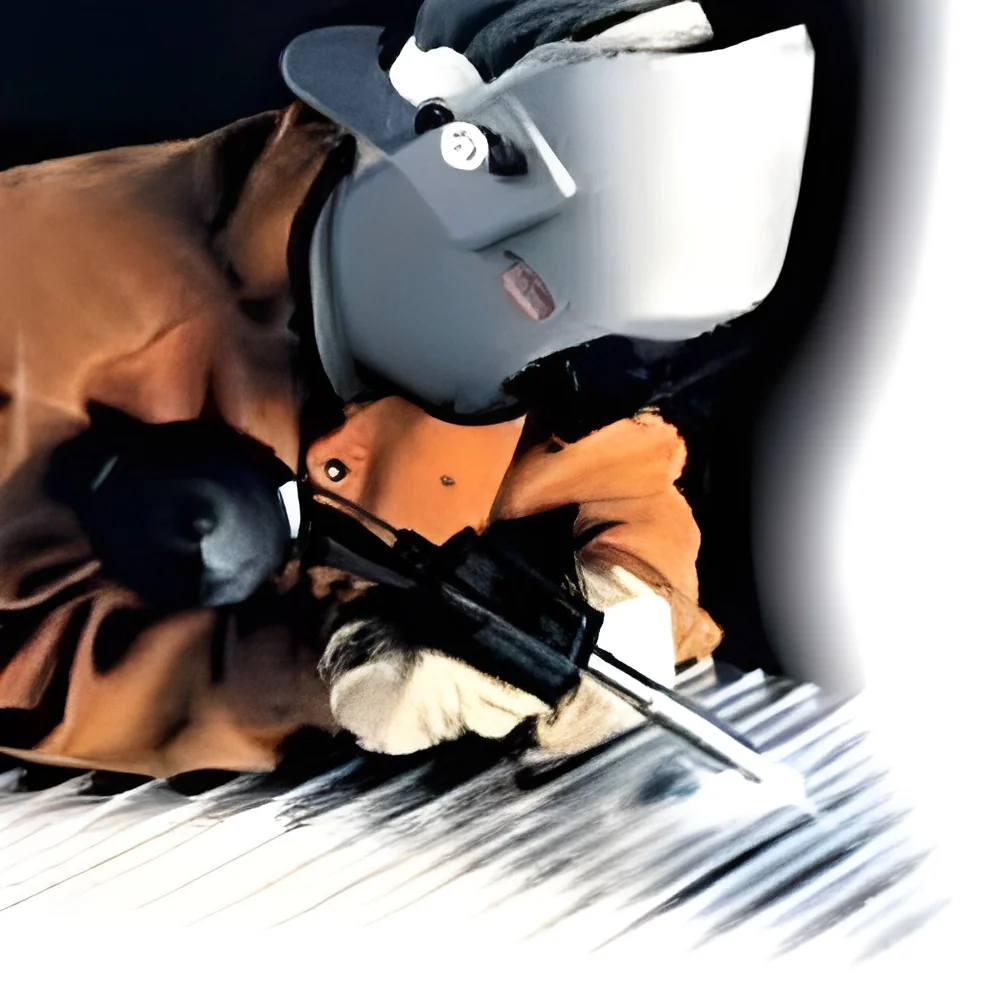
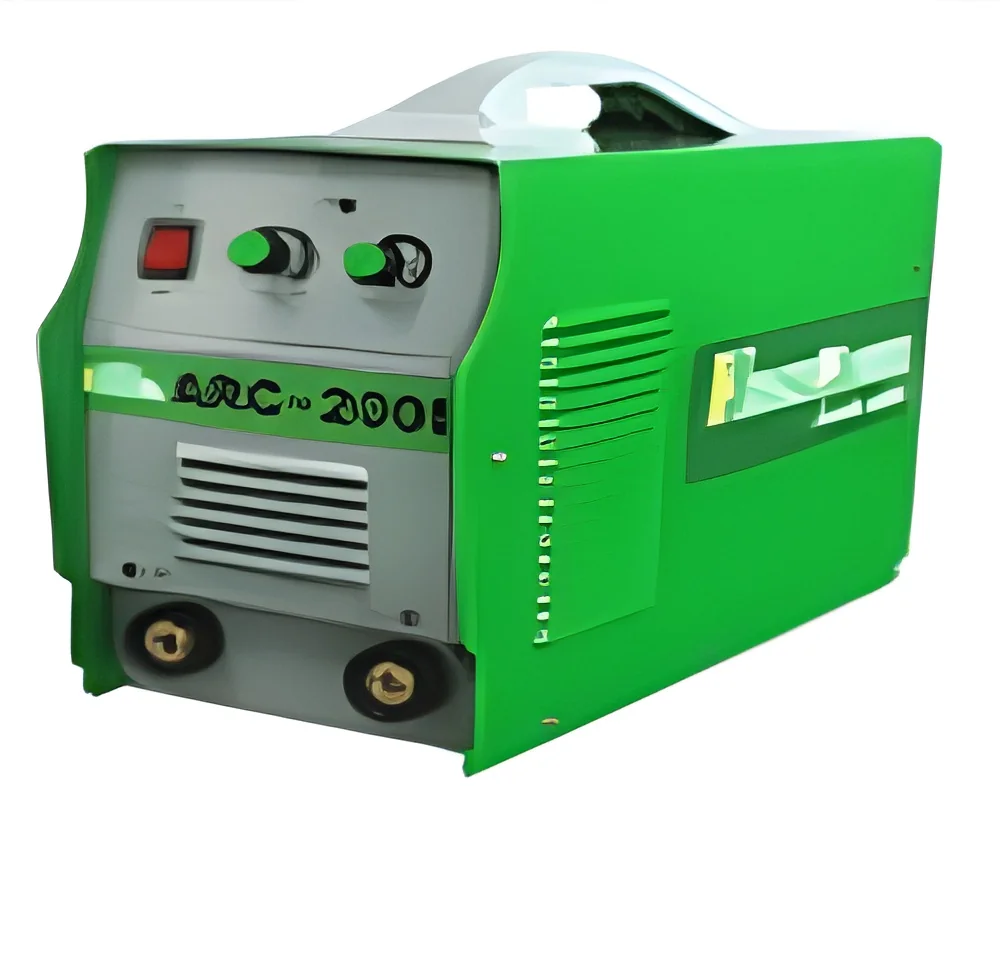
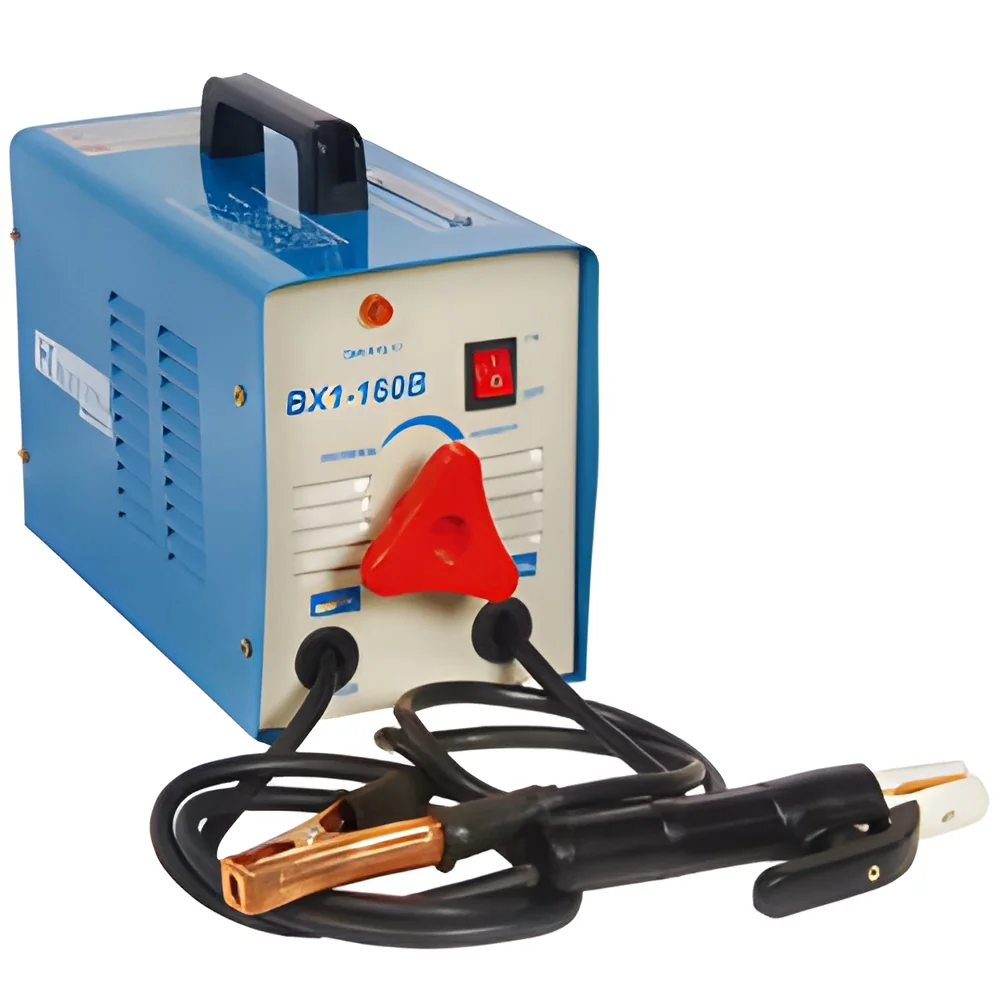
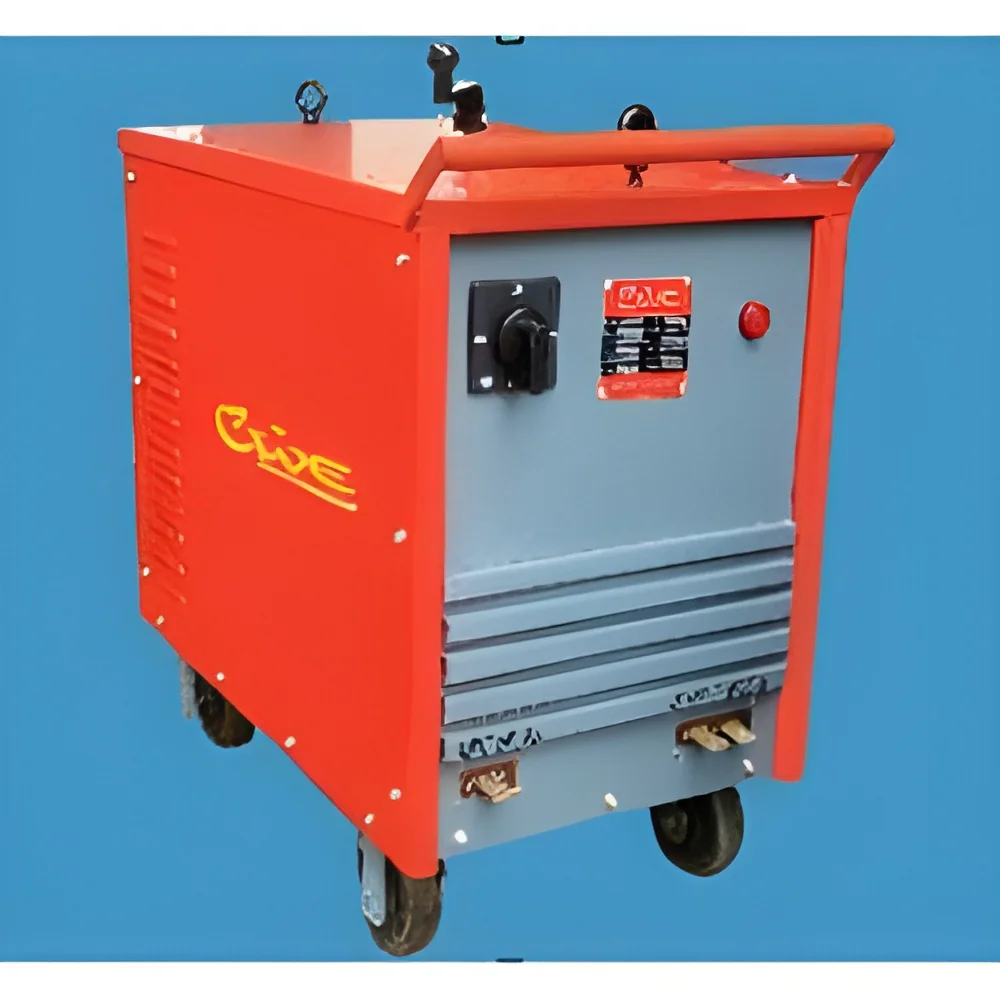
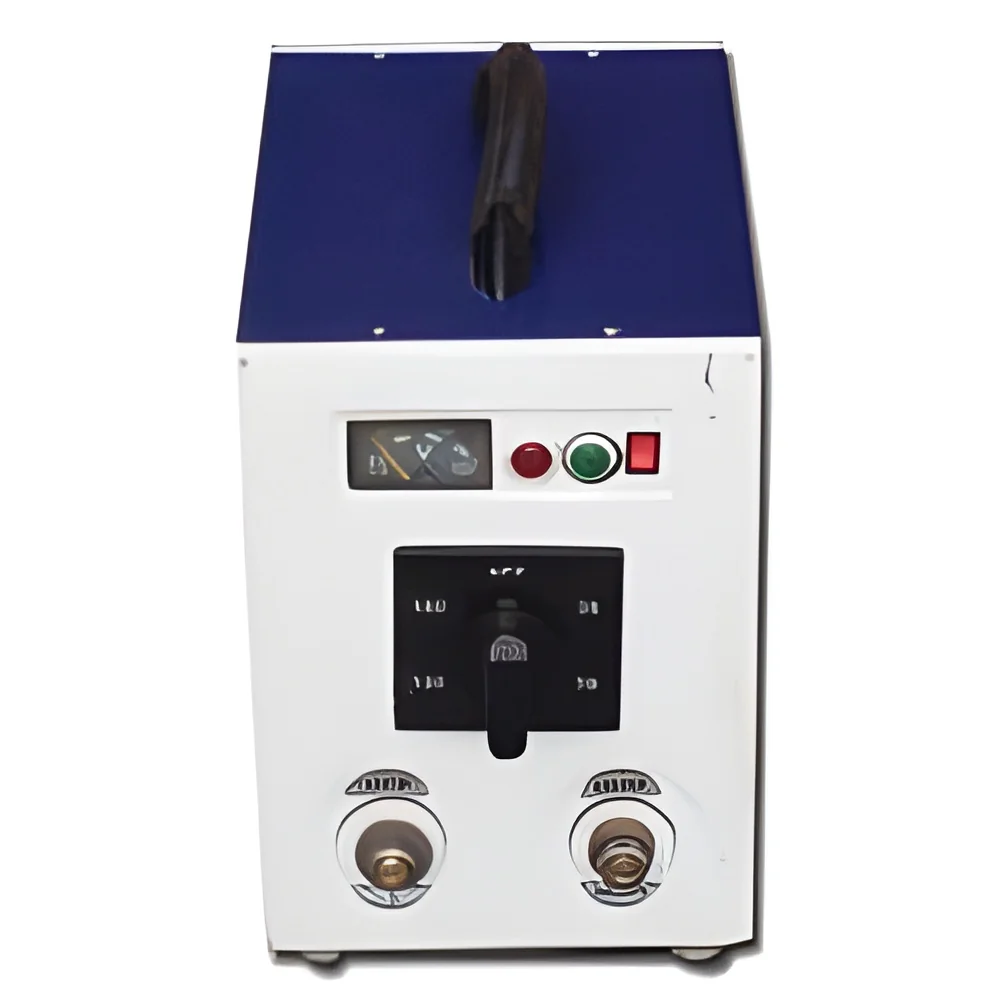
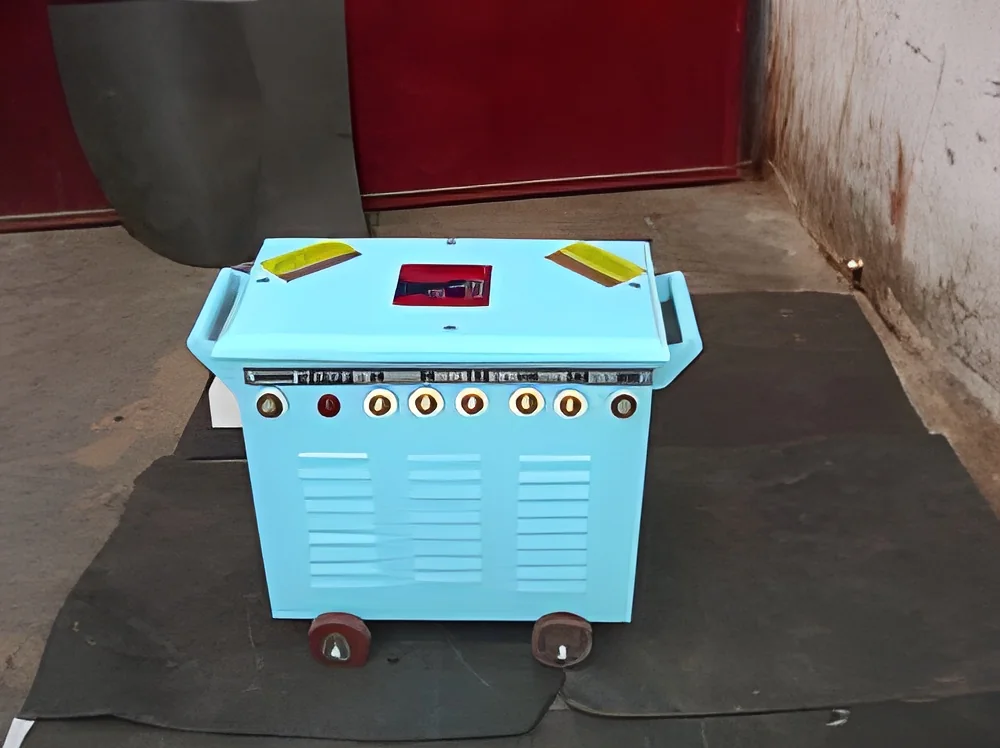
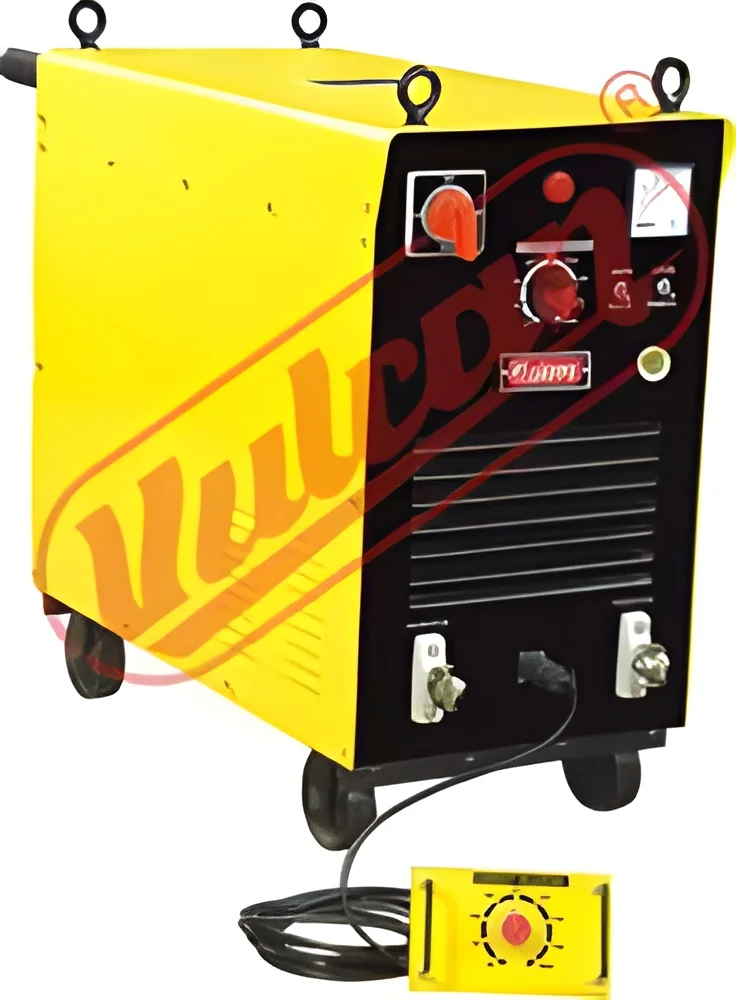
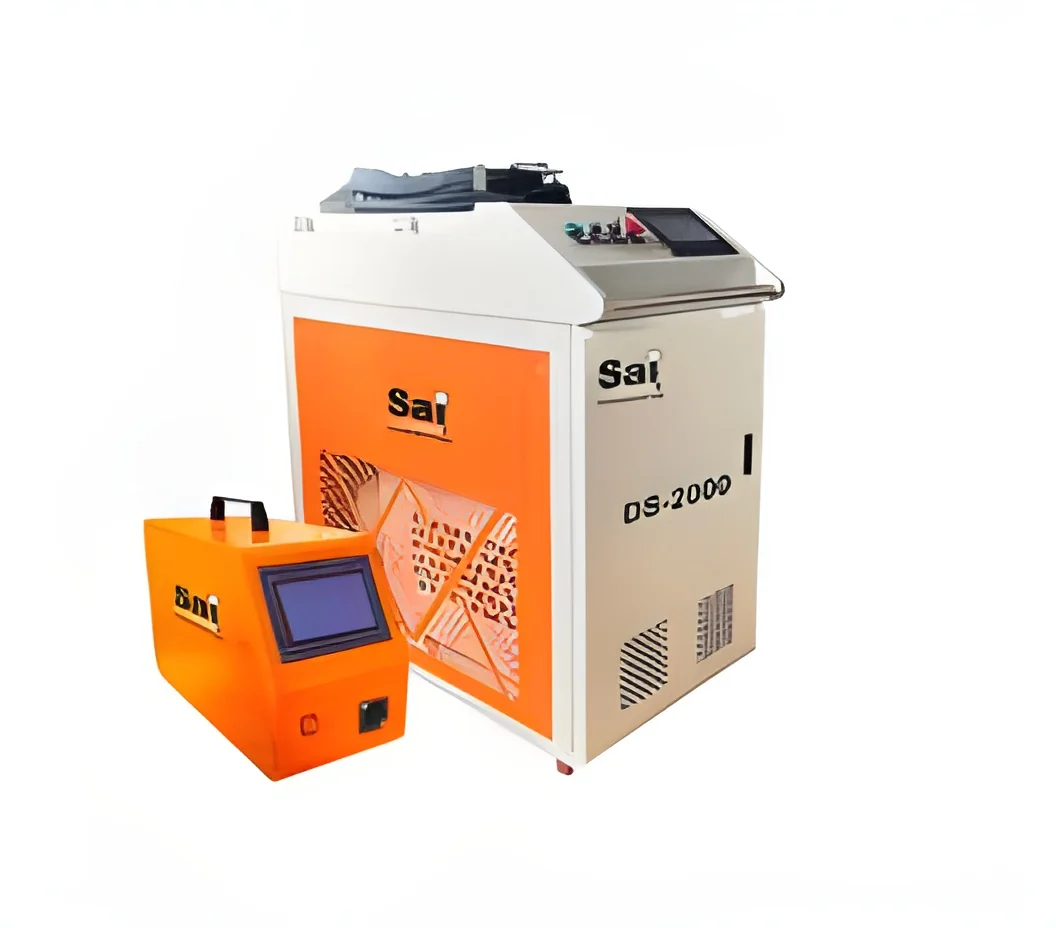
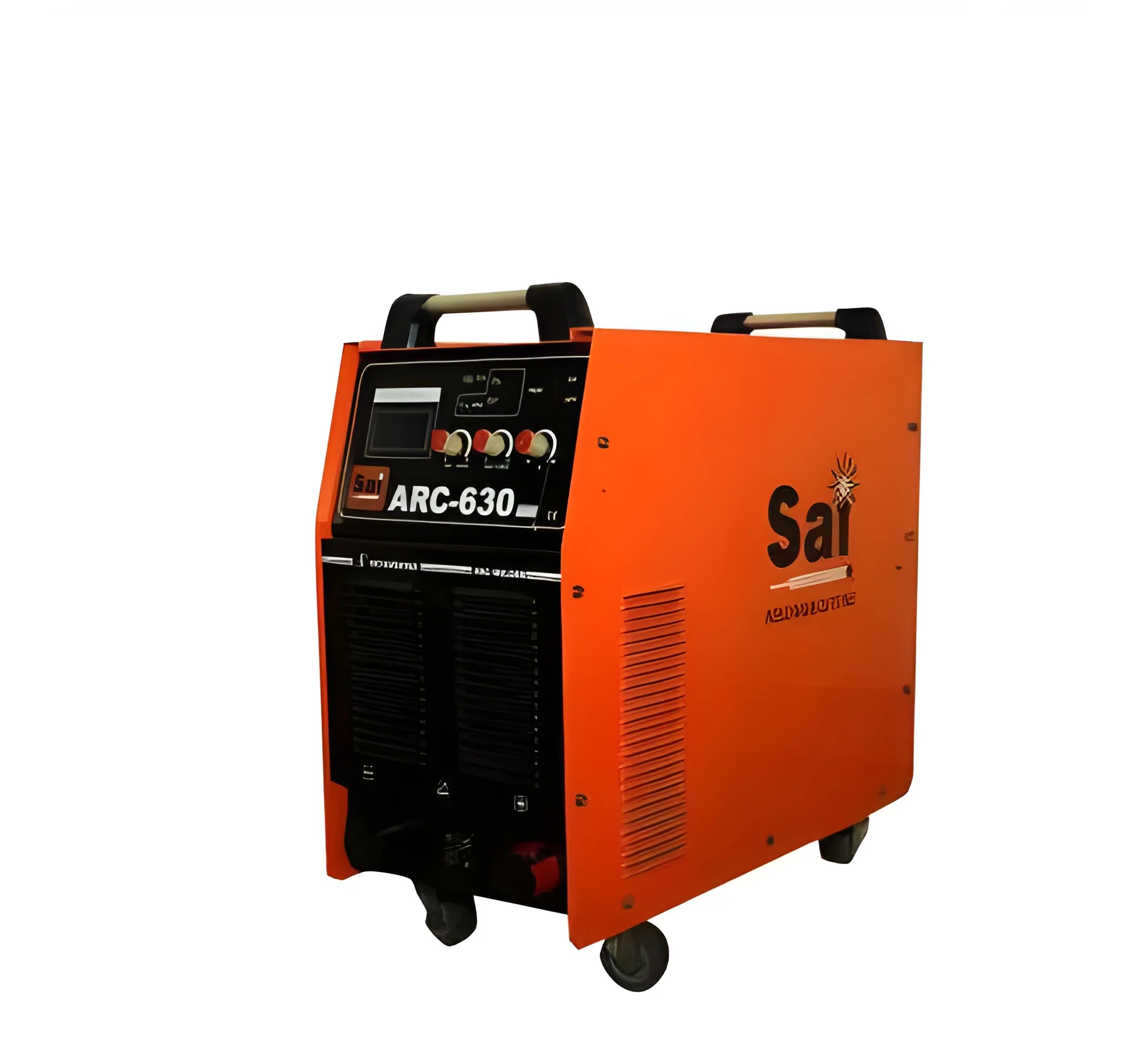
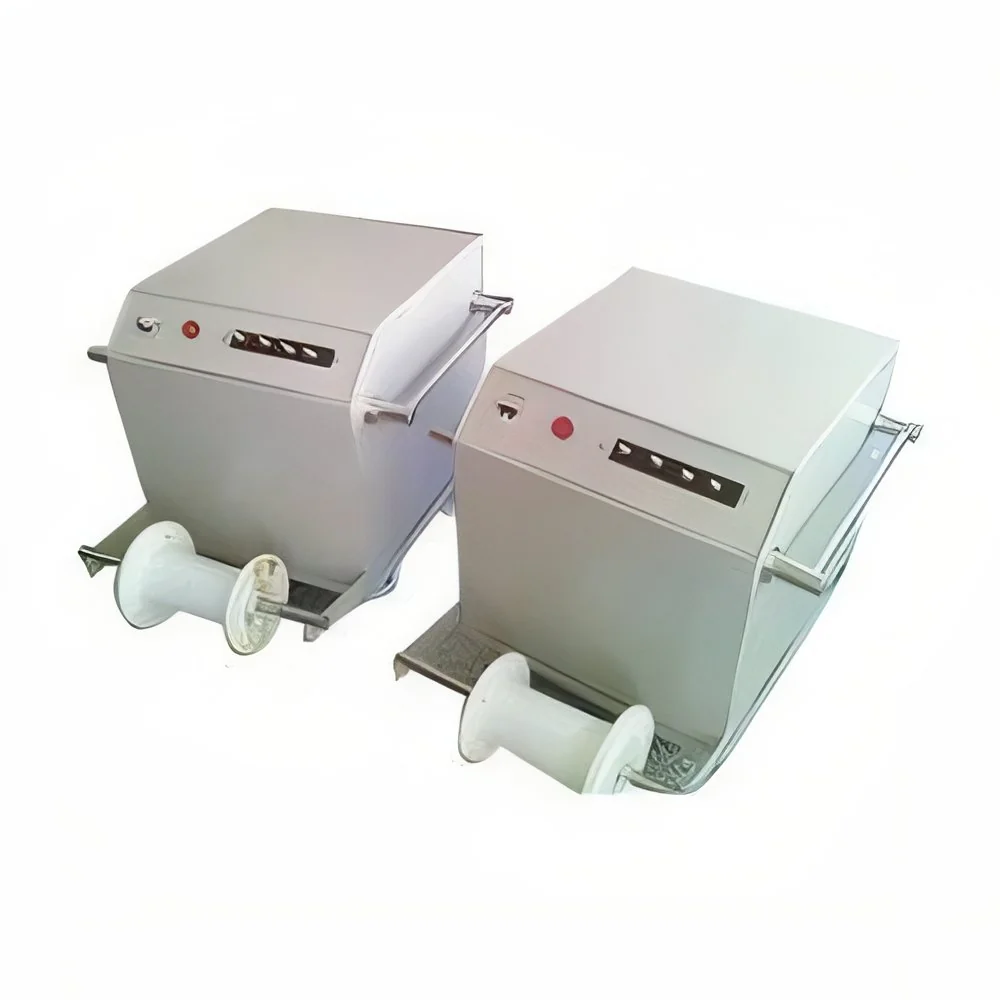
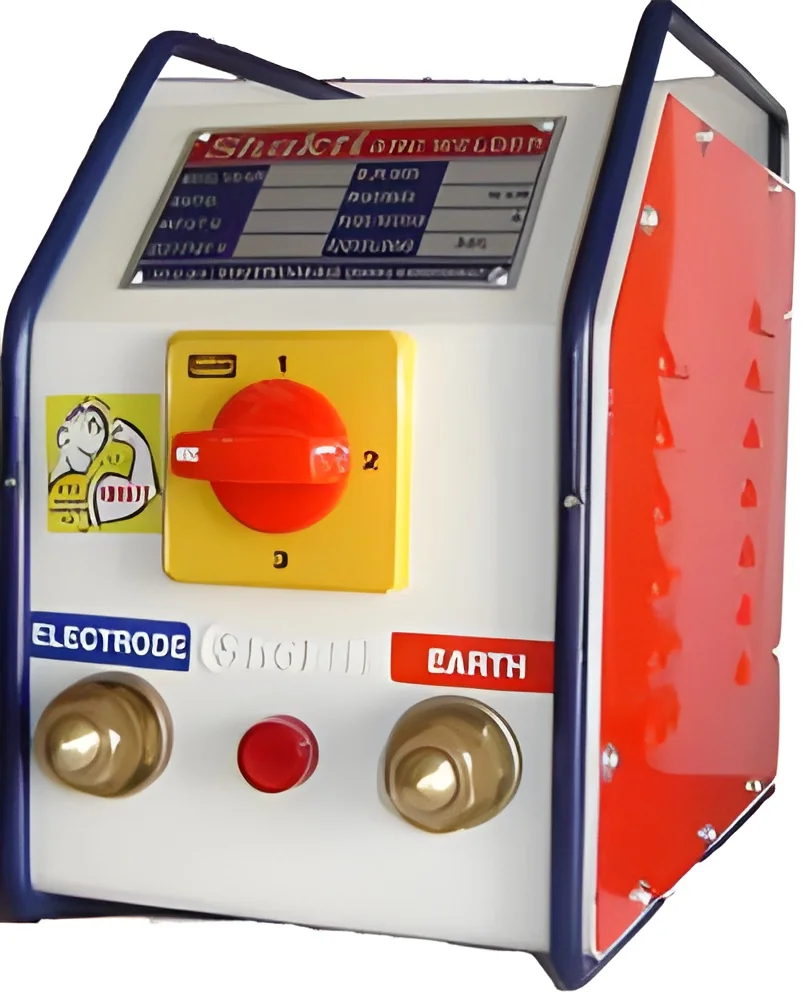
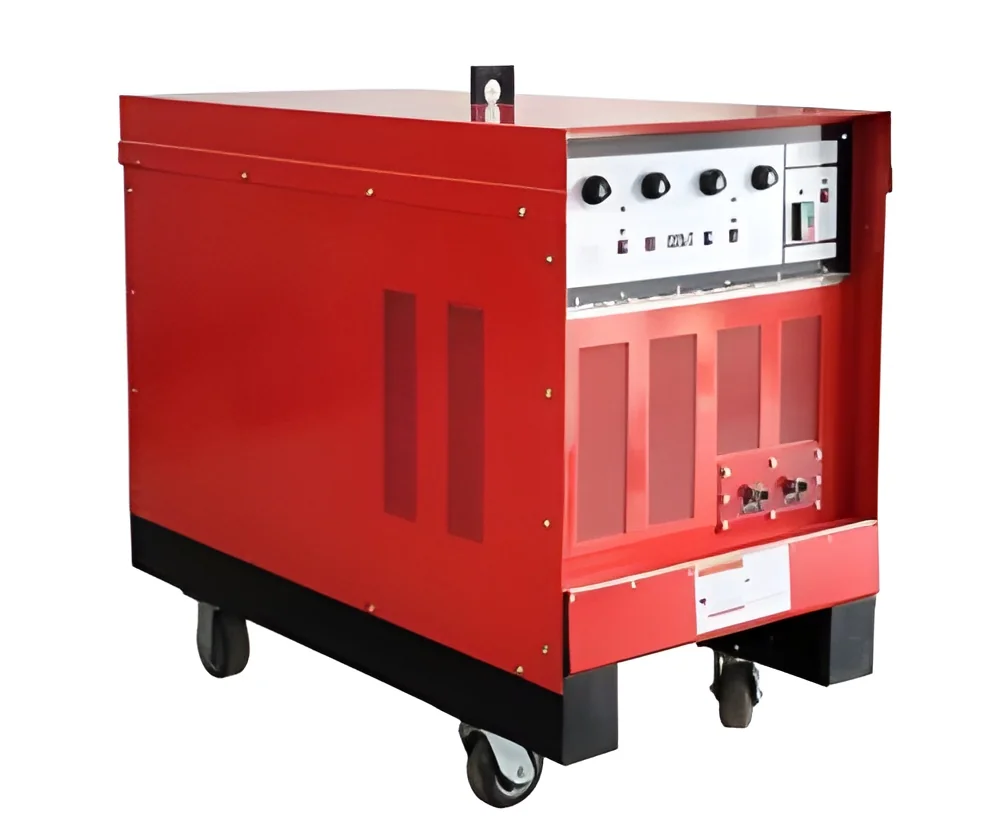
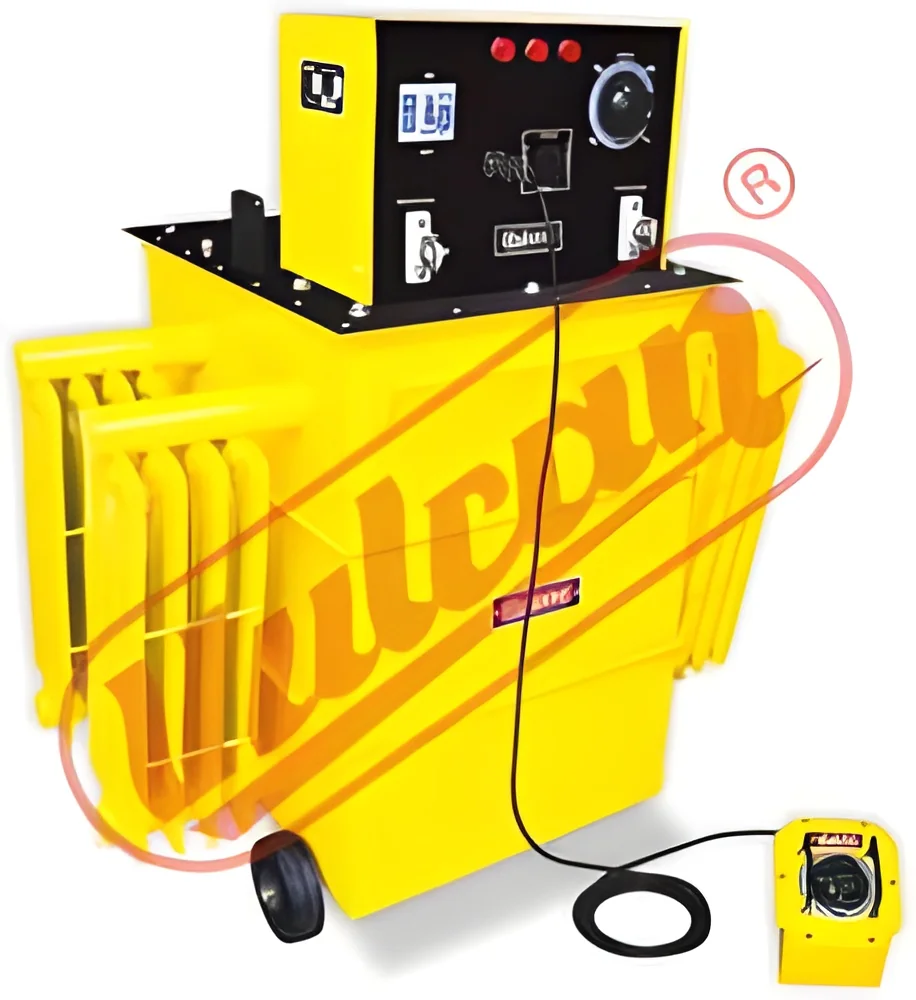
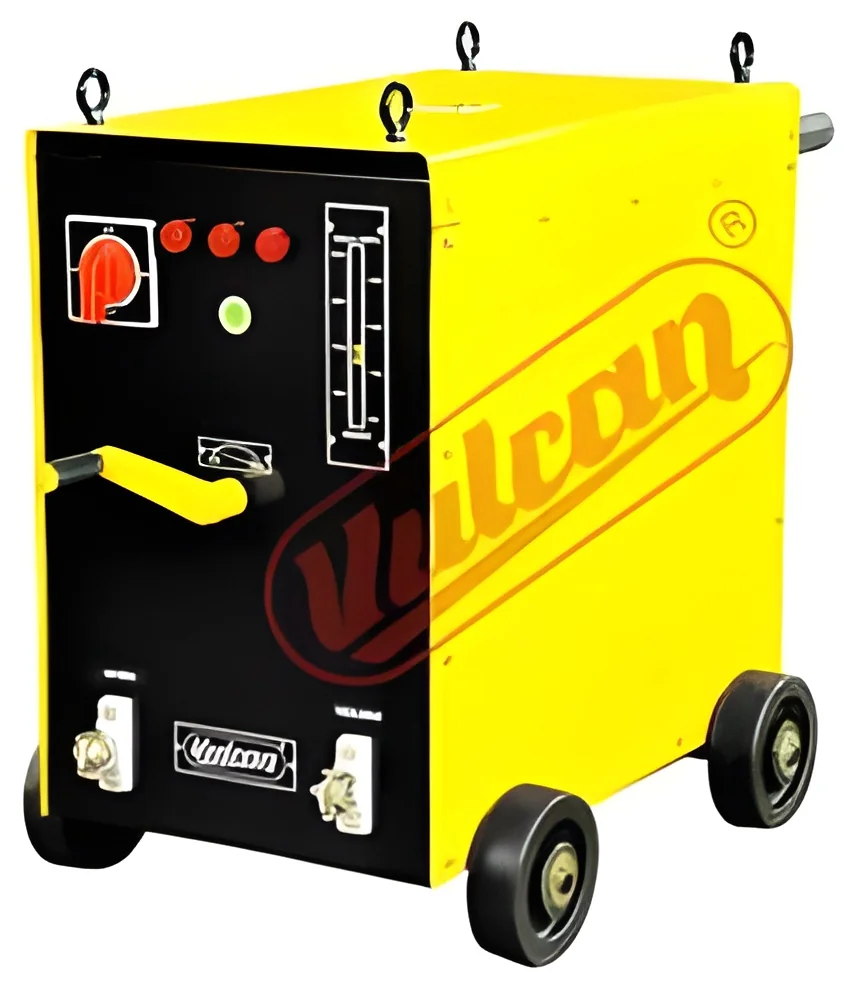
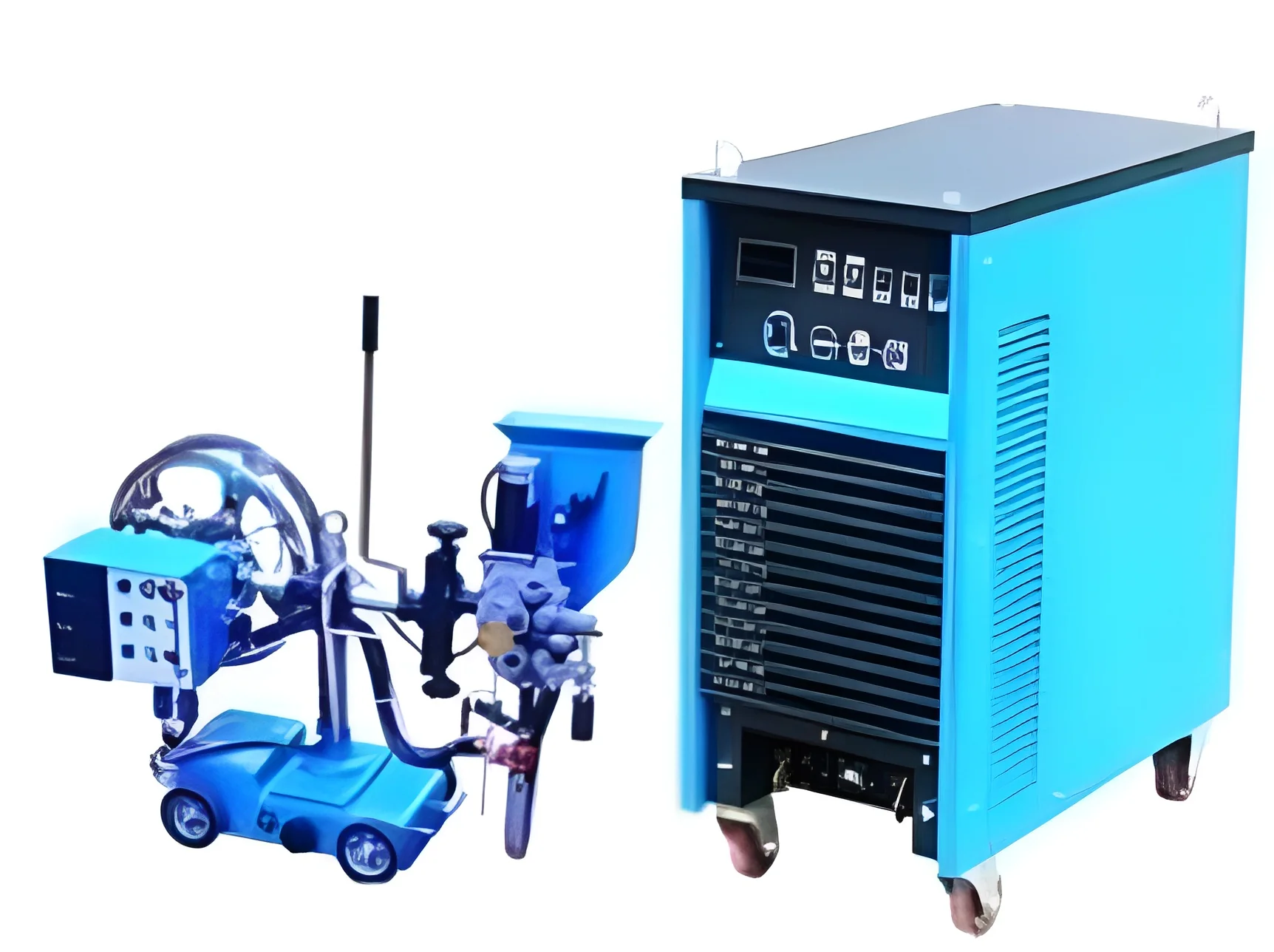
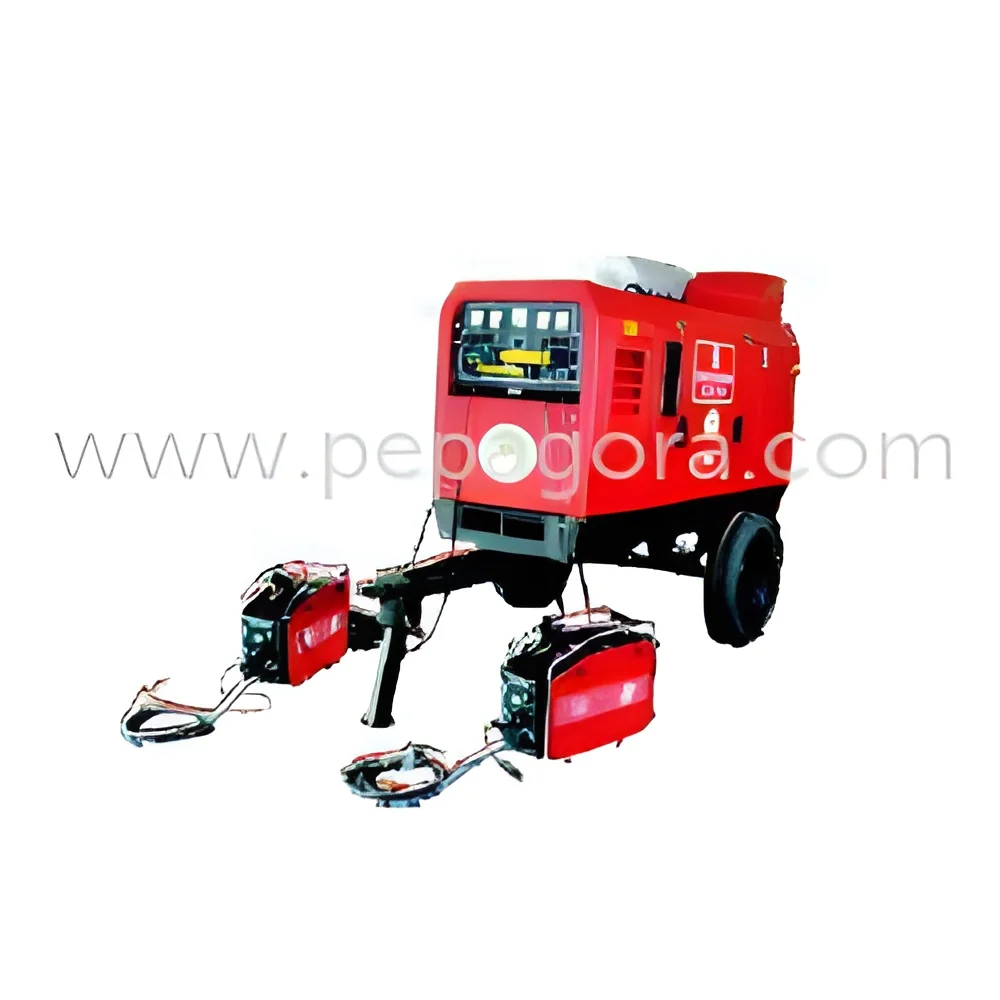
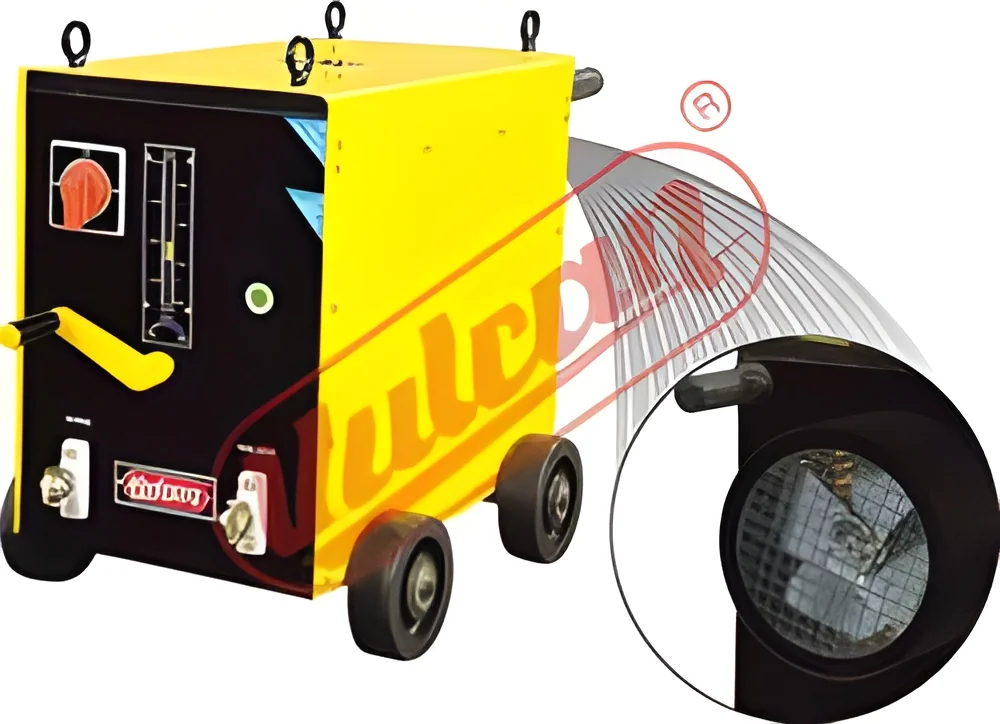
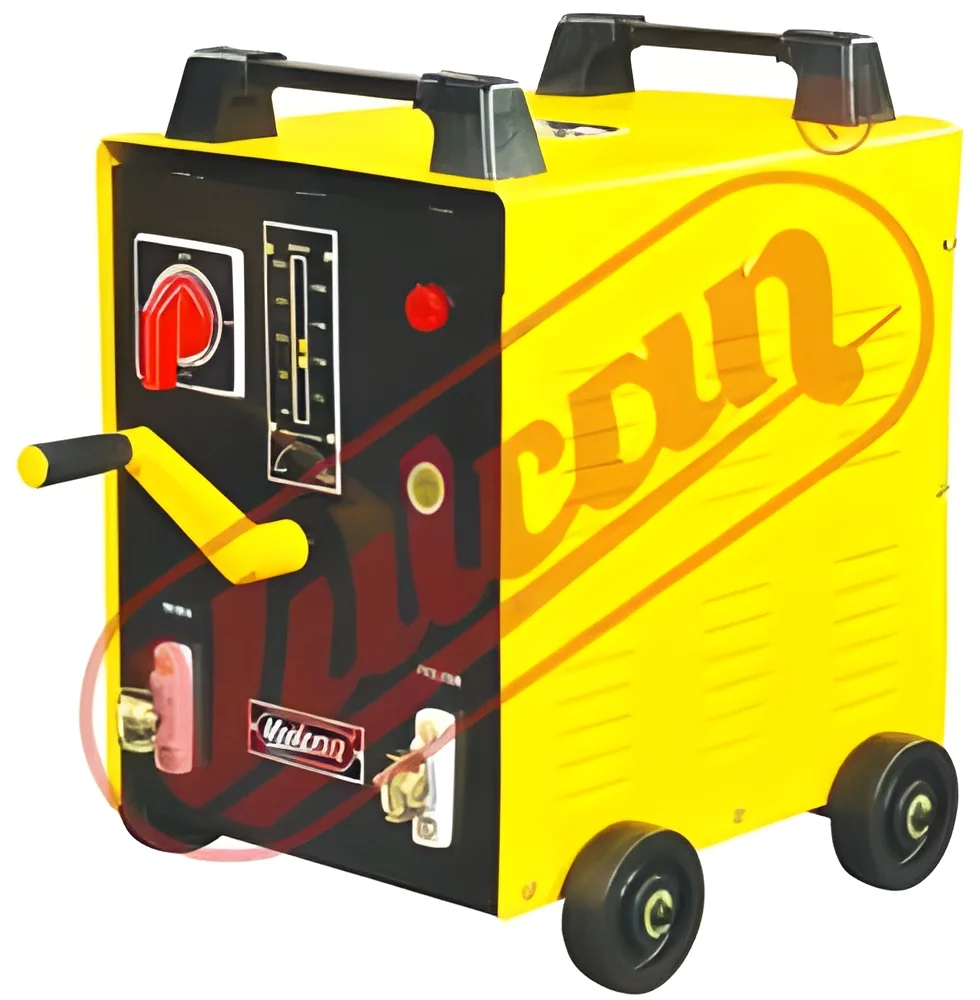
Heavy-duty industrial arc welders are specialized machines designed for high-performance welding tasks in demanding environments. These welders utilize an electric arc to melt metal and join materials together, providing a strong, durable bond. They are built to handle thick materials and withstand harsh conditions typically found in industrial settings.
These welders are primarily used in industries such as construction, manufacturing, and metal fabrication. They are essential for tasks ranging from structural welding to heavy equipment repairs. Businesses rely on heavy-duty arc welders for their ability to produce high-quality welds quickly and efficiently, making them a crucial component in production processes. With the increasing demand for robust industrial solutions, the market for these welders continues to grow, driven by advancements in technology and materials.
Key Features and Specifications
Heavy-duty industrial arc welders come equipped with a range of features designed to enhance performance and user experience. Understanding these specifications is vital for selecting the right welder for specific applications.
Key specifications include:
1. Welding Process
- Common processes include Shielded Metal Arc Welding (SMAW), Gas Metal Arc Welding (GMAW), and Gas Tungsten Arc Welding (GTAW).
- Each process has unique applications and benefits.
2. Power Output
- Typically ranges from 200 to 600 amps, depending on the model.
- Higher power output allows for welding thicker materials.
3. Duty Cycle
- Duty cycle percentages indicate how long the welder can operate before needing a cooldown.
- Common duty cycles range from 60% to 100%.
4. Voltage Input
- Common voltage inputs include 230V and 460V.
- Proper voltage selection is essential for optimal performance.
5. Weight and Portability
- Weights can vary, generally between 100 to 400 pounds.
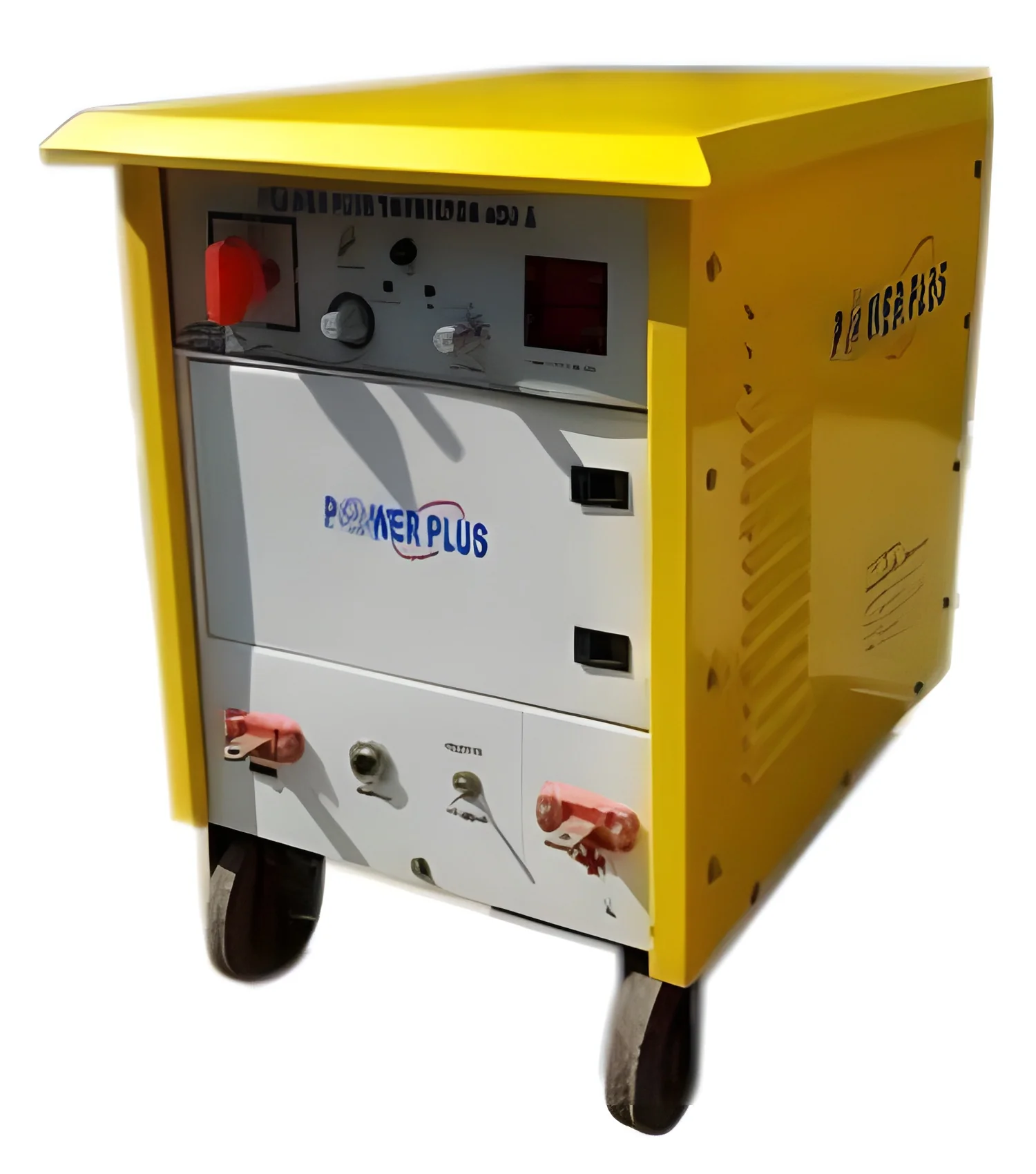
- Portability features may include wheels and handles for easier transport.
6. Cooling System
- Many models include built-in cooling systems to prevent overheating.
- Effective cooling extends the lifespan of the welder.
7. Control Features
- Digital displays and advanced controls for precise adjustments.
- User-friendly interfaces enhance operational efficiency.
8. Safety Features
- Includes thermal overload protection and safety shut-off systems.
- Ensures operator safety during welding operations.
In summary, understanding the key features and specifications of heavy-duty industrial arc welders is essential for businesses to make informed purchasing decisions.
Common Applications and Use Cases
Heavy-duty industrial arc welders serve various industries and applications crucial for modern manufacturing and construction.
1. Construction: In the construction industry, these welders are used for fabricating steel structures, reinforcing bars, and heavy machinery repairs. Their ability to handle thick materials makes them ideal for building frameworks.
2. Manufacturing: Manufacturers utilize heavy-duty welders for assembling components in automotive, aerospace, and machinery production. Their efficiency and reliability help streamline production lines.
3. Metal Fabrication: In metal fabrication shops, these welders are essential for custom fabrications, repairs, and modifications. They allow for precise welding in complex projects.
4. Shipbuilding: Heavy-duty arc welders are vital in shipbuilding, where they are used to construct and repair large vessels. Their robustness ensures durability in marine environments.
5. Oil and Gas: In the oil and gas sector, these welders are employed for pipeline construction and maintenance. They provide the strength required for high-pressure applications.
6. Heavy Equipment Repair: Repair shops for heavy machinery rely on these welders to fix equipment used in construction and agriculture. Their performance ensures minimal downtime.
7. Railways: Rail maintenance and construction projects utilize heavy-duty welders to join tracks and repair train components. Their precision is critical in ensuring safety.
Product Variants and Subcategories
Heavy-duty industrial arc welders come in various models, each catering to specific needs and applications.
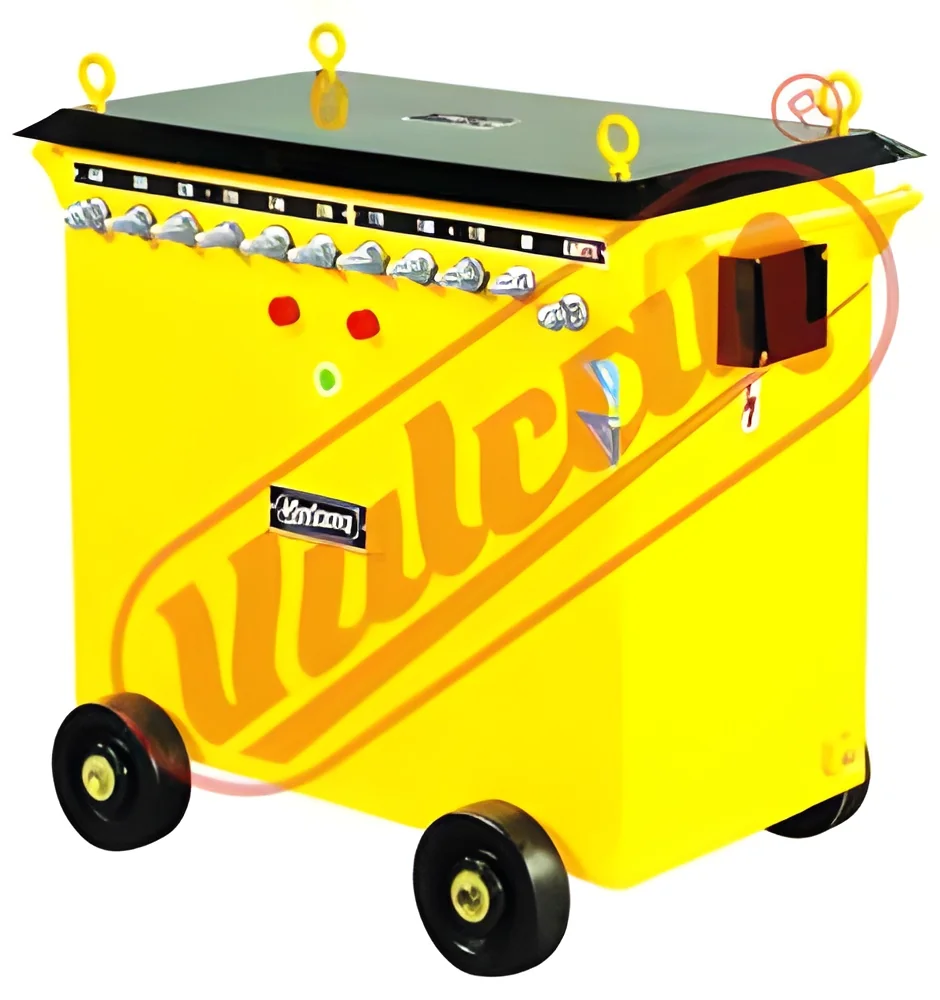
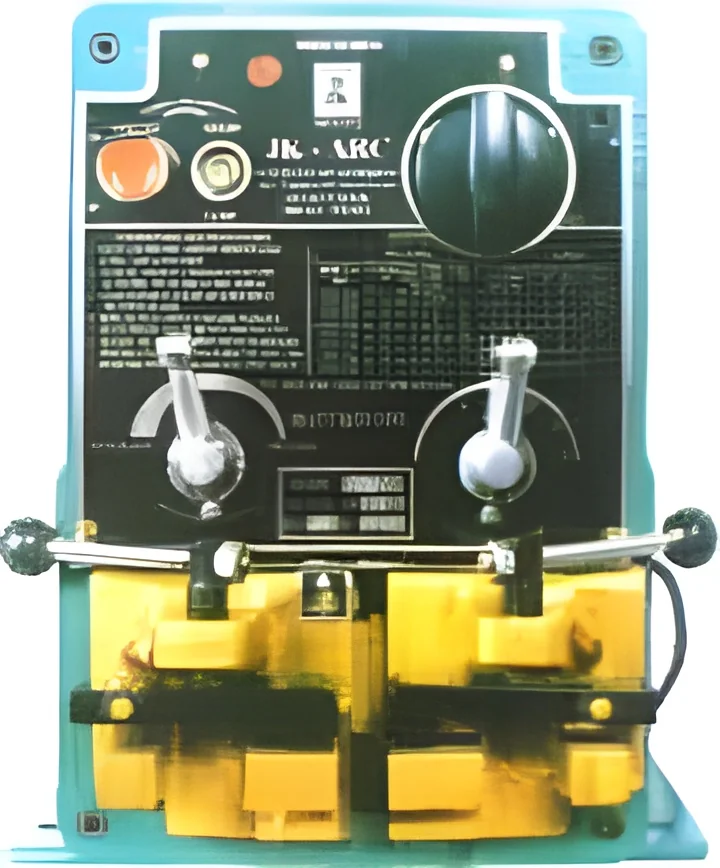
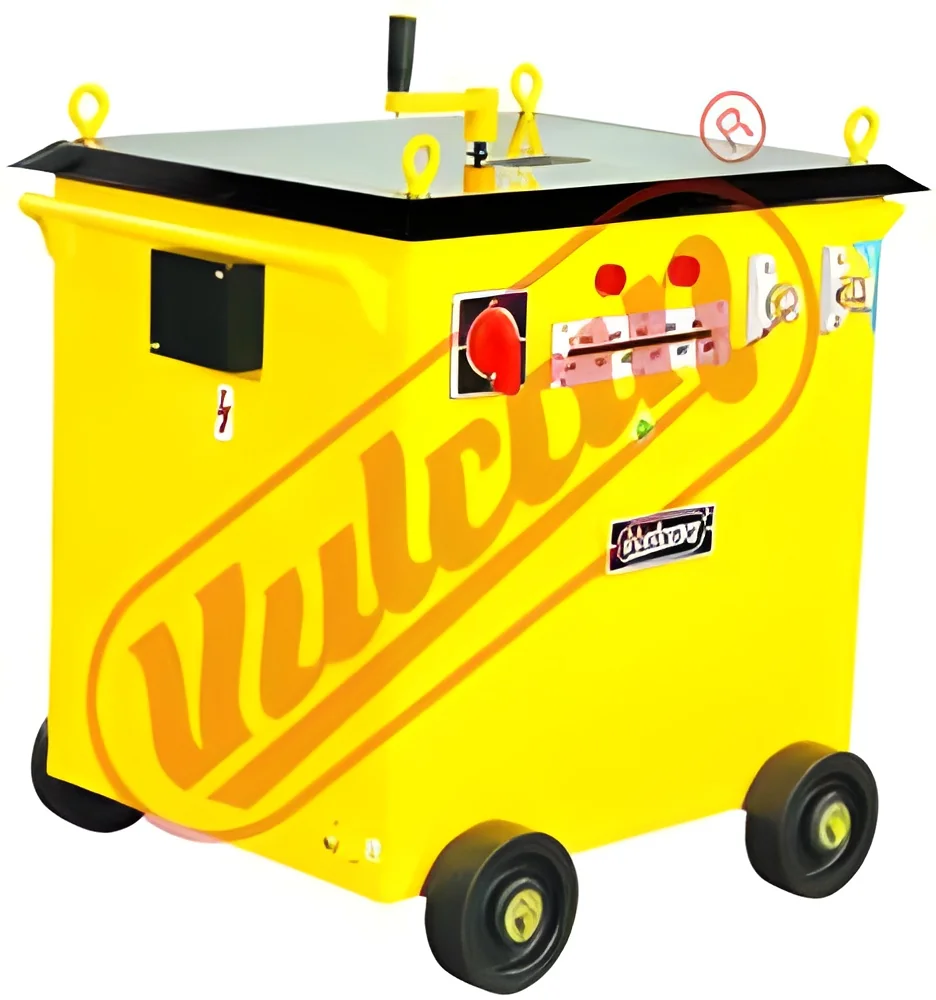
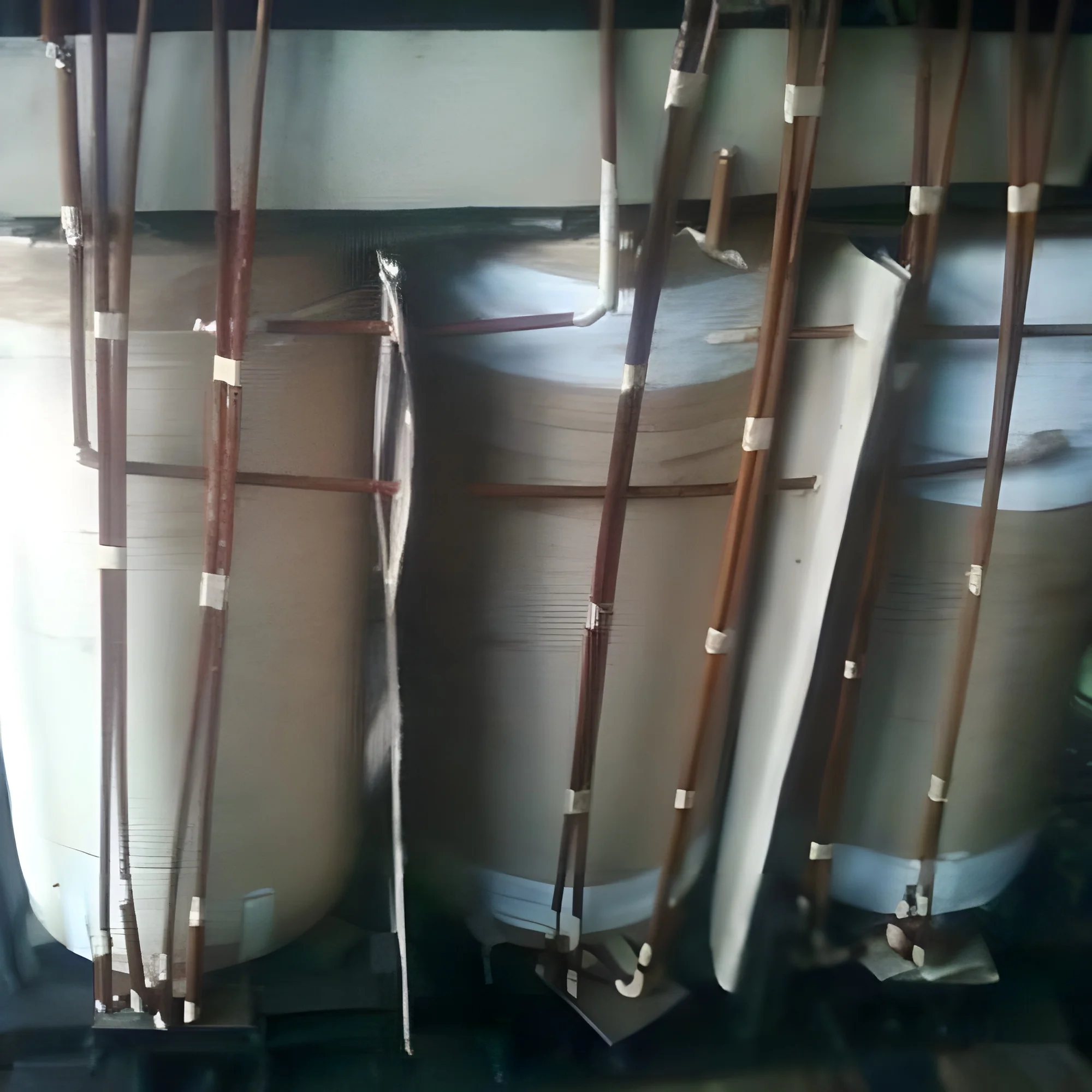
Transformer-Based Welders: These welders use electromagnetic induction to generate heat and are known for their reliability and durability. They are suitable for heavy, continuous-duty applications.
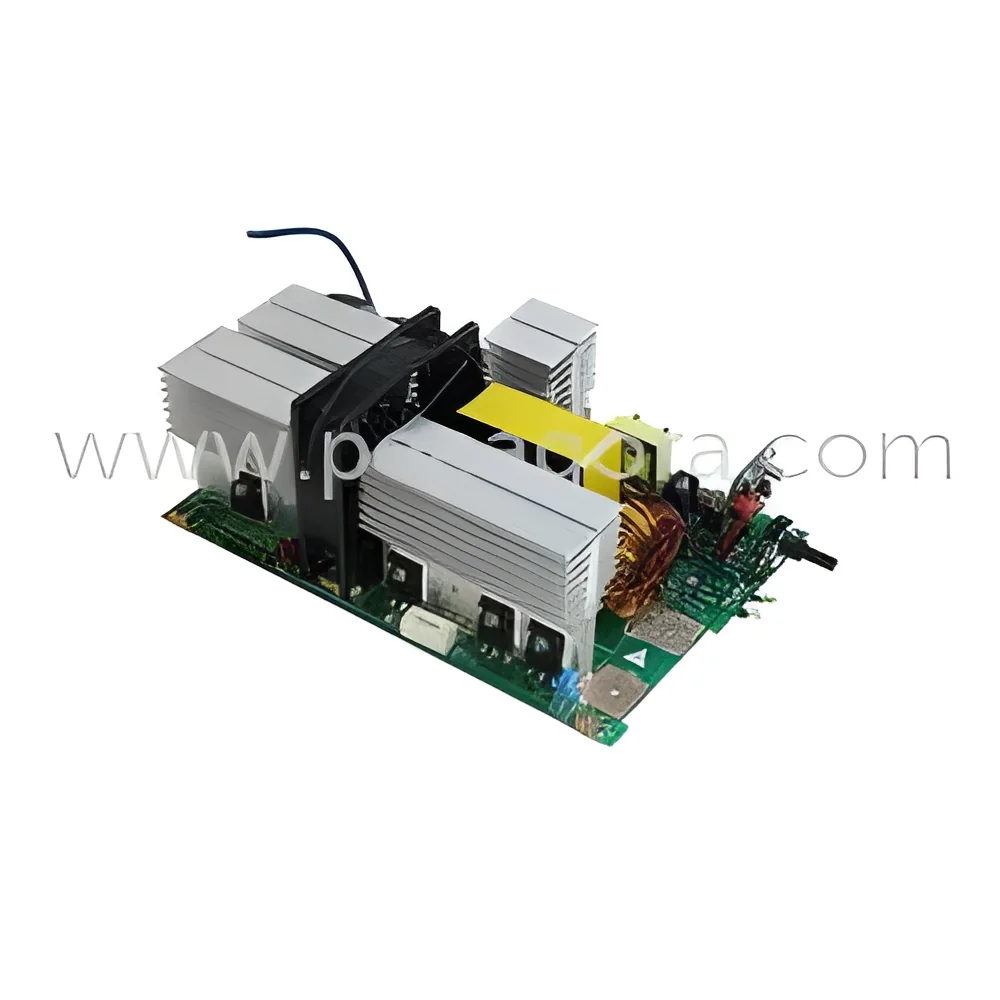
Inverter-Based Welders: Lighter and more energy-efficient, inverter-based welders offer advanced control options and are versatile for various welding processes. They are ideal for projects requiring portability.
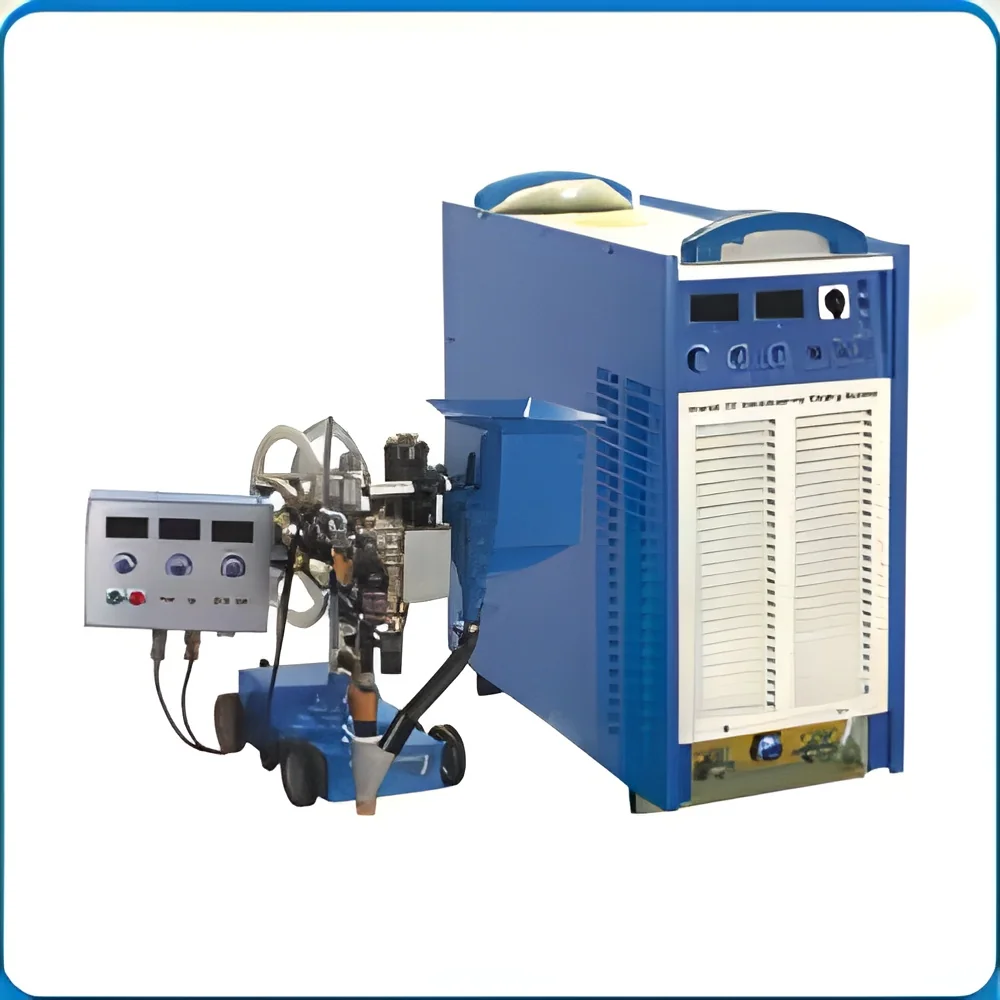
Multi-Process Welders: These welders can perform multiple welding processes, such as MIG, TIG, and stick welding. Their versatility makes them suitable for shops that handle diverse projects.
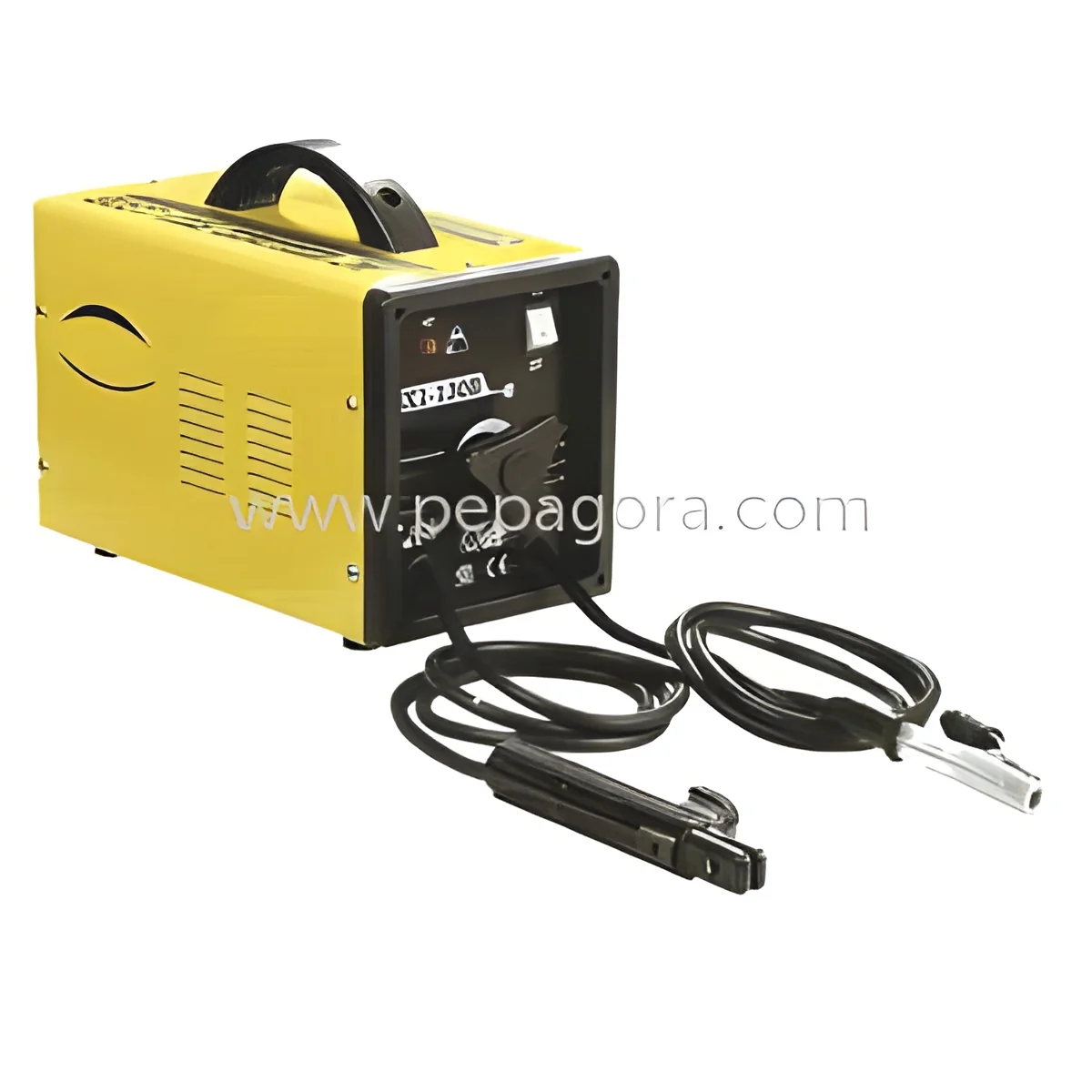
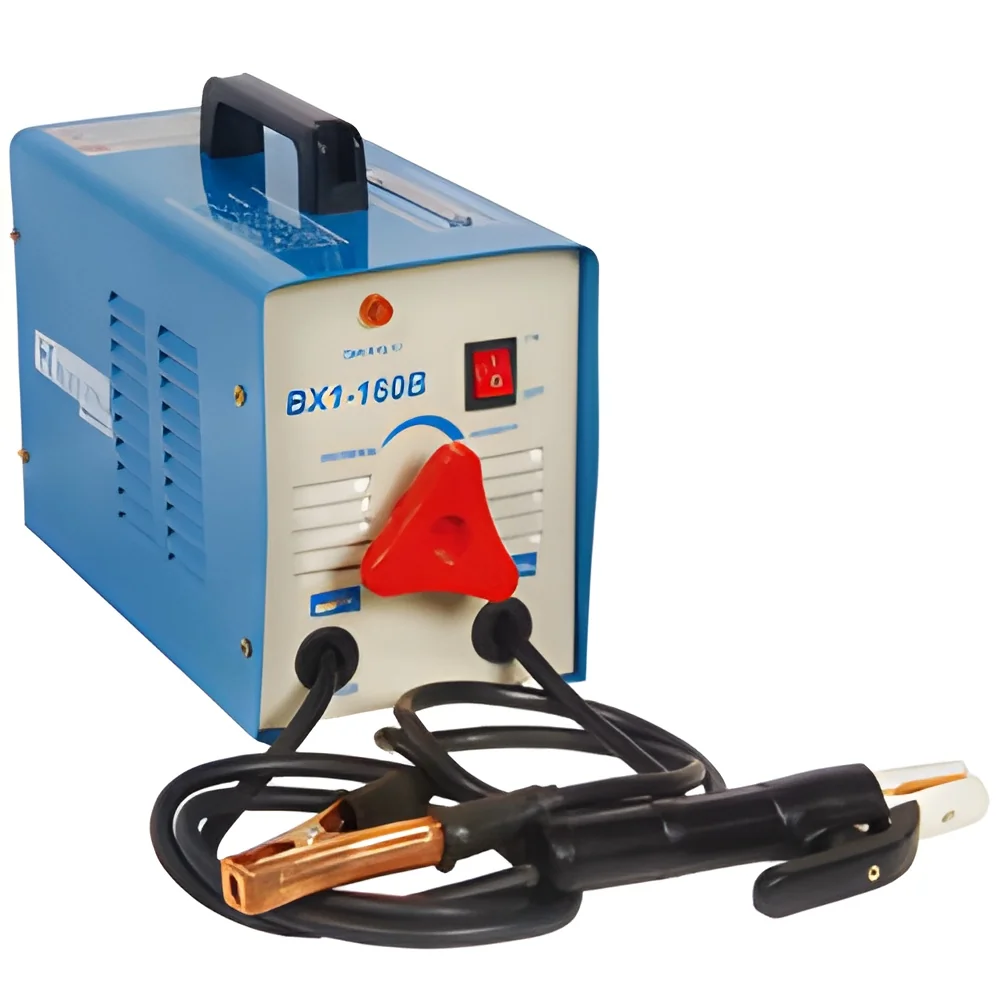
Portable Welders: Designed for mobility, portable heavy-duty welders are compact and easy to transport. They are perfect for onsite repairs and work in remote locations.
Benefits and Advantages
Investing in heavy-duty industrial arc welders provides numerous benefits for businesses.
1. Enhanced Productivity: High power output and efficiency allow for faster welding, increasing overall productivity in manufacturing and construction processes.
2. Versatility: Capable of performing multiple welding processes, these welders can adapt to various applications, making them suitable for diverse projects.
3. Durability: Built to withstand harsh industrial conditions, heavy-duty welders offer long service life and reduce the frequency of equipment replacement.
4. Improved Weld Quality: Advanced technology and control features enable precise welding, resulting in stronger and more reliable joints.
5. Safety Features: Integrated safety mechanisms protect operators and equipment during use, ensuring a safer working environment.
6. Cost-Effectiveness: Long-term reliability and reduced maintenance needs translate to lower operational costs, making these welders a sound investment.
Buying Guide for B2B Buyers
When sourcing heavy-duty industrial arc welders, businesses should consider several key factors to ensure they select the right equipment.
1. Quality Assessment: Evaluate the quality of the welders based on manufacturer reputation, user reviews, and performance metrics. High-quality equipment ensures better results and longevity.
2. Supplier Verification: Vet suppliers to confirm their reliability and track record. Look for certifications and customer feedback to ensure they meet industry standards.
3. Pricing and MOQ: Understand the price range for different models and inquire about minimum order quantities. Balancing cost with quality is crucial for budget management.
4. Delivery and Lead Times: Confirm delivery schedules and lead times to ensure timely availability. Efficient logistics are essential for maintaining project timelines.
5. Compliance Requirements: Verify that the welders meet industry compliance standards and certifications, such as CE marking, to ensure safety and regulatory adherence.
Compliance and Certifications
Compliance with industry standards is crucial for heavy-duty industrial arc welders. These machines often adhere to quality standards such as ISO 9001, which ensures that manufacturers maintain a quality management system. Compliance with HACCP and GDP may also be relevant in specific applications, especially in sectors that prioritize safety and quality.
Certifications like CE mark indicate that the equipment meets European safety and environmental protection standards. This certification is essential for businesses operating in regions that require compliance with strict regulatory frameworks.
Safety and testing requirements are a priority for heavy-duty welders. They must undergo rigorous testing to ensure reliability and performance under extreme conditions. Additionally, regional compliance considerations may vary, necessitating a thorough understanding of local regulations before purchase.
Why Source Heavy-Duty Industrial Arc Welders from Pepagora?
Pepagora provides a trusted platform for sourcing heavy-duty industrial arc welders, offering several key advantages to B2B buyers.
Verified Supplier Network: Pepagora collaborates with reputable suppliers, ensuring that buyers have access to high-quality equipment. The verification process minimizes the risk of purchasing subpar products.
Streamlined RFQ Process: The request for quotation (RFQ) system simplifies the sourcing process. Buyers can quickly obtain competitive quotes from multiple suppliers, saving time and effort.
Trade Assurance and Support: Pepagora offers buyer protection through trade assurance programs. This support provides additional peace of mind during transactions, ensuring that investments are secure.
Regional Coverage: With a strong presence in India, the GCC, and Southeast Asia, Pepagora facilitates access to heavy-duty industrial arc welders tailored to regional market needs. This geographic reach enhances sourcing efficiency for businesses operating across multiple locations.

 IN
IN