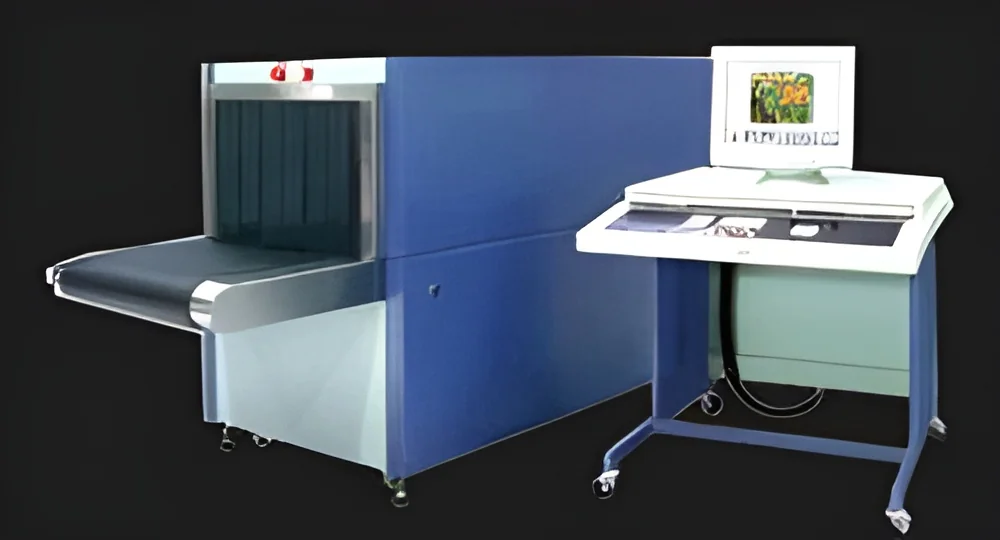
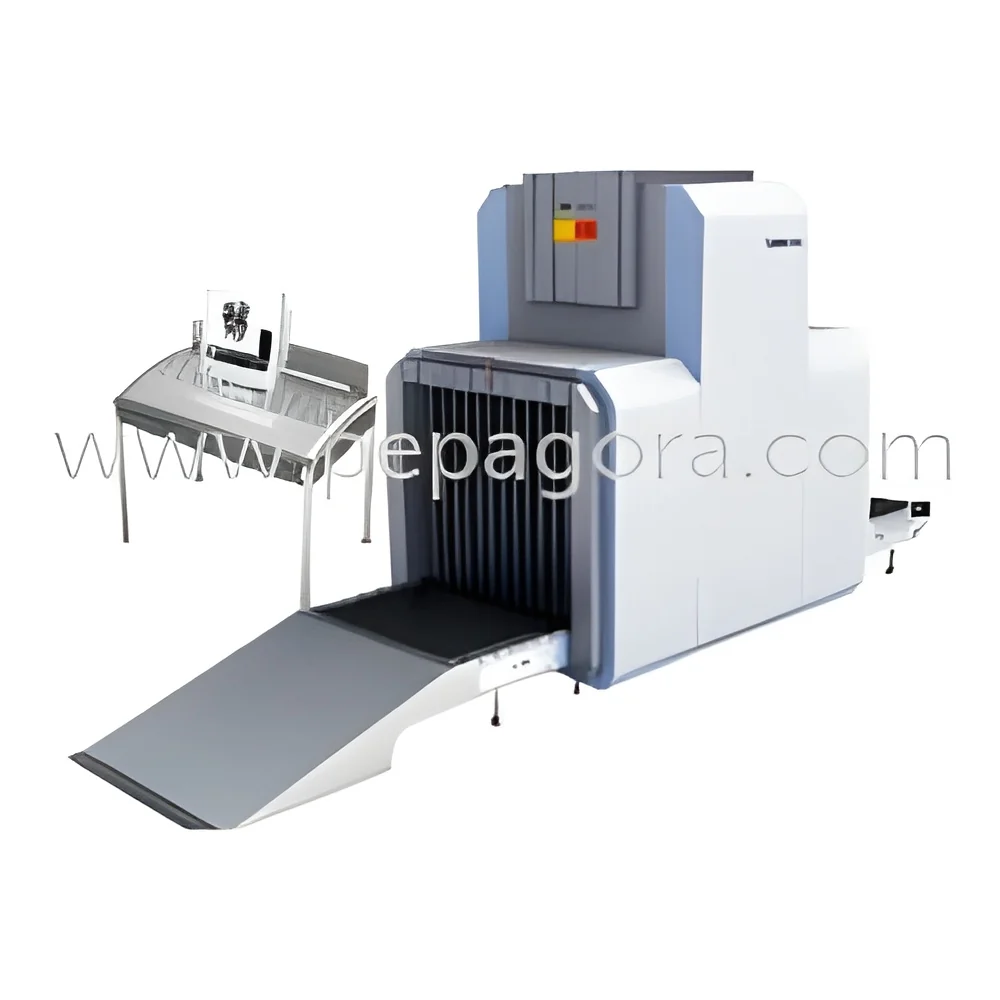
𝗪𝗵𝗮𝘁 𝗮𝗿𝗲 𝗥𝗮𝗱𝗶𝗼𝗴𝗿𝗮𝗽𝗵𝗶𝗰 𝗜𝗻𝘀𝗽𝗲𝗰𝘁𝗶𝗼𝗻 𝗦𝘆𝘀𝘁𝗲𝗺𝘀?
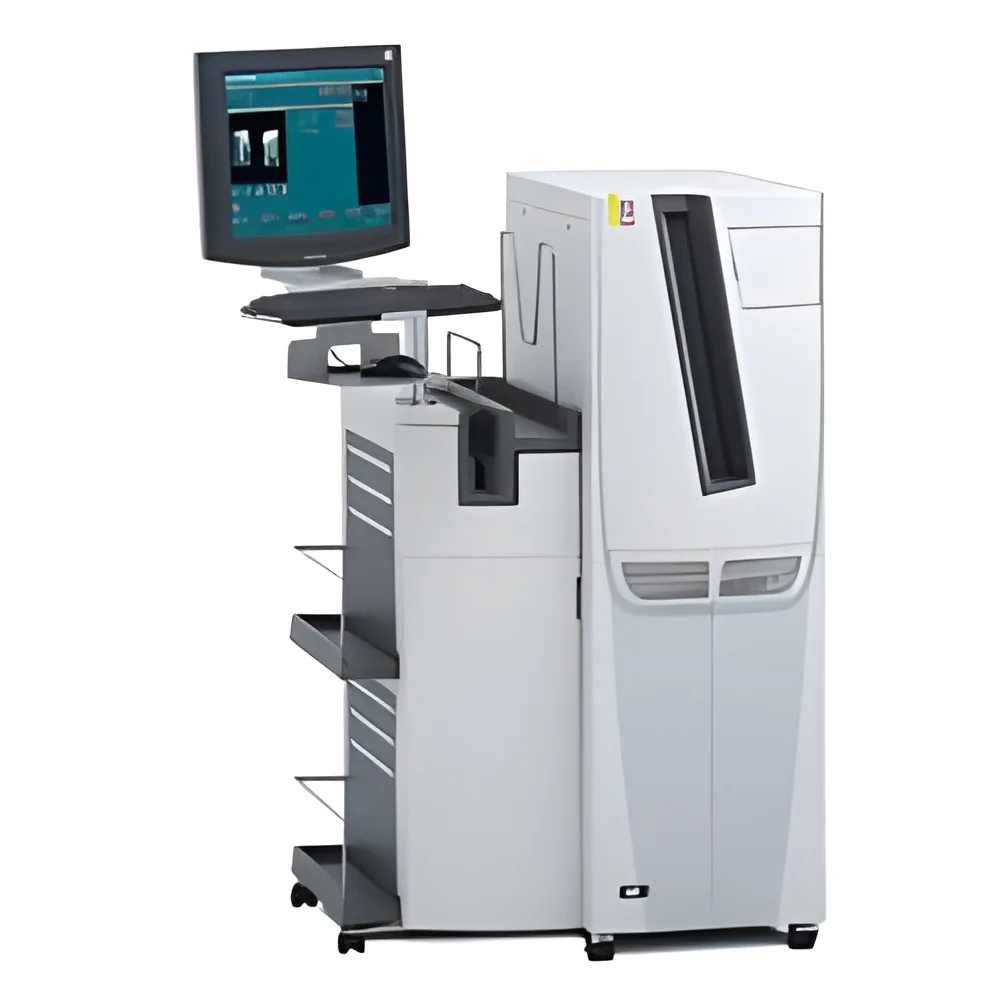
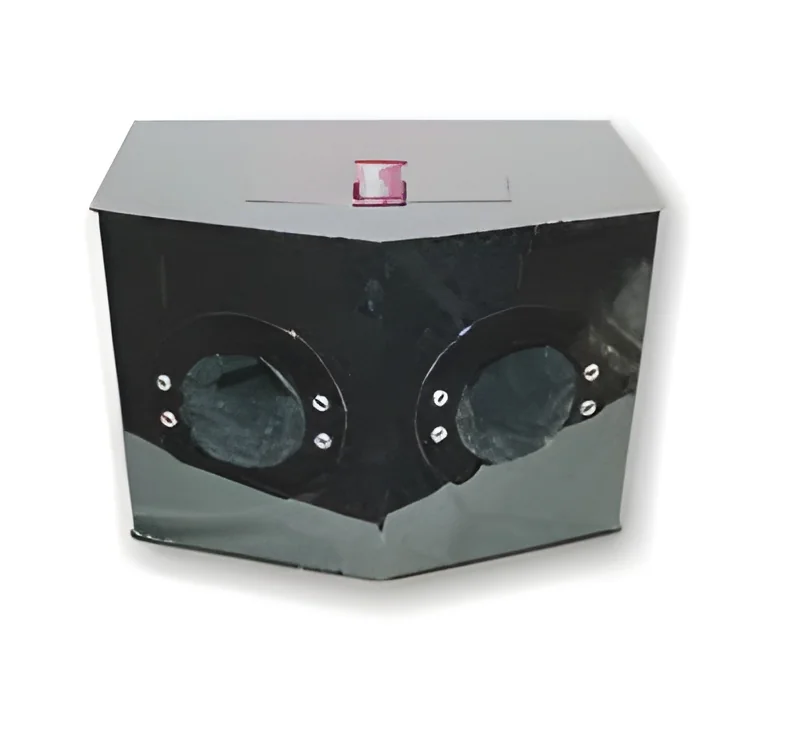
Radiographic Inspection Systems are advanced technology tools used to examine the internal structure of materials and components. Utilizing ionizing radiation, these systems create images that reveal hidden defects, inconsistencies, or structural anomalies. The technology typically involves X-rays or gamma rays, which penetrate the material and project images onto a detector or film. This non-destructive testing method is critical in ensuring product quality and integrity without altering or damaging the object being inspected.
These systems find primary applications in various industries, including aerospace, automotive, and manufacturing. They are instrumental in verifying the integrity of welds, detecting corrosion, and ensuring compliance with industry standards. By facilitating real-time analysis, radiographic systems help businesses maintain high quality control standards and minimize the risk of product failure. Their relevance extends across sectors where safety and reliability are paramount, positioning them as essential tools in any quality assurance program.
𝗞𝗲𝘆 𝗙𝗲𝗮𝘁𝘂𝗿𝗲𝘀 𝗮𝗻𝗱 𝗦𝗽𝗲𝗰𝗶𝗳𝗶𝗰𝗮𝘁𝗶𝗼𝗻𝘀
Radiographic Inspection Systems come equipped with a variety of features that enhance their functionality and efficiency. When considering these systems, it is essential to understand their specifications to ensure they meet specific operational requirements.
Key specifications include:
1. Image Resolution
- High-resolution imaging capabilities for detecting small defects
- Typically ranges from 0.1 mm to 0.5 mm
2. Radiation Source
- Options include X-ray tubes or gamma sources
- Selection based on application requirements and material types
3. Exposure Time
- Adjustable exposure settings to optimize image clarity
- Ranges from milliseconds to several seconds, depending on material thickness
4. Detector Type
- Flat-panel detectors or film-based systems
- Each type has distinct advantages in terms of image quality and processing speed
5. Software Compatibility
- Advanced image processing software for analysis
- Supports various file formats for easy data sharing
6. Portability
- Compact design for field inspections or stationary setups
- Weight typically varies from portable units to larger, fixed systems
7. Power Supply
- Options for battery-operated or mains-powered systems
- Flexibility for different operational environments
8. Compliance Standards
- Adherence to safety and quality standards like CE certifications
- Ensures systems meet industry regulations and safety requirements
In summary, understanding the key features and specifications of Radiographic Inspection Systems is crucial for effective selection and application in various industries.
𝗖𝗼𝗺𝗺𝗼𝗻 𝗔𝗽𝗽𝗹𝗶𝗰𝗮𝘁𝗶𝗼𝗻𝘀 𝗮𝗻𝗱 𝗨𝘀𝗲 𝗖𝗮𝘀𝗲𝘀
Radiographic Inspection Systems serve a multitude of industries, each benefiting from their unique capabilities.
1. Aerospace: These systems are used to inspect critical components such as aircraft fuselage and engine parts to ensure safety and structural integrity.
2. Automotive: They are employed to evaluate welds and detect potential failures in safety-critical components like brake systems and frames.
3. Manufacturing: Radiographic inspections are vital in quality control processes to identify defects in castings and welds before final assembly.
4. Oil and Gas: Used for pipeline inspections, these systems ensure that joints and welds meet stringent safety standards to prevent leaks.
5. Construction: Radiographic methods help assess the integrity of reinforced concrete structures, ensuring compliance with safety regulations.
6. Power Generation: Inspections of reactor components in nuclear power plants are critical for maintaining operational safety and efficiency.
7. Defense: These systems are used to inspect munitions and other defense-related components for quality assurance.
𝗣𝗿𝗼𝗱𝘂𝗰𝘁 𝗩𝗮𝗿𝗶𝗮𝗻𝘁𝘀 𝗮𝗻𝗱 𝗦𝘂𝗯𝗰𝗮𝘁𝗲𝗴𝗼𝗿𝗶𝗲𝘀
Radiographic Inspection Systems come in various forms, each tailored to meet specific inspection requirements.
Portable Radiographic Systems
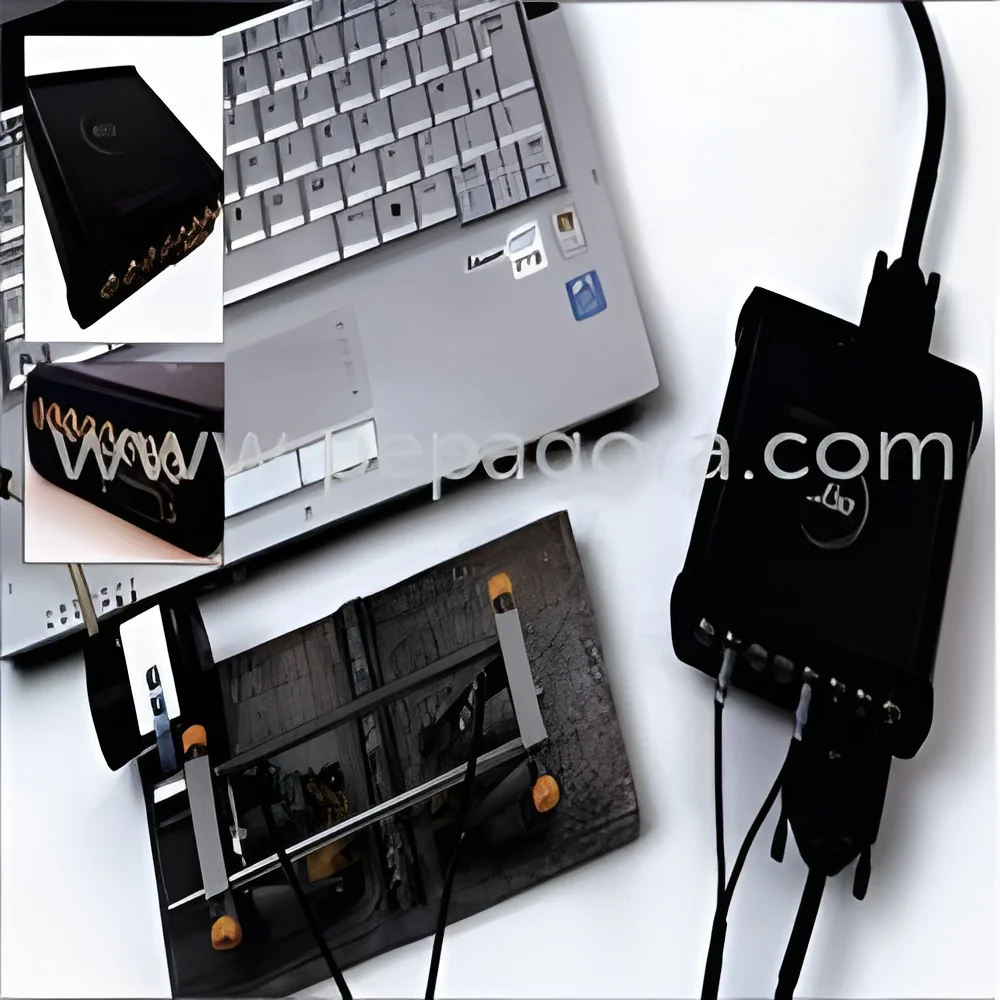
These units are designed for field applications, offering flexibility and ease of transport. Equipped with lightweight components, they enable quick and efficient inspections in remote locations.
Digital Radiography Systems
These systems utilize advanced digital detectors, allowing for immediate image processing and analysis. They provide higher image quality and enable better defect detection compared to traditional film-based systems.
Industrial Radiographic Systems
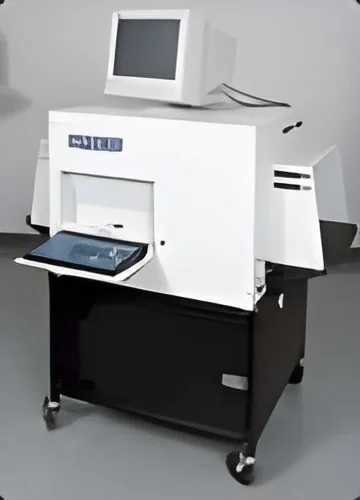
Designed for heavy-duty applications, these systems can handle larger materials and thicker sections. They are commonly used in industries like oil and gas for pipeline inspections.
𝗕𝗲𝗻𝗲𝗳𝗶𝘁𝘀 𝗮𝗻𝗱 𝗔𝗱𝘃𝗮𝗻𝘁𝗮𝗴𝗲𝘀
Radiographic Inspection Systems offer numerous advantages to businesses seeking to enhance their quality control processes.
Key benefits include:
1. Non-Destructive Testing: These systems allow for thorough inspections without damaging the materials, preserving their usability.
2. High Sensitivity: They can detect even the smallest defects, ensuring high-quality standards and safety compliance.
3. Real-Time Analysis: Immediate results enable quick decision-making and timely interventions in production processes.
4. Versatility: Applicable across various industries, they can inspect a wide range of materials and components.
5. Cost-Effective: By identifying defects early, these systems help reduce waste and avoid costly rework or recalls.
6. Compliance Assurance: They assist businesses in meeting regulatory requirements, enhancing overall product reliability and safety.
𝗕𝘂𝘆𝗶𝗻𝗴 𝗚𝘂𝗶𝗱𝗲 𝗳𝗼𝗿 𝗕𝟮𝗕 𝗕𝘂𝘆𝗲𝗿𝘀
When sourcing Radiographic Inspection Systems, it is essential to consider various factors to ensure the right fit for your business needs.
1. Quality Assessment: Evaluate the quality of equipment by reviewing certifications, testing standards, and past customer reviews to ensure reliability.
2. Supplier Verification: Vet potential suppliers by checking their industry reputation, customer service, and support capabilities to ensure a trustworthy partnership.
3. Pricing and MOQ: Understand the pricing structure and minimum order quantities to align with your budget and project needs.
4. Delivery and Lead Times: Assess logistics and delivery timelines to ensure the systems arrive when needed, avoiding delays in operations.
5. Compliance Requirements: Familiarize yourself with relevant industry regulations to ensure the systems meet necessary compliance standards.
𝗖𝗼𝗺𝗽𝗹𝗶𝗮𝗻𝗰𝗲 𝗮𝗻𝗱 𝗖𝗲𝗿𝘁𝗶𝗳𝗶𝗰𝗮𝘁𝗶𝗼𝗻𝘀
Radiographic Inspection Systems must adhere to various quality standards and certifications to ensure safety and reliability.
ISO 9001 is a widely recognized standard that indicates an organization's commitment to quality management systems. Compliance with this standard helps ensure that the systems are manufactured under strict quality controls.
The CE marking signifies that a product meets European Union safety, health, and environmental protection requirements. This certification is essential for companies operating within or exporting to EU markets.
Safety and testing requirements are critical, as they help protect operators and ensure the systems function correctly. These include rigorous testing of radiation emissions and operational safety.
Regional compliance considerations may vary, requiring businesses to understand local regulations and standards applicable to their specific operational environments.
𝗪𝗵𝘆 𝗦𝗼𝘂𝗿𝗰𝗲 𝗥𝗮𝗱𝗶𝗼𝗴𝗿𝗮𝗽𝗵𝗶𝗰 𝗜𝗻𝘀𝗽𝗲𝗰𝘁𝗶𝗼𝗻 𝗦𝘆𝘀𝘁𝗲𝗺𝘀 𝗳𝗿𝗼𝗺 𝗣𝗲𝗽𝗮𝗴𝗼𝗿𝗮?
Pepagora provides a trusted platform for sourcing Radiographic Inspection Systems, offering several key advantages to B2B buyers.
Verified Supplier Network: Pepagora maintains a comprehensive database of verified suppliers, ensuring that buyers can connect with reputable manufacturers and service providers.
Streamlined RFQ Process: The platform features an efficient request for quotation system, allowing buyers to easily compare offers and make informed decisions quickly.
Trade Assurance and Support: Pepagora offers buyer protection through its trade assurance programs, ensuring secure transactions and support throughout the purchasing process.
Regional Coverage: With a strong presence in India, GCC, and Southeast Asia, Pepagora connects buyers with suppliers across a broad geographic reach, facilitating access to a diverse range of products and solutions.

 IN
IN