
 IN
Hydraulic Cranes
4 products available
What are Hydraulic Cranes?
Hydraulic cranes are heavy lifting machines that utilize hydraulic power to raise and lower heavy loads. These cranes operate through a system of hydraulic cylinders, allowing for precise movements and significant lifting capabilities. The hydraulic system converts fluid power into mechanical work, making these cranes highly efficient for various industrial applications.
Primarily, hydraulic cranes are used in construction, transportation, and manufacturing sectors. They are essential for moving large materials such as steel beams, concrete blocks, and machinery parts. Their versatility allows them to operate in various environments, from building sites to warehouses. As industries continue to grow, the demand for hydraulic cranes has increased, making them a vital component in modern logistics and construction.
The hydraulic crane market is significant within the industrial sector, influenced by ongoing infrastructure projects and advancements in technology. Companies are increasingly adopting hydraulic cranes due to their reliability and efficiency, driving competition among manufacturers and suppliers in this space.
Key Features and Specifications
Hydraulic cranes come with a range of features that enhance their performance and usability. Understanding these specifications is crucial for businesses looking to invest in these machines.
Key specifications include:
1. Lifting Capacity
- The maximum weight the crane can lift.
- Common ranges are from 5 tons to over 100 tons.
2. Boom Length
- The extended length of the crane’s arm.
- Typically varies from 10 meters to 50 meters.
3. Operating Radius
- The maximum distance the crane can reach from its base.
- Ranges from 5 meters to 30 meters.
4. Hydraulic Pressure
- The working pressure of the hydraulic system.
- Usually between 2000 psi and 4000 psi.
5. Slewing Angle
- The rotation range of the crane’s superstructure.
- Can range from 360 degrees for full rotation to limited angles.
6. Weight
- The overall weight of the crane, affecting mobility and stability.
- Can range from 5 tons to 30 tons for portable models.
7. Power Source
- Type of engine used for operation.
- Options include electric, diesel, or hybrid systems.
8. Safety Features
- Includes overload protection, emergency stop, and stability controls.
- Essential for safe operation in various environments.
In summary, understanding the key features and specifications of hydraulic cranes helps businesses make informed purchasing decisions that align with their specific needs.
Common Applications and Use Cases
Hydraulic cranes are utilized across various industries for their versatility and efficiency.
1. Construction: Hydraulic cranes are integral to construction projects, lifting heavy materials like steel beams and concrete blocks. They assist in erecting buildings and infrastructure.
2. Manufacturing: In manufacturing plants, these cranes are used to move heavy machinery and components during production processes. Their precision is vital for assembly lines.
3. Shipping and Logistics: Hydraulic cranes are employed at shipping docks for unloading containers and heavy cargo from ships. Their strong lifting capacity expedites logistics operations.
4. Mining: In the mining industry, hydraulic cranes help transport heavy equipment and extracted materials from deep mines to processing facilities.
5. Oil and Gas: Hydraulic cranes are essential for lifting heavy pipes and equipment during the construction and maintenance of oil rigs.
6. Waste Management: These cranes assist in handling and relocating large waste containers at recycling and waste management facilities.
7. Aerospace: In the aerospace sector, hydraulic cranes are used to lift and position aircraft components for assembly and maintenance.
Product Variants and Subcategories
Hydraulic cranes come in various configurations to meet different operational needs.
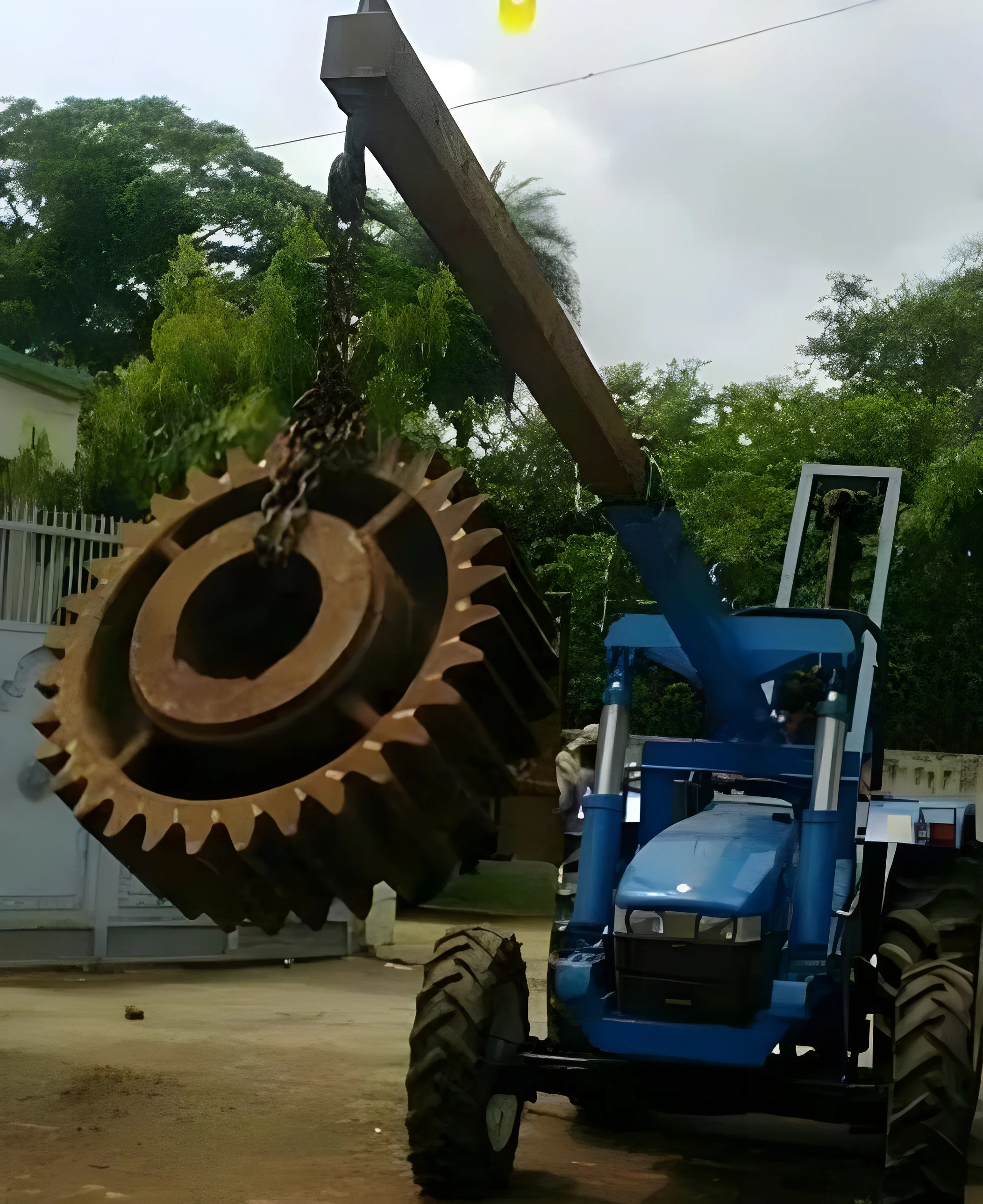
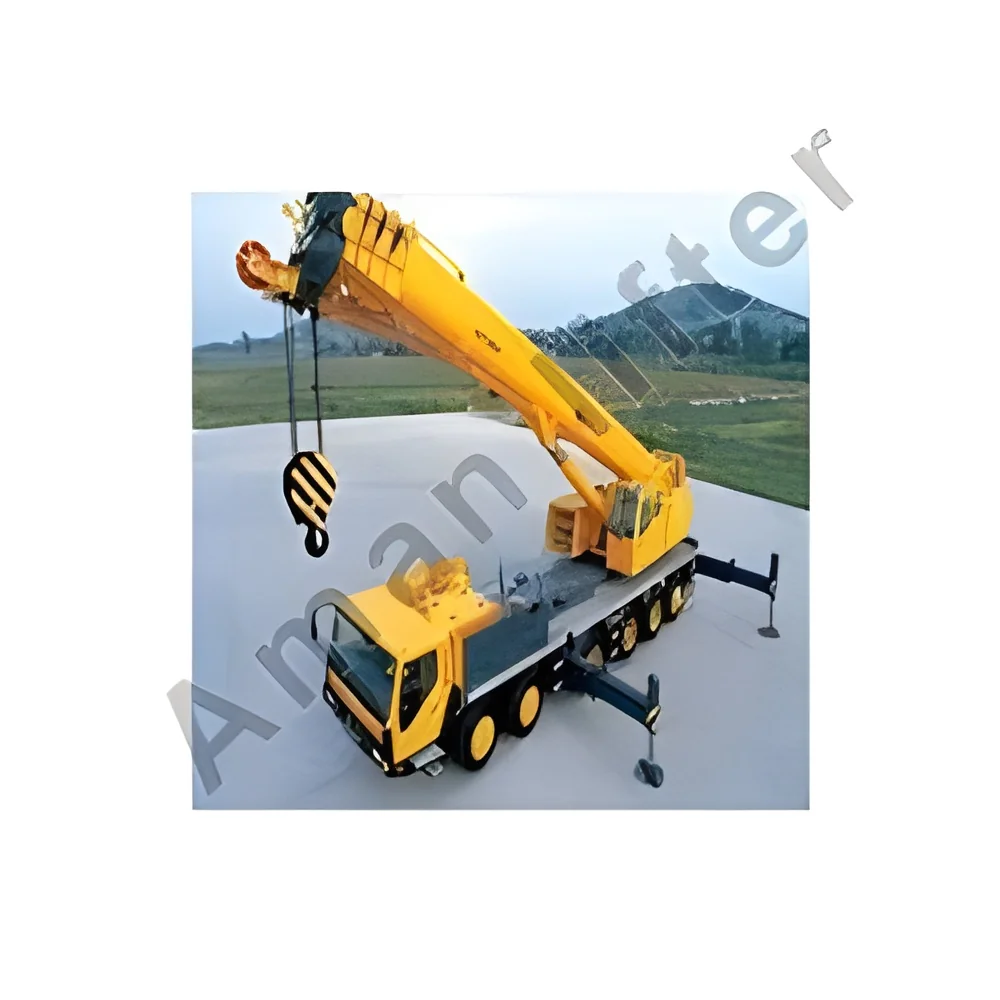
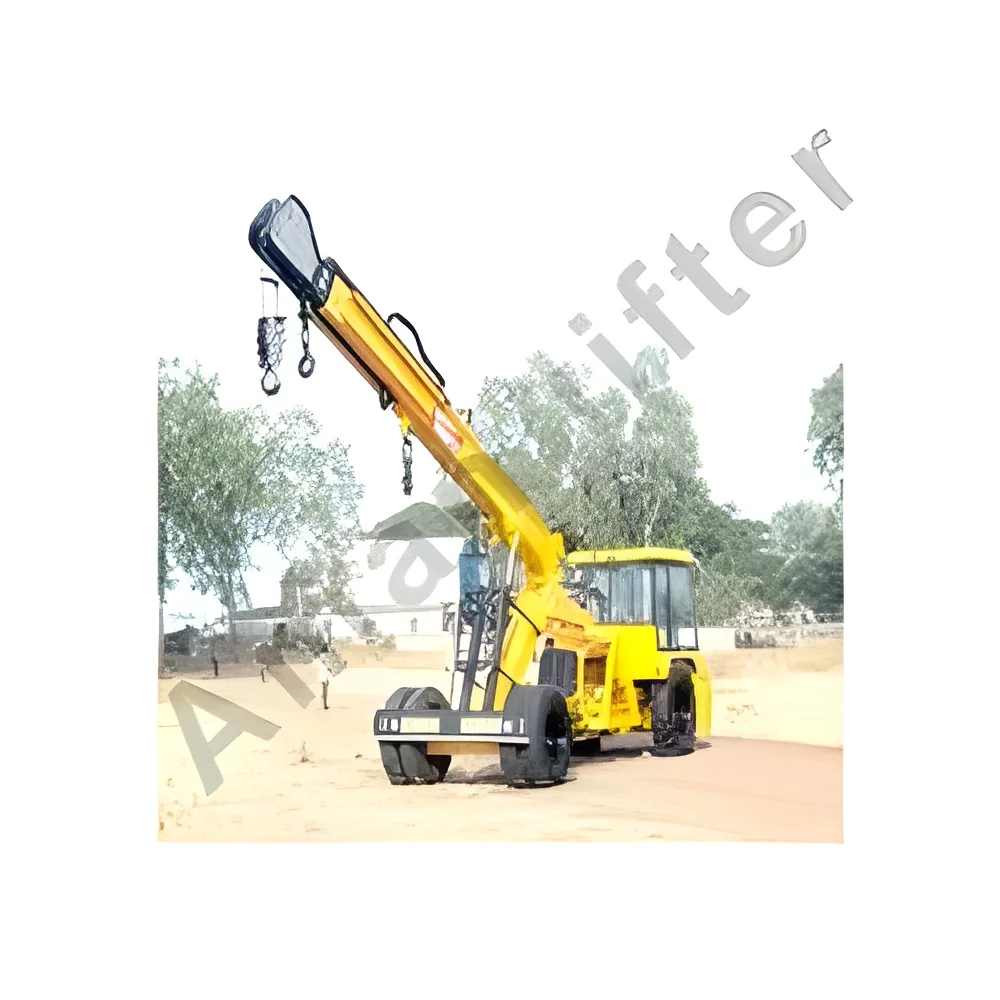
Mobile Hydraulic Cranes: These cranes are designed for mobility and can be easily transported between job sites. They offer flexibility and are commonly used in construction and transportation.
Crawler Cranes: Crawler cranes are equipped with tracks, providing stability on uneven terrain. They are ideal for heavy lifting in construction and mining applications.
All-Terrain Cranes: Combining features of mobile and crawler cranes, all-terrain cranes can operate on both paved and unpaved surfaces. They are suitable for diverse environments.
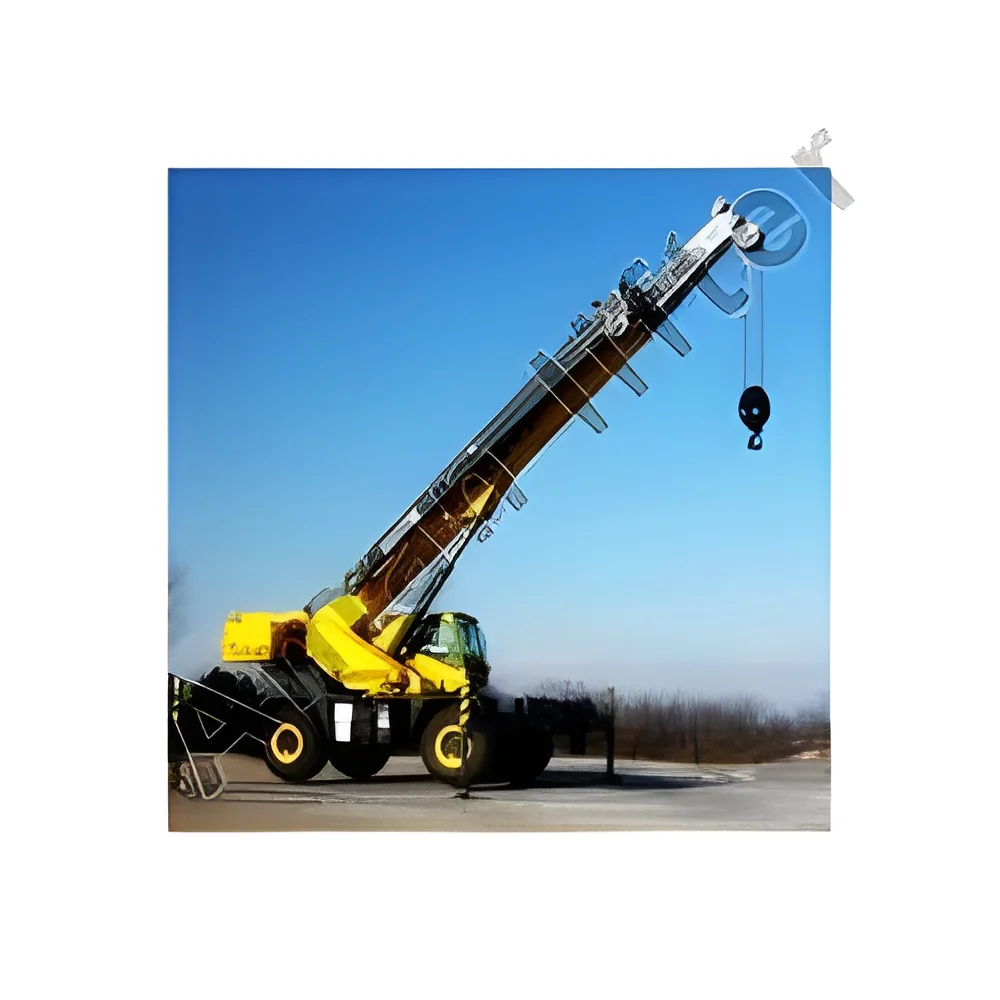
Rough Terrain Cranes: Designed for off-road capabilities, rough terrain cranes have large tires and a simple design, making them ideal for construction sites where stability is crucial.
Benefits and Advantages
Investing in hydraulic cranes offers several key benefits for businesses.
1. High Efficiency: Hydraulic cranes provide faster lifting and lowering operations, improving overall productivity on job sites.
2. Precision Control: The hydraulic system allows for precise movements, ensuring that loads are positioned accurately and safely.
3. Versatility: Hydraulic cranes can be used in various applications across multiple industries, making them a valuable asset.
4. Safety Features: Modern hydraulic cranes come equipped with advanced safety features, reducing the risk of accidents and enhancing worker safety.
5. Cost-Effectiveness: The durability and efficiency of hydraulic cranes can lead to long-term savings on labor and maintenance costs.
6. Easier Maintenance: Many hydraulic cranes are designed for easy access to components, simplifying maintenance and reducing downtime.
Buying Guide for B2B Buyers
When sourcing hydraulic cranes, several factors should be taken into account to ensure a successful purchase.
1. Quality Assessment: Evaluate the quality of the hydraulic cranes by checking certifications, reviews, and previous customer feedback. Ensure the cranes meet industry standards for safety and performance.
2. Supplier Verification: Conduct thorough research on potential suppliers. Verify their reputation, experience, and reliability to ensure they can deliver quality products on time.
3. Pricing and MOQ: Consider the pricing structure and minimum order quantities. Compare costs among different suppliers to find the best value while ensuring quality.
4. Delivery and Lead Times: Assess the supplier's logistics capabilities. Understand their lead times for delivery to plan your project schedules accordingly.
5. Compliance Requirements: Ensure the hydraulic cranes comply with relevant regulations and standards in your industry. This includes safety, environmental, and operational guidelines.
Compliance and Certifications
Compliance with industry standards and certifications is crucial for hydraulic cranes.
Quality standards such as ISO 9001 ensure that manufacturing processes meet rigorous quality management criteria. This helps in maintaining consistent product quality and reliability.
Certifications like UL and CE signify that the hydraulic cranes have passed safety and performance tests, assuring buyers of their reliability and adherence to safety regulations.
Safety and testing requirements are essential for hydraulic cranes, as they are often operated in hazardous environments. Regular maintenance and compliance with safety standards help in minimizing risks associated with heavy lifting operations.
Regional compliance considerations may vary, requiring businesses to be aware of local regulations and standards when procuring hydraulic cranes for specific markets.
Why Source Hydraulic Cranes from Pepagora?
Pepagora is a trusted platform for sourcing hydraulic cranes, providing several key advantages to B2B buyers.
Verified Supplier Network: Pepagora ensures that all suppliers in its network are thoroughly vetted. This process guarantees that buyers can access reliable and reputable manufacturers of hydraulic cranes.
Streamlined RFQ Process: The platform offers a user-friendly Request for Quotation (RFQ) system, allowing buyers to easily request quotes from multiple suppliers. This simplifies the procurement process and enhances transparency.
Trade Assurance and Support: Buyers on Pepagora benefit from trade assurance, which includes buyer protection measures. This ensures that transactions are secure and that buyers receive the quality products they expect.
Regional Coverage: Pepagora has a broad geographic reach, covering regions such as India, the GCC, and Southeast Asia. This extensive network allows buyers to find suitable suppliers that meet their specific needs in various markets.

 India
Frequently Asked Questions
What are Hydraulic Cranes?
Hydraulic cranes are heavy lifting machines that utilize hydraulic systems to lift and move heavy loads. They are widely used in construction, shipping, and industrial applications for their ability to handle substantial weights with precision and efficiency.
What are the different types of Hydraulic Cranes?
There are several types of hydraulic cranes, including truck-mounted cranes, crawler cranes, and all-terrain cranes. Each type is designed for specific applications, with varying mobility, lifting capacities, and operational features.
How do I choose the right Hydraulic Cranes?
Choosing the right hydraulic crane involves assessing the load capacity, reach, and terrain conditions where the crane will operate. Additionally, consider factors such as the frequency of use, the type of materials being lifted, and any specific industry regulations.
What are the standard specifications for Hydraulic Cranes?
Standard specifications for hydraulic cranes typically include lifting capacity, boom length, and operational speed. Other important specifications may include hydraulic system pressure, dimensions, and weight of the crane.
What is the price range for Hydraulic Cranes?
The price of hydraulic cranes can vary widely based on type, capacity, and features. Generally, prices can range from a few lakhs to several crores of Indian Rupees, depending on the specifications and manufacturer.
What quality standards apply to Hydraulic Cranes?
Hydraulic cranes must adhere to various quality standards, including ISO certifications and safety regulations specific to the construction and manufacturing industries. Compliance with these standards ensures the cranes operate safely and efficiently.
Where can I find Hydraulic Cranes suppliers in India?
You can find hydraulic crane suppliers in India through B2B marketplaces like Pepagora, trade shows, and industry-specific directories. These platforms often provide a comprehensive list of manufacturers and suppliers with customer reviews and ratings.
Can Hydraulic Cranes be customized?
Yes, many manufacturers offer customization options for hydraulic cranes to meet specific operational needs. Customizations may include modifications in crane dimensions, lifting capacity, and additional features based on the client's requirements.
What is the typical minimum order quantity for Hydraulic Cranes?
The typical minimum order quantity (MOQ) for hydraulic cranes can vary by manufacturer, but it often ranges from one unit to multiple units for bulk orders. It is advisable to check with individual suppliers for their specific MOQ policies.
What is the typical lead time for Hydraulic Cranes?
The lead time for hydraulic cranes can vary depending on the manufacturer and the complexity of the order. Generally, it can range from a few weeks to several months, especially for customized and high-capacity cranes.
Why Businesses Trust Pepagora
Thousands of companies trust Pepagora to source smarter and sell faster
Expand Your Sales Globally

Source Smarter,Grow Faster
