
 IN
Crusher Attachments
1 products available
What are Crusher Attachments?
Crusher attachments are specialized tools designed to enhance the capabilities of construction and demolition equipment. These attachments are mounted onto heavy machinery, such as excavators or loaders, allowing them to crush materials on-site. This process not only improves efficiency but also reduces the need for transporting materials to a central processing facility.
These attachments are primarily used in the construction industry for breaking down concrete, asphalt, and other hard materials. They are invaluable for recycling projects, where crushed materials are repurposed for new construction. Additionally, industries such as mining and quarrying benefit from these attachments by facilitating the extraction and processing of raw materials. The growing focus on sustainability and waste reduction in construction has further increased the demand for crusher attachments in recent years.
Key Features and Specifications
Crusher attachments come with a variety of features that enhance their performance and usability. Understanding these features helps businesses choose the right attachment for their specific needs.
Key specifications include:
1. Weight
- The weight of the attachment impacts its compatibility with various machinery.
- Typically ranges from 100 kg to over 2,000 kg depending on the model.
2. Crushing Capacity
- This specification indicates the maximum material size that can be processed.
- Commonly ranges from 15 tons per hour to over 100 tons per hour.
3. Jaw Opening Size
- Refers to the width of the opening through which materials are fed.
- Standard sizes range from 400 mm to 1,500 mm.
4. Operating Pressure
- This specification indicates the hydraulic pressure required for optimal performance.
- Usually falls between 150 bar to 350 bar.
5. Material Composition
- The quality of materials used in the attachment affects durability and lifespan.
- Most attachments are made from high-strength steel or similar materials.
6. Compatibility
- Indicates which types of machinery the attachment can be used with.
- Most attachments offer universal fittings for various brands and models.
7. Safety Features
- Many attachments come equipped with safety mechanisms to protect operators.
- Features may include automatic shut-off or overload protection.
8. Maintenance Requirements
- Understanding the maintenance needs can help in planning service schedules.
- Some models require minimal maintenance, while others require regular checks.
In summary, selecting the right crusher attachment involves considering key specifications that align with operational requirements and machinery compatibility.
Common Applications and Use Cases
Crusher attachments have diverse applications across various industries.
1. Construction: In construction, these attachments are used for recycling old concrete and asphalt, enabling the reuse of materials in new projects.
2. Demolition: During demolition projects, crusher attachments help break down structures efficiently, reducing debris and speeding up the demolition process.
3. Mining: In the mining sector, these attachments assist in breaking down ores and rocks, facilitating easier transport and processing.
4. Road Construction: Crusher attachments are crucial in road construction for preparing aggregates, ensuring high-quality material for roadbeds.
5. Landscaping: In landscaping, these attachments can be used to process large boulders or debris, allowing for better site preparation.
6. Waste Management: They play a key role in waste management by crushing and recycling various materials, reducing landfill waste.
7. Recycling Facilities: Crusher attachments are essential in recycling facilities for processing mixed materials, ensuring efficient sorting and repurposing.
Product Variants and Subcategories
Crusher attachments are available in various configurations to meet specific operational needs.
Concrete Crusher Attachment
This variant is specifically designed for breaking down concrete structures. It features robust jaws and is ideal for demolition projects where concrete recycling is a priority.
Jaw Crusher Attachment
The jaw crusher attachment is versatile, capable of handling a range of materials including stone and asphalt. Its adjustable jaw opening allows for different sizes of crushed materials.
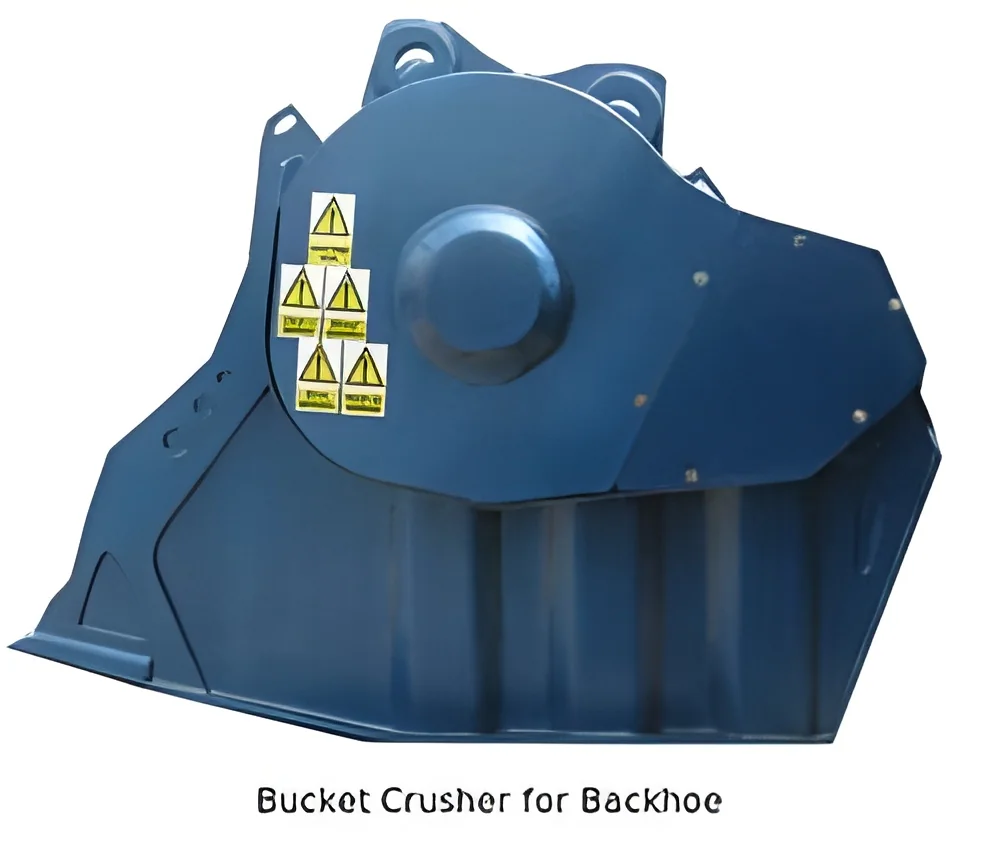
Bucket Crusher Attachment
This variant combines the functionality of a bucket and a crusher, making it useful for both excavation and material processing on-site.
Benefits and Advantages
Investing in crusher attachments offers numerous advantages for businesses.
1. Increased Efficiency: Crusher attachments allow for on-site material processing, reducing transportation costs and time.
2. Environmental Sustainability: By facilitating recycling, these attachments help reduce waste and promote sustainable practices in construction.
3. Cost-Effectiveness: The use of crusher attachments can lower overall project costs by eliminating the need for off-site processing.
4. Versatility: Many attachments can handle a variety of materials, making them suitable for different projects and industries.
5. Improved Safety: Equipped with safety features, these attachments help protect operators during material processing.
6. Enhanced Productivity: With the ability to crush materials on-site, projects can progress more quickly, improving overall productivity.
Buying Guide for B2B Buyers
When sourcing crusher attachments, it is essential to consider several factors to ensure the best purchase decision.
1. Quality Assessment: Evaluate the build quality and materials used in the attachment to ensure durability and performance under heavy use.
2. Supplier Verification: Vet potential suppliers by checking their credentials, industry reputation, and customer reviews to ensure you are dealing with a reliable partner.
3. Pricing and MOQ: Understand the pricing structure and minimum order quantities to align with your budget and project needs.
4. Delivery and Lead Times: Assess the supplier's ability to meet your delivery requirements to avoid delays in your projects.
5. Compliance Requirements: Ensure that the attachments meet relevant industry standards and regulations to avoid compliance issues.
Compliance and Certifications
Compliance and certifications play a crucial role in the manufacturing and operation of crusher attachments.
Many manufacturers adhere to quality standards such as ISO 9001, which focuses on ensuring consistent quality in products and services. This certification reflects a commitment to continuous improvement and customer satisfaction.
In addition to ISO certifications, many crusher attachments are CE certified, indicating they meet European safety and environmental protection standards. This certification is vital for businesses operating in regions with strict compliance regulations.
Safety and testing requirements are essential to ensure that the attachments perform as expected under operational conditions. Regular testing and quality checks are necessary to maintain safety standards.
Regional compliance considerations may vary, so it is important for buyers to be aware of local regulations that may affect the operation and use of crusher attachments.
Why Source Crusher Attachments from Pepagora?
Pepagora offers a trusted platform for sourcing crusher attachments, presenting several key advantages to B2B buyers.
Verified Supplier Network: Pepagora connects buyers with verified suppliers, ensuring that you can source high-quality attachments from reputable sources. This verification process helps mitigate the risks associated with supplier selection.
Streamlined RFQ Process: The request for quotation (RFQ) process on Pepagora is designed to be user-friendly, allowing buyers to easily compare offerings from multiple suppliers. This efficiency helps in making informed purchasing decisions quickly.
Trade Assurance and Support: With trade assurance, buyers are protected throughout the purchasing process. Pepagora provides support to help resolve any issues that may arise, ensuring a smooth transaction experience.
Regional Coverage: Pepagora's geographic reach spans India, the GCC, and Southeast Asia, making it an ideal platform for businesses looking to source crusher attachments in these regions. This extensive network allows for better accessibility and responsiveness to market demands.



Frequently Asked Questions
What are Crusher Attachments?
Crusher attachments are specialized tools designed to be mounted on heavy machinery, such as excavators and loaders, to facilitate the crushing of materials like concrete, stone, and asphalt. They enhance the machine's capability by allowing it to perform crushing tasks efficiently and effectively, making them essential for construction and demolition projects.
What are the different types of Crusher Attachments?
There are several types of crusher attachments, including jaw crushers, cone crushers, and impact crushers. Each type offers distinct advantages depending on the material being processed and the desired output size, making it important to select the appropriate type for specific applications.
How do I choose the right Crusher Attachments?
Choosing the right crusher attachments involves considering factors such as the type of material to be crushed, the size of the machine, and the desired output. Additionally, evaluating the attachment's compatibility with existing equipment and consulting with manufacturers can ensure optimal performance and efficiency.
What are the standard specifications for Crusher Attachments?
Standard specifications for crusher attachments typically include dimensions, weight, operating pressure, and hydraulic flow rates. Manufacturers often provide detailed specification sheets that outline these parameters, which can help users assess compatibility with their machinery.
What is the price range for Crusher Attachments?
The price range for crusher attachments can vary significantly based on the type, size, and manufacturer. Generally, prices can start from a few thousand rupees and go up to several lakhs, depending on the complexity and features of the attachment.
What quality standards apply to Crusher Attachments?
Crusher attachments are subject to various quality standards, including ISO certifications and industry-specific regulations. These standards ensure that the attachments are manufactured with high-quality materials and are tested for safety, durability, and performance.
Where can I find Crusher Attachments suppliers in India?
You can find crusher attachments suppliers in India through online B2B marketplaces, industry trade shows, and manufacturer directories. Platforms like Pepagora offer a comprehensive listing of verified suppliers, making it easier to compare products and services.
Can Crusher Attachments be customized?
Yes, many manufacturers offer customization options for crusher attachments to meet specific project requirements. Customization may include modifications in size, design, or additional features to enhance performance based on the intended use.
What is the typical minimum order quantity for Crusher Attachments?
The typical minimum order quantity (MOQ) for crusher attachments can vary by supplier but usually ranges from one to several units. It is advisable to check with individual manufacturers or suppliers for their specific MOQ requirements.
What is the typical lead time for Crusher Attachments?
The typical lead time for crusher attachments can range from a few weeks to several months, depending on factors such as the manufacturer's production schedule and the complexity of the order. It is recommended to confirm lead times with suppliers when placing an order.
Why Businesses Trust Pepagora
Thousands of companies trust Pepagora to source smarter and sell faster
Expand Your Sales Globally

Source Smarter,Grow Faster
