
 IN
Concrete Pumps (Boom, Line)
31 products available
Key Features and Specifications
Concrete pumps come with various features that enhance their performance and usability. Understanding these specifications is essential for making an informed purchasing decision.
Key specifications include:
1. Pumping Capacity
- This refers to the volume of concrete a pump can move in a specific period, usually measured in cubic meters per hour. Common ranges are from 20 to 150 cubic meters per hour.
2. Maximum Horizontal Reach
- This specification indicates how far the concrete can be pumped horizontally from the pump's location. It typically ranges from 30 to 100 meters.
3. Maximum Vertical Reach
- This refers to the highest point to which concrete can be pumped. Boom pumps can reach heights of 20 to 60 meters or more.
4. Hose Diameter
- The diameter of the hoses used in line pumps affects the flow of concrete. Common sizes range from 2 to 5 inches.
5. Power Source
- Concrete pumps may operate on diesel or electric power, impacting their suitability for different sites and project requirements.
6. Weight
- The weight of the pump is an important consideration for transportation and mobility. It can vary significantly based on model and specifications.
7. Control System
- Modern concrete pumps are equipped with advanced control systems that allow operators to manage the pumping process more effectively.
8. Safety Features
- Essential safety features include emergency stop buttons, pressure relief valves, and stability controls to prevent accidents during operation.
In summary, understanding the key features and specifications of concrete pumps is crucial for selecting the right model for specific construction needs.
Common Applications and Use Cases
Concrete pumps play a vital role in various industries, ensuring efficient concrete placement in diverse settings.
1. Construction: In commercial and residential construction, concrete pumps are used to pour foundations, floors, and walls, significantly speeding up the process.
2. Infrastructure: These pumps are essential for large infrastructure projects like bridges, highways, and tunnels, where precise concrete placement is crucial.
3. Industrial: In industrial applications, concrete pumps are used for creating slabs, piers, and other structural components.
4. Precast Manufacturing: Concrete pumps are utilized in precast concrete operations for producing components such as beams and panels.
5. Mining: In the mining industry, concrete pumps are used for shotcrete applications to stabilize underground structures.
6. Agricultural: Some applications in agriculture involve using concrete pumps for constructing silos and storage facilities.
7. Environmental: Concrete pumps can also be involved in environmental projects, such as constructing barriers or foundations for waste management facilities.
Product Variants and Subcategories
Concrete pumps come in different variants, catering to diverse construction needs.
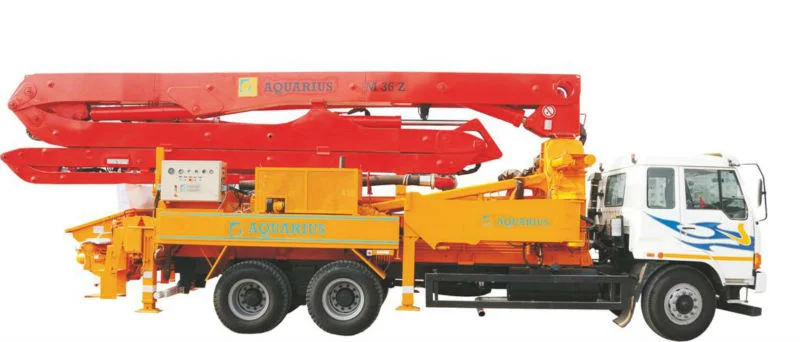
Boom Pumps
Boom pumps feature a hydraulic arm that allows for high reach and precise placement of concrete. They are ideal for large construction sites where height and distance are factors. They provide flexibility in positioning and can navigate obstacles effectively.
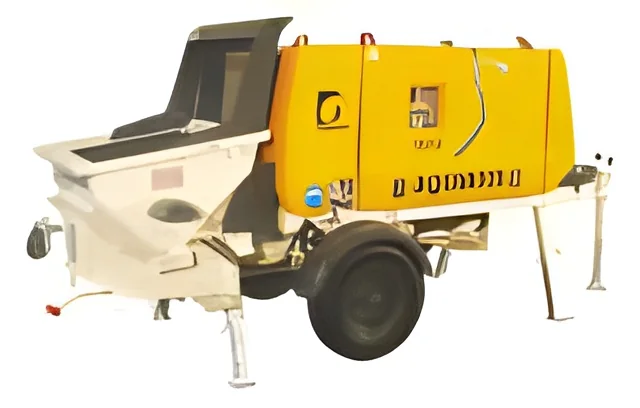
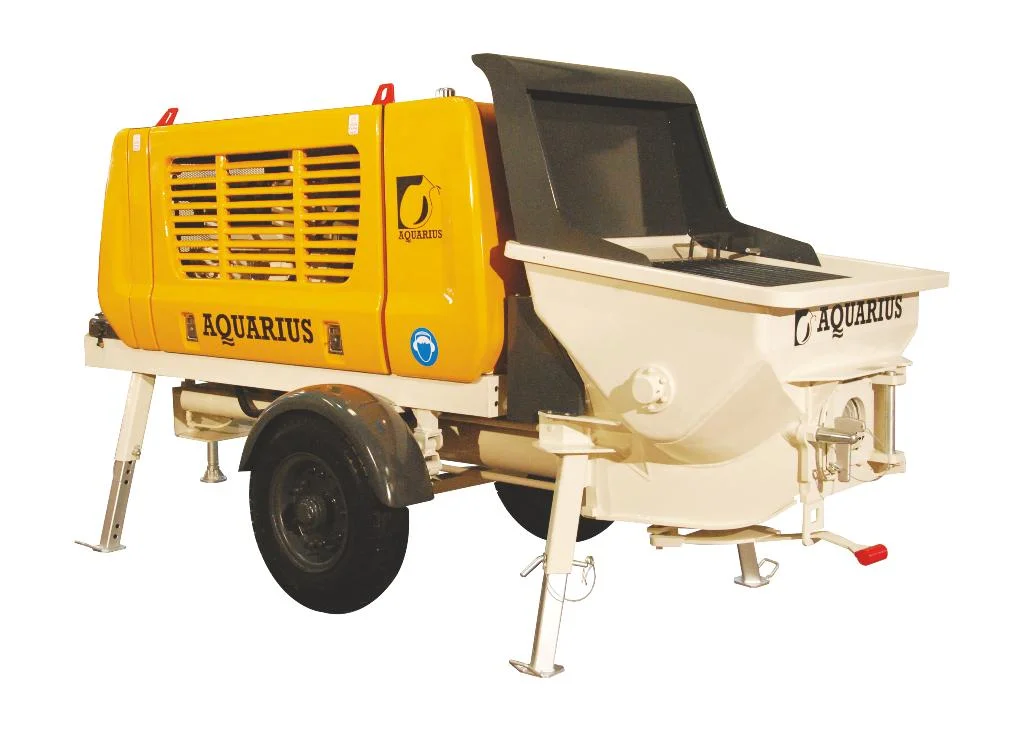
Line Pumps
Line pumps are designed for lower volume applications and short-distance concrete placement. They are often used for smaller projects or in situations where space is limited. Line pumps are portable and can easily be set up and operated.
Benefits and Advantages
Investing in concrete pumps offers numerous advantages for construction projects.
1. Increased Efficiency: Concrete pumps significantly reduce the time required for concrete placement, allowing projects to progress faster.
2. Labor Savings: Utilizing concrete pumps minimizes the need for manual labor, reducing costs associated with workforce management.
3. Precision Placement: The ability to control the flow and direction of concrete ensures accurate placement, reducing waste and optimizing material usage.
4. Versatility: Concrete pumps can be used in various applications, making them suitable for different project types and sizes.
5. Improved Safety: With remote operation capabilities, concrete pumps enhance safety by reducing the risk of accidents associated with manual pouring.
6. Reduced Environmental Impact: Efficient concrete placement minimizes waste and helps in adhering to project timelines, contributing to sustainable construction practices.
Buying Guide for B2B Buyers
When sourcing concrete pumps, it is essential for B2B buyers to consider several key factors.
1. Quality Assessment: Ensure the concrete pump meets industry standards and has a solid reputation for reliability and performance. Look for certifications and user reviews.
2. Supplier Verification: Vet suppliers thoroughly to ensure they are reputable and provide quality products. Check their history, customer feedback, and warranty options.
3. Pricing and MOQ: Understand the pricing structure and minimum order quantities. Compare different suppliers to find the best value for your investment.
4. Delivery and Lead Times: Clarify the expected delivery schedules and lead times to ensure timely project execution. Consider any potential logistics challenges.
5. Compliance Requirements: Verify that the pump complies with local regulations and safety standards. This may include certifications such as CE to ensure quality and reliability.
Compliance and Certifications
Concrete pumps must adhere to various compliance and certification standards to ensure safety and quality.
Relevant quality standards like ISO 9001 pertain to quality management systems. Compliance with these standards indicates a commitment to quality assurance in manufacturing processes.
Industry certifications, such as CE marking, signify that the equipment meets European safety and performance standards. This certification is essential for buyers in the European market.
Safety and testing requirements are critical, particularly for equipment operating under high pressure. Regular inspections and adherence to safety protocols help prevent accidents.
Regional compliance considerations vary by location, impacting the specifications and certifications required. It is essential for buyers to be aware of local regulations when sourcing concrete pumps.
Why Source Concrete Pumps (Boom, Line) from Pepagora?
Pepagora offers a reliable platform for sourcing concrete pumps, ensuring buyers access high-quality products from verified suppliers.
Verified Supplier Network: Pepagora has a robust network of suppliers who have been thoroughly vetted for quality and reliability. This reduces the risk of purchasing substandard equipment.
Streamlined RFQ Process: The request for quotation process on Pepagora is efficient and user-friendly, allowing buyers to receive competitive quotes quickly and easily.
Trade Assurance and Support: Pepagora provides trade assurance, protecting buyers from potential risks associated with transactions. This support enhances buyer confidence.
Regional Coverage: With a presence in India, the GCC, and Southeast Asia, Pepagora offers comprehensive geographic coverage, ensuring buyers can access concrete pumps suited to their specific regional needs.

 India
Frequently Asked Questions
What are Concrete Pumps (Boom, Line)?
Concrete Pumps (Boom, Line) are specialized machines used to transfer liquid concrete to construction sites. They utilize either a boom or a pipeline system to deliver concrete efficiently and accurately, facilitating the construction process.
What are the different types of Concrete Pumps (Boom, Line)?
The primary types of Concrete Pumps are Boom Pumps and Line Pumps. Boom Pumps have a articulated arm or boom that can reach high and far, ideal for large construction projects, while Line Pumps use hoses to transport concrete, suitable for smaller areas and precise placements.
How do I choose the right Concrete Pumps (Boom, Line)?
Choosing the right Concrete Pump depends on the specific requirements of your project, such as the volume of concrete needed, the distance to be covered, and the site conditions. It's also essential to consider factors like pump capacity, reach, and the type of concrete being used.
What are the standard specifications for Concrete Pumps (Boom, Line)?
Standard specifications for Concrete Pumps include parameters like maximum output capacity, pressure ratings, and the length of the boom or pipeline. Other considerations may include the pump's weight, dimensions, and engine specifications, which can vary based on the model and manufacturer.
What is the price range for Concrete Pumps (Boom, Line)?
The price range for Concrete Pumps can vary significantly based on the type, specifications, and manufacturer. Generally, you can expect prices to range from several lakhs to crores of Indian Rupees, depending on the pump's features and capabilities.
What quality standards apply to Concrete Pumps (Boom, Line)?
Concrete Pumps must adhere to various quality standards to ensure safety and performance, including ISO certifications and compliance with the Bureau of Indian Standards (BIS). It's crucial to verify that manufacturers meet these standards to ensure reliability and efficiency.
Where can I find Concrete Pumps (Boom, Line) suppliers in India?
You can find Concrete Pumps suppliers in India through various channels, including online marketplaces like Pepagora, trade exhibitions, and industry directories. It's advisable to compare multiple suppliers to ensure you get the best quality and pricing.
Can Concrete Pumps (Boom, Line) be customized?
Yes, many manufacturers offer customization options for Concrete Pumps to meet specific project requirements. Customizations may include varying boom lengths, pump capacities, and additional features tailored to the needs of a particular construction job.
What is the typical minimum order quantity for Concrete Pumps (Boom, Line)?
The typical minimum order quantity (MOQ) for Concrete Pumps can vary by manufacturer and product type. Generally, for larger machinery like Concrete Pumps, the MOQ can start from one unit, but it's best to confirm with the supplier for specific requirements.
What is the typical lead time for Concrete Pumps (Boom, Line)?
The typical lead time for Concrete Pumps can range from a few weeks to several months, depending on the manufacturer's production schedule and customizations requested. It's advisable to discuss lead times with suppliers when placing an order to ensure timely delivery.
Why Businesses Trust Pepagora
Thousands of companies trust Pepagora to source smarter and sell faster
Expand Your Sales Globally

Source Smarter,Grow Faster
