
 IN
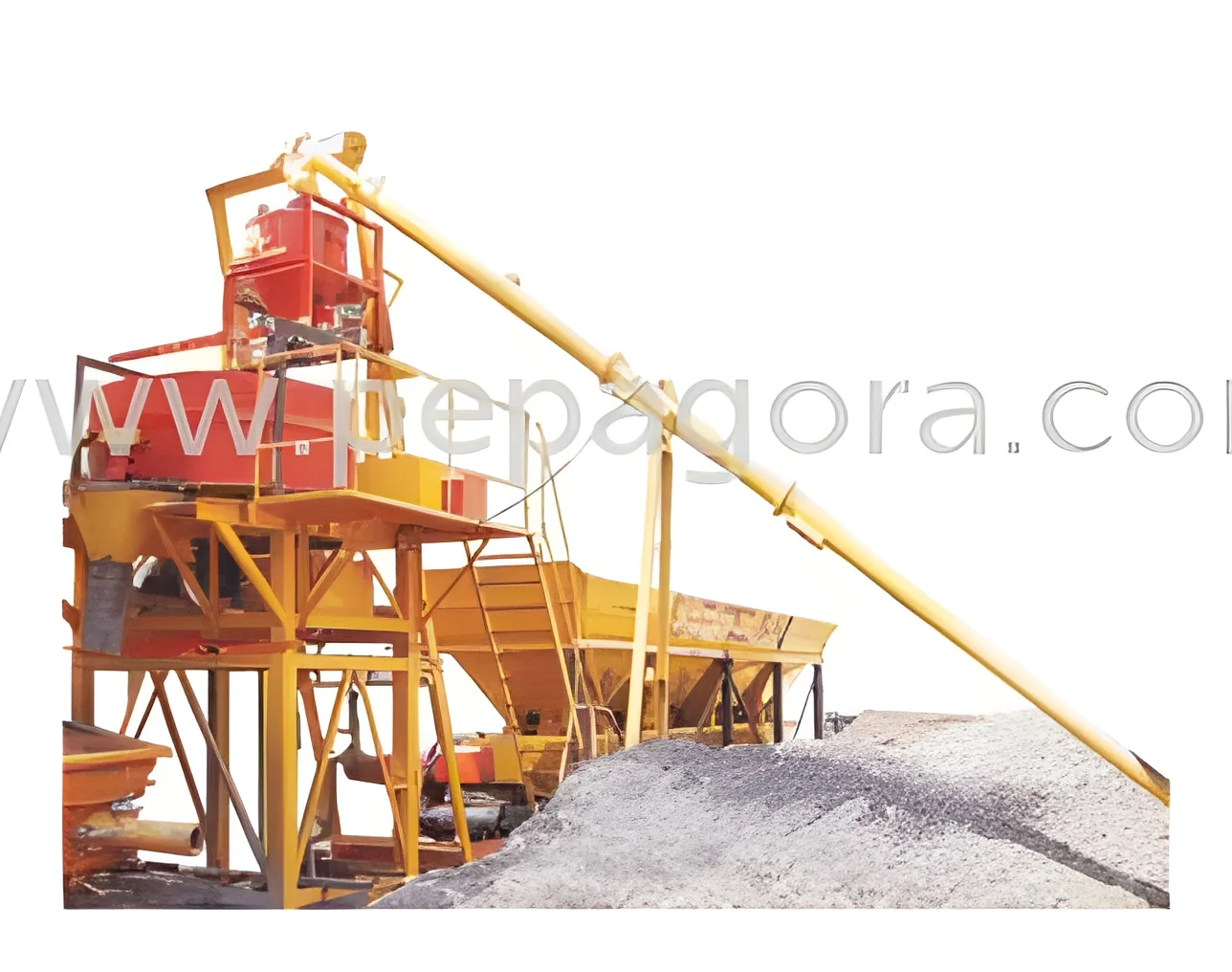
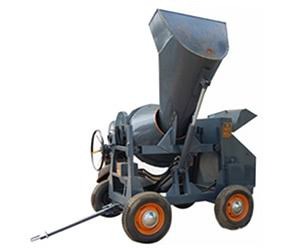
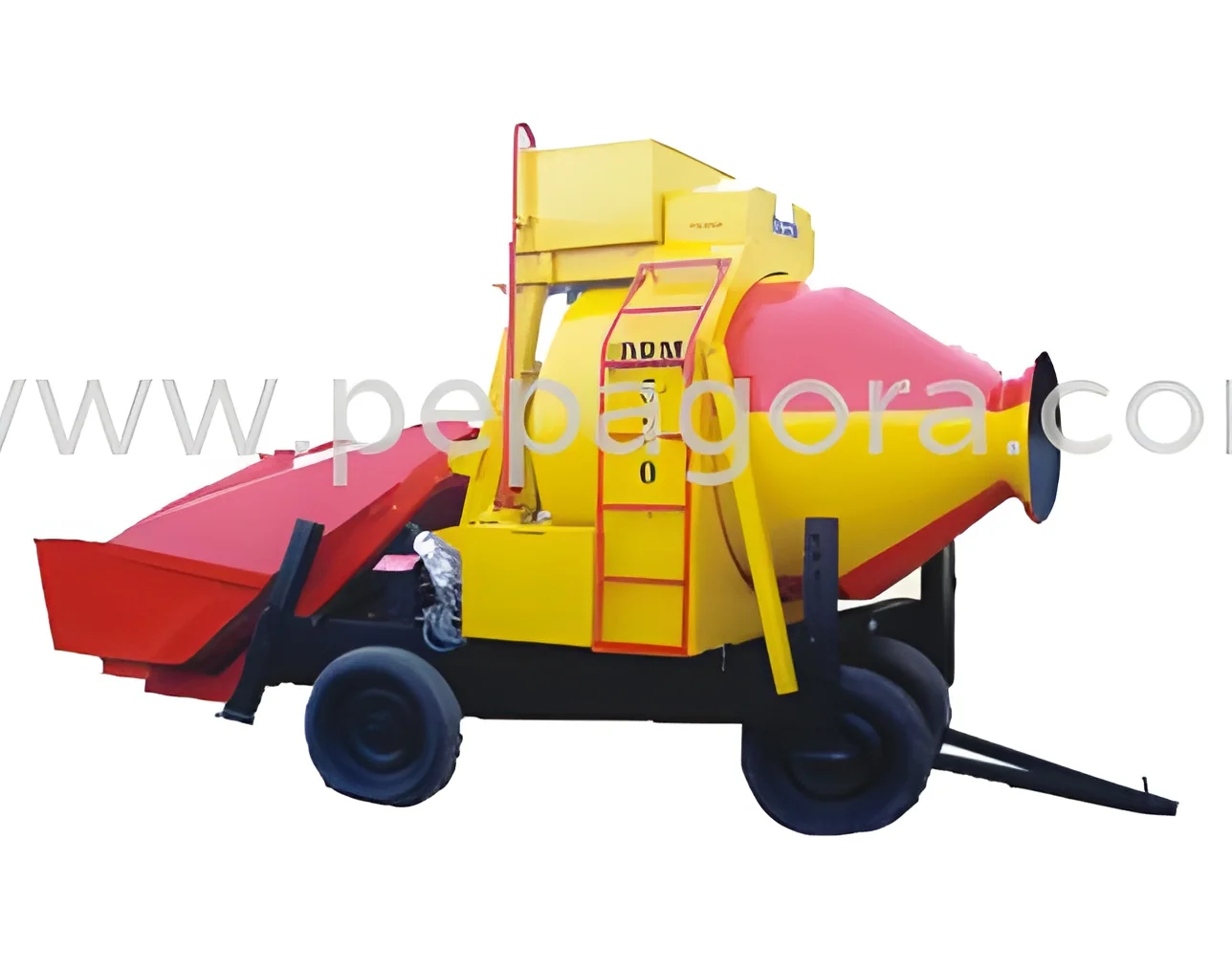
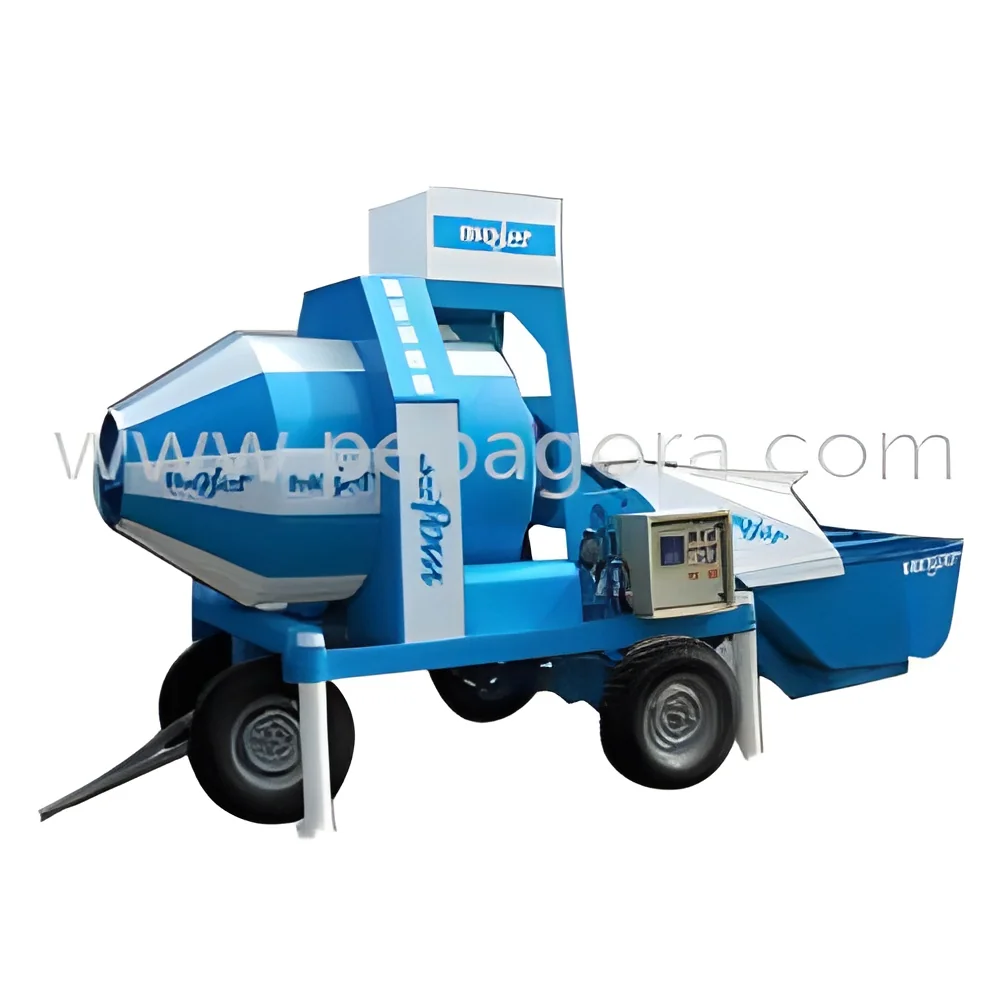
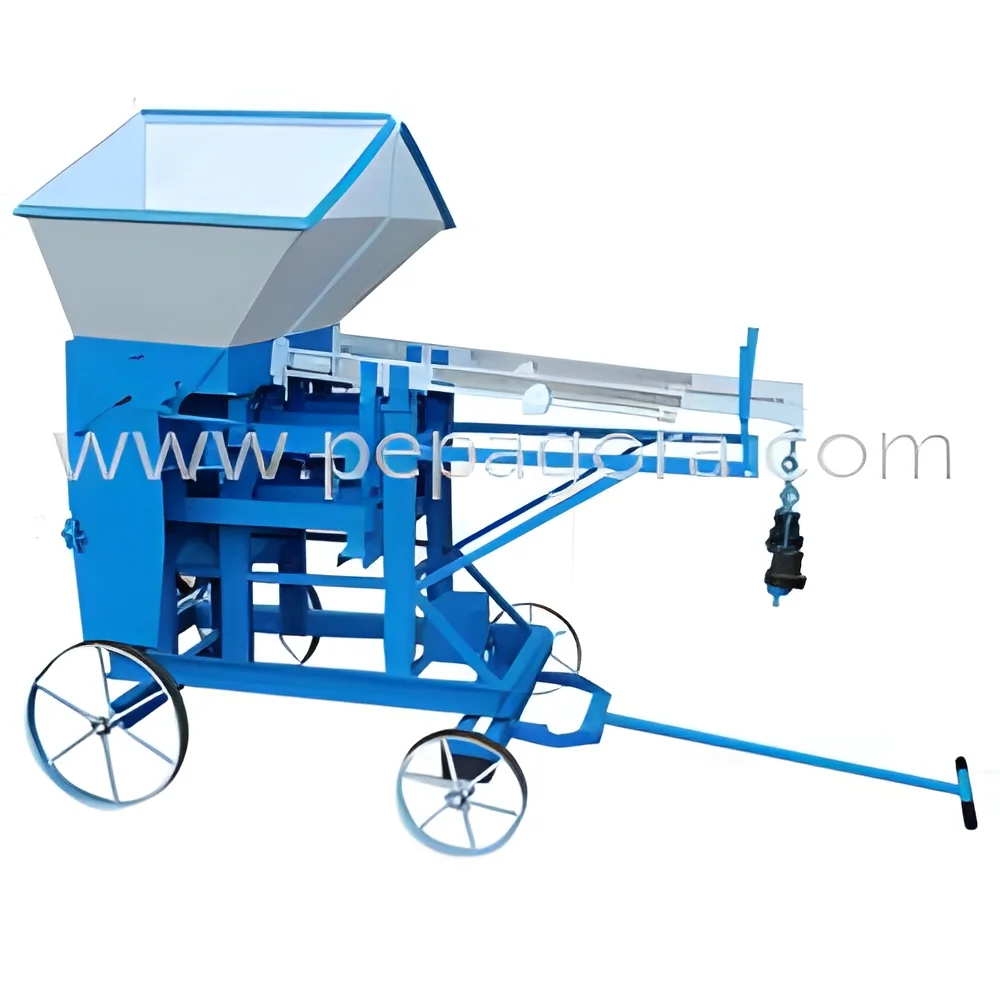
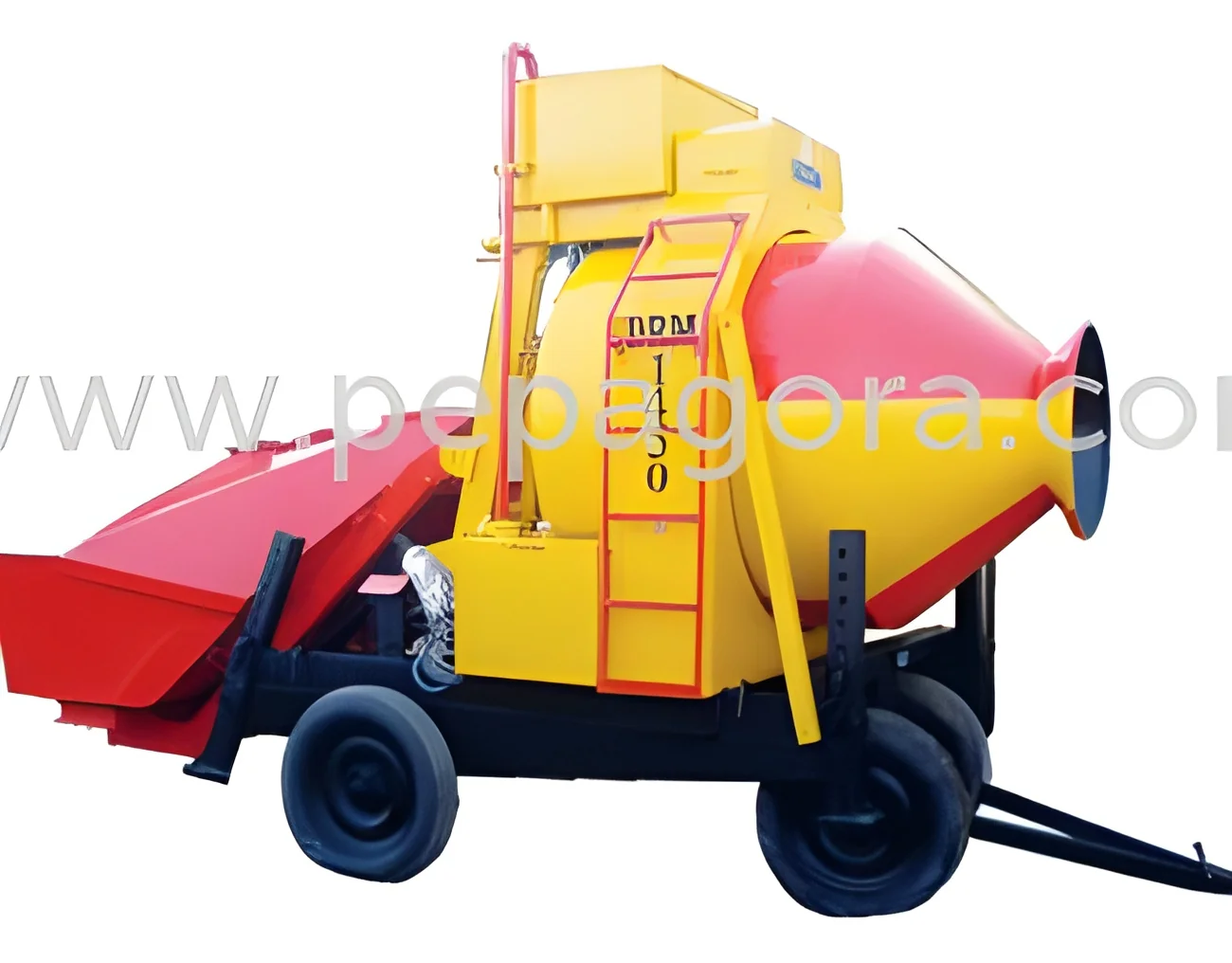
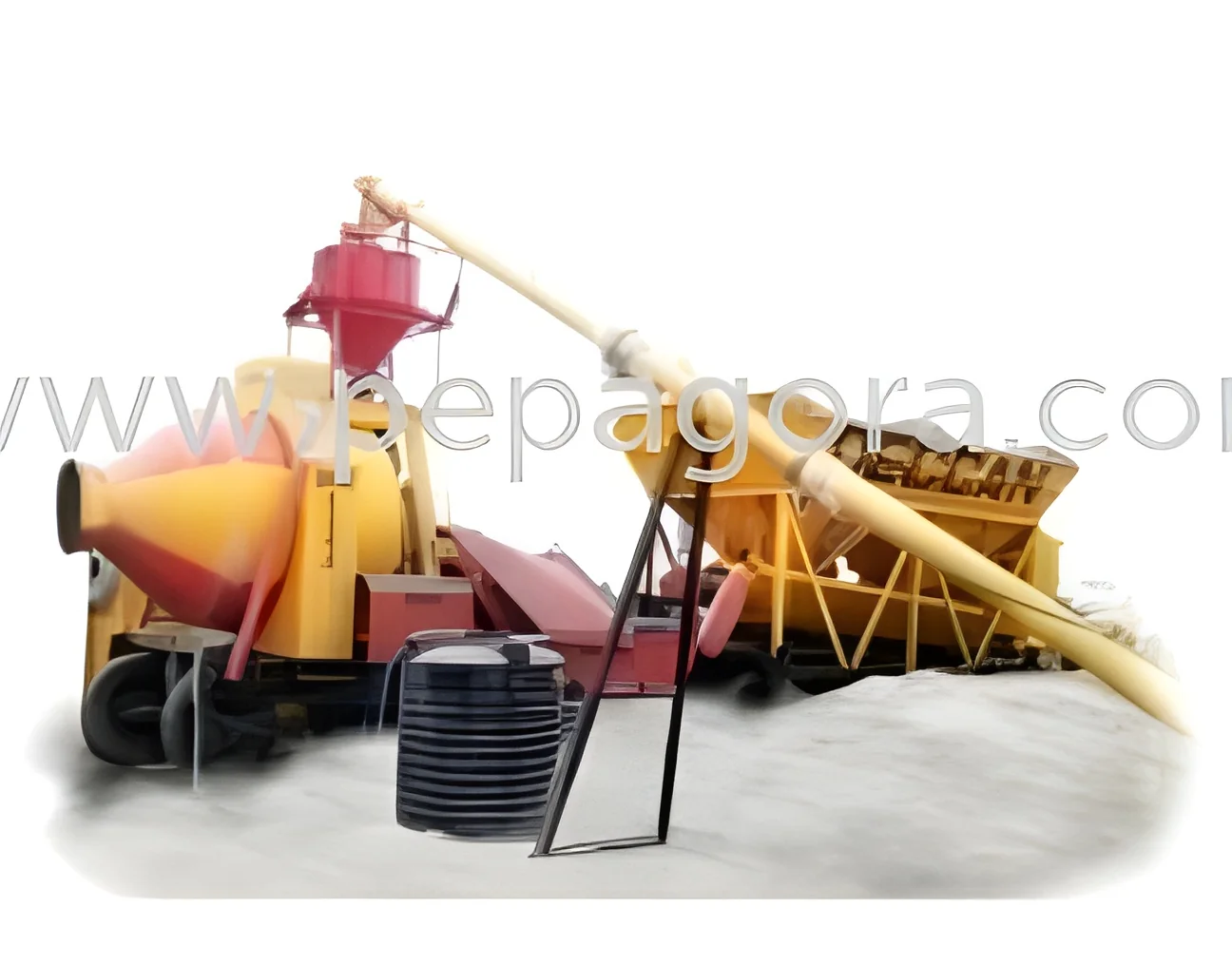
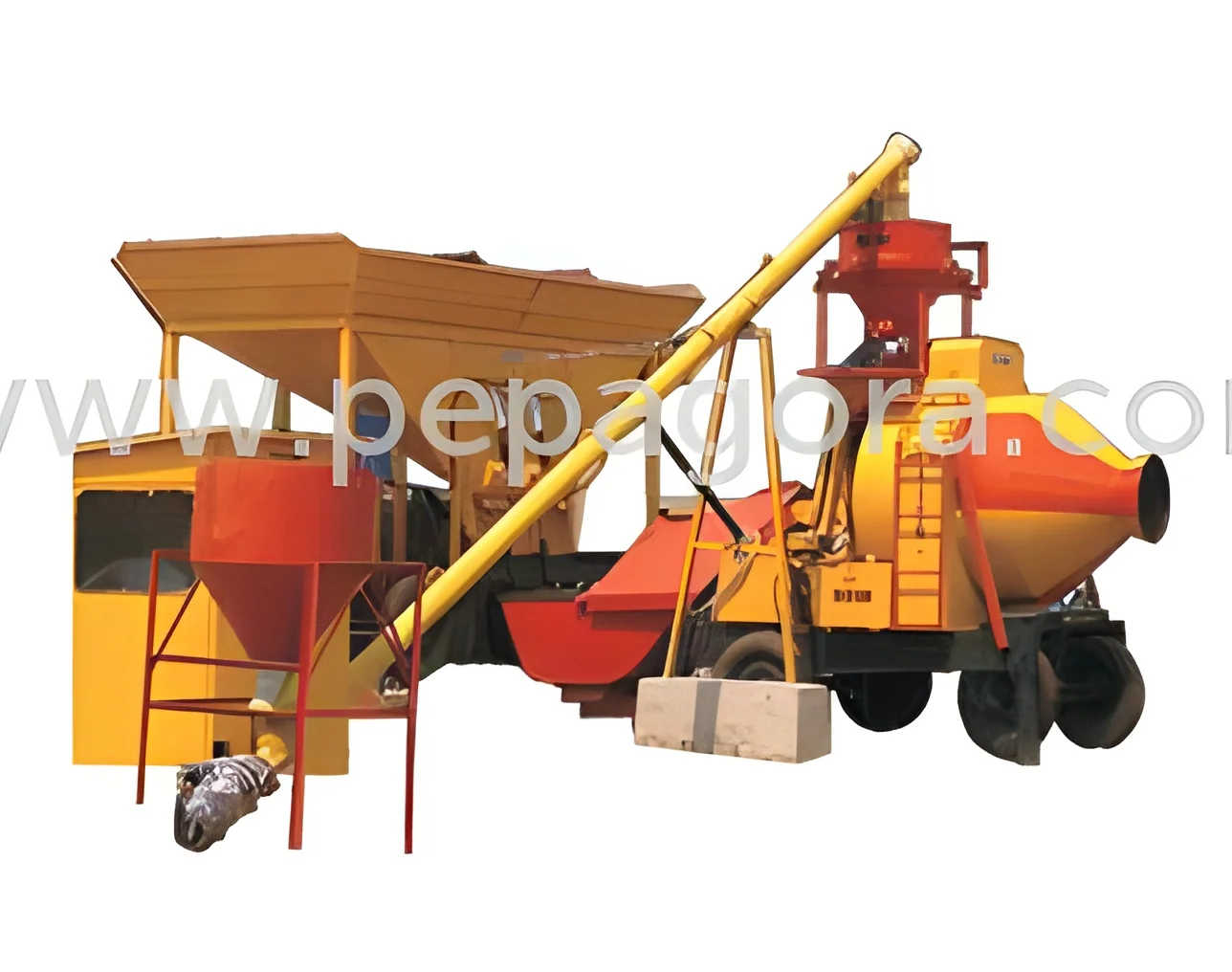
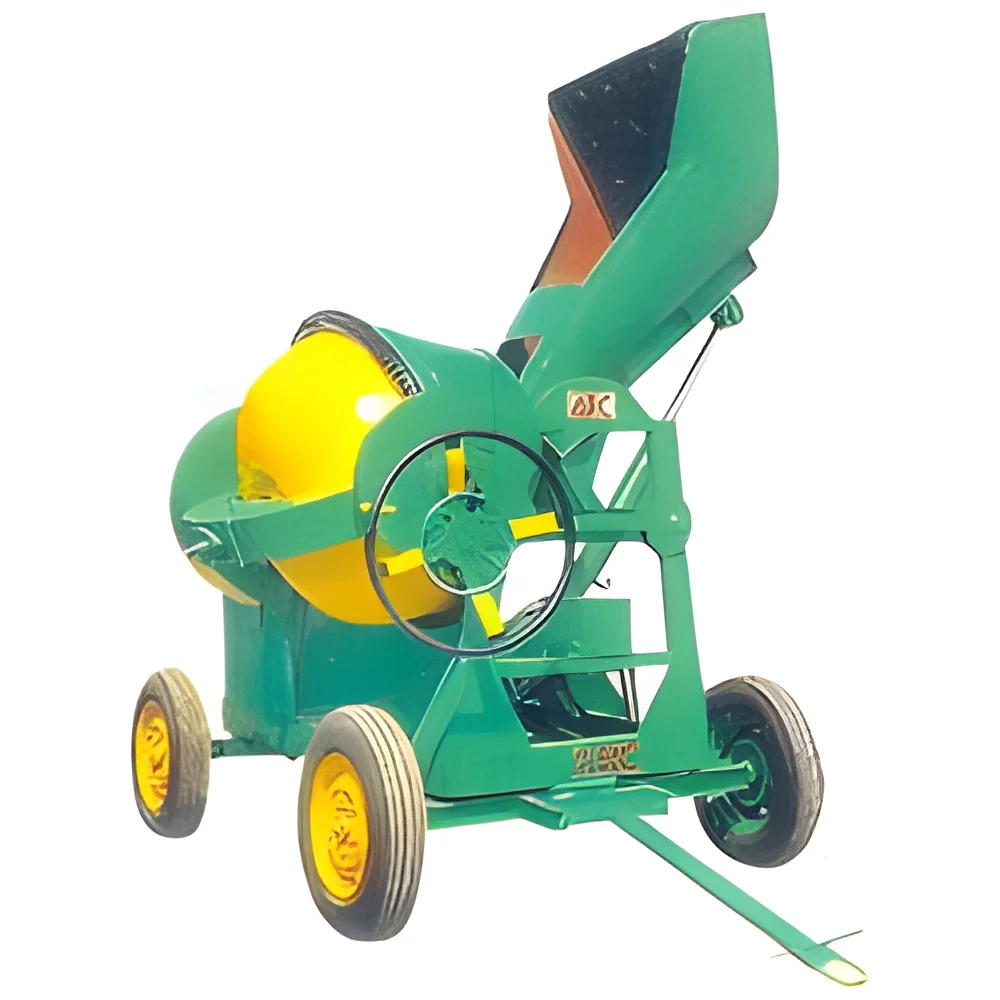
Concrete Mixers (Self-Loading, Drum)
77 products available
Key Features and Specifications
Concrete mixers (self-loading, drum) come equipped with various features designed to enhance their functionality and efficiency. When considering these mixers, it's important to understand their specifications, which provide insight into their performance capabilities.
Key specifications include:
1. Drum Capacity
- This specification indicates the volume of concrete the mixer can produce in one cycle.
- Typical ranges are from 2 cubic meters to 6 cubic meters.
2. Engine Power
- Refers to the power of the engine that drives the mixer.
- Common power ratings are between 50 to 100 horsepower.
3. Mixing Speed
- This specification denotes how quickly the mixer can blend the ingredients.
- Average mixing speeds range from 20 to 30 revolutions per minute.
4. Material Loading System
- This describes the mechanism for loading raw materials into the drum.
- Many models feature an automated system for efficient loading.
5. Discharge Method
- Indicates how the mixed concrete is discharged from the drum.
- Options include manual or automated discharge mechanisms.
6. Weight
- The total weight of the mixer affects maneuverability and transportation.
- Typical weights range from 4,000 kg to 10,000 kg.
7. Drive Type
- Refers to whether the mixer is four-wheel or two-wheel drive.
- Four-wheel drive is common for better traction on uneven terrain.
8. Safety Features
- Includes elements like emergency stop buttons and safety guards.
- Ensures the safety of operators during use.
In summary, understanding these features and specifications is crucial for buyers to select the right self-loading drum mixer that meets their specific needs.
Common Applications and Use Cases
Concrete mixers (self-loading, drum) are versatile machines utilized across various industries.
1. Construction: These mixers are essential on construction sites for mixing concrete for foundations, slabs, and other structural elements.
2. Road Building: In road construction projects, self-loading mixers can provide the necessary concrete for paving and surface work directly at the site.
3. Residential Projects: Home builders frequently use these mixers for pouring driveways, patios, and other concrete structures.
4. Infrastructure Development: Major infrastructure projects, such as bridges and tunnels, rely on these mixers for consistent and timely concrete supply.
5. Landscaping: For landscaping projects, self-loading mixers help in creating decorative concrete features and pathways.
6. Precast Concrete Production: Companies that manufacture precast concrete elements can benefit from the efficiency of on-site mixing.
7. Agricultural Infrastructure: In agriculture, these mixers can be used for building structures like silos and barns that require concrete.
Product Variants and Subcategories
Concrete mixers (self-loading, drum) are available in various models and configurations to suit different operational needs.
Compact Self-Loading Mixers
These mixers are designed for smaller projects or sites with limited space. They offer maneuverability and ease of use while maintaining efficient mixing capabilities.
Heavy-Duty Self-Loading Mixers
Ideal for large-scale construction projects, these models feature higher capacity drums and powerful engines to handle larger volumes of concrete with greater efficiency.
Mini Self-Loading Mixers
These compact mixers are perfect for residential applications or small construction sites where mobility and ease of transport are priorities. They provide the flexibility to mix concrete in tight spaces.
Benefits and Advantages
Investing in concrete mixers (self-loading, drum) offers several advantages for businesses in the construction sector.
1. Increased Efficiency: These mixers allow for on-site mixing, reducing delivery times and increasing productivity.
2. Cost Savings: By minimizing waste and the need for additional machinery, businesses can significantly lower operational costs.
3. Flexibility: Self-loading mixers can adapt to various site conditions and project requirements, making them versatile tools for contractors.
4. Improved Quality Control: Mixing concrete on-site ensures that the material meets specific project requirements, enhancing the overall quality of the work.
5. Reduced Labor Costs: Automation features in these mixers lessen the need for manual labor, leading to lower labor expenses.
6. Enhanced Mobility: Many models are designed for easy transport and maneuverability, allowing for use in remote or difficult-to-access locations.
Buying Guide for B2B Buyers
When sourcing concrete mixers (self-loading, drum), it is crucial for buyers to consider several key factors to ensure they select the right equipment.
1. Quality Assessment: Evaluate the mixer’s build quality, materials used, and performance reviews. High-quality construction is vital for durability and long-term use.
2. Supplier Verification: Ensure that suppliers are reputable and have a track record of providing reliable products. Check for customer reviews and company credentials.
3. Pricing and MOQ: Understand the pricing structure and minimum order quantities. This information helps in budgeting and determining the financial feasibility of the purchase.
4. Delivery and Lead Times: Consider the logistics involved in delivery. Assess lead times to ensure that the mixer arrives when needed to avoid project delays.
5. Compliance Requirements: Verify that the equipment meets local regulations and industry standards. Compliance with safety and environmental regulations is essential for operational legitimacy.
Compliance and Certifications
Concrete mixers (self-loading, drum) must adhere to specific quality standards and certifications to ensure safety and reliability.
Many mixers hold ISO 9001 certification, which confirms that they meet international quality management standards. Compliance with this standard is a significant indicator of a manufacturer’s commitment to quality.
Additionally, CE marking is often present, indicating that the product complies with European safety and environmental regulations. This certification reassures buyers that the equipment has been rigorously tested for safety and performance.
Safety features are critical in the design of concrete mixers. Manufacturers must ensure that their products are equipped with necessary safety measures to protect operators and prevent accidents.
Regional compliance considerations are also important for buyers, as different regions may have specific requirements for equipment used in construction. Understanding these regulations helps ensure that the purchased mixers can be legally operated in the intended market.
Why Source Concrete Mixers (Self-Loading, Drum) from Pepagora?
Pepagora provides a trusted platform for sourcing concrete mixers (self-loading, drum) with several key advantages that benefit B2B buyers.
Verified Supplier Network: Pepagora connects buyers with a network of verified suppliers, ensuring that all vendors meet stringent quality and reliability standards. This network helps buyers make informed choices with confidence.
Streamlined RFQ Process: The request for quotation process on Pepagora is designed to be user-friendly. Buyers can easily submit their requirements and receive competitive quotations from multiple suppliers, streamlining the decision-making process.
Trade Assurance and Support: Pepagora offers trade assurance features, providing buyers with protection against disruptions in the purchasing process. This includes support in case of disputes and guidance throughout the transaction.
Regional Coverage: With a wide geographical reach covering India, the GCC, and Southeast Asia, Pepagora enables buyers to find suitable suppliers in their local markets, ensuring faster delivery and better communication.
By leveraging the resources and networks available through Pepagora, businesses can effectively source high-quality concrete mixers that meet their operational needs.




















Frequently Asked Questions
What are Concrete Mixers (Self-Loading, Drum)?
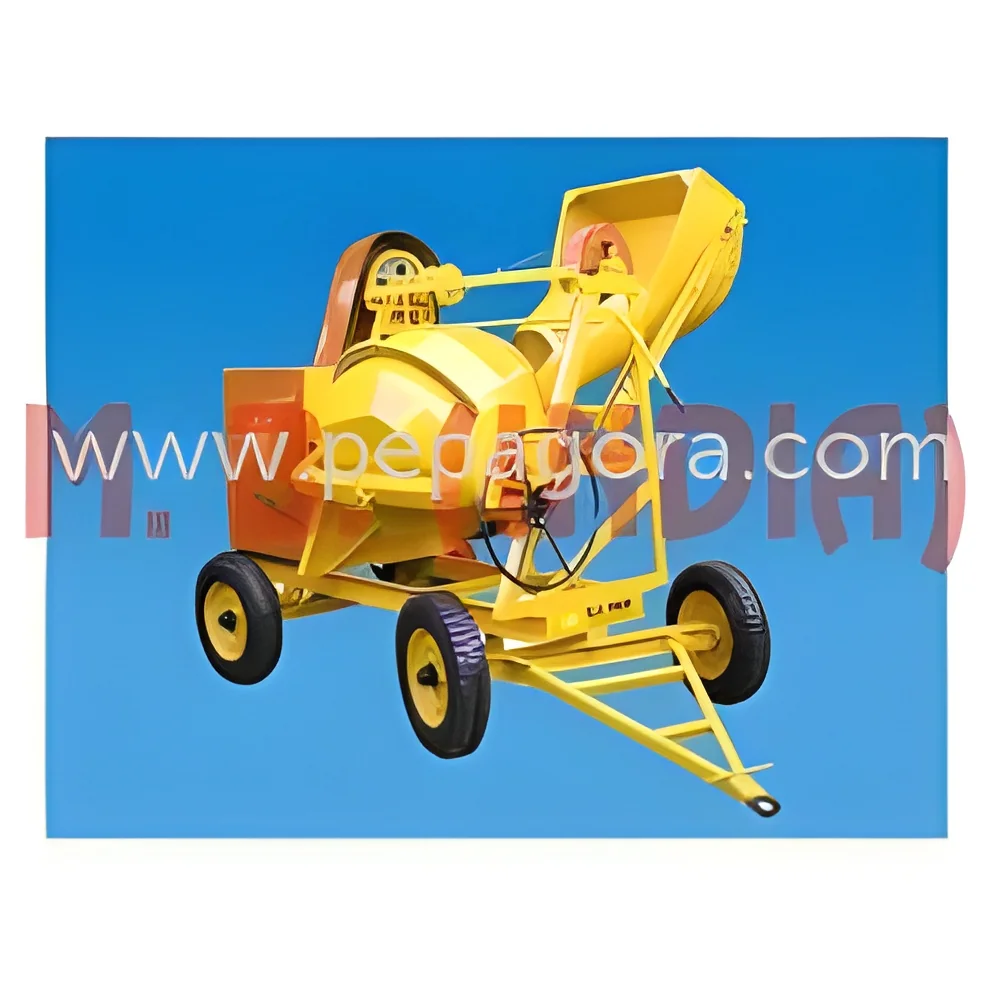
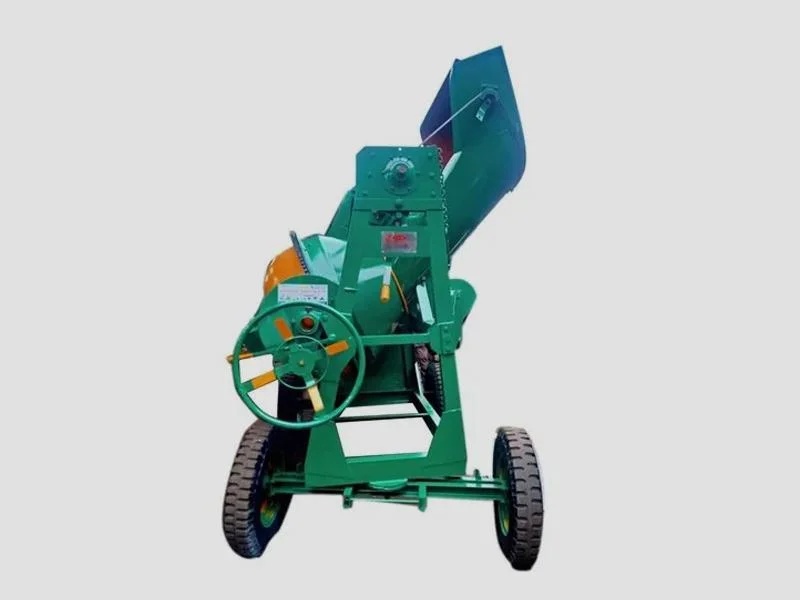
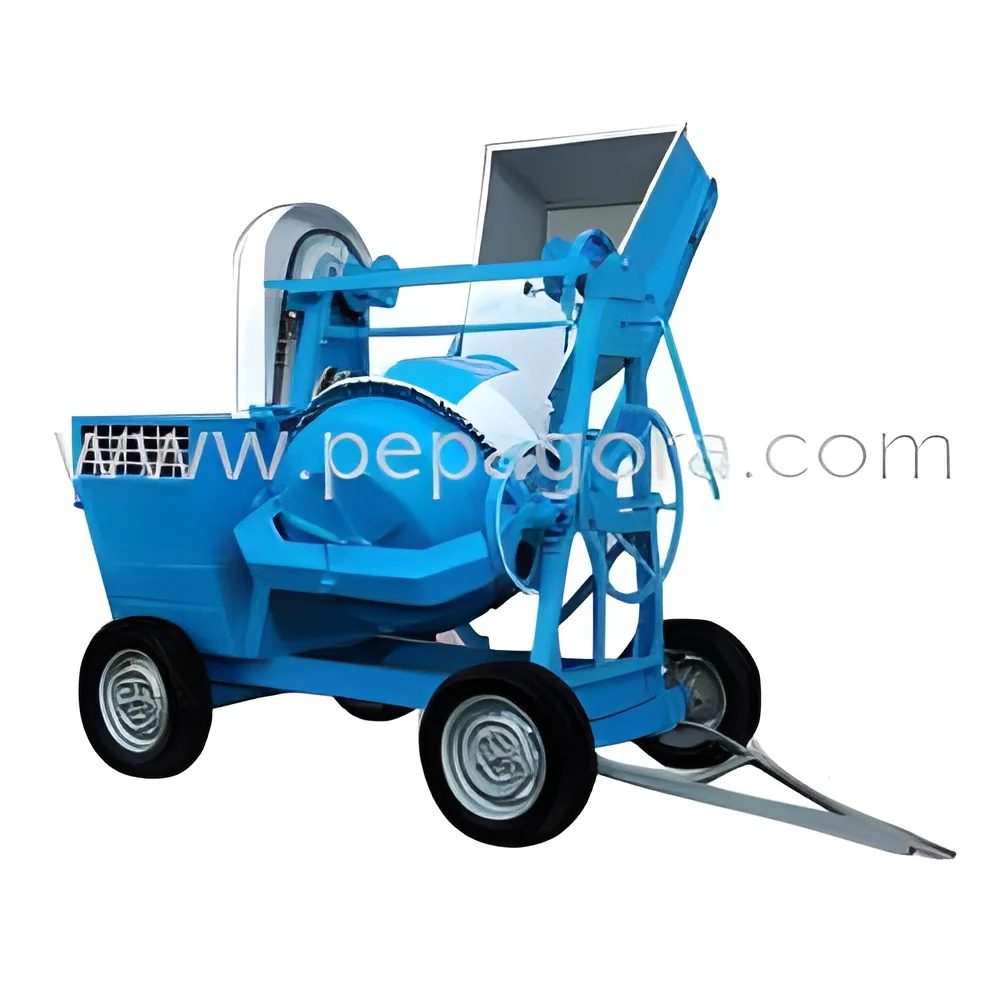
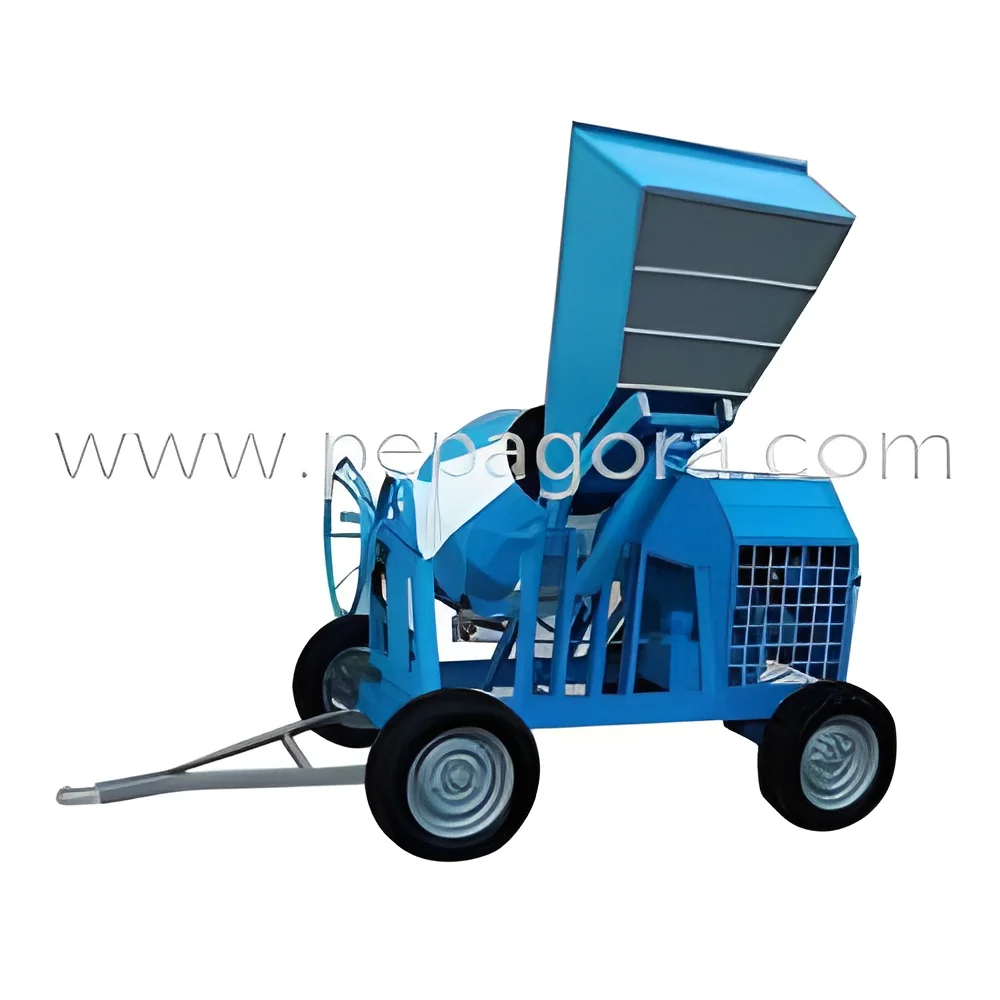
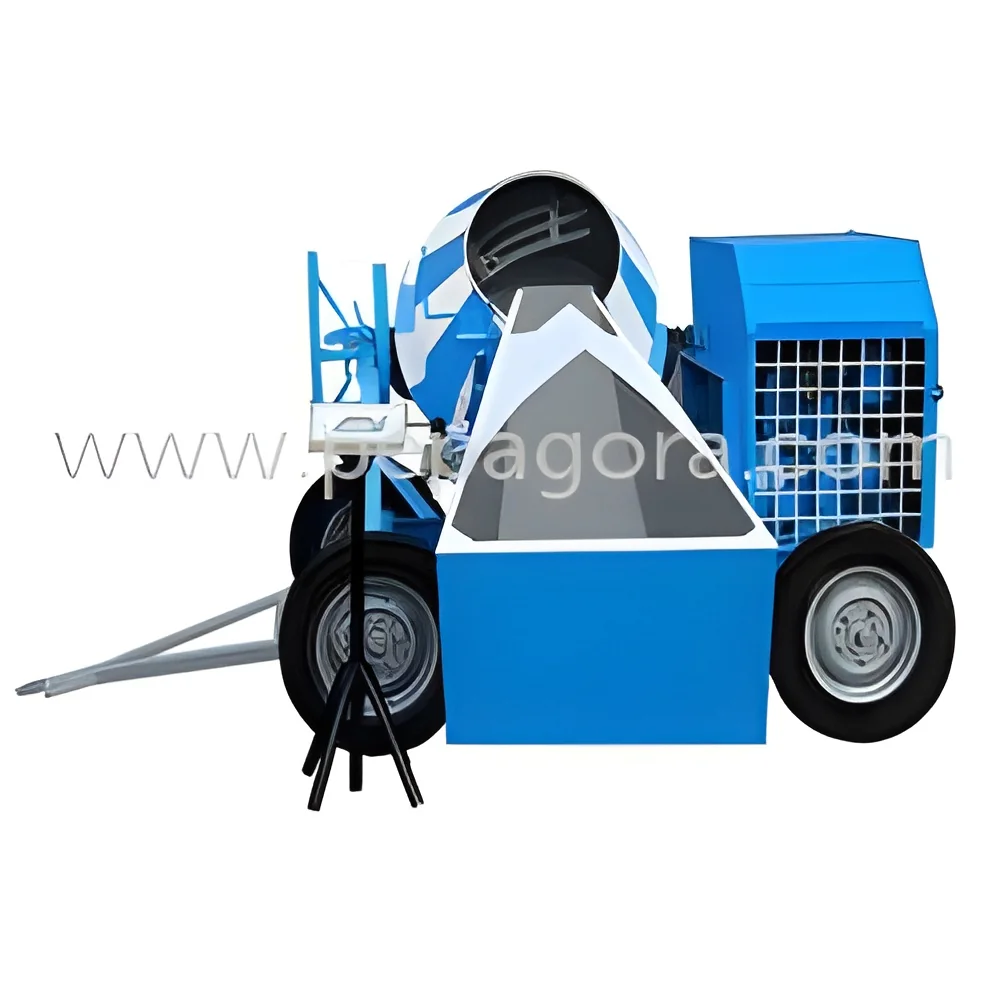
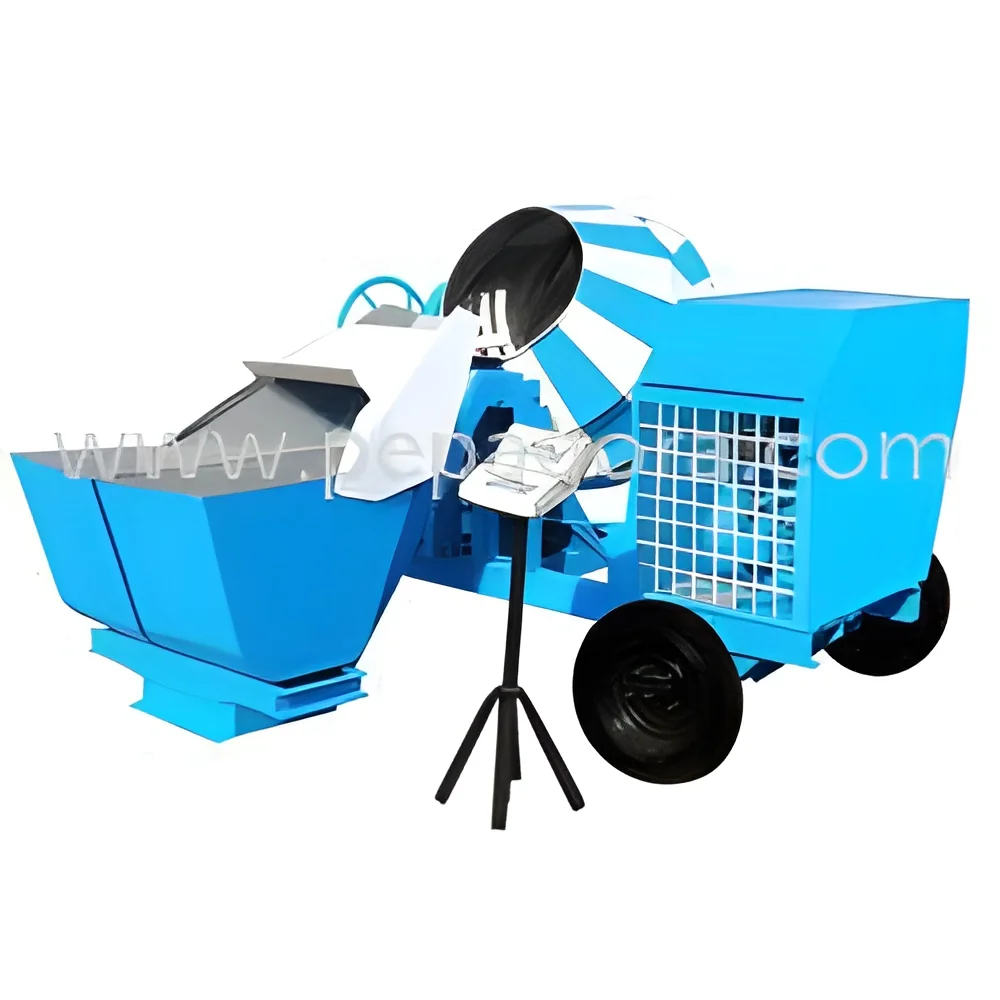
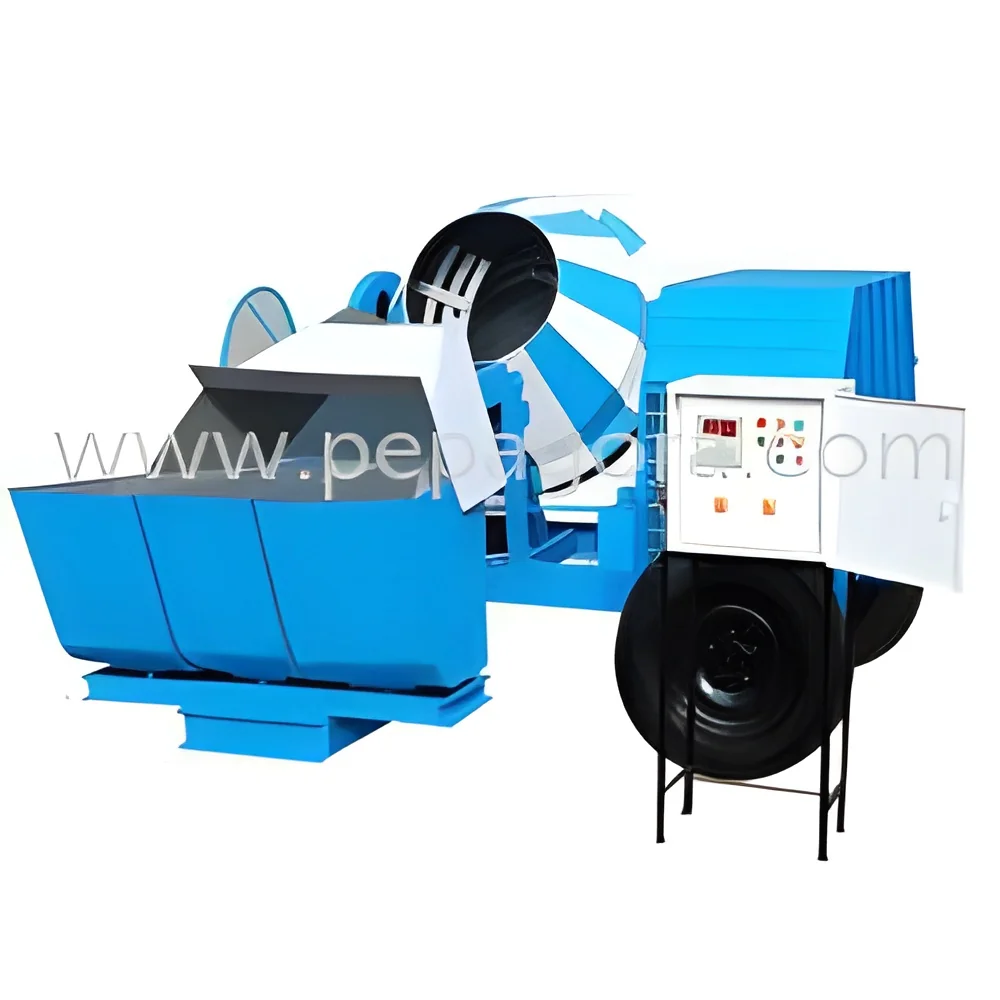
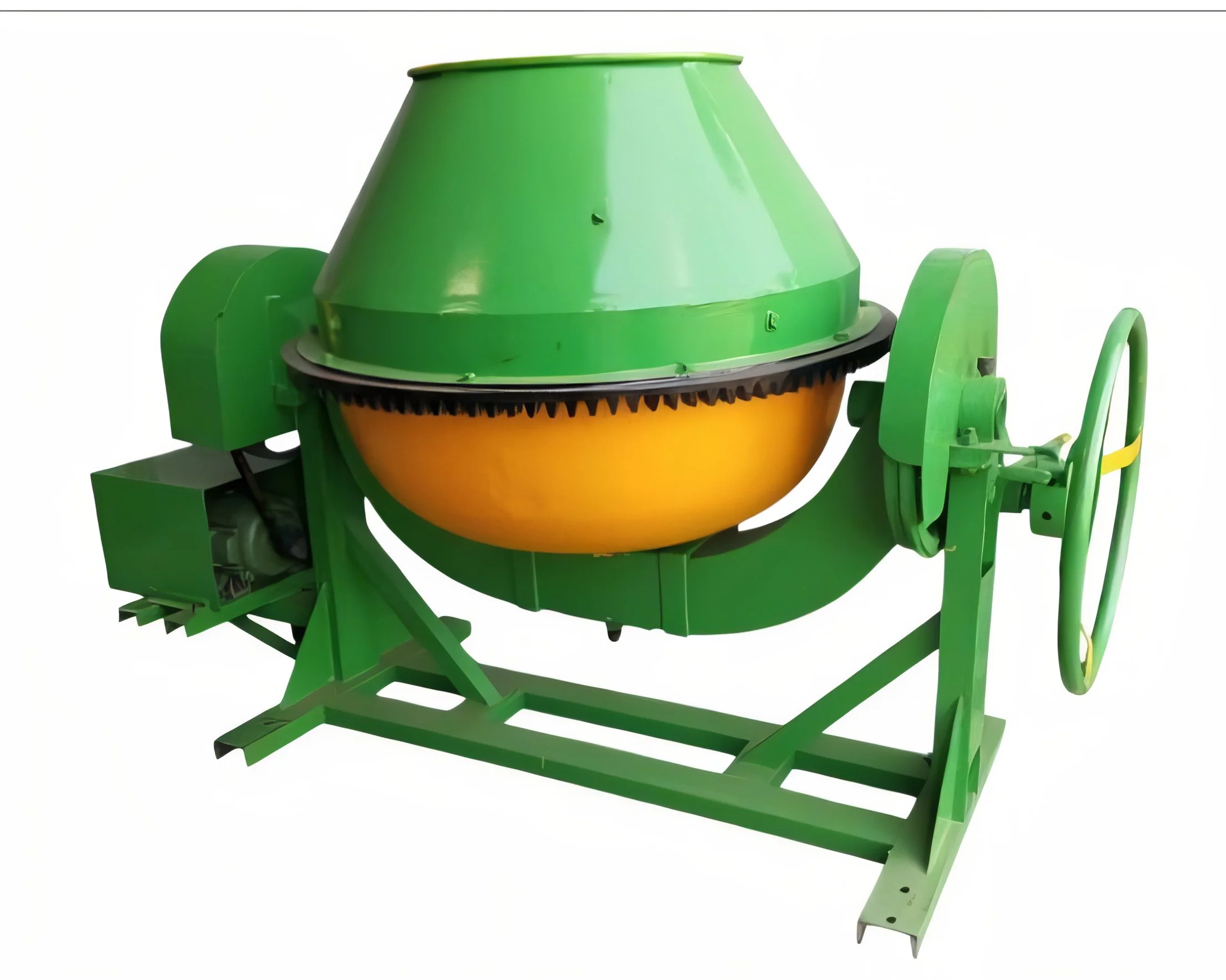
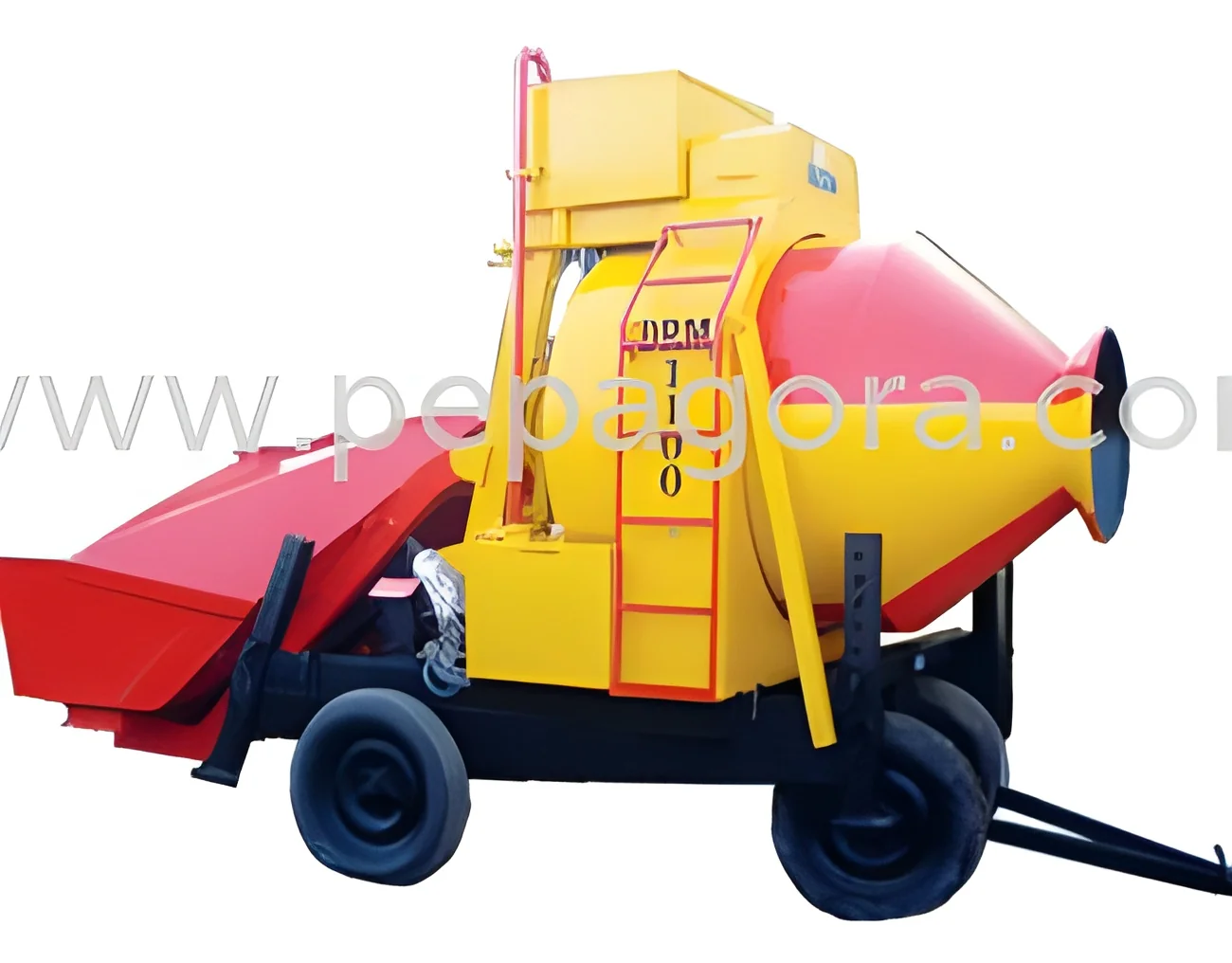
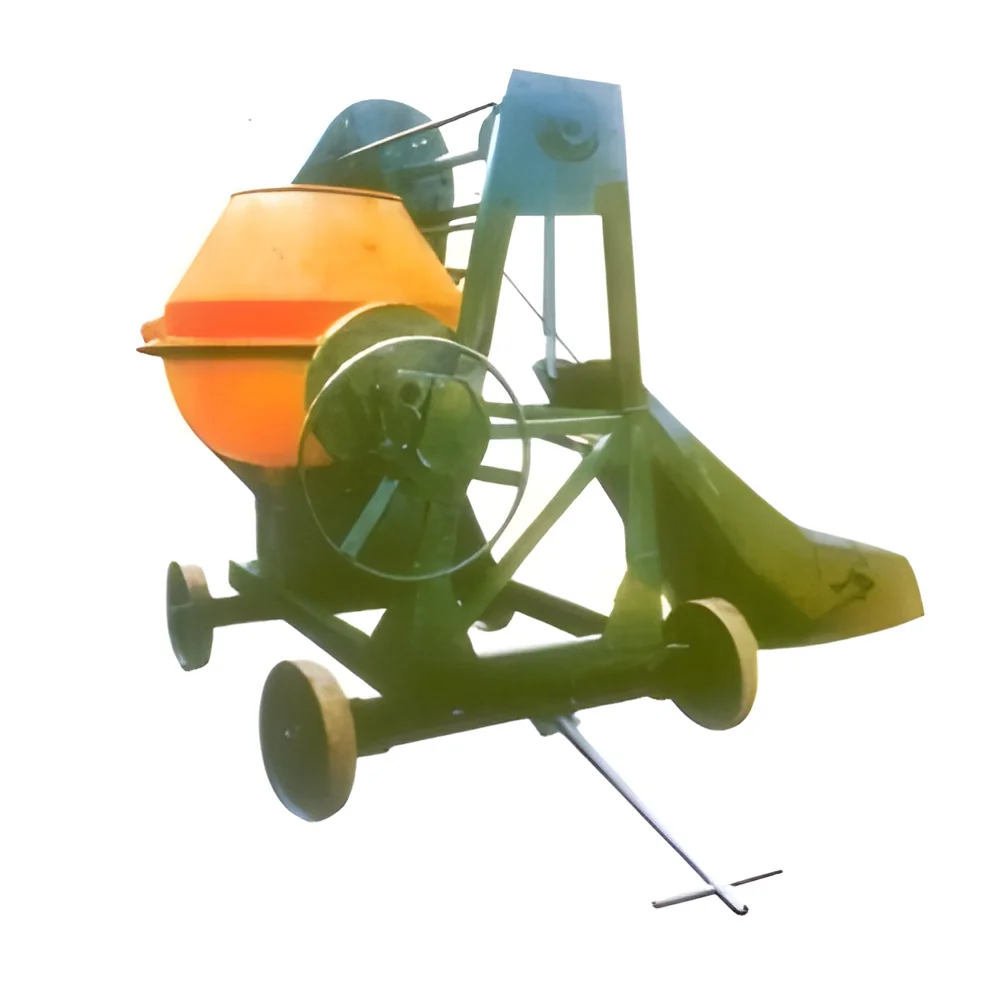
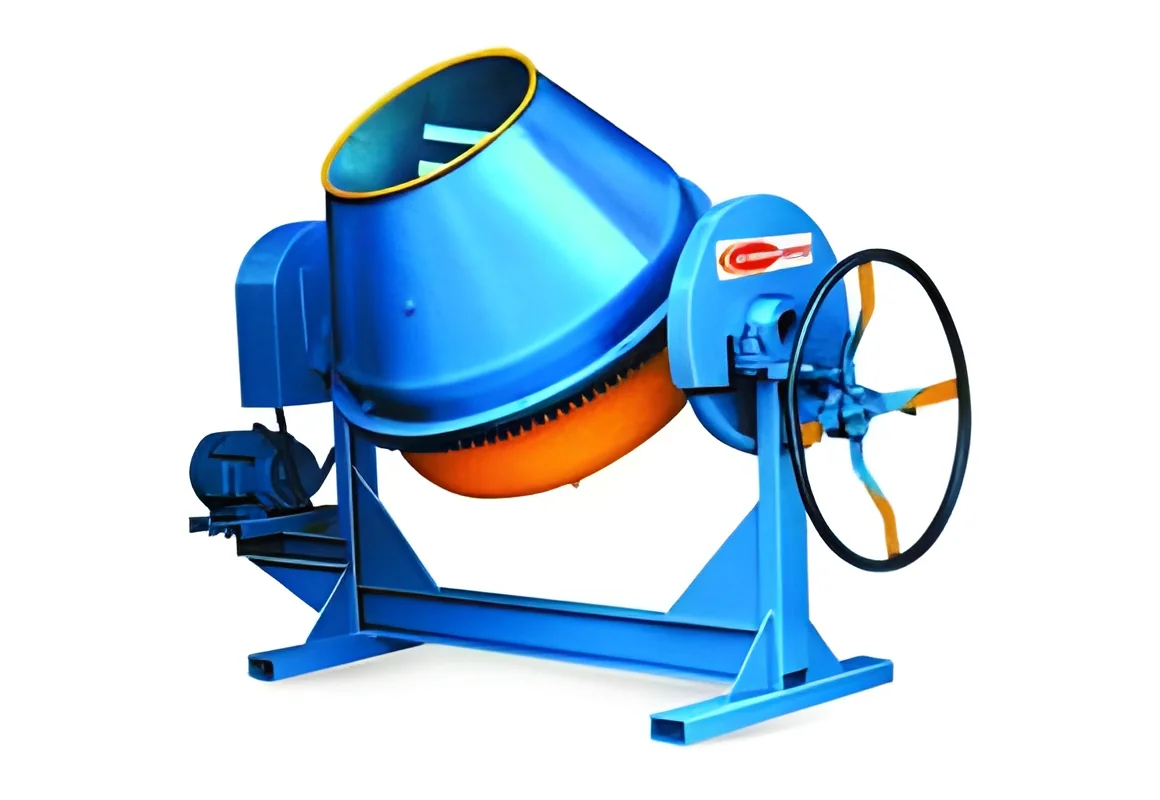
Concrete Mixers (Self-Loading, Drum) are versatile construction machines designed to mix concrete on-site. They feature a drum that rotates to combine raw materials such as cement, sand, gravel, and water, allowing for efficient mixing and easy transportation.
What are the different types of Concrete Mixers (Self-Loading, Drum)?
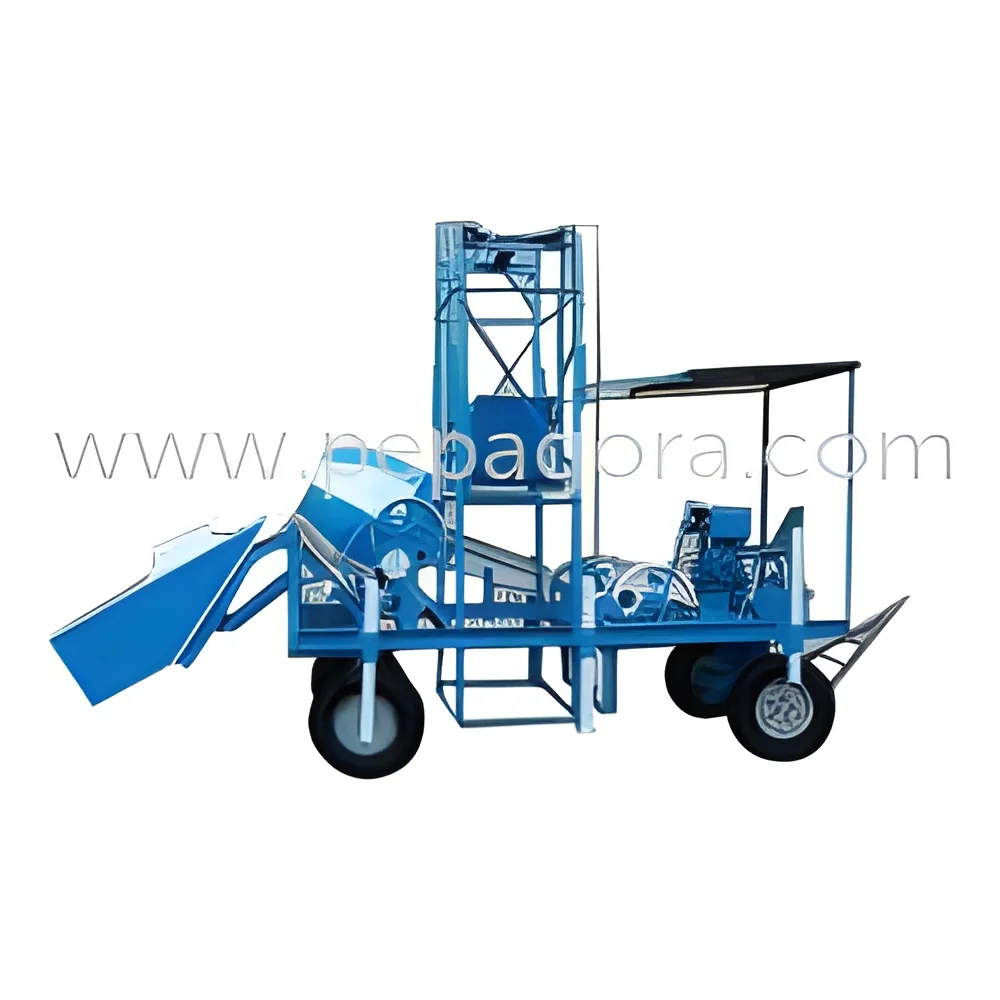
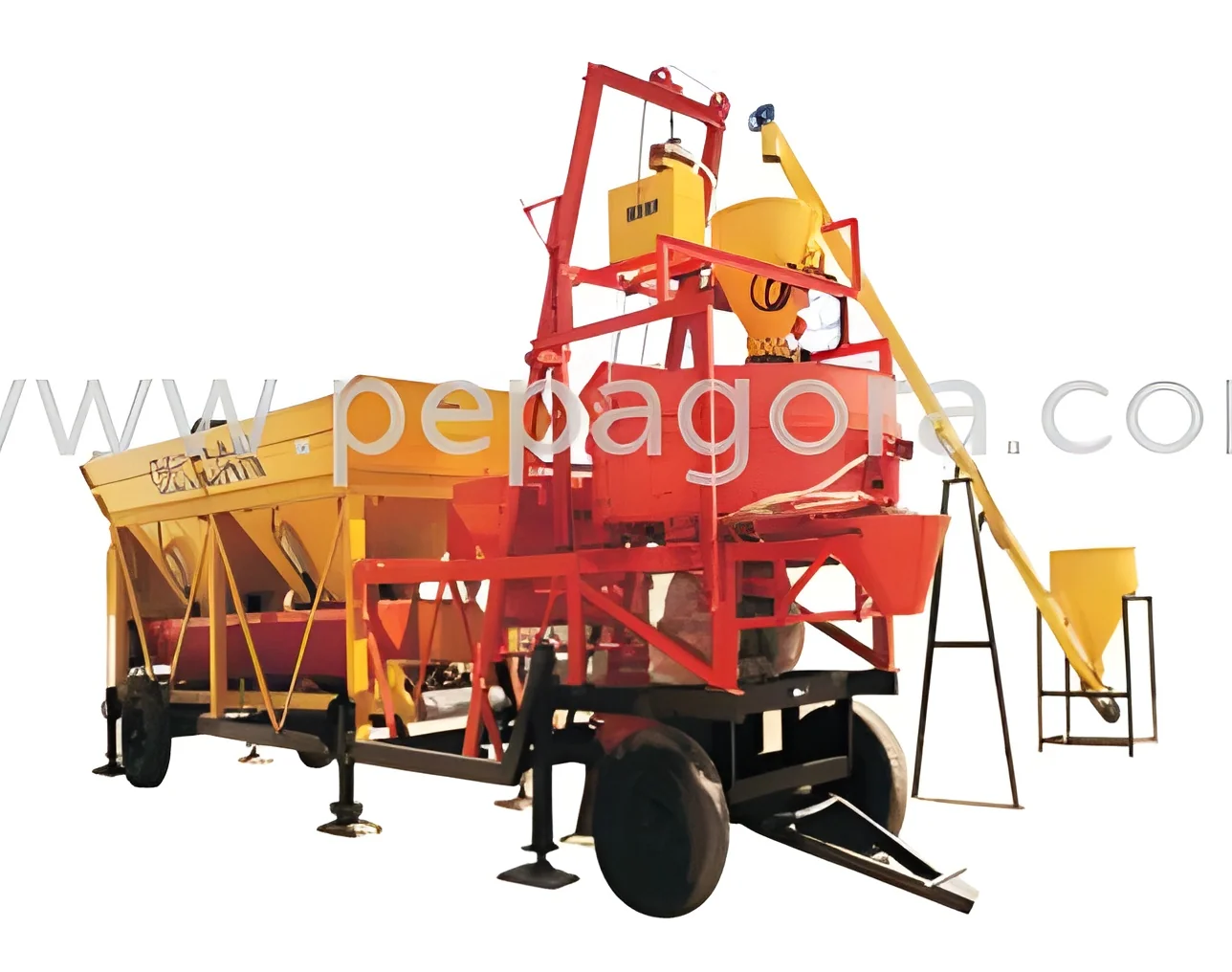
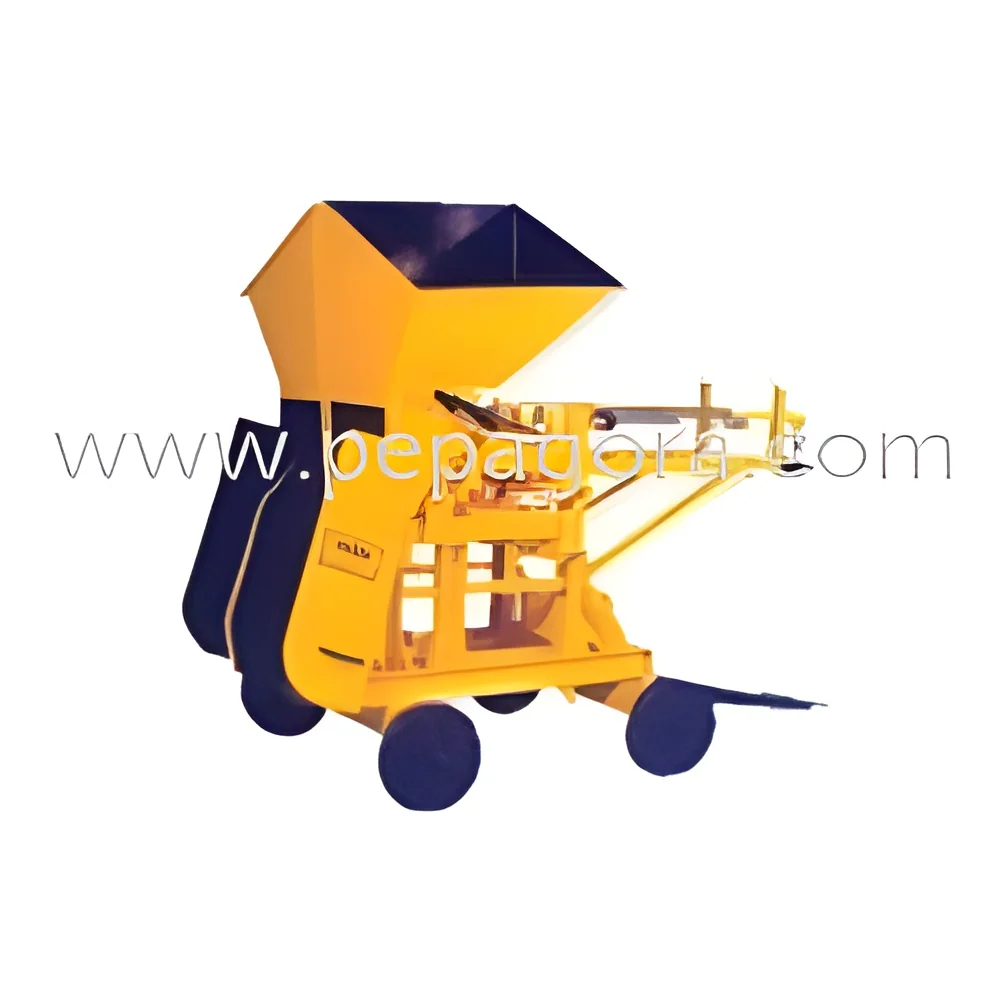
The main types of Concrete Mixers (Self-Loading, Drum) include self-loading mixers, which are equipped with a loader to gather materials, and traditional drum mixers that require manual loading. Each type serves different needs based on project size and operational requirements.
How do I choose the right Concrete Mixers (Self-Loading, Drum)?
When selecting a Concrete Mixer (Self-Loading, Drum), consider factors such as mixing capacity, engine power, and mobility features. Additionally, evaluate the specific requirements of your project, including the volume of concrete needed and the site conditions.
What are the standard specifications for Concrete Mixers (Self-Loading, Drum)?
Standard specifications for Concrete Mixers (Self-Loading, Drum) typically include mixing capacity (ranging from 1 to 4 cubic meters), power output (measured in horsepower), and drum rotation speed. Other specifications may include dimensions, weight, and the type of engine used.
What is the price range for Concrete Mixers (Self-Loading, Drum)?
The price range for Concrete Mixers (Self-Loading, Drum) varies widely depending on specifications and features, typically starting from around INR 5 lakhs and going up to INR 20 lakhs or more. It is advisable to compare multiple suppliers to find the best value.
What quality standards apply to Concrete Mixers (Self-Loading, Drum)?
Concrete Mixers (Self-Loading, Drum) must comply with various quality standards, such as ISO certifications and safety regulations. These standards ensure the machines are durable, efficient, and safe for operation in construction environments.
Where can I find Concrete Mixers (Self-Loading, Drum) suppliers in India?
You can find Concrete Mixers (Self-Loading, Drum) suppliers in India through online B2B marketplaces like Pepagora, trade directories, or by contacting local manufacturers directly. It's important to verify the supplier's reputation and product quality.
Can Concrete Mixers (Self-Loading, Drum) be customized?
Yes, Concrete Mixers (Self-Loading, Drum) can often be customized to meet specific operational needs. Customizations may include adjustments in mixing capacity, engine specifications, and additional features for enhanced functionality.
What is the typical minimum order quantity for Concrete Mixers (Self-Loading, Drum)?
The typical minimum order quantity (MOQ) for Concrete Mixers (Self-Loading, Drum) can vary by supplier but is generally around 1 to 5 units. It's advisable to discuss MOQs directly with suppliers to understand their specific policies.
What is the typical lead time for Concrete Mixers (Self-Loading, Drum)?
The typical lead time for Concrete Mixers (Self-Loading, Drum) can range from a few weeks to several months, depending on the supplier's inventory and the level of customization required. Confirming delivery timelines with the supplier before placing an order is recommended.
Why Businesses Trust Pepagora
Thousands of companies trust Pepagora to source smarter and sell faster
Expand Your Sales Globally

Source Smarter,Grow Faster
