IN
IN₹
Apparel & Fashion
Description
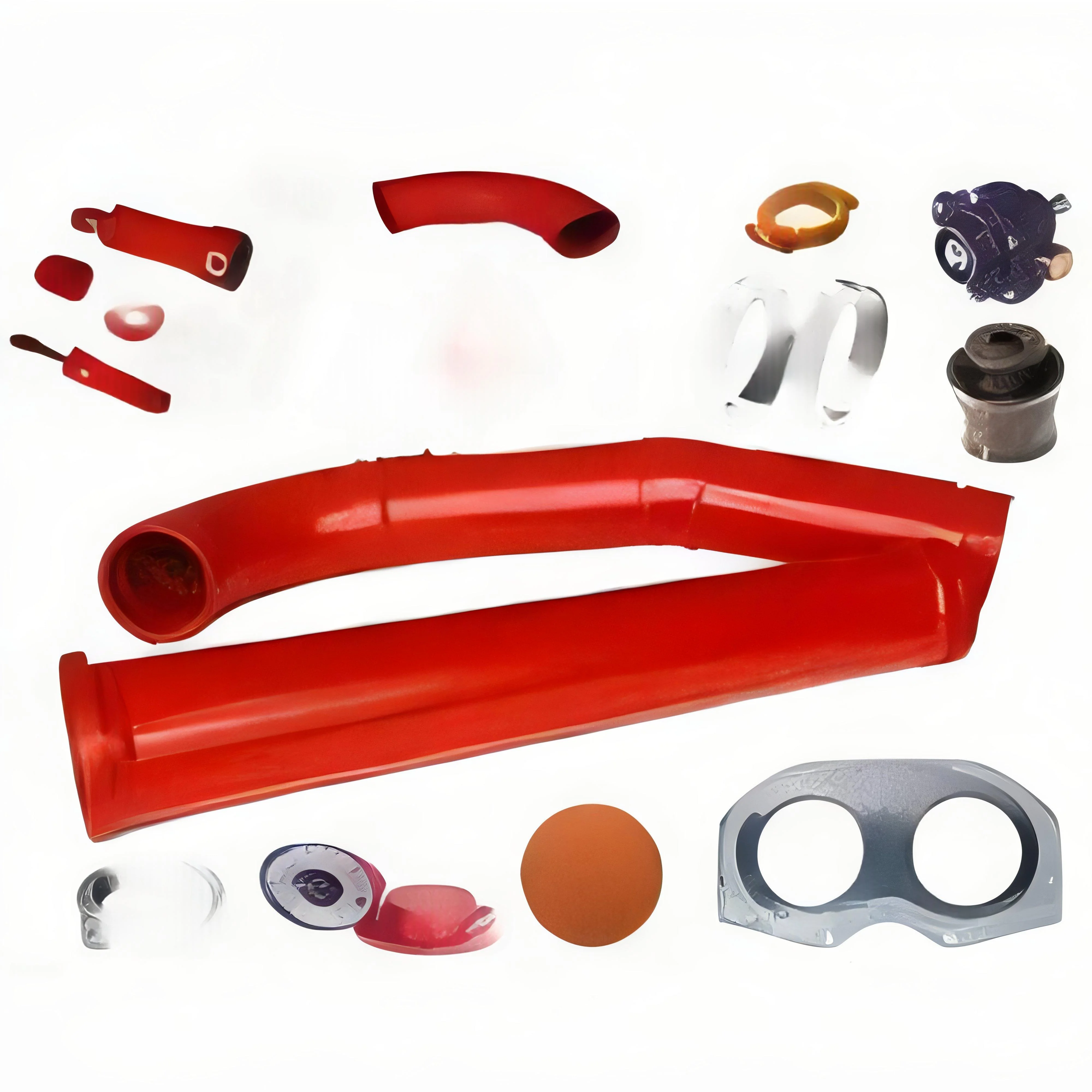
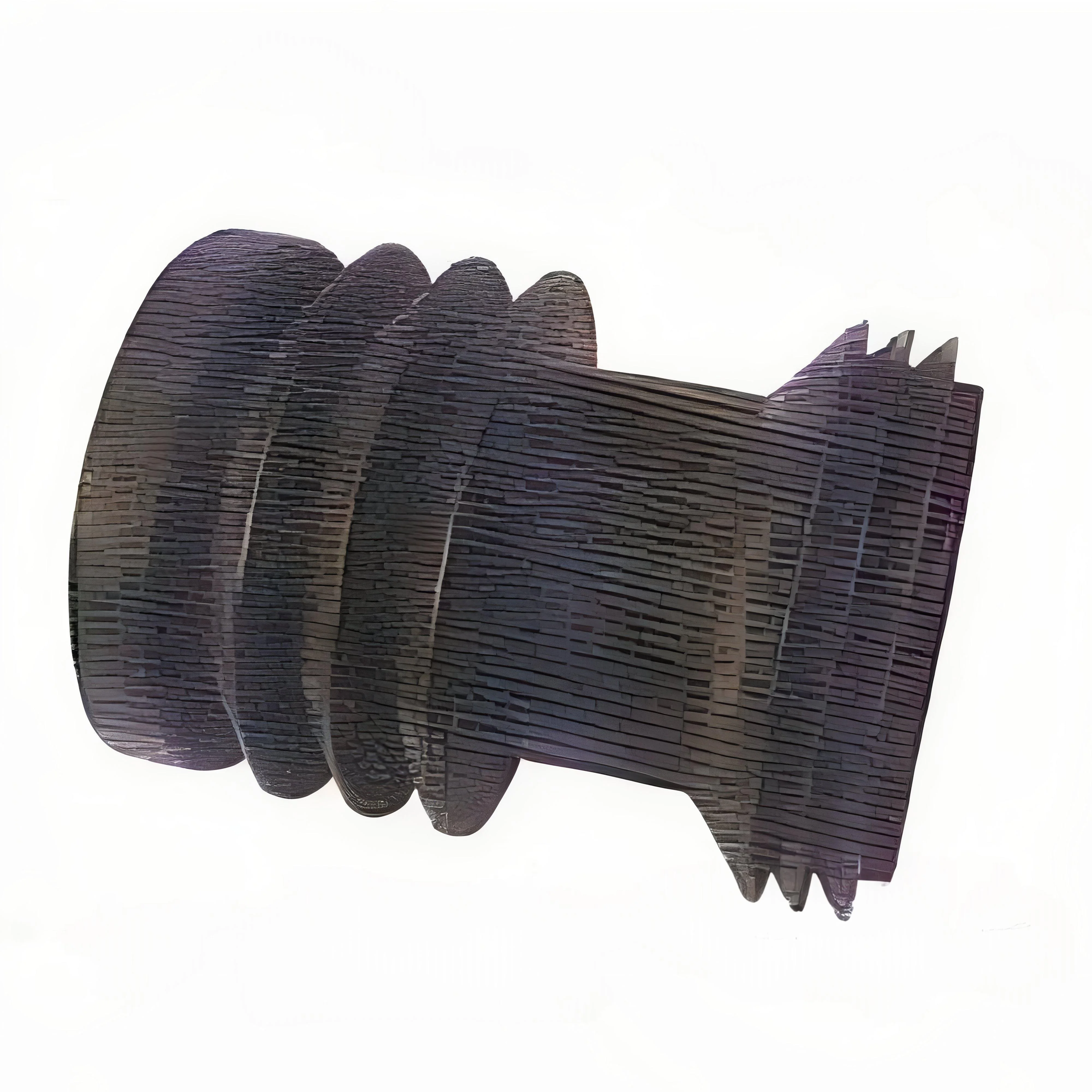
Industrial pipeline cleaning pigs are specialized in-line tools engineered to clean pipeline interiors without interrupting product flow. Propelled by the medium within the pipeline itself, they travel the line's length, using scraping, brushing, or wiping actions to dislodge and remove accumulated deposits from the pipe wall. This process is critical for maintaining the designed internal diameter, ensuring consistent flow rates, and preventing the pressure increases that result from constricted flow paths. Built from wear-resistant materials like polyurethane, these pigs are constructed to withstand the abrasive and chemically aggressive environments found in oil, gas, and chemical transportation, delivering reliable performance over multiple cleaning cycles. Their operation is a cornerstone of pipeline integrity management, directly contributing to system efficiency and longevity by tackling the root causes of flow assurance issues.

These cleaning pigs serve indispensable roles acro...
Industrial pipeline cleaning pigs are specialized in-line tools engineered to clean pipeline interiors without interrupting product flow. Propelled by the medium within the pipeline itself, they travel the line's length, using scraping, brushing, or wiping actions to dislodge and remove accumulated deposits from the pipe wall. This process is critical for maintaining the designed internal diameter, ensuring consistent flow rates, and preventing the pressure increases that result from constricted flow paths. Built from wear-resistant materials like polyurethane, these pigs are constructed to withstand the abrasive and chemically aggressive environments found in oil, gas, and chemical transportation, delivering reliable performance over multiple cleaning cycles. Their operation is a cornerstone of pipeline integrity management, directly contributing to system efficiency and longevity by tackling the root causes of flow assurance issues.

These cleaning pigs serve indispensable roles across heavy industries where pipeline performance is synonymous with production output and safety. In upstream and midstream oil and gas operations, they are deployed to remove wax from crude oil lines and to sweep liquids from gas pipelines, preventing hydrate formation and blockages. Downstream, refineries rely on them to clean process lines of coke and scale, while chemical manufacturing plants use pigs for precise product separation and contamination prevention between different chemical batches. The water treatment and power generation sectors utilize them for sediment and biofilm control. Their application is universal in any industry dependent on pipelines, effectively extending asset service life and reducing the need for more invasive and expensive cleaning methods.

The business value of implementing a regular cleaning pig program is substantial and measurable. It directly reduces operational downtime by preventing unplanned shutdowns caused by flow restrictions or blockages, thereby safeguarding production schedules and revenue streams. Maintaining clean pipelines ensures sustained design throughput, which has a direct positive impact on production volumes and overall plant efficiency. The durability of well-constructed pigs minimizes replacement costs and inventory needs. Furthermore, by reducing corrosion under deposit and mechanical wear, they significantly extend the operational lifespan of expensive pipeline infrastructure. This proactive approach to maintenance lowers long-term operational costs by decreasing the reliance on chemical cleaners and extensive manual interventions, representing a strategic investment in operational reliability and asset protection.

Key Features:
- Constructed from high-grade, wear-resistant materials like polyurethane for durability in abrasive conditions.
- Engineered for compatibility with a wide range of pipeline diameters, pressures, and product types.
- Effectively removes various deposits including wax, scale, debris, and residual product buildup.
- Designed for reliable performance in harsh environments involving hydrocarbons, chemicals, and high pressures.
- Features straightforward launching and retrieval using standard pipeline fittings and receiver systems.

Benefits:
- Maintains optimal flow rates and pressure by preventing internal diameter reduction from deposits.
- Extends pipeline service life by mitigating corrosion under deposit and reducing mechanical wear.
- Minimizes costly production downtime through efficient, scheduled preventive maintenance cleaning.
- Lowers overall operational and maintenance expenses by reducing chemical cleaning and manual labor needs.
- Enhances operational safety by preventing dangerous blockages that can lead to overpressure situations.
Specifications
| Additional Information | |
|---|---|
| Country of Origin | India |
Application
Industrial pipeline cleaning pigs are essential maintenance tools designed to restore and maintain optimal flow efficiency in critical transmission systems. They mechanically remove stubborn deposits like paraffin wax, scale, sediment, and other debris that accumulate on pipe walls, directly addressing flow restrictions and pressure drops that impact operational throughput and safety. Their reliable operation is fundamental to any preventive maintenance program, helping to avoid costly emergency shutdowns.
These robust tools perform consistently across diverse and demanding environments, from high-pressure offshore platforms to extensive onshore processing and distribution networks. Their design ensures compatibility with various pipeline configurations and product flows, providing operators with a dependable solution for preserving infrastructure integrity. By preventing corrosion under deposit and maintaining clean internal surfaces, they protect valuable capital assets and support continuous, safe operations.
- Crude oil transmission and gathering lines for paraffin wax and asphaltene deposit removal.
- Natural gas pipelines and distribution networks to clear liquid accumulation and solid contaminants.
- Chemical and petrochemical plant transfer lines for product separation and residue cleanup between batches.
- Refinery process lines and inter-unit piping for removing coke, polymer, and hard scale deposits.
- Water injection and disposal lines in oilfield operations to control scale, biofilm, and sediment buildup.
Trade Details
| Available Stock | In Stock |
| Sample Availability | No |
Payment Terms
| Payment Terms |
|
Company Profile
Kalpana Enterprise, Maharashtra
 Maharashtra, India
Maharashtra, IndiaIndustrial Equipment & Machinery•Trading Company•Importer / Exporter
Factory Details
Factory SizeBelow 1000 sqm
Annual Production Capacity0
Industrial Pipeline Cleaning Pigs For Oil Gas Chemical Maintenance
Industrial pipeline cleaning pigs from reliable manufacturers ensure efficient debris removal and flow restoration for oil, gas, and chemical pipeline maintenance, featuring durable construction for extended service life.
Min. Order Quantity: 1 unit
Shipping
Shipping fee and delivery date to be negotiated. Contact supplier now for more details.
Kalpana Enterprise
 Maharashtra, India
Maharashtra, IndiaIndustrial Equipment & MachineryTrading Company