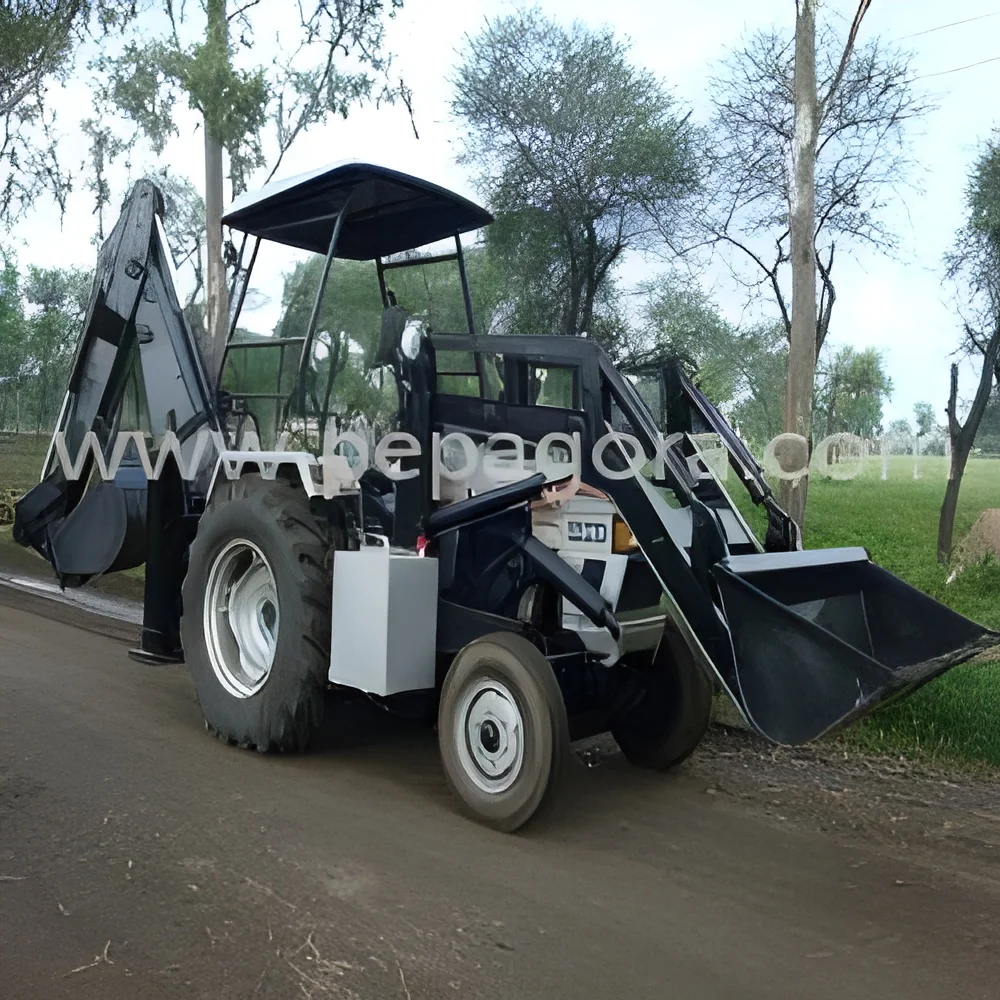
What are Backhoe Loaders?
Backhoe loaders are versatile construction machines that combine the functions of a tractor, loader, and backhoe into one unit. These machines are equipped with a front loader for lifting and moving materials and a rear backhoe for digging and excavating. This unique design allows operators to perform a variety of tasks efficiently, making backhoe loaders an essential piece of equipment on job sites.
Primarily, backhoe loaders are used in construction, landscaping, and agricultural applications. They are ideal for tasks such as digging holes, moving dirt, and grading surfaces. The compact design of backhoe loaders allows them to maneuver easily in confined spaces, making them suitable for urban projects and small sites. Their multifunctionality and mobility make backhoe loaders a popular choice among contractors and businesses in various sectors.
The relevance of backhoe loaders in the industry is significant, as they are widely recognized for their efficiency and reliability. The market for these machines continues to grow, driven by increasing infrastructure development and urbanization. Companies across sectors are investing in backhoe loaders to enhance productivity and streamline operations, making them a key player in the construction and excavation equipment market.
Key Features and Specifications
Backhoe loaders are built with a range of features that enhance their performance and usability. These machines are designed to be robust and efficient, catering to the diverse needs of various industries. Below are some key specifications that define backhoe loaders.
Key specifications include:
1. Engine Power
- Typical power ranges from 60 to 100 horsepower.
- Enables efficient operation across various tasks.
2. Operating Weight
- Generally falls between 14,000 to 20,000 pounds.
- Provides stability and durability for heavy-duty tasks.
3. Digging Depth
- Standard digging depth ranges from 12 to 15 feet.
- Allows for deep excavations in various soil types.
4. Loader Capacity
- Loader buckets typically range from 0.5 to 1.5 cubic yards.
- Facilitates efficient material handling.
5. Backhoe Bucket Width
- Common widths range from 12 to 24 inches.
- Offers versatility for different digging tasks.
6. Maximum Reach
- Reach can extend up to 20 feet.
- Increases versatility for various job site conditions.
7. Hydraulic System
- Equipped with powerful hydraulic systems for enhanced digging and lifting capabilities.
- Pressure ratings are often around 3000 psi.
8. Cab Features
- Modern backhoe loaders include ergonomic controls and climate control systems.
- Enhances operator comfort and productivity.
In summary, backhoe loaders are designed with powerful specifications and features that make them indispensable in construction and excavation projects.
Common Applications and Use Cases
Backhoe loaders serve a wide array of industries, showcasing their versatility and effectiveness.
1. Construction: Backhoe loaders are commonly used for excavation, grading, and loading materials on construction sites. They can dig foundations, trenches, and holes for utility installations.
2. Landscaping: In landscaping, these machines aid in digging, moving soil, and planting trees. Their ability to navigate tight spaces makes them ideal for residential projects.
3. Agriculture: Farmers utilize backhoe loaders for tasks such as digging irrigation ditches, moving feed, and clearing land. Their multifunctionality supports various agricultural operations.
4. Municipal Services: Backhoe loaders are employed by municipal services for road maintenance, snow removal, and utility repairs. Their compact size allows them to work efficiently in urban environments.
5. Mining: In the mining industry, backhoe loaders assist in loading and moving materials. They are useful for small-scale mining operations where mobility is crucial.
6. Demolition: These machines are effective in small demolition projects, enabling the removal of debris and excavation of sites for new constructions.
7. Utility Work: Backhoe loaders are often used for digging trenches for pipelines and cables. Their digging depth and reach capabilities are beneficial for utility installations.
Product Variants and Subcategories
Backhoe loaders come in various models, each designed for specific tasks and environments. The diversity in product offerings allows businesses to choose the right machine based on their needs.
Standard Backhoe Loader
This model is suitable for general construction and landscaping tasks. It typically features a balanced design for optimal performance in various conditions.
Compact Backhoe Loader
This variant is designed for tight spaces and smaller job sites. It offers similar functionalities as standard models but in a more compact size, making it ideal for urban applications.
High-Performance Backhoe Loader
Engineered for heavy-duty tasks, this variant provides enhanced power and efficiency. It is suitable for larger construction projects and demanding environments.
Benefits and Advantages
Backhoe loaders provide numerous benefits that make them a preferred choice for many businesses.
1. Versatility: Backhoe loaders can perform multiple functions, from digging to loading, reducing the need for multiple machines on a job site.
2. Cost-Effective: Their multifunctionality leads to lower operational costs, as one machine can handle various tasks, minimizing equipment expenses.
3. Enhanced Mobility: The compact design allows backhoe loaders to navigate tight spaces and limited access areas, increasing their usability in different job sites.
4. Operator Comfort: Modern cab designs prioritize ergonomics, ensuring operators remain comfortable during long working hours, which can enhance productivity.
5. Easy Maintenance: Backhoe loaders are generally designed for straightforward maintenance, allowing for quicker servicing and reduced downtime.
6. Increased Efficiency: The powerful specifications of backhoe loaders result in faster completion of tasks, improving overall project timelines.
Buying Guide for B2B Buyers
When sourcing backhoe loaders, it is essential to consider several factors to ensure a successful purchase.
1. Quality Assessment: Evaluate the build quality and performance of the backhoe loaders. Look for manufacturers that adhere to industry standards to ensure durability and reliability.
2. Supplier Verification: It is crucial to vet suppliers thoroughly. Check their credentials, customer reviews, and experience in the industry to ensure you are working with a reputable provider.
3. Pricing and MOQ: Understand the pricing structure and minimum order quantities. Compare costs among different suppliers to get the best value for your investment.
4. Delivery and Lead Times: Inquire about delivery timelines and logistics. Ensure that the supplier can meet your project deadlines to avoid disruptions.
5. Compliance Requirements: Familiarize yourself with any regulatory compliance needed for backhoe loaders in your region. Ensure the equipment meets safety and quality standards.
Compliance and Certifications
Compliance with industry standards is critical for backhoe loaders to ensure safety and reliability. For instance, many manufacturers comply with ISO 9001, which sets quality management standards. This certification helps ensure consistent quality in production processes.
Additionally, backhoe loaders often carry CE certification, indicating compliance with European health, safety, and environmental protection standards. This certification is essential for machines sold in European markets.
Safety testing requirements must also be met, ensuring that the machines operate safely under various conditions. Regional compliance considerations may vary, so it is vital to be aware of local regulations regarding machinery usage and safety standards.
Why Source Backhoe Loaders from Pepagora?
Pepagora provides a trusted platform for sourcing backhoe loaders, offering several key advantages to businesses.
Verified Supplier Network: Pepagora partners with reputable suppliers who are thoroughly vetted for quality and reliability. This ensures that buyers receive high-quality equipment.
Streamlined RFQ Process: The platform simplifies the request for quotation process, allowing buyers to compare multiple offers efficiently. This transparency helps in making informed purchasing decisions.
Trade Assurance and Support: Pepagora offers trade assurance to protect buyers, ensuring that they receive the products as promised. Customer support is available to assist with any inquiries or issues.
Regional Coverage: With a strong presence in India, the GCC, and Southeast Asia, Pepagora connects buyers with suppliers across these regions, facilitating a smooth sourcing experience.

 IN
IN