IN
IN₹
Apparel & Fashion
Description
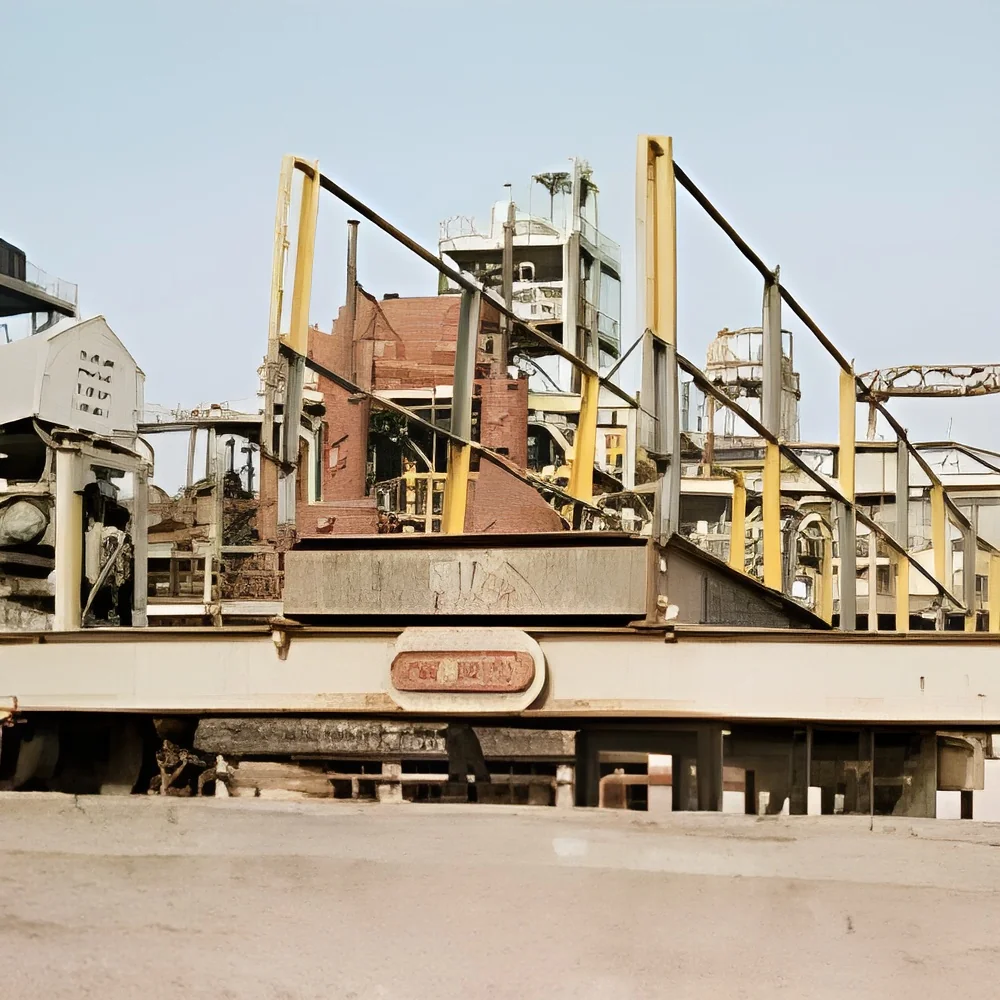
Industrial Effluent Water Treatment Plants are comprehensive systems designed to purify contaminated wastewater from industrial processes, ensuring it meets regulatory standards for safe discharge or reuse. These plants address critical environmental and operational challenges by treating water containing chemicals, oils, organic compounds, and high levels of dissolved solids. Utilizing advanced processes including physio-chemical treatment, biological degradation, and tertiary polishing, they deliver reliable performance tailored to specific effluent characteristics. This approach enables industries to manage their water footprint effectively, reduce pollution, and implement sustainable water management practices that align with global environmental stewardship goals.

These treatment solutions are indispensable across diverse sectors including pharmaceuticals, chemical manufacturing, food and beverage processing, metal finishing, power generation, and textiles. Each industry presents...
Industrial Effluent Water Treatment Plants are comprehensive systems designed to purify contaminated wastewater from industrial processes, ensuring it meets regulatory standards for safe discharge or reuse. These plants address critical environmental and operational challenges by treating water containing chemicals, oils, organic compounds, and high levels of dissolved solids. Utilizing advanced processes including physio-chemical treatment, biological degradation, and tertiary polishing, they deliver reliable performance tailored to specific effluent characteristics. This approach enables industries to manage their water footprint effectively, reduce pollution, and implement sustainable water management practices that align with global environmental stewardship goals.

These treatment solutions are indispensable across diverse sectors including pharmaceuticals, chemical manufacturing, food and beverage processing, metal finishing, power generation, and textiles. Each industry presents unique contamination profiles—from chemical residues and solvents to organic waste and high salinity—requiring specialized treatment approaches. The systems are engineered to adapt to these varying demands, handling specific pollutants and volume requirements efficiently. By providing purified water suitable for reuse in cooling towers, cleaning processes, or even certain production stages, these plants help water-intensive industries conserve resources, reduce freshwater intake, and maintain operational continuity despite regulatory pressures and resource constraints.

The business value of these effluent treatment plants lies in their ability to transform wastewater management from a compliance cost into a strategic advantage. They ensure uninterrupted operations by preventing regulatory shutdowns and minimizing environmental liabilities. Their robust construction and precise engineering deliver long-term reliability, reducing maintenance needs and operational downtime. Customization for specific flow rates, space limitations, and contamination levels ensures optimal performance and cost-efficiency. This investment enhances operational resilience against water scarcity, strengthens sustainability credentials, and improves community relations, ultimately contributing to a stronger, more responsible industrial operation.

Key Features:
- Multi-stage treatment process combining physio-chemical, biological, and tertiary purification methods.
- Customizable system design to match specific effluent characteristics, flow rates, and space constraints.
- Comprehensive pre-treatment section including multi-media filters, activated carbon adsorption, and water softening units.
- High-efficiency reverse osmosis module with durable membranes and high-pressure pumps for desalination.
- Integrated Cleaning In Place (CIP) system for maintenance without interrupting plant operations.

Benefits:
- Ensures full compliance with environmental regulations for wastewater discharge and recycling.
- Reduces operational costs by enabling water reuse and minimizing freshwater procurement.
- Minimizes environmental impact through effective pollutant removal and sustainable water management.
- Provides reliable, continuous operation with robust construction and low maintenance requirements.
- Enhances operational efficiency and resilience against water scarcity and regulatory changes.
Specifications
| Additional Information | |
|---|---|
| Country of Origin | India |
Application
Industrial effluent water treatment plants are engineered to handle complex wastewater streams from manufacturing and production facilities. They effectively remove contaminants like oils, chemicals, organic matter, and high TDS through multiple treatment stages, ensuring water meets strict discharge standards or is purified for safe reuse. This capability is crucial for maintaining continuous operations while adhering to environmental regulations and managing water resources responsibly.
These systems provide tailored solutions for industries facing specific effluent challenges and volume requirements. By adapting to different contamination profiles and flow rates, they help businesses reduce environmental impact, lower water acquisition costs, and avoid regulatory penalties. The plants support sustainable industrial practices by enabling water recycling within processes, which is particularly valuable in regions with water scarcity or stringent compliance demands.
- Treating chemical and pharmaceutical wastewater to meet environmental discharge standards.
- Recycling process water in food, beverage, and dairy production for sustainable operations.
- Removing oils, heavy metals, and solvents from automotive and paint industry effluent.
- Purifying high-TDS water for boiler feed and cooling systems in power generation plants.
- Managing organic load and byproducts in paper mill and textile manufacturing wastewater.
Trade Details
| Available Stock | In Stock |
| Sample Availability | No |
Payment Terms
| Payment Terms |
|
Company Profile

Indian Scientific Lab Products, Karnataka
 Karnataka, India
Karnataka, India16 yrs
Manufacturer
Turn Over
Below ₹25 Lakhs
Factory Details
Factory Size1000-5000 sqm
Main Markets
Domestic
Industrial Effluent Water Treatment Plants For Compliance
Industrial effluent water treatment plants ensure regulatory compliance and water recycling for manufacturing, chemical, and processing industries. Reliable custom solutions for pollution-free operations.
Min. Order Quantity: 1 unit
Shipping
Shipping fee and delivery date to be negotiated. Contact supplier now for more details.
Indian Scientific Lab Products Karnataka, India
Karnataka, IndiaManufacturer