
 IN
Casting & Forging Equipment
709 products available
𝗪𝗵𝗮𝘁 𝗮𝗿𝗲 𝗖𝗮𝘀𝘁𝗶𝗻𝗴 & 𝗙𝗼𝗿𝗴𝗶𝗻𝗴 𝗘𝗾𝘂𝗶𝗽𝗺𝗲𝗻𝘁?
Casting and forging equipment are essential tools used in the manufacturing process of metal components. Casting involves pouring molten metal into molds to create various shapes, while forging uses mechanical force to shape metal into desired forms. Both processes are crucial in producing high-strength and intricate components that meet specific engineering requirements. These techniques are widely employed across various industries due to their ability to enhance material properties and optimize production efficiency.
The primary uses of casting and forging equipment include the production of automotive parts, aerospace components, and machinery fittings. Businesses in these sectors rely on these processes to create durable and high-performance products. Casting and forging are also vital in industries like construction, energy, and electronics, where precision and reliability are paramount. As manufacturing technologies continue to evolve, the demand for advanced casting and forging equipment remains strong, signaling a robust market landscape.
In the context of the industrial sector, casting and forging equipment play a critical role in meeting the ever-increasing demand for quality and efficiency. The global market for these products is expanding, driven by technological advancements and the need for lightweight and strong materials. Companies that invest in modern equipment can gain a competitive edge by improving their production capabilities and reducing costs.
𝗞𝗲𝘆 𝗙𝗲𝗮𝘁𝘂𝗿𝗲𝘀 𝗮𝗻𝗱 𝗦𝗽𝗲𝗰𝗶𝗳𝗶𝗰𝗮𝘁𝗶𝗼𝗻𝘀
Casting and forging equipment come with a variety of features designed to enhance functionality and performance. Understanding these specifications is crucial for businesses looking to invest in the right machinery.
Key specifications include:
1. Molding Capacity
- The volume of metal that can be cast in a single cycle.
- Typical ranges vary depending on the equipment type.
2. Forging Force
- The maximum force exerted during the forging process.
- Often measured in tons, with specifications ranging widely based on application.
3. Temperature Control
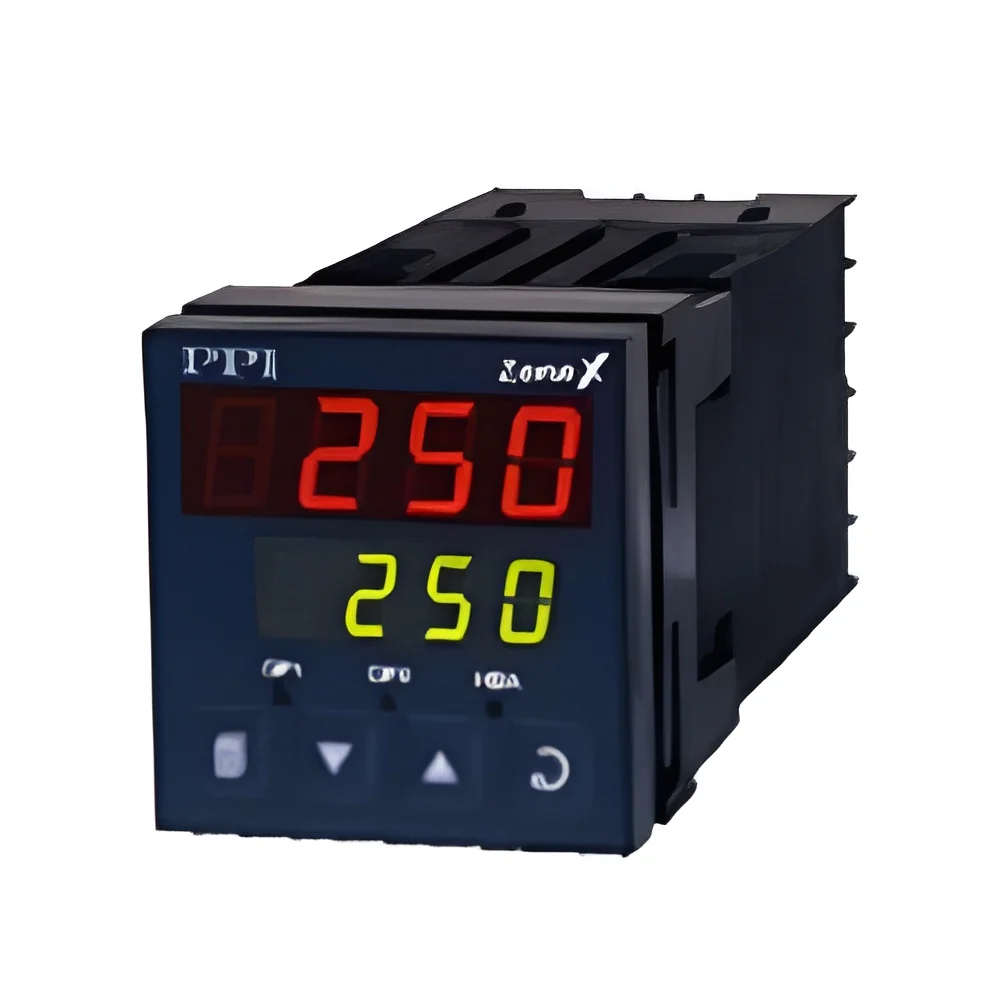
- The ability to maintain specific temperature ranges during the casting or forging process.
- Critical for ensuring material integrity.
4. Cycle Time
- The duration required to complete a single cycle of casting or forging.
- Shorter cycle times lead to increased productivity.
5. Automation Level
- The degree to which the equipment is automated.
- Higher automation can reduce labor costs and improve consistency.
6. Material Compatibility
- The types of metals that can be effectively processed.
- Equipment specifications should match the materials used in production.
7. Energy Efficiency
- The energy consumption of the equipment during operation.
- More energy-efficient machines can lead to cost savings.
8. Safety Features
- Built-in mechanisms to ensure safe operation.
- Includes emergency stop functions and protective barriers.
Understanding these specifications helps businesses select the most suitable equipment to meet their specific production needs.
𝗖𝗼𝗺𝗺𝗼𝗻 𝗔𝗽𝗽𝗹𝗶𝗰𝗮𝘁𝗶𝗼𝗻𝘀 𝗮𝗻𝗱 𝗨𝘀𝗲 𝗖𝗮𝘀𝗲𝘀
Casting and forging equipment find applications in various industries, each requiring unique solutions.
1. Automotive: This industry uses casting and forging equipment to produce engine blocks, gears, and suspension components, ensuring high durability and performance.
2. Aerospace: Equipment is essential for manufacturing lightweight aircraft components that must withstand extreme conditions while maintaining structural integrity.
3. Energy: In the energy sector, casting and forging are used to create turbine parts and valve bodies, which are crucial for efficient energy generation.
4. Construction: Casting and forging equipment are employed to produce structural components such as beams and brackets, necessary for building infrastructure.
5. Electronics: The electronics industry utilizes these processes to create precise metal parts for devices, ensuring functionality and reliability.
6. Defense: High-strength components produced through casting and forging are vital for military applications, where performance and safety are critical.
7. Marine: Equipment is used to manufacture components for ships and submarines, ensuring they can withstand harsh marine environments.
𝗣𝗿𝗼𝗱𝘂𝗰𝘁 𝗩𝗮𝗿𝗶𝗮𝗻𝘁𝘀 𝗮𝗻𝗱 𝗦𝘂𝗯𝗰𝗮𝘁𝗲𝗴𝗼𝗿𝗶𝗲𝘀
Casting and forging equipment includes a range of variants, each tailored to specific manufacturing needs.
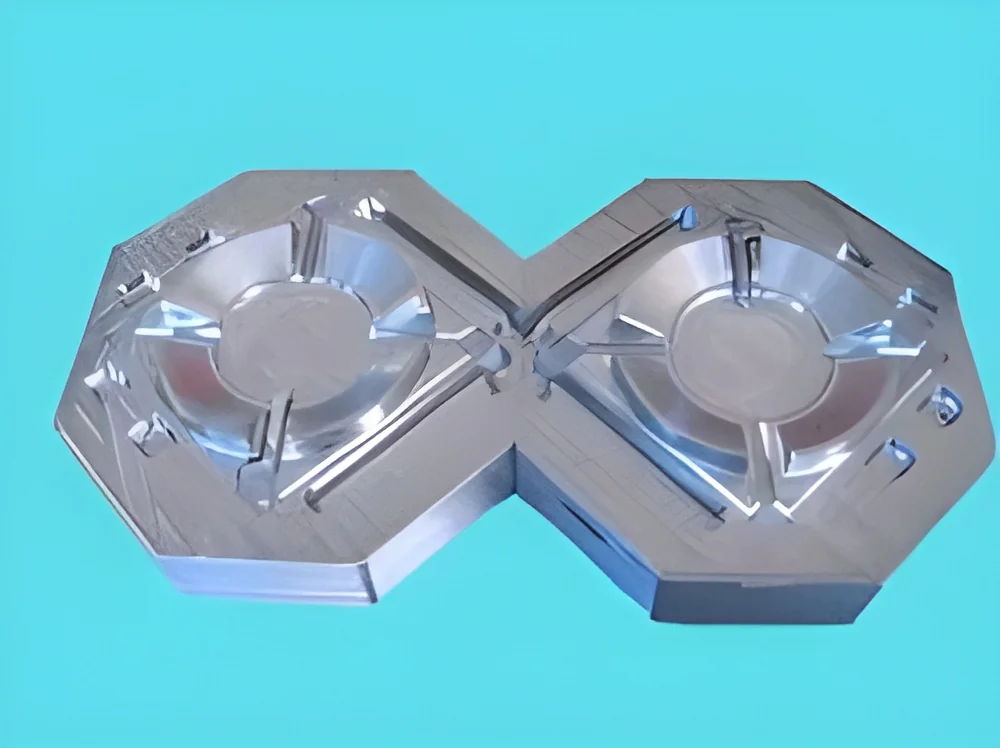
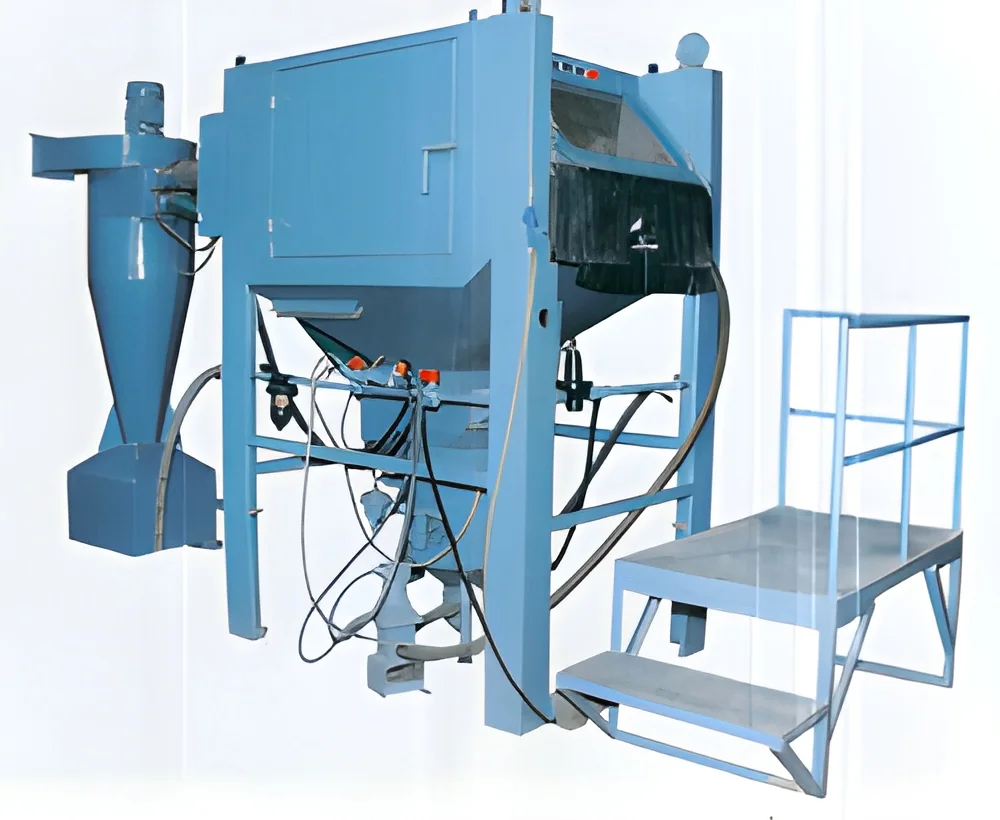
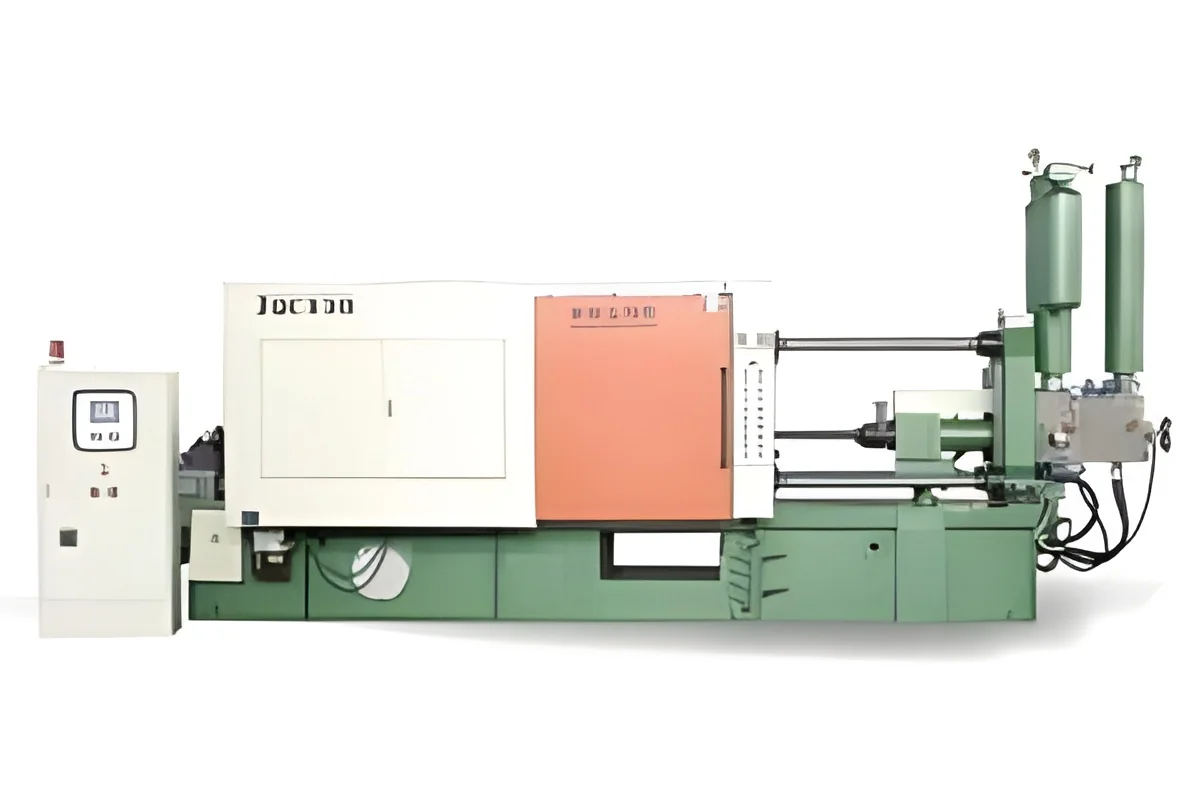
Die Casting Machines: These machines are designed for high-volume production of parts with excellent surface finish and dimensional accuracy. They are commonly used in the automotive and consumer goods sectors.
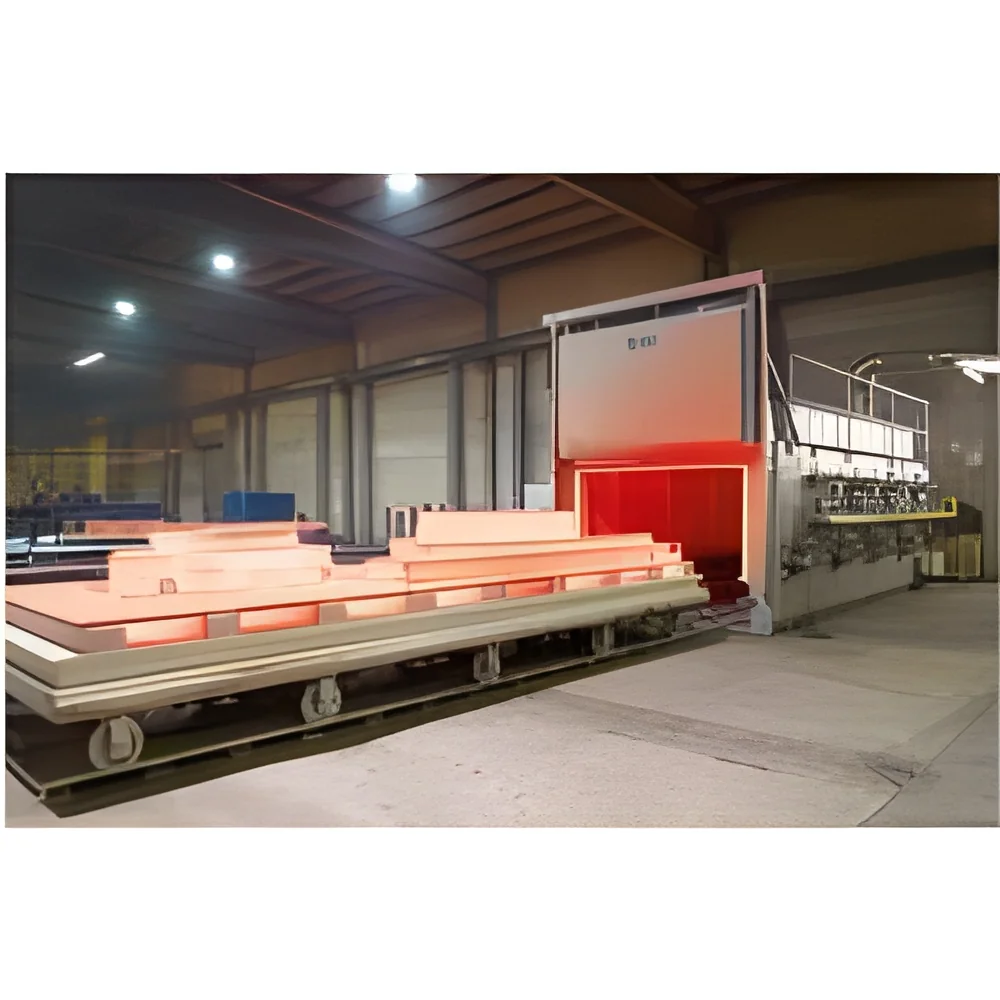
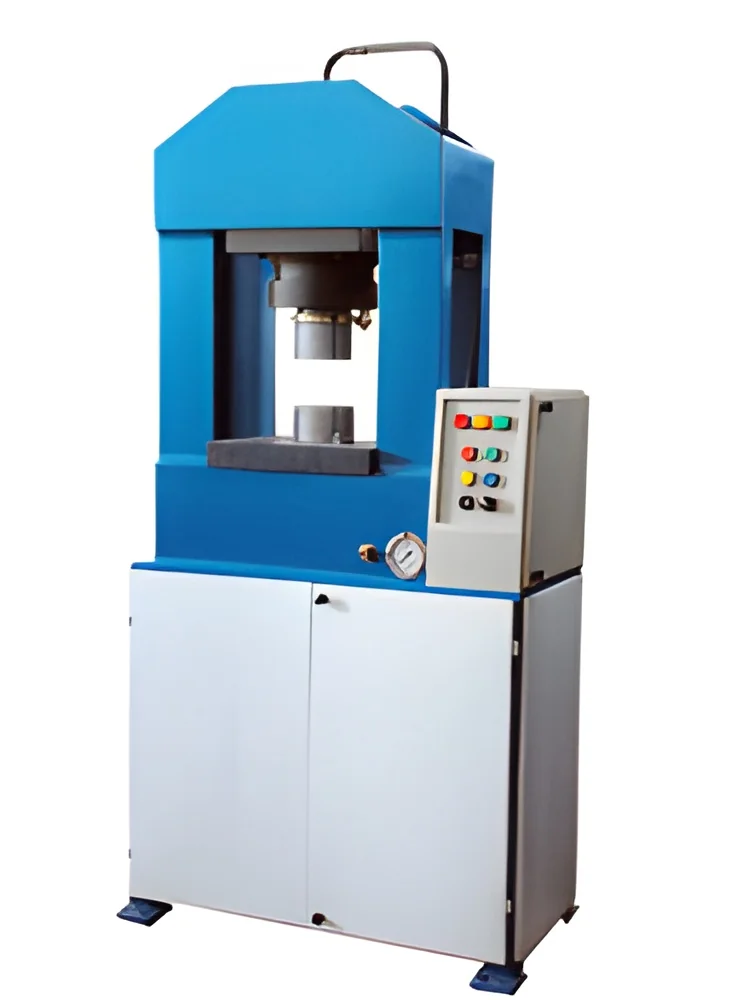
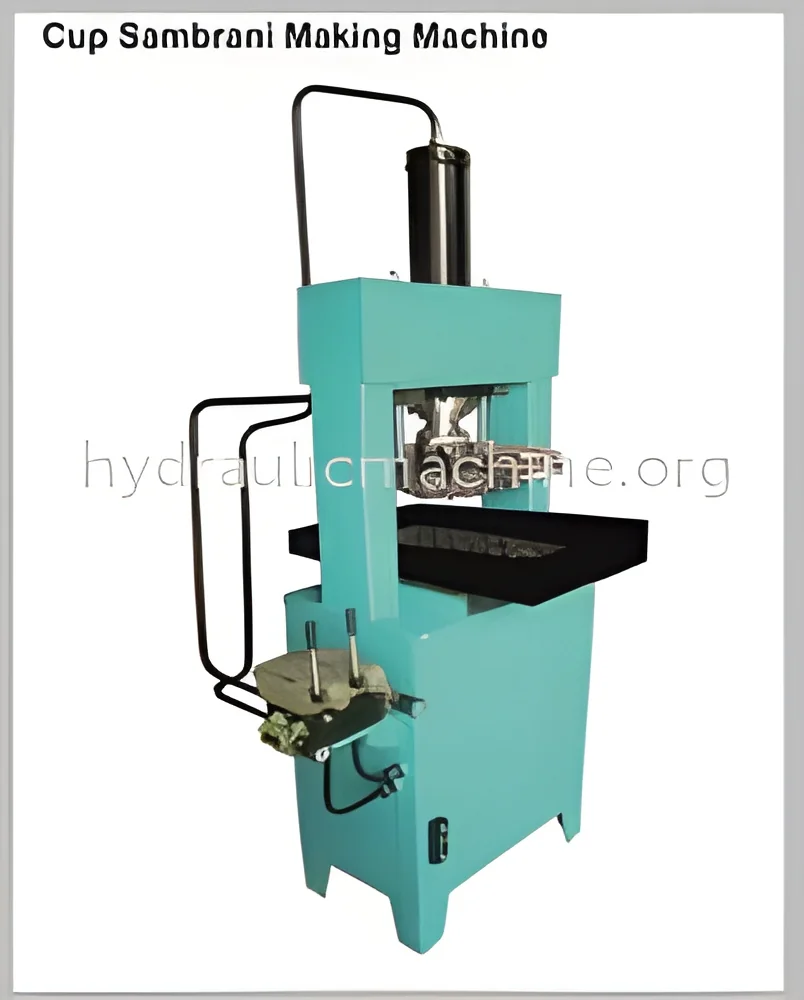
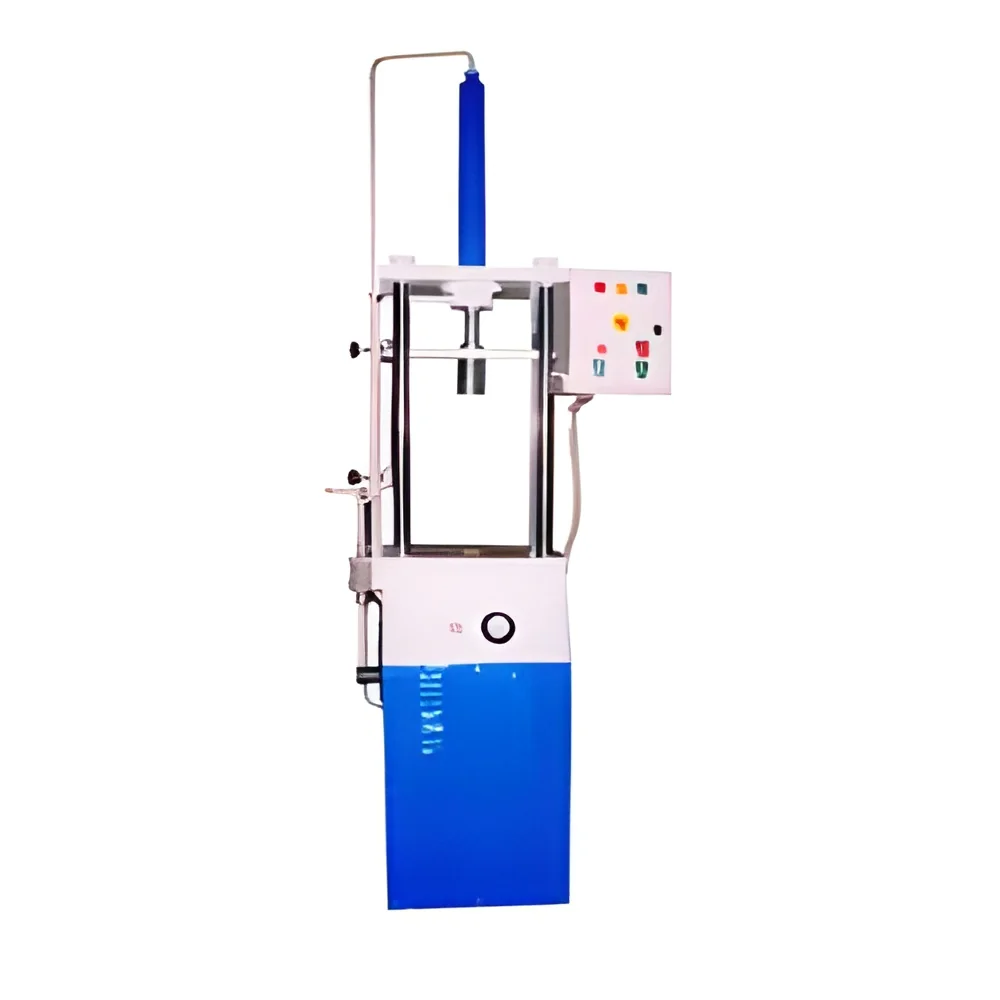
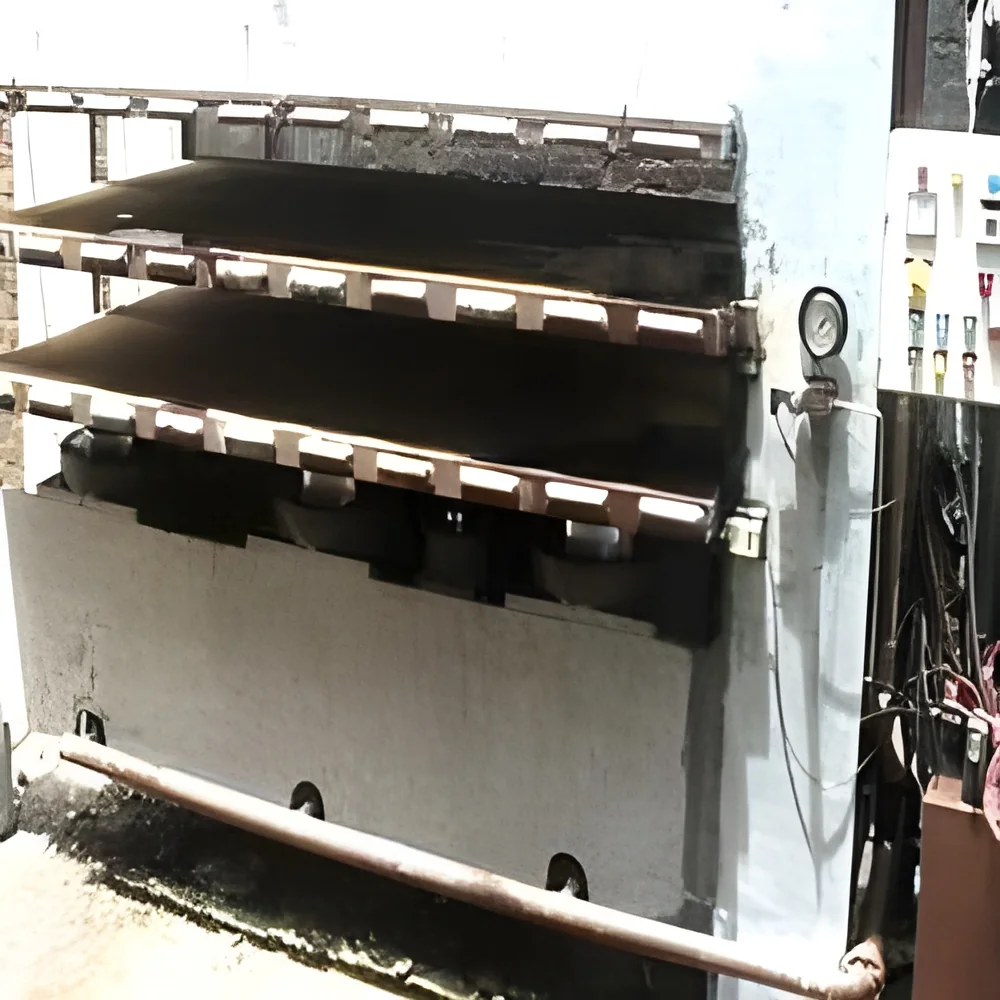
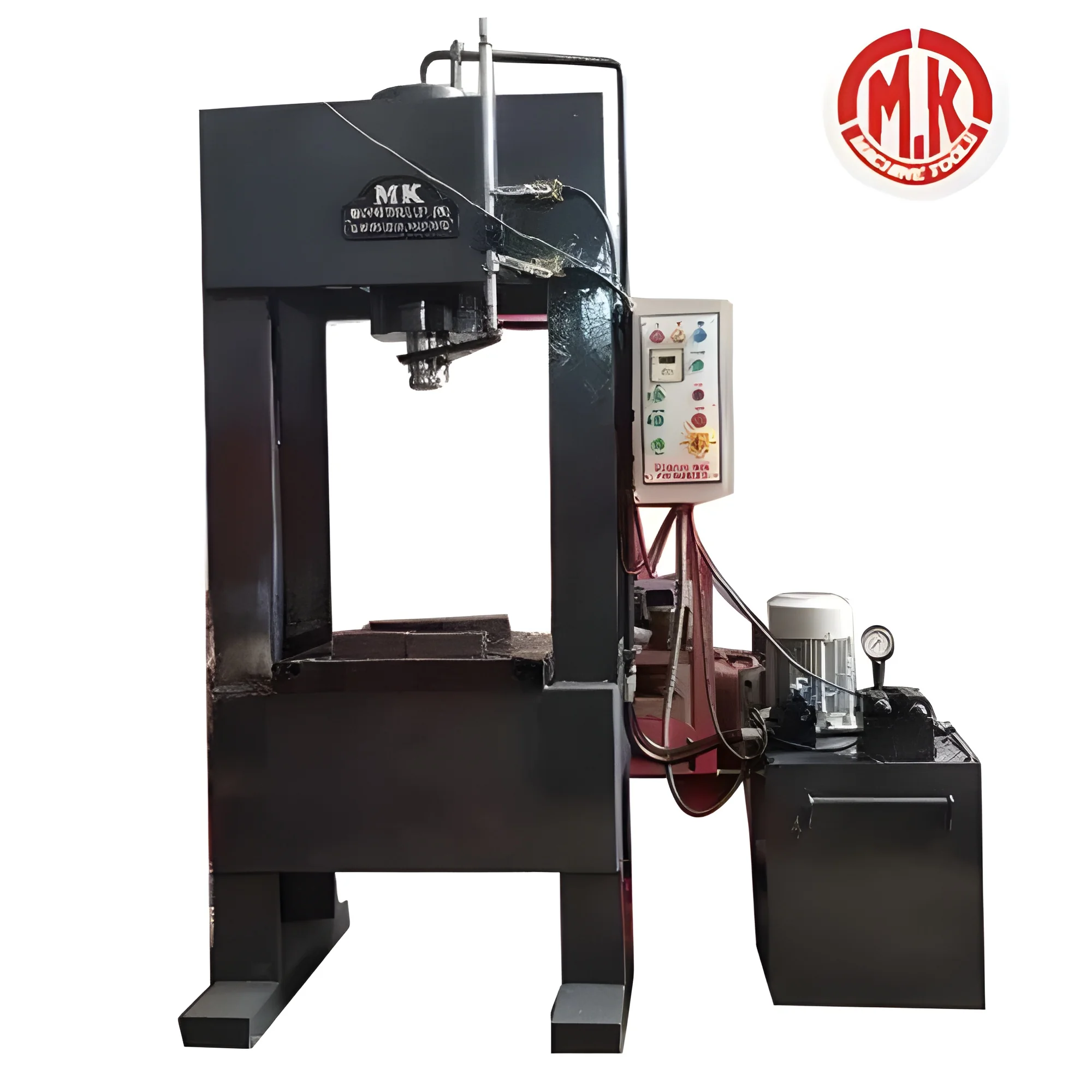
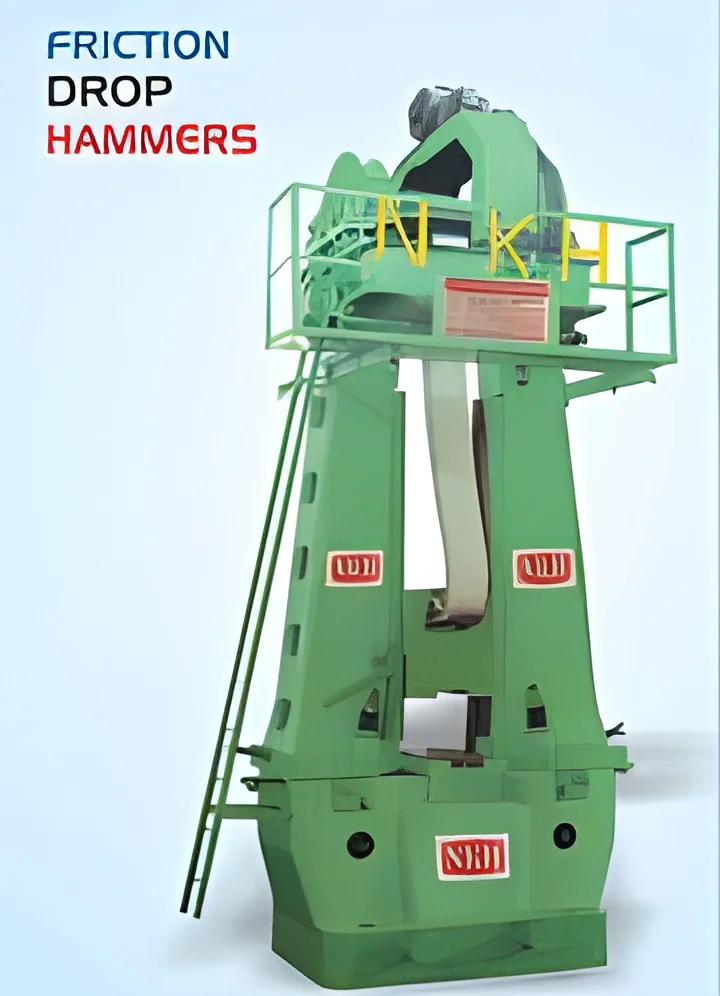
Forging Presses: These presses apply significant force to shape metal and are utilized in various industries for producing strong and durable components.
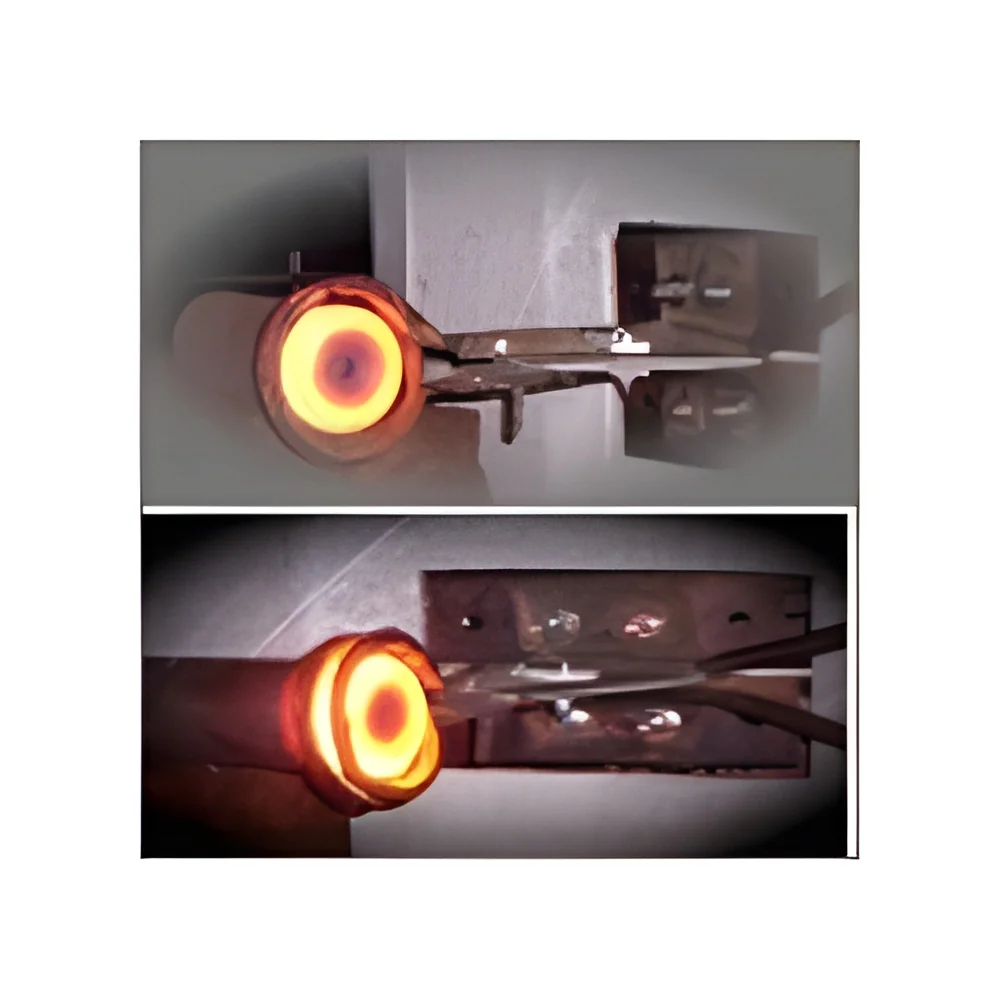
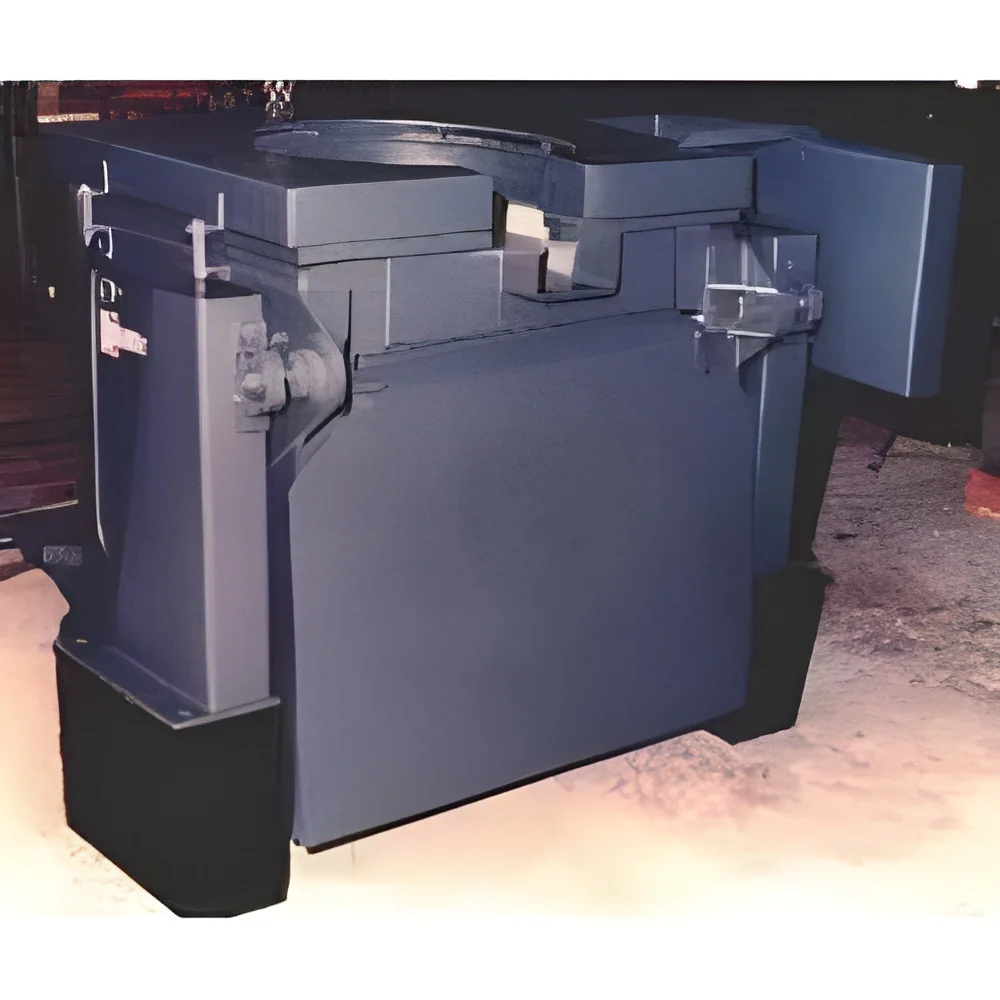
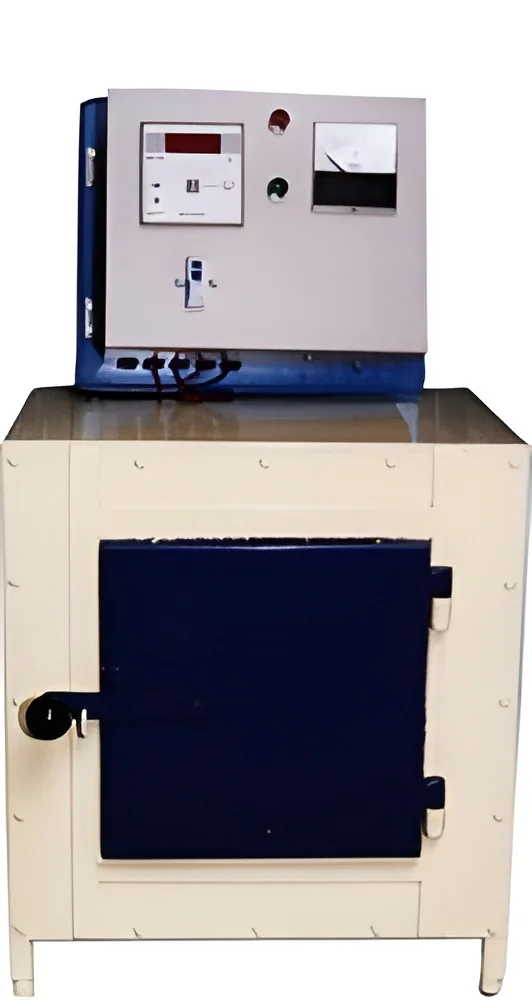
Induction Furnaces: Used primarily in the melting of metals, induction furnaces provide efficient heating and are ideal for small to medium-scale production.
𝗕𝗲𝗻𝗲𝗳𝗶𝘁𝘀 𝗮𝗻𝗱 𝗔𝗱𝘃𝗮𝗻𝘁𝗮𝗴𝗲𝘀
Investing in casting and forging equipment provides numerous advantages for manufacturers.
1. Enhanced Material Strength: Both processes improve the mechanical properties of metals, resulting in stronger components.
2. Cost-Effectiveness: High-volume production capabilities lead to lower per-unit costs, making it economically viable for businesses.
3. Design Flexibility: Casting allows for complex shapes, while forging provides exceptional durability, enabling manufacturers to meet diverse design requirements.
4. Improved Efficiency: Modern equipment often includes automation features that enhance production speed and reduce labor costs.
5. Quality Control: Advanced casting and forging technologies ensure consistent quality, reducing defects and waste in production.
6. Environmental Considerations: Many modern machines are designed to be energy-efficient, helping companies reduce their carbon footprint.
𝗕𝘂𝘆𝗶𝗻𝗴 𝗚𝘂𝗶𝗱𝗲 𝗳𝗼𝗿 𝗕𝟮𝗕 𝗕𝘂𝘆𝗲𝗿𝘀
When sourcing casting and forging equipment, several factors should be considered to ensure a successful purchase.
1. Quality Assessment: Evaluate the quality of the equipment by reviewing specifications and performance metrics. Look for manufacturers with a reputation for reliability.
2. Supplier Verification: It is crucial to vet suppliers for their credibility. Check references and past performance to ensure they can meet your needs.
3. Pricing and MOQ: Understand the pricing structure and minimum order quantities. Compare quotes from multiple suppliers to find the best deal.
4. Delivery and Lead Times: Consider logistics and the estimated delivery times. Ensure that suppliers can meet your deadlines.
5. Compliance Requirements: Familiarize yourself with relevant regulations and standards in your region. Ensure that the equipment meets any necessary compliance criteria.
𝗖𝗼𝗺𝗽𝗹𝗶𝗮𝗻𝗰𝗲 𝗮𝗻𝗱 𝗖𝗲𝗿𝘁𝗶𝗳𝗶𝗰𝗮𝘁𝗶𝗼𝗻𝘀
Compliance and certifications are critical aspects of casting and forging equipment. Equipment must adhere to various quality standards to ensure safety and reliability.
ISO 9001 is a widely recognized quality management standard that many manufacturers adhere to. This certification demonstrates a commitment to quality and continuous improvement.
CE certification indicates that the equipment meets European safety, health, and environmental protection standards. This certification is essential for companies looking to sell products in Europe.
Safety and testing requirements are vital to ensuring that equipment operates safely and efficiently. Manufacturers must conduct rigorous testing to meet industry standards and regulations.
Additionally, regional compliance considerations may vary. Companies should be aware of local regulations that may impact equipment specifications and operational requirements.
𝗪𝗵𝘆 𝗦𝗼𝘂𝗿𝗰𝗲 𝗖𝗮𝘀𝘁𝗶𝗻𝗴 & 𝗙𝗼𝗿𝗴𝗶𝗻𝗴 𝗘𝗾𝘂𝗶𝗽𝗺𝗲𝗻𝘁 𝗳𝗿𝗼𝗺 𝗣𝗲𝗽𝗮𝗴𝗼𝗿𝗮?
Pepagora provides a trusted platform for sourcing casting and forging equipment, offering several key advantages for B2B buyers.
Verified Supplier Network: Pepagora connects buyers with a network of verified suppliers. Each supplier is vetted to ensure they meet quality and reliability standards.
Streamlined RFQ Process: The request for quotation (RFQ) process is designed to be efficient, allowing buyers to quickly receive and compare quotes from multiple suppliers.
Trade Assurance and Support: Pepagora offers trade assurance, providing buyers with protection and support throughout the purchasing process. This ensures a safe and secure transaction.
Regional Coverage: With a strong presence in India, the GCC, and Southeast Asia, Pepagora enables buyers to access a wide range of suppliers and products tailored to their regional needs.
By choosing Pepagora, businesses can enhance their sourcing experience and find the right casting and forging equipment to meet their production requirements.










Frequently Asked Questions
What are Casting & Forging Equipment?
Casting & Forging Equipment refers to the machinery and tools used in the processes of shaping metals through casting and forging. Casting involves pouring molten metal into molds to create shapes, while forging involves shaping metal using compressive forces. These equipment types are vital in manufacturing sectors, including automotive, aerospace, and construction.
What are the different types of Casting & Forging Equipment?
Different types of Casting & Forging Equipment include die casting machines, sand casting molds, forging presses, and induction furnaces. Each type serves specific purposes, such as high-volume production or intricate designs. Additionally, there are specialized tools for processes like investment casting and continuous casting.
How do I choose the right Casting & Forging Equipment?
Choosing the right Casting & Forging Equipment requires assessing your production needs, including the type of metal, volume, and desired finish. It's essential to consider equipment capacity, compatibility with your processes, and the level of automation. Consulting with manufacturers or industry experts can also provide valuable insights.
What are the standard specifications for Casting & Forging Equipment?
Standard specifications for Casting & Forging Equipment typically include capacity, power requirements, dimensions, and material compatibility. Additionally, equipment should comply with industry standards for safety and efficiency, such as ISO certifications. Specifications may vary based on the type of equipment and its intended use.
What is the price range for Casting & Forging Equipment?
The price range for Casting & Forging Equipment can vary significantly based on the type, size, and features. Generally, smaller machines may start at a few thousand dollars, while larger, industrial-grade equipment can cost hundreds of thousands. It's advisable to obtain quotes from multiple suppliers to compare prices.
What quality standards apply to Casting & Forging Equipment?
Quality standards for Casting & Forging Equipment typically include ISO 9001 for quality management and specific industry standards related to safety and performance. Compliance with these standards ensures the equipment meets necessary safety regulations and operates efficiently. Regular maintenance and inspections are also crucial for adhering to quality standards.
Where can I find Casting & Forging Equipment suppliers in India?
You can find Casting & Forging Equipment suppliers in India through various channels, including online B2B marketplaces like Pepagora.com, trade shows, and industry directories. Networking with industry professionals and visiting manufacturing hubs can also help you identify reputable suppliers. Conducting thorough research and reviews is essential before finalizing a supplier.
Can Casting & Forging Equipment be customized?
Yes, many manufacturers offer customization options for Casting & Forging Equipment to meet specific production requirements. Customization can include modifications in size, capacity, and features to cater to unique applications. It is advisable to discuss your needs with the supplier to explore available customization options.
What is the typical minimum order quantity for Casting & Forging Equipment?
The typical minimum order quantity (MOQ) for Casting & Forging Equipment can vary widely based on the manufacturer and type of equipment. Some suppliers may offer single units for specialized equipment, while others may require bulk orders for mass-produced items. It is recommended to check with the supplier for their specific MOQ policies.
What is the typical lead time for Casting & Forging Equipment?
The typical lead time for Casting & Forging Equipment can range from a few weeks to several months, depending on the complexity of the order and the manufacturer's production schedule. Custom orders may take longer due to design and manufacturing processes. It's important to confirm lead times with the supplier during the ordering process.
Why Businesses Trust Pepagora
Thousands of companies trust Pepagora to source smarter and sell faster
Expand Your Sales Globally

Source Smarter,Grow Faster
