IN
IN₹
Description
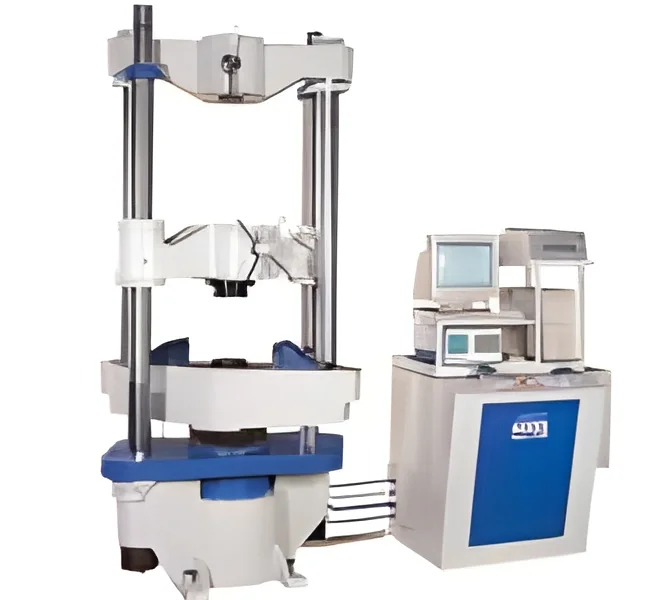
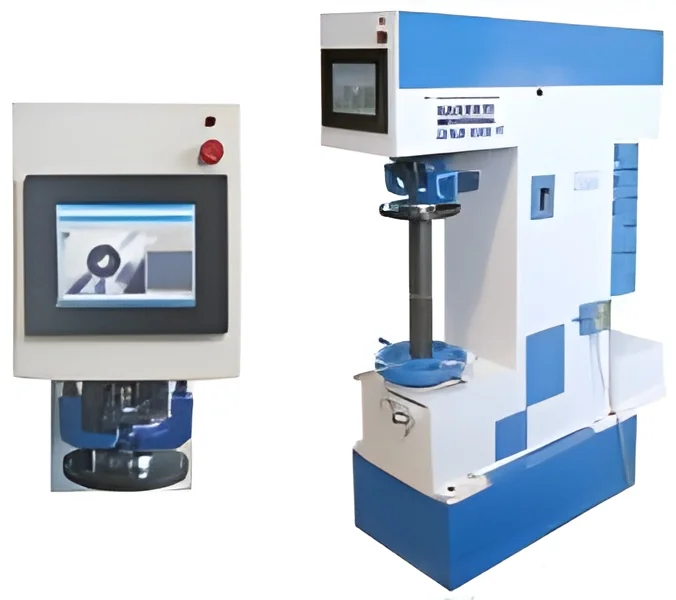
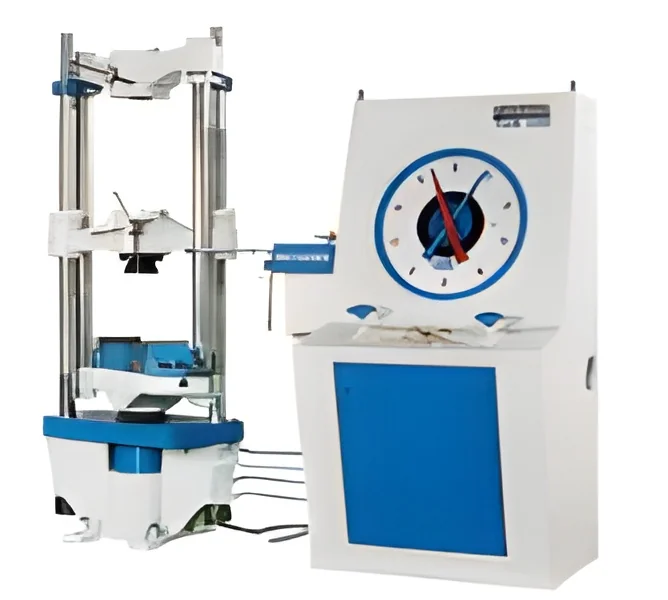
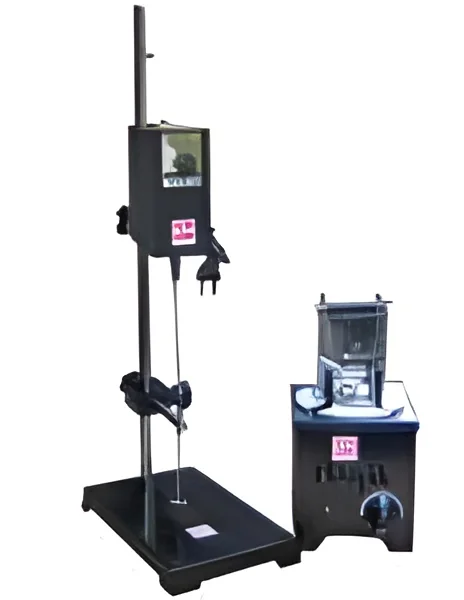
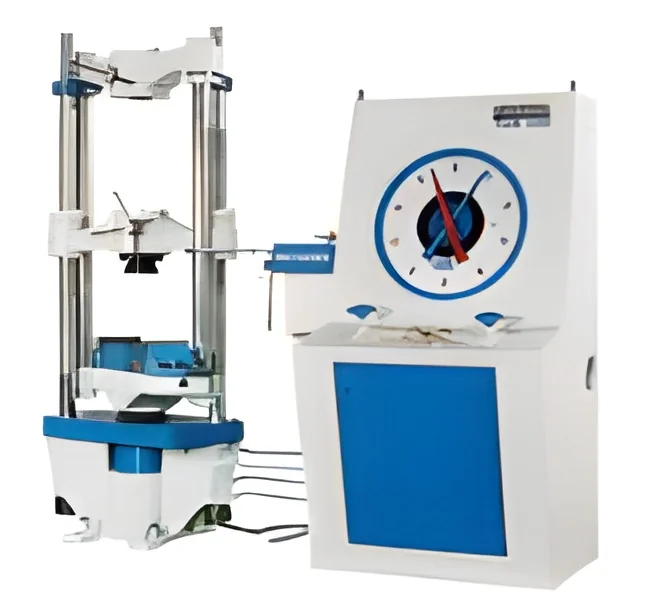
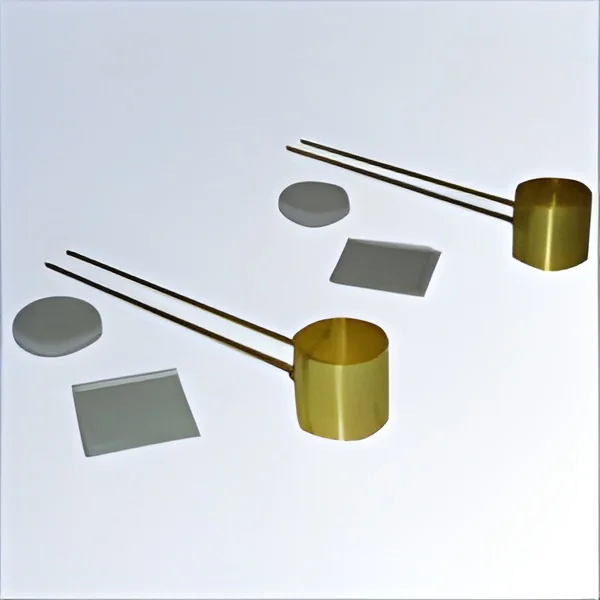
Our premium non-destructive testing equipment represents advanced inspection technology for thorough material evaluation without causing component damage. These sophisticated systems employ multiple methodologies including ultrasonic testing, radiographic examination, magnetic particle inspection, and liquid penetrant testing to identify flaws, measure material thickness, and assess structural integrity. Engineered for precision and reliability, our NDT equipment helps organizations maintain stringent quality standards while preserving the functionality and value of critical assets. The technology serves as an essential tool for preventive maintenance programs and comprehensive quality assurance across numerous industrial applications.

These testing solutions find extensive utilization in aerospace manufacturing for aircraft component verification, oil and gas sectors for pipeline integrity management, automotive industries for part quality validation, construction for structural asse...
Our premium non-destructive testing equipment represents advanced inspection technology for thorough material evaluation without causing component damage. These sophisticated systems employ multiple methodologies including ultrasonic testing, radiographic examination, magnetic particle inspection, and liquid penetrant testing to identify flaws, measure material thickness, and assess structural integrity. Engineered for precision and reliability, our NDT equipment helps organizations maintain stringent quality standards while preserving the functionality and value of critical assets. The technology serves as an essential tool for preventive maintenance programs and comprehensive quality assurance across numerous industrial applications.

These testing solutions find extensive utilization in aerospace manufacturing for aircraft component verification, oil and gas sectors for pipeline integrity management, automotive industries for part quality validation, construction for structural assessment, and power generation for equipment monitoring. The maritime industry employs NDT for ship hull inspections, while manufacturing facilities implement these systems for production quality control. Railway networks rely on this technology for track maintenance and rolling stock inspection, ensuring transportation safety and operational reliability across multiple industrial sectors and applications.

Investing in our non-destructive testing equipment delivers substantial business value through enhanced safety compliance, reduced maintenance expenditures, and extended asset operational life. The reliability of our systems ensures accurate detection of potential failures before they develop into costly downtime situations or safety incidents. The non-destructive nature of testing preserves valuable components and structures while providing comprehensive quality assessment. This approach to quality control supports operational efficiency, regulatory compliance, and risk mitigation across diverse industrial environments and applications.

Key Features:
- Multiple testing methodologies including ultrasonic and radiographic techniques
- High precision measurement capabilities for accurate flaw detection
- Robust construction suitable for industrial environments
- Standard configurations meeting specific application requirements
- Advanced data recording and reporting functionality

Benefits:
- Comprehensive material evaluation without component damage
- Enhanced safety compliance and risk mitigation
- Reduced maintenance costs and operational downtime
- Extended asset lifespan through preventive maintenance
- Improved quality control and regulatory compliance
Specifications
| Additional Information | |
|---|---|
| Country of Origin | India |
Application
Premium non-destructive testing equipment serves critical roles across industrial sectors by ensuring structural integrity while preserving material functionality. These advanced systems detect flaws, measure thickness, and analyze material properties through ultrasonic, radiographic, magnetic particle, and liquid penetrant methodologies. This comprehensive approach enables thorough quality assurance without compromising component performance or operational readiness.
These inspection systems are fundamental to maintenance programs, quality control protocols, and safety compliance in demanding environments. Industries from oil and gas to automotive manufacturing depend on this technology to prevent failures, minimize operational downtime, and extend asset service life. The equipment delivers crucial data for informed decision-making while maintaining the structural integrity of tested components and systems.
- Aircraft component inspection for detecting cracks and material defects in aerospace structures
- Pipeline weld examination and corrosion assessment in oil and gas infrastructure
- Railway track maintenance and rolling stock inspection for transportation safety
- Automotive part quality verification during manufacturing and assembly processes
- Building structural assessment and concrete evaluation in construction projects
Trade Details
| Available Stock | In Stock |
| Sample Availability | No |
Payment Terms
| Payment Terms |
|
Company Profile

Hitech India Pvt Ltd, Andhra Pradesh
 Andhra Pradesh, India
Andhra Pradesh, IndiaManufacturer•Importer / Exporter
Factory Details
Factory SizeBelow 1000 sqm
Annual Production Capacity0
Premium Non Destructive Testing Equipment For Material Evaluation
Premium non-destructive testing equipment delivers accurate material evaluation without damage. Ideal for manufacturing, construction, and aerospace quality control with reliable inspection solutions.
Min. Order Quantity: 1 unit
Shipping
Shipping fee and delivery date to be negotiated. Contact supplier now for more details.
Hitech India Pvt Ltd
 Andhra Pradesh, India
Andhra Pradesh, IndiaManufacturer