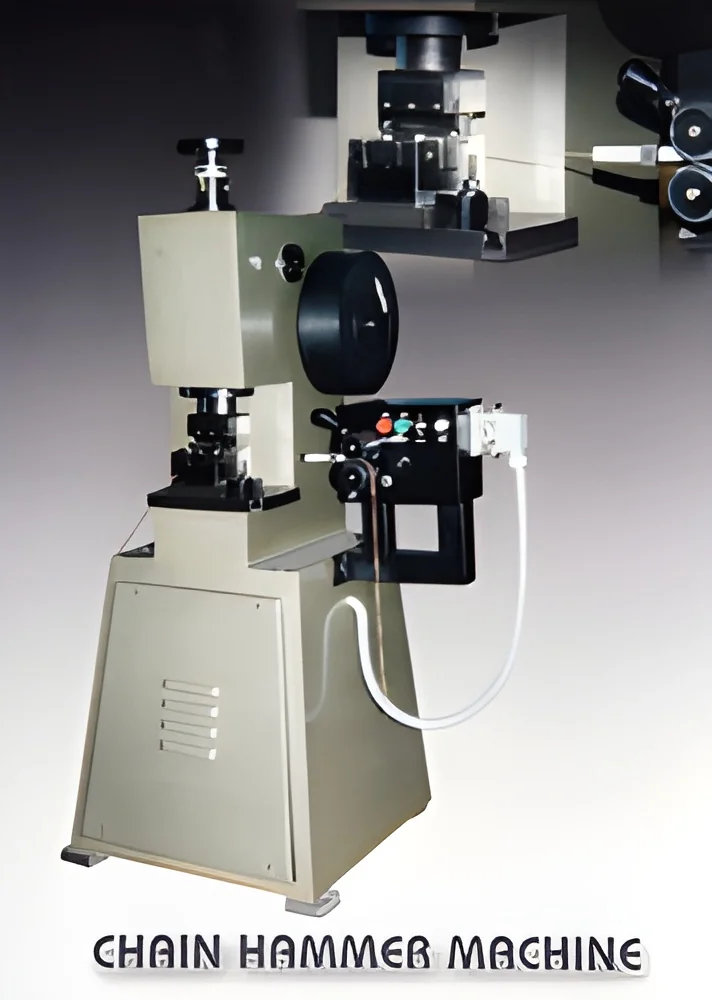
What are Upsetters?
Upsetters are specialized industrial machines used for shaping and forming materials, particularly metals, through a process known as upsetting. This process involves applying pressure to a workpiece, which causes it to deform, resulting in increased material density and strength. Upsetting is commonly employed in various manufacturing processes to produce components with specific dimensions and mechanical properties.
The primary uses of upsetters are in forging and metalworking applications, where precise shaping of materials is critical. Industries such as automotive, aerospace, and construction leverage upsetters to create parts like bolts, gears, and specialized fasteners. Upsetters can handle various materials, including steel and aluminum, making them versatile tools in manufacturing. As the demand for high-quality metal components continues to grow, upsetters play a crucial role in meeting these industry requirements.
In the current market context, the relevance of upsetters is underscored by the increasing need for efficient manufacturing solutions. As industries strive for automation and precision, the role of upsetters in producing high-strength components efficiently is more important than ever. With advancements in technology, modern upsetters are equipped with features that enhance their performance and adaptability, catering to the evolving needs of various sectors.
Key Features and Specifications
Upsetters come with a range of features and specifications that enhance their functionality and efficiency in industrial applications. Understanding these specifications is essential for selecting the right upsetter for specific manufacturing needs.
Key specifications include:
1. Capacity
- Upsetters are designed to handle a specific load capacity, which can vary based on the machine model.
- Common capacities range from several tons to over 100 tons, depending on the intended application.
2. Stroke Length
- The stroke length of an upsetter determines how far the ram can travel during the upsetting process.
- Typical stroke lengths range from 50 mm to 250 mm, allowing for flexibility in shaping various materials.
3. Operating Mode
- Upsetters can operate in different modes, including automatic and manual settings.
- Automatic modes often enhance production efficiency and reduce labor costs.
4. Power Source
- Upsetters may be powered by hydraulic or mechanical systems, impacting their performance characteristics.
- Hydraulic systems are known for providing precise control and consistent pressure.
5. Machine Dimensions
- The overall dimensions of an upsetter affect its integration into existing production lines.
- Standard sizes can vary widely, so it is important to consider available space.
6. Control System
- Modern upsetters often feature advanced control systems for monitoring and adjusting parameters during operation.
- These systems may include digital interfaces for user-friendly operation.
7. Safety Features
- Safety mechanisms are critical in upsetters to protect operators and ensure safe operation.
- Common safety features include emergency stops, guards, and overload protection.
8. Material Compatibility
- Upsetters are designed to work with specific materials, so it’s important to verify compatibility.
- Common materials include various grades of steel, aluminum, and other alloys.
In summary, understanding the key features and specifications of upsetters is essential for manufacturers looking to optimize their production processes and achieve high-quality outcomes.
Common Applications and Use Cases
Upsetters serve a wide range of industries, each benefiting from their unique shaping capabilities.
1. Automotive: In the automotive industry, upsetters are used to manufacture components such as gears and connecting rods, which require high strength and precise dimensions.
2. Aerospace: The aerospace sector relies on upsetters for producing critical parts like turbine blades and structural components that must withstand extreme conditions.
3. Construction: Upsetters are utilized in the construction industry to create heavy-duty fasteners and fittings that ensure structural integrity.
4. Oil and Gas: In the oil and gas sector, upsetters are employed to manufacture specialized tools and components that operate under high pressure and temperature.
5. Defense: The defense industry uses upsetters to produce durable parts for military equipment, ensuring reliability and performance in demanding environments.
6. Railways: Upsetters contribute to the production of rail components, such as couplings and axles, which require high precision and strength.
7. Electronics: In electronics, upsetters are used to shape metal components for devices that require high conductivity and durability.
Product Variants and Subcategories
Upsetters come in various forms, each designed to meet specific manufacturing needs. While detailed subcategories are not available, here are some common variants that may be encountered.
Hydraulic Upsetter: This variant uses hydraulic pressure to perform the upsetting process. It is favored for its precision and ability to handle a wide range of materials.
Mechanical Upsetter: Utilizing mechanical force, this type of upsetter is known for its speed and efficiency in high-volume production environments.
Custom Upsetter: Some manufacturers offer customized upsetters tailored to specific production requirements, allowing for unique features and specifications.
Benefits and Advantages
Choosing upsetters for manufacturing processes can yield significant advantages.
1. Improved Material Properties: Upsetting increases the density and strength of materials, resulting in superior mechanical properties for components.
2. Enhanced Precision: Upsetters provide precise shaping, ensuring that components meet tight tolerances required in various applications.
3. Increased Production Efficiency: With automated operation modes, upsetters can reduce cycle times and boost overall productivity in manufacturing.
4. Versatility: Upsetters can handle various materials and applications, making them suitable for diverse industries.
5. Cost-Effectiveness: By optimizing material usage and reducing waste, upsetters can contribute to lower production costs over time.
6. Durability: Modern upsetters are built to withstand demanding industrial environments, ensuring long-term reliability and performance.
Buying Guide for B2B Buyers
When sourcing upsetters for your manufacturing facility, several factors should be taken into consideration to ensure optimal selection.
1. Quality Assessment: Evaluate the quality of the machines by checking compliance with industry standards and certifications. Look for manufacturers that provide detailed specifications and performance data.
2. Supplier Verification: It is crucial to vet suppliers to ensure they have a proven track record in delivering reliable and high-quality equipment. Request references and reviews from previous customers.
3. Pricing and MOQ: Understand the pricing structure and minimum order quantities (MOQ) required by suppliers. Compare offers to find the best value while ensuring quality.
4. Delivery and Lead Times: Discuss logistics with suppliers to determine delivery schedules and lead times. Timely delivery is essential for maintaining production schedules.
5. Compliance Requirements: Ensure that the upsetters meet all relevant compliance and regulatory requirements specific to your industry and region.
Compliance and Certifications
Compliance and certifications play a vital role in ensuring that upsetters meet industry standards and safety requirements.
Many upsetters adhere to quality standards such as ISO 9001, which outlines the criteria for a quality management system. This certification ensures that manufacturers maintain consistency in their production processes and deliver high-quality products.
Additionally, upsetters may carry CE certification, indicating compliance with European safety and health standards. This certification is crucial for manufacturers looking to operate in European markets.
Safety and testing requirements are essential for upsetters to ensure they operate safely in industrial environments. Manufacturers must conduct thorough testing to confirm that their machines can withstand operational stresses without failure.
Regional compliance considerations should also be taken into account. Different regions may have specific regulations regarding machine safety and environmental impact. It is important for manufacturers to be aware of these requirements when producing upsetters for various markets.
Why Source Upsetters from Pepagora?
Pepagora provides a trusted platform for sourcing upsetters, offering several key advantages to B2B buyers.
Verified Supplier Network: Pepagora maintains a network of verified suppliers, ensuring that buyers have access to reliable manufacturers. This verification process helps to mitigate risks associated with sourcing industrial equipment.
Streamlined RFQ Process: The platform offers a streamlined Request for Quotation (RFQ) process, allowing buyers to easily request quotes from multiple suppliers. This efficiency helps buyers make informed decisions quickly.
Trade Assurance and Support: Pepagora emphasizes buyer protection through trade assurance mechanisms. This support ensures that buyers are safeguarded throughout the purchasing process, enhancing confidence in their transactions.
Regional Coverage: Pepagora's geographic reach spans India, the GCC region, and Southeast Asia. This wide coverage allows buyers to connect with local suppliers, facilitating smoother logistics and communication.
By choosing Pepagora, businesses can benefit from a comprehensive sourcing experience for upsetters, ensuring they find the right equipment to meet their manufacturing needs.

 IN
IN