Key Features and Specifications
When considering Non-Destructive Testing (NDT) Equipment, it is essential to understand the key features and specifications that define its performance and suitability for various applications. These specifications help buyers assess which equipment best meets their needs.
Key specifications include:
1. Type of Testing Method
- Common methods include ultrasonic testing, magnetic particle testing, and radiographic testing.
- Each method has its distinct applications and effectiveness based on material type.
2. Sensitivity Levels
- Equipment may offer varying sensitivity levels to detect different sizes of defects.
- Sensitivity is crucial for identifying minute flaws that may affect performance.
3. Operating Temperature Range
- Equipment may operate effectively within specified temperature ranges.
- Understanding temperature limits is vital for applications in extreme environments.
4. Power Supply Options
- Equipment can be powered by battery, AC, or DC sources.
- Versatility in power supply enhances usability in various locations.
5. Data Output and Analysis Features
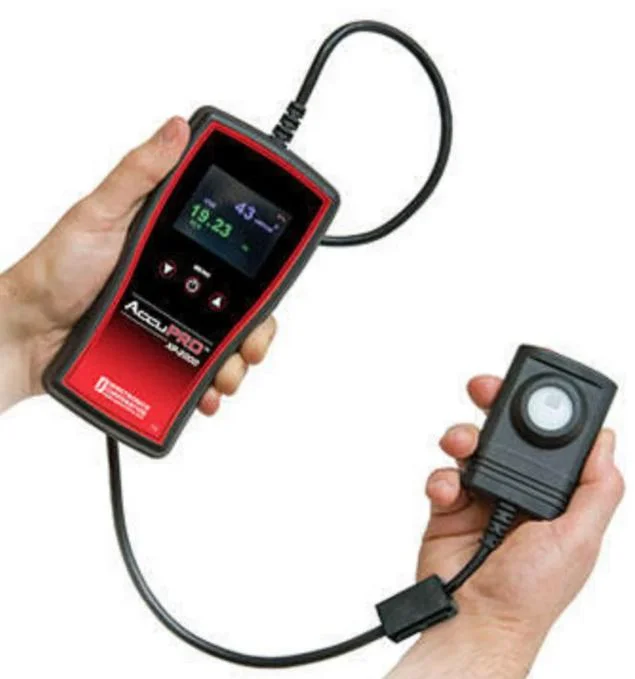
- Many NDT tools provide digital data output for analysis.
- Advanced features may include software integration for detailed reporting.
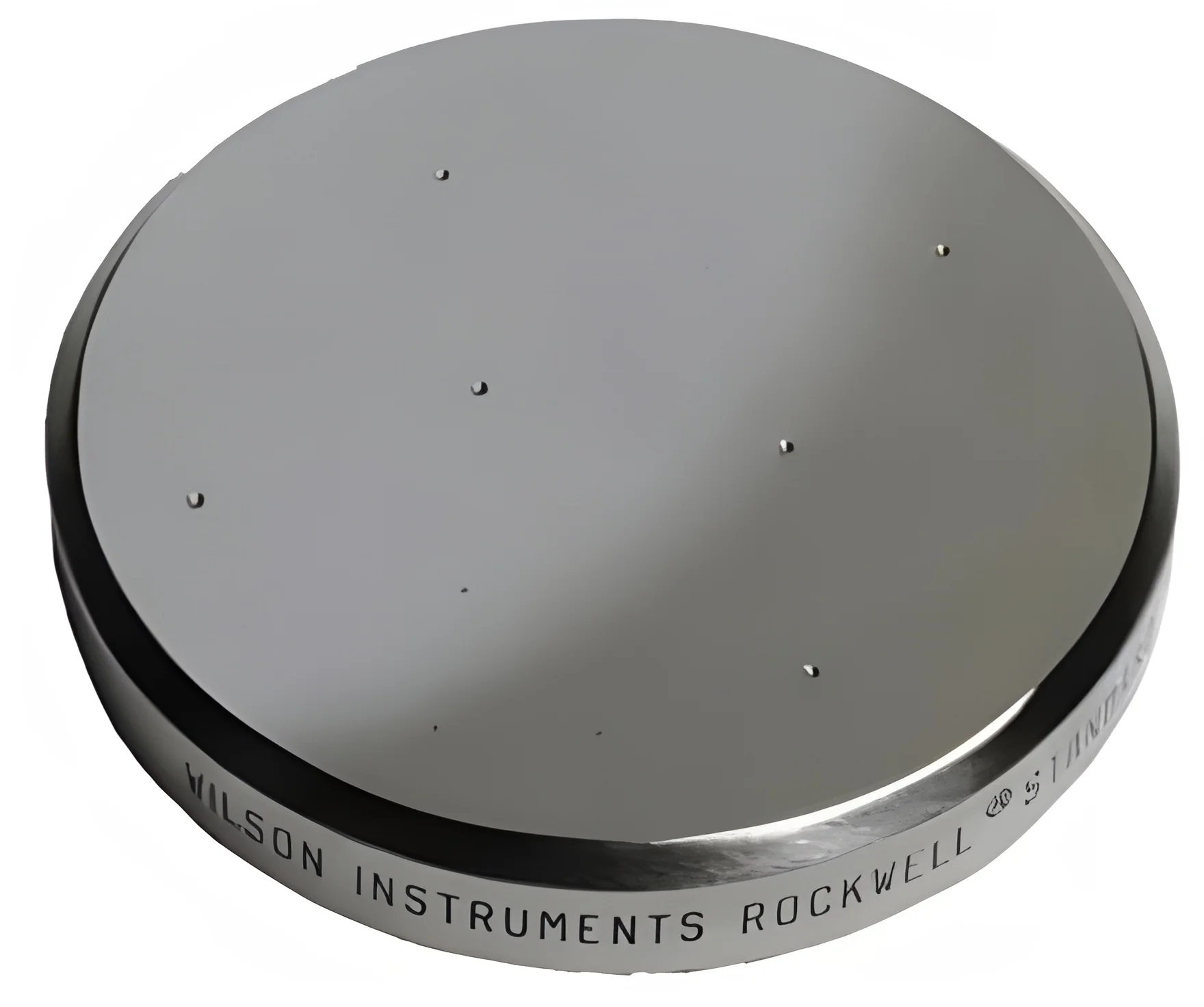
6. Calibration Requirements
- Regular calibration is essential to maintain accuracy.
- Equipment specifications should outline calibration intervals and methods.
7. Portability and Design
- Many NDT devices are designed for ease of transport.
- Compact designs facilitate use in tight spaces or on-site inspections.
8. Compliance Standards
- Equipment must meet industry-specific compliance standards.
- Verification of compliance ensures reliability and safety in testing.
In summary, these specifications are essential in determining the right NDT Equipment for specific applications, helping businesses make informed purchasing decisions.
Common Applications and Use Cases
Non-Destructive Testing (NDT) Equipment serves a wide range of industries, each with unique applications that enhance safety and quality.
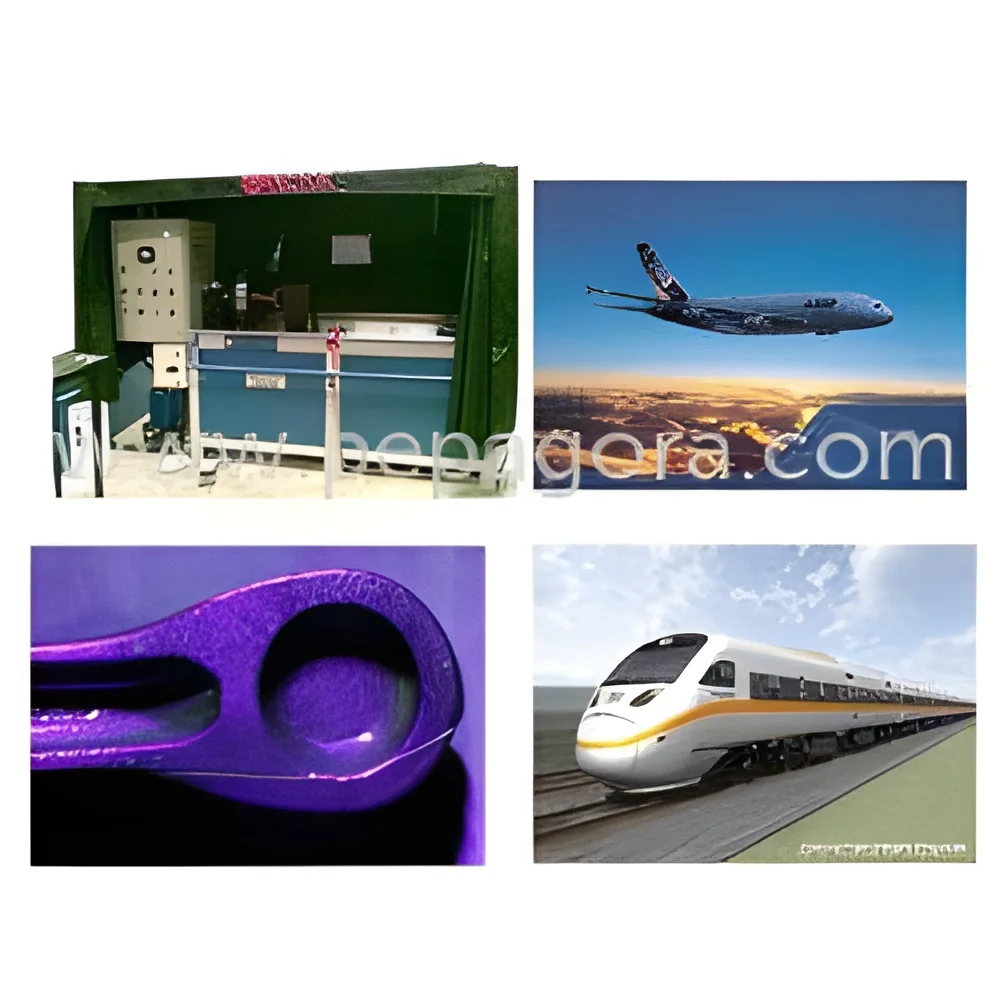
1. Aerospace: NDT is critical in the aerospace industry for inspecting aircraft components. Techniques such as ultrasonic and eddy current testing are used to ensure structural integrity and safety.
2. Automotive: In automotive manufacturing, NDT Equipment is employed to evaluate welds, castings, and other critical components. This testing helps prevent failures that could lead to safety issues.
3. Oil and Gas: NDT is vital in the oil and gas sector for pipeline inspection and maintenance. Methods like radiographic testing are utilized to detect corrosion and other defects.
4. Construction: The construction industry uses NDT to assess the quality of materials such as concrete and steel. This helps ensure that structures meet safety standards.
5. Power Generation: NDT Equipment is used in power plants to monitor the condition of equipment and prevent failures. Regular inspections help maintain operational efficiency and safety.
6. Manufacturing: In general manufacturing, NDT plays a role in quality control processes to ensure that products meet specifications and customer requirements.
7. Railways: Rail safety is enhanced through NDT applications that inspect tracks and components. Regular testing helps prevent accidents and improve service reliability.
Product Variants and Subcategories
Non-Destructive Testing (NDT) Equipment comes in various forms, catering to different testing methods and industry needs. Each variant has unique features that enhance its application.
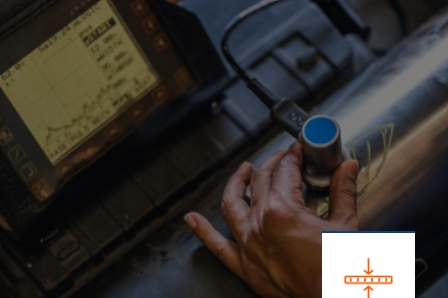
Ultrasonic Testing Equipment: This variant uses high-frequency sound waves to detect internal defects in materials. It is widely used in industries such as aerospace and manufacturing for its accuracy and reliability.
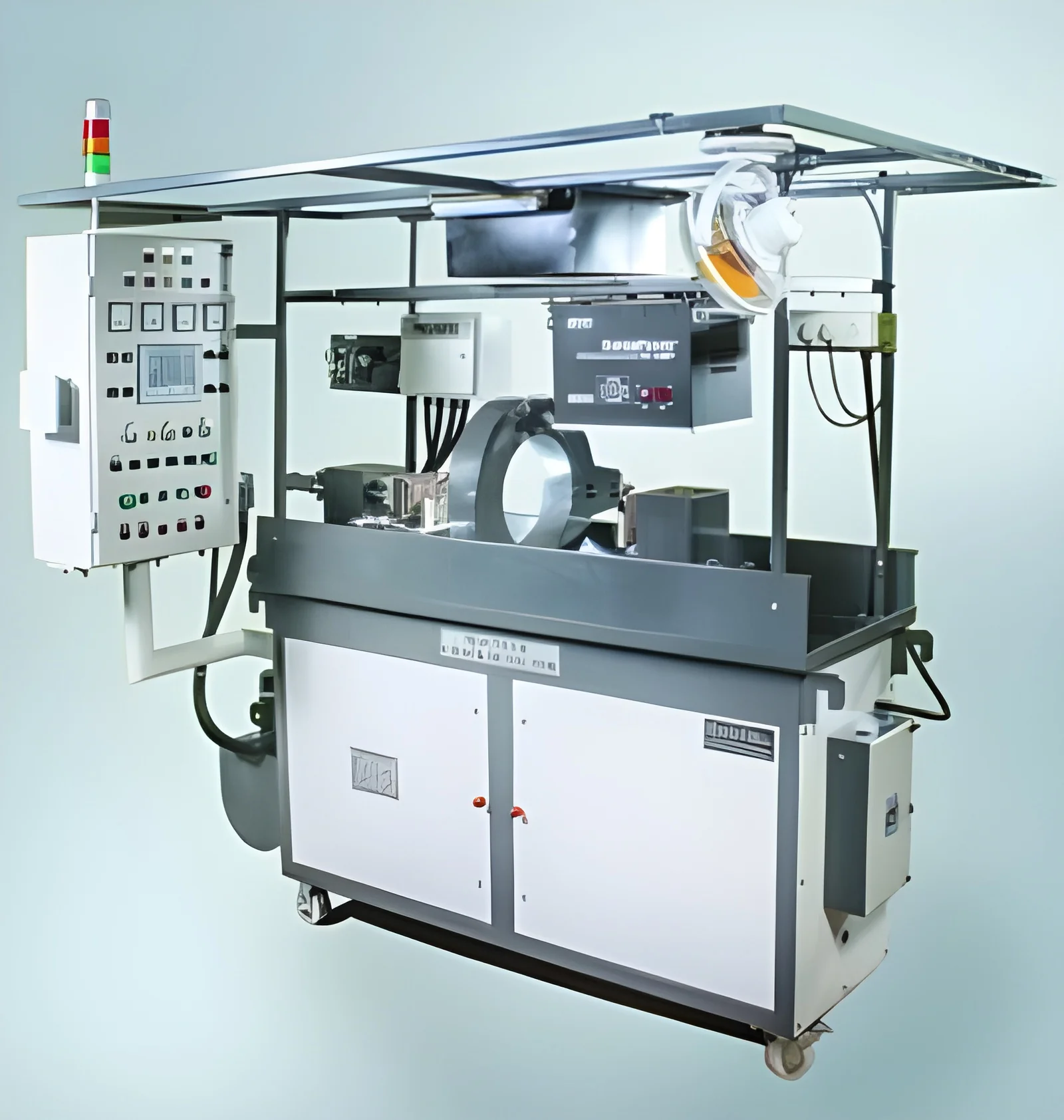
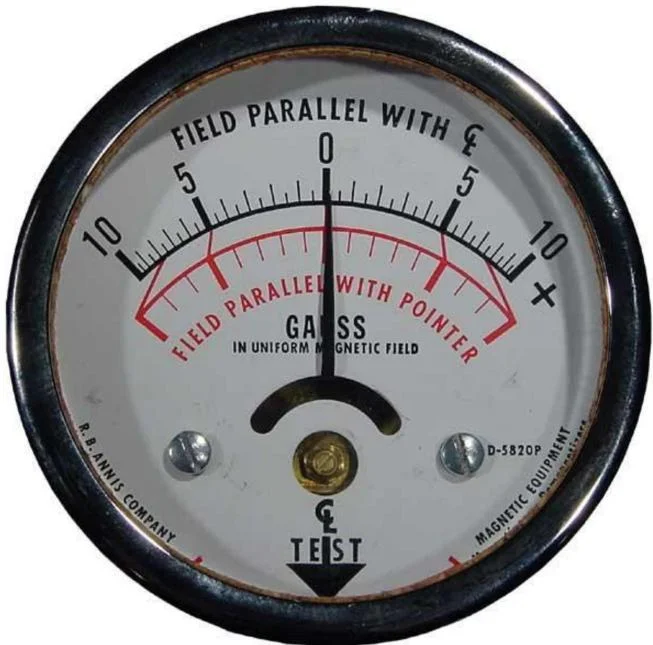
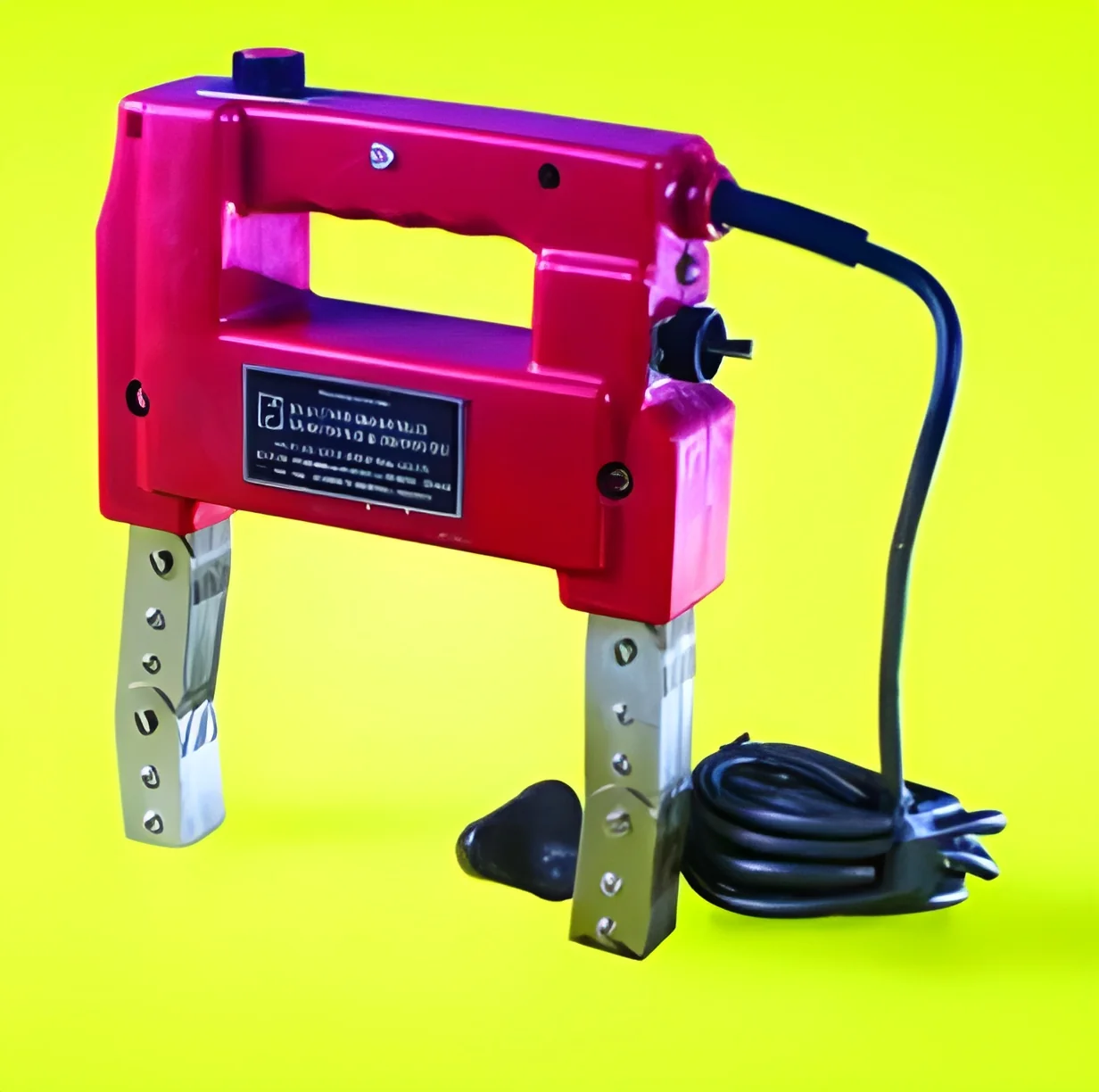
Magnetic Particle Testing Equipment: Designed to detect surface and near-surface defects, this variant is commonly used in the automotive and construction sectors. It is effective for ferromagnetic materials and provides quick results.
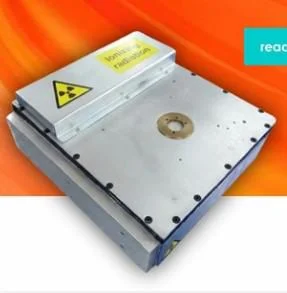
Radiographic Testing Equipment: This equipment uses X-rays or gamma rays to create images of internal structures. It is essential in industries like oil and gas for inspecting welds and structural components.
Eddy Current Testing Equipment: This variant is used for detecting surface and sub-surface flaws in conductive materials. It is often applied in aerospace and automotive industries for quality assurance.
Benefits and Advantages
Investing in Non-Destructive Testing (NDT) Equipment offers numerous benefits that enhance operational efficiency and safety.
1. Cost Savings: Early detection of flaws helps prevent costly repairs and downtime. Businesses can save significantly by addressing issues before they escalate.
2. Increased Safety: Regular NDT inspections ensure that materials and structures are safe for use. This reduces the risk of accidents and enhances workplace safety.
3. Improved Quality Assurance: NDT Equipment supports stringent quality control measures, ensuring that products meet industry standards and customer expectations.
4. Extended Equipment Life: By identifying potential issues early, NDT helps prolong the lifespan of critical equipment and structures, leading to lower replacement costs.
5. Regulatory Compliance: NDT Equipment assists companies in meeting industry regulations and standards. Compliance is crucial for maintaining operational licenses and reputations.
6. Versatility: NDT methods can be applied across various materials and industries. This versatility makes NDT Equipment a valuable asset for businesses with diverse testing needs.
Buying Guide for B2B Buyers
When sourcing Non-Destructive Testing (NDT) Equipment, B2B buyers should consider several critical factors to ensure they make informed decisions.
1. Quality Assessment: Buyers should evaluate the quality of equipment by reviewing manufacturer specifications, certifications, and customer feedback. Quality assurance is vital for reliable performance.
2. Supplier Verification: It is essential to vet suppliers for reliability and reputation. Buyers should consider factors such as years in business, customer reviews, and certifications like ISO.
3. Pricing and MOQ: Understanding the pricing structure and minimum order quantities can help buyers budget effectively. Comparing quotes from multiple suppliers is advisable.
4. Delivery and Lead Times: Assessing delivery options and lead times is crucial to meet project schedules. Buyers should inquire about shipping methods and estimated arrival dates.
5. Compliance Requirements: Buyers must ensure that the equipment complies with relevant industry standards and regulations. This can prevent legal issues and enhance safety.
Compliance and Certifications
Non-Destructive Testing (NDT) Equipment must adhere to specific quality standards and certifications to ensure reliability and safety. Key standards include ISO 9001, which focuses on quality management systems, ensuring that manufacturers meet customer and regulatory requirements.
Industry certifications, such as CE marking, indicate that the equipment meets European safety, health, and environmental protection standards. These certifications assure buyers of the equipment's quality and compliance with international guidelines.
Additionally, NDT Equipment must comply with various safety and testing requirements that vary by industry. Buyers should be aware of regional compliance considerations that may affect the use of NDT Equipment in different markets. Understanding these regulations is essential for ensuring operational safety and maintaining industry credibility.
Why Source Non-Destructive Testing (NDT) Equipment from Pepagora?
Pepagora provides a trusted platform for sourcing Non-Destructive Testing (NDT) Equipment, offering several key advantages for B2B buyers.
Verified Supplier Network: Pepagora features a comprehensive network of verified suppliers. This ensures that buyers can connect with reputable manufacturers who meet industry standards.
Streamlined RFQ Process: The platform simplifies the request for quotation (RFQ) process, allowing buyers to easily compare offers from multiple suppliers. This efficiency helps in making timely purchasing decisions.
Trade Assurance and Support: Pepagora offers trade assurance programs that protect buyers during transactions. This support enhances buyer confidence and reduces risks associated with sourcing equipment.
Regional Coverage: With a strong presence in regions like India, GCC, and Southeast Asia, Pepagora facilitates access to local suppliers. This geographical reach ensures that buyers can find the right NDT Equipment for their specific market needs.

 IN
IN