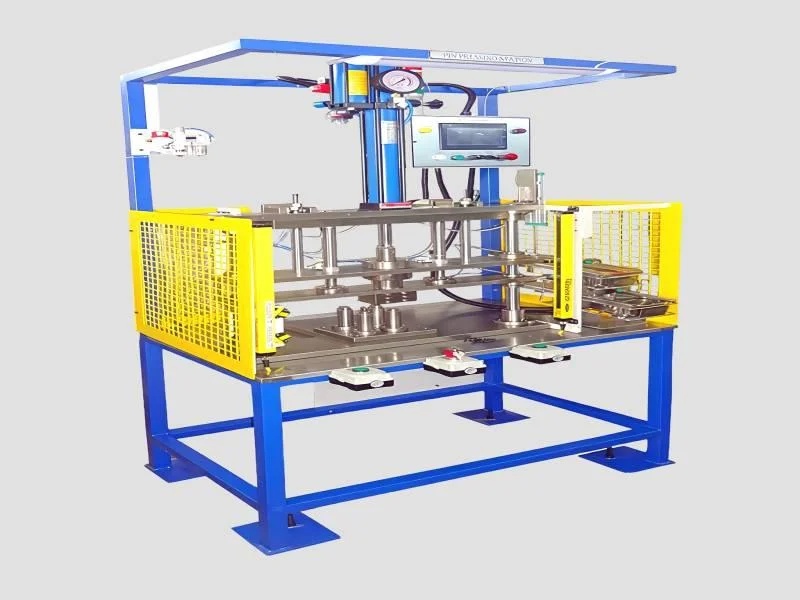
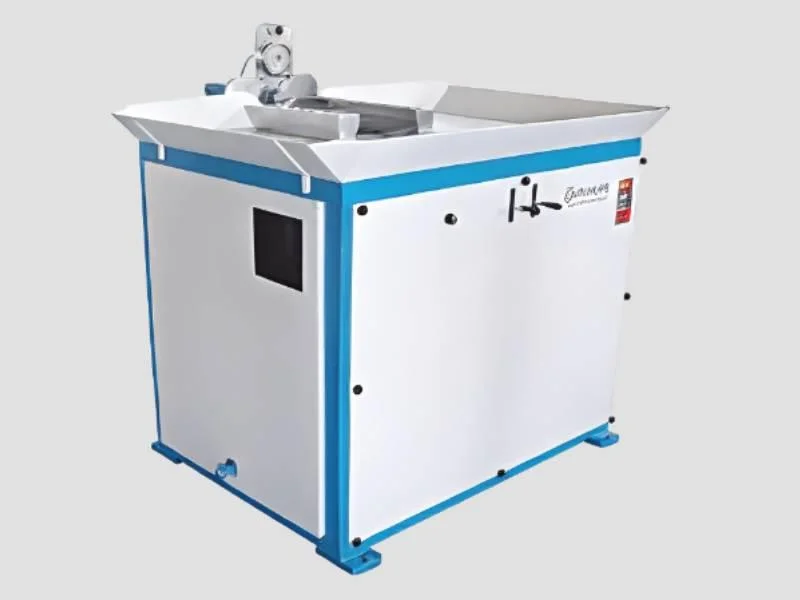
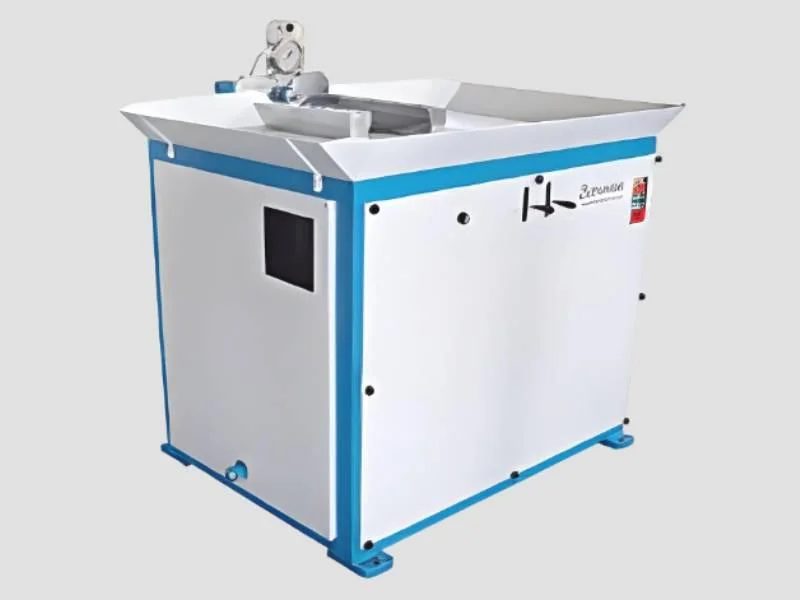
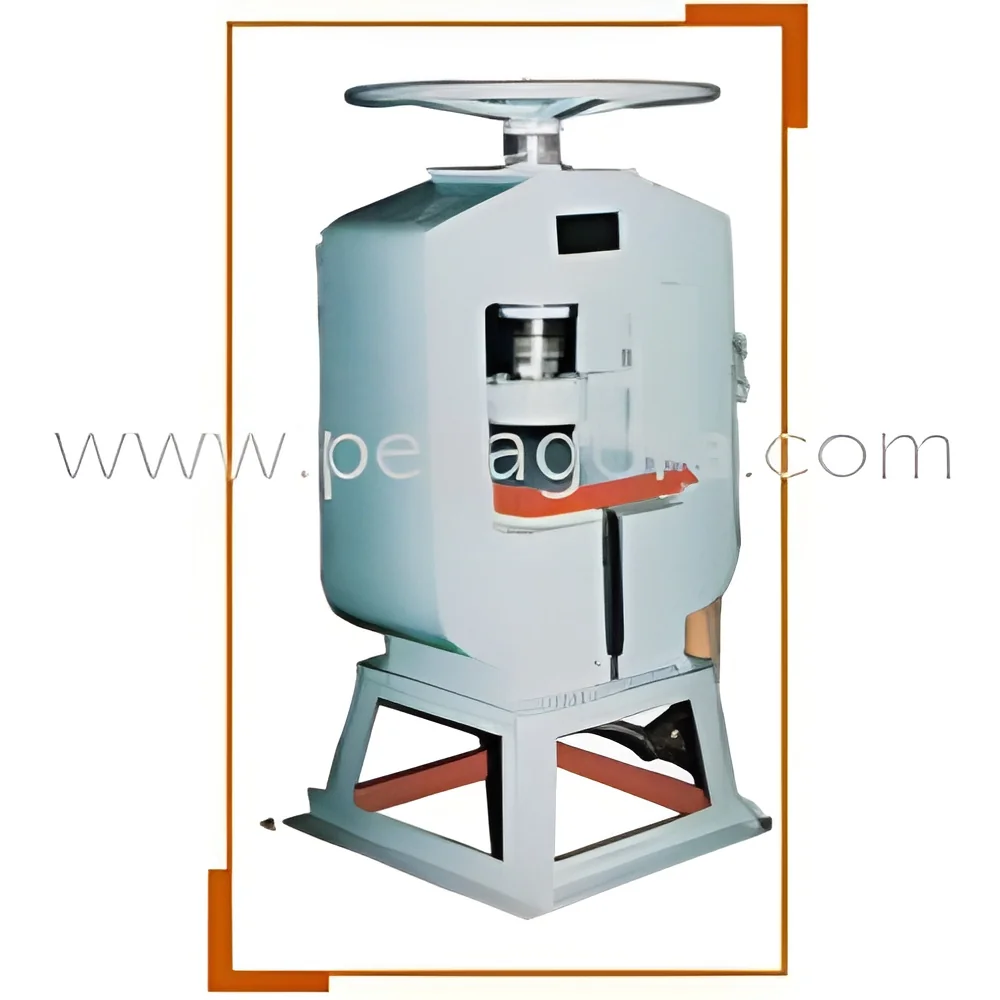
What are Screw Presses?
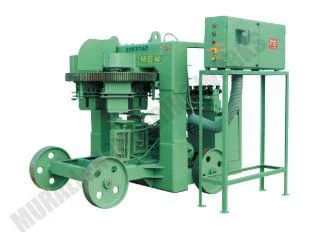
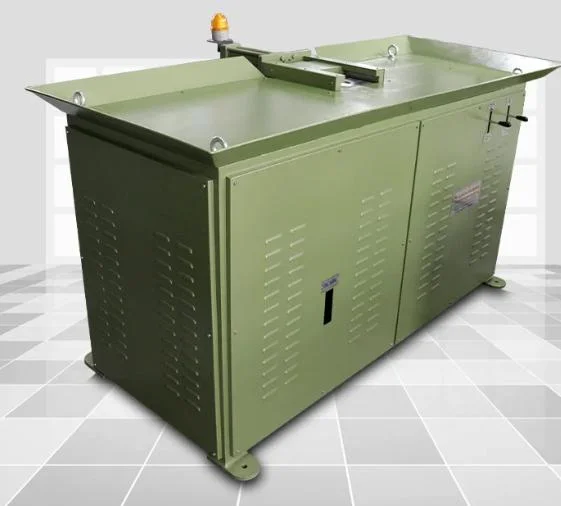
Screw presses are industrial machines designed to extract liquids from solids through a mechanical process. They utilize a screw mechanism to apply pressure on the material, which facilitates the separation of fluids from solids. This type of machinery is particularly effective in applications that require high efficiency and low energy consumption. Screw presses can handle a wide range of materials, making them versatile tools in various manufacturing and processing settings.
These machines find primary use in industries such as food processing, wastewater treatment, and biomass processing. In the food industry, screw presses are commonly used to extract juice from fruits and vegetables. In wastewater treatment, they help dewater sludge and reduce waste volume. The growing emphasis on sustainability and waste reduction in industrial operations has further increased the relevance of screw presses in today’s market, as they contribute to both efficiency and environmental conservation.
Key Features and Specifications
Screw presses come equipped with several key features that enhance their performance and usability. Understanding these specifications helps businesses select the right equipment for their needs.
Key specifications include:
1. Capacity
- The capacity of screw presses varies widely, typically ranging from small units handling a few tons per hour to larger models capable of processing significantly more.
2. Pressure Application
- These machines can apply varying degrees of pressure, which is crucial for different applications. The pressure typically ranges from moderate to high, depending on the material being processed.
3. Motor Power
- The power of the motor can influence the efficiency of the press. Motors usually range from 1 kW to over 30 kW, accommodating various operational scales.
4. Material of Construction
- Screw presses are often made from stainless steel or other durable materials to withstand harsh processing environments and ensure longevity.
5. Control Systems
- Many modern screw presses include advanced control systems for monitoring and adjusting operational parameters, enhancing precision in processing.
6. Efficiency Rating
- Efficiency ratings indicate how well the machine performs regarding energy consumption versus output, with higher ratings being more favorable.
7. Size and Dimensions
- The physical dimensions of the screw press affect installation and space requirements. Options are available to fit different facility layouts.
8. Automation Features
- Some models offer automation capabilities, allowing for reduced manual intervention and improved consistency in operations.
In summary, understanding the features and specifications of screw presses is vital for businesses to make informed purchasing decisions that align with their processing needs.
Common Applications and Use Cases
Screw presses serve a multitude of industries, each benefiting from their unique capabilities.
1. Food Processing: In this sector, screw presses are extensively used for extracting liquids from fruits, vegetables, and other food materials, improving product yield and quality.
2. Wastewater Treatment: These machines play a critical role in dewatering sludge, thus reducing waste volume and improving the efficiency of overall wastewater management processes.
3. Biomass Processing: Screw presses are utilized to extract oils from various biomass materials, enhancing the sustainability of biofuel production.
4. Chemical Manufacturing: In chemical processes, screw presses assist in separating solids from liquids, ensuring effective processing of raw materials.
5. Paper Industry: They are used in pulp processing to remove excess water, facilitating the production of high-quality paper products.
6. Mining and Minerals: Screw presses help in dewatering mineral concentrates, improving the separation of valuable materials from waste.
7. Pharmaceutical Industry: They assist in processing active ingredients by separating solvents and ensuring the quality of final products.
Product Variants and Subcategories
Screw presses come in various configurations, catering to different industry needs and applications.
Standard Screw Press
This variant is commonly used across multiple sectors for general liquid extraction. It features robust construction and is designed for high-efficiency processing.
High-Pressure Screw Press
This variant is engineered for applications requiring the extraction of more viscous materials. It incorporates advanced pressure application systems to enhance performance.
Continuous Screw Press
Designed for continuous operation, this variant allows for uninterrupted processing, making it ideal for large-scale operations in industries like food and wastewater.
Batch Screw Press
This type is suited for smaller operations where materials are processed in batches, providing flexibility in handling different types of products.
Benefits and Advantages
Screw presses offer numerous advantages that make them a preferred choice in various industrial applications.
1. High Efficiency: These machines maximize liquid extraction, which enhances yield and reduces waste in processing.
2. Energy Saving: The design of screw presses allows for lower energy consumption compared to other extraction methods, making them cost-effective.
3. Low Maintenance: With fewer moving parts and a robust design, screw presses tend to require less maintenance, resulting in lower operational costs.
4. Versatility: They can handle a wide range of materials, making them suitable for diverse applications across multiple industries.
5. Compact Design: Many screw presses have a smaller footprint, allowing for easy integration into existing production lines and saving valuable floor space.
6. Environmental Benefits: By minimizing waste and improving resource recovery, screw presses contribute to sustainable practices in manufacturing.
Buying Guide for B2B Buyers
When sourcing screw presses, several key factors should be taken into account to ensure a successful purchase.
1. Quality Assessment: Evaluate the quality of the materials used in the construction of the screw press. Look for certifications and standards that ensure durability and performance.
2. Supplier Verification: It is crucial to vet potential suppliers for their reputation and reliability. Consider their experience and customer feedback to ensure a trustworthy partnership.
3. Pricing and MOQ: Understand the pricing structure and minimum order quantities, as these can vary significantly among suppliers. Negotiate terms that align with your budget and operational needs.
4. Delivery and Lead Times: Assess the supplier's ability to meet your delivery requirements. Timely delivery is essential to avoid disruptions in your production schedule.
5. Compliance Requirements: Ensure that the screw press meets all relevant regulatory and safety standards applicable to your industry, such as CE certification and other local regulations.
Compliance and Certifications
Screw presses must adhere to various compliance standards to ensure safety, reliability, and quality in their operation. Key quality standards include ISO 9001, which focuses on maintaining consistent quality in production processes.
Additionally, certifications such as CE mark signify that the equipment meets European safety and health regulations, providing assurance to buyers regarding its compliance with industry norms.
Safety and testing requirements are critical, particularly in industries like food processing and pharmaceuticals, where product integrity is paramount. Regular testing and adherence to safety protocols help mitigate risks associated with machine operation.
Businesses should also consider regional compliance, as different regions may have specific regulations governing machinery used in industrial applications. Ensuring compliance with these regulations is essential for operational success and market access.
Why Source Screw Presses from Pepagora?
Pepagora offers a reliable platform for sourcing screw presses, providing several advantages for B2B buyers.
Verified Supplier Network: The platform features a network of verified suppliers, ensuring that buyers have access to reputable manufacturers. This reduces the risk associated with sourcing and enhances buyer confidence.
Streamlined RFQ Process: Pepagora simplifies the request for quotation process, enabling buyers to quickly and efficiently obtain pricing and specifications from multiple suppliers. This saves time and resources in the procurement process.
Trade Assurance and Support: Buyers benefit from trade assurance measures that protect their purchases, providing peace of mind throughout the sourcing journey. Pepagora offers support to address any issues that may arise.
Regional Coverage: With a focus on markets in India, the GCC, and Southeast Asia, Pepagora provides extensive regional coverage, connecting buyers with suppliers that cater to specific market needs and conditions.
By choosing Pepagora, businesses can ensure a smooth and efficient sourcing experience for screw presses, ultimately enhancing their operational capabilities and market competitiveness.

 IN
IN