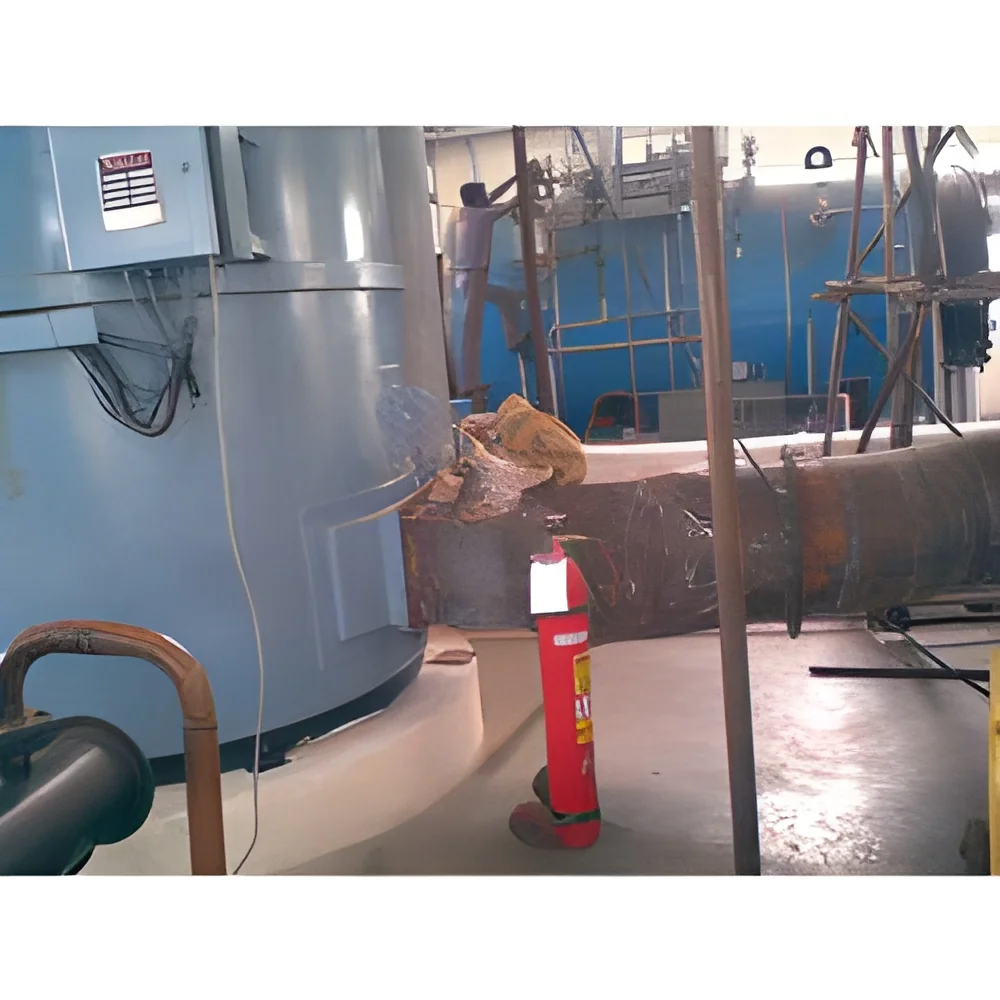
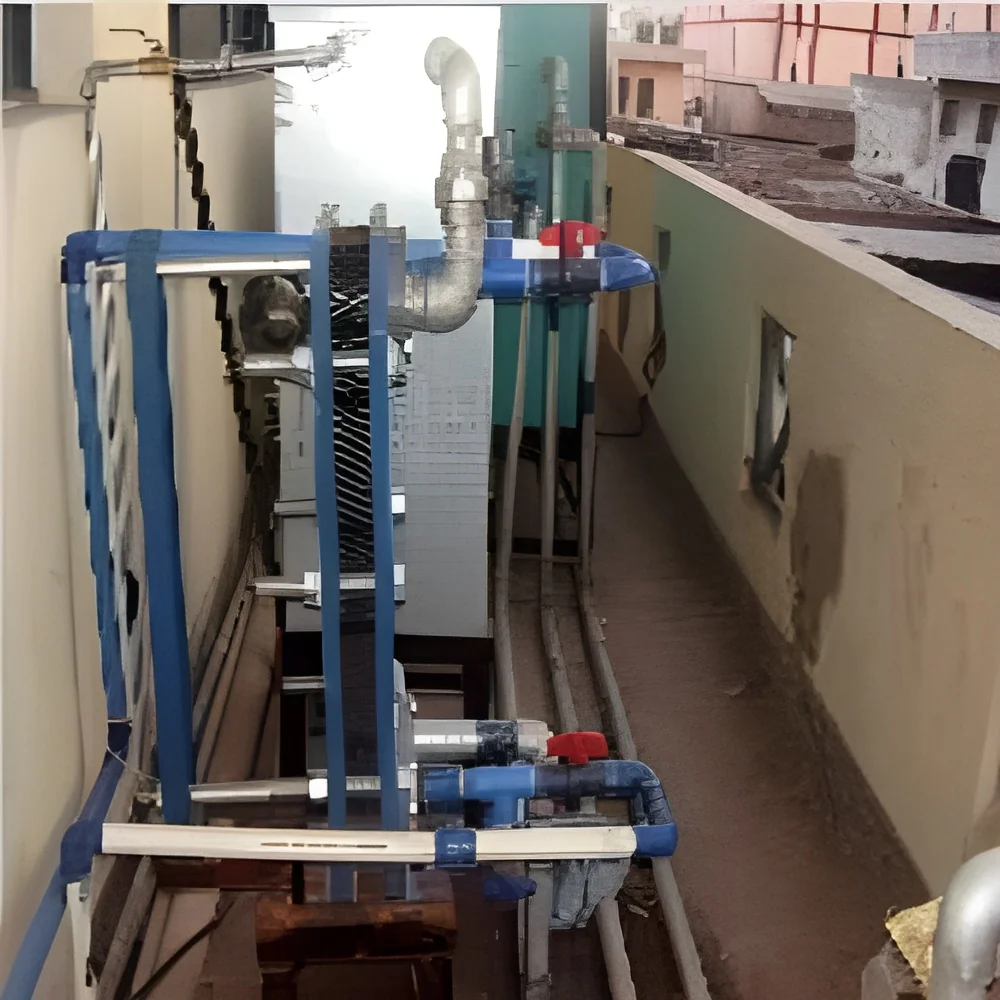
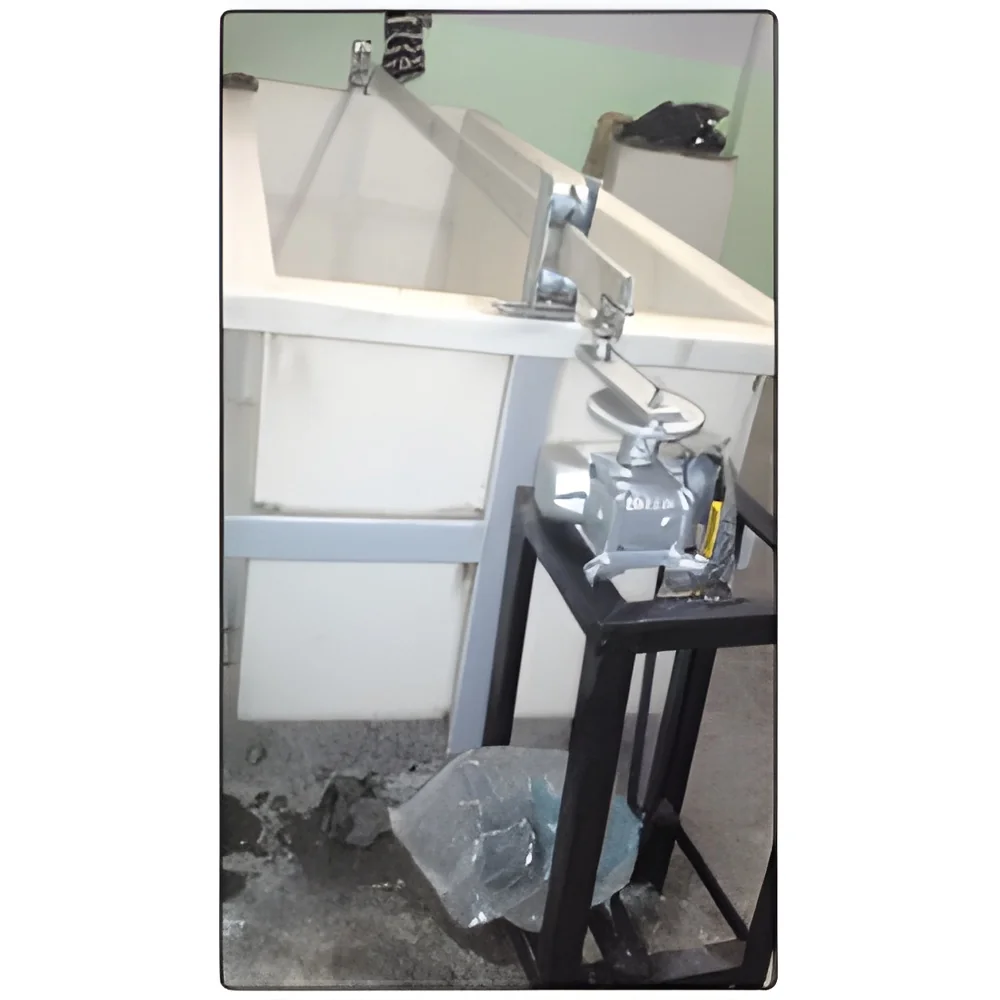
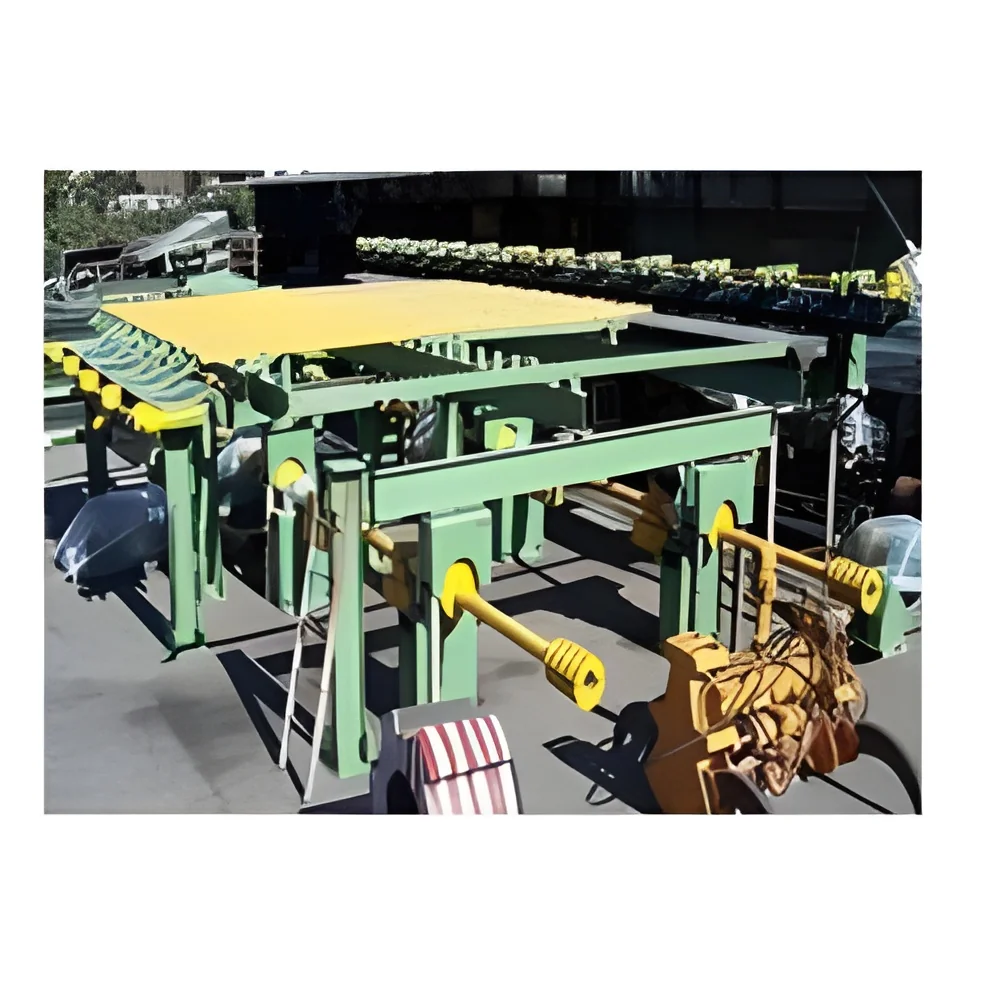
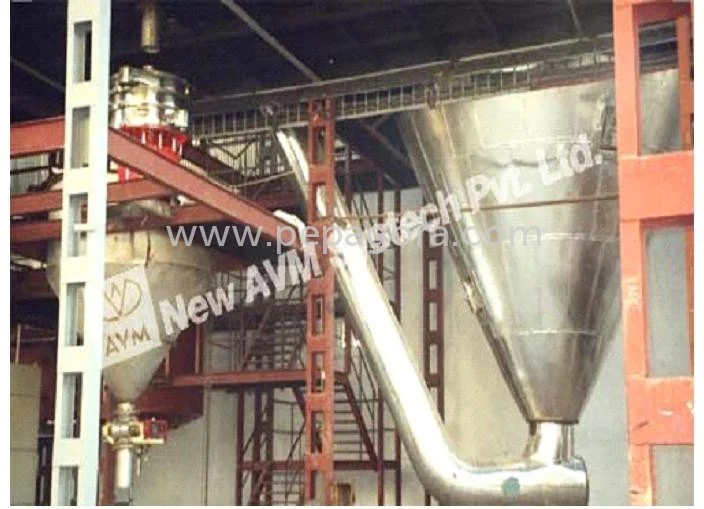
What are Quenching Tanks & Systems?
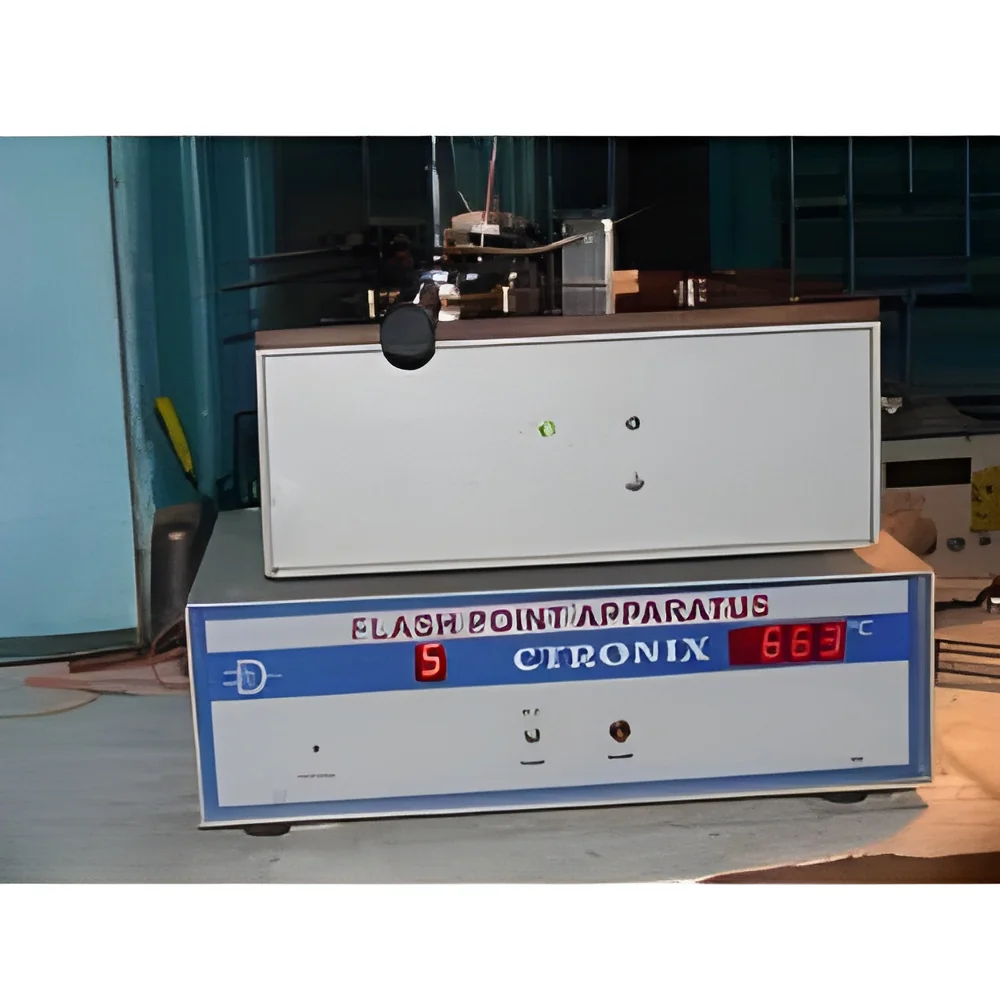
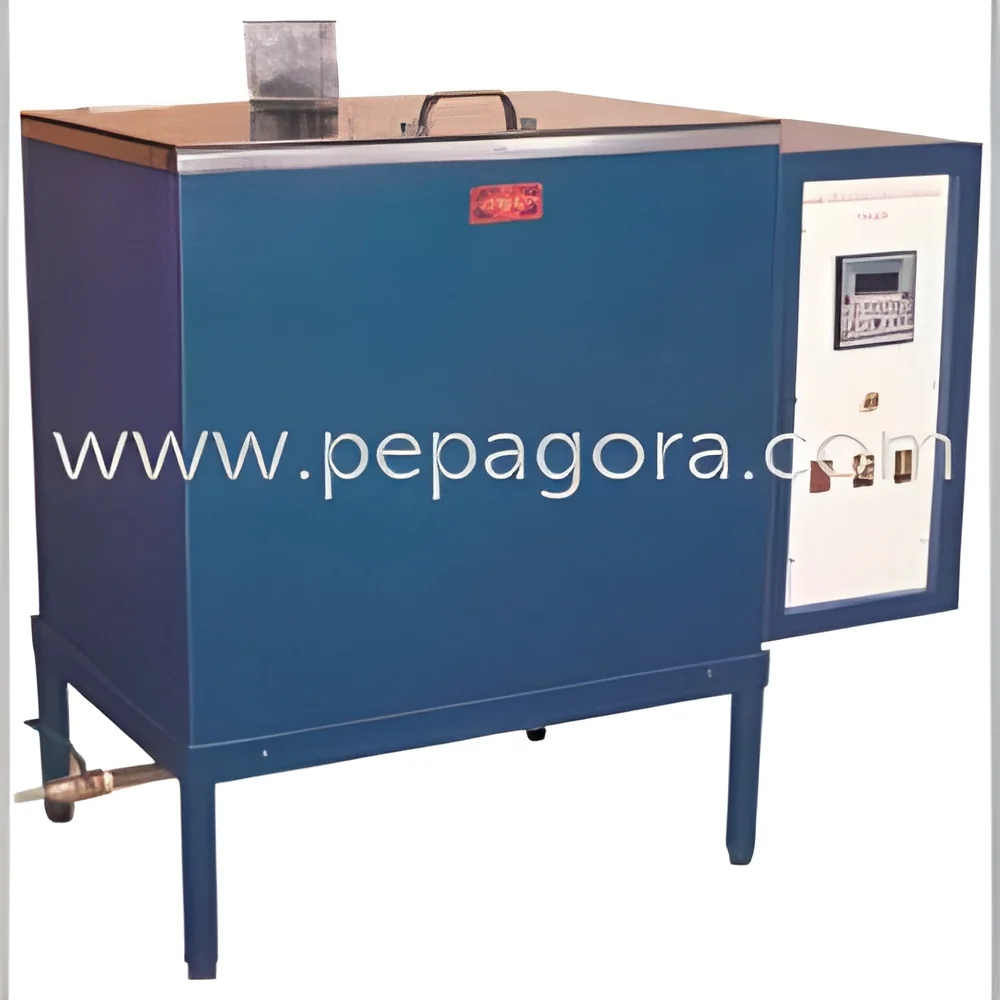
Quenching tanks and systems are specialized industrial equipment used primarily in the heat treatment process of metals. Their primary function is to rapidly cool hot metal components by immersing them in a quenching medium, typically water or oil. This cooling process alters the physical and chemical properties of the metal, enhancing its hardness and strength. Quenching tanks can vary in size and complexity, from simple open tanks to sophisticated systems with automated controls and temperature monitoring.
These tanks are crucial in various manufacturing processes, particularly in industries such as automotive, aerospace, and tool manufacturing. Businesses utilize quenching tanks to improve product durability and performance, ensuring that components meet stringent quality and safety standards. The relevance of quenching systems in modern manufacturing cannot be overstated, as they play a vital role in achieving the desired material properties necessary for high-performance applications.
Key Features and Specifications
Quenching tanks and systems come with a range of features designed to enhance their performance and efficiency. Understanding these specifications is crucial for buyers looking to invest in quality equipment.
Key specifications include:
1. Material Construction
- Tanks are typically made from stainless steel or carbon steel
- Corrosion-resistant options available
2. Temperature Control
- Some systems feature advanced temperature monitoring capabilities
- Temperature ranges can vary based on specific applications
3. Size and Capacity
- Available in various sizes to accommodate different production needs
- Customizable capacities for specific industrial applications
4. Cooling Medium
- Capable of using various quenching media including oil and water
- Some systems allow for mixing of media for optimal cooling
5. Automation Features
- Systems may include automated controls for improved efficiency
- Options for programmable settings based on specific processes
6. Safety Features
- Built-in safety measures to prevent overheating and spills
- Emergency shut-off systems for user protection
7. Energy Efficiency
- Designed to minimize energy consumption during operation
- Options for heat recovery systems to improve efficiency
8. Maintenance Requirements
- User-friendly designs for easy maintenance and cleaning
- Regular service recommendations to ensure optimal performance
In summary, quenching tanks and systems offer a wide array of features tailored for various industrial applications, ensuring that manufacturers can achieve desired material properties while maintaining operational efficiency.
Common Applications and Use Cases
Quenching tanks and systems are utilized across multiple industries, reflecting their versatility and importance in metal processing.
1. Automotive Industry: Quenching systems are used to treat engine components and transmission parts, enhancing their strength and wear resistance.
2. Aerospace Industry: Components such as landing gear and turbine blades undergo quenching to meet stringent performance and safety standards.
3. Tool Manufacturing: Cutting tools and dies are quenched to improve hardness and increase their lifespan, ensuring efficient manufacturing processes.
4. Construction Industry: Steel reinforcements for concrete structures are treated in quenching tanks to enhance durability and load-bearing capacity.
5. Oil and Gas Industry: Valves and fittings are often quenched to withstand high-pressure and temperature conditions, ensuring reliability in critical applications.
6. Heavy Machinery: Components like gears and shafts are quenched to enhance their mechanical properties, supporting heavy-duty operations.
7. Military Applications: Specialized components used in defense systems are treated to ensure they can withstand extreme conditions and perform reliably.
Product Variants and Subcategories
Quenching tanks and systems offer a variety of configurations to meet specific industrial needs.
Standard Quenching Tanks: These are basic immersion tanks designed for straightforward cooling processes. They are often used in smaller operations or for less complex metal components.
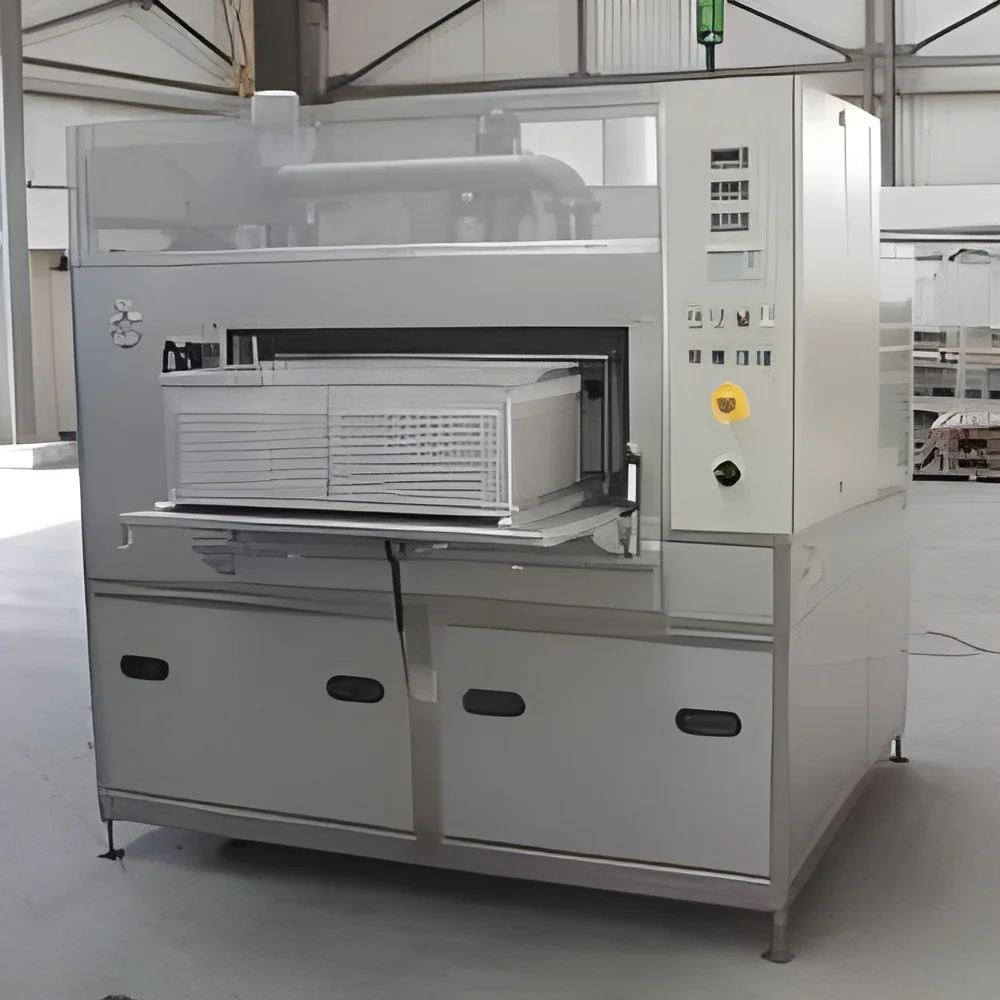
Automated Quenching Systems: These advanced systems include features like automated loading and unloading, precise temperature control, and monitoring capabilities. They are ideal for high-volume production environments where consistency and efficiency are critical.
Custom Quenching Solutions: Manufacturers may offer tailored solutions to meet unique needs. These systems can include specialized features such as advanced filtration or specific tank shapes to accommodate particular components.
Benefits and Advantages
Investing in quenching tanks and systems brings numerous advantages to manufacturers.
1. Improved Material Properties: Quenching enhances the hardness and strength of metals, leading to improved performance in various applications.
2. Increased Production Efficiency: Automated systems reduce manual labor and speed up production processes, allowing for higher throughput.
3. Cost Savings: Efficient cooling processes can lead to lower energy consumption and reduced waste, saving costs over time.
4. Versatility: Quenching systems can be adapted for various materials and processes, making them suitable for a wide range of industries.
5. Enhanced Safety: Modern systems incorporate safety features that protect both the equipment and personnel involved in the quenching process.
6. Compliance with Standards: Many quenching systems meet industry standards, ensuring that treated components are fit for purpose and comply with regulatory requirements.
Buying Guide for B2B Buyers
When sourcing quenching tanks and systems, B2B buyers should consider several key factors to ensure they select the right equipment for their needs.
1. Quality Assessment: Buyers should evaluate the quality of materials and construction to ensure durability and performance. Look for certifications that indicate compliance with industry standards.
2. Supplier Verification: Vetting suppliers is critical. Buyers should check for industry experience, customer reviews, and previous projects to ensure reliability.
3. Pricing and MOQ: Understanding the price range and minimum order quantities is essential for budgeting. Buyers should compare quotes from multiple suppliers to get the best deal.
4. Delivery and Lead Times: Consider logistics and lead times when planning production schedules. Reliable suppliers should provide clear timelines for delivery.
5. Compliance Requirements: Ensure that the quenching tanks meet relevant safety and environmental regulations. Understanding local compliance requirements can prevent future issues.
Compliance and Certifications
Quenching tanks and systems must adhere to various quality standards and certifications to ensure safety and performance. ISO 9001 is a common standard that focuses on quality management systems and continual improvement. Compliance with HACCP ensures that processes are in place to manage food safety when applicable.
Additionally, CE certification indicates that the equipment meets European health, safety, and environmental protection standards, making it suitable for use in the EU market. Companies must also consider safety and testing requirements, such as pressure testing and operational safety checks, to ensure that the systems function correctly and safely. Regional compliance considerations can vary, so it's essential to understand local regulations and standards applicable in specific markets.
Why Source Quenching Tanks & Systems from Pepagora?
Pepagora provides a trusted platform for sourcing quenching tanks and systems, offering several key advantages.
Verified Supplier Network: Pepagora connects buyers with a network of verified suppliers who have undergone thorough vetting. This ensures that businesses can trust the quality and reliability of the products they purchase.
Streamlined RFQ Process: The platform features a streamlined request for quotation (RFQ) process, enabling buyers to easily compare offers from multiple suppliers. This simplifies the decision-making process and helps secure the best deals.
Trade Assurance and Support: Pepagora offers trade assurance, providing buyers with protection throughout the purchasing process. The platform also offers support services, ensuring that any issues are promptly addressed.
Regional Coverage: With coverage extending across India, the GCC, and Southeast Asia, Pepagora facilitates access to a broad market, allowing businesses to connect with suppliers that meet their specific needs.

 IN
IN