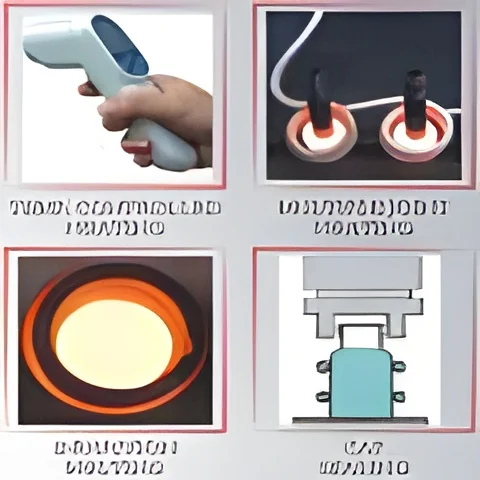
What are Forging Heat Treatment Furnaces?
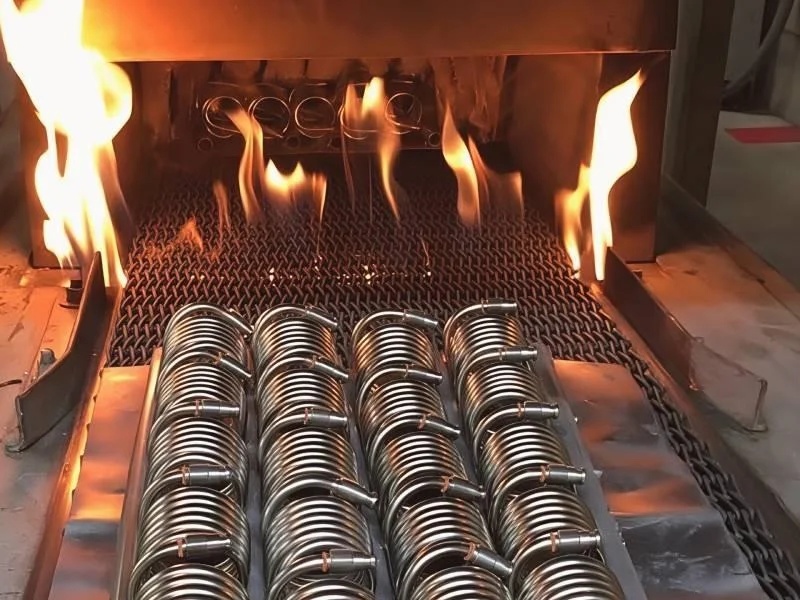
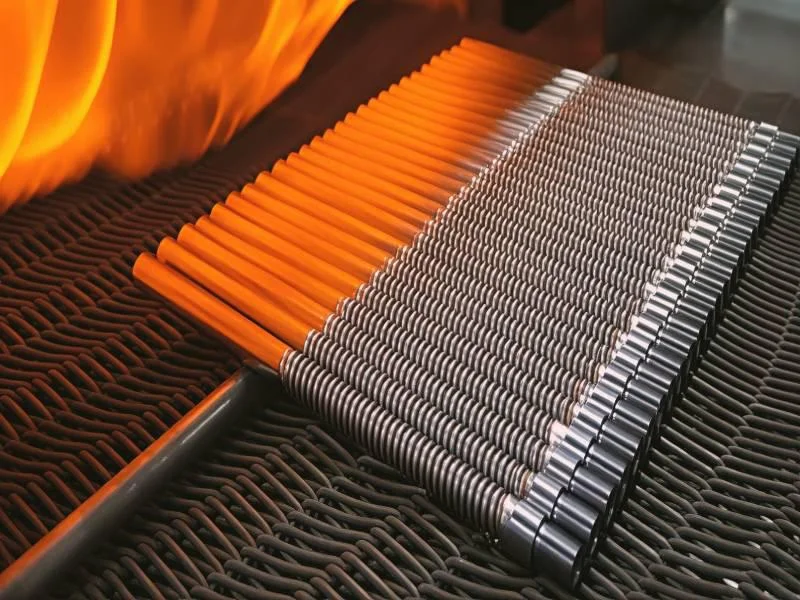
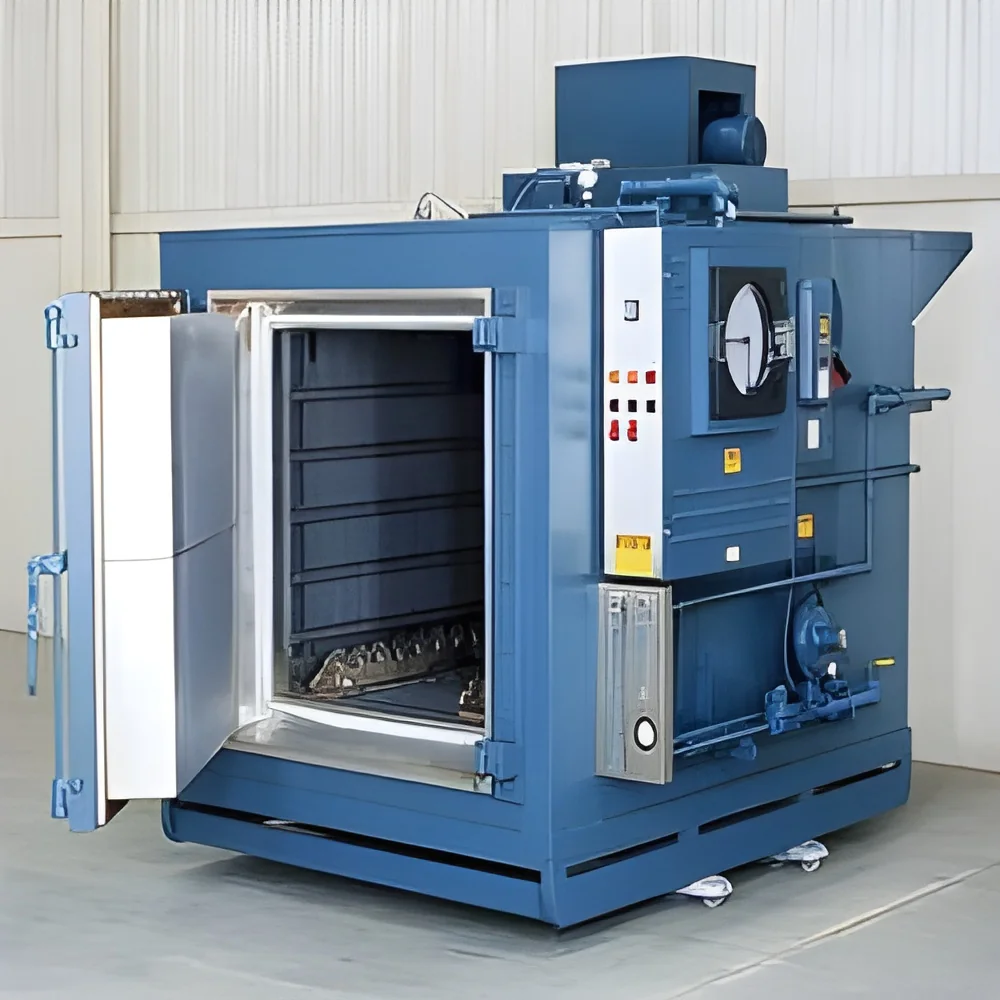
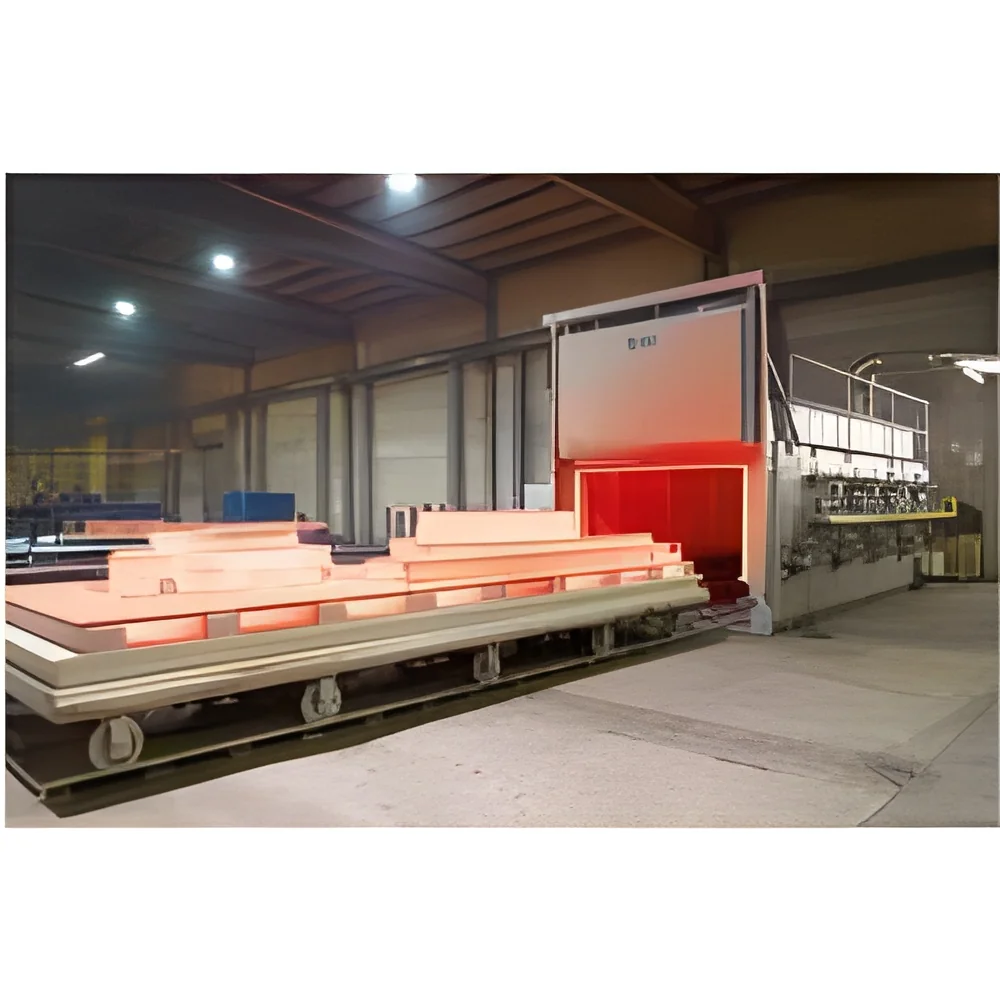
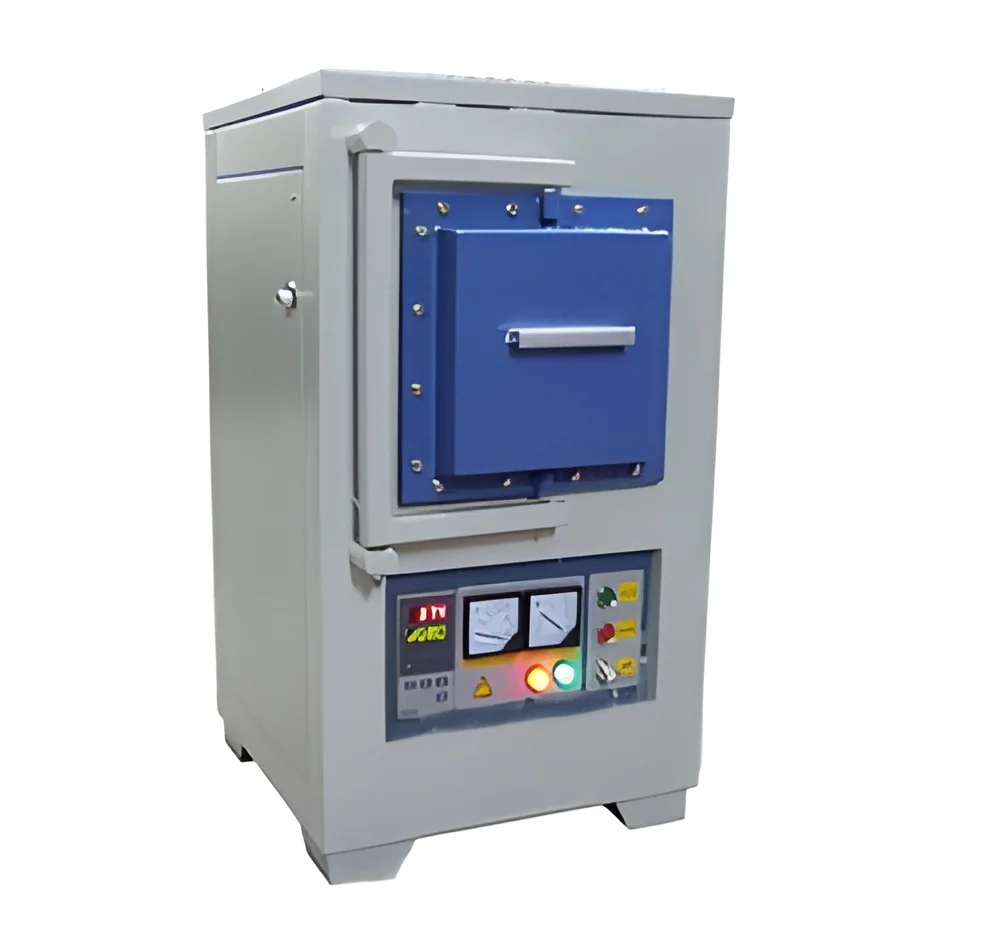
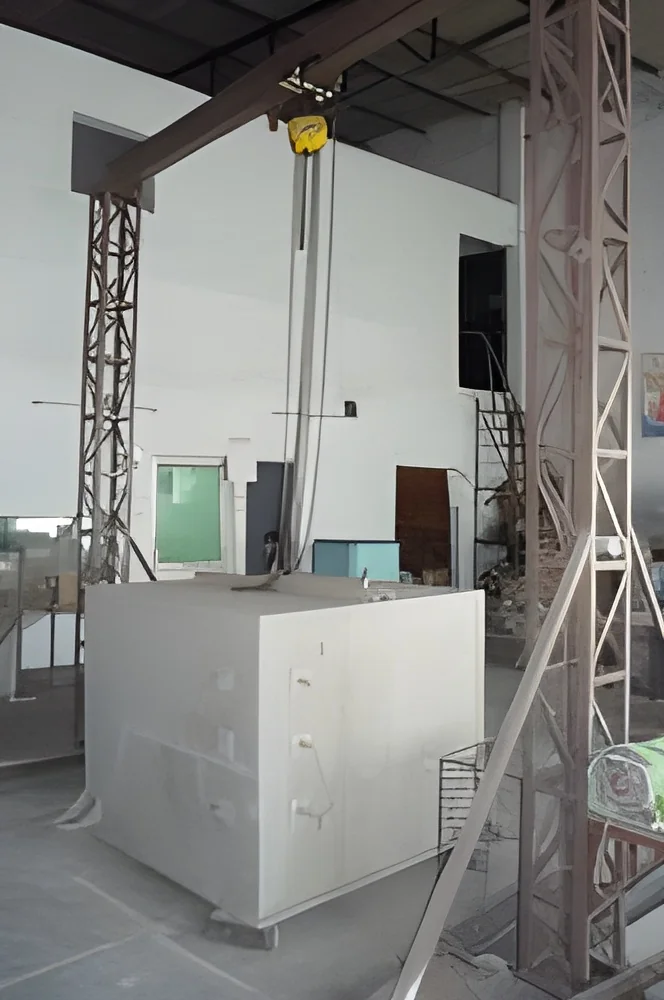
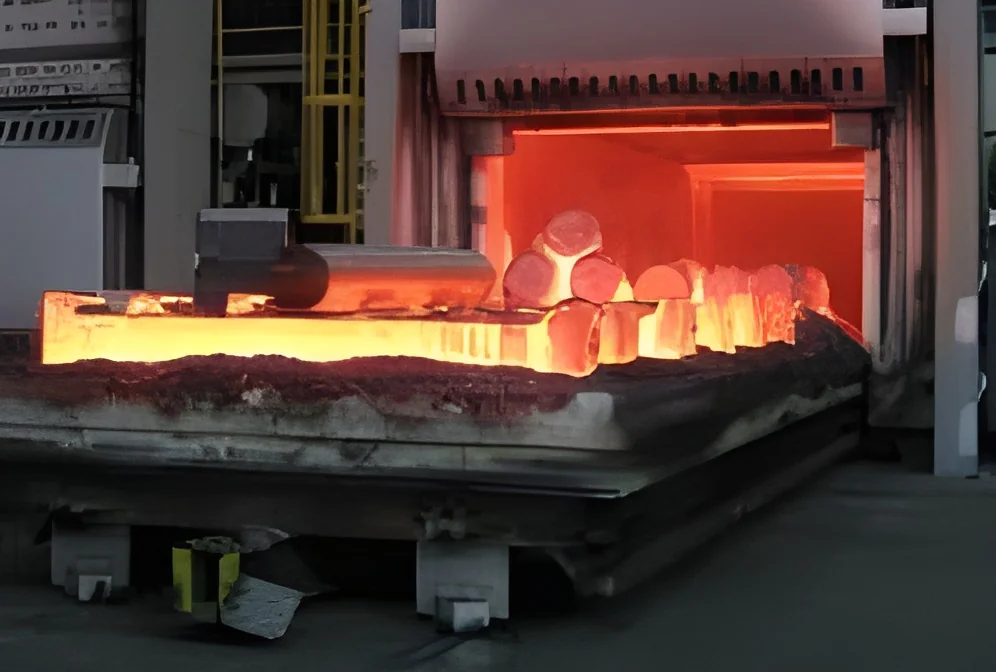
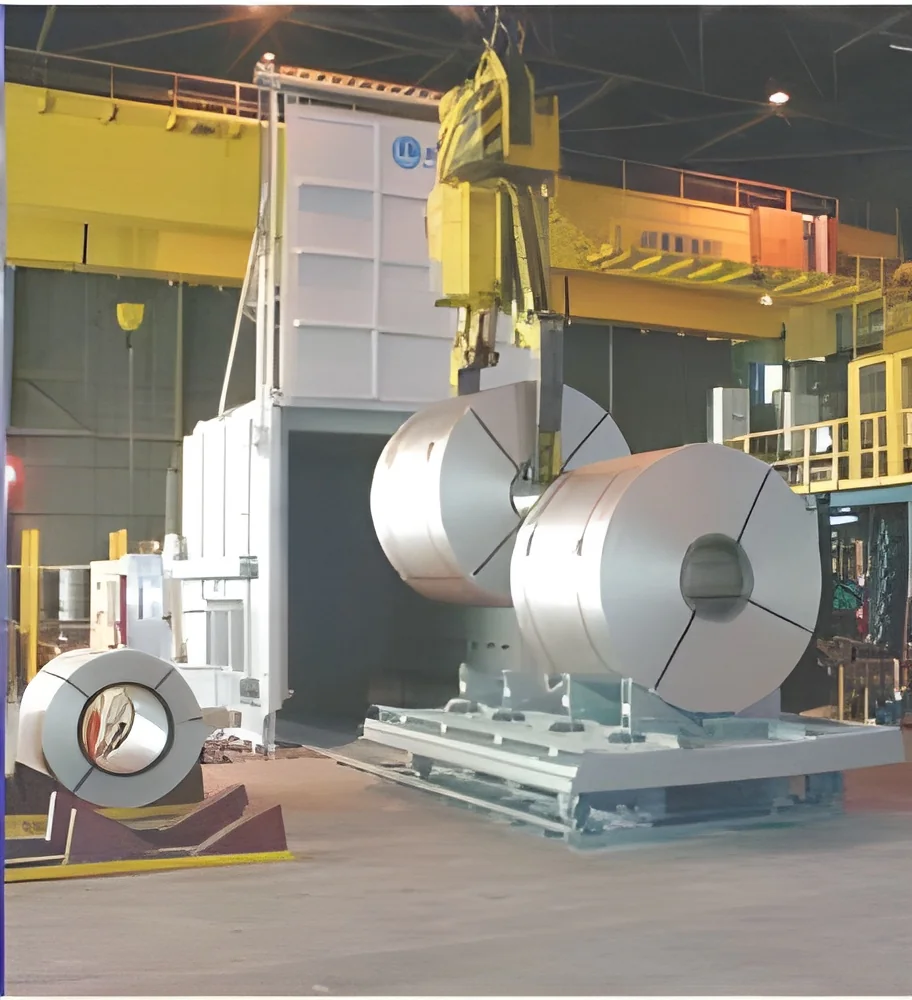
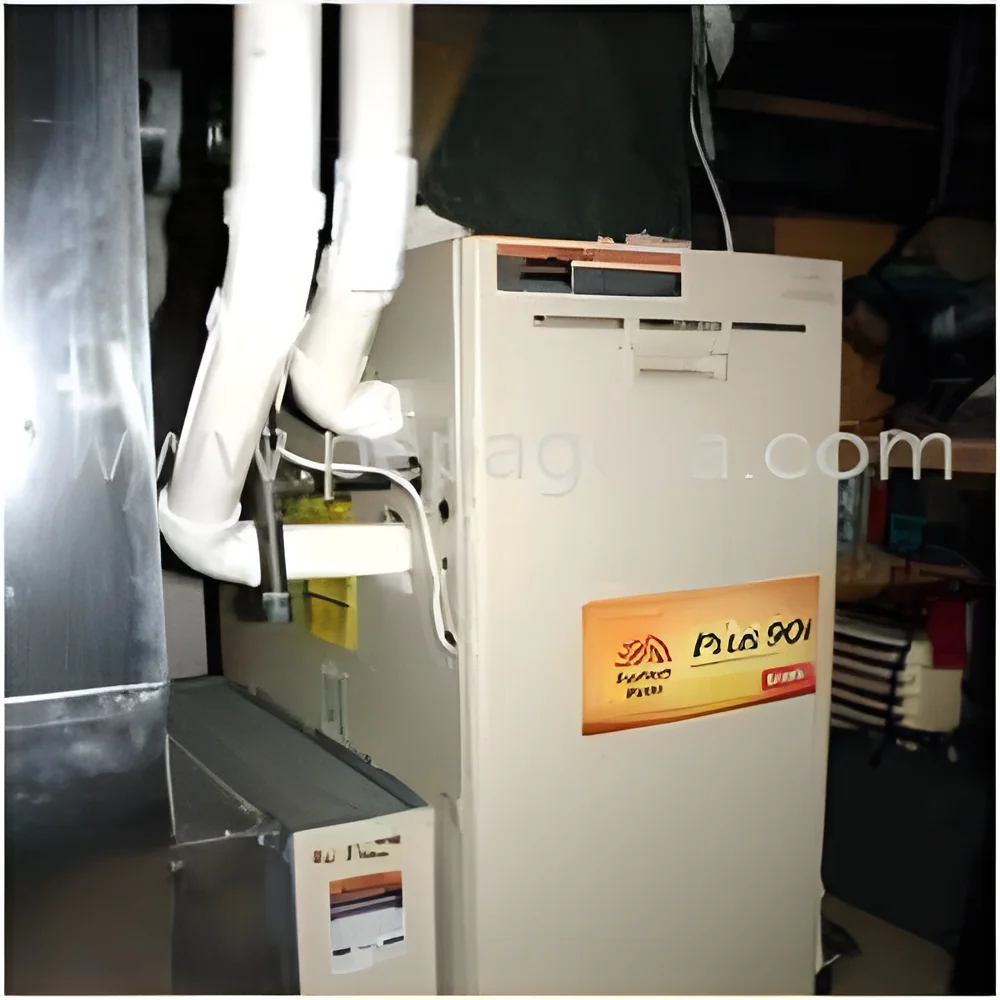
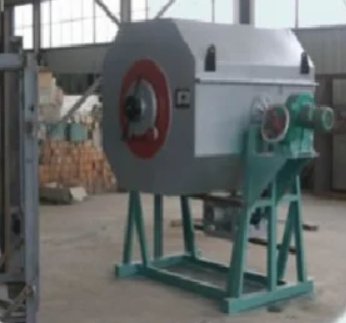
Forging heat treatment furnaces are specialized industrial ovens designed to heat and treat metal components to enhance their mechanical properties. These furnaces utilize controlled heating processes to alter the physical and sometimes chemical properties of metals, making them suitable for various applications in manufacturing and engineering. The heat treatment process can include processes such as hardening, tempering, annealing, and normalizing, which are critical for improving strength, ductility, and resistance to wear and corrosion.
These furnaces are primarily used in industries where metal forging is integral, such as automotive, aerospace, and machinery manufacturing. By providing precise temperature control and uniform heat distribution, these furnaces ensure that the metal components achieve the desired characteristics for performance and durability. The relevance of forging heat treatment furnaces in the market is significant as industries continue to demand high-quality fabricated components that meet stringent performance standards.
Key Features and Specifications
Forging heat treatment furnaces come equipped with various features that enhance their efficiency and usability. Understanding these key specifications is crucial for selecting the right furnace for your needs.
Key specifications include:
1. Temperature Control
- Ensures precise heating for various treatment processes
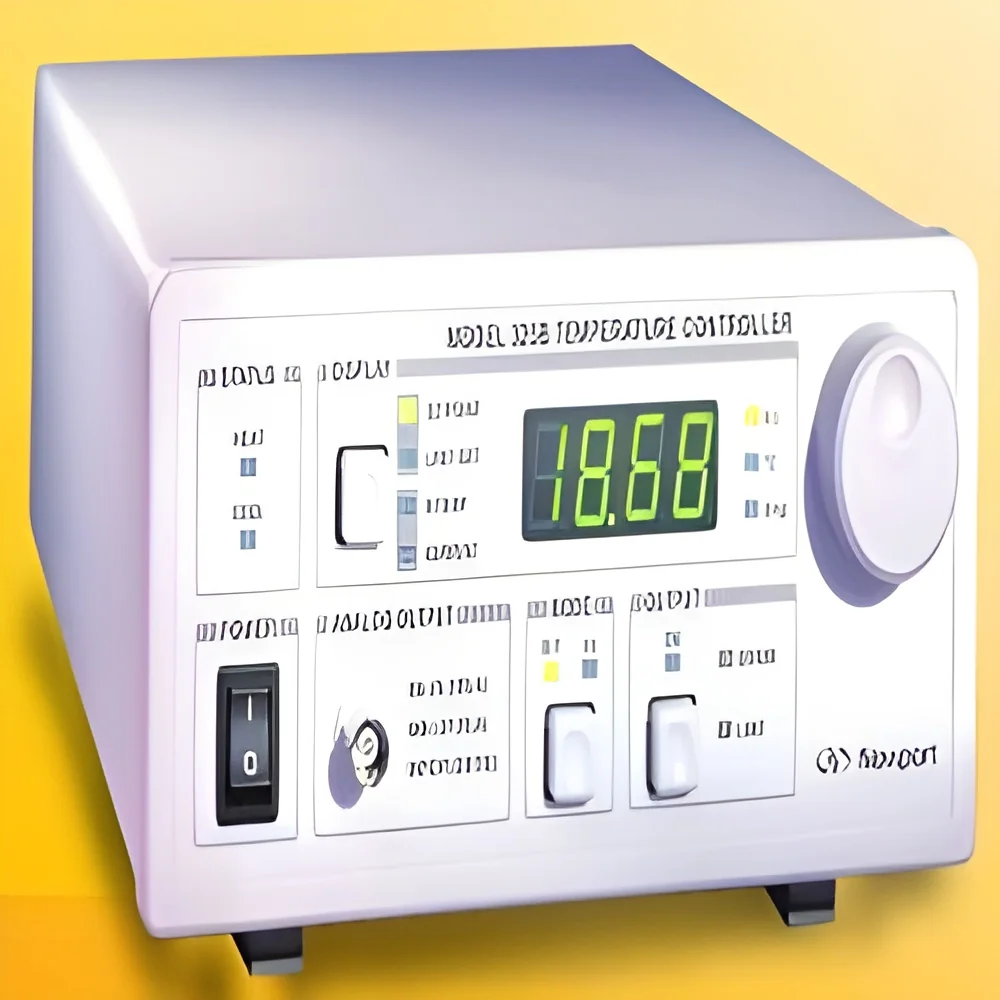
- Typically ranges from ambient to 1200 degrees Celsius
2. Heating Method
- Options include electric, gas, or induction heating
- Each method has its unique benefits and applications
3. Chamber Size
- Varies to accommodate different sizes of metal components
- Common sizes range from small laboratory models to large industrial units
4. Insulation Type
- High-quality insulation materials to retain heat and improve efficiency
- Options may include ceramic fiber or mineral wool insulation
5. Safety Features
- Equipped with emergency shut-off systems and temperature overrun protection
- Designed to comply with safety regulations
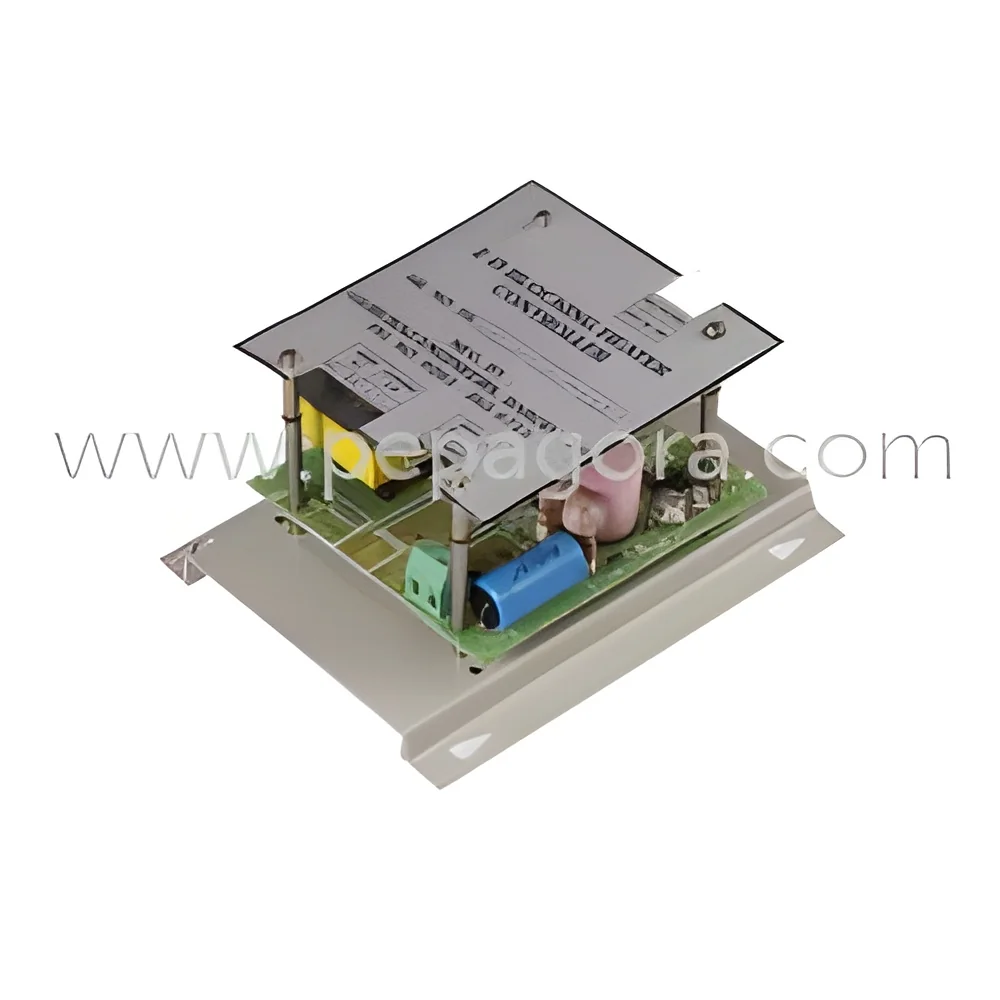
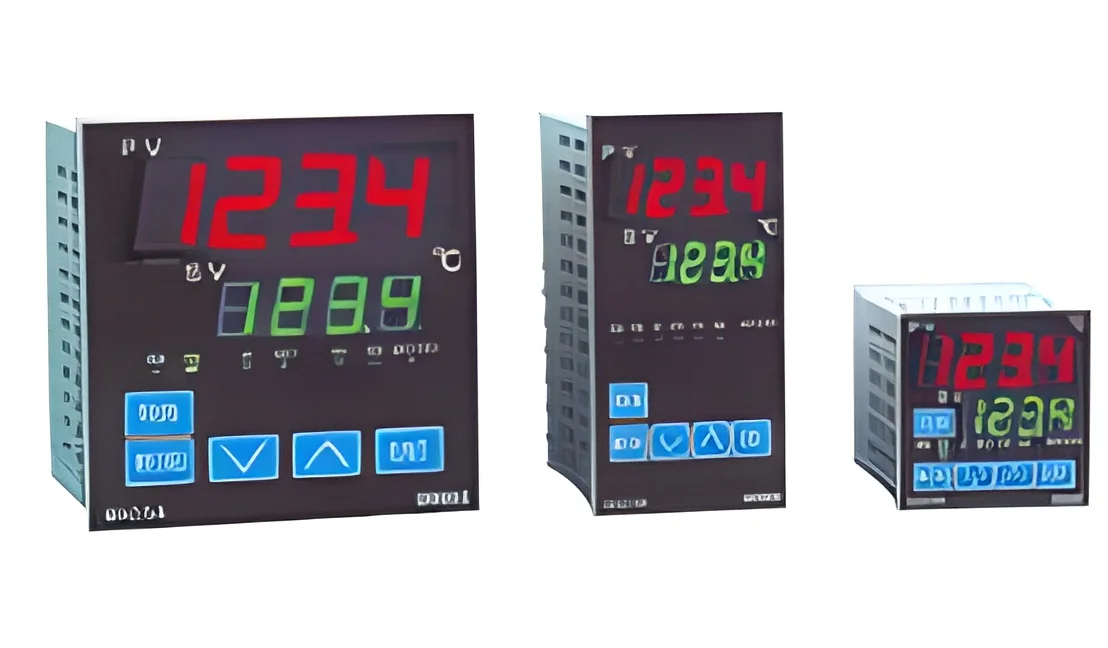
6. Control Systems
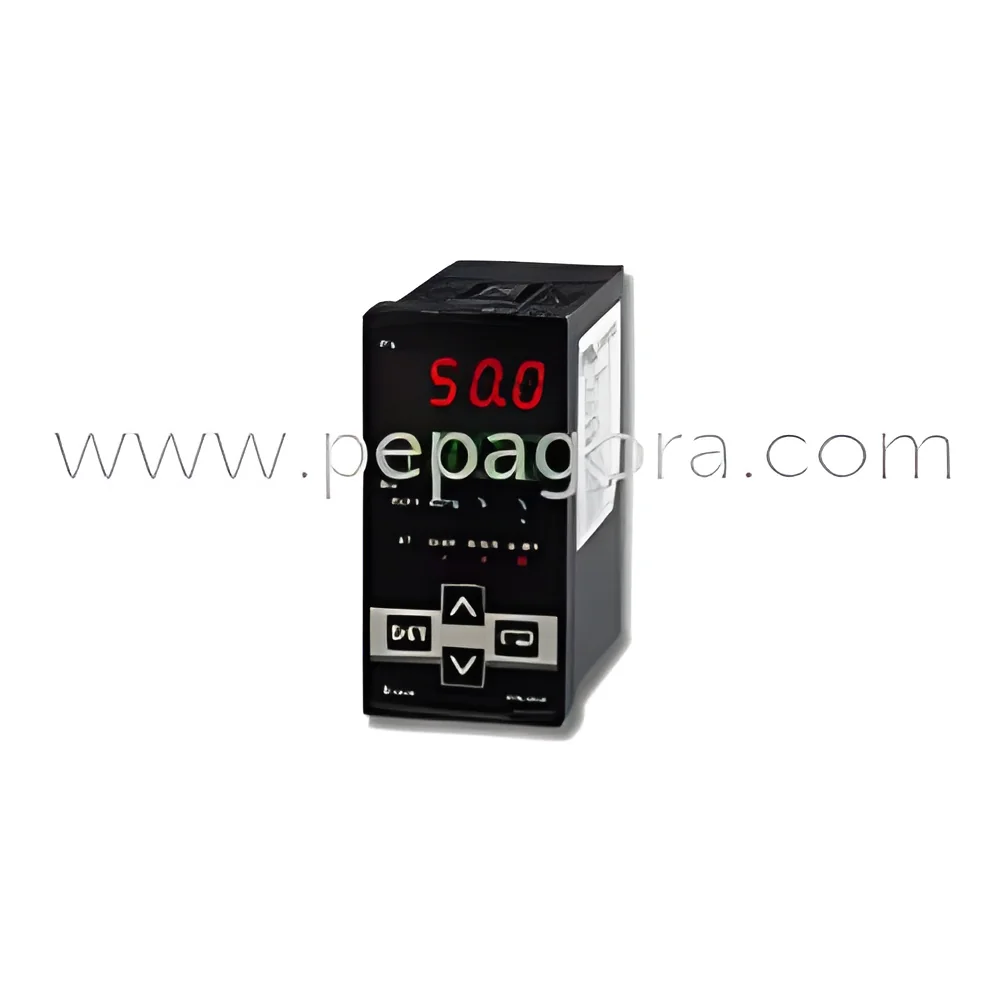
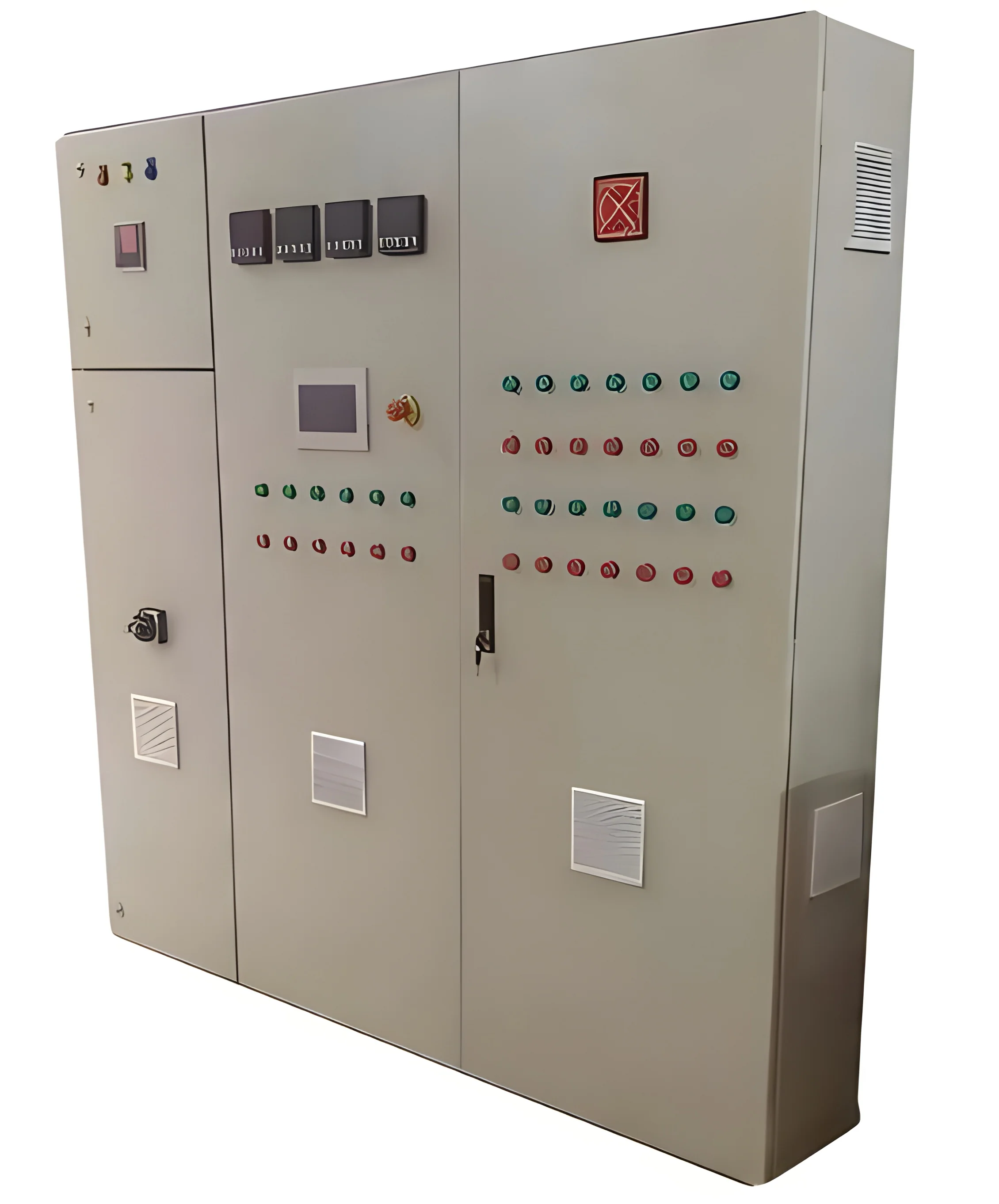
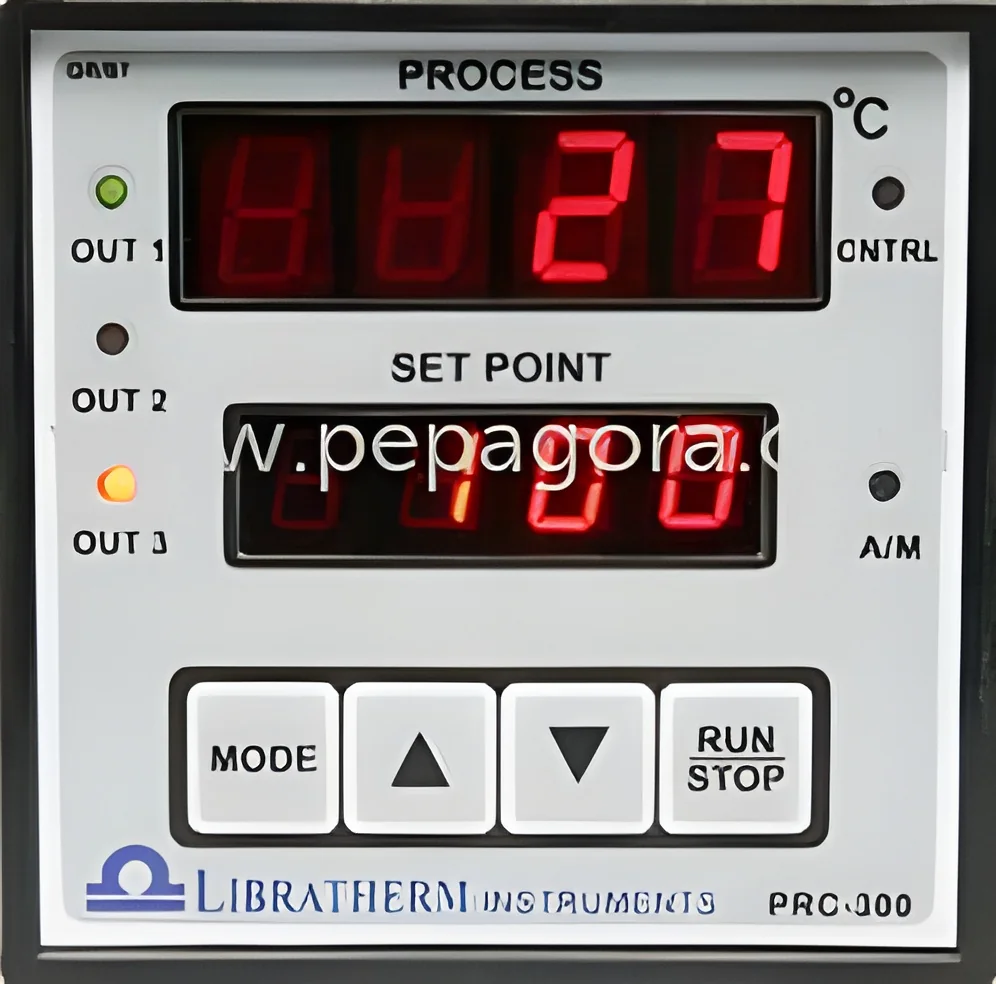
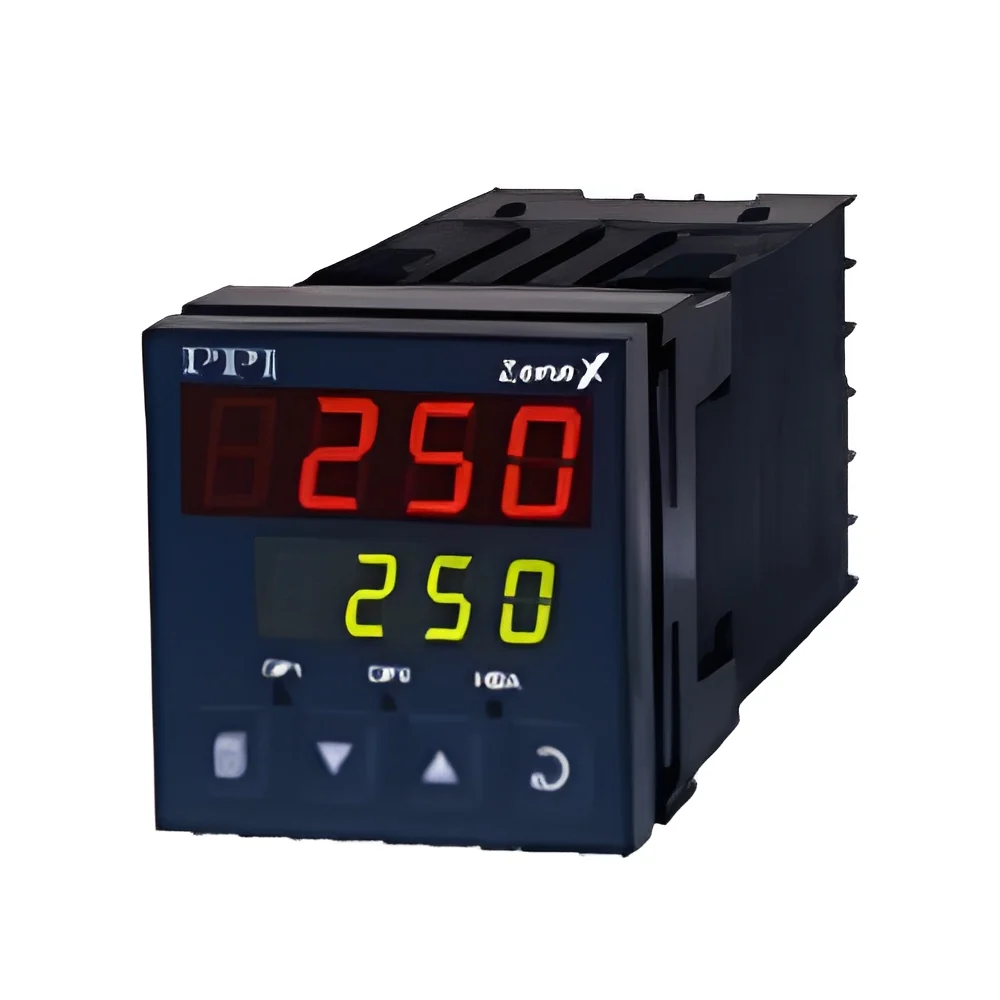
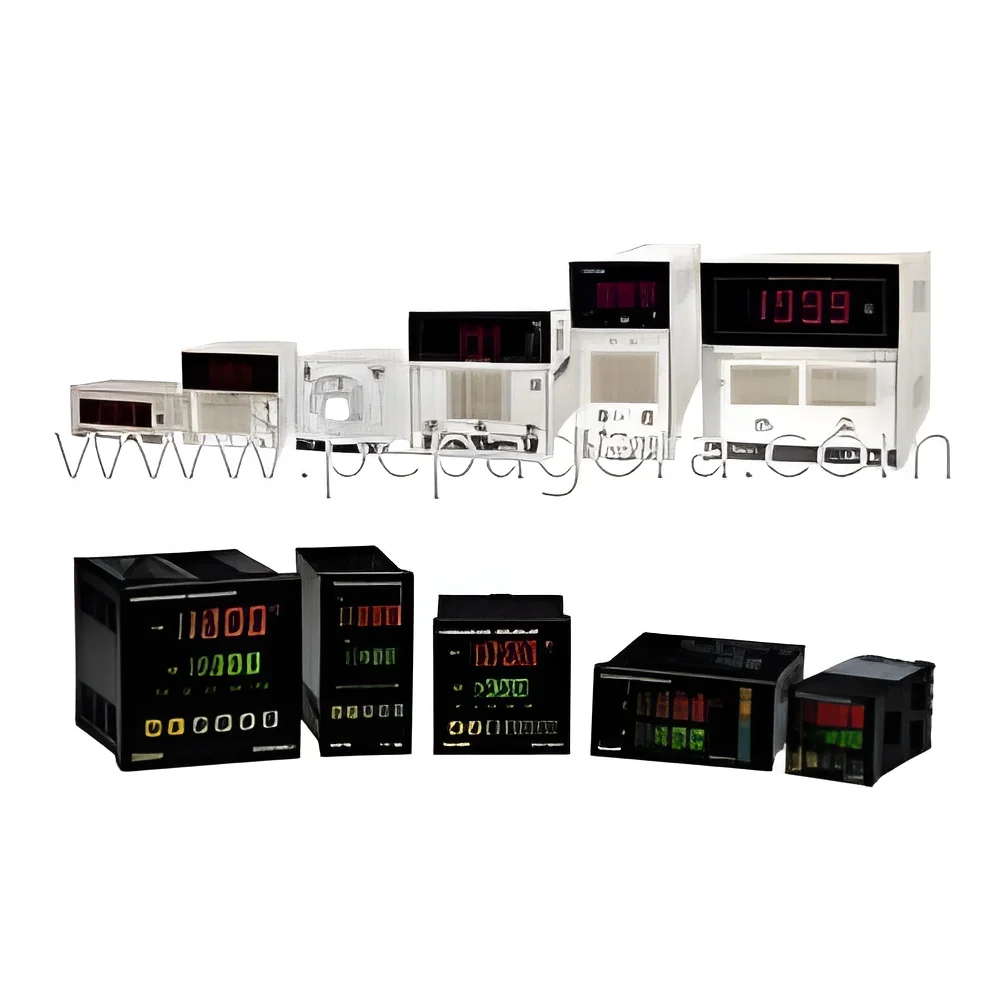
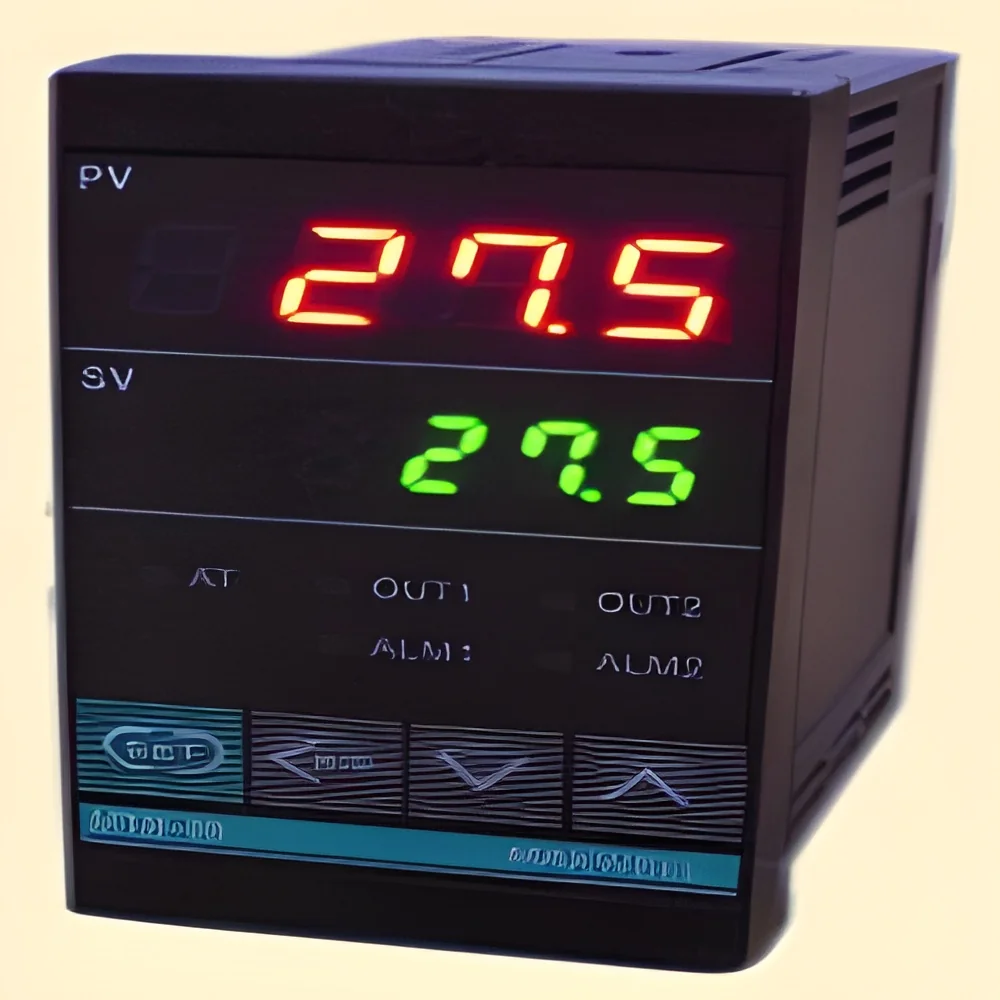
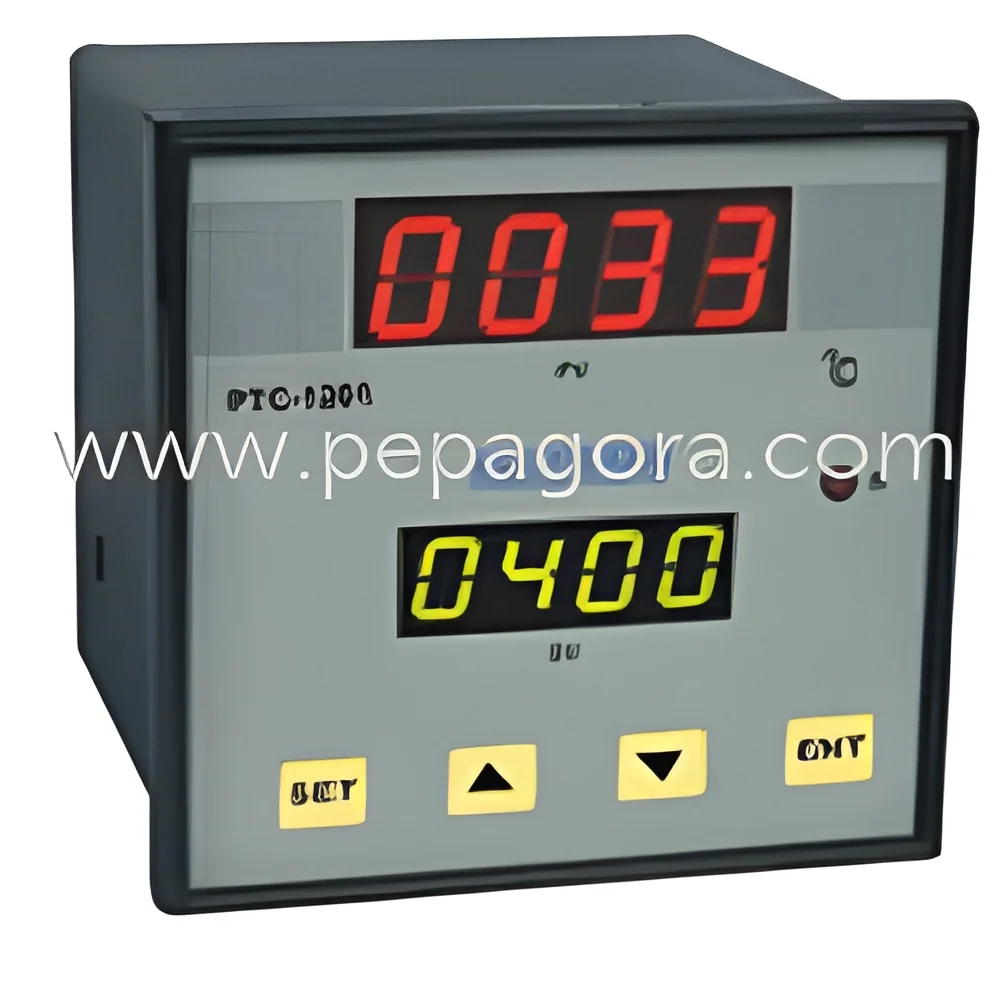
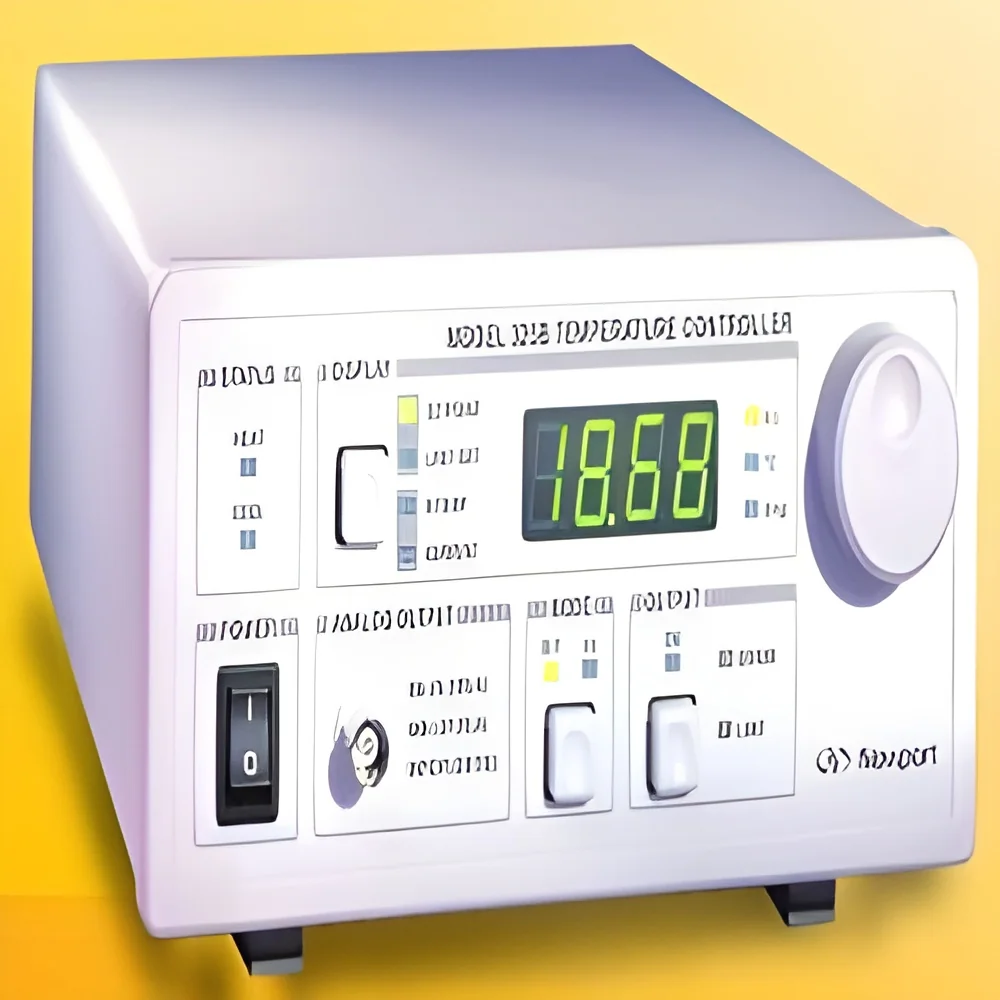
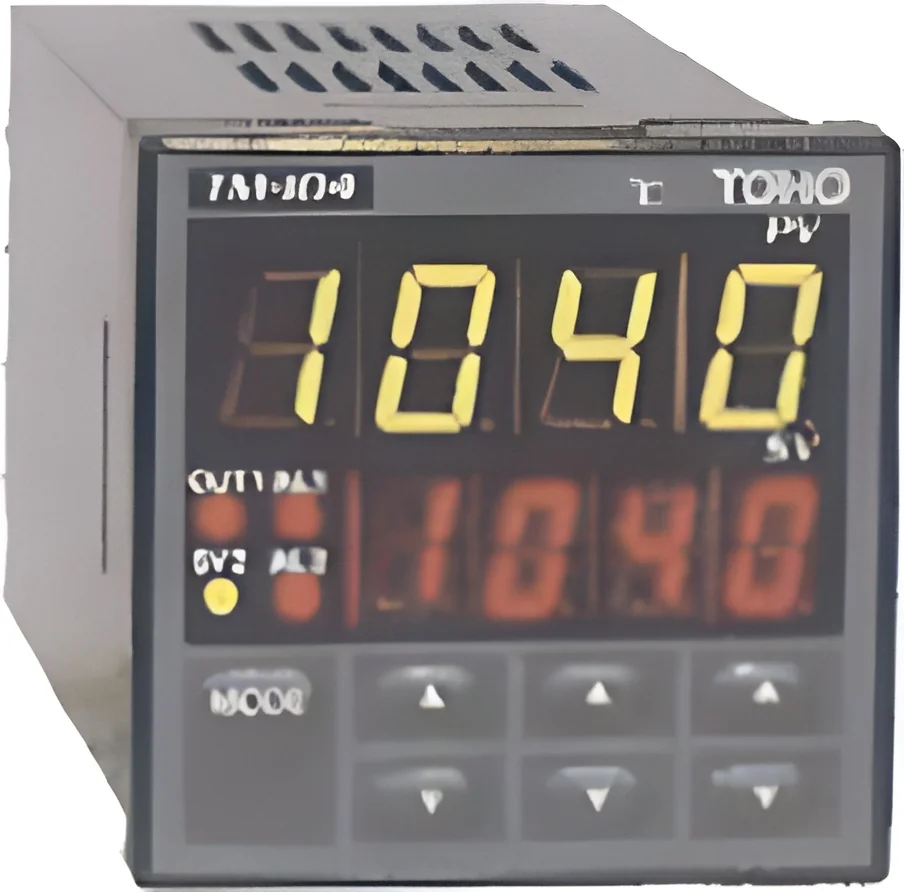
- Advanced digital control systems for monitoring and adjusting temperature
- May include programmable settings for different heat treatment cycles
7. Energy Efficiency
- Designed to minimize energy consumption and reduce operational costs
- Incorporates features such as variable frequency drives
8. Compliance Standards
- Often manufactured to meet industry standards such as CE certification
- Ensures adherence to quality and safety regulations
In summary, the specifications of forging heat treatment furnaces are paramount in achieving optimal performance and meeting the specific needs of various industrial applications.
Common Applications and Use Cases
Forging heat treatment furnaces serve a broad range of industries where metal components require precise treatment processes.
1. Automotive: Used for heat treating components such as gears, axles, and crankshafts to enhance strength and performance.
2. Aerospace: Essential for treating high-strength alloys and components that must withstand extreme conditions during flight.
3. Machinery Manufacturing: Utilized for heat treatment of machine parts, ensuring durability and resilience in operational environments.
4. Oil and Gas: Employed in the treatment of components that require resistance to high pressures and corrosive environments.
5. Construction: Used for heat treating structural components, ensuring they meet safety and performance standards.
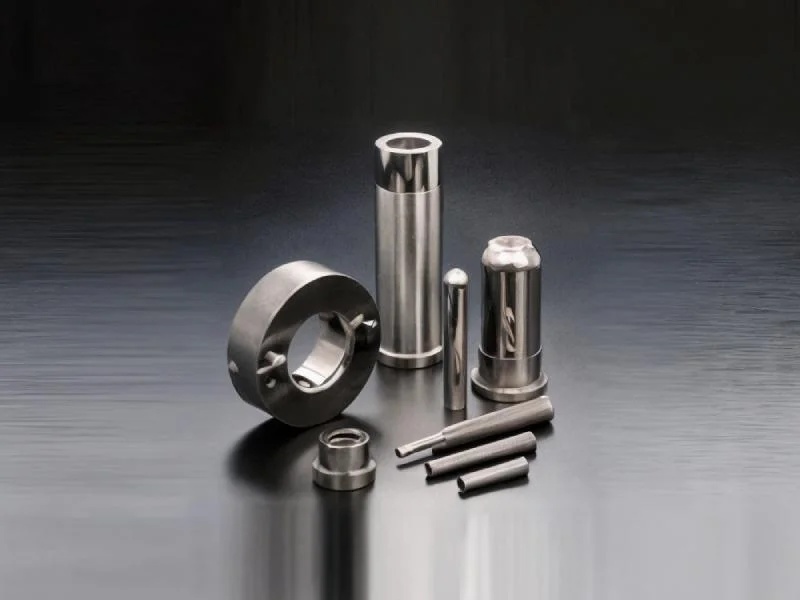
6. Tooling: Critical for processing tools and dies that require specific hardness and wear resistance properties.
7. Railways: Used to treat components such as rails and wheels, enhancing their lifespan and reliability.
Product Variants and Subcategories
Forging heat treatment furnaces come in various configurations to meet different application needs.
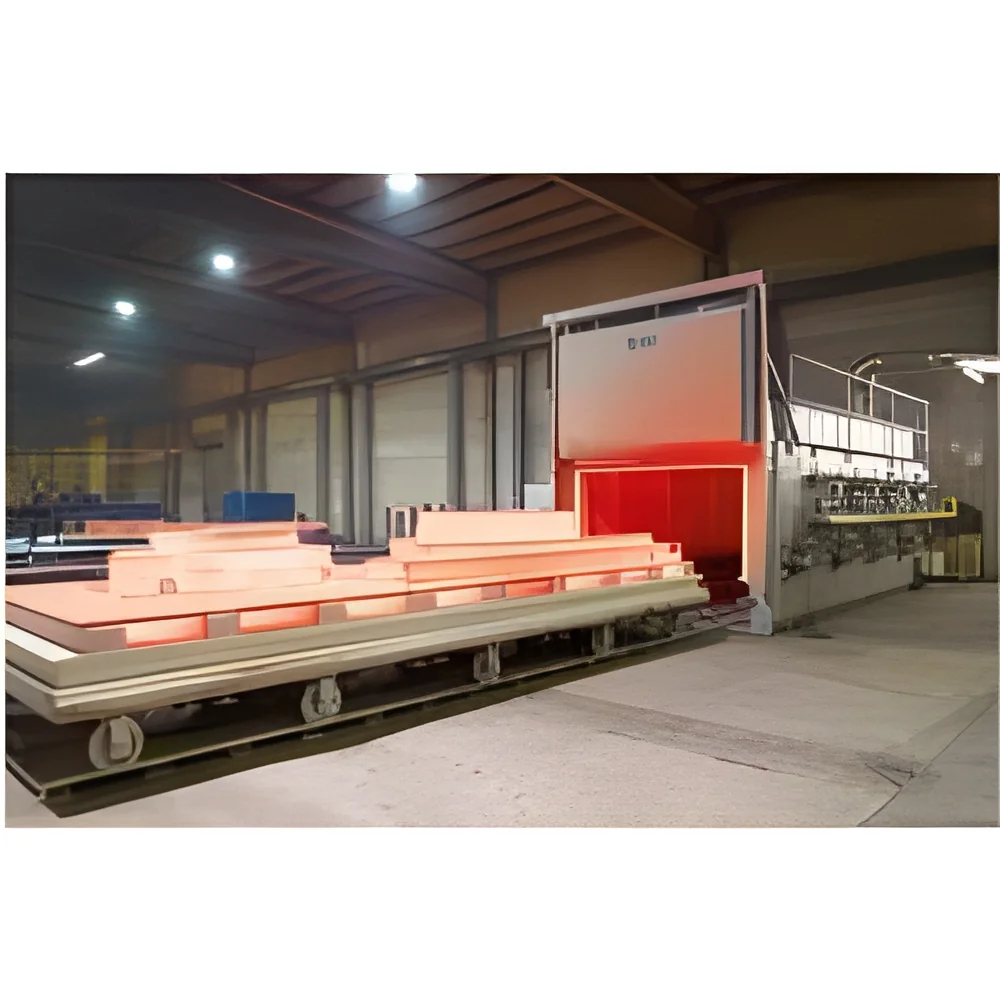
Batch Type Furnace
This variant is designed for processing batches of smaller components. It offers flexibility in operation and is ideal for manufacturers needing to treat varying loads.
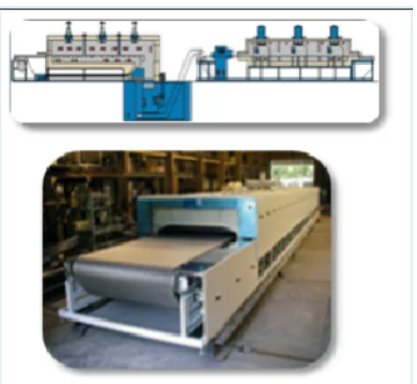
Continuous Type Furnace
Designed for high-volume production, this furnace allows for continuous feeding of components, which enhances productivity and efficiency.
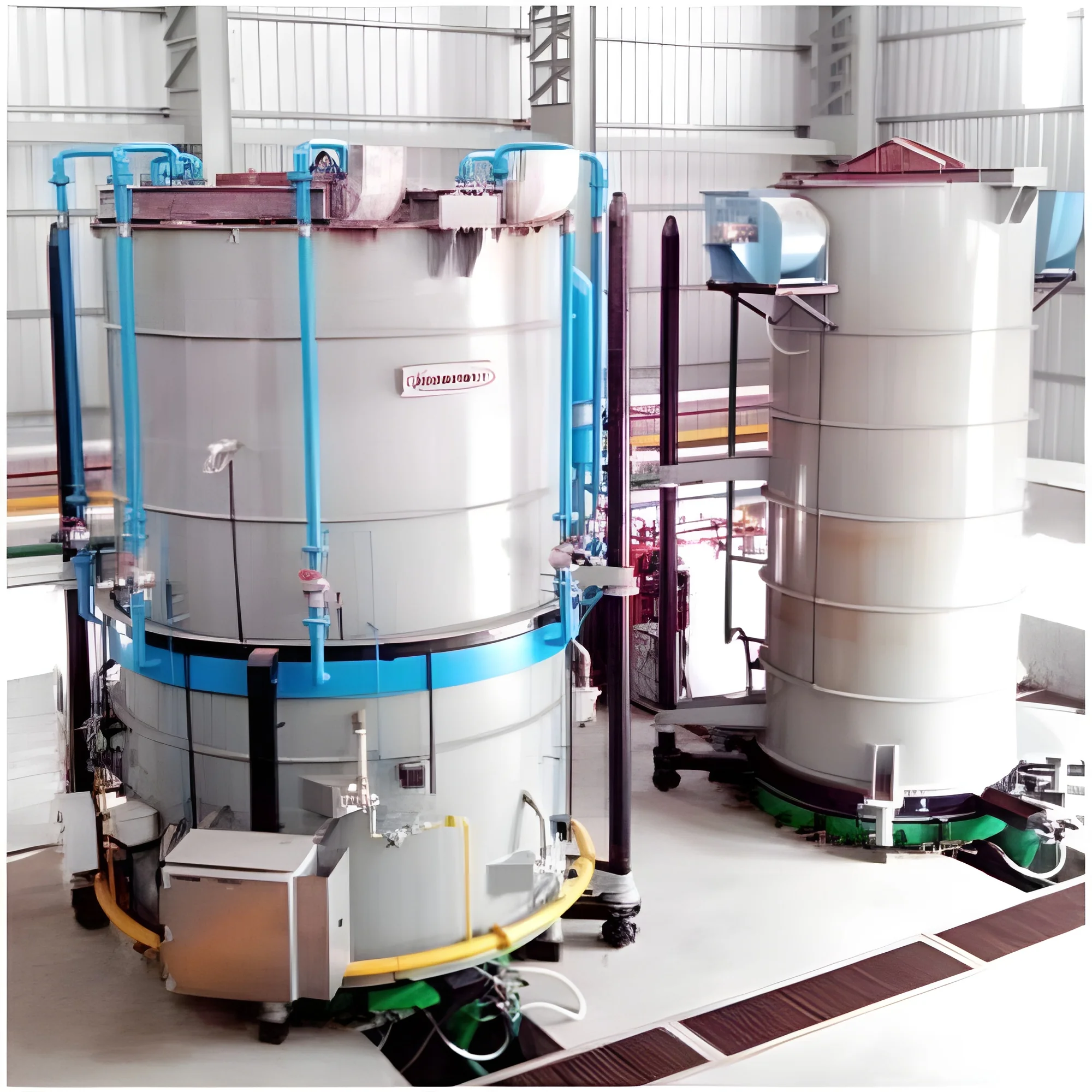
Pit Type Furnace
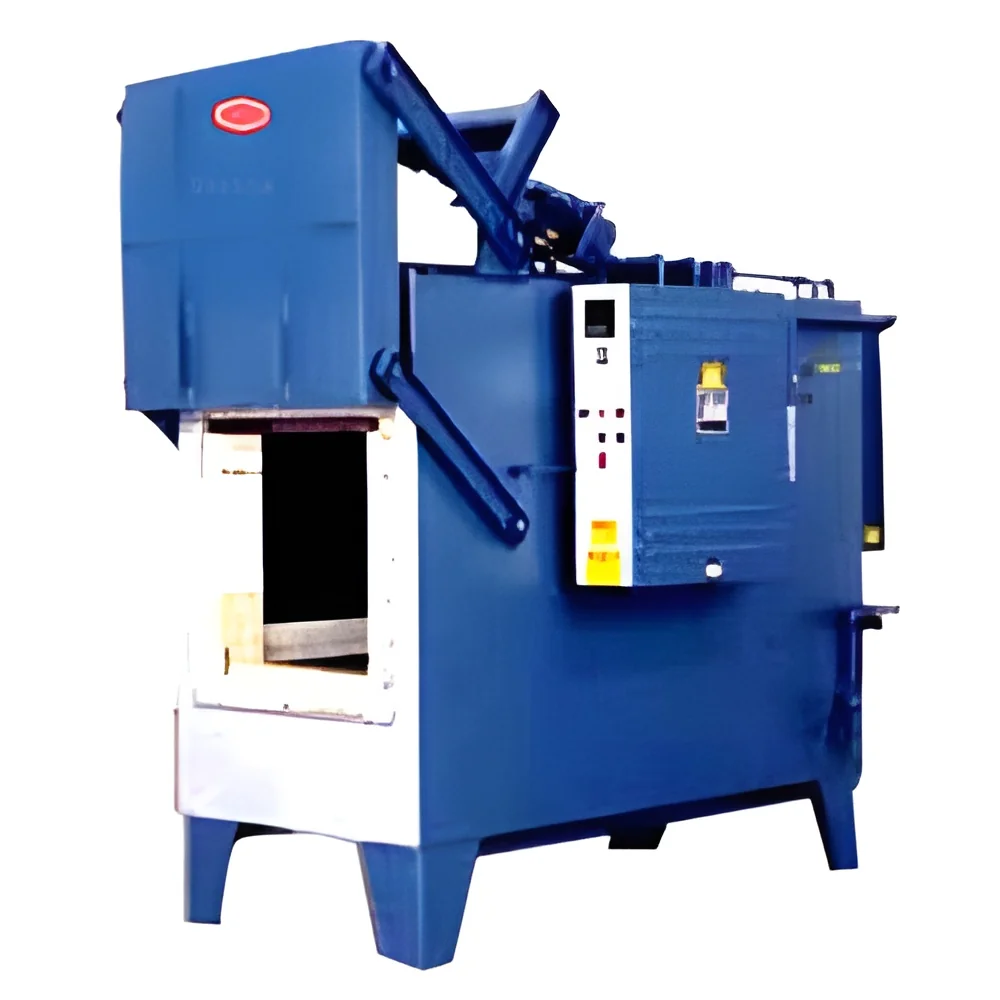
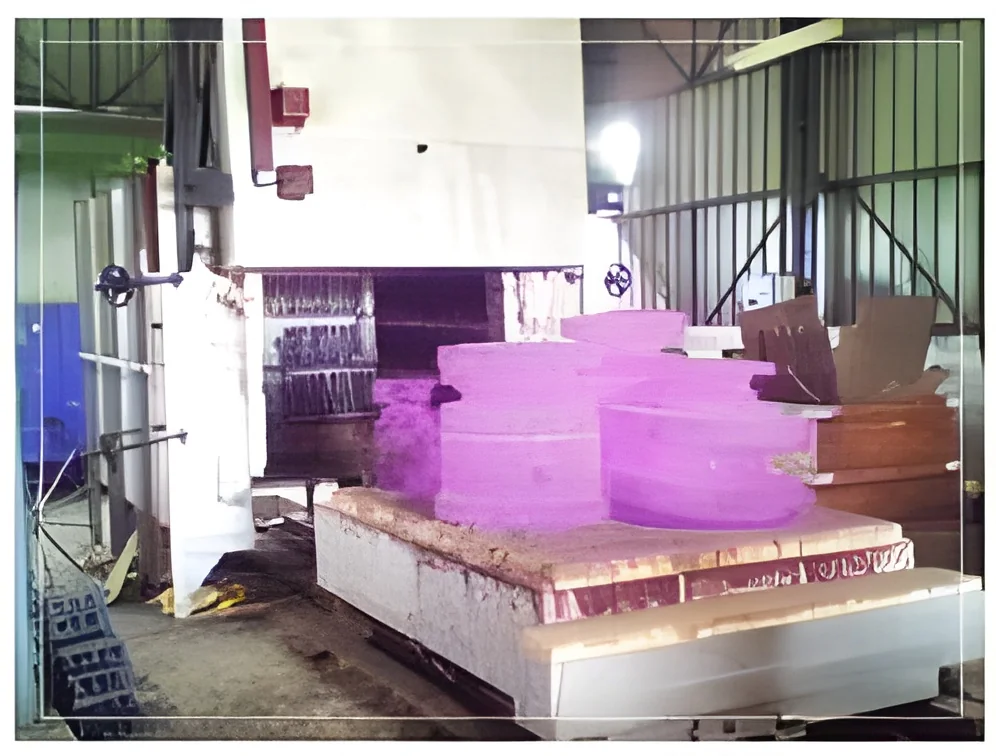
Used for large components, this furnace has a deep design that allows for the treatment of oversized materials, commonly used in heavy industries.
Benefits and Advantages
Forging heat treatment furnaces provide numerous benefits that enhance operational efficiency and product quality.
1. Enhanced Material Properties: Improves strength, ductility, and wear resistance of metal components.
2. Precision Heating: Offers accurate temperature control for consistent treatment results.
3. Energy Efficiency: Designed to reduce energy consumption, leading to lower operating costs.
4. Safety Compliance: Built with safety features that ensure operator and equipment safety.
5. Versatility: Capable of handling a wide range of metal types and sizes for diverse applications.
6. Increased Lifespan: Heat-treated components exhibit prolonged service life, reducing the frequency of replacements.
Buying Guide for B2B Buyers
When sourcing forging heat treatment furnaces, it's essential to consider several critical factors to ensure you make an informed decision.
1. Quality Assessment: Evaluate the quality of the furnace based on materials used in construction and adherence to industry standards. Look for certifications like CE to ensure reliability.
2. Supplier Verification: Vet suppliers by checking their track record, customer reviews, and certifications. A reputable supplier can provide assurance of quality and service.
3. Pricing and MOQ: Understand the pricing structure and minimum order quantity (MOQ) requirements. Compare different suppliers to ensure you get competitive pricing.
4. Delivery and Lead Times: Consider the logistics involved in delivery. Ensure that the supplier can meet your timelines and provide a clear estimate of lead times.
5. Compliance Requirements: Familiarize yourself with any regulatory requirements specific to your industry. Ensure that the furnace complies with all necessary safety and operational standards.
Compliance and Certifications
Forging heat treatment furnaces must adhere to several compliance and certification standards to ensure safety and quality.
Relevant quality standards, such as ISO 9001, indicate that the manufacturing processes meet international quality management criteria. Furthermore, HACCP and GDP standards may apply in specific industries where food-grade materials are involved.
Industry certifications, such as CE, ensure that the equipment complies with European safety standards, making it suitable for use in various regions. These certifications are crucial for gaining trust from customers and meeting regulatory demands.
Safety and testing requirements include thorough assessments of the furnace’s operational safety features, ensuring they meet or exceed industry norms. Regional compliance considerations may vary, so it is vital to check local regulations regarding industrial equipment.
Why Source Forging Heat Treatment Furnaces from Pepagora?
Pepagora offers a trusted platform for sourcing forging heat treatment furnaces with numerous key advantages that benefit B2B buyers.
Verified Supplier Network: Pepagora connects buyers with a network of verified suppliers, ensuring that you work with reputable manufacturers who adhere to industry standards.
Streamlined RFQ Process: The platform simplifies the request for quotation (RFQ) process, allowing you to easily compare offers from multiple suppliers and make informed choices.
Trade Assurance and Support: Buyers are protected through trade assurance policies, providing confidence in their transactions and reducing risks associated with procurement.
Regional Coverage: Pepagora has a strong presence in India, the GCC, and Southeast Asia, offering extensive geographic reach and the ability to connect with local suppliers who understand regional market needs.

 IN
IN