What are Foundry Protective Clothing?
Foundry protective clothing refers to specialized garments designed to safeguard workers in environments where molten metals, hot materials, and hazardous substances are present. These garments are crafted from heat-resistant and durable materials that provide essential protection against burns, abrasions, and other workplace hazards. The clothing is engineered to withstand extreme temperatures and is often composed of multiple layers to enhance safety and comfort.
The primary applications of foundry protective clothing are found in industries such as metal casting, welding, and metalworking. Workers in these sectors are frequently exposed to high-temperature environments, making such protective gear vital in preventing injuries. Businesses that prioritize safety and compliance with industry regulations often invest in high-quality foundry protective clothing to ensure their employees are adequately protected while maintaining productivity.
In the broader market context, the demand for foundry protective clothing is driven by increasing safety regulations and a heightened awareness of workplace safety standards. Industries are continually seeking reliable protective solutions as they navigate stringent compliance requirements. This growing emphasis on safety makes foundry protective clothing a critical component in the operational strategies of many businesses.
Key Features and Specifications
Foundry protective clothing is characterized by its robust design and essential features that provide safety and comfort to workers. The specifications of these garments are crucial for ensuring they meet the demanding requirements of foundry environments.
Key specifications include:
1. Material Composition
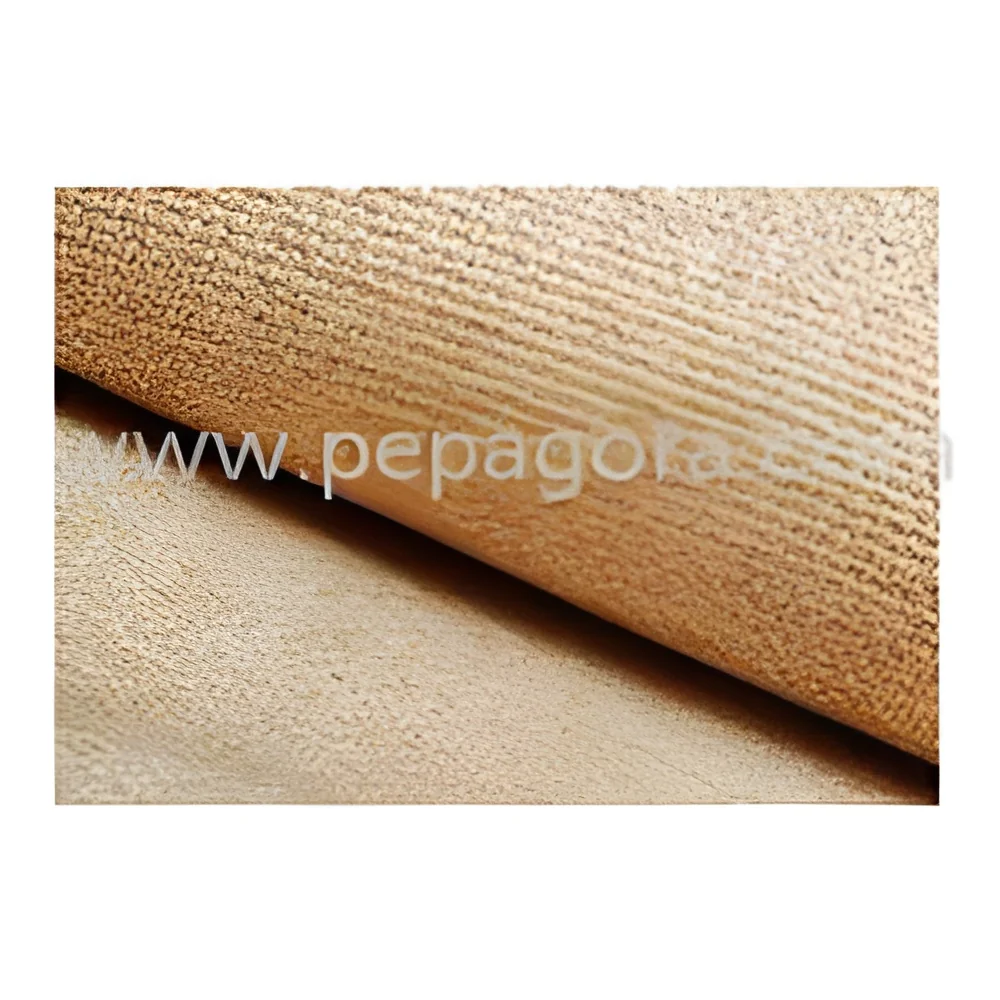
- Typically made from heat-resistant fabrics such as aramid, cotton blends, or specialized synthetic fibers
- Designed to withstand temperatures up to 1,000 degrees Fahrenheit
2. Protection Level
- Classified based on the level of protection against thermal hazards
- Compliance with relevant safety standards, including CE certification
3. Design Features
- Includes features such as reinforced seams and double-layered construction
- Often equipped with flame-retardant finishes for added safety
4. Size and Fit
- Available in various sizes to accommodate different body types
- Designed for a comfortable fit to allow for ease of movement
5. Visibility
- Many garments come with reflective strips or bright colors to enhance visibility in low-light conditions
- Important for safety in busy foundry environments
6. Durability
- Built to withstand wear and tear in harsh working conditions
- Typically machine washable for easy maintenance
7. Lightweight Options
- Some variants are designed to be lightweight for improved comfort during long shifts
- Retain protective qualities without compromising on mobility
In summary, foundry protective clothing combines advanced materials and thoughtful design to provide essential protection for workers in high-risk environments. Understanding these specifications helps businesses select the right garments for their operations.
Common Applications and Use Cases
Foundry protective clothing serves a variety of industries where employees face specific risks associated with high temperatures and hazardous materials.
1. Metal Casting: Workers in metal casting operations use protective clothing to shield themselves from molten metal splashes and extreme heat during the pouring and molding processes.
2. Welding: Welders rely on specialized garments that prevent burns and provide protection from sparks and heat generated during welding tasks.
3. Metalworking: In machining and fabrication shops, protective clothing protects workers from sharp edges, flying debris, and extreme temperatures.
4. Glass Manufacturing: Employees working in glass production use heat-resistant clothing to guard against high temperatures and potential glass splinters.
5. Foundries: Workers in foundries require durable protective gear to withstand exposure to hot materials and chemicals used in the casting processes.
6. Automotive Manufacturing: In automotive plants, employees engaged in metal fabrication and assembly benefit from protective clothing that safeguards against heat and sharp objects.
7. Aerospace Industry: Workers in aerospace manufacturing utilize protective gear to protect against high temperatures and hazardous materials involved in production processes.
Product Variants and Subcategories
Foundry protective clothing comes in various forms to meet different protective needs and preferences.
Protective Jackets
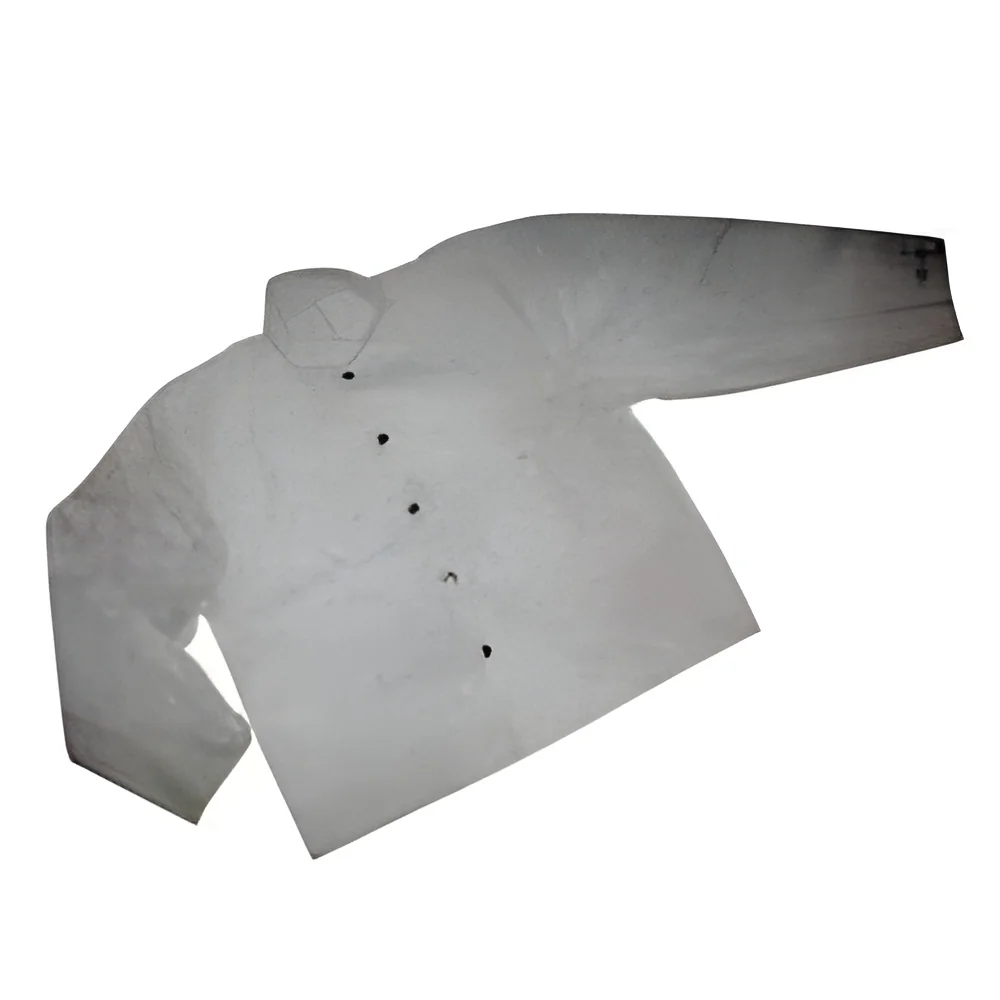
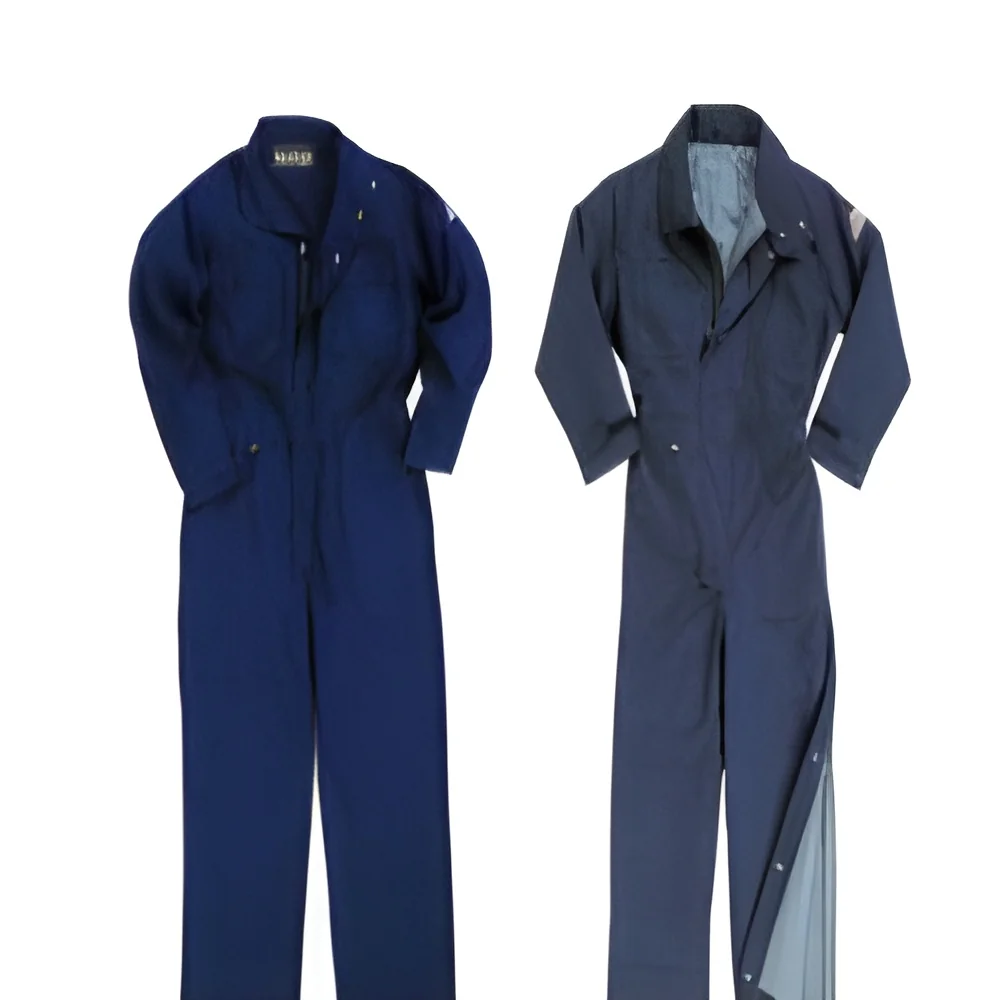
These jackets are designed with flame-retardant materials and reinforced stitching. They provide full upper body protection against heat and sparks, making them suitable for welding and metalworking.
Heat-Resistant Aprons
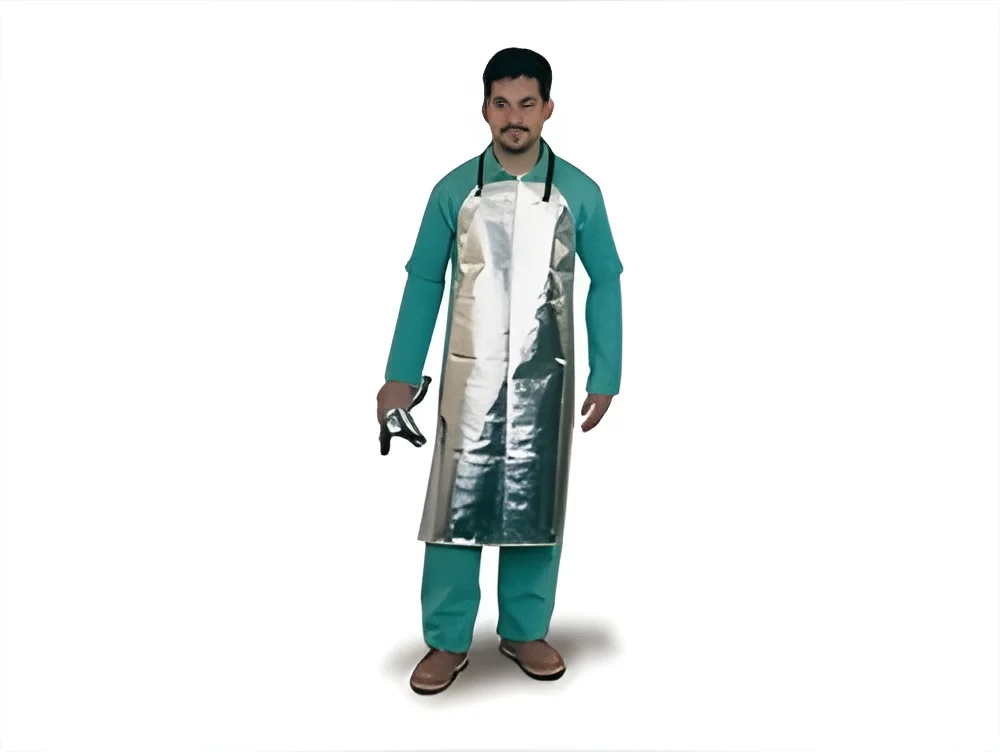
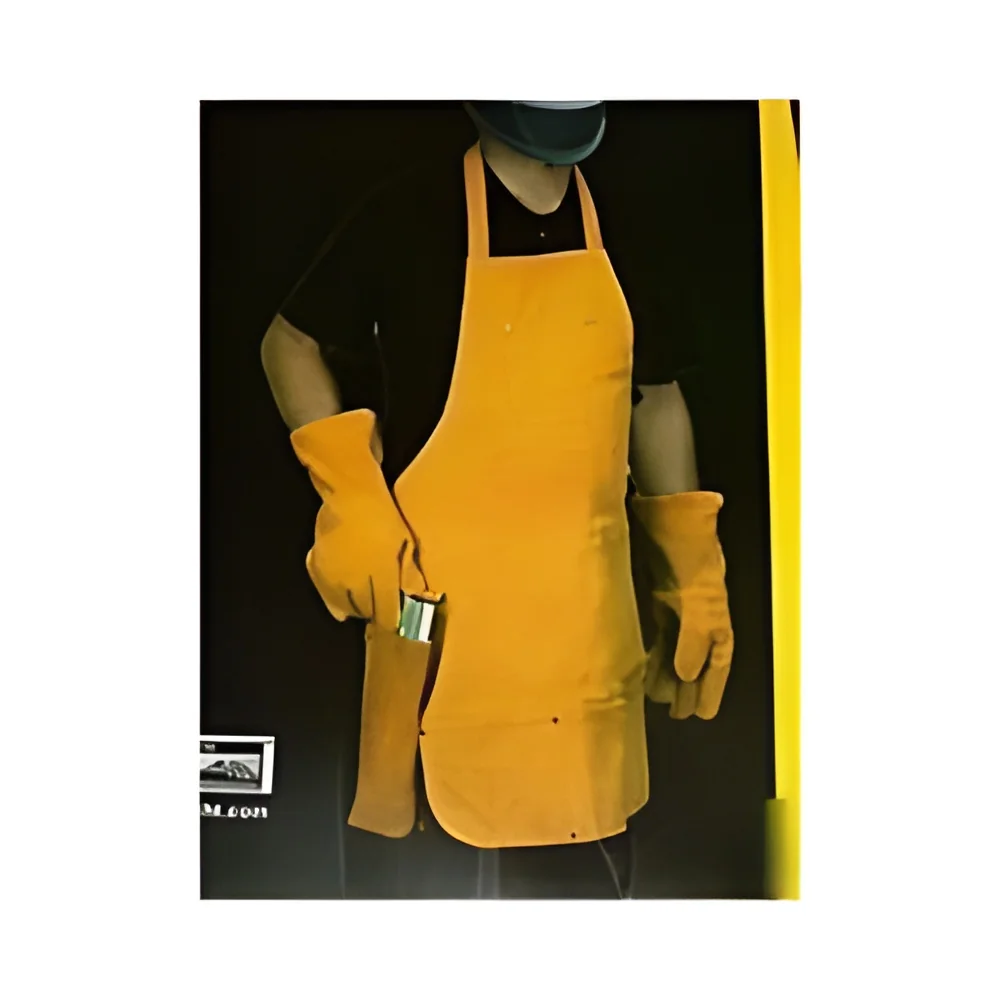
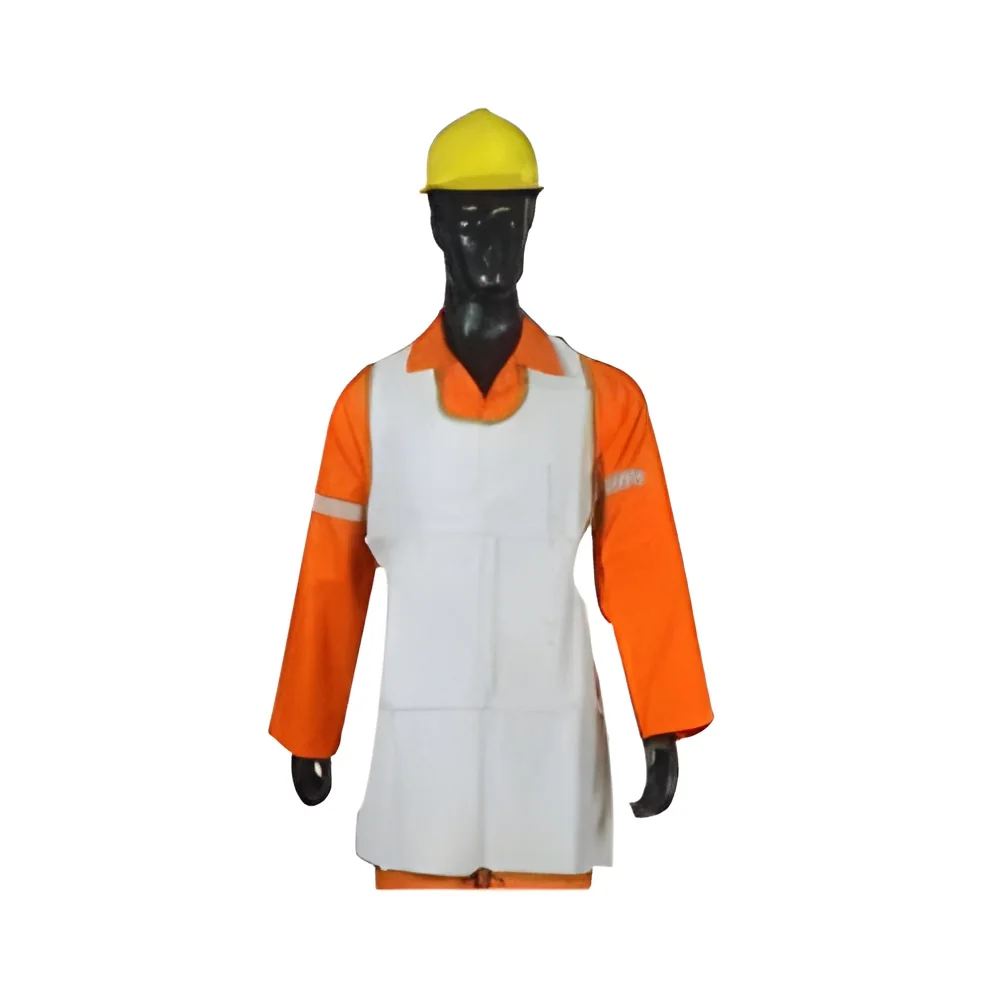
Aprons made from durable, heat-resistant materials are commonly used in foundries. They offer coverage for the front of the body while allowing for freedom of movement, ideal for tasks like metal pouring.
Protective Pants
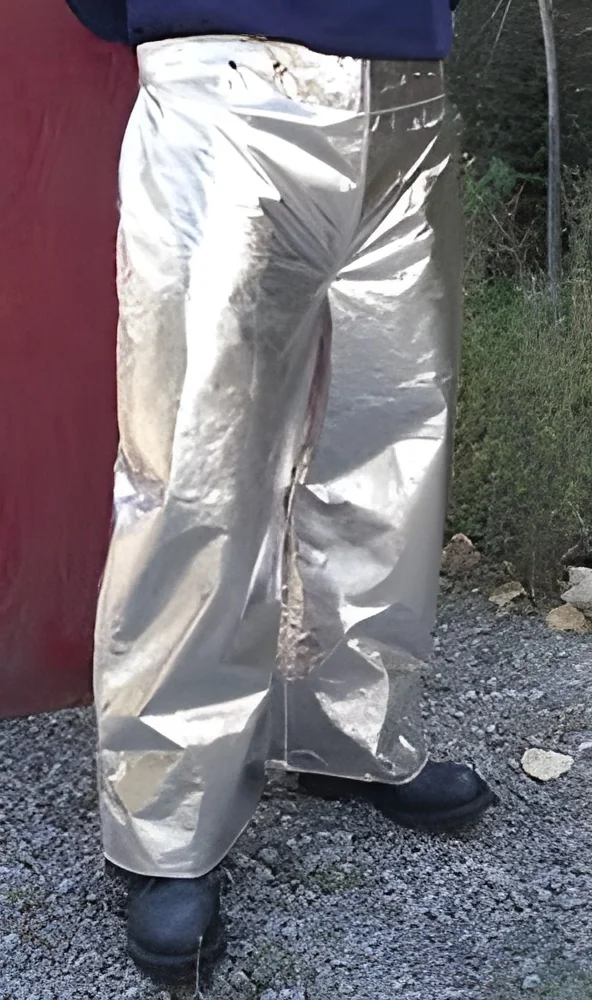
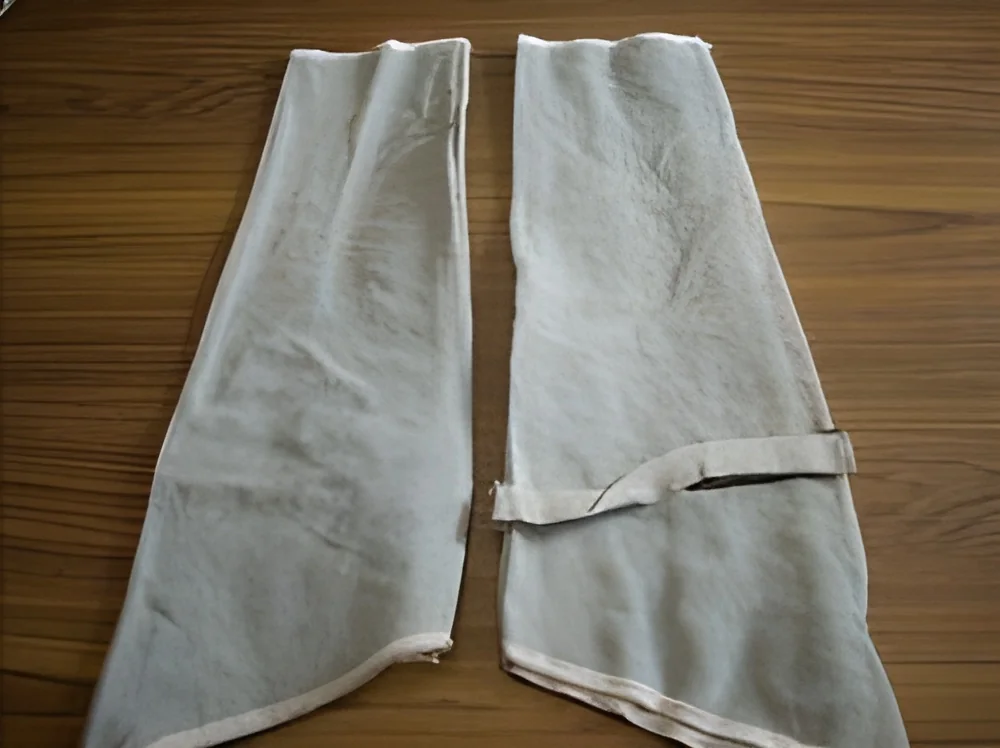
Foundry protective pants are designed to offer lower body protection. These garments often feature reinforced knees and are made from materials that resist heat and abrasions.
Full-Body Suits
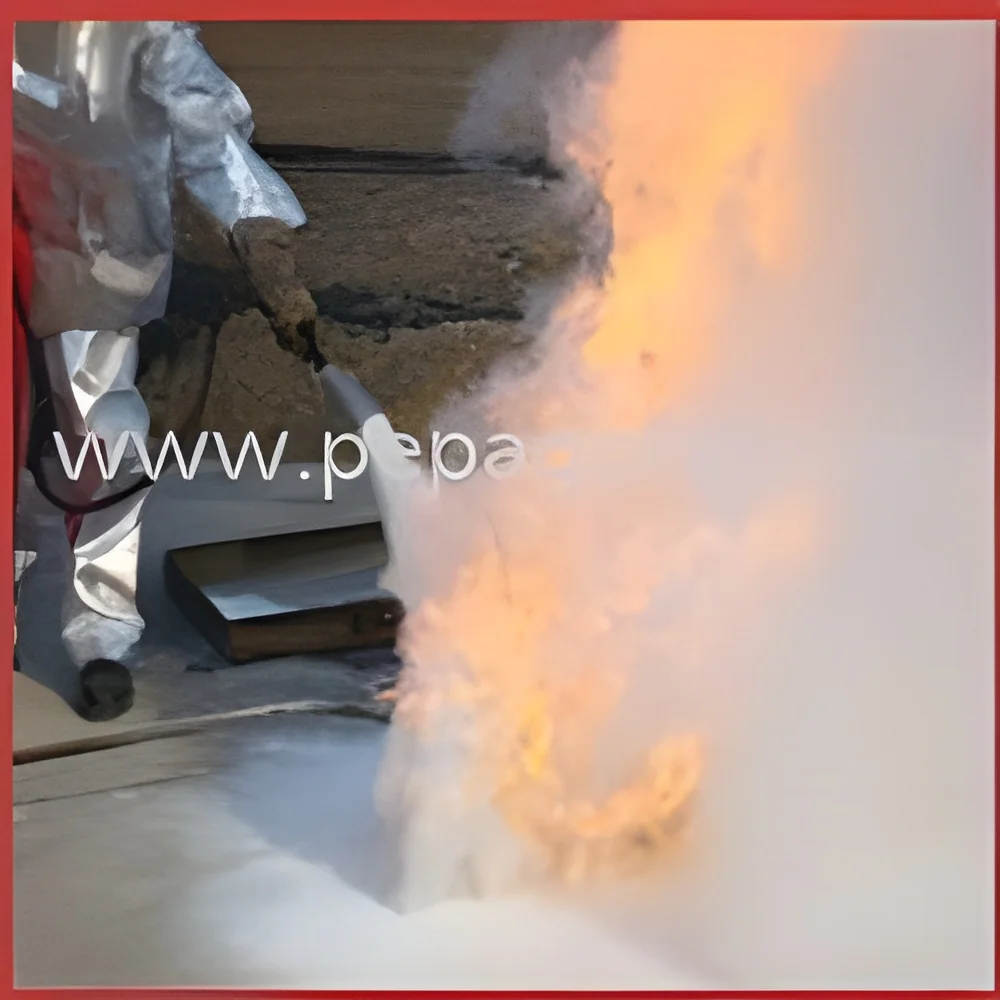
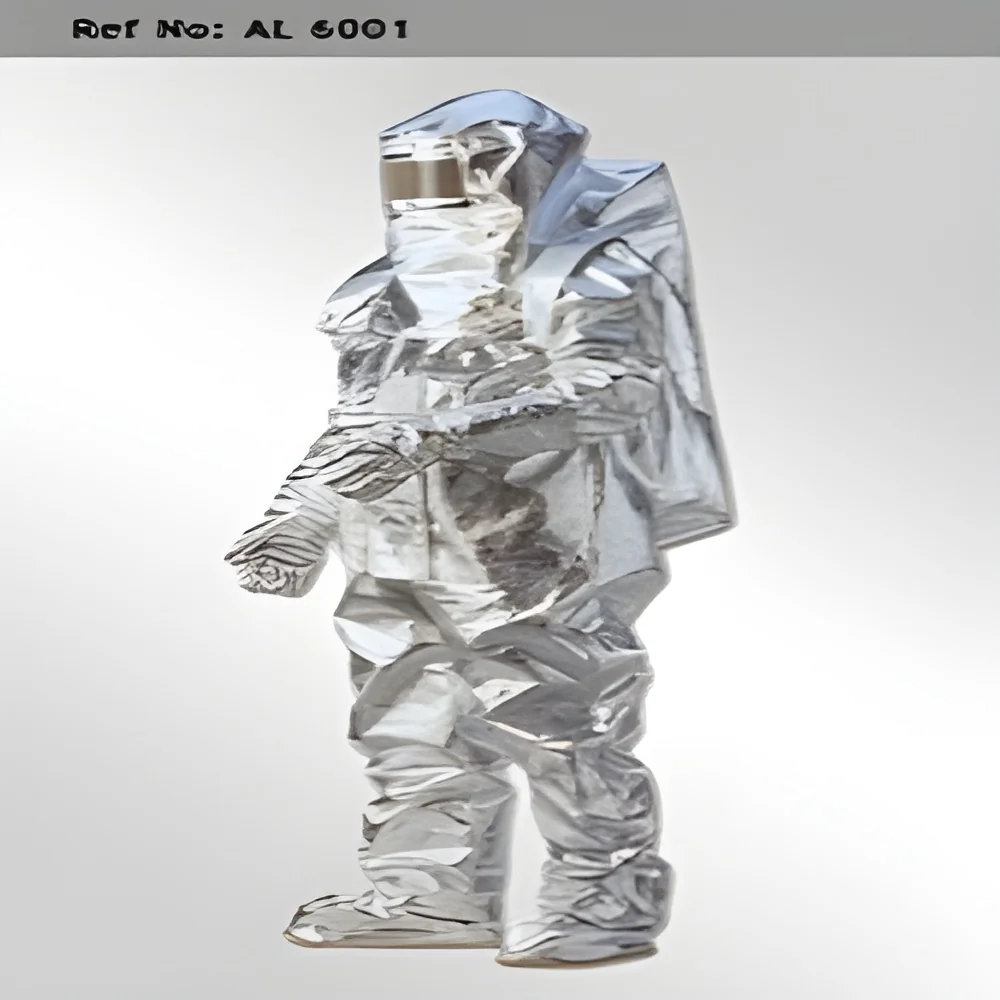
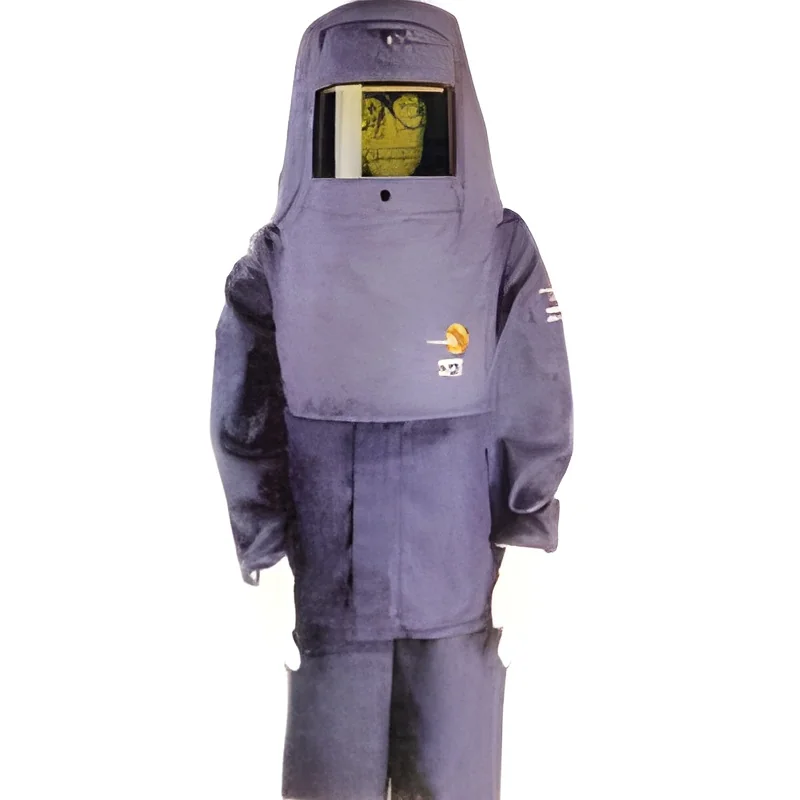
Full-body suits provide comprehensive coverage for workers in extreme heat environments. They are designed for maximum protection against molten metal splashes and other hazards.
Benefits and Advantages
Investing in foundry protective clothing offers numerous advantages for businesses and their employees.
1. Enhanced Safety: The primary benefit is the significant reduction in risk of burns and injuries, providing peace of mind for both employers and workers.
2. Compliance with Regulations: High-quality protective clothing ensures compliance with industry safety standards, helping businesses avoid penalties and maintain a safe working environment.
3. Increased Productivity: When workers feel safe, they can focus on their tasks, leading to improved productivity and efficiency in operations.
4. Durability and Longevity: These garments are designed to withstand harsh conditions, resulting in longer service life and reduced replacement costs.
5. Comfort Features: Modern designs often include moisture-wicking and breathable materials, making it easier for workers to wear the clothing for extended periods without discomfort.
6. Versatile Applications: Foundry protective clothing can be used across various industries, making it a versatile investment for businesses engaged in high-risk operations.
Buying Guide for B2B Buyers
When sourcing foundry protective clothing, it is essential for businesses to consider several key factors to ensure they make informed purchasing decisions.
1. Quality Assessment: Evaluate the fabric and construction quality. Look for garments that meet safety certifications and industry standards to ensure they provide adequate protection.
2. Supplier Verification: Vet potential suppliers to confirm their reputation and reliability. Check for reviews, certifications, and their history in supplying protective clothing to the industry.
3. Pricing and MOQ: Understand the pricing structure and minimum order quantities (MOQ) to ensure that it aligns with your budget and purchasing needs.
4. Delivery and Lead Times: Inquire about logistics and delivery times. Reliable suppliers should provide clear timelines for when you can expect your order to arrive.
5. Compliance Requirements: Ensure that the protective clothing meets all relevant safety regulations and industry standards, which can vary by region and application.
Compliance and Certifications
Compliance with safety standards is crucial in ensuring that foundry protective clothing meets the necessary requirements for worker safety. Relevant standards include ISO 9001 for quality management systems, which ensures consistent quality in manufacturing processes.
Industry certifications, such as CE marking, indicate that products adhere to European safety standards. These certifications provide an assurance of the garment's protective capabilities.
Safety and testing requirements involve rigorous assessments to evaluate the effectiveness of the clothing against thermal hazards. This may include tests for heat resistance, flame retardancy, and durability.
Additionally, regional compliance considerations must be taken into account, as different areas may have specific regulations governing workplace safety and protective gear. Understanding these requirements is vital for businesses to ensure they are providing the safest environment for their employees.
Why Source Foundry Protective Clothing from Pepagora?
Pepagora offers a trusted platform for sourcing foundry protective clothing, providing businesses with several distinct advantages.
Verified Supplier Network: Our network consists of verified suppliers known for their quality products and commitment to safety standards. This ensures that buyers can trust the sources of their protective clothing.
Streamlined RFQ Process: Pepagora features a user-friendly request-for-quotation system that simplifies the procurement process. Buyers can quickly receive quotes from multiple suppliers, allowing for informed decision-making.
Trade Assurance and Support: Our platform includes trade assurance features that protect buyers throughout the purchasing process. This support helps to mitigate risks associated with online transactions.
Regional Coverage: Pepagora covers a broad geographic area, including India, the GCC, and Southeast Asia. This regional reach allows businesses to find suppliers that are conveniently located and capable of meeting their specific needs.
By choosing Pepagora, buyers can enhance their sourcing experience and ensure they acquire quality foundry protective clothing that meets their operational safety requirements.

 IN
IN