
 IN
INCasting & Forging Equipment
689 products available
𝗪𝗵𝗮𝘁 𝗮𝗿𝗲 𝗖𝗮𝘀𝘁𝗶𝗻𝗴 & 𝗙𝗼𝗿𝗴𝗶𝗻𝗴 𝗘𝗾𝘂𝗶𝗽𝗺𝗲𝗻𝘁?
𝗞𝗲𝘆 𝗙𝗲𝗮𝘁𝘂𝗿𝗲𝘀 𝗮𝗻𝗱 𝗦𝗽𝗲𝗰𝗶𝗳𝗶𝗰𝗮𝘁𝗶𝗼𝗻𝘀
𝗖𝗼𝗺𝗺𝗼𝗻 𝗔𝗽𝗽𝗹𝗶𝗰𝗮𝘁𝗶𝗼𝗻𝘀 𝗮𝗻𝗱 𝗨𝘀𝗲 𝗖𝗮𝘀𝗲𝘀
𝗣𝗿𝗼𝗱𝘂𝗰𝘁 𝗩𝗮𝗿𝗶𝗮𝗻𝘁𝘀 𝗮𝗻𝗱 𝗦𝘂𝗯𝗰𝗮𝘁𝗲𝗴𝗼𝗿𝗶𝗲𝘀
𝗕𝗲𝗻𝗲𝗳𝗶𝘁𝘀 𝗮𝗻𝗱 𝗔𝗱𝘃𝗮𝗻𝘁𝗮𝗴𝗲𝘀
𝗕𝘂𝘆𝗶𝗻𝗴 𝗚𝘂𝗶𝗱𝗲 𝗳𝗼𝗿 𝗕𝟮𝗕 𝗕𝘂𝘆𝗲𝗿𝘀
𝗖𝗼𝗺𝗽𝗹𝗶𝗮𝗻𝗰𝗲 𝗮𝗻𝗱 𝗖𝗲𝗿𝘁𝗶𝗳𝗶𝗰𝗮𝘁𝗶𝗼𝗻𝘀
𝗪𝗵𝘆 𝗦𝗼𝘂𝗿𝗰𝗲 𝗖𝗮𝘀𝘁𝗶𝗻𝗴 & 𝗙𝗼𝗿𝗴𝗶𝗻𝗴 𝗘𝗾𝘂𝗶𝗽𝗺𝗲𝗻𝘁 𝗳𝗿𝗼𝗺 𝗣𝗲𝗽𝗮𝗴𝗼𝗿𝗮?




Frequently Asked Questions
What are Casting & Forging Equipment?
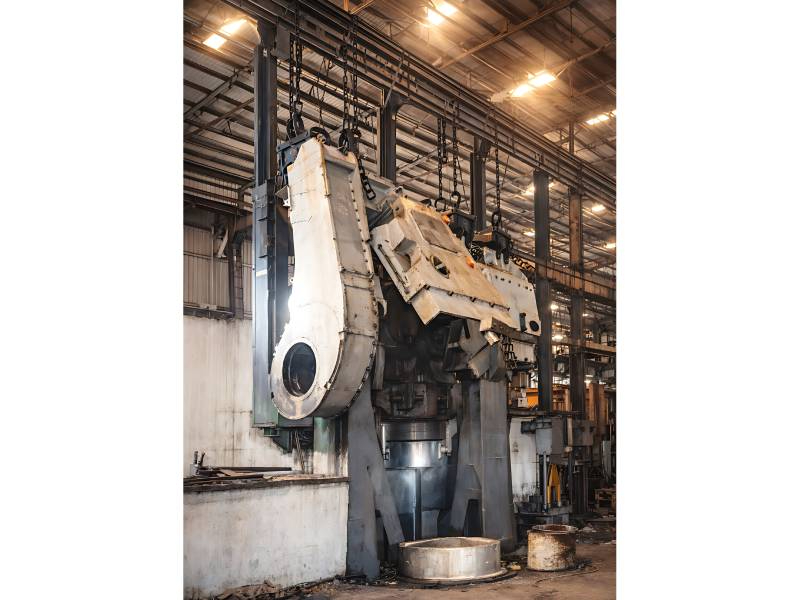
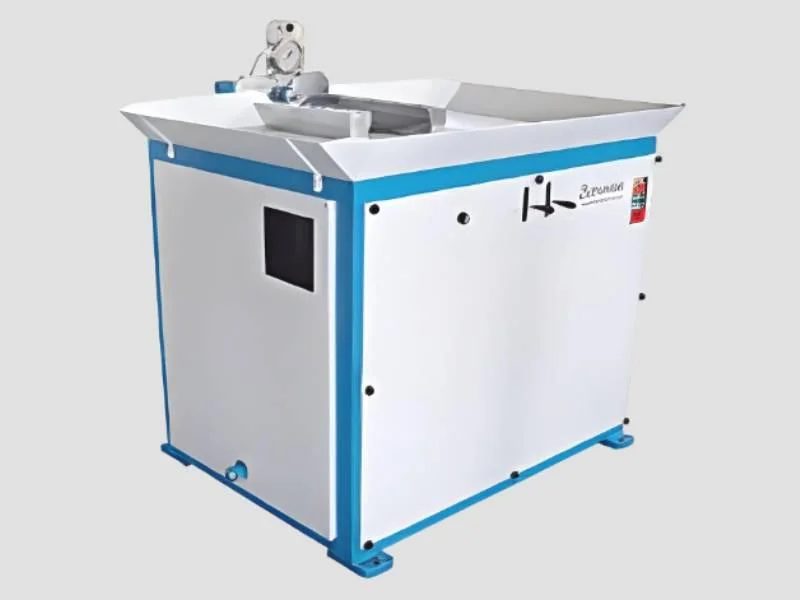
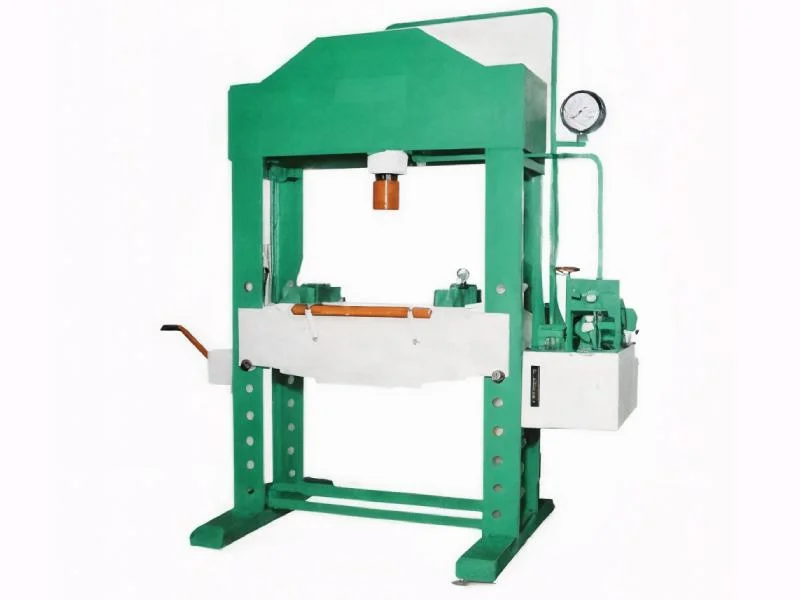
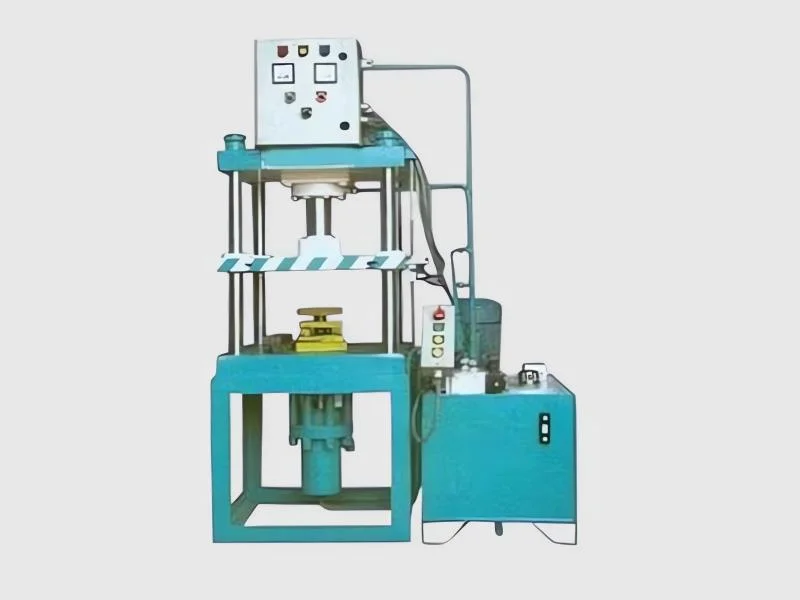
Casting & Forging Equipment refers to the machinery and tools used in the processes of shaping metals through casting and forging. Casting involves pouring molten metal into molds to create shapes, while forging involves shaping metal using compressive forces. These equipment types are vital in manufacturing sectors, including automotive, aerospace, and construction.
What are the different types of Casting & Forging Equipment?
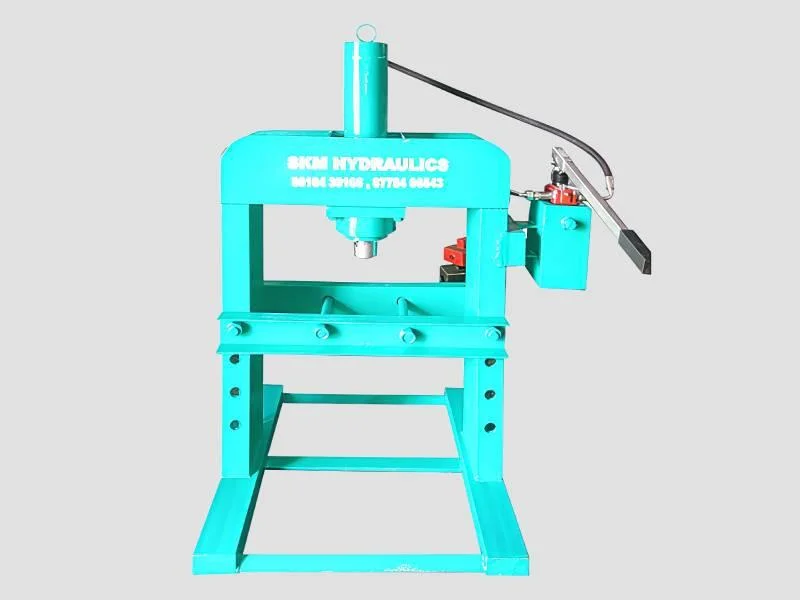
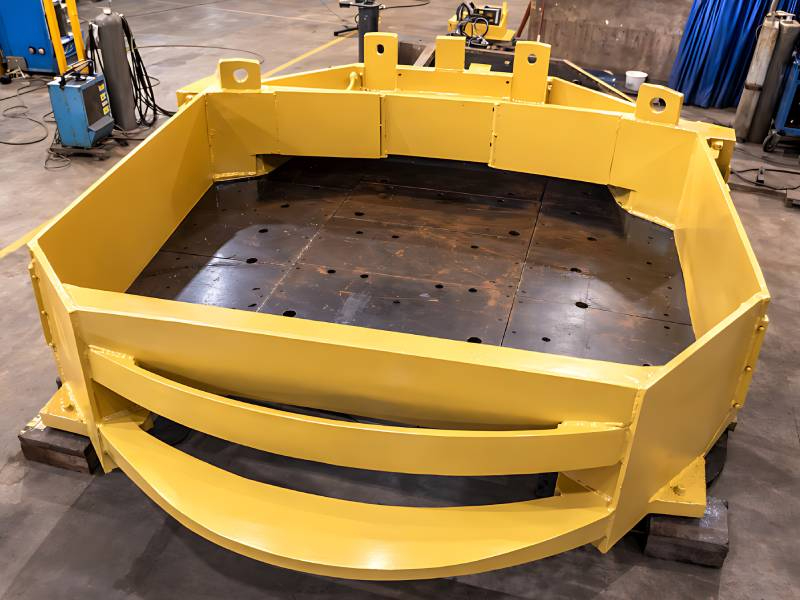
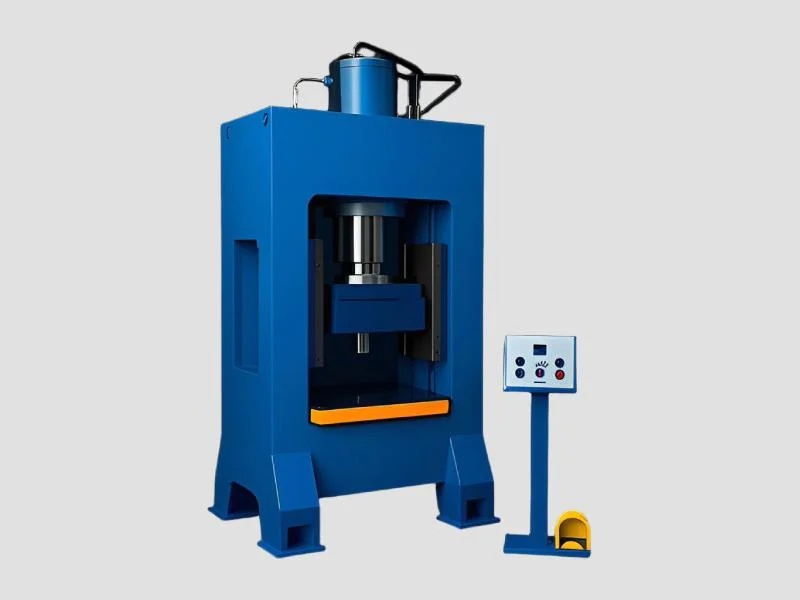
Different types of Casting & Forging Equipment include die casting machines, sand casting molds, forging presses, and induction furnaces. Each type serves specific purposes, such as high-volume production or intricate designs. Additionally, there are specialized tools for processes like investment casting and continuous casting.
How do I choose the right Casting & Forging Equipment?
Choosing the right Casting & Forging Equipment requires assessing your production needs, including the type of metal, volume, and desired finish. It's essential to consider equipment capacity, compatibility with your processes, and the level of automation. Consulting with manufacturers or industry experts can also provide valuable insights.
What are the standard specifications for Casting & Forging Equipment?
Standard specifications for Casting & Forging Equipment typically include capacity, power requirements, dimensions, and material compatibility. Additionally, equipment should comply with industry standards for safety and efficiency, such as ISO certifications. Specifications may vary based on the type of equipment and its intended use.
What is the price range for Casting & Forging Equipment?
The price range for Casting & Forging Equipment can vary significantly based on the type, size, and features. Generally, smaller machines may start at a few thousand dollars, while larger, industrial-grade equipment can cost hundreds of thousands. It's advisable to obtain quotes from multiple suppliers to compare prices.
What quality standards apply to Casting & Forging Equipment?
Quality standards for Casting & Forging Equipment typically include ISO 9001 for quality management and specific industry standards related to safety and performance. Compliance with these standards ensures the equipment meets necessary safety regulations and operates efficiently. Regular maintenance and inspections are also crucial for adhering to quality standards.
Where can I find Casting & Forging Equipment suppliers in India?
You can find Casting & Forging Equipment suppliers in India through various channels, including online B2B marketplaces like Pepagora.com, trade shows, and industry directories. Networking with industry professionals and visiting manufacturing hubs can also help you identify reputable suppliers. Conducting thorough research and reviews is essential before finalizing a supplier.
Can Casting & Forging Equipment be customized?
Yes, many manufacturers offer customization options for Casting & Forging Equipment to meet specific production requirements. Customization can include modifications in size, capacity, and features to cater to unique applications. It is advisable to discuss your needs with the supplier to explore available customization options.
What is the typical minimum order quantity for Casting & Forging Equipment?
The typical minimum order quantity (MOQ) for Casting & Forging Equipment can vary widely based on the manufacturer and type of equipment. Some suppliers may offer single units for specialized equipment, while others may require bulk orders for mass-produced items. It is recommended to check with the supplier for their specific MOQ policies.
What is the typical lead time for Casting & Forging Equipment?
The typical lead time for Casting & Forging Equipment can range from a few weeks to several months, depending on the complexity of the order and the manufacturer's production schedule. Custom orders may take longer due to design and manufacturing processes. It's important to confirm lead times with the supplier during the ordering process.
Why Businesses Trust Pepagora
Thousands of companies trust Pepagora to source smarter and sell faster
Expand Your Sales Globally

Source Smarter,Grow Faster
