
 IN
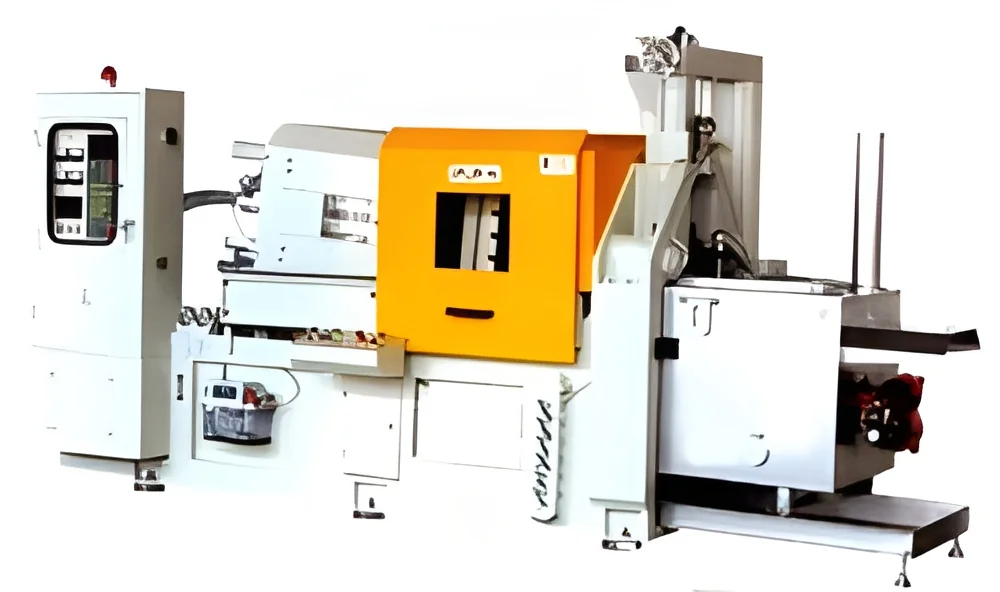
Die Casting Machines (Hot & Cold Chamber)
11 products available
Key Features and Specifications
Die casting machines are equipped with several key features that enhance their performance and efficiency. Understanding these specifications is crucial for selecting the right machine for specific manufacturing needs.
Key specifications include:
1. Machine Type
- Hot chamber or cold chamber
- Suitable for different materials based on melting points
2. Clamping Force
- Range of clamping forces available
- Determines the size and complexity of parts
3. Shot Weight
- Maximum weight of the metal shot that can be processed
- Impacts the size of the produced components
4. Cycle Time
- Average time taken for a complete cycle
- Affects production throughput and efficiency
5. Injection Pressure
- Maximum pressure applied during injection
- Critical for achieving desired part quality
6. Die Size
- Maximum die dimensions that can be accommodated
- Influences the design flexibility of parts
7. Energy Consumption
- Efficiency ratings of the machine
- Important for cost-effective operations
8. Control System
- Type of control systems used (manual, semi-automatic, automatic)
- Affects the ease of operation and precision
These features collectively contribute to the effectiveness of die casting machines in meeting manufacturing demands.
Common Applications and Use Cases
Die casting machines find applications across various industries due to their versatility and efficiency.
1. Automotive: Die casting is extensively used to produce engine components, transmission cases, and structural parts that require high strength and precision.
2. Aerospace: Components such as brackets, housings, and fittings are manufactured using die casting to ensure lightweight and durable parts.
3. Consumer Goods: Items such as electronic housings, kitchen appliances, and toys are frequently produced using die casting techniques for their intricate designs.
4. Industrial Equipment: Parts for machinery, gearboxes, and pumps are often created through die casting to meet stringent performance standards.
5. Medical Devices: Die casting is used to manufacture precise components for medical equipment that require reliability and accuracy.
6. Construction: Structural elements and fittings for construction equipment benefit from the durability and strength provided by die casting.
7. Telecommunications: Components for devices and infrastructure are produced to ensure reliability and performance in communication technology.
Product Variants and Subcategories
Die casting machines are available in various configurations to meet different industrial needs.
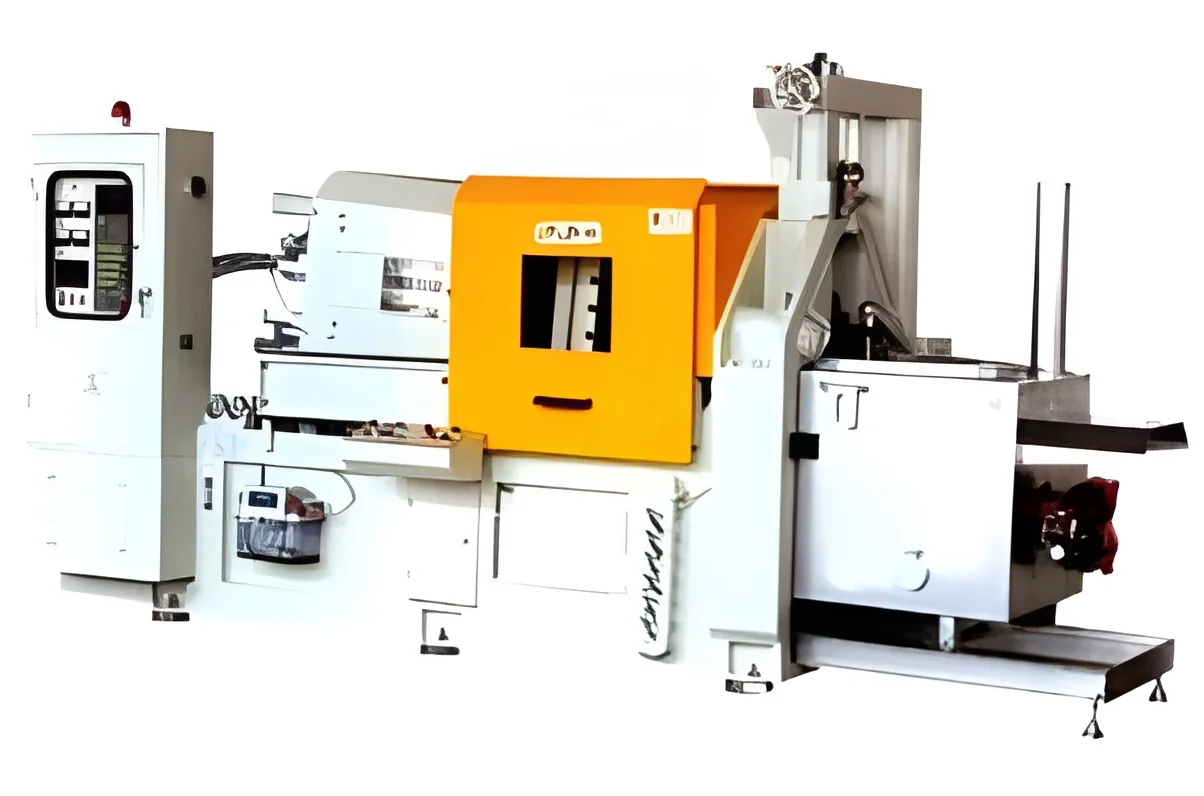
Hot Chamber Machines
Hot chamber die casting machines are ideal for metals with low melting points. They offer faster cycle times and improved efficiency for materials such as zinc and lead. Their design allows for quick injection of molten metal, making them suitable for high-volume production.
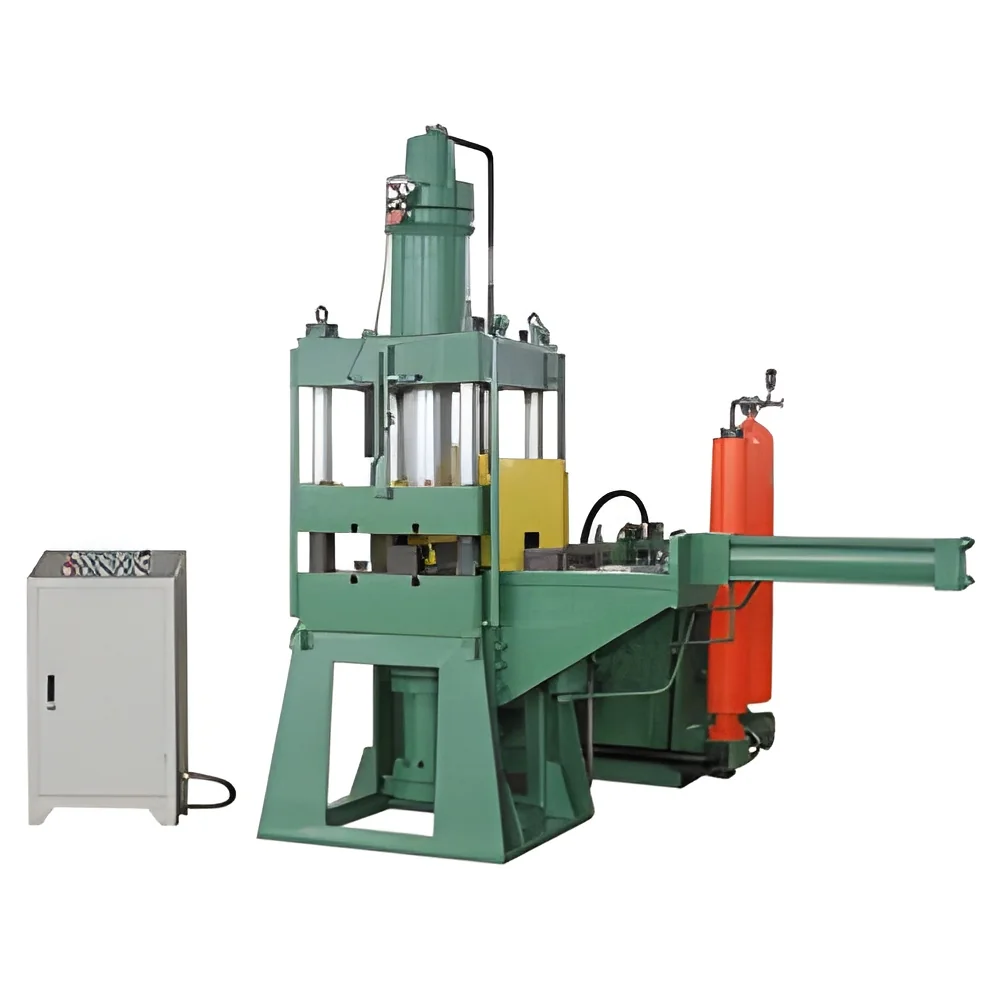
Cold Chamber Machines
Cold chamber die casting machines are designed for metals with higher melting points like aluminum. They require the metal to be melted in a separate furnace before being injected into the die, making them ideal for producing complex and high-strength components.
Benefits and Advantages
Investing in die casting machines brings several advantages to manufacturers.
1. High Precision: Die casting allows for the production of components with tight tolerances and complex geometries, reducing the need for secondary machining.
2. Cost Efficiency: The die casting process minimizes material waste and reduces production costs, especially for high-volume runs.
3. Enhanced Strength: Parts produced through die casting often exhibit superior mechanical properties, making them suitable for demanding applications.
4. Fast Production Rates: Die casting machines can produce large quantities of parts quickly, significantly improving turnaround times.
5. Versatility: The ability to work with various metals and alloys enables manufacturers to cater to diverse industry needs.
6. Improved Surface Finish: Die cast parts typically require less finishing work, resulting in a smoother surface and better overall appearance.
Buying Guide for B2B Buyers
When sourcing die casting machines, several factors should be considered to ensure the right choice for your manufacturing needs.
1. Quality Assessment: Evaluate the quality of the machines by reviewing technical specifications, performance metrics, and user feedback to ensure they meet industry standards.
2. Supplier Verification: Vet potential suppliers by checking their reputation, customer reviews, and compliance with relevant quality certifications to ensure reliability.
3. Pricing and MOQ: Understand the pricing structures and minimum order quantities offered by suppliers to assess budget compatibility.
4. Delivery and Lead Times: Inquire about logistics and lead times for delivery to plan production schedules effectively.
5. Compliance Requirements: Ensure that the machines meet regulatory compliance standards relevant to your industry and region.
Compliance and Certifications
Die casting machines must adhere to various quality standards and certifications to ensure safety and reliability.
ISO 9001 is a widely recognized quality management standard that ensures manufacturers can consistently provide products that meet customer and regulatory requirements.
CE certification indicates that the machines comply with European health, safety, and environmental protection standards, enhancing their marketability in Europe.
Safety and testing requirements are crucial in the manufacturing process, ensuring that machines operate safely and efficiently.
Regional compliance considerations may vary, necessitating manufacturers to stay informed about local regulations that affect machine operation and safety.
Why Source Die Casting Machines (Hot & Cold Chamber) from Pepagora?
Pepagora offers a trusted platform for sourcing die casting machines with numerous advantages for B2B buyers.
Verified Supplier Network: Pepagora connects buyers with a network of verified suppliers, ensuring that you can find reputable manufacturers who meet quality standards.
Streamlined RFQ Process: The platform simplifies the request for quotation (RFQ) process, allowing buyers to receive competitive pricing and terms from multiple suppliers efficiently.
Trade Assurance and Support: Buyers benefit from trade assurance policies that protect their orders, providing peace of mind throughout the procurement process.
Regional Coverage: With a strong presence in regions like India, the GCC, and Southeast Asia, Pepagora facilitates access to a broad market, ensuring that you can source the right machines for your needs.


Frequently Asked Questions
What are Die Casting Machines (Hot & Cold Chamber)?
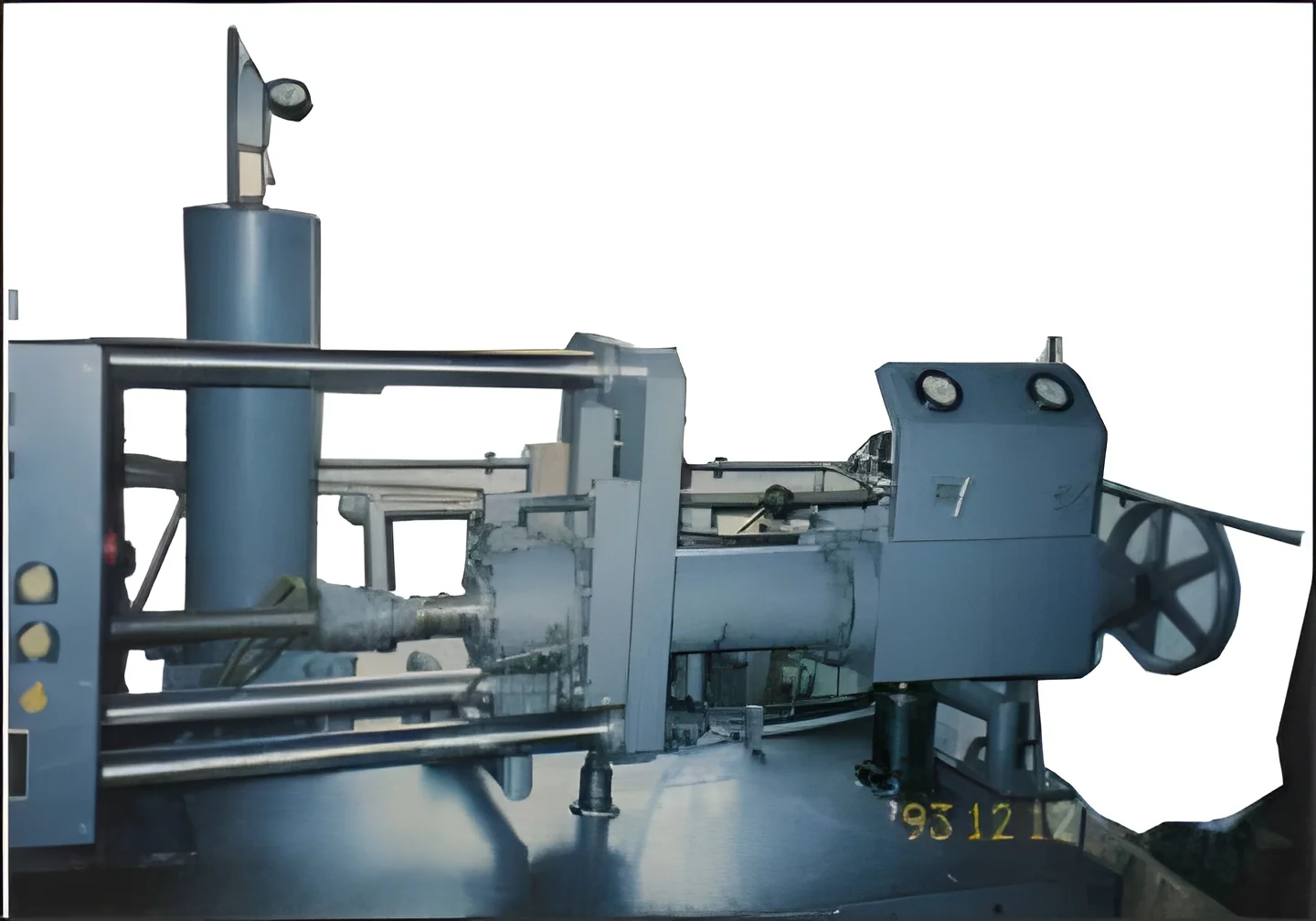
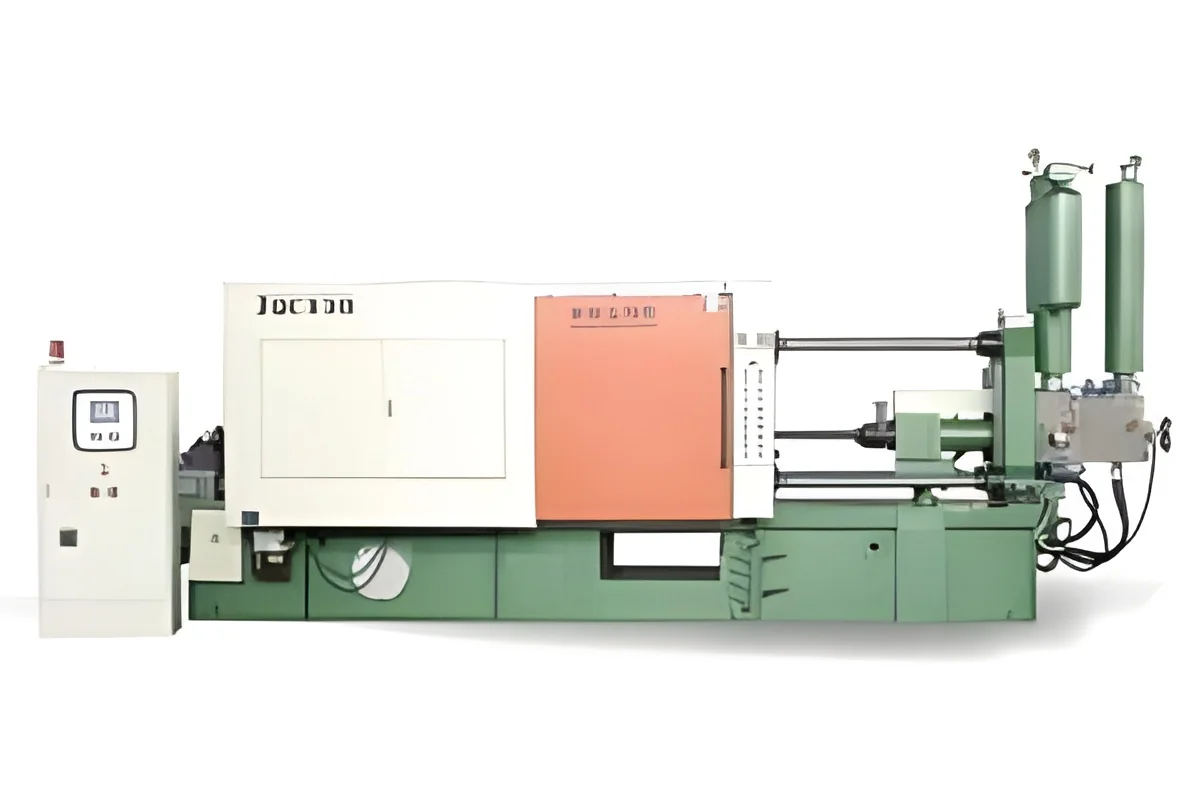
Die Casting Machines (Hot & Cold Chamber) are specialized equipment used in the metal casting process, where molten metal is forced into a mold under high pressure. Hot chamber machines are typically used for metals with lower melting points, while cold chamber machines are designed for higher melting point metals.
What are the different types of Die Casting Machines (Hot & Cold Chamber)?
The two main types of Die Casting Machines are Hot Chamber and Cold Chamber machines. Hot Chamber machines use a gooseneck to draw molten metal from a furnace directly into the chamber, while Cold Chamber machines require the molten metal to be poured manually into the chamber before the casting process begins.
How do I choose the right Die Casting Machines (Hot & Cold Chamber)?
Choosing the right Die Casting Machine depends on several factors including the type of metal being used, production volume, and the complexity of the parts being produced. It's essential to assess your specific manufacturing needs and consult with suppliers to find the best fit.
What are the standard specifications for Die Casting Machines (Hot & Cold Chamber)?
Standard specifications for Die Casting Machines include clamping force, shot weight, and cycle time, which can vary significantly based on the machine's size and type. Typical clamping forces range from a few hundred tons to several thousand tons, depending on the application.
What is the price range for Die Casting Machines (Hot & Cold Chamber)?
The price range for Die Casting Machines can vary widely based on specifications and manufacturer, typically starting from a few lakhs to several crores INR. Costs are influenced by factors such as machine size, automation features, and brand reputation.
What quality standards apply to Die Casting Machines (Hot & Cold Chamber)?
Die Casting Machines must adhere to various quality standards such as ISO 9001 for quality management systems and specific industry standards applicable to casting processes. Compliance with these standards ensures reliability and performance in manufacturing.
Where can I find Die Casting Machines (Hot & Cold Chamber) suppliers in India?
You can find Die Casting Machines suppliers in India through online B2B marketplaces, industrial trade shows, and manufacturer directories. Websites like Pepagora.com provide a platform to connect with reputable suppliers and manufacturers in the industry.
Can Die Casting Machines (Hot & Cold Chamber) be customized?
Yes, many manufacturers offer customization options for Die Casting Machines to meet specific production requirements. Customizations may include modifications to machine size, features, or additional automation to enhance productivity.
What is the typical minimum order quantity for Die Casting Machines (Hot & Cold Chamber)?
The typical minimum order quantity (MOQ) for Die Casting Machines varies by manufacturer, but it often ranges from one machine for smaller manufacturers to multiple units for larger suppliers. It's advisable to check with individual suppliers for their specific MOQ policies.
What is the typical lead time for Die Casting Machines (Hot & Cold Chamber)?
The lead time for Die Casting Machines can range from a few weeks to several months depending on the machine's specifications and the manufacturer's production schedule. Custom orders may also extend lead times, so it's important to discuss timelines with suppliers.
Why Businesses Trust Pepagora
Thousands of companies trust Pepagora to source smarter and sell faster
Expand Your Sales Globally

Source Smarter,Grow Faster
