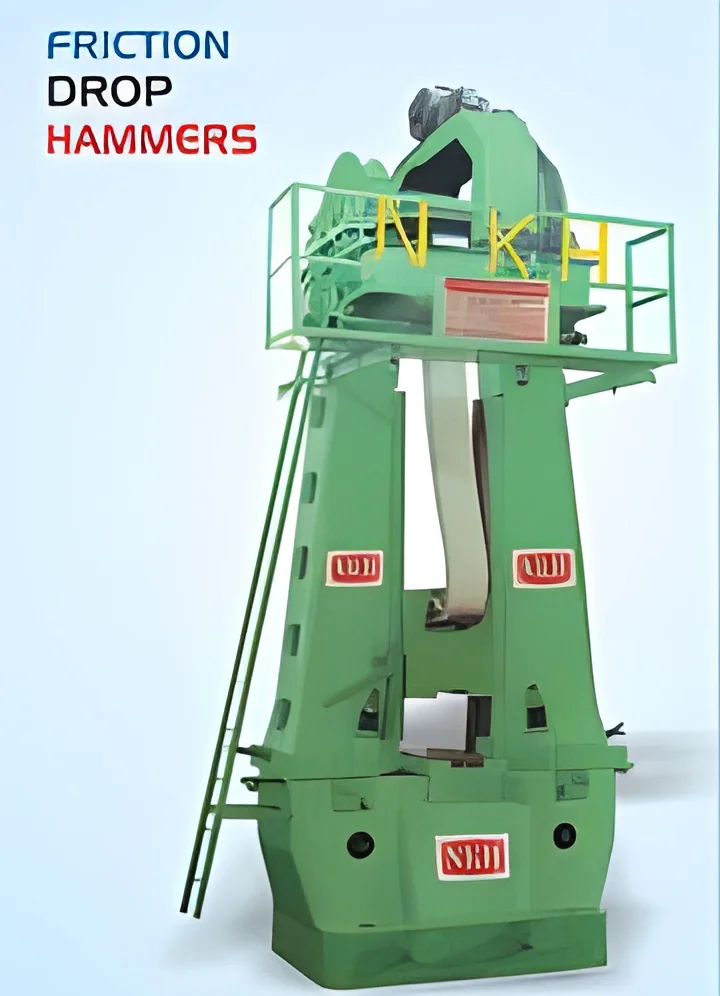
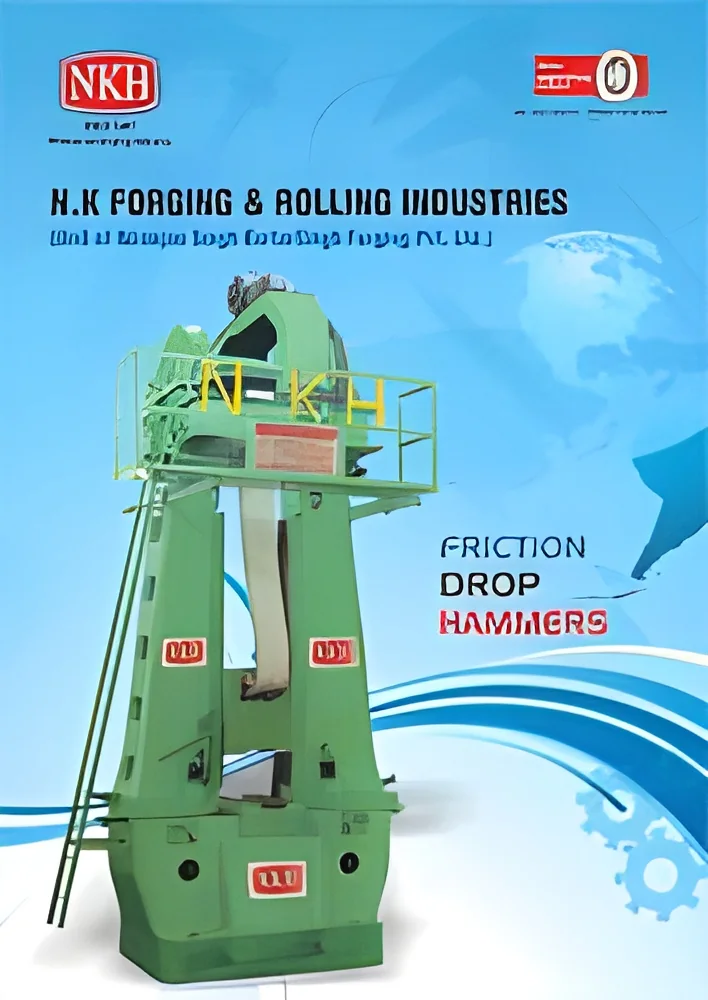
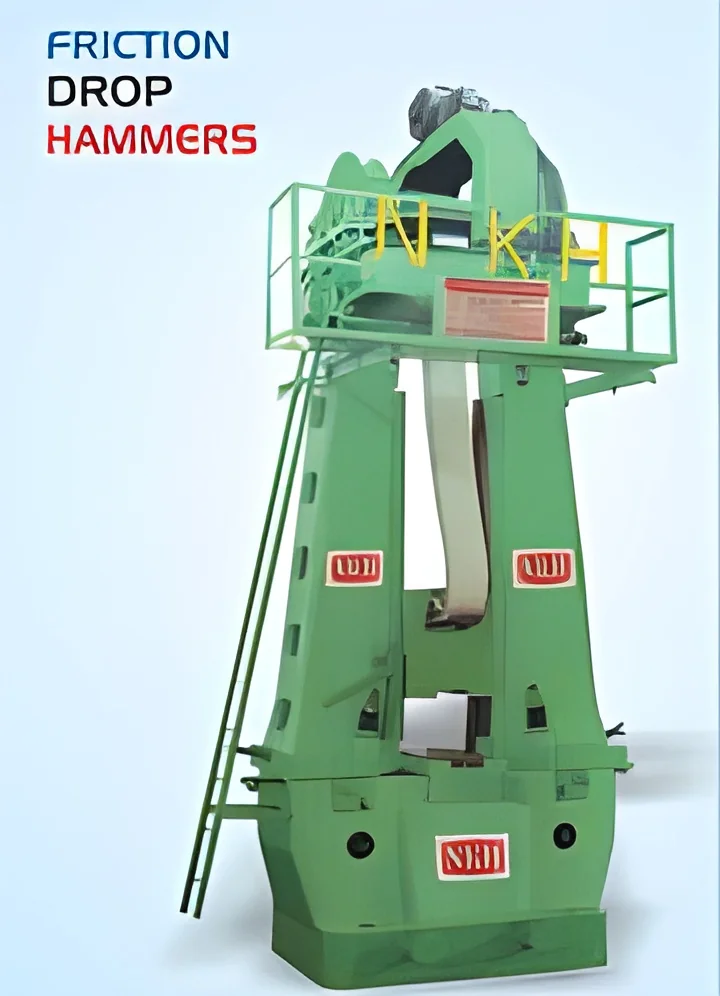
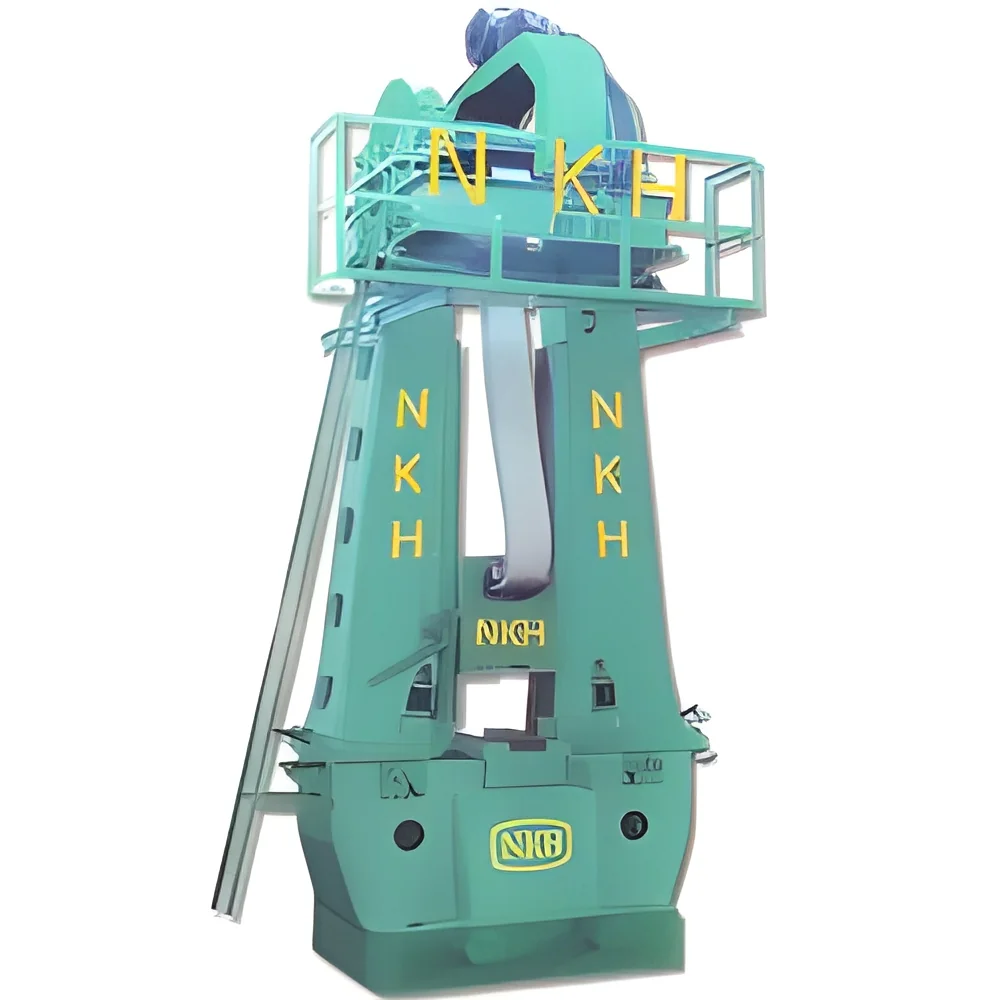
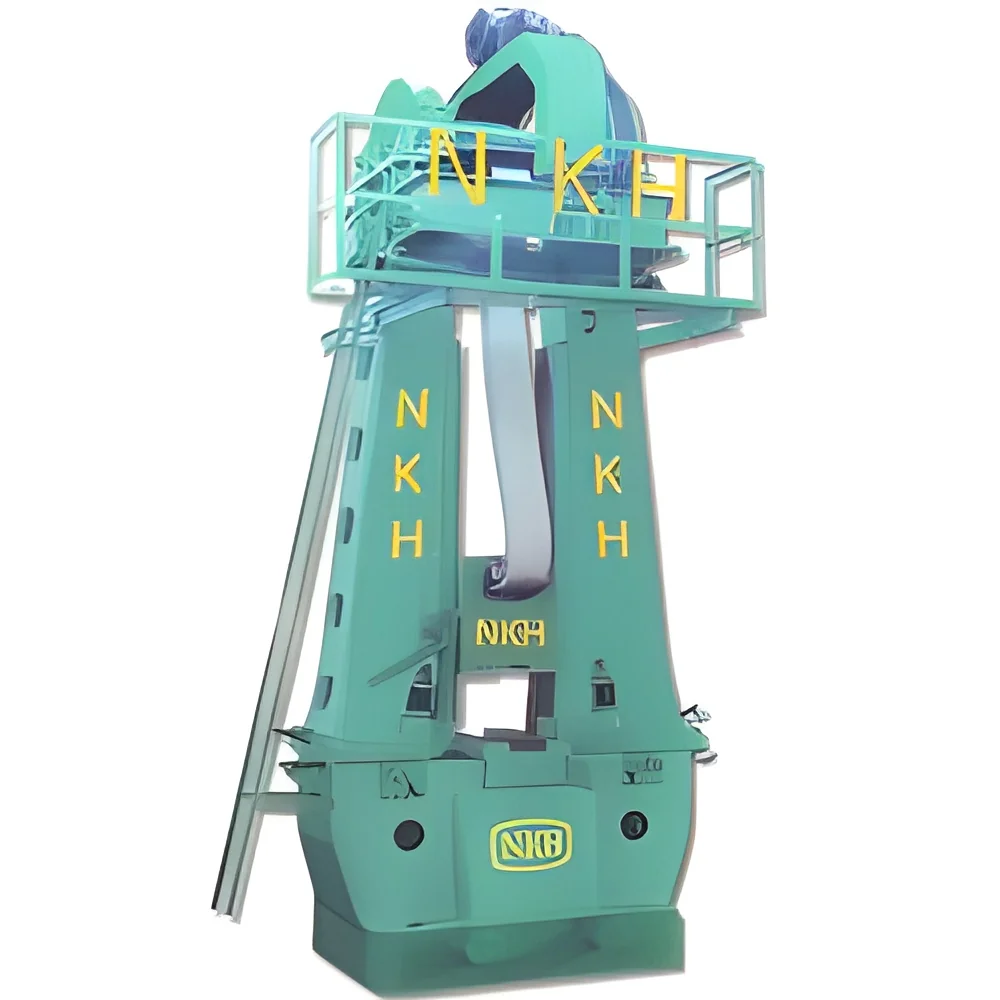
What are Drop Hammers?
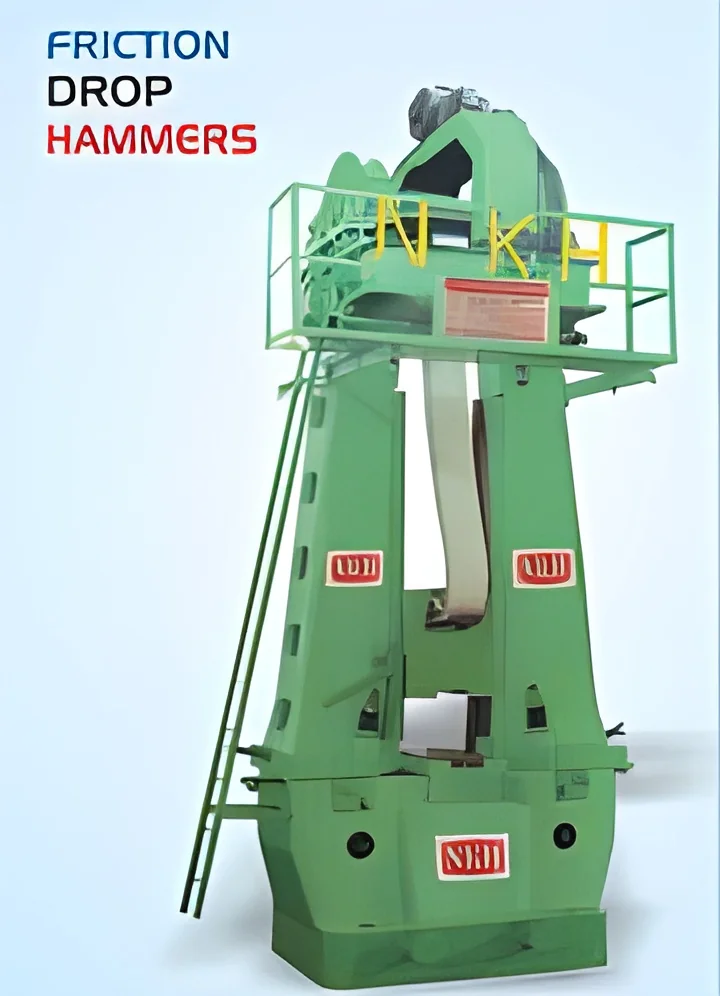
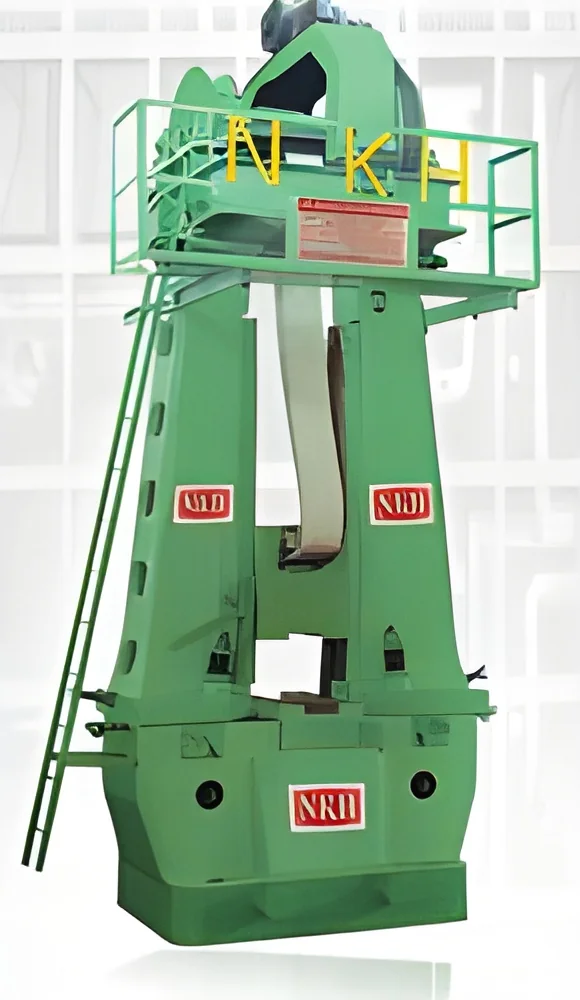
Drop hammers are powerful industrial tools designed to deliver heavy blows to materials through a falling weight. The mechanism typically consists of a hammer that is raised to a specific height and then released, allowing gravity to exert force upon impact. This process is essential in various manufacturing and construction applications, where shaping, forging, or breaking materials is required.
These tools are primarily used in industries that involve metalworking and heavy construction. Drop hammers can effectively shape metals, break concrete, and compact soil, making them versatile in their applications. They are often employed in foundries, construction sites, and metal fabrication facilities where precise and powerful impacts are necessary to achieve desired material properties.
In the current industrial landscape, drop hammers remain relevant due to their efficiency and effectiveness in material processing. As industries evolve, the demand for reliable and robust drop hammers continues to grow, ensuring that manufacturers can meet production needs and maintain high-quality standards.
Key Features and Specifications
Drop hammers come equipped with various features that enhance their performance and usability. These specifications help buyers understand the capabilities and limitations of the equipment.
Key specifications include:
1. Impact Energy
- The amount of energy delivered upon impact, typically measured in joules.
- Ranges can vary based on hammer size and application.
2. Hammer Weight
- The weight of the hammer that determines the force of impact.
- Common weight ranges from 200 kg to over 2000 kg.
3. Drop Height
- The maximum height from which the hammer can fall.
- Adjustable drop heights allow for varying impact energies.
4. Operating Speed
- The frequency at which the hammer can operate, impacting productivity.
- Typical speeds can range from 30 to 100 impacts per minute.
5. Control Mechanisms
- Systems that allow operators to adjust and control the hammer's operation.
- May include manual or automated controls for precision.
6. Frame Construction
- The materials and design used for the hammer's frame, affecting durability and stability.
- Often constructed from high-strength steel for longevity.
7. Safety Features
- Built-in safety mechanisms to protect operators and equipment.
- Includes emergency stop systems and protective enclosures.
8. Compatibility
- Compatibility with various tooling and setups to cater to specific applications.
- Ensures versatility for different industrial processes.
Overall, understanding these specifications is crucial for buyers to select the right drop hammer for their operational requirements.
Common Applications and Use Cases
Drop hammers serve a wide range of industries, each benefiting from their unique capabilities.
1. Metalworking: In metal fabrication, drop hammers are used for forging and shaping metal components, ensuring precision and consistency in production.
2. Construction: They are employed in construction for breaking concrete and compacting soil, enabling efficient site preparation and material handling.
3. Foundries: In foundries, drop hammers play a vital role in shaping castings and molds, ensuring quality and structural integrity in metal products.
4. Aerospace: Drop hammers are utilized in the aerospace industry for forming aircraft components, where strength and precision are critical.
5. Automotive: In the automotive sector, these tools help in manufacturing parts that require heavy shaping and processing, contributing to the production line's efficiency.
6. Shipbuilding: Drop hammers are used to shape metal parts and components in shipbuilding, which often require robust and durable materials.
7. Railways: They assist in the construction and repair of railway tracks by compacting ballast and shaping rail components.
Product Variants and Subcategories
Drop hammers come in various designs to meet specific operational needs.
Heavy-Duty Drop Hammers: These variants are designed for high-impact applications in industries such as construction and metalworking. They feature robust construction and can handle significant workloads without compromising performance.
Portable Drop Hammers: These are designed for mobility, allowing operators to use them in various locations. They are ideal for smaller jobs or projects where flexibility is essential.
Electric Drop Hammers: These models utilize electric power for operation, offering a quieter and more controlled impact compared to traditional models. They are suitable for environments where noise reduction is a priority.
Hydraulic Drop Hammers: These variants use hydraulic power to deliver impacts, providing greater control over force and speed. They are often used in specific applications requiring precise operations.
Benefits and Advantages
Investing in drop hammers offers numerous advantages to businesses looking to enhance their operational efficiency.
Key benefits include:
1. High Impact Force: Drop hammers provide significant force upon impact, ensuring effective material shaping and processing.
2. Versatility: They can be used across various industries and applications, making them a valuable asset for diverse operations.
3. Increased Productivity: The speed and efficiency of drop hammers can lead to higher output levels, reducing production times.
4. Durable Construction: Built with high-quality materials, drop hammers are designed for longevity, minimizing the need for frequent replacements.
5. Precision Control: Many models offer adjustable settings, allowing for tailored operations based on specific project requirements.
6. Safety Features: Equipped with various safety mechanisms, drop hammers help protect operators and reduce workplace accidents.
Buying Guide for B2B Buyers
When sourcing drop hammers, several critical factors should be considered to ensure a suitable purchase.
1. Quality Assessment: Evaluate the quality of the drop hammer based on construction materials and performance ratings. Look for certifications that indicate adherence to industry standards.
2. Supplier Verification: Vet suppliers by checking their reputation, customer reviews, and previous projects. Reliable suppliers typically have a track record of delivering high-quality equipment.
3. Pricing and MOQ: Understand the pricing models and minimum order quantities required by suppliers. This information is vital for budgeting and planning purchases.
4. Delivery and Lead Times: Inquire about the expected delivery times and logistics involved in shipping. Timely delivery is crucial to maintaining production schedules.
5. Compliance Requirements: Ensure that the drop hammer meets all regulatory and safety standards for your industry. Compliance with local and international regulations is essential for operational integrity.
Compliance and Certifications
Drop hammers need to meet various compliance and certification standards to ensure safety and quality.
ISO 9001 is a relevant quality standard that emphasizes effective quality management systems within manufacturing processes. This certification helps buyers identify suppliers committed to maintaining high production standards.
CE certification is critical for products sold in the European market, indicating conformity with health, safety, and environmental protection standards. It assures buyers that the drop hammer meets essential regulatory requirements.
Safety and testing requirements must also be adhered to, ensuring that the equipment operates safely and efficiently. Regular testing and maintenance protocols are necessary to uphold safety standards.
Regional compliance considerations may vary based on local regulations. Buyers should familiarize themselves with applicable laws to avoid potential legal issues.
Why Source Drop Hammers from Pepagora?
Pepagora provides a trusted platform for sourcing drop hammers, offering several key advantages to B2B buyers.
Verified Supplier Network: Pepagora carefully vets its suppliers, ensuring that only reputable and reliable manufacturers are featured on the platform. This verification process builds trust and confidence in the purchasing decision.
Streamlined RFQ Process: The platform simplifies the request for quotation process, allowing buyers to easily compare prices and specifications from multiple suppliers. This efficiency helps businesses make informed choices quickly.
Trade Assurance and Support: Pepagora offers trade assurance to provide buyers with protection during transactions. This support helps mitigate risks and enhances the overall purchasing experience.
Regional Coverage: With a presence in India, the GCC, and Southeast Asia, Pepagora can cater to a diverse range of buyers. This geographic reach ensures that businesses can access high-quality drop hammers regardless of their location.

 IN
IN