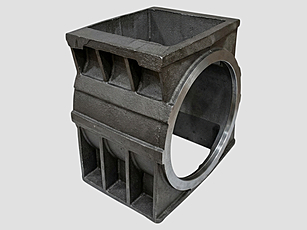
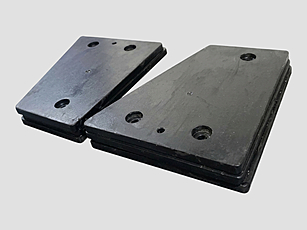
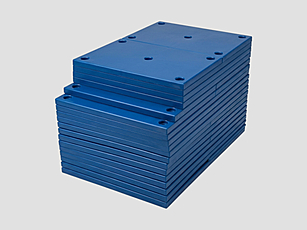
๐ช๐ต๐ฎ๐ ๐ฎ๐ฟ๐ฒ ๐๐ป๐๐ฒ๐๐๐บ๐ฒ๐ป๐ ๐๐ฎ๐๐๐ถ๐ป๐ด ๐ฃ๐ฎ๐๐๐ฒ๐ฟ๐ป๐?
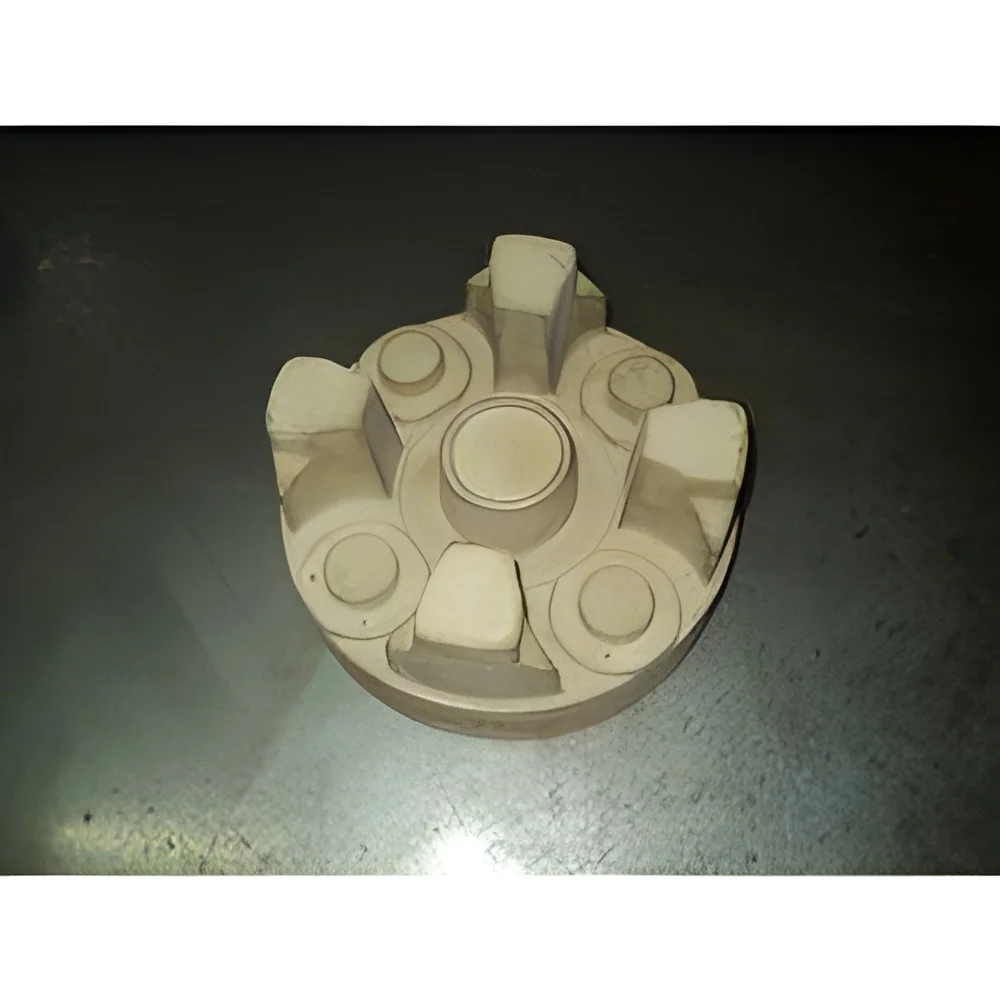
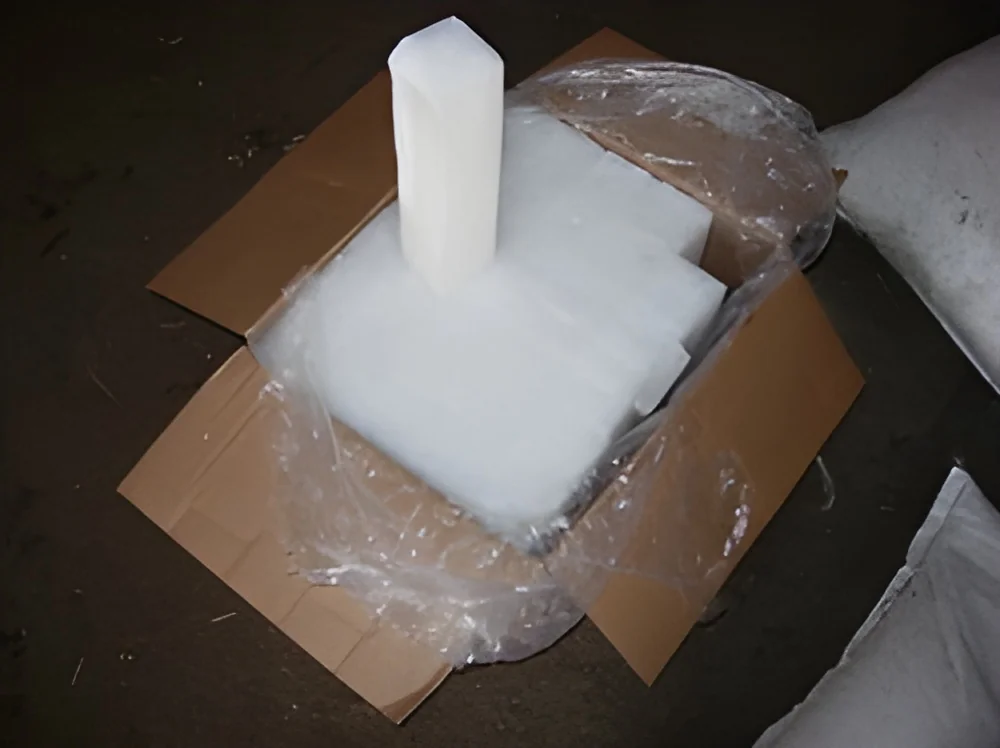
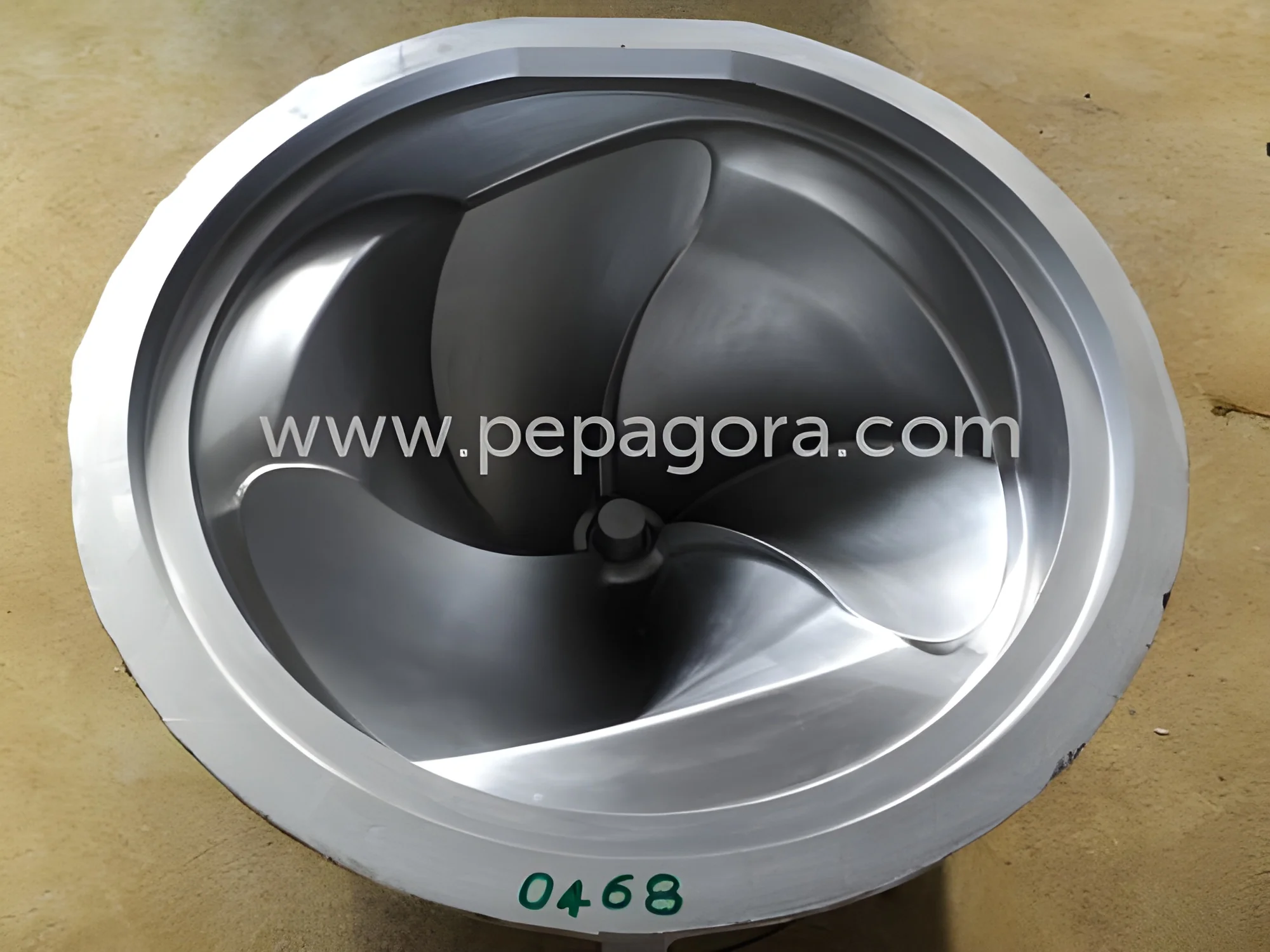
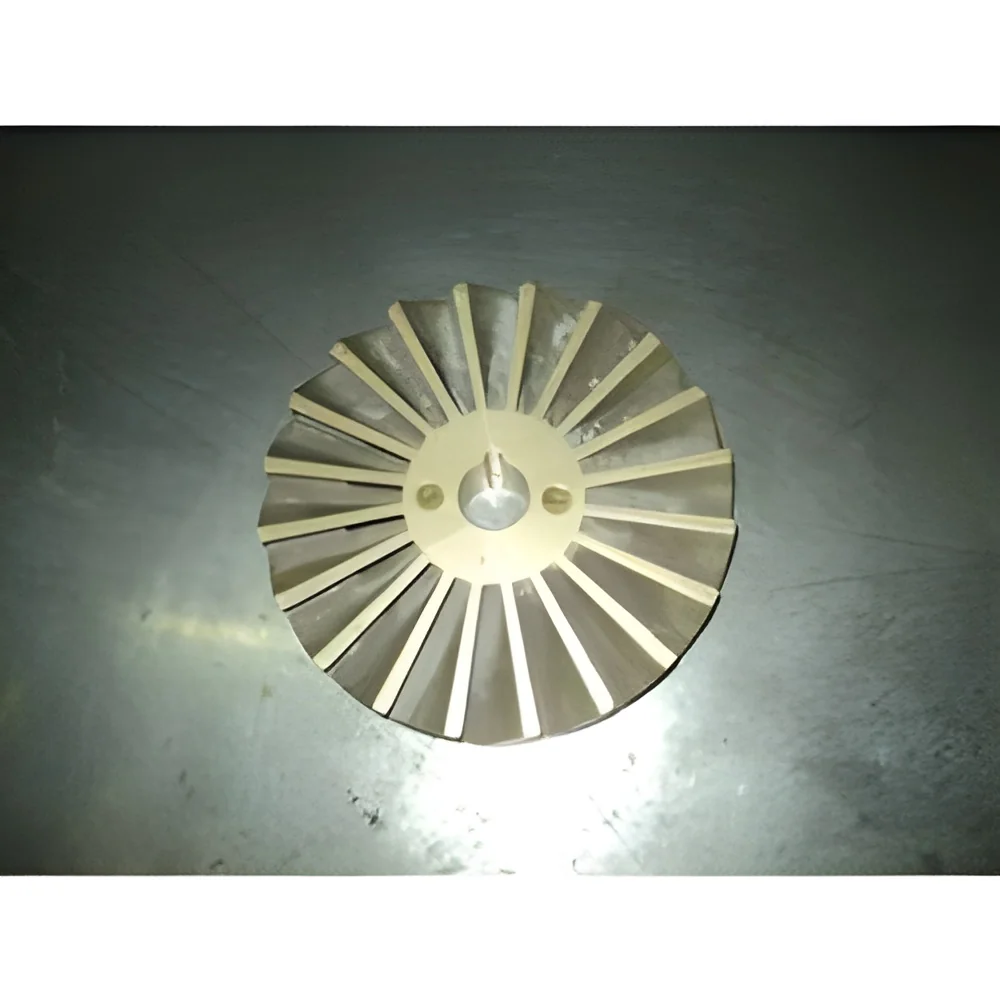
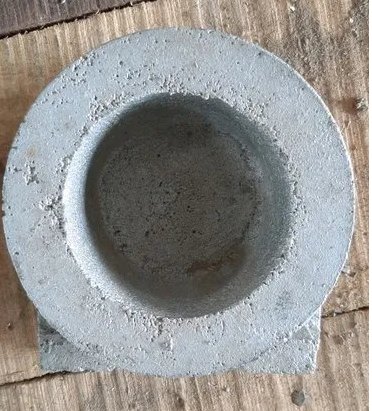
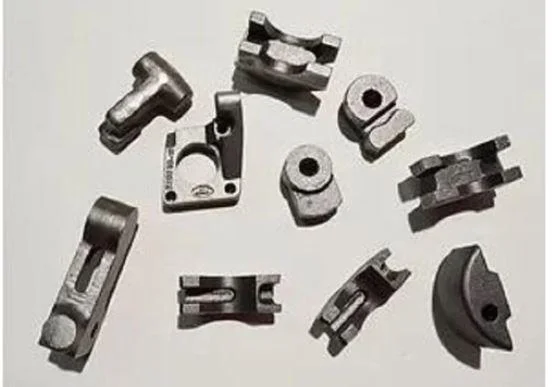
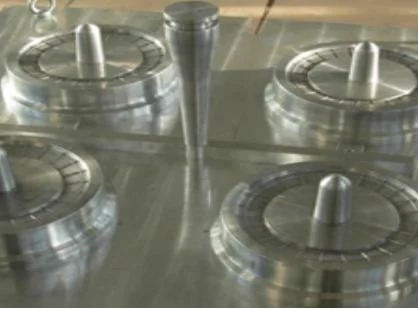
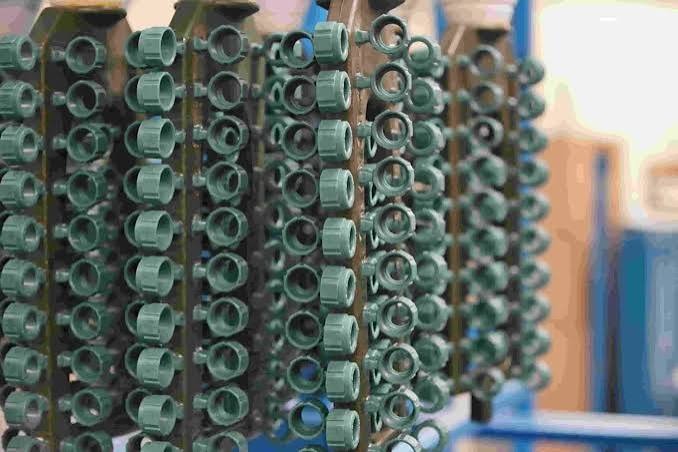
Investment casting patterns are specialized tools used to create molds for the casting process in manufacturing. They are typically made from materials such as wax or resin, which allows for high precision and detail in the final casted components. The investment casting process involves creating a shell around the pattern, melting it away, and then filling the cavity with molten metal. This method is highly valued for its ability to produce complex shapes and intricate designs that would be difficult or impossible to achieve with traditional casting methods.
These patterns are predominantly used in industries that require high-quality components, such as aerospace, automotive, and medical equipment manufacturing. They allow for reduced material waste and enhanced surface finish, making them ideal for producing parts that demand tight tolerances and superior quality. As a result, investment casting patterns play a crucial role in streamlining production processes and improving overall efficiency in various sectors.
The relevance of investment casting patterns in the current market is significant. With advancements in manufacturing technologies, the demand for precision-engineered components is rising. Industries are increasingly turning to investment casting as a preferred method due to its cost-effectiveness and capability of producing lightweight yet durable parts. This trend positions investment casting as a vital component in the supply chains of numerous industrial applications.
๐๐ฒ๐ ๐๐ฒ๐ฎ๐๐๐ฟ๐ฒ๐ ๐ฎ๐ป๐ฑ ๐ฆ๐ฝ๐ฒ๐ฐ๐ถ๐ณ๐ถ๐ฐ๐ฎ๐๐ถ๐ผ๐ป๐
Investment casting patterns come with several key features that enhance their performance in manufacturing processes. Understanding these specifications helps businesses select the most suitable patterns for their needs.
Key specifications include:
1. Material Composition
- Patterns can be made from wax, plastic, or metal.
- Each material offers distinct advantages in detail, strength, and melting properties.
2. Dimensional Accuracy
- High precision is typically within ยฑ0.1 mm.
- Critical for applications requiring tight tolerances.
3. Surface Finish
- Patterns can achieve surface finishes as low as Ra 0.8 ยตm.
- Results in less post-processing work and better final product quality.
4. Temperature Resistance
- Patterns are designed to withstand high temperatures during the casting process.
- Specific temperature ratings are dependent on material used.
5. Design Complexity
- Capable of producing intricate designs with fine details.
- Suitable for complex geometries that traditional methods cannot achieve.
6. Reusability
- Some patterns can be reused multiple times, depending on material and design.
- Reduces overall production costs.
7. Customization Options
- Patterns can often be tailored to meet specific client requirements.
- This flexibility supports diverse industrial applications.
Investment casting patterns are essential in enhancing production capabilities and ensuring high-quality outputs.
๐๐ผ๐บ๐บ๐ผ๐ป ๐๐ฝ๐ฝ๐น๐ถ๐ฐ๐ฎ๐๐ถ๐ผ๐ป๐ ๐ฎ๐ป๐ฑ ๐จ๐๐ฒ ๐๐ฎ๐๐ฒ๐
Investment casting patterns are utilized across various industries due to their versatility and precision.
1. Aerospace: Investment casting is crucial for producing lightweight yet strong components like turbine blades and structural parts, which are essential for improving aircraft performance.
2. Automotive: Patterns are employed to manufacture complex engine components, transmission parts, and other critical elements that require high durability and precision.
3. Medical Equipment: Investment casting patterns are used to create intricate surgical instruments and implants, ensuring high standards of quality and safety.
4. Oil and Gas: The industry uses these patterns to produce valves, fittings, and other components that must withstand harsh conditions and maintain integrity.
5. Defense: High-performance components for military equipment and vehicles are often produced using investment casting, ensuring reliability and durability.
6. Electronics: Investment casting patterns are used to manufacture precise housings and components for various electronic devices, where detail and accuracy are paramount.
7. Marine: Components for boats and marine engines are produced using these patterns, providing the necessary strength and resistance to corrosion.
๐ฃ๐ฟ๐ผ๐ฑ๐๐ฐ๐ ๐ฉ๐ฎ๐ฟ๐ถ๐ฎ๐ป๐๐ ๐ฎ๐ป๐ฑ ๐ฆ๐๐ฏ๐ฐ๐ฎ๐๐ฒ๐ด๐ผ๐ฟ๐ถ๐ฒ๐
Investment casting patterns come in various forms to cater to specific manufacturing requirements.
Wax Patterns: Wax patterns are commonly used in the lost-wax method of investment casting. They provide high detail and are easy to remove after the mold is created.
Plastic Patterns: These patterns offer excellent dimensional stability and are used for applications that require a high degree of accuracy. They can be produced quickly and are suitable for short production runs.
Metal Patterns: For high-volume production, metal patterns provide durability and can withstand repeated use. They are often used in industries where precision and strength are critical.
๐๐ฒ๐ป๐ฒ๐ณ๐ถ๐๐ ๐ฎ๐ป๐ฑ ๐๐ฑ๐๐ฎ๐ป๐๐ฎ๐ด๐ฒ๐
Investment casting patterns provide numerous benefits to manufacturers and industries.
1. Enhanced Precision: Investment casting patterns allow for tight tolerances, ensuring that parts fit together accurately.
2. Reduced Waste: The process minimizes material waste, making it more environmentally friendly compared to traditional casting methods.
3. Complex Geometries: Patterns can create intricate designs that are difficult to achieve through other manufacturing techniques.
4. High-Quality Surface Finish: Investment casting produces components with superior surface finishes, reducing the need for extensive post-processing.
5. Cost-Effectiveness: While initial setup costs may be higher, the efficiency and reduced waste lead to lower overall production costs in the long run.
6. Versatility: Investment casting patterns can be customized for a wide range of applications across various industries, providing flexibility in production.
๐๐๐๐ถ๐ป๐ด ๐๐๐ถ๐ฑ๐ฒ ๐ณ๐ผ๐ฟ ๐๐ฎ๐ ๐๐๐๐ฒ๐ฟ๐
When sourcing investment casting patterns, there are several key factors to consider for making informed decisions.
1. Quality Assessment: Ensure that the patterns meet industry standards for precision and durability. Look for suppliers who provide quality certifications and adhere to recognized manufacturing processes.
2. Supplier Verification: Vet suppliers to confirm their reliability and reputation in the market. Check for customer reviews, past projects, and adherence to compliance standards.
3. Pricing and MOQ: Understand the pricing structure and minimum order quantities (MOQ) required by suppliers. Compare costs while considering the quality of the patterns offered.
4. Delivery and Lead Times: Inquire about lead times and shipping options. Timely delivery is crucial for maintaining production schedules.
5. Compliance Requirements: Ensure that the patterns comply with relevant industry regulations and safety standards. Familiarize yourself with any certifications that may be necessary for your specific application.
๐๐ผ๐บ๐ฝ๐น๐ถ๐ฎ๐ป๐ฐ๐ฒ ๐ฎ๐ป๐ฑ ๐๐ฒ๐ฟ๐๐ถ๐ณ๐ถ๐ฐ๐ฎ๐๐ถ๐ผ๐ป๐
Investment casting patterns must adhere to various regulations and standards to ensure quality and safety.
ISO 9001 is a widely recognized standard that outlines requirements for a quality management system. This certification ensures that manufacturers consistently provide products that meet customer and regulatory requirements.
CE certification indicates that the product meets European health, safety, and environmental protection standards. This is essential for patterns used in industries operating within or exporting to Europe.
Safety and testing requirements are critical in the investment casting process. Manufacturers should conduct rigorous testing to ensure that patterns can withstand the pressures and temperatures associated with casting.
Regional compliance considerations may vary based on local regulations. It is essential for manufacturers to stay updated on compliance requirements specific to the regions they operate in.
๐ช๐ต๐ ๐ฆ๐ผ๐๐ฟ๐ฐ๐ฒ ๐๐ป๐๐ฒ๐๐๐บ๐ฒ๐ป๐ ๐๐ฎ๐๐๐ถ๐ป๐ด ๐ฃ๐ฎ๐๐๐ฒ๐ฟ๐ป๐ ๐ณ๐ฟ๐ผ๐บ ๐ฃ๐ฒ๐ฝ๐ฎ๐ด๐ผ๐ฟ๐ฎ?
Pepagora offers a reliable platform for sourcing investment casting patterns, providing several advantages to buyers.
Verified Supplier Network: Pepagora ensures that all suppliers in its network are thoroughly vetted for quality and reliability. This verification process gives buyers confidence in the products they source.
Streamlined RFQ Process: The platform features a streamlined Request for Quotation (RFQ) system, allowing buyers to easily compare offers and find the best solutions for their needs.
Trade Assurance and Support: Pepagora provides trade assurance, protecting buyers against potential issues with suppliers. This support ensures a smooth transaction process.
Regional Coverage: With a strong presence in India, the Gulf Cooperation Council (GCC), and Southeast Asia, Pepagora facilitates access to a wide range of suppliers, making it easier for companies to find the right investment casting patterns for their specific applications.