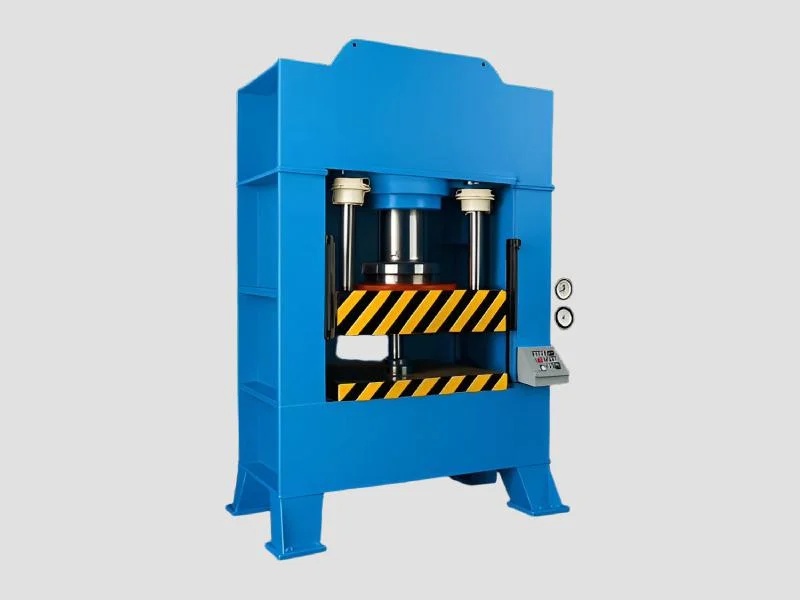
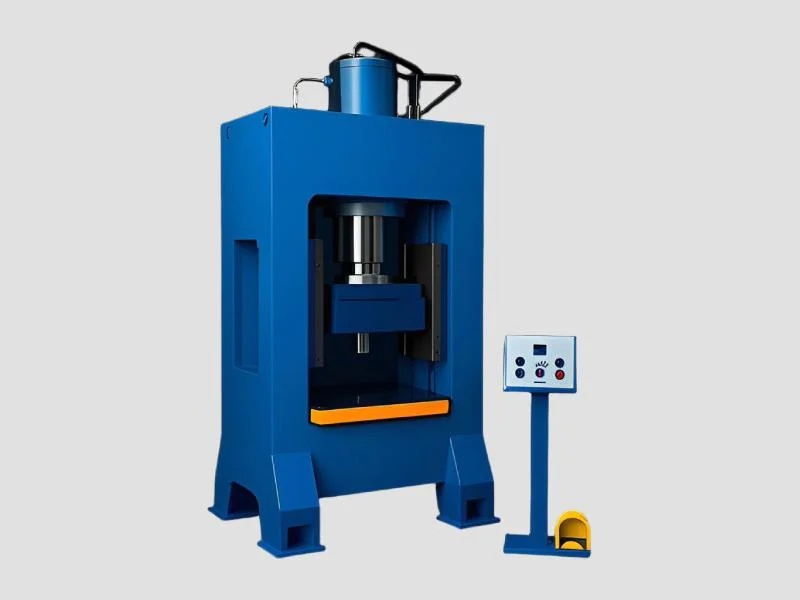
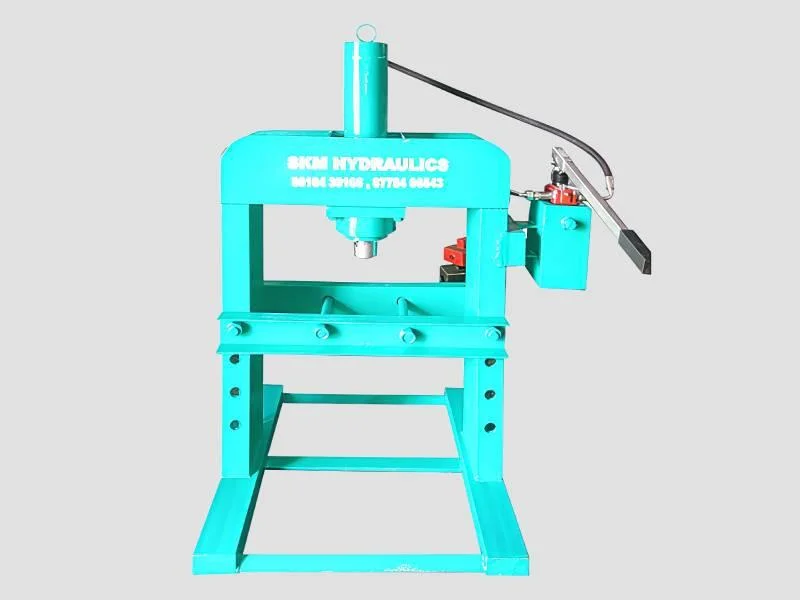
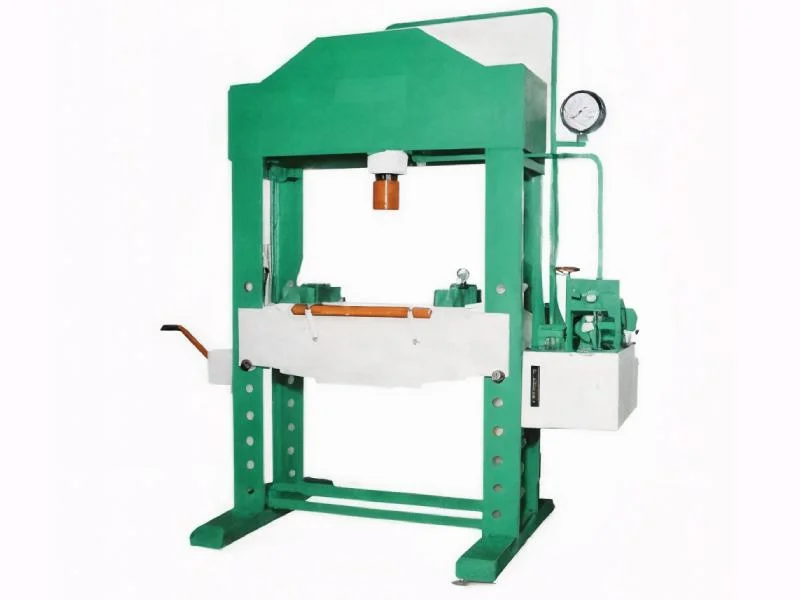
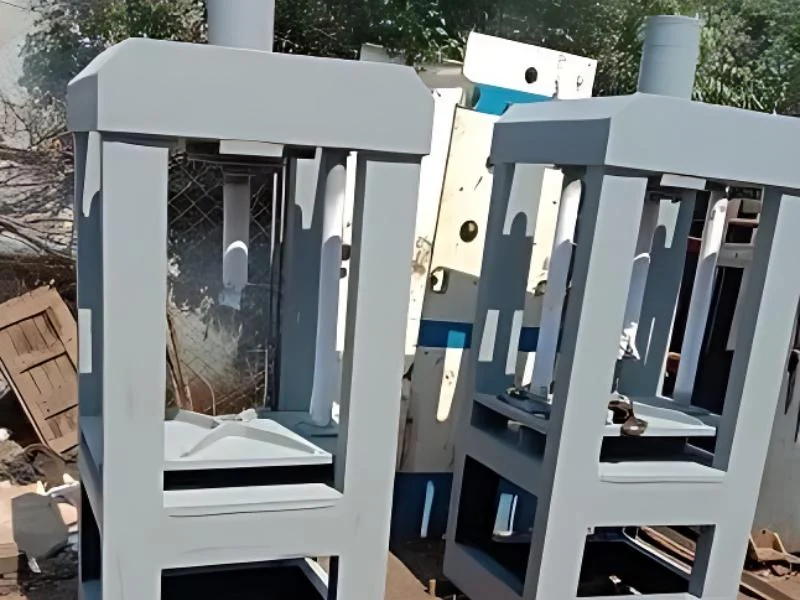
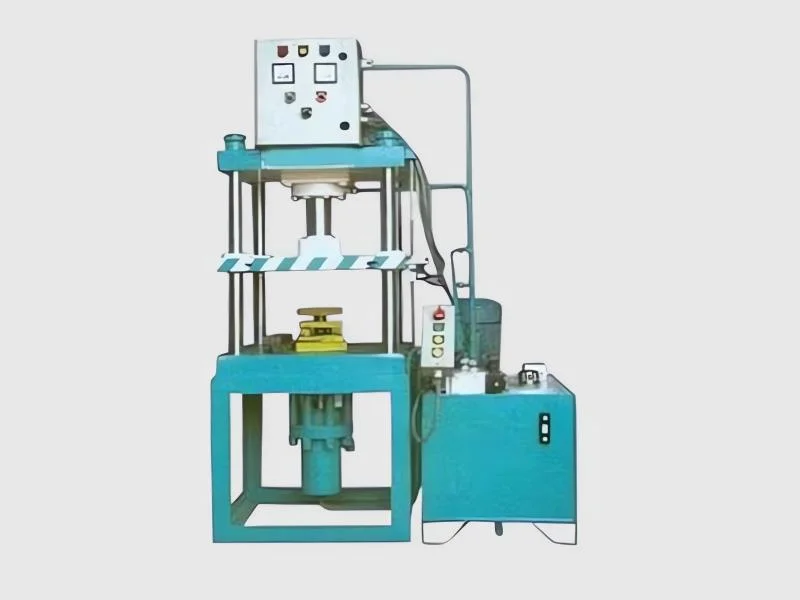
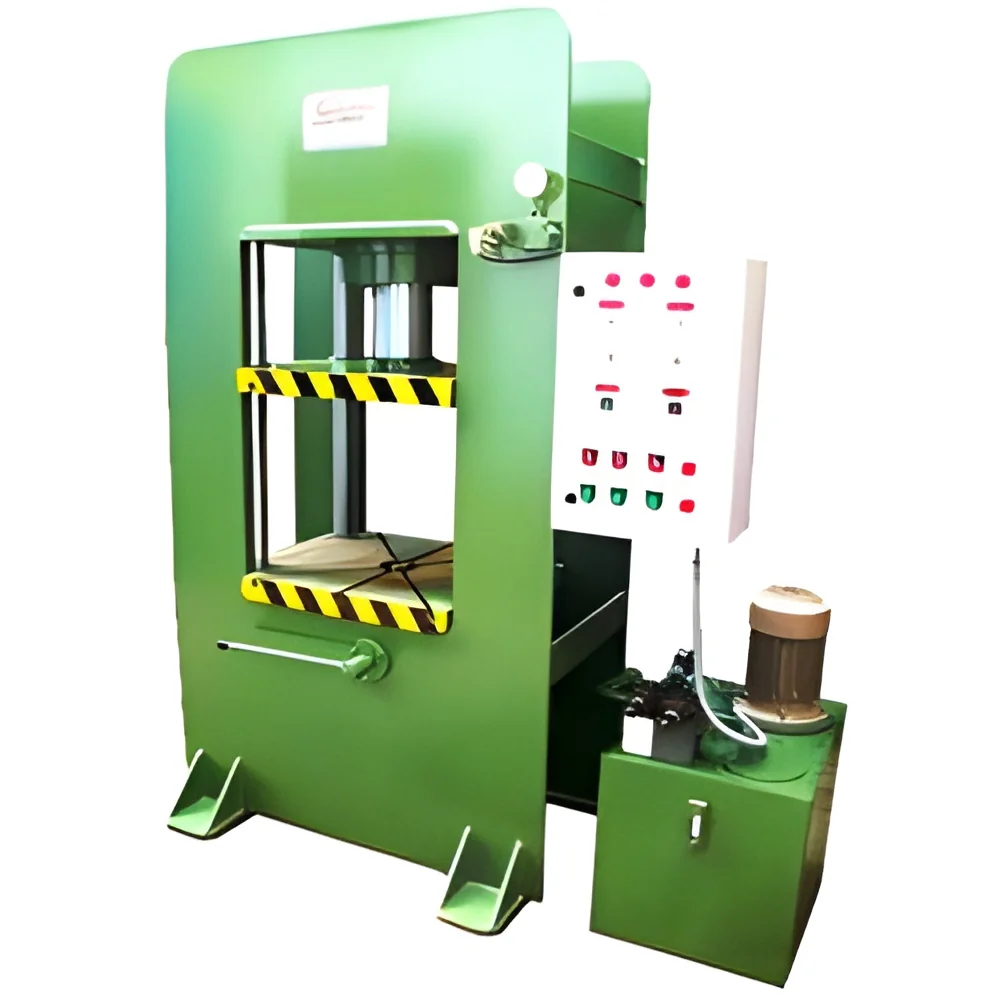
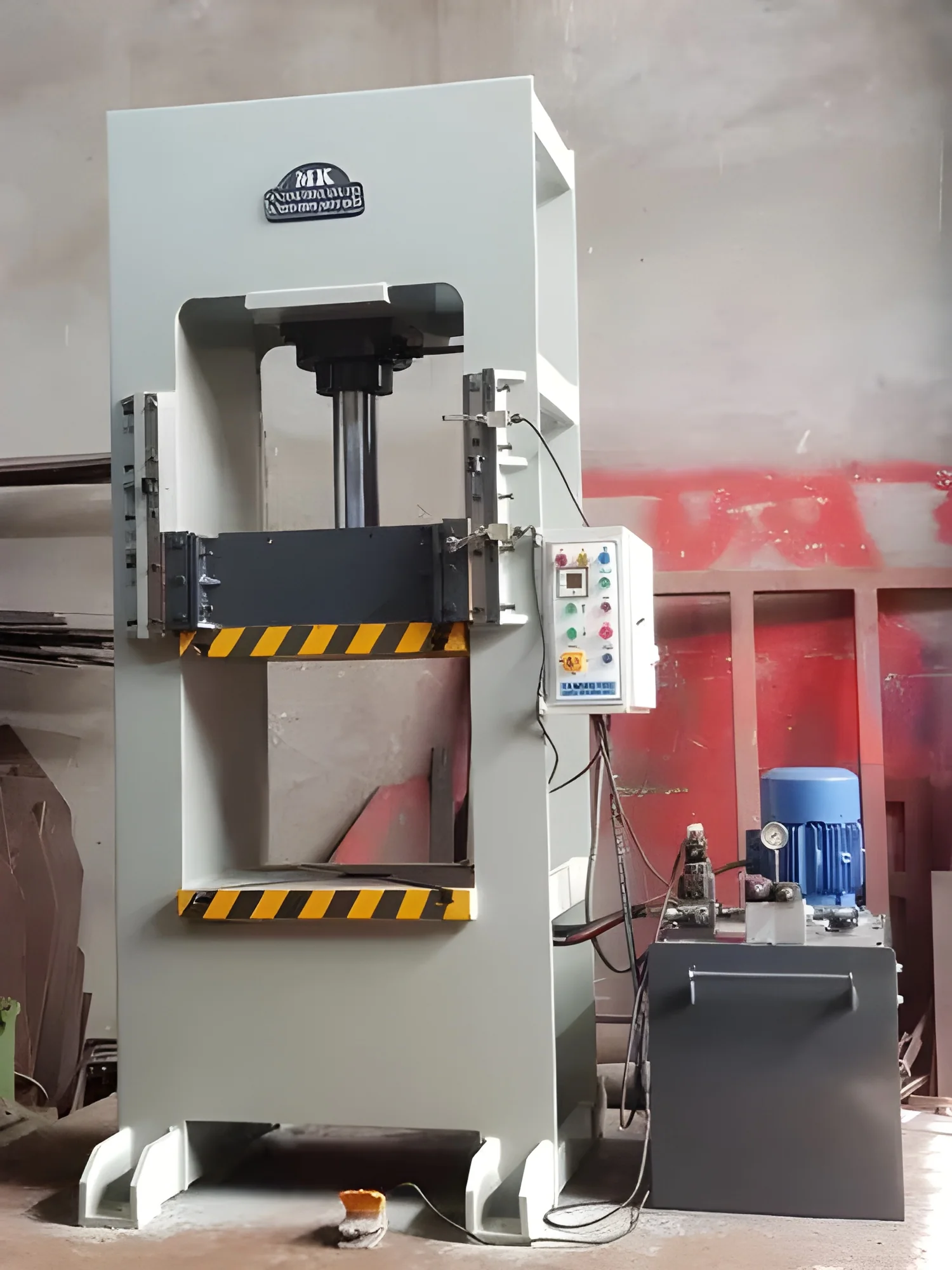
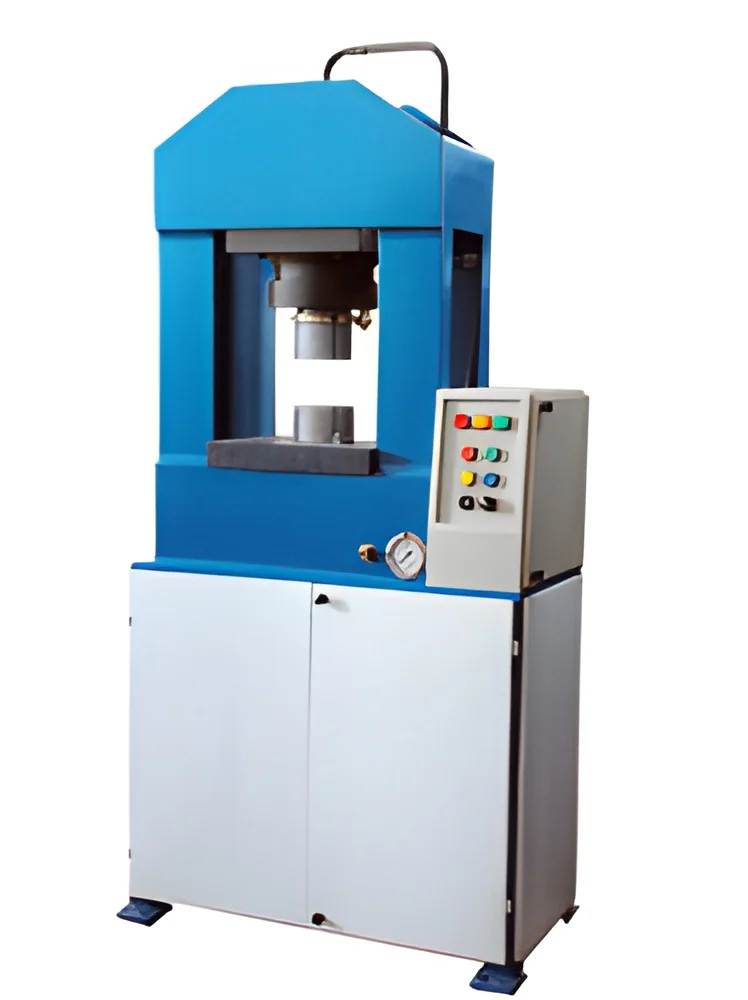
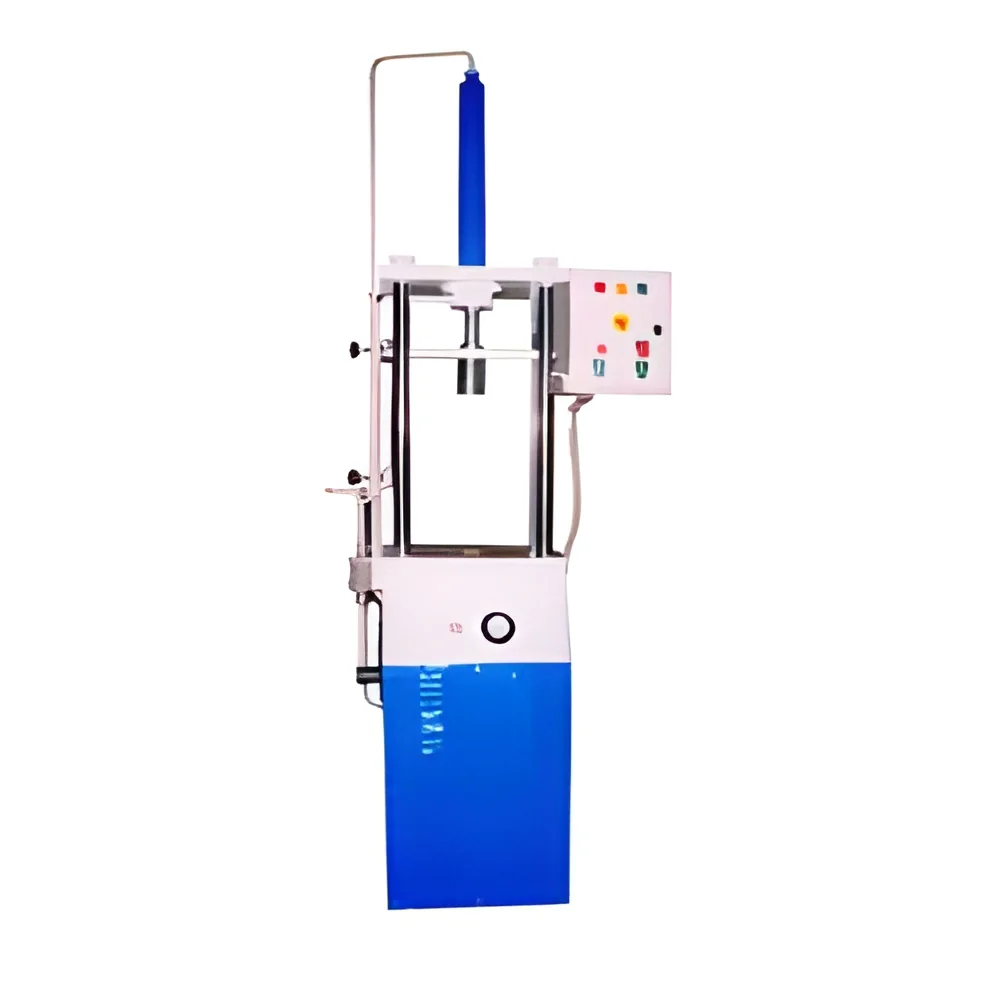
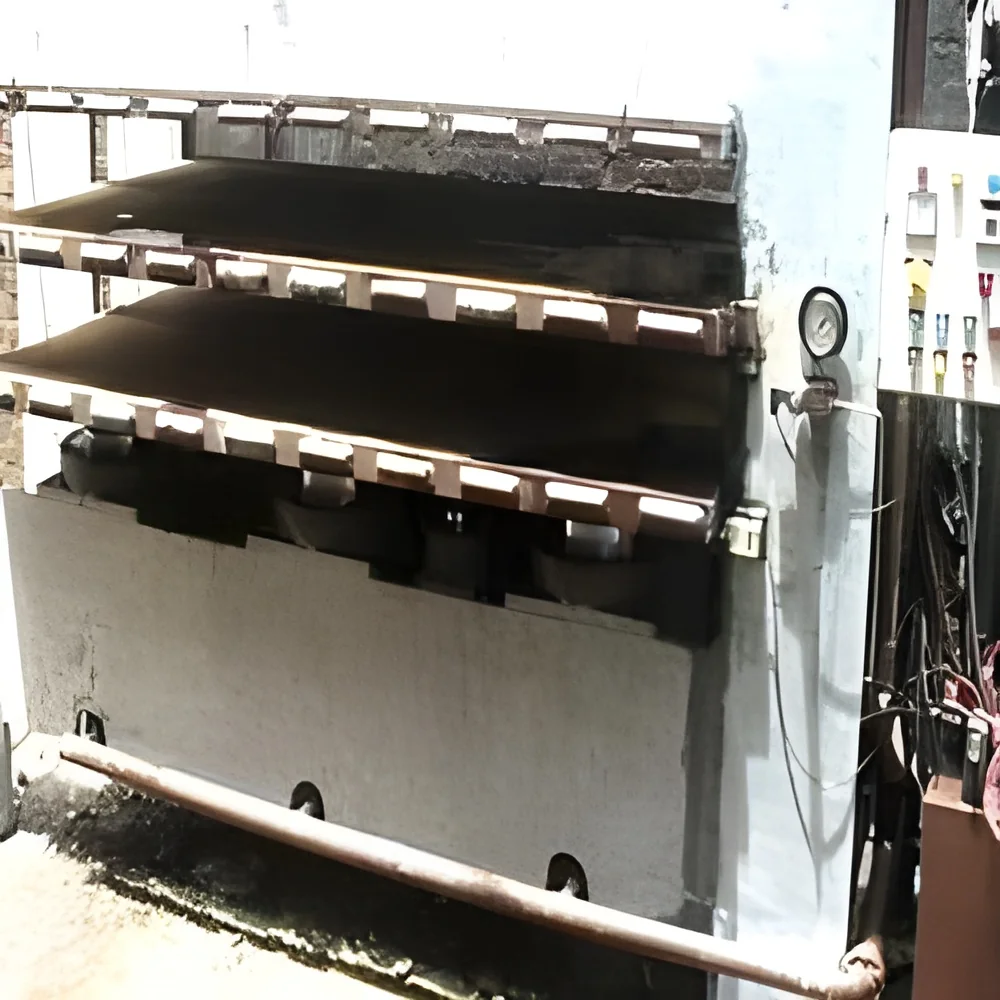
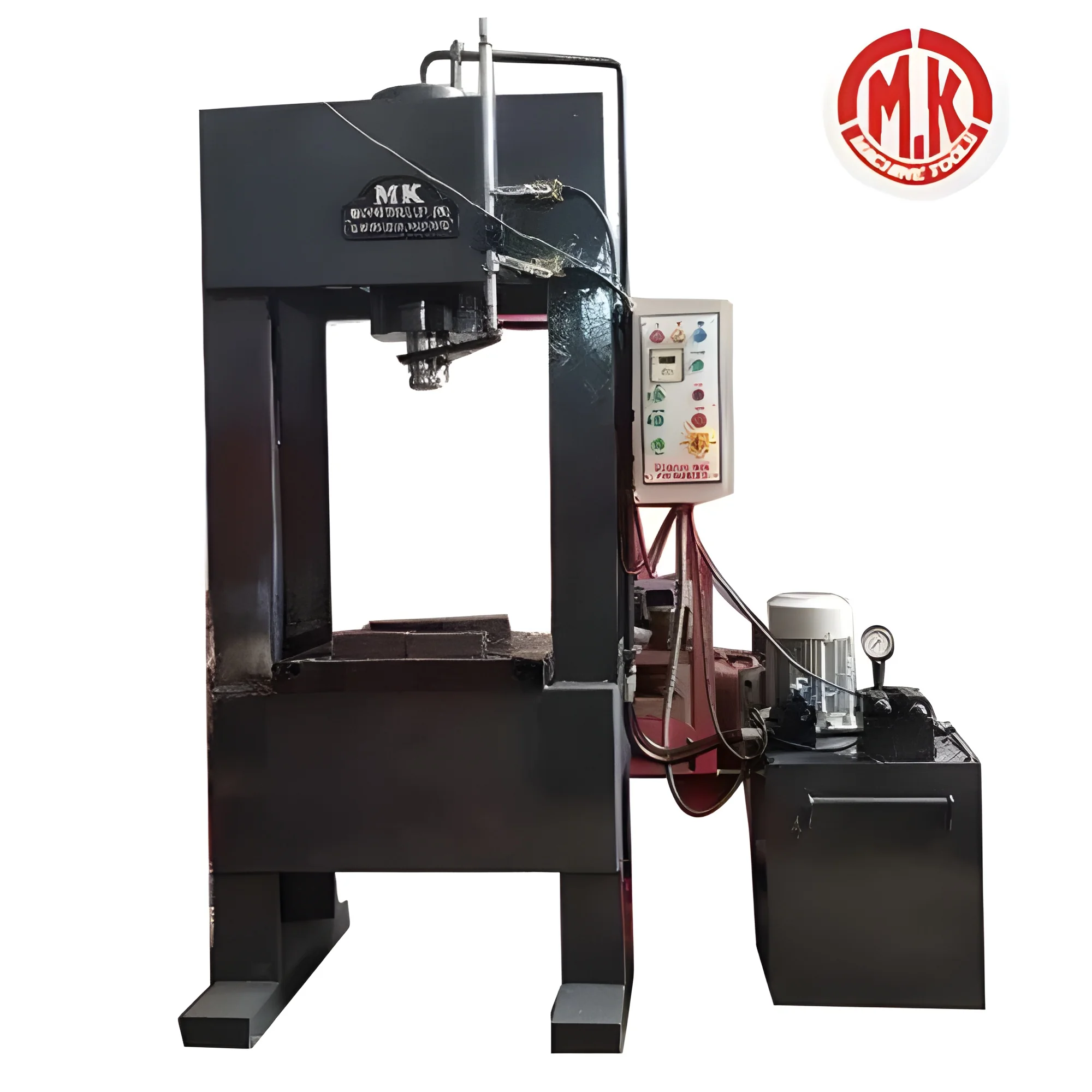
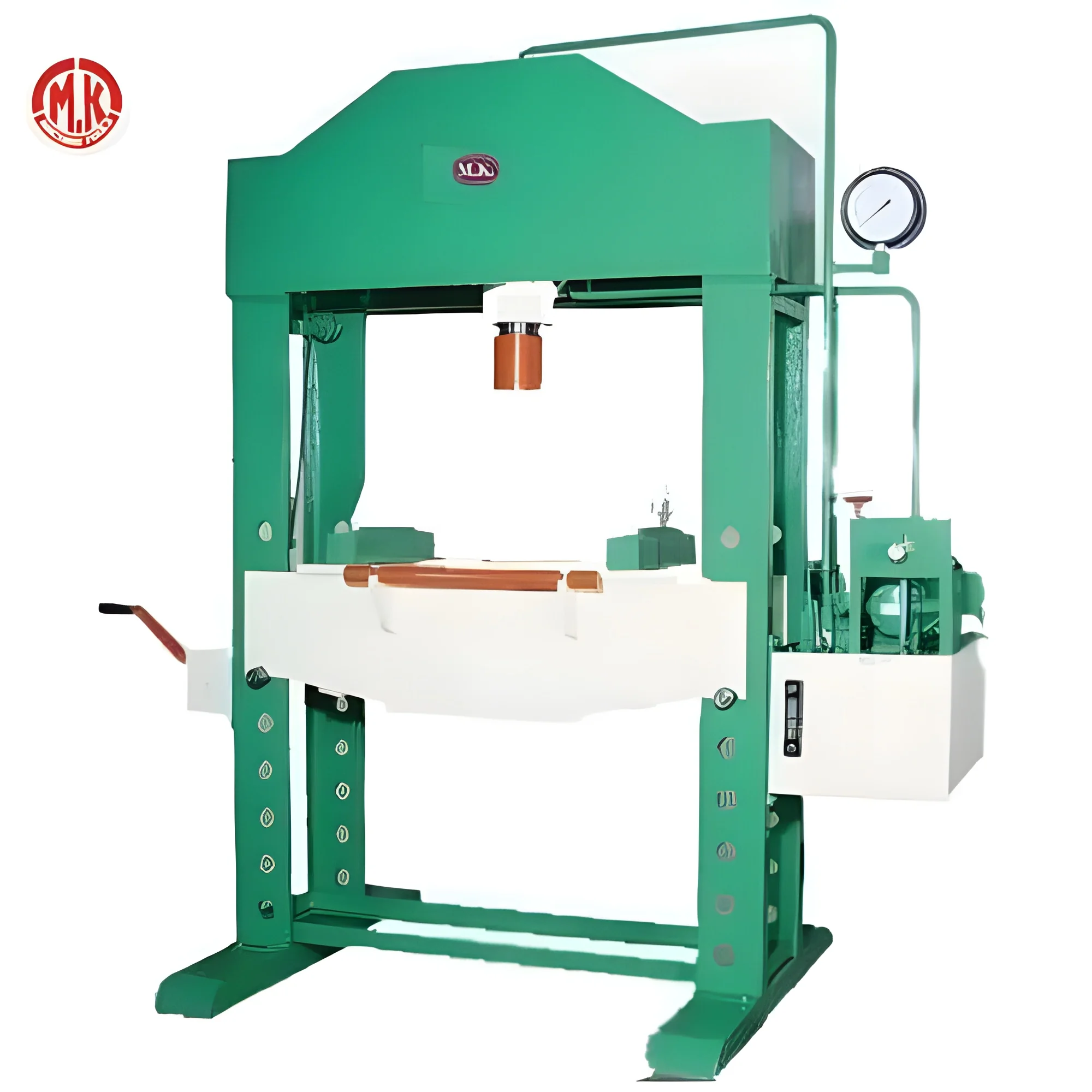
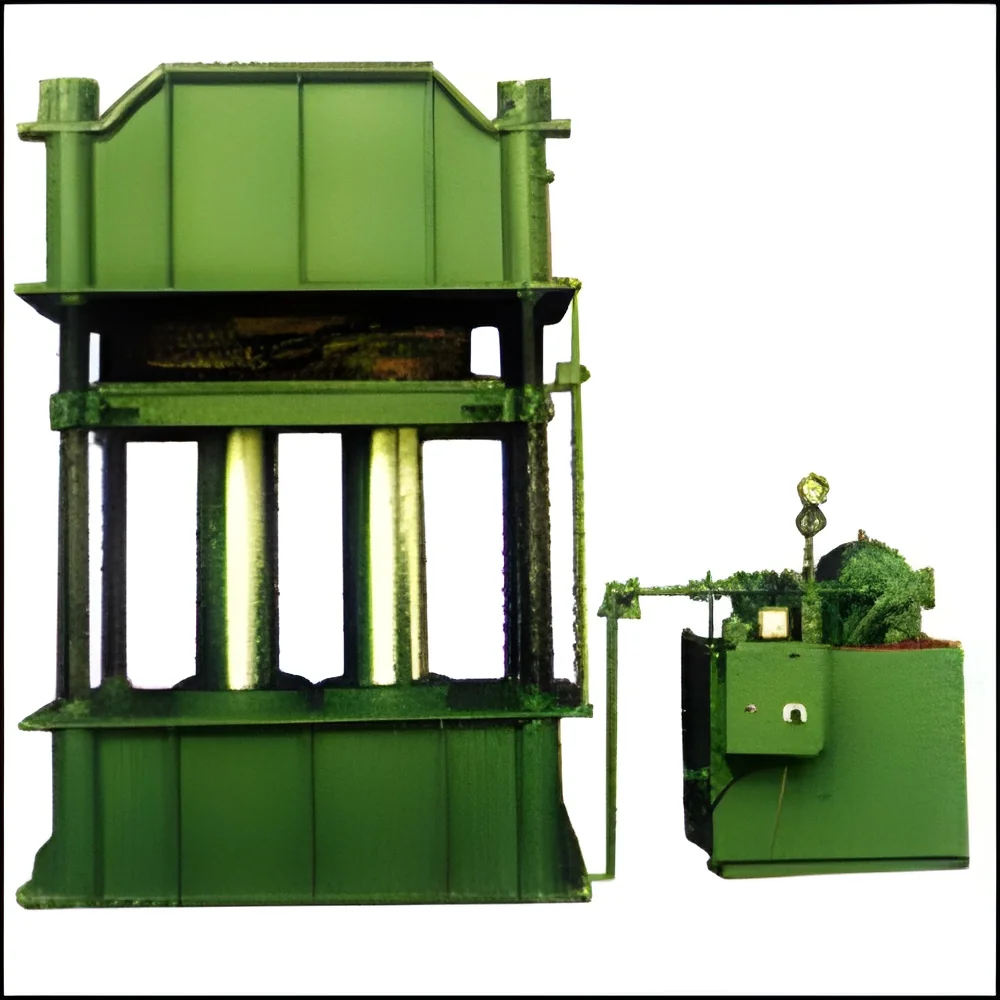
What are Hydraulic Forging Presses?
Hydraulic forging presses are specialized machines that utilize hydraulic power to shape and form metal materials through a pressing process. These presses operate by converting hydraulic energy into mechanical force, enabling manufacturers to produce intricate shapes and components with high precision. The use of hydraulic systems allows for greater control over the force applied, resulting in superior quality and consistency in the finished products.
These presses are widely used in various sectors, including automotive, aerospace, and manufacturing, for the production of parts such as gears, shafts, and brackets. By applying high pressure, hydraulic forging presses can effectively manipulate metals at elevated temperatures, making them essential for forging applications. The growing demand for lightweight, durable components in modern industries has further cemented the relevance of hydraulic forging presses in today's market.
As industries continue to advance, the need for efficient and reliable forging solutions has become paramount. Hydraulic forging presses deliver the necessary capabilities to meet these demands, thereby playing a critical role in enhancing production efficiency and product quality across various applications.
Key Features and Specifications
Hydraulic forging presses come equipped with numerous features that enhance their performance and reliability. Understanding these specifications is vital for businesses looking to invest in this machinery.
Key specifications include:
1. Maximum Force Capacity
- The maximum force that the press can exert, typically measured in tons.
- Ranges from 100 tons to over 2000 tons depending on the model.
2. Stroke Length
- The distance the ram travels during each pressing cycle.
- Typical stroke lengths can vary from 100 mm to 600 mm.
3. Operating Pressure
- The hydraulic pressure at which the press operates, measured in bar or psi.
- Common ranges are between 100 to 500 bar.
4. Table Dimensions
- The size of the work surface where materials are placed.
- Sizes can vary significantly based on press design, usually from 500 mm x 500 mm to 2000 mm x 2000 mm.
5. Cycle Time
- The duration required to complete one full pressing operation.
- Often ranges from 2 to 10 seconds, depending on the complexity and design of the press.
6. Energy Consumption
- The amount of energy the machine consumes during operation.
- Measured in kW, with common values ranging from 5 kW to 50 kW.
7. Control System
- The type of control interface, which may include manual or automated systems.
- Advanced models feature programmable logic controllers (PLC) for enhanced precision.
8. Safety Features
- Includes emergency stop buttons, safety guards, and pressure relief valves.
- Compliance with international safety standards is essential.
These features make hydraulic forging presses versatile and effective in meeting the demands of modern manufacturing processes.
Common Applications and Use Cases
Hydraulic forging presses are integral to various industries due to their ability to shape metal components efficiently.
1. Automotive Industry: Hydraulic forging presses are used to produce critical components such as crankshafts, connecting rods, and gears, which require high strength and durability.
2. Aerospace Industry: These presses are essential for crafting lightweight yet strong parts like turbine blades and structural components, enhancing aircraft performance and safety.
3. Manufacturing Sector: Hydraulic forging presses are employed to create various industrial components, including brackets, fasteners, and custom parts for machinery.
4. Oil and Gas Industry: They are utilized for manufacturing specialized components such as valve bodies and fittings that can withstand high pressure and extreme conditions.
5. Construction Industry: Hydraulic forging presses produce durable hardware like bolts and connectors essential for construction applications.
Product Variants and Subcategories
Hydraulic forging presses are available in a range of variants to suit specific manufacturing needs. Each variant offers unique features and applications.
Standard Hydraulic Forging Presses
These are the most common type, designed for general forging applications. They provide reliable performance for producing a wide array of components across various industries.
High-Speed Hydraulic Forging Presses
These models are engineered for faster cycle times, making them ideal for high-volume production. They are particularly useful in industries where efficiency is critical.
C-Frame Hydraulic Forging Presses
C-frame presses offer a compact design and are suitable for applications that require a smaller footprint. They provide versatility for different forging tasks.
Benefits and Advantages
Investing in hydraulic forging presses offers numerous advantages for manufacturers.
1. Enhanced Precision: Hydraulic forging presses allow for precise control over the pressing force, resulting in high-quality components with minimal defects.
2. Increased Production Efficiency: The ability to operate at high speeds and with shorter cycle times boosts overall production rates, meeting market demands effectively.
3. Versatility: These presses can handle a variety of materials and shapes, making them suitable for diverse applications across multiple industries.
4. Reduced Material Waste: The efficient forging process minimizes scrap material, leading to cost savings and more sustainable production practices.
5. Improved Operator Safety: Modern hydraulic forging presses are equipped with advanced safety features that protect operators during the forging process.
6. Customization Options: Many manufacturers offer customized solutions to meet specific operational requirements, ensuring optimal performance for unique applications.
Buying Guide for B2B Buyers
When sourcing hydraulic forging presses, it is essential to consider various factors to ensure a successful purchase.
1. Quality Assessment: Evaluate the manufacturing standards and materials used in the presses. Look for certifications like ISO 9001 to ensure quality.
2. Supplier Verification: Conduct thorough research on potential suppliers. Check references and reviews to ensure they have a solid reputation in the industry.
3. Pricing and MOQ: Understand the pricing structure and minimum order quantities. This information is crucial for budgeting and planning.
4. Delivery and Lead Times: Inquire about delivery schedules and lead times. Timely delivery is vital to prevent production delays.
5. Compliance Requirements: Ensure that the presses meet relevant safety and regulatory standards. Compliance with certifications like UL and CE is essential for operational safety.
Compliance and Certifications
Hydraulic forging presses must adhere to various compliance and certification standards to ensure safety and quality in operations.
Key quality standards include ISO 9001, which emphasizes quality management systems and continuous improvement. This standard is widely recognized and ensures that manufacturers maintain high-quality processes.
Industry certifications such as UL and CE are critical for affirming that equipment meets safety and performance criteria. These certifications are essential for manufacturers seeking to operate in regulated markets.
Safety and testing requirements are also paramount. Presses must undergo rigorous testing to ensure they can operate safely under high pressure and demanding conditions.
Furthermore, regional compliance considerations can impact the purchase decision. Different regions may have specific regulations regarding manufacturing standards that must be met by hydraulic forging presses.
Why Source Hydraulic Forging Presses from Pepagora?
Pepagora provides a trusted platform for sourcing hydraulic forging presses, offering several key advantages to B2B buyers.
Verified Supplier Network: Pepagora ensures that all suppliers in its network are thoroughly vetted. This process guarantees that buyers can trust the quality and reliability of the products offered.
Streamlined RFQ Process: The platform facilitates a straightforward request for quotation system, enabling buyers to easily compare offers from multiple suppliers. This efficiency helps in making informed purchasing decisions.
Trade Assurance and Support: Pepagora offers trade assurance, providing buyers with protection against potential risks. The support team is also available to assist with any inquiries or issues that may arise during the purchasing process.
Regional Coverage: Pepagora has a broad geographic reach, covering regions such as India, the Gulf Cooperation Council (GCC), and Southeast Asia. This extensive network makes it easy for buyers to find suitable suppliers in their area, ensuring timely access to hydraulic forging presses.

 IN
IN