What are Shell Molding Machines?
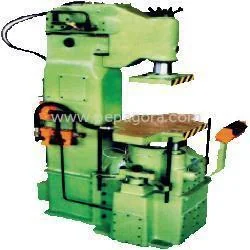
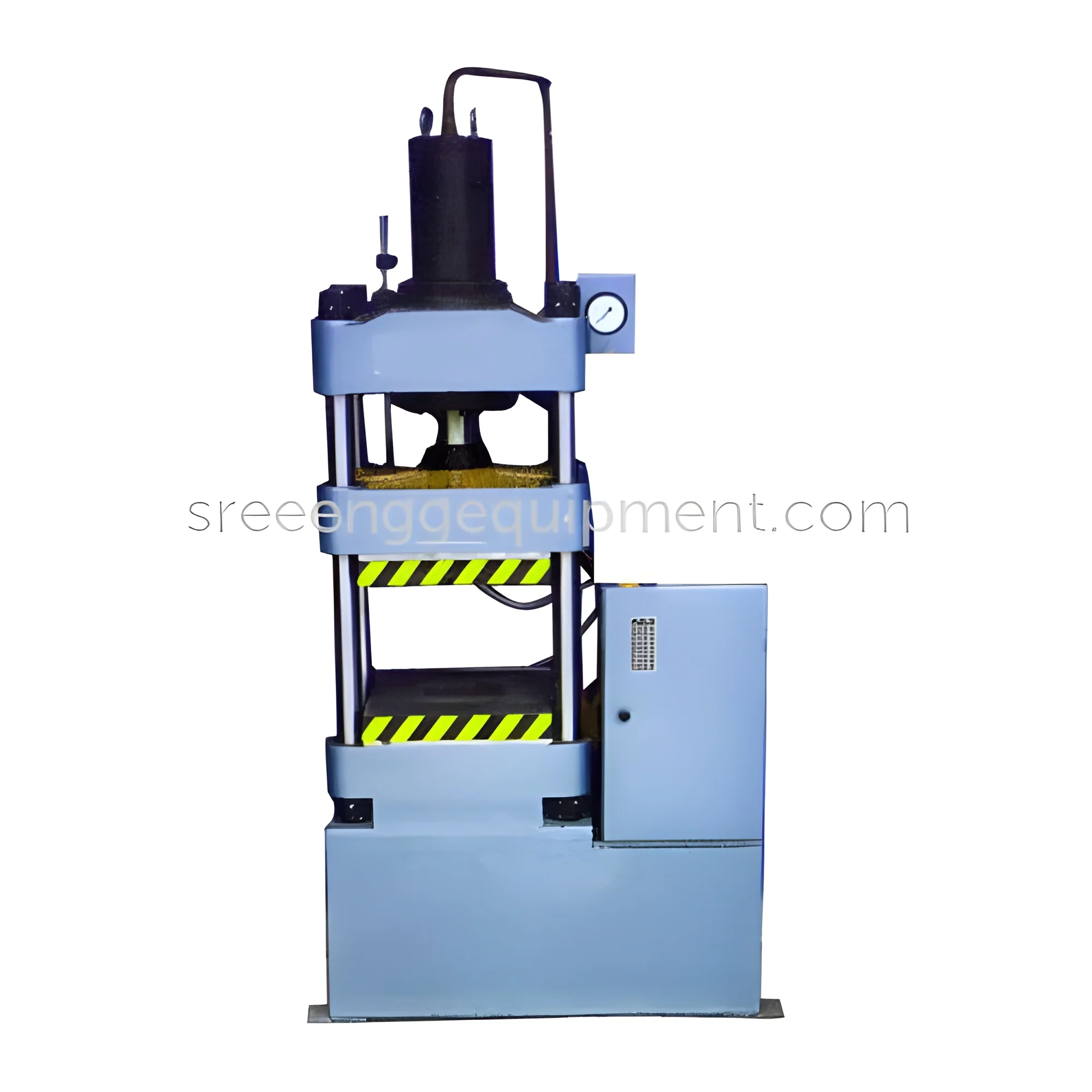
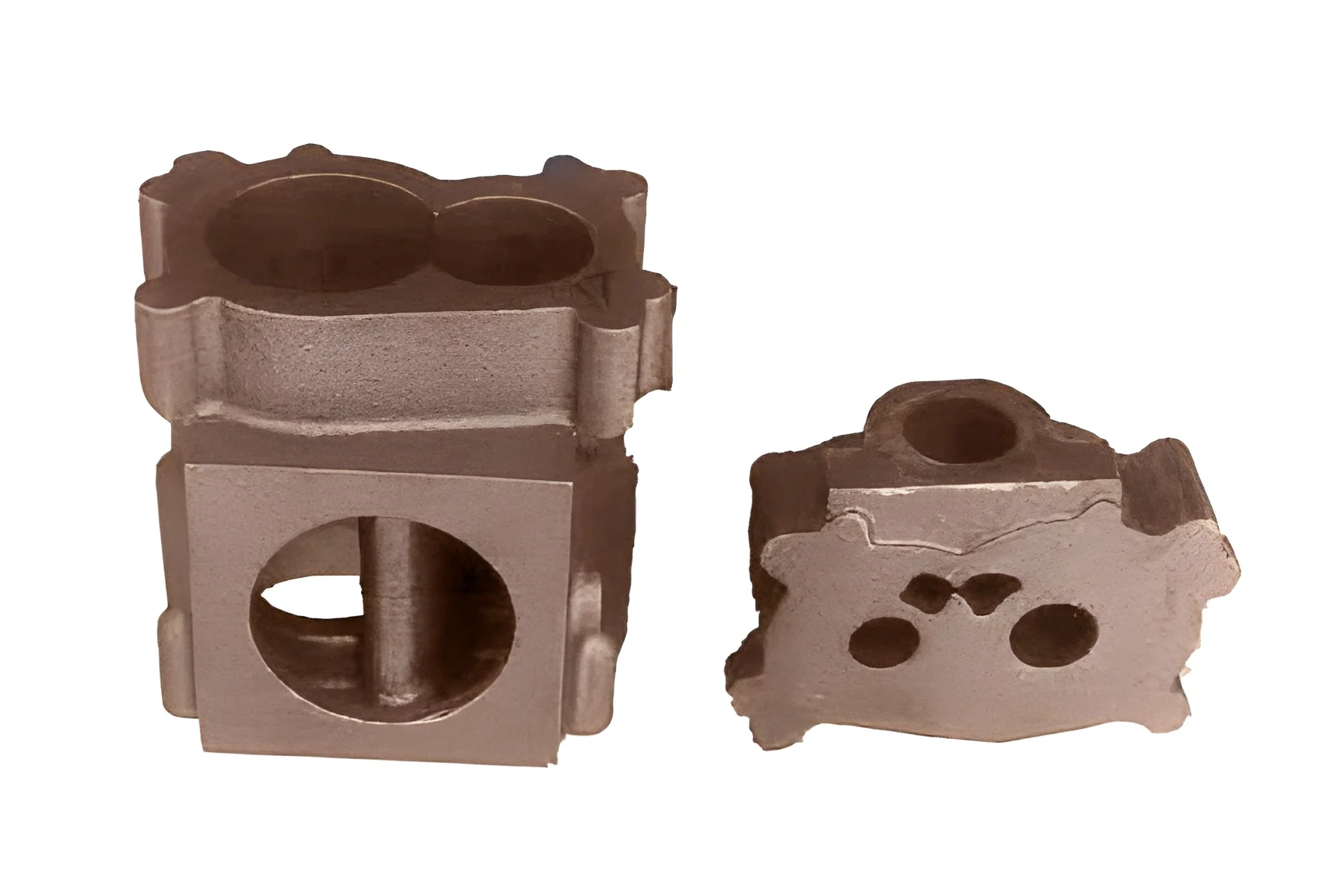
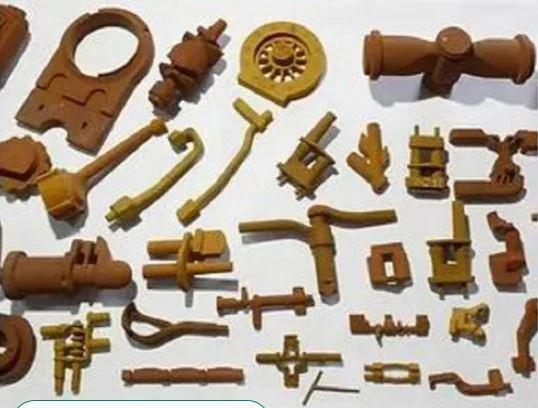
Shell molding machines are specialized equipment used in the metal casting industry. These machines facilitate the production of shell molds, which are created by applying a thin layer of sand mixed with a thermosetting resin to a heated pattern. The heat causes the resin to cure, forming a strong, rigid shell that can be used for casting various metal components. Shell molding is known for its ability to produce high-precision and complex shapes with excellent surface finish.
Shell molding machines are primarily used in industries such as automotive, aerospace, and manufacturing, where high-quality metal parts are essential. They are particularly beneficial for producing low to medium volumes of castings, making them ideal for prototype development and small production runs. The efficiency and accuracy of shell molding contribute to reduced machining time and costs, making these machines valuable assets in competitive markets.
The relevance of shell molding machines in today’s industrial landscape cannot be overstated. As industries increasingly seek to improve production efficiency and product quality, the demand for advanced casting solutions has risen. Shell molding represents a balance between traditional sand casting and more modern methods, catering to businesses looking for reliable and cost-effective manufacturing processes.
Key Features and Specifications
Shell molding machines come equipped with various features designed to enhance their performance and reliability. These machines are engineered to provide consistent results, reducing the variability often seen in traditional casting methods. The specifications of shell molding machines can vary based on the manufacturer and model, but key specifications generally include:
1. Production Capacity
- The number of molds produced per hour
- Varies between models, typically ranging from 20 to 80 molds
2. Pattern Size
- Maximum dimensions of patterns that can be accommodated
- Standard sizes can range from small intricate designs to larger components
3. Heating System
- Type of heating employed, such as electric or gas
- Ensures rapid and uniform heating for efficient mold creation
4. Control System
- Automation features for process monitoring and control
- Includes programmable logic controllers (PLCs) for precise operation
5. Mold Thickness
- Variability in shell thickness achievable
- Typical ranges from 5 to 15 mm based on application needs
6. Material Compatibility
- Types of materials suitable for molding processes
- Generally compatible with ferrous and non-ferrous metals
7. Maintenance Requirements
- Frequency and type of maintenance needed for optimal performance
- Regular checks on heating elements and control systems
8. Safety Features
- Built-in safety mechanisms to protect operators
- Includes emergency stops, guards, and alarms
In summary, shell molding machines are equipped with advanced features that enhance their efficiency and effectiveness in producing high-quality metal castings. Businesses should consider these specifications when selecting machines that meet their production requirements.
Common Applications and Use Cases
Shell molding machines serve a diverse range of industries, each with specific applications that leverage the advantages of shell molding technology.
1. Automotive: Shell molding is widely used for producing engine blocks, cylinder heads, and other critical components that require precise dimensions and durability.
2. Aerospace: High-performance parts such as turbine casings and structural components benefit from the accuracy and strength provided by shell molds.
3. Heavy Machinery: Components for construction and agricultural machinery, such as gear housings and brackets, are often manufactured using shell molding for improved performance.
4. Oil and Gas: Parts like valve bodies and pump housings are produced with shell molding to withstand the harsh conditions of oil and gas environments.
5. Marine: Shell molding is utilized for creating components in ships, including propellers and hull fittings, which require resistance to corrosion and wear.
6. Electrical: Enclosures and housings for electrical components are made using shell molding to ensure safety and reliability.
7. General Manufacturing: A variety of industrial components, including tooling and fixtures, are produced using shell molding for its versatility and precision.
Product Variants and Subcategories
Shell molding machines come in various configurations to meet different manufacturing needs.
Standard Shell Molding Machines: These machines are designed for general use, suitable for a wide range of applications in industries like automotive and manufacturing. They offer flexibility in mold sizes and production rates.
High-Throughput Shell Molding Machines: Tailored for industries requiring rapid production, these machines enhance mold output while maintaining quality. They are ideal for high-demand sectors such as automotive mass production.
Compact Shell Molding Machines: Designed for smaller operations or limited floor space, these machines provide essential features for small-scale production without sacrificing performance.
Benefits and Advantages
Investing in shell molding machines offers numerous benefits that can enhance operational efficiency and product quality.
1. High Precision: Shell molding allows for the production of detailed and intricate designs with tight tolerances, reducing the need for extensive post-processing.
2. Cost Efficiency: The reduced waste and efficient material usage in shell molding contribute to lower production costs, making it an economical choice for many applications.
3. Improved Surface Finish: Castings produced using shell molds typically exhibit superior surface finishes, minimizing the need for additional finishing work.
4. Faster Production Times: The quick curing times associated with shell molding lead to shorter production cycles, enabling manufacturers to meet tight deadlines.
5. Versatile Material Compatibility: Shell molding machines can accommodate various metals, providing flexibility for manufacturers working with different materials.
6. Enhanced Durability: The strong and rigid molds produced through shell molding result in durable castings suitable for demanding applications.
Buying Guide for B2B Buyers
When sourcing shell molding machines, it is essential for B2B buyers to consider several key factors to ensure they make informed purchasing decisions.
1. Quality Assessment: Evaluate the build quality and reliability of the machines. Look for manufacturers that adhere to industry standards and have a reputation for producing durable equipment.
2. Supplier Verification: Conduct thorough research on potential suppliers. Check references, read reviews, and assess their track record in delivering quality machines on time.
3. Pricing and MOQ: Understand the cost structure and minimum order quantities (MOQ) offered by suppliers. Compare prices to ensure you are receiving competitive rates without compromising quality.
4. Delivery and Lead Times: Inquire about logistics and expected lead times for machine delivery. Ensure that the supplier can meet your production schedule needs.
5. Compliance Requirements: Verify that the machines comply with relevant industry regulations and safety standards. This is crucial for ensuring operational safety and legal compliance.
Compliance and Certifications
Shell molding machines must adhere to various quality standards and certifications to ensure safety and performance in industrial applications.
ISO 9001 is a widely recognized quality management standard that ensures manufacturers follow consistent processes to produce high-quality products. Compliance with this standard reflects a commitment to continual improvement and customer satisfaction.
CE certification is essential for machinery sold in the European market. This certification indicates that the equipment meets specific safety and environmental protection requirements.
Additionally, manufacturers should be aware of safety and testing requirements relevant to their region. This includes following guidelines for equipment safety and ensuring that machines are tested for performance and reliability.
Regional compliance considerations may vary, requiring manufacturers to stay informed about local regulations and standards that impact machine operation and safety.
Why Source Shell Molding Machines from Pepagora?
Pepagora is a trusted platform for sourcing shell molding machines, offering several key advantages to B2B buyers looking for reliable suppliers.
Verified Supplier Network: Pepagora maintains a robust network of verified suppliers, ensuring that buyers can access high-quality machines from reputable manufacturers. This verification process adds a layer of trust and assurance in sourcing decisions.
Streamlined RFQ Process: The platform simplifies the request for quotation process, making it easy for buyers to compare offers and select the best options suited to their needs. This efficiency saves time and effort in procurement.
Trade Assurance and Support: Pepagora provides trade assurance to protect buyers throughout the purchasing process. This support helps mitigate risks and ensures that transactions are secure and satisfactory.
Regional Coverage: With a focus on regions like India, the GCC, and Southeast Asia, Pepagora connects buyers with local suppliers, enhancing accessibility and reducing logistical challenges. This geographical reach helps businesses find the right machines tailored to their specific market needs.

 IN
IN