IN
IN₹
Apparel & Fashion
Description
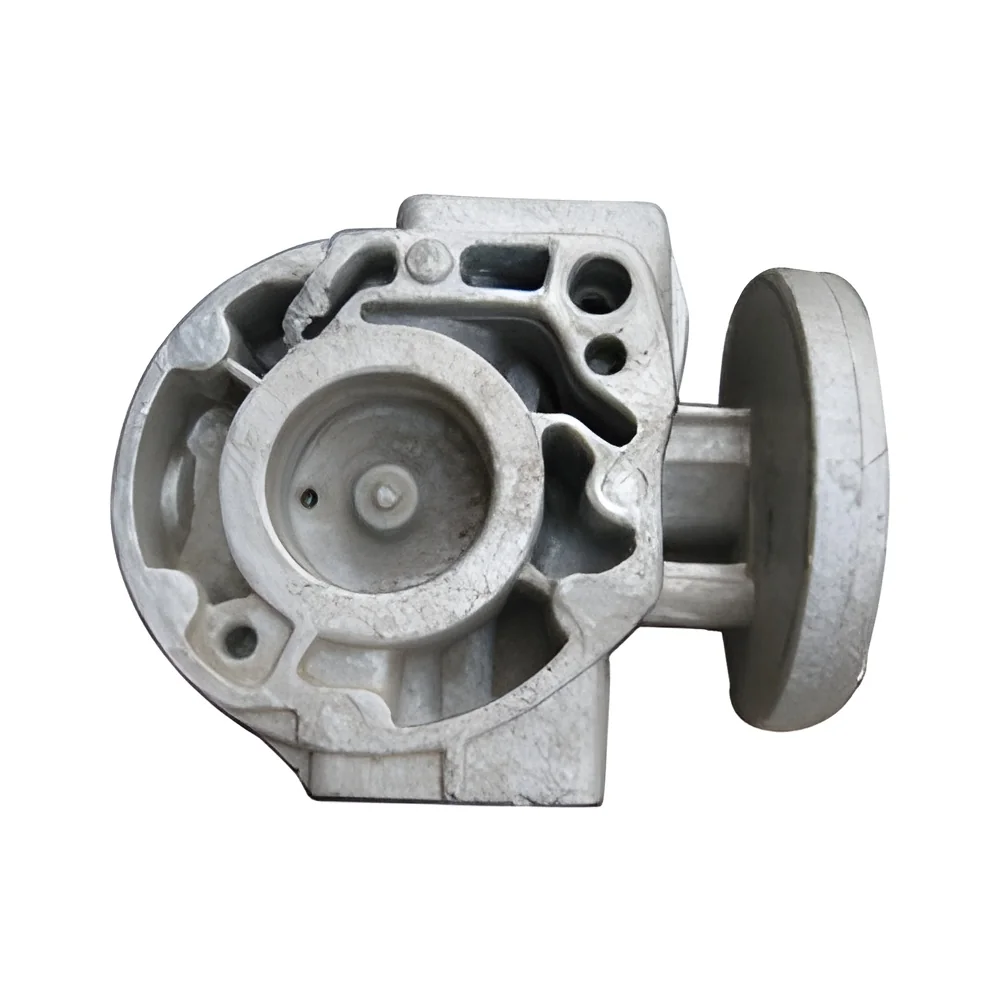
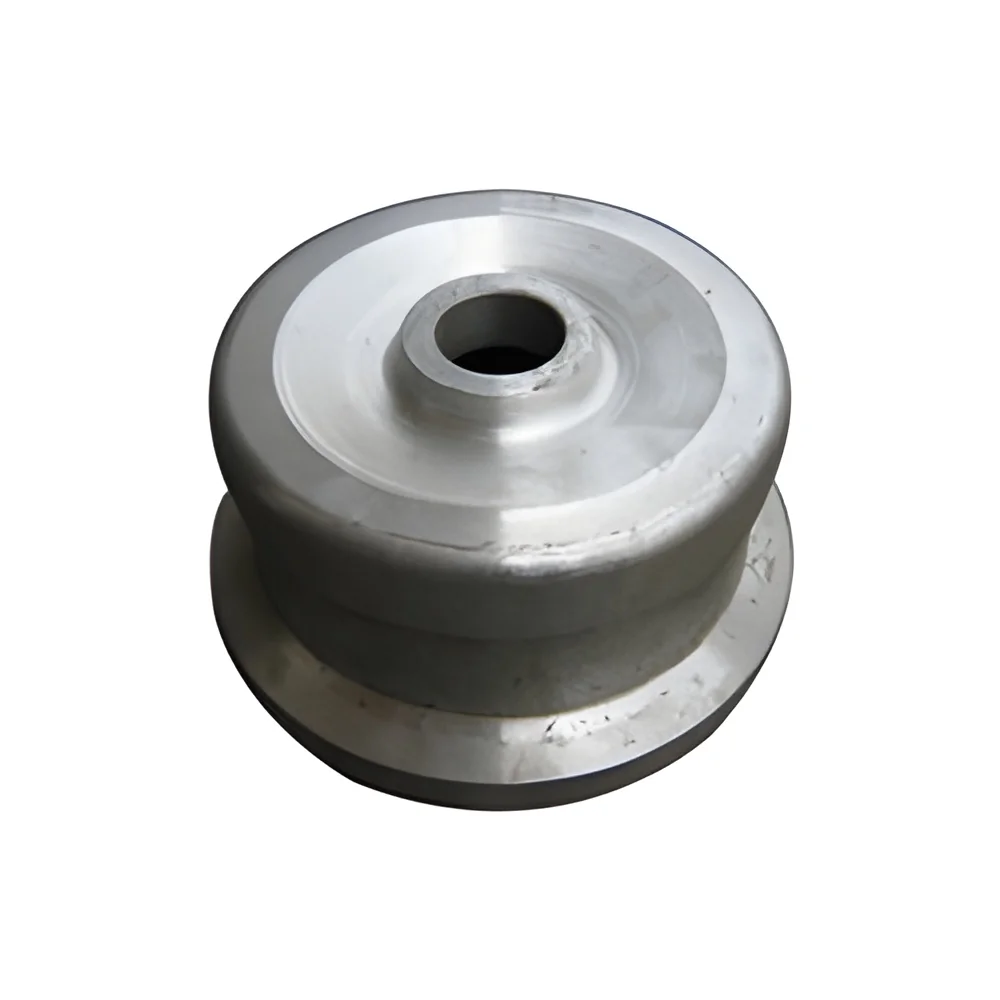
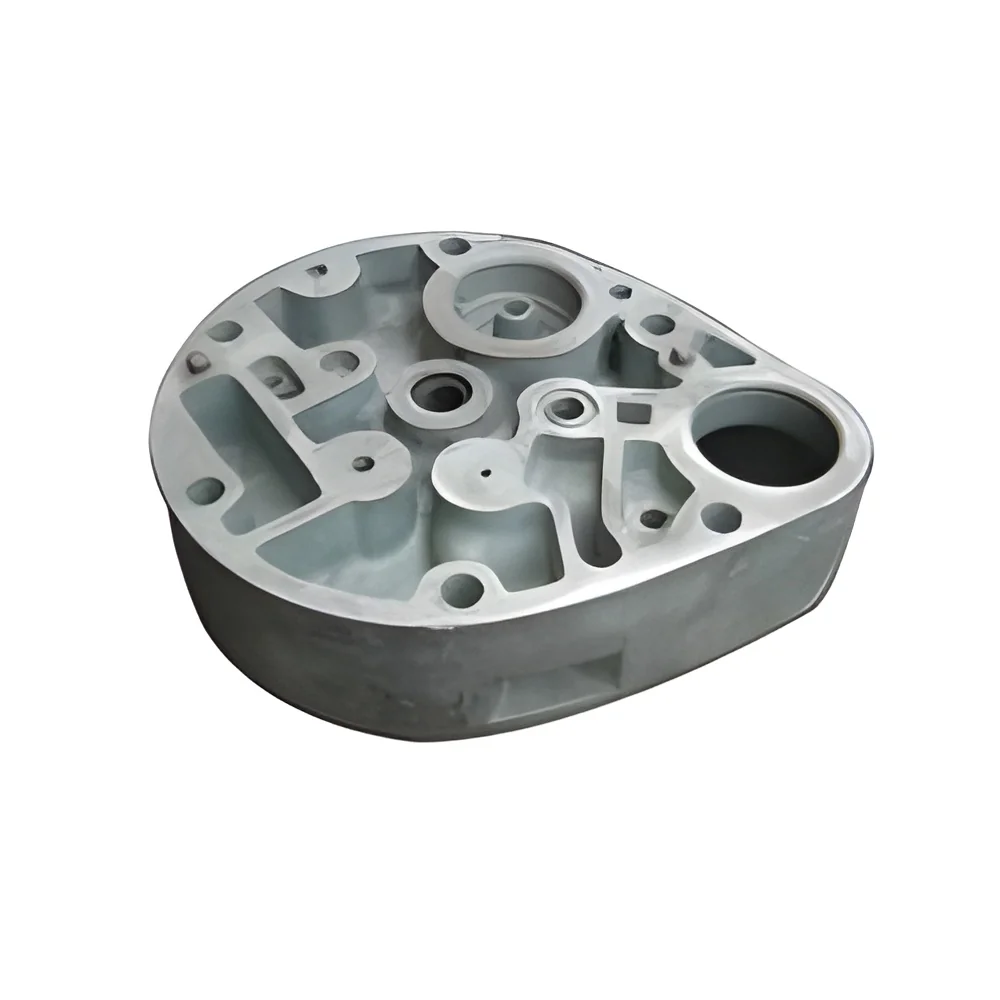
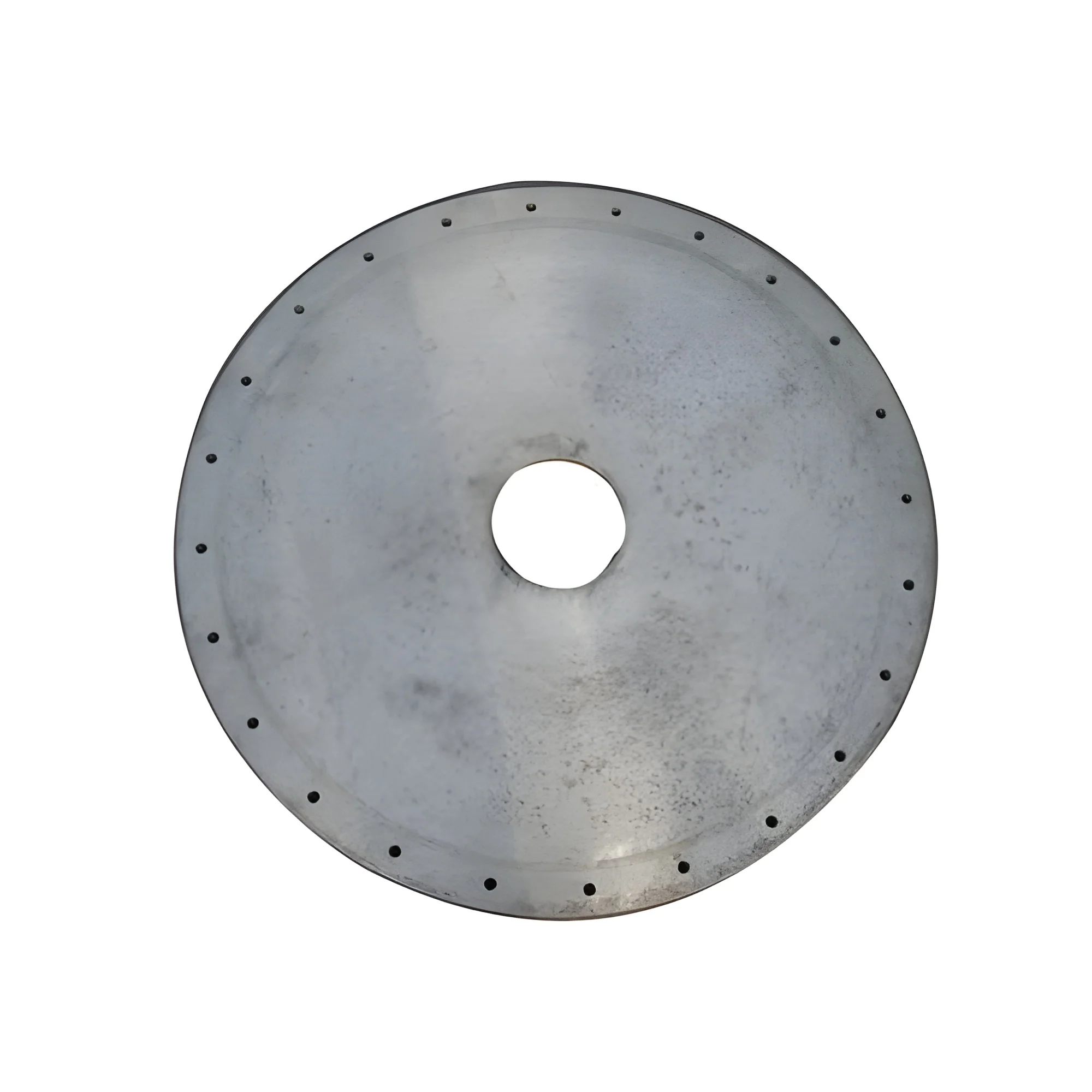
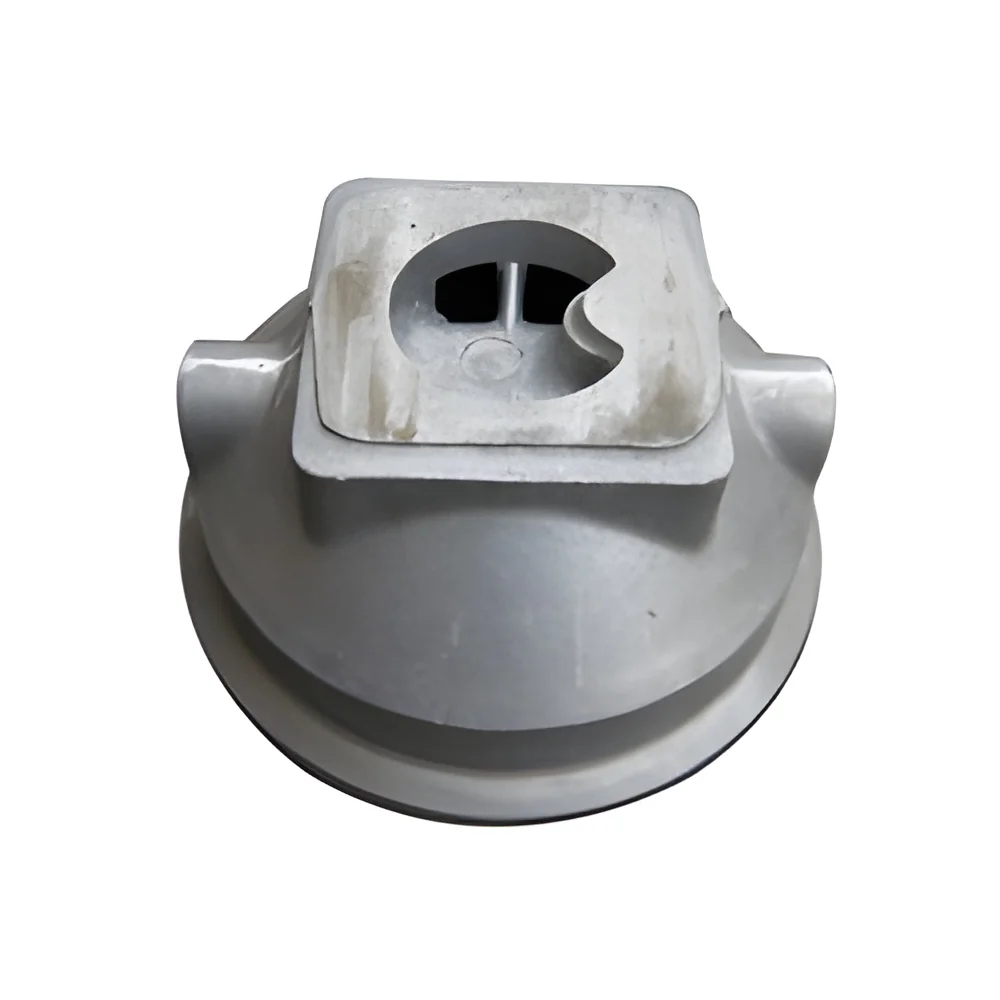
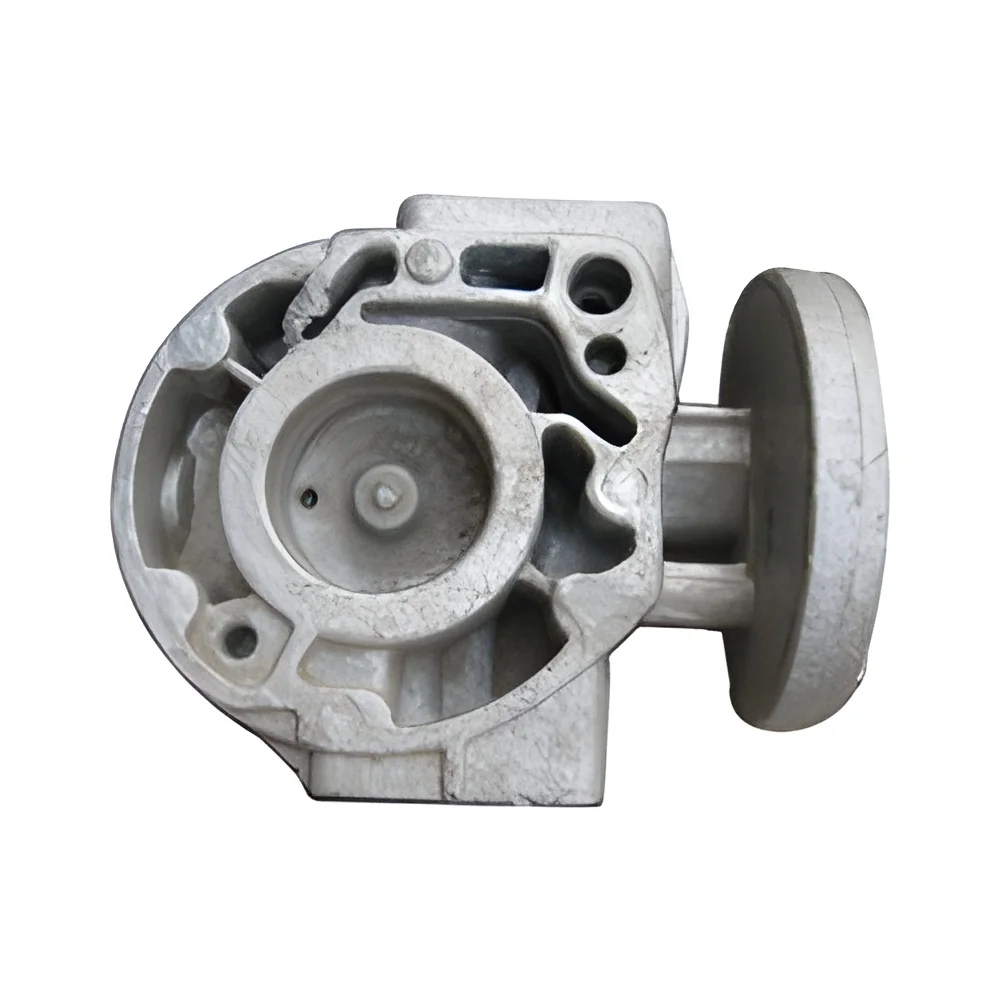
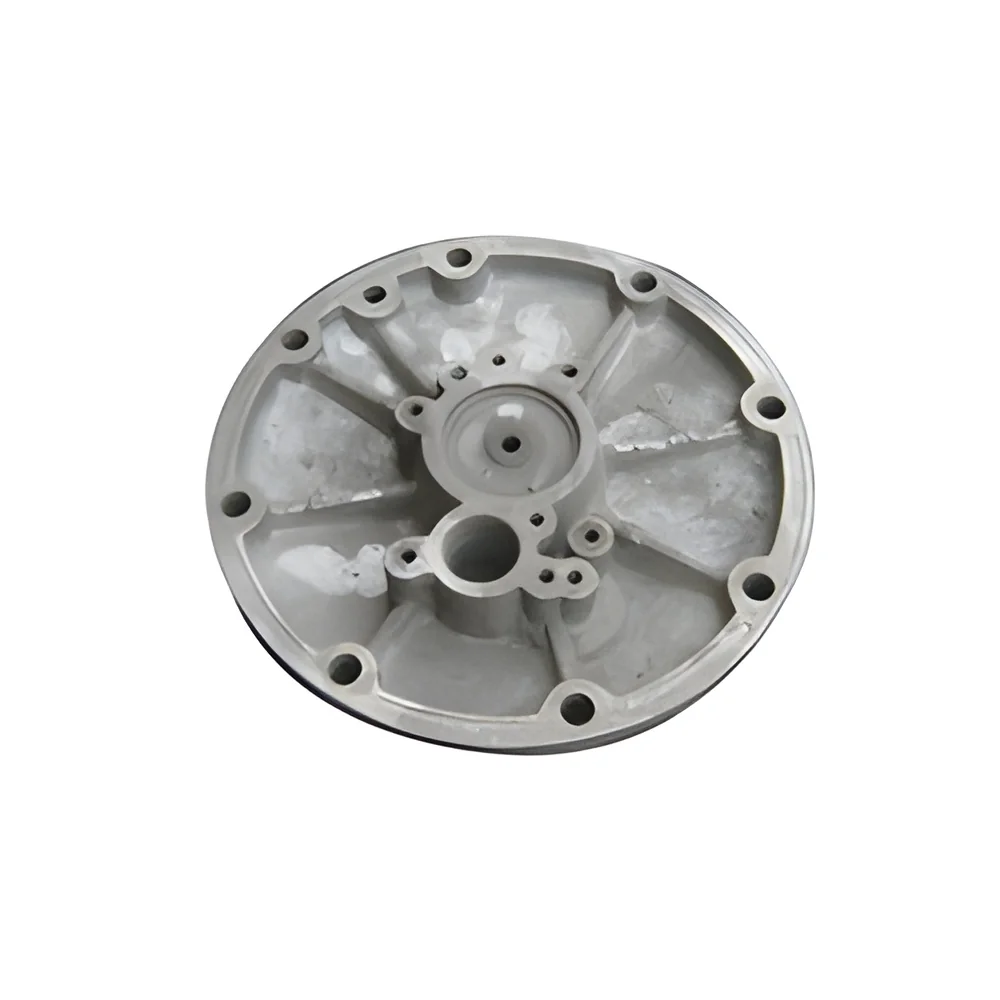
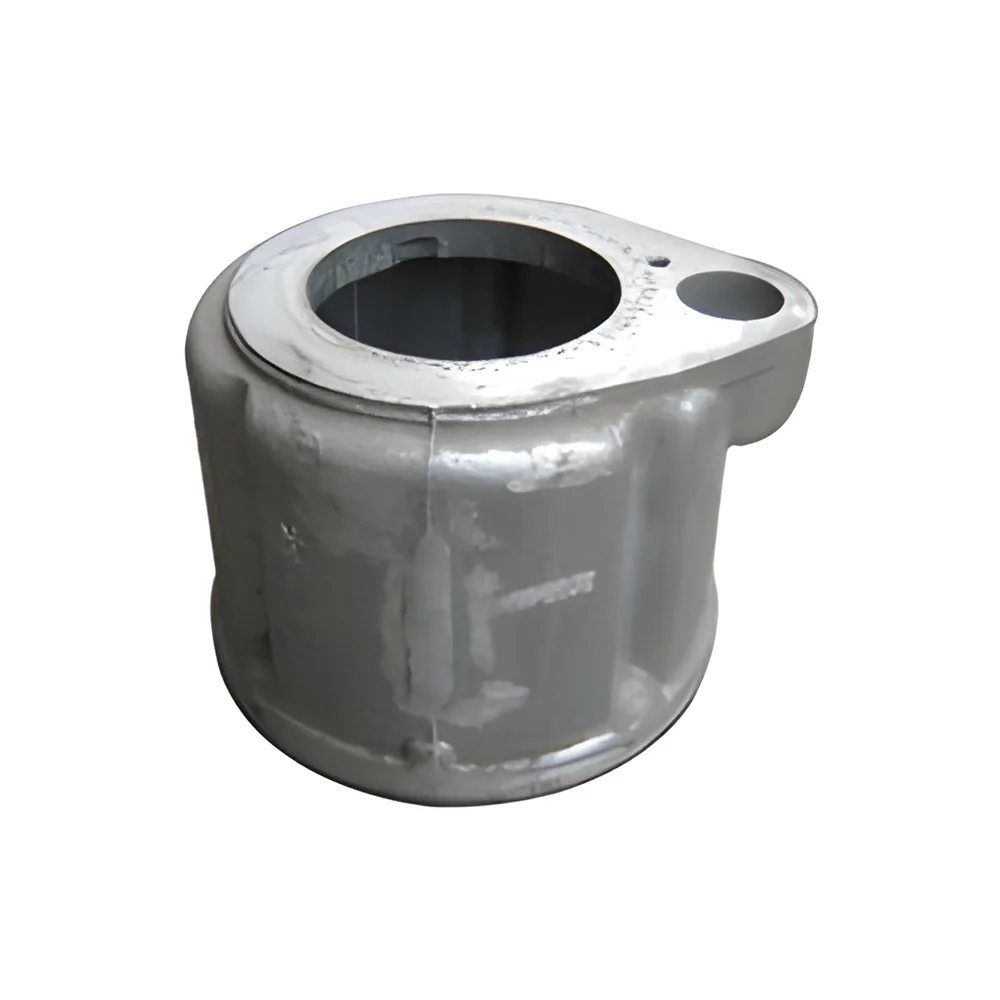
Gravity die casting components represent precision-engineered metal parts manufactured through a highly reliable and efficient production process. This method involves pouring molten metal into reusable steel molds under gravity force, ensuring consistent density, minimal shrinkage, and superior mechanical properties. These components are distinguished by their high dimensional accuracy, smooth surface finish, and exceptional structural integrity. Ideal for applications demanding complex geometries and tight tolerances, gravity die casting stands as the preferred manufacturing choice for industries prioritizing performance, durability, and cost-effectiveness. The process accommodates various non-ferrous metals including aluminum, zinc, and copper alloys, providing flexibility to meet specific operational requirements and environmental conditions.

These precision components find extensive utilization across multiple industrial sectors, with significant presence in automotive applicatio...
Gravity die casting components represent precision-engineered metal parts manufactured through a highly reliable and efficient production process. This method involves pouring molten metal into reusable steel molds under gravity force, ensuring consistent density, minimal shrinkage, and superior mechanical properties. These components are distinguished by their high dimensional accuracy, smooth surface finish, and exceptional structural integrity. Ideal for applications demanding complex geometries and tight tolerances, gravity die casting stands as the preferred manufacturing choice for industries prioritizing performance, durability, and cost-effectiveness. The process accommodates various non-ferrous metals including aluminum, zinc, and copper alloys, providing flexibility to meet specific operational requirements and environmental conditions.

These precision components find extensive utilization across multiple industrial sectors, with significant presence in automotive applications for engine components, transmission cases, and braking system parts where heat resistance and strength are critical. Within industrial machinery, they serve as essential pump housings, valve bodies, and gearbox casings that must perform reliably under high-stress conditions. The engineering and processing industries incorporate them into structural frames, tooling plates, and equipment mounting systems. Additionally, sectors such as energy generation, agricultural equipment, and construction infrastructure depend on gravity die cast parts for their exceptional durability, corrosion resistance, and consistent performance in challenging operational environments. Their adaptability makes them suitable for both functional applications and decorative elements across diverse market segments.

Businesses select gravity die casting components for their operational reliability, reduced maintenance requirements, and extended service life, which collectively contribute to lower total cost of ownership. These parts undergo stringent quality control measures throughout manufacturing, ensuring consistent performance and compliance with industry standards. The manufacturing process allows for specification of dimensions, material alloys, and finishing treatments to address unique application needs. The combination of high performance characteristics, material efficiency, and production scalability positions these components as intelligent investments for procurement professionals seeking dependable supply chain solutions. Manufacturers typically provide customized packaging and logistical support to guarantee safe delivery and seamless integration into assembly operations.

Key Features:
- Manufactured using premium quality raw materials ensuring consistent performance and durability
- Precision engineering maintains tight tolerances and excellent surface finish quality
- Compatible with various non-ferrous metals including aluminum and zinc alloys
- Reusable mold design provides cost efficiency and production scalability
- Consistent dimensional accuracy across production batches

Benefits:
- Extended service life reduces replacement frequency and maintenance costs
- Superior structural integrity ensures reliable performance under demanding conditions
- Excellent mechanical properties provide resistance to wear and environmental factors
- Cost-effective manufacturing process delivers value without compromising quality
- Consistent quality across production runs ensures predictable performance
Specifications
| Key Attributes | |
|---|---|
| Weight | 3.0 kgs |
| Additional Information | |
|---|---|
| Country of Origin | India |
Application
Gravity die casting components deliver exceptional performance in applications where structural integrity and longevity are paramount. These precision parts withstand extreme operational conditions including high stress, temperature fluctuations, and continuous use. Their consistent quality and dimensional accuracy make them indispensable for industries requiring reliable components that maintain performance over extended service periods without compromising safety or efficiency.
From automotive systems to industrial equipment, these components offer superior metallurgical properties with minimal porosity and excellent mechanical strength. The gravity die casting process ensures fine surface finishes and tight tolerances essential for parts subjected to heavy loads and wear. Industries value these components for their reliability, customization capabilities, and cost-effective performance that meets rigorous operational standards across diverse applications.
- Automotive engine blocks and transmission housings requiring heat resistance and structural stability
- Industrial pump bodies and valve components needing precise tolerances and leak-proof operation
- Electrical enclosure systems and heat dissipation units for power distribution networks
- Agricultural machinery gearboxes and housing units enduring harsh environmental conditions
- Architectural metal fittings and hardware where both strength and aesthetics matter
Trade Details
| Available Stock | In Stock |
| Sample Availability | No |
Payment Terms
| Payment Terms |
|
Company Profile

AL Metals & Methods Private Limited, Uttar Pradesh
 Uttar Pradesh, India
Uttar Pradesh, IndiaManufacturer•Distributor / Wholesaler
Factory Details
Factory Size1000-5000 sqm
Annual Production Capacity0
Main Markets
Domestic
Gravity Die Casting Components For Engineering And Automotive
Precision gravity die casting components engineered for automotive and industrial applications. Manufactured with quality materials for reliability, durability, and consistent performance in demanding environments.
Min. Order Quantity: 1 unit
Shipping
Shipping fee and delivery date to be negotiated. Contact supplier now for more details.
AL Metals & Methods Private Limited
 Uttar Pradesh, India
Uttar Pradesh, IndiaManufacturer