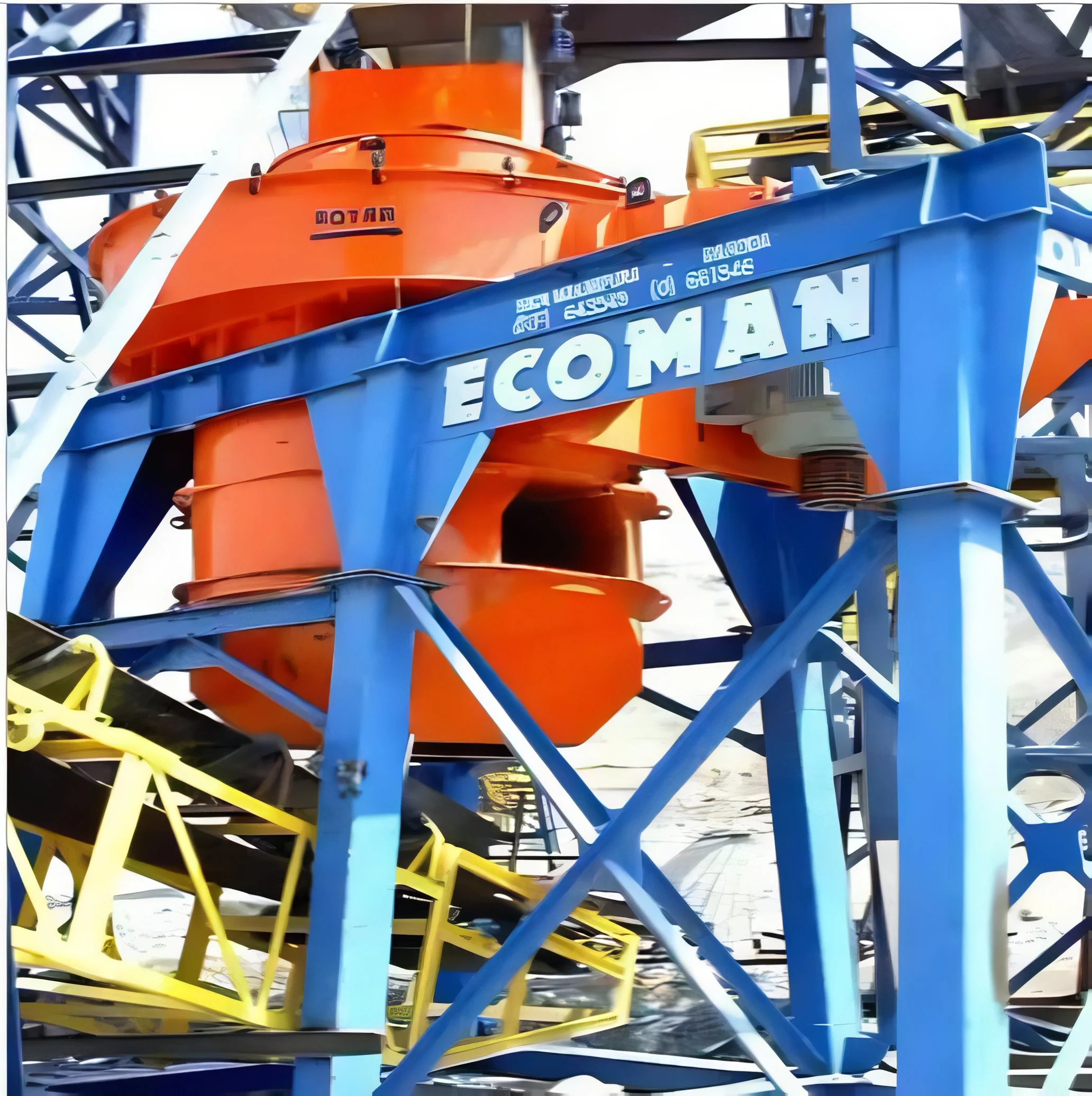
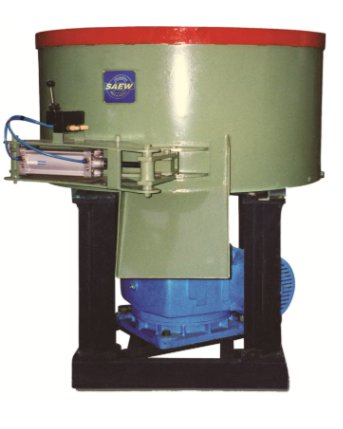
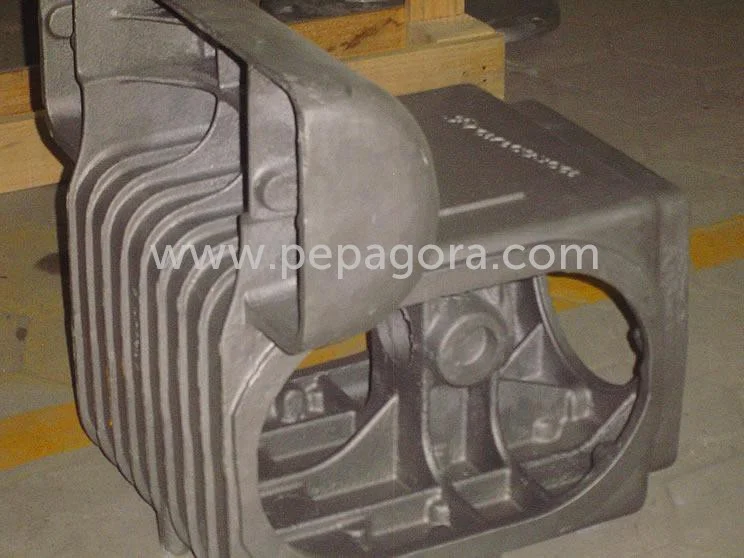
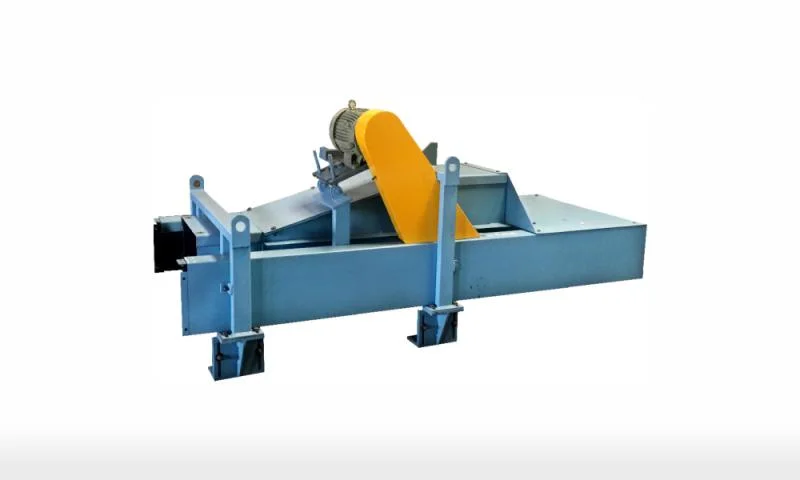
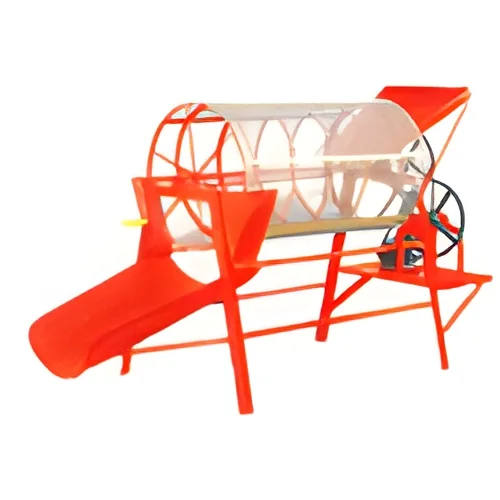
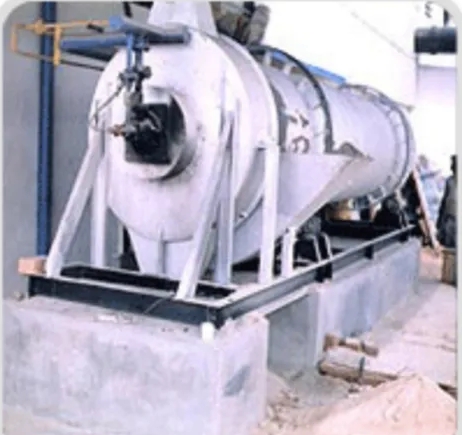
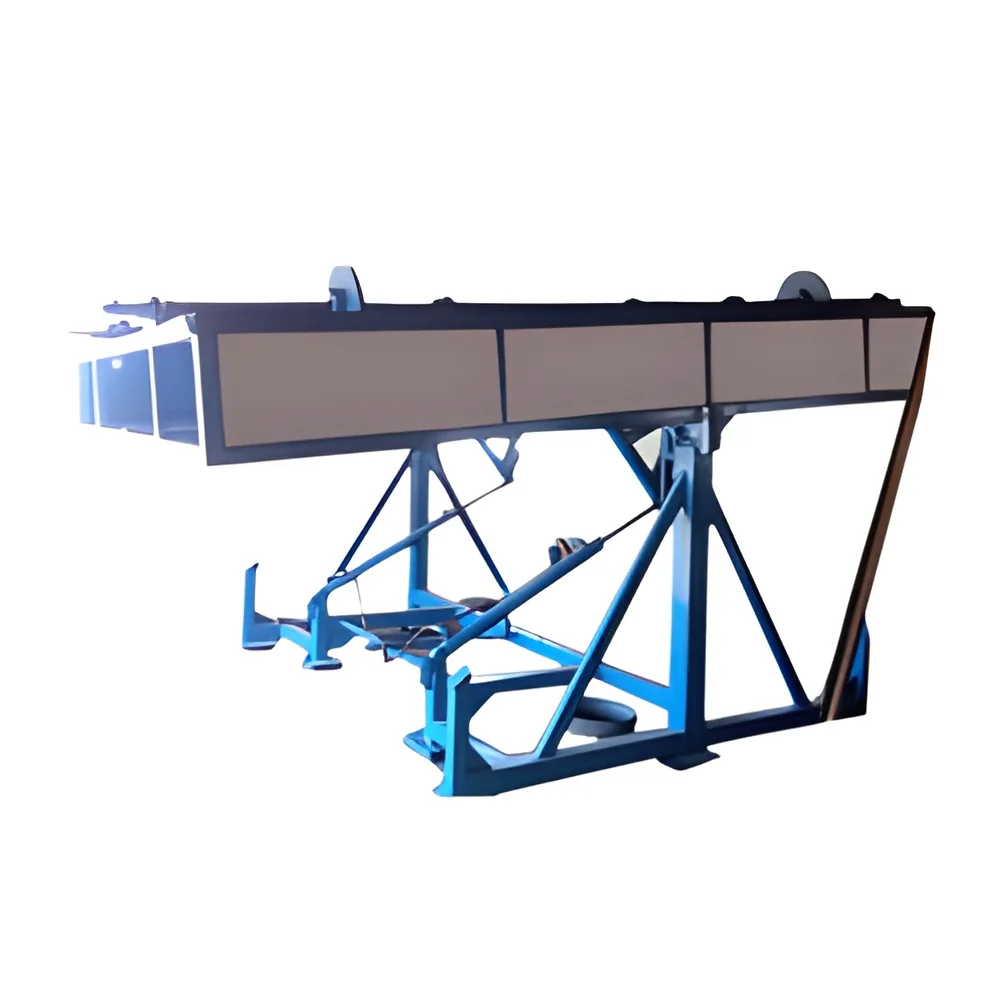
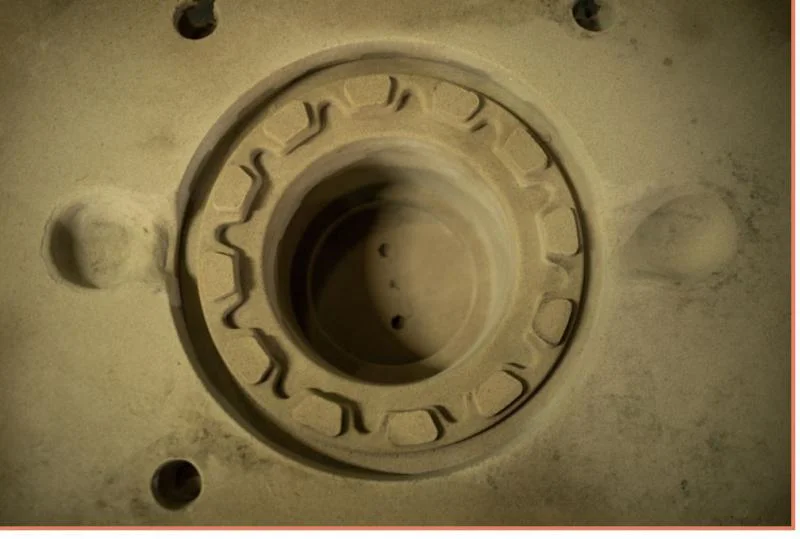
What are Sand Casting Equipment?
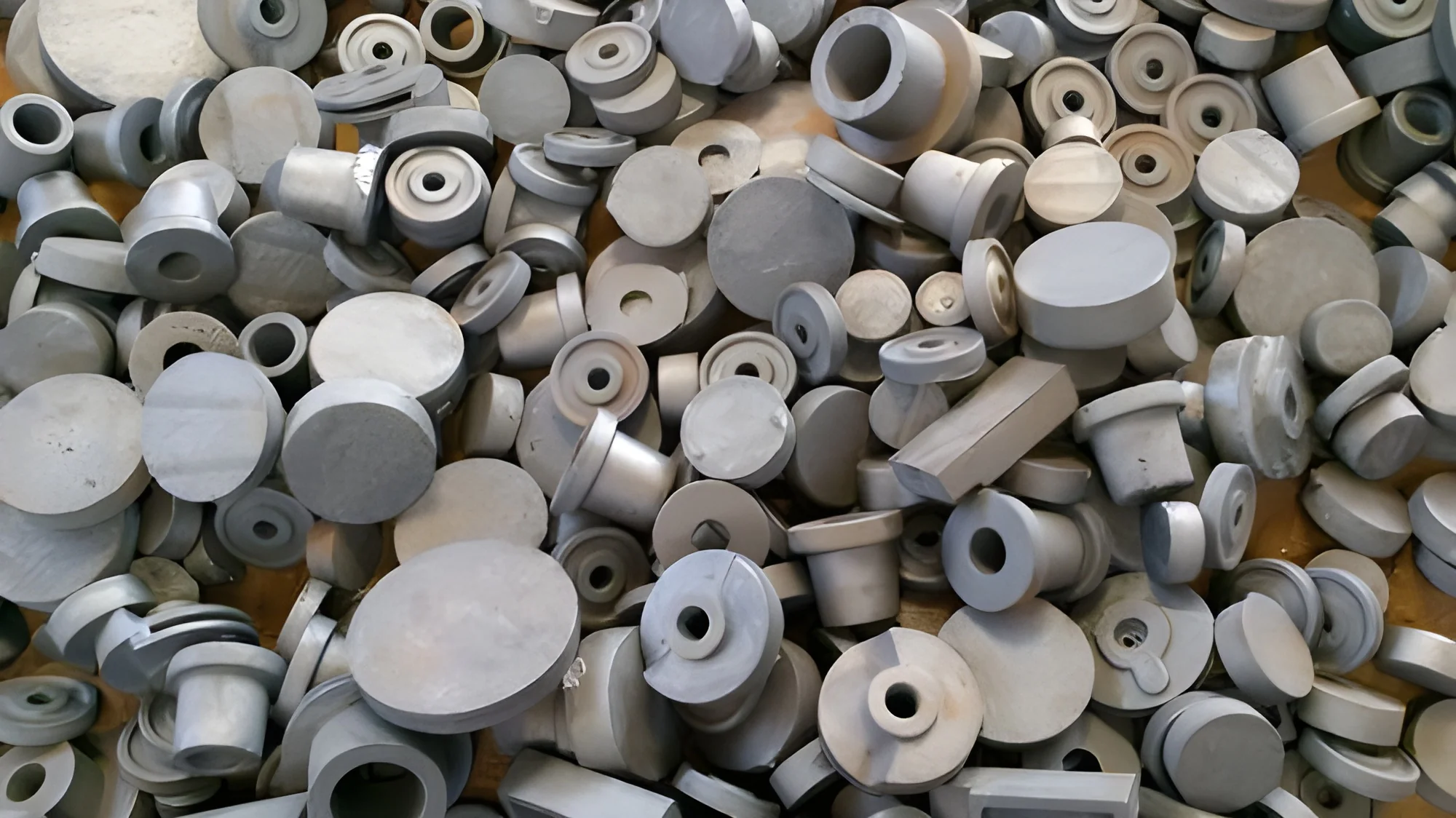
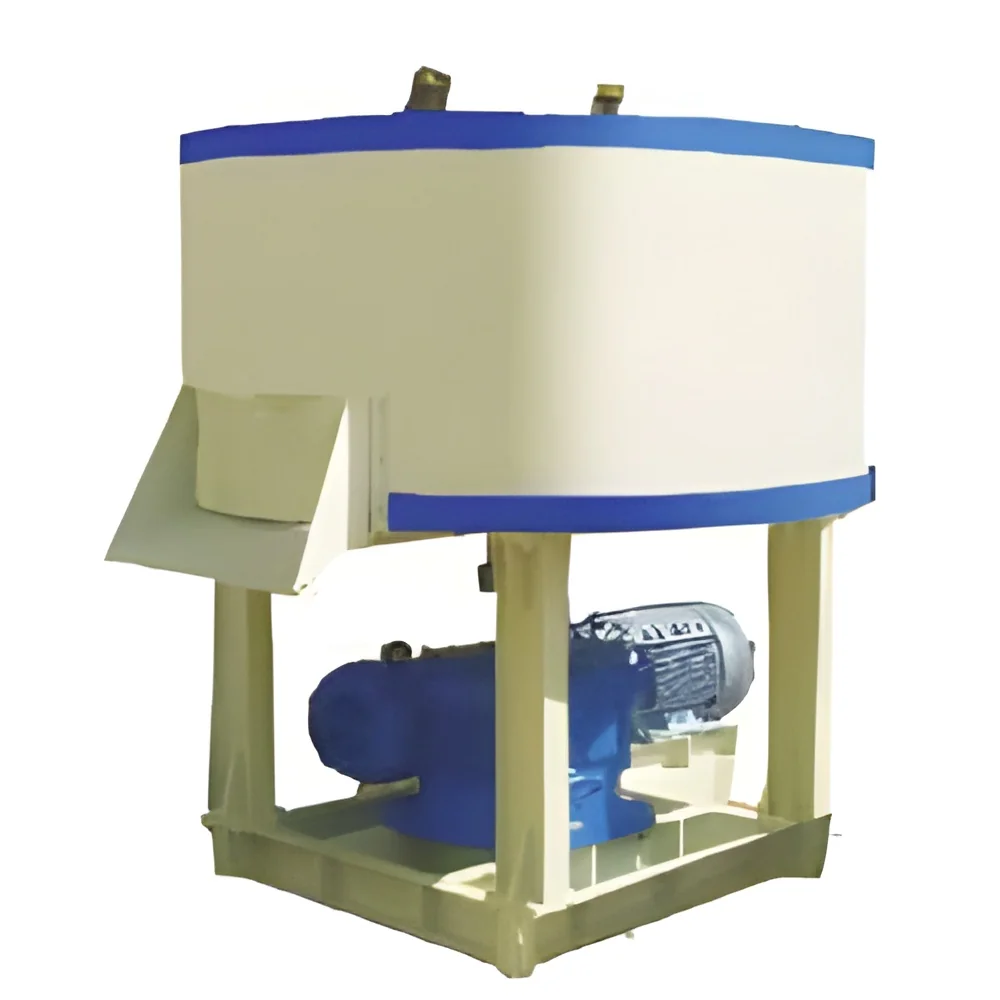
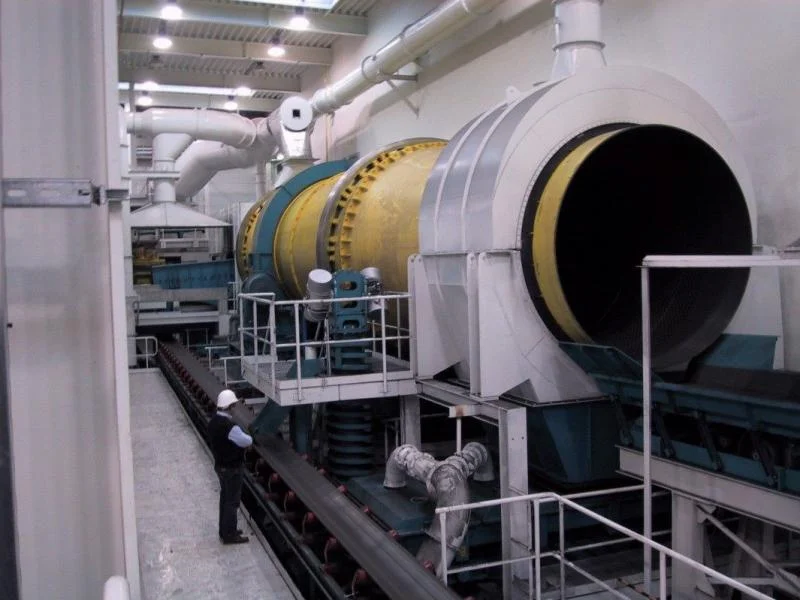
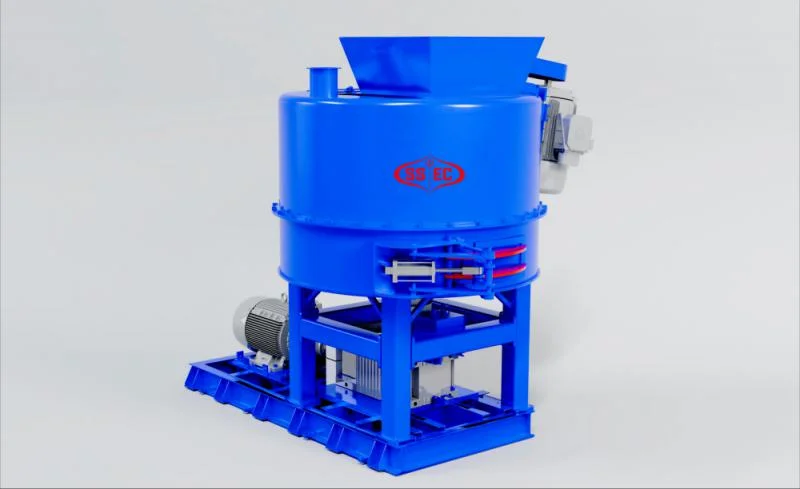
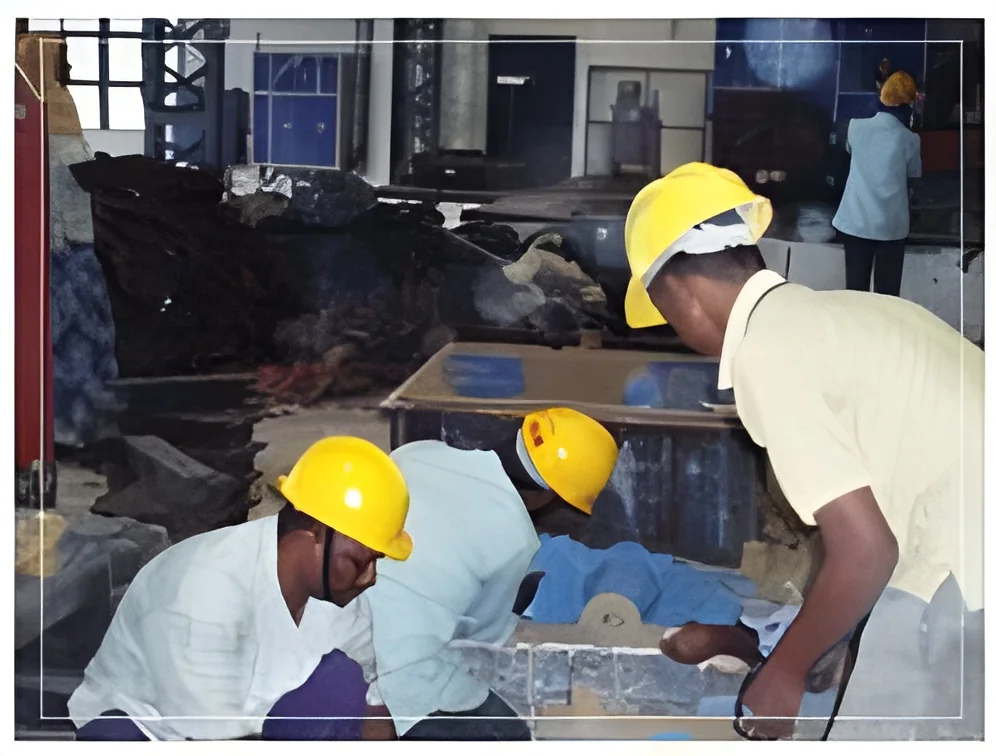
Sand casting equipment refers to the machinery and tools utilized in the sand casting process, which is a widely used method for producing metal parts. This process involves creating a mold from sand, pouring molten metal into the mold, and then allowing it to cool and solidify. The equipment can vary in complexity, ranging from simple hand tools to sophisticated automated systems designed for high-volume production.
The primary uses of sand casting equipment include manufacturing components for various industries such as automotive, aerospace, and construction. This versatile technique allows for the production of intricate shapes and sizes, making it suitable for both small and large-scale applications. Businesses rely on sand casting equipment to create durable parts with precise specifications, significantly impacting their production capabilities and overall efficiency.
In the context of the industrial market, sand casting remains a relevant and essential method for metal fabrication. With advancements in technology, the equipment has evolved to meet the increasing demands for precision and quality. As industries continue to seek cost-effective manufacturing solutions, the demand for reliable sand casting equipment is expected to grow, further solidifying its role in modern manufacturing.
Key Features and Specifications
Sand casting equipment features various specifications tailored to enhance performance and efficiency. These specifications ensure that the equipment meets the needs of different manufacturing processes and environments.
Key specifications include:
1. Mold Type
- Sand casting equipment can utilize various mold types, including green sand molds, resin-bonded sand molds, and lost foam molds.
- Each type offers distinct advantages in terms of detail, strength, and ease of use.
2. Capacity
- The equipment's capacity refers to the volume of metal it can handle at one time, influencing production rates.
- Capacities can range from small units managing a few kilograms to large systems capable of handling several tons.
3. Automation Level
- Equipment can be manual, semi-automated, or fully automated, impacting operational efficiency.
- Higher automation levels typically reduce labor costs and increase output consistency.
4. Cooling Systems
- Cooling systems are crucial for controlling the temperature of molten metal during the casting process.
- Features may include water jackets or air cooling systems to ensure optimal cooling rates.
5. Material Compatibility
- Equipment is designed to work with various metal types, including aluminum, iron, and bronze.
- Compatibility ensures the equipment can meet diverse production needs.
6. Maintenance Requirements
- The complexity of maintenance varies across different types of equipment.
- Regular maintenance schedules are essential to ensure longevity and optimal performance.
7. Safety Features
- Safety features such as emergency shutdowns and protective enclosures are critical for operator safety.
- Compliance with industry safety regulations is an important consideration.
8. Certification
- Many sand casting equipment manufacturers obtain certifications such as CE to demonstrate compliance with safety and quality standards.
- Certifications provide assurance of equipment reliability and performance.
In summary, understanding the key features and specifications of sand casting equipment is essential for selecting the right tools for manufacturing needs. These specifications contribute to the overall effectiveness and efficiency of the casting process.
Common Applications and Use Cases
Sand casting equipment serves a multitude of industries, providing solutions for diverse manufacturing needs.
1. Automotive Industry: Sand casting is commonly used for producing engine blocks, transmission housings, and various components that require durability and precision.
2. Aerospace Industry: Components like turbine housings and structural parts are often produced using sand casting techniques, given their complex designs and stringent quality requirements.
3. Construction Industry: Sand casting equipment is utilized to create large structural components, such as beams and frames, which are essential for building infrastructure.
4. Marine Industry: Parts like propellers and engine mounts are produced through sand casting, where strength and corrosion resistance are crucial.
5. Heavy Machinery: Equipment components, such as gears and housings, are manufactured using sand casting to ensure they can withstand heavy operational loads.
6. Artistic and Decorative Applications: Sand casting is also employed in producing sculptures and decorative items, allowing for creative designs and custom features.
7. Energy Sector: Parts for turbines and other energy-producing equipment are fabricated using sand casting to meet high-performance standards.
These examples illustrate the versatility of sand casting equipment across various industries, highlighting its importance in modern manufacturing.
Product Variants and Subcategories
Sand casting equipment is diverse, catering to different manufacturing requirements and preferences.
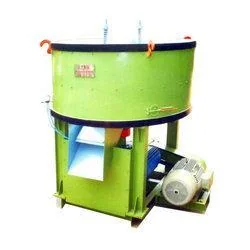
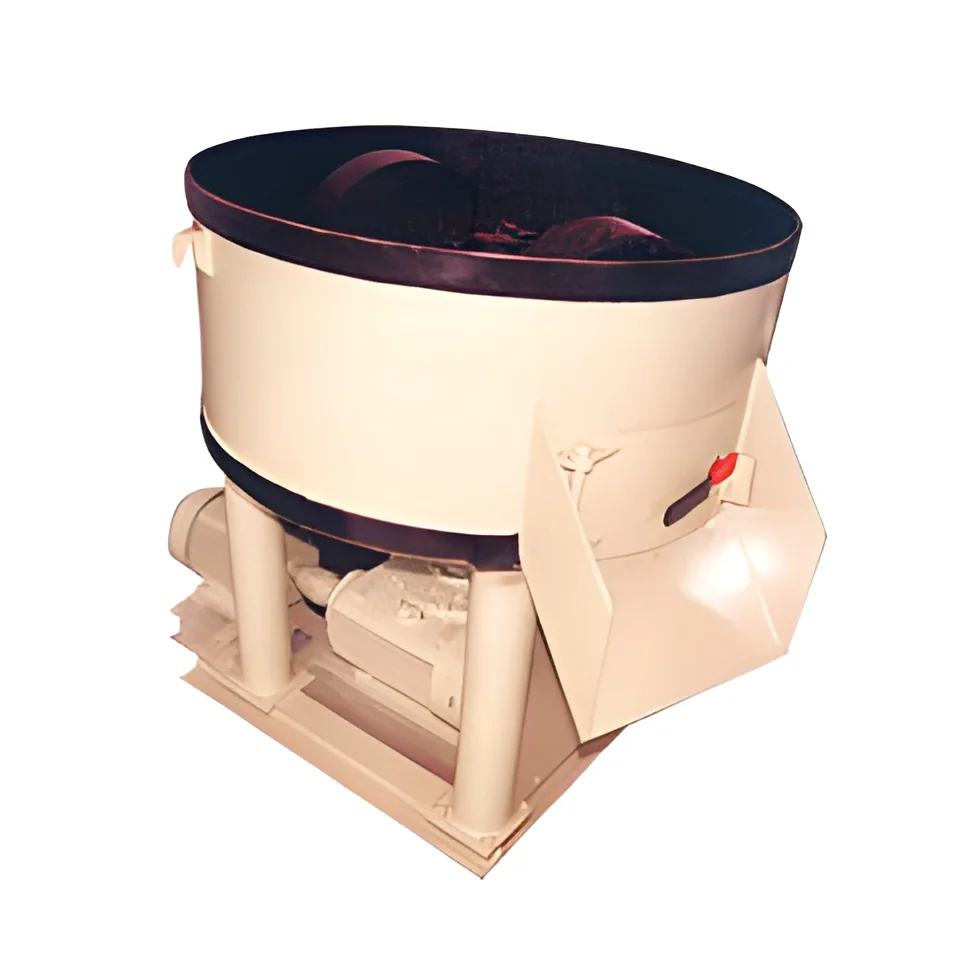
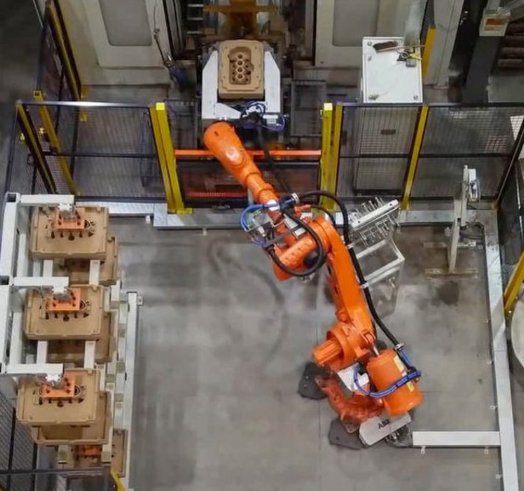
Molding Machines: These machines automate the mold-making process, allowing for high-speed production and increased accuracy. They are essential for manufacturers aiming to boost productivity while maintaining quality.
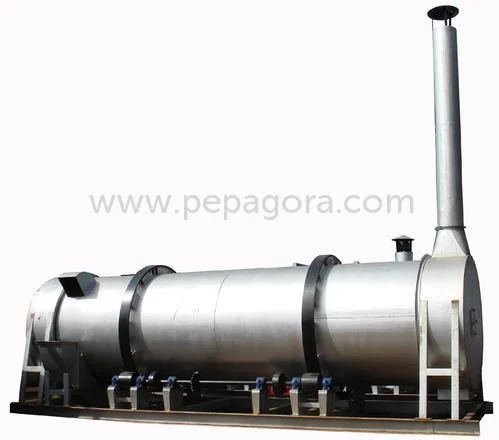
Melting Furnaces: These are used to melt metal before pouring it into molds. They come in various types, including induction and crucible furnaces, each offering unique advantages for different metal types and volumes.
Core Making Equipment: This variant focuses on creating cores, which are essential for producing hollow sections in castings. Advanced core-making systems enhance precision and reduce waste.
Pattern Making Tools: These tools are vital for creating molds, with options ranging from hand tools to advanced CNC machinery, providing flexibility for various production scales.
Benefits and Advantages
The benefits of using sand casting equipment are numerous and impactful for manufacturers.
Key benefits include:
1. Cost-Effectiveness: Sand casting is often more affordable than other casting methods, especially for low to medium production runs, making it accessible for many businesses.
2. Design Flexibility: The sand casting process allows for intricate designs and complex shapes, enabling manufacturers to meet specific requirements and innovate.
3. Material Versatility: Sand casting can accommodate a wide range of metals, increasing its applicability across various industries and reducing the need for specialized equipment.
4. High Tolerance Levels: Sand casting equipment can produce parts with good dimensional tolerances, which is essential for ensuring parts fit together correctly in assemblies.
5. Scalability: The process can be scaled up or down based on production needs, allowing manufacturers to adjust output levels as required.
6. Environmentally Friendly: Sand casting uses natural materials and can often recycle sand, contributing to more sustainable manufacturing practices.
Buying Guide for B2B Buyers
When sourcing sand casting equipment, there are several critical factors to consider to ensure you make an informed decision.
1. Quality Assessment: Evaluate the quality of the equipment by reviewing customer testimonials and conducting performance tests. High-quality equipment will lead to better production outcomes.
2. Supplier Verification: Vet potential suppliers by checking their reputation, industry experience, and certification status. Reliable suppliers should have a proven track record in delivering quality products.
3. Pricing and MOQ: Understand pricing structures and minimum order quantities (MOQ) to align your budget and production needs. Compare quotes from multiple suppliers to find the best deal.
4. Delivery and Lead Times: Assess the logistics capabilities of suppliers, including delivery schedules and lead times. Timely delivery is crucial for maintaining production schedules.
5. Compliance Requirements: Ensure that the equipment meets necessary safety and regulatory standards, such as CE certification, to avoid legal and operational issues in the future.
Compliance and Certifications
Compliance and certifications play a vital role in the quality assurance of sand casting equipment.
Many manufacturers adhere to quality standards such as ISO 9001, which outlines a framework for maintaining consistent quality in products and services. This certification helps ensure that the equipment meets international quality benchmarks.
Industry certifications, such as CE, signify that the equipment complies with European safety and environmental regulations. This certification provides assurance to buyers regarding the safety and reliability of the equipment.
Additionally, safety and testing requirements must be met to protect workers and ensure operational efficiency. Regular testing and adherence to safety protocols are essential to mitigate risks associated with the casting process.
Regional compliance considerations vary depending on the market. Buyers should be aware of local regulations that may impact equipment use or manufacturing practices.
Why Source Sand Casting Equipment from Pepagora?
Pepagora provides a trusted platform for sourcing sand casting equipment, offering several key advantages to businesses in need.
Verified Supplier Network: Pepagora has a robust network of verified suppliers that ensures buyers can source equipment from reputable manufacturers. This network reduces the risk of subpar products and enhances buyer confidence.
Streamlined RFQ Process: The platform features a streamlined Request for Quotation (RFQ) process, simplifying the procurement of sand casting equipment. Buyers can easily compare multiple offers, saving time and effort.
Trade Assurance and Support: Pepagora offers trade assurance and buyer protection, ensuring that transactions are secure. This support instills confidence in buyers, knowing they have recourse if issues arise.
Regional Coverage: With a strong presence in regions such as India, GCC, and Southeast Asia, Pepagora caters to a wide geographical area, making it easier for businesses to connect with local suppliers and access essential equipment.
By choosing Pepagora, businesses can navigate the complexities of sourcing sand casting equipment with confidence, ensuring they meet their production needs effectively.

 IN
IN