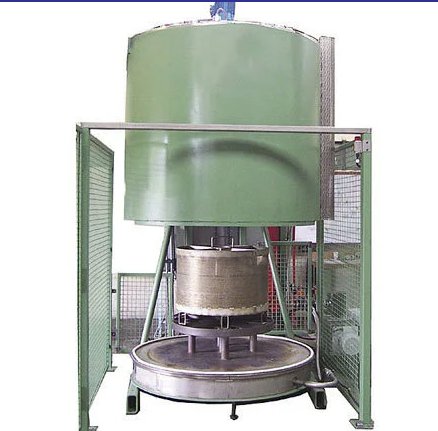
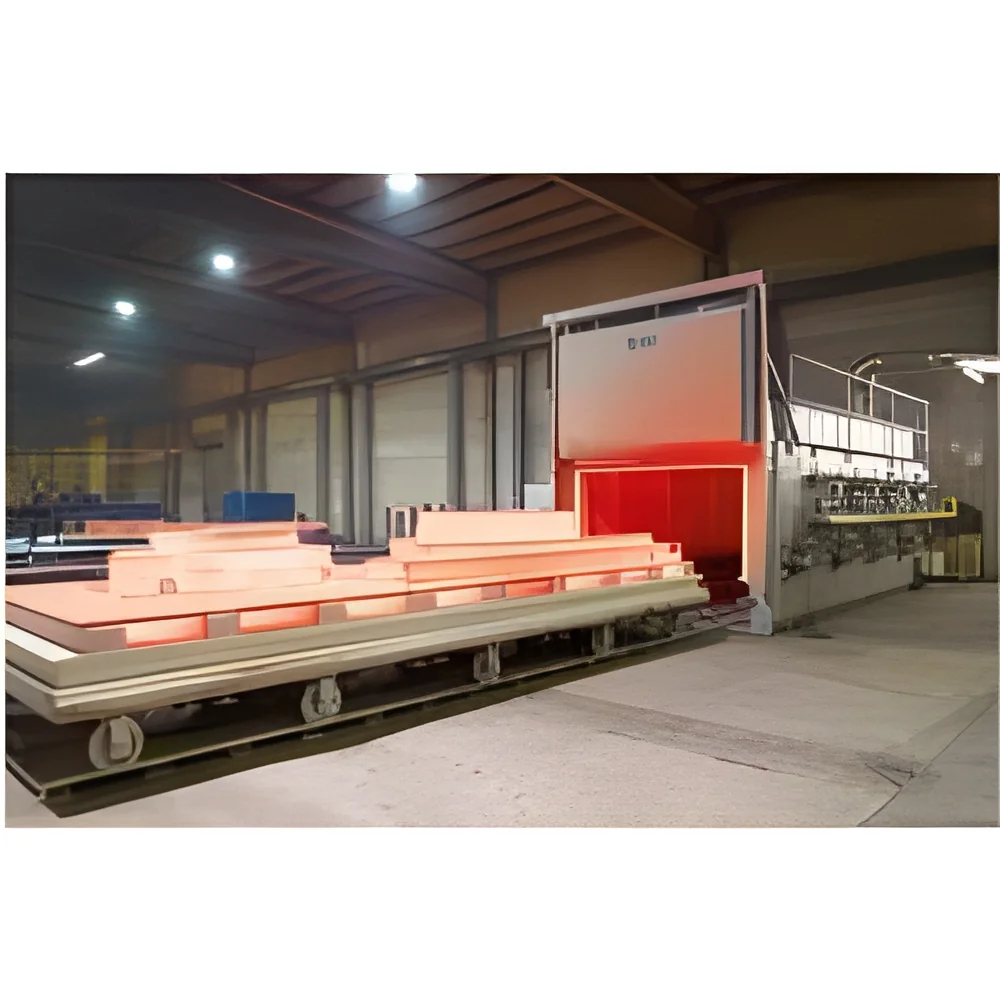
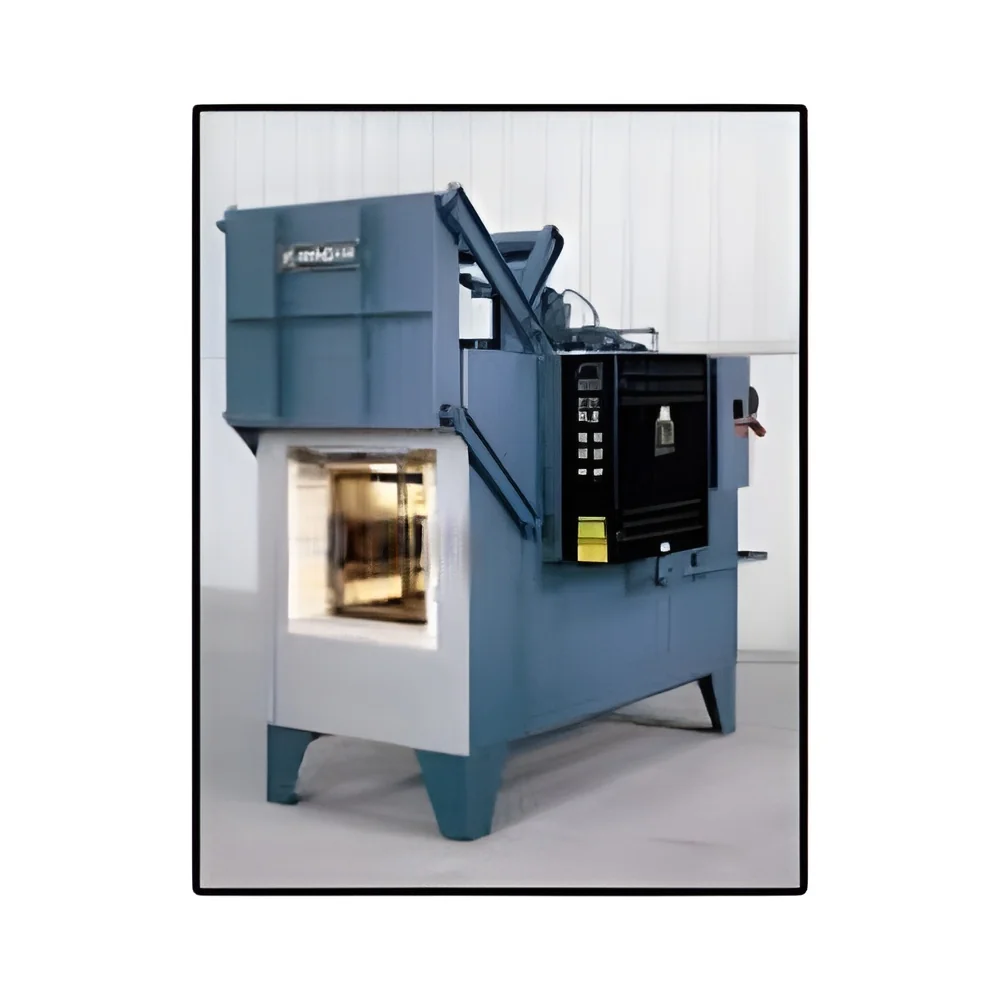
What are Tempering Furnaces for Forged Parts?
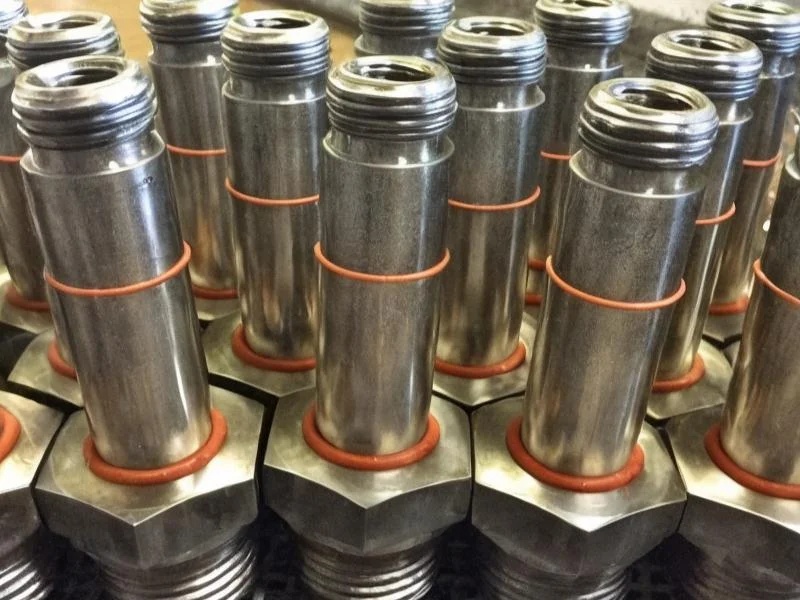
Tempering furnaces for forged parts are specialized industrial ovens designed to heat treat metal components after they have been forged. The tempering process involves heating the forged material to a specific temperature, then allowing it to cool at a controlled rate. This process improves the toughness and ductility of the metal while reducing brittleness, making it suitable for various demanding applications.
These furnaces are primarily used in industries where metal components must withstand high stress and wear, such as automotive, aerospace, and construction. They play a critical role in the production of high-strength parts like gears, shafts, and other components that must endure operational fatigue. As industries increasingly emphasize the durability and performance of materials, tempering furnaces have become vital in the manufacturing process.
In the current market context, tempering furnaces are essential for manufacturers seeking to enhance product quality while meeting stringent industry standards. The demand for high-performance forged parts continues to rise, making the implementation of effective tempering processes more relevant than ever. This has led to advancements in furnace technology, ensuring that businesses can achieve precise and consistent results in their heat treatment processes.
Key Features and Specifications
Tempering furnaces for forged parts come equipped with several features designed to optimize performance and efficiency. Understanding these specifications is crucial for selecting the right furnace for your operations.
Key specifications include:
1. Heating Capability
- Enables precise temperature control for effective heat treatment.
- Temperature ranges typically between 200°C to 700°C.
2. Uniformity of Temperature
- Ensures even heating throughout the furnace chamber.
- Achieved through advanced circulation systems.
3. Energy Efficiency
- Incorporates insulation to minimize heat loss.
- Reduces operational costs over time.
4. Control Systems
- Features programmable logic controllers (PLC) for accurate monitoring.
- Allows for easy adjustments during the tempering process.
5. Safety Features
- Includes over-temperature protection and alarms.
- Ensures operator safety and equipment integrity.
6. Size Variability
- Available in various sizes to accommodate different production volumes.
- Customizable chamber dimensions for specific applications.
7. Material Composition
- Built with high-quality alloy steel for durability.
- Resists wear and corrosion in harsh operating conditions.
8. Compliance with Standards
- Meets industry standards like CE certification.
- Ensures reliability and safety in operation.
In summary, these features and specifications highlight the importance of selecting a tempering furnace that aligns with your manufacturing needs and operational goals.
Common Applications and Use Cases
Tempering furnaces for forged parts find applications across a variety of industries, each benefiting from the enhanced properties imparted by the tempering process.
1. Automotive Industry: Used for heat treating components like crankshafts and axles, ensuring they can withstand high levels of stress and wear.
2. Aerospace Industry: Critical for processing parts that require high strength-to-weight ratios, such as landing gear and turbine components.
3. Construction Industry: Employed in the production of heavy machinery parts, ensuring durability and reliability in demanding environments.
4. Oil and Gas Industry: Utilized for components that must endure extreme conditions, such as drill bits and valves.
5. Tool Manufacturing: Essential for creating high-performance tools that maintain their sharpness and structural integrity under heavy use.
6. Mining Industry: Applied in the treatment of parts that require exceptional toughness for equipment used in harsh conditions.
7. Medical Equipment: Used for components that must meet stringent safety and performance standards, ensuring reliability in critical applications.
Product Variants and Subcategories
Tempering furnaces for forged parts are available in various configurations to meet diverse industrial needs. Each variant offers unique features tailored to specific applications.
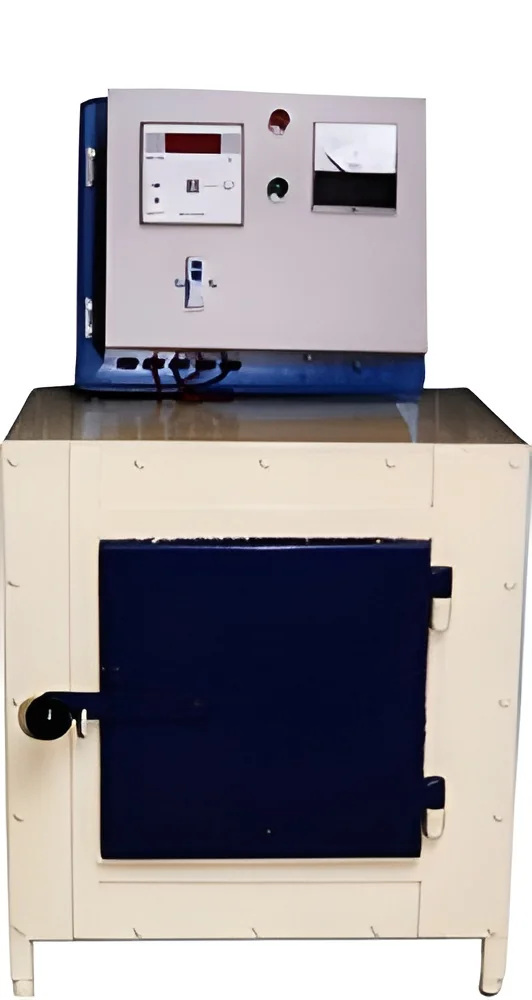
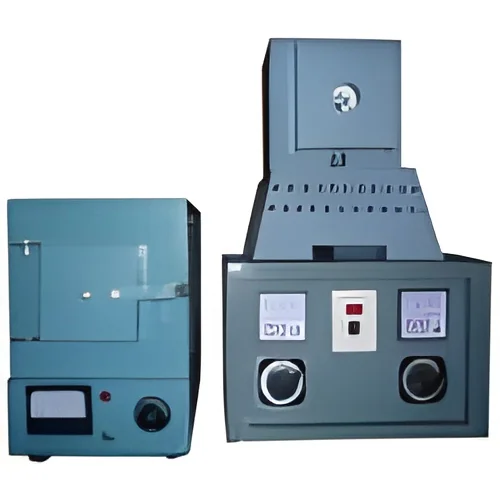
Electric Tempering Furnace: This variant utilizes electric heating elements for precise temperature control. It is ideal for operations that require a consistent heating profile and minimal environmental impact.
Gas-Fired Tempering Furnace: This furnace type uses natural gas or propane as a heat source. It is often favored for its energy efficiency and cost-effectiveness in high-volume applications.
Batch Tempering Furnace: Designed for processing multiple parts simultaneously, this variant is suited for operations with varying production loads. It allows for flexibility in processing different component sizes.
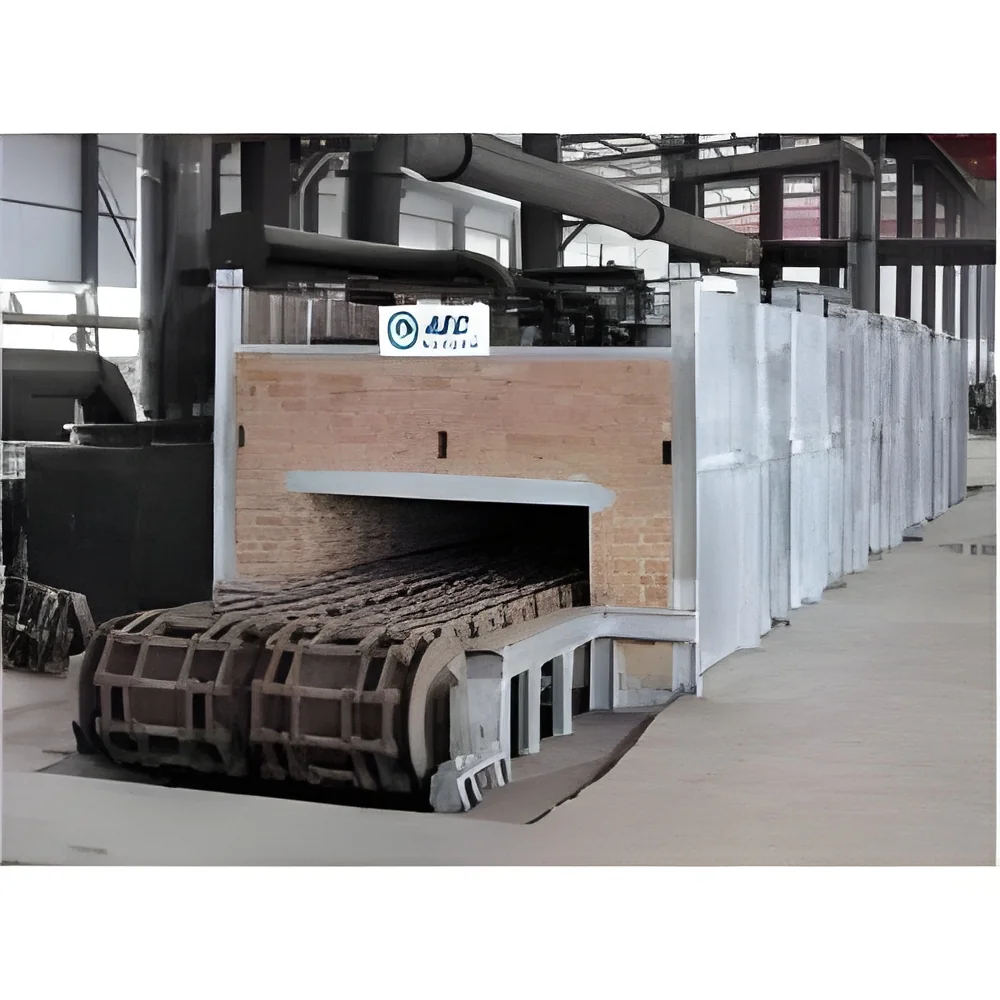
Continuous Tempering Furnace: This type features a conveyor system that allows for the continuous processing of parts. It is effective for high-throughput operations where speed is essential.
Benefits and Advantages
Choosing tempering furnaces for forged parts offers numerous benefits that enhance production efficiency and product quality.
Key benefits include:
1. Improved Material Properties: Tempering enhances toughness and ductility, making parts more reliable in their applications.
2. Cost Efficiency: Optimized energy consumption and reduced waste minimize operational costs over time.
3. Versatility: Suitable for a wide range of materials and applications, these furnaces can accommodate various industrial requirements.
4. Enhanced Production Quality: Consistent temperature control results in uniform heat treatment, leading to higher quality finished products.
5. Safety Assurance: Integrated safety features protect operators and ensure compliance with industry regulations.
6. Customization Options: Many furnaces can be tailored to meet specific operational needs, providing flexibility in production processes.
Buying Guide for B2B Buyers
When sourcing tempering furnaces for forged parts, there are several important factors to consider to ensure you make an informed decision.
1. Quality Assessment: Evaluate the quality of materials and construction. Look for furnaces that meet relevant industry standards to ensure reliability.
2. Supplier Verification: Conduct thorough research on potential suppliers. Check their credentials, customer reviews, and warranty offers to ensure they are reputable.
3. Pricing and MOQ: Understand the pricing structure and minimum order quantity (MOQ). Compare quotes from different suppliers to find the best value for your investment.
4. Delivery and Lead Times: Inquire about delivery schedules and lead times. Ensure that the supplier can meet your production timelines.
5. Compliance Requirements: Verify that the furnaces comply with necessary regulations and certifications, such as CE certification, to ensure safe operation.
Compliance and Certifications
Compliance and certifications are critical aspects of tempering furnaces for forged parts, ensuring that they meet industry standards and safety requirements.
Many furnaces adhere to quality standards such as ISO 9001, which focuses on quality management systems. This certification demonstrates a commitment to consistent quality and operational efficiency.
In addition, compliance with CE certification indicates that the furnace meets European safety and environmental protection standards. This is particularly important for suppliers looking to enter or operate within European markets.
Safety and testing requirements must also be considered. Furnaces should undergo rigorous testing to ensure they can operate safely under various conditions.
Furthermore, regional compliance considerations may apply, depending on the market in which the furnaces will be used. It is essential to stay informed about local regulations to ensure full compliance.
Why Source Tempering Furnaces for Forged Parts from Pepagora?
Pepagora provides a trusted platform for sourcing tempering furnaces for forged parts, offering numerous key advantages to B2B buyers.
The verified supplier network ensures that buyers are connected with reputable manufacturers and distributors. This minimizes the risk of sourcing low-quality equipment and enhances buyer confidence.
Pepagora's streamlined RFQ process simplifies obtaining quotations from multiple suppliers. This allows buyers to compare options efficiently and select the best fit for their needs.
Trade assurance and support are integral to the Pepagora experience. Buyers can benefit from protection policies that safeguard their investments throughout the purchasing process.
With regional coverage spanning India, the GCC, and Southeast Asia, Pepagora offers a broad marketplace for tempering furnaces. This geographic reach ensures that buyers can find suitable options tailored to their local requirements and operational contexts.
In conclusion, sourcing tempering furnaces for forged parts through Pepagora provides a comprehensive solution for businesses seeking quality equipment to enhance their manufacturing processes.

 IN
IN