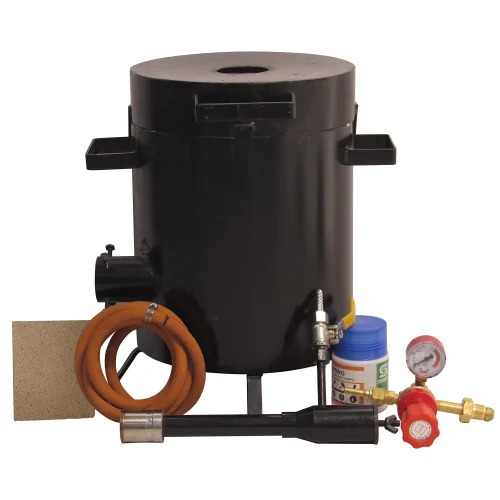
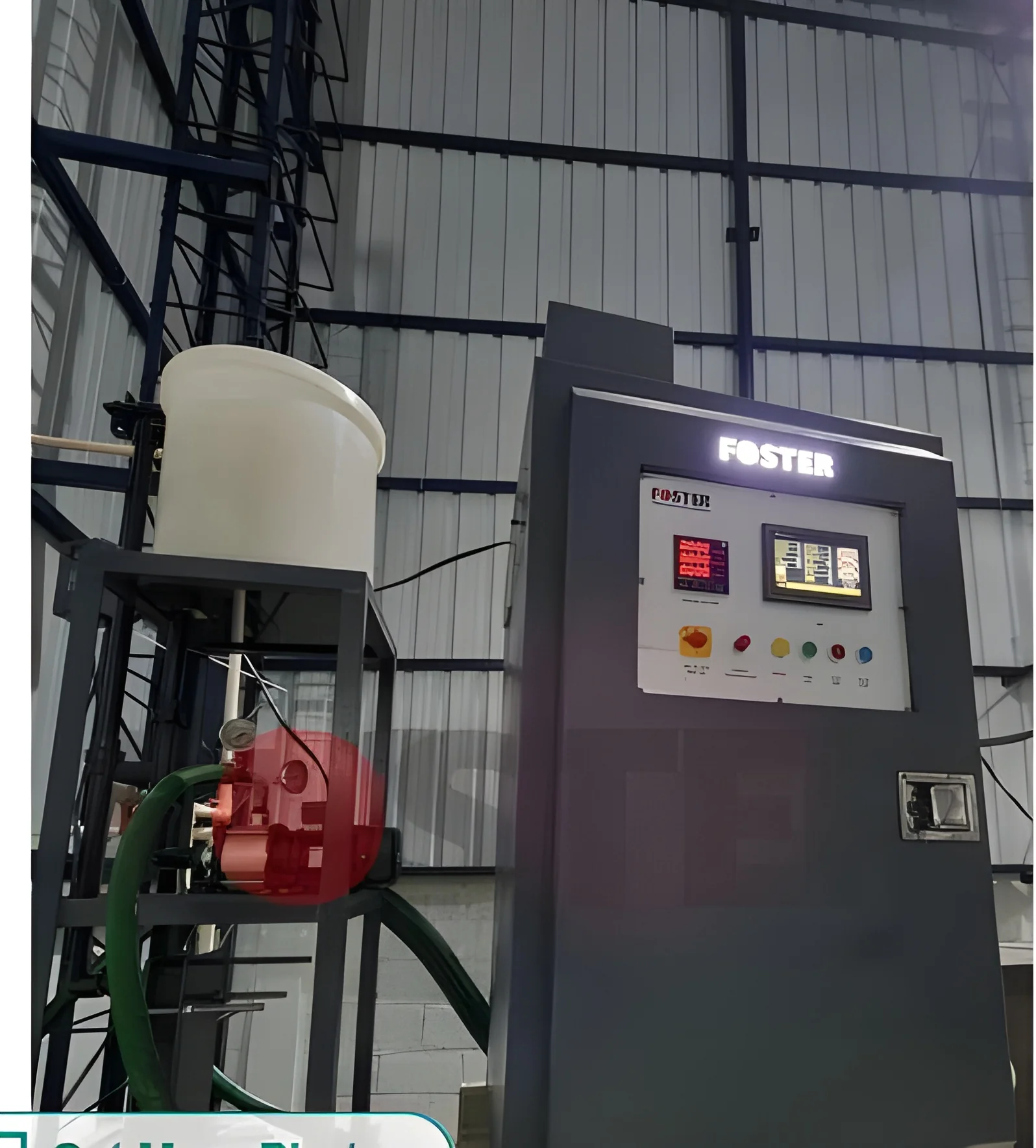
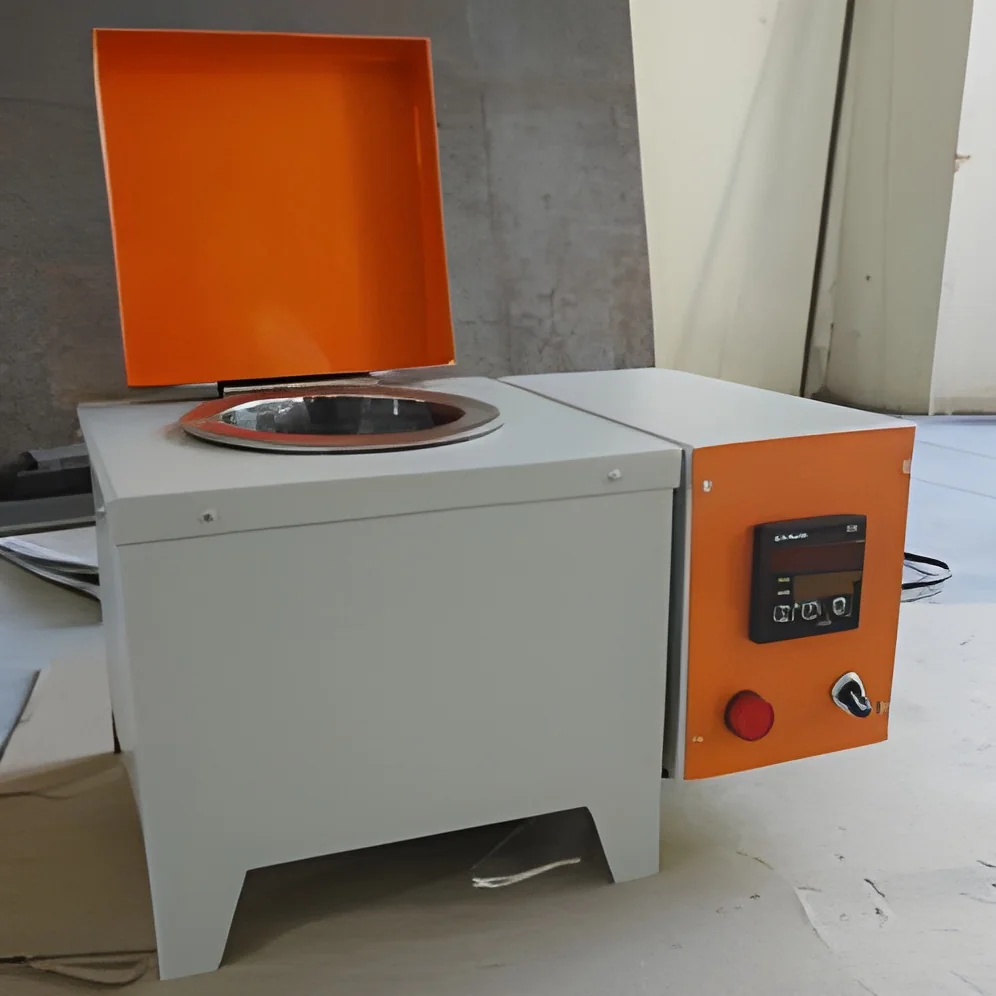
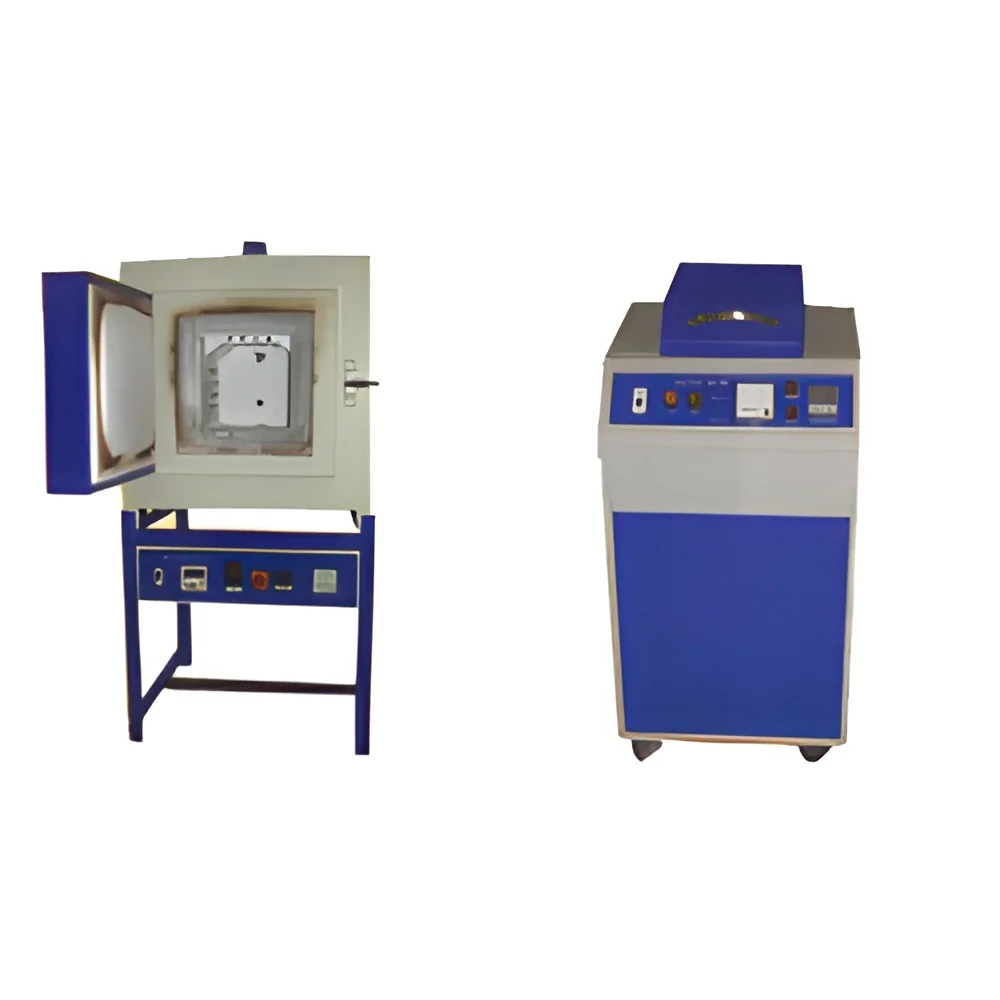
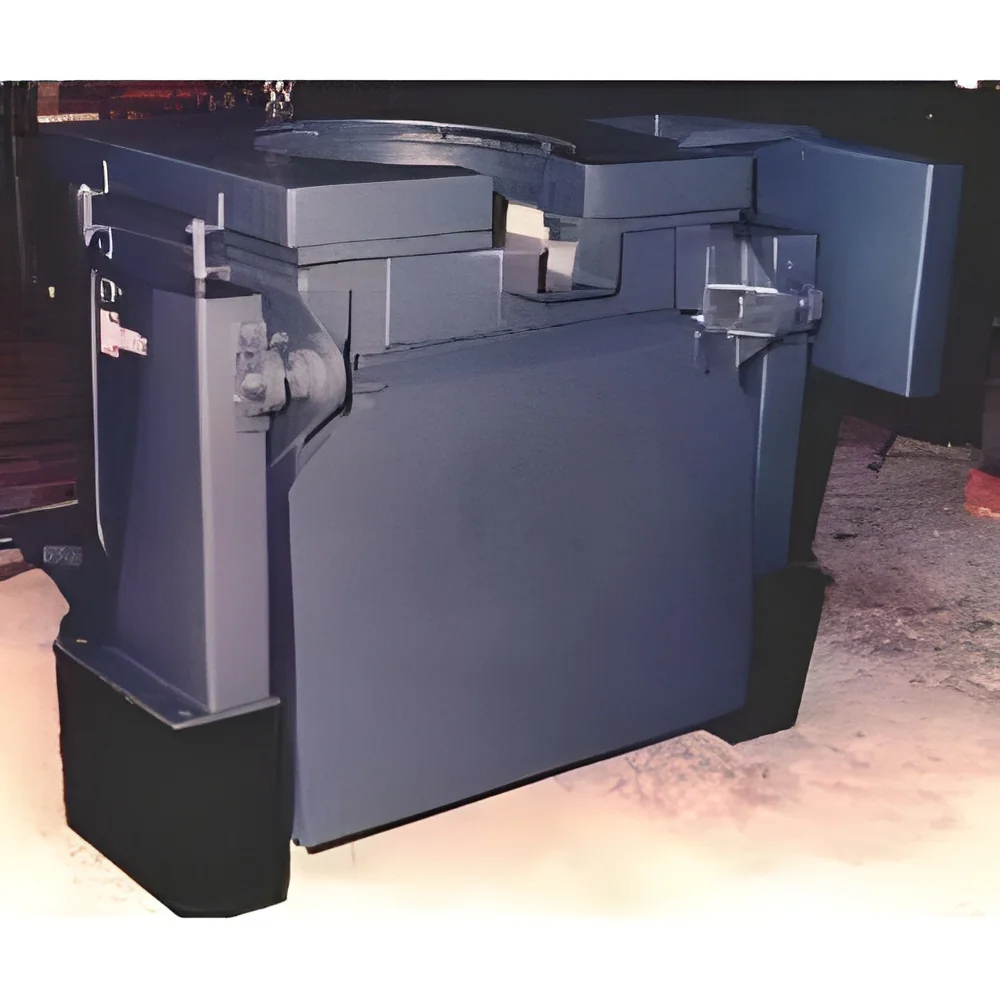
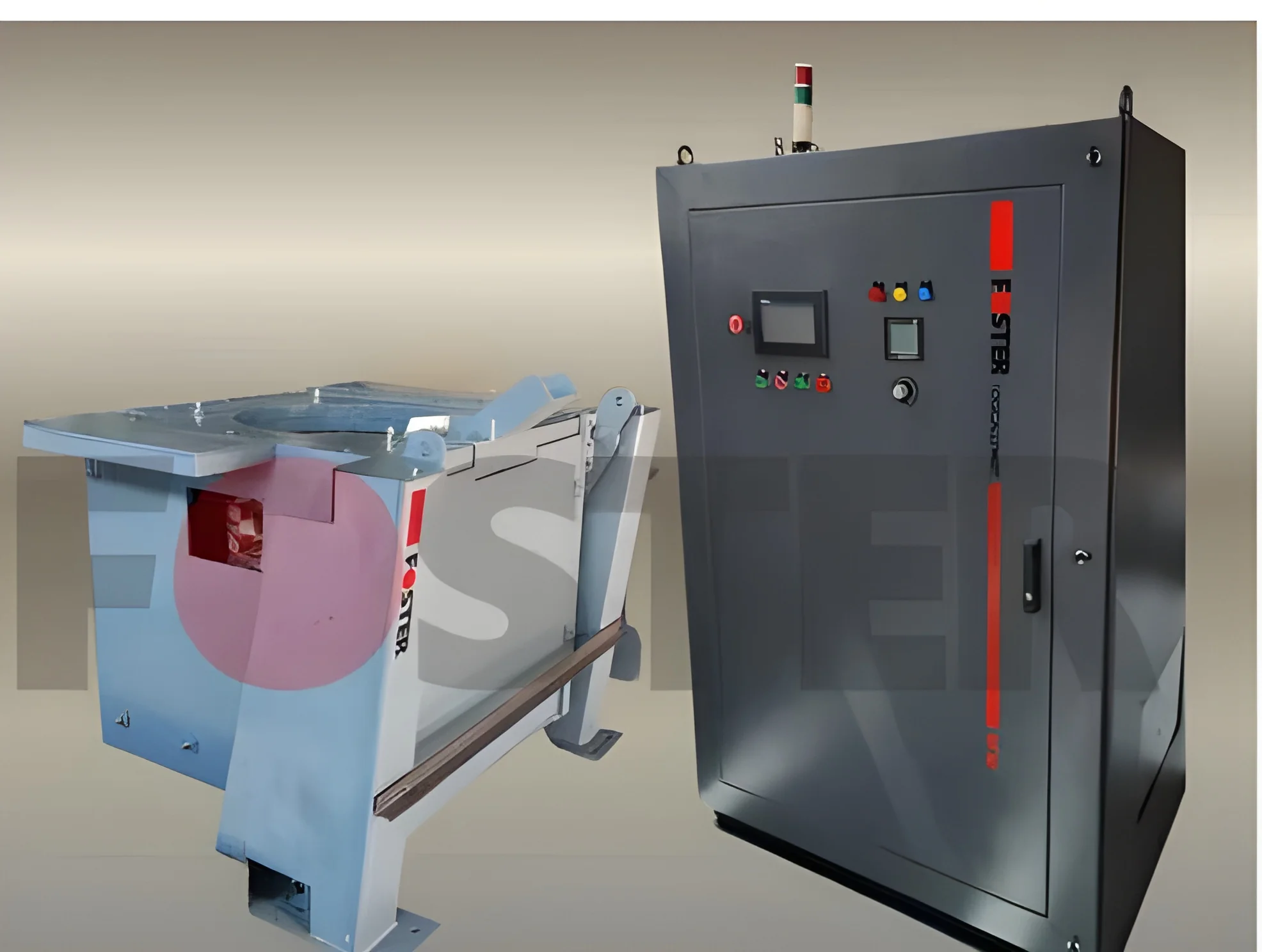
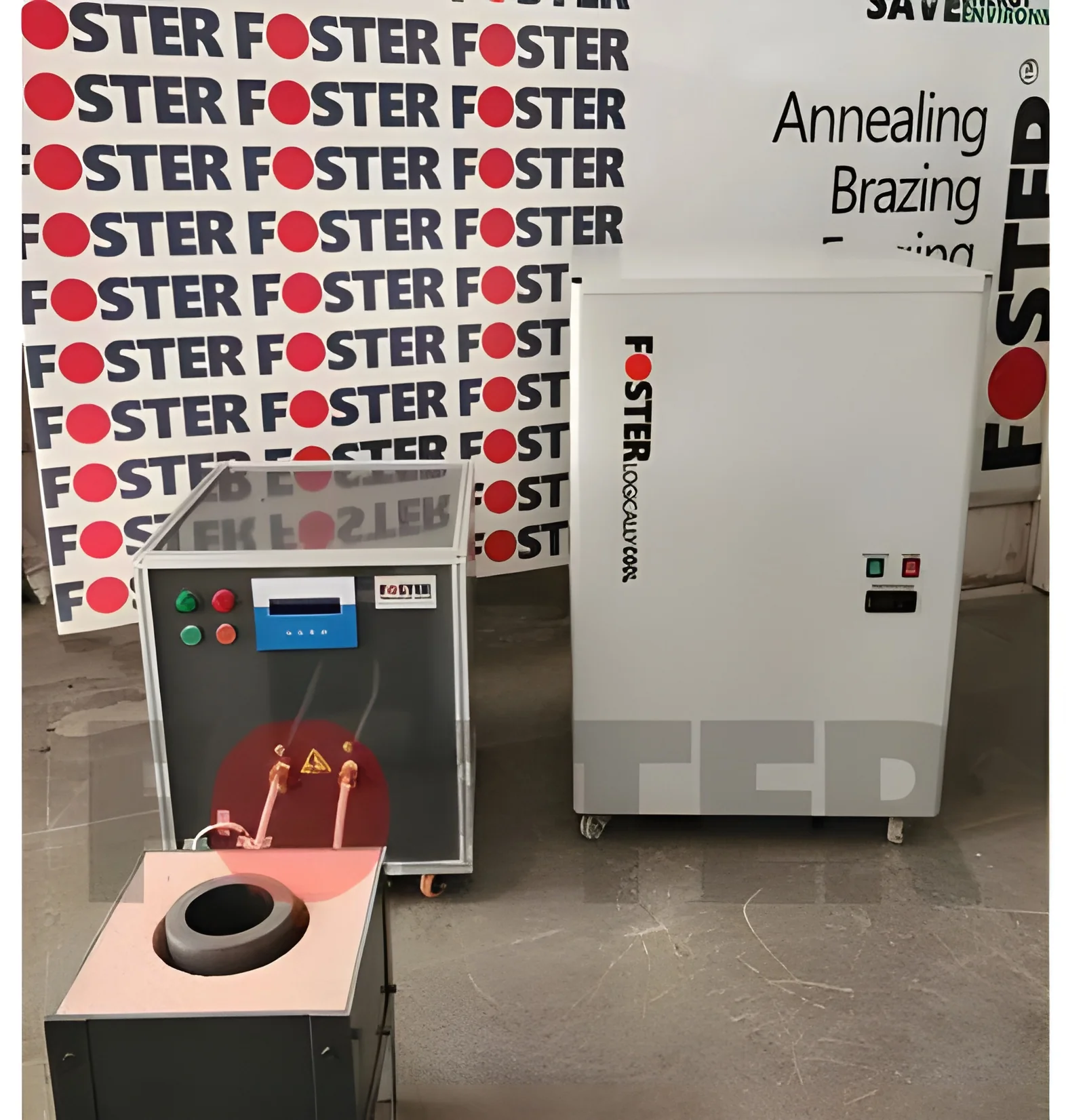
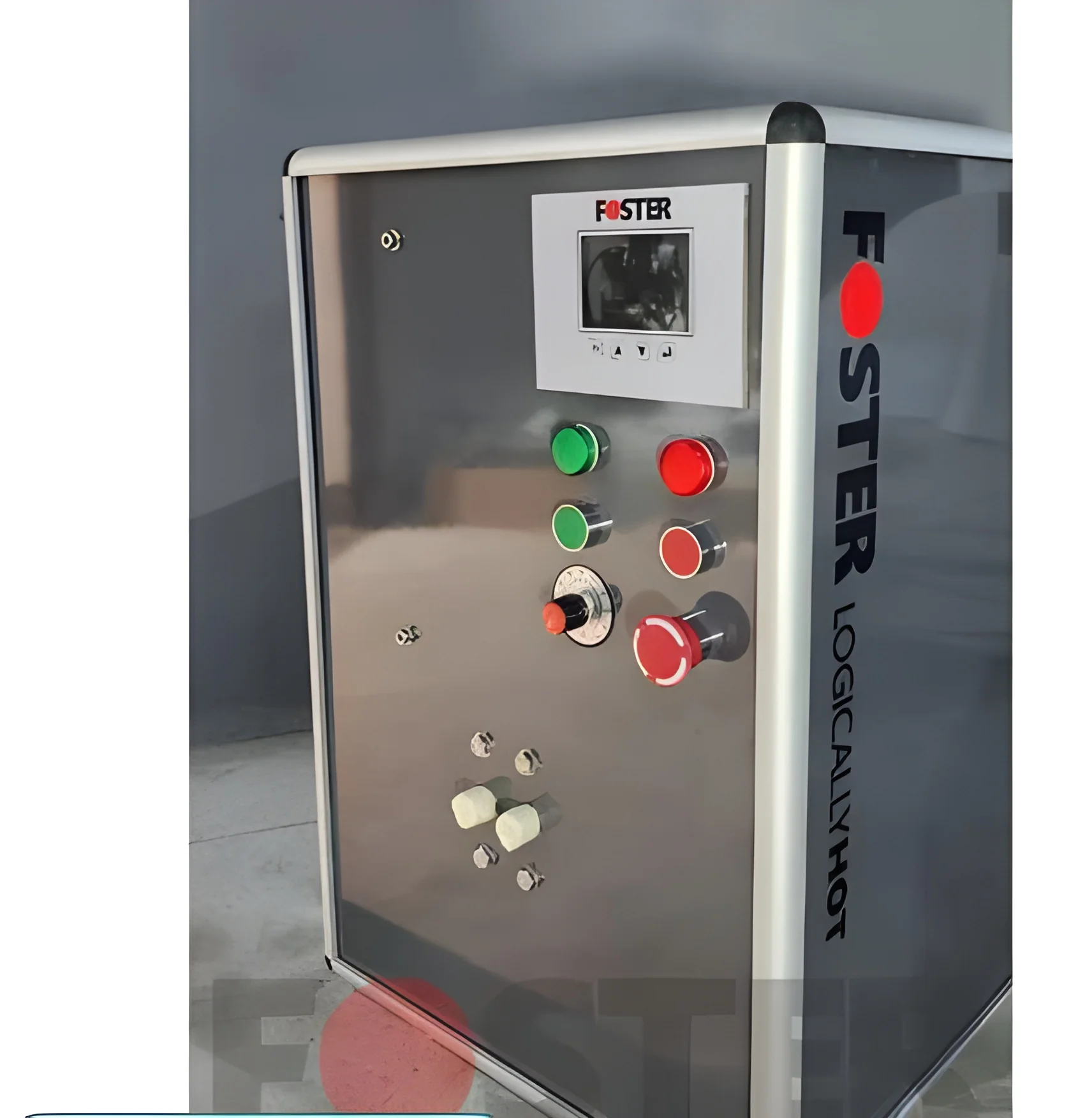
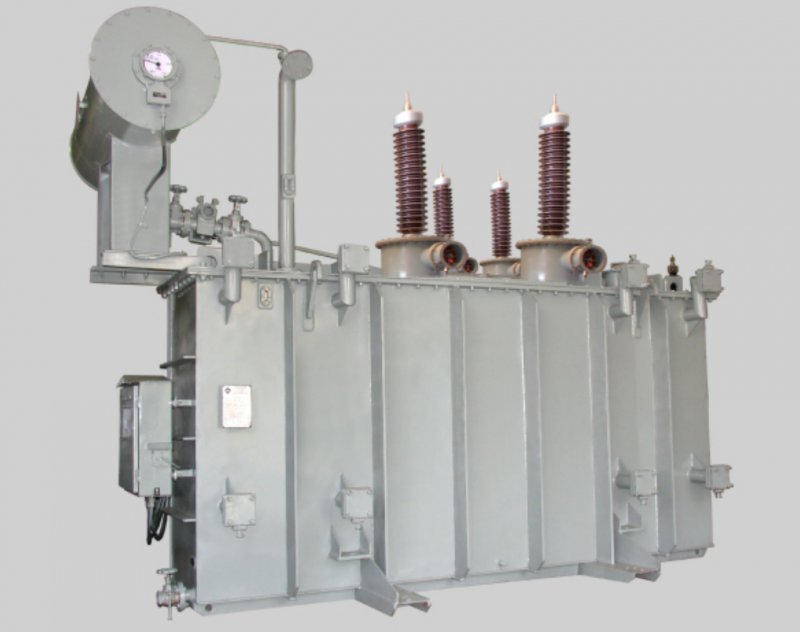
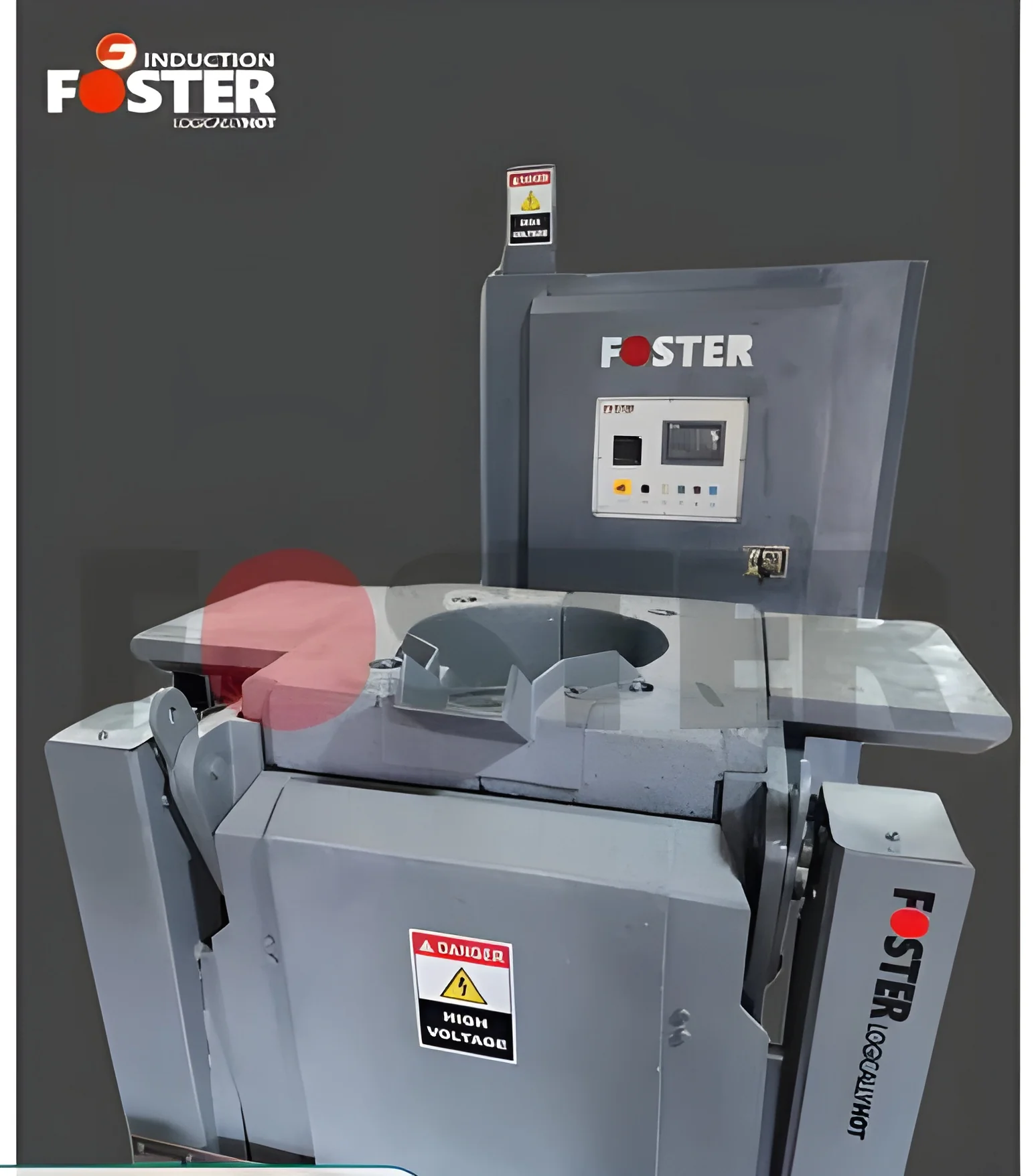
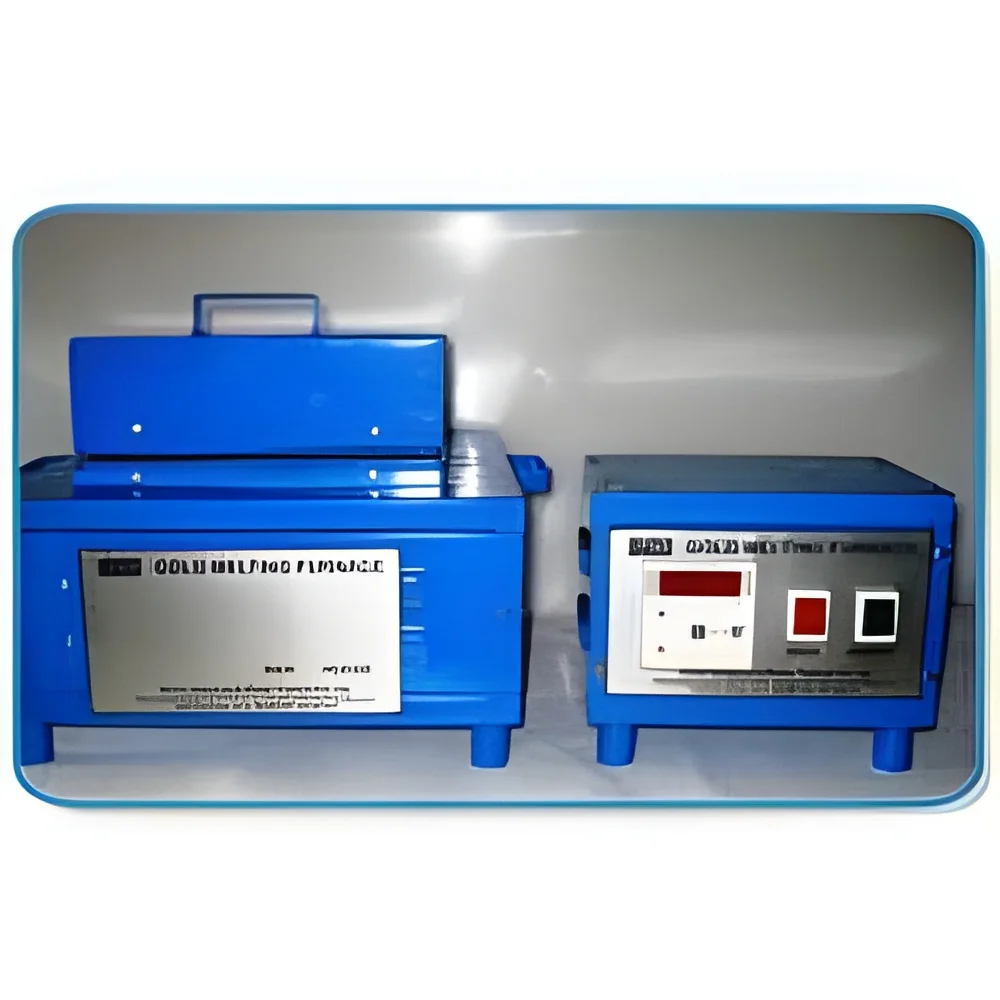
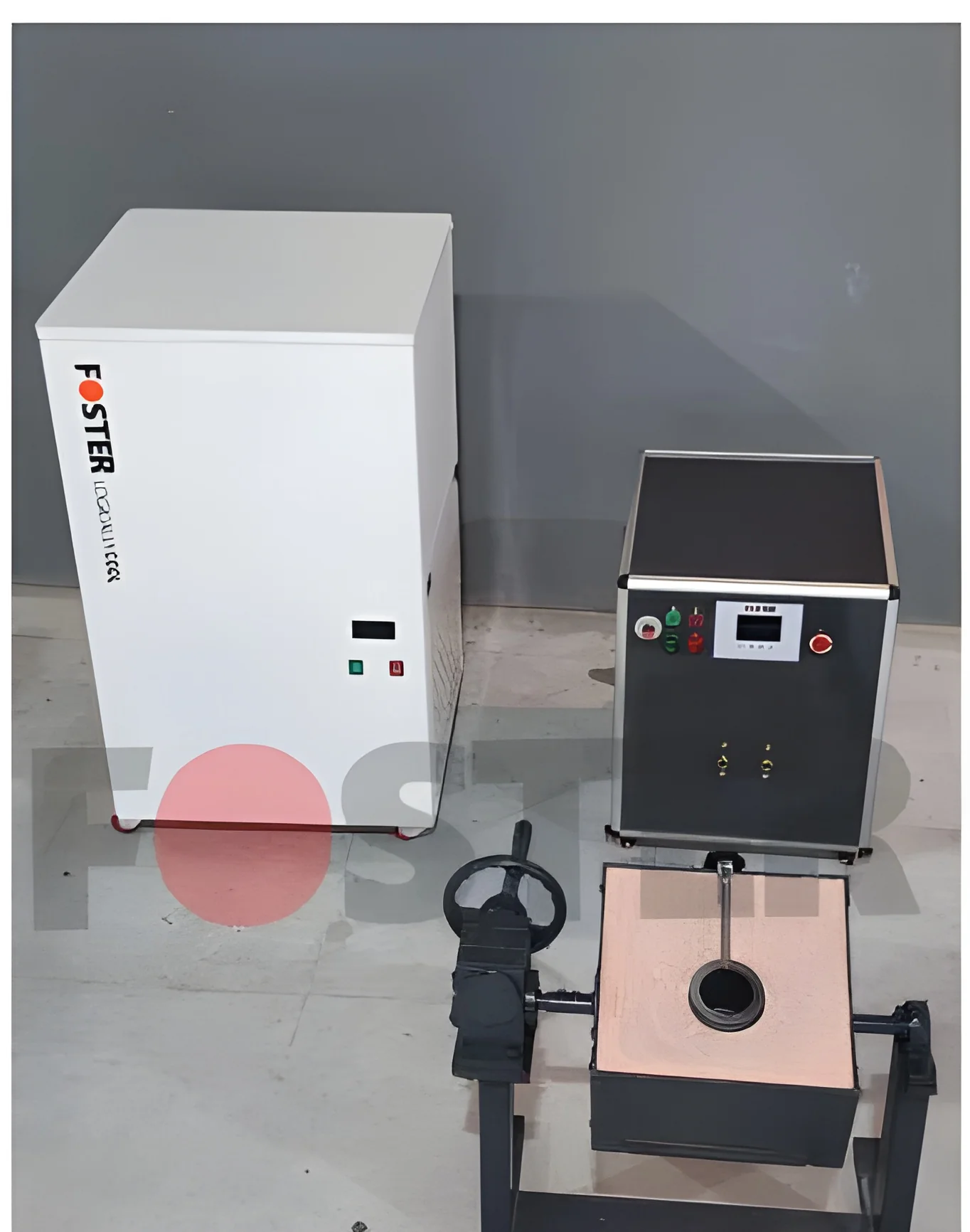
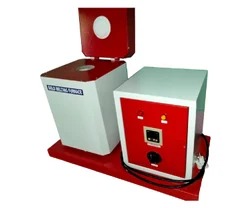
What are Induction Melting Furnaces?
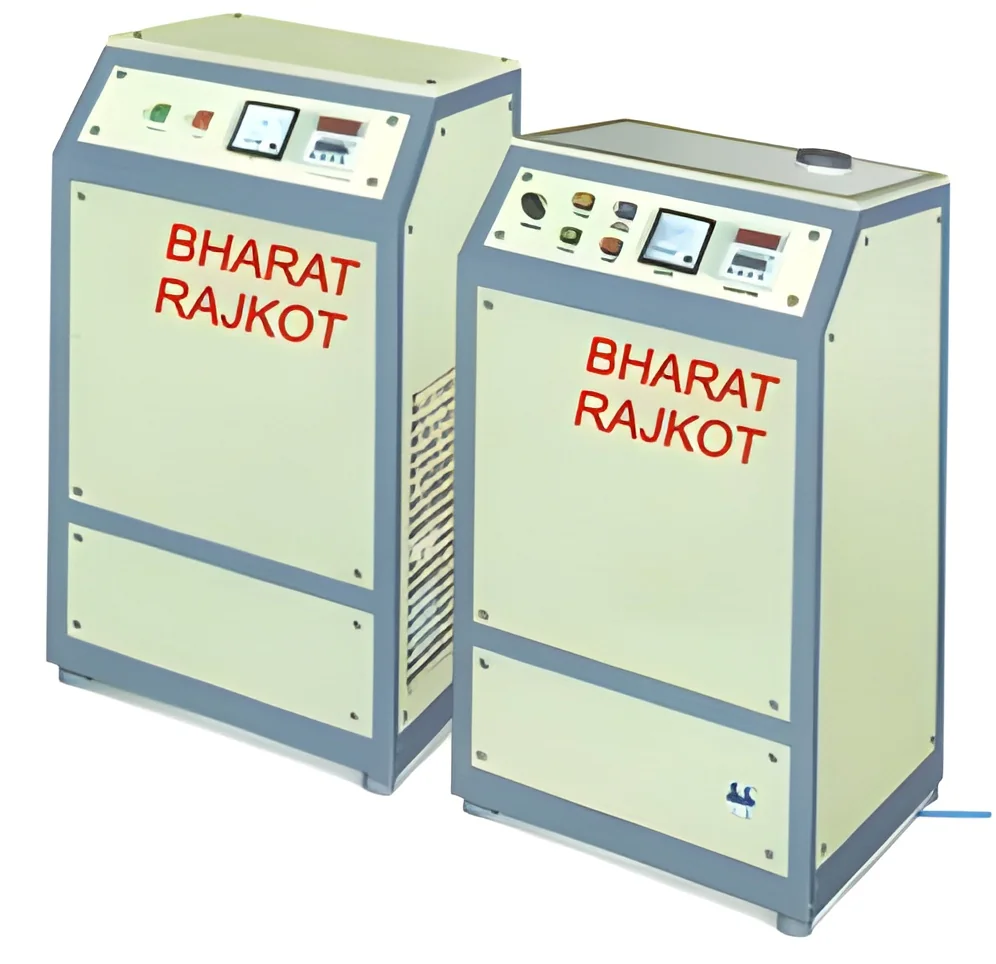
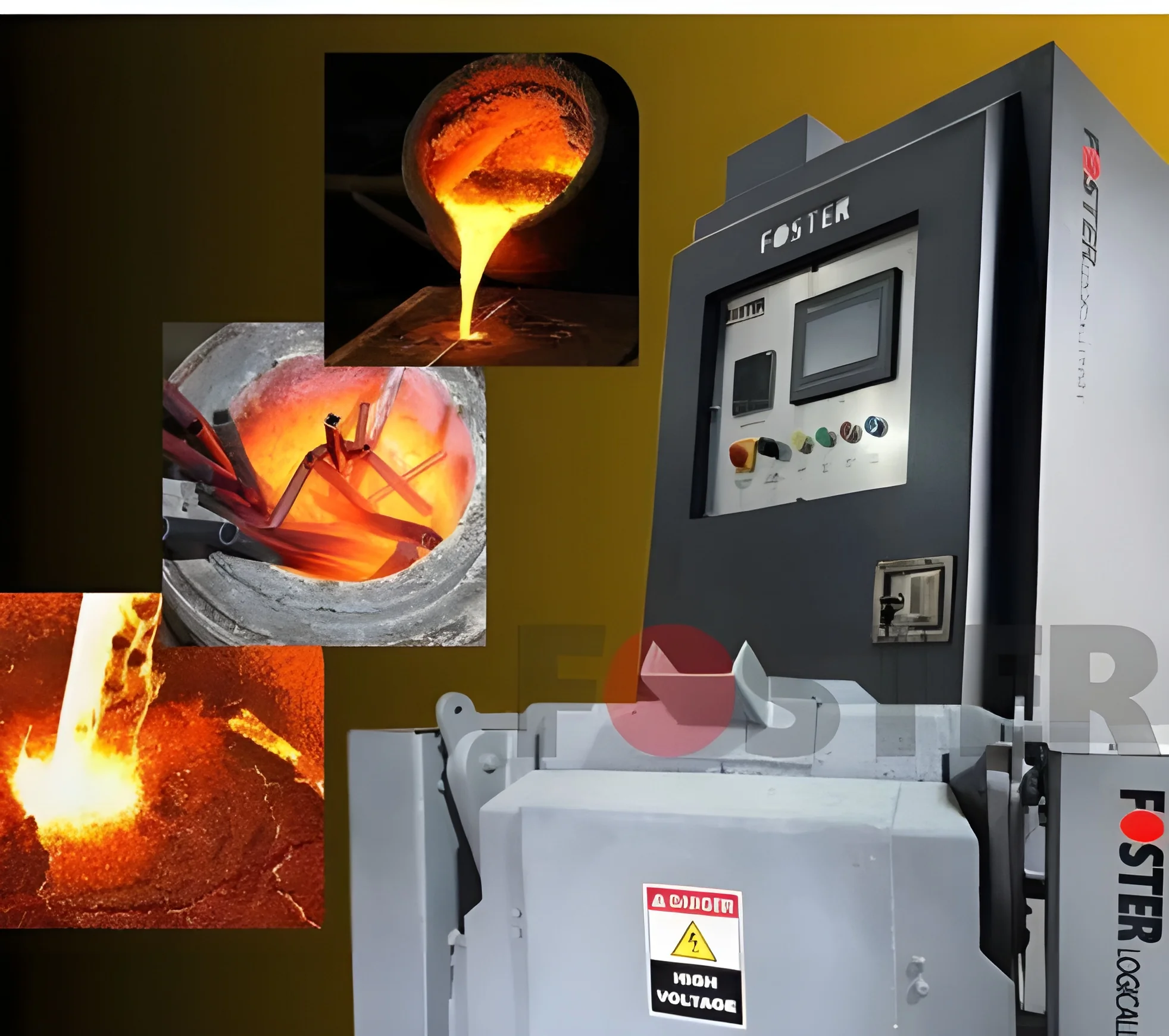
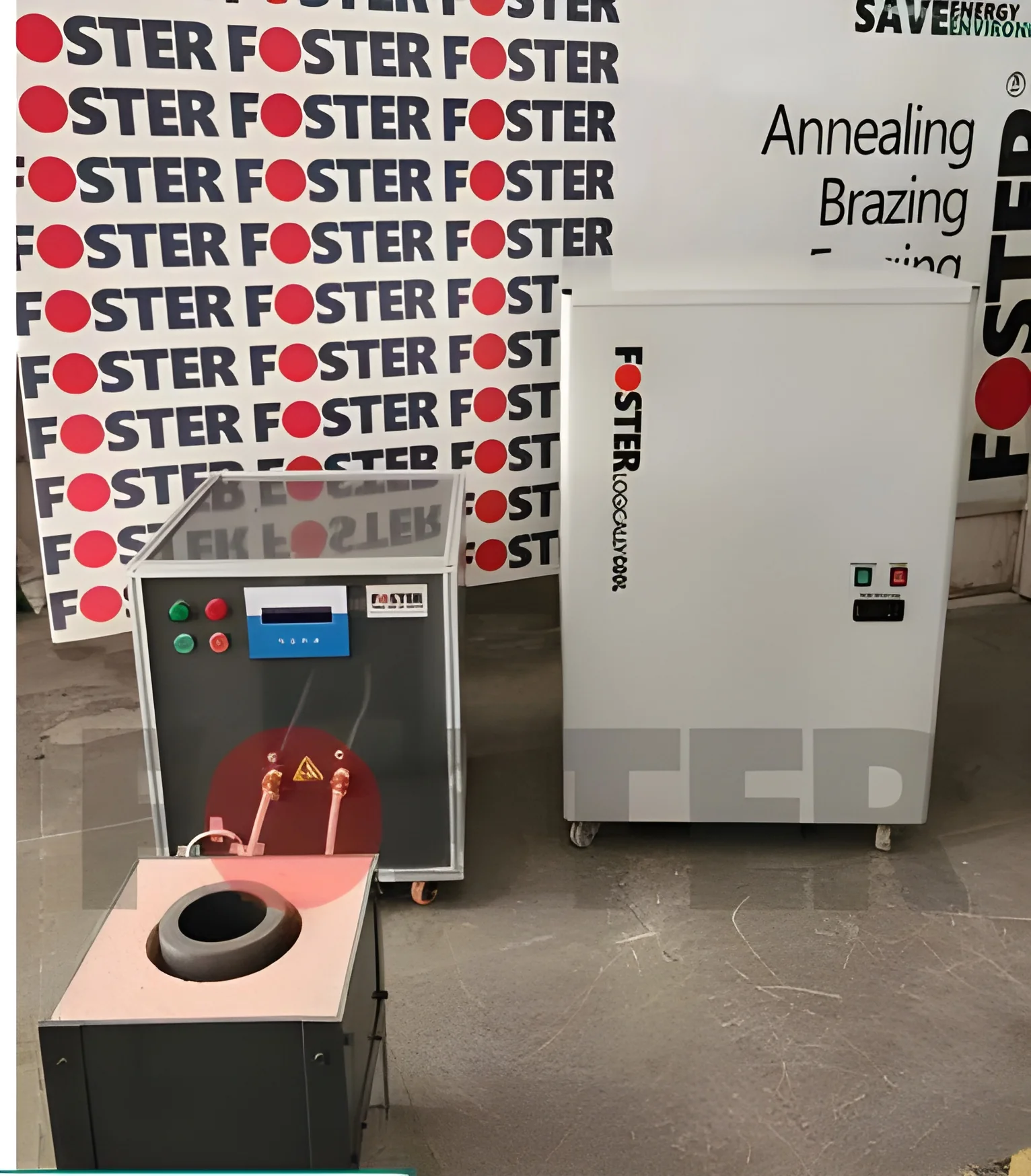
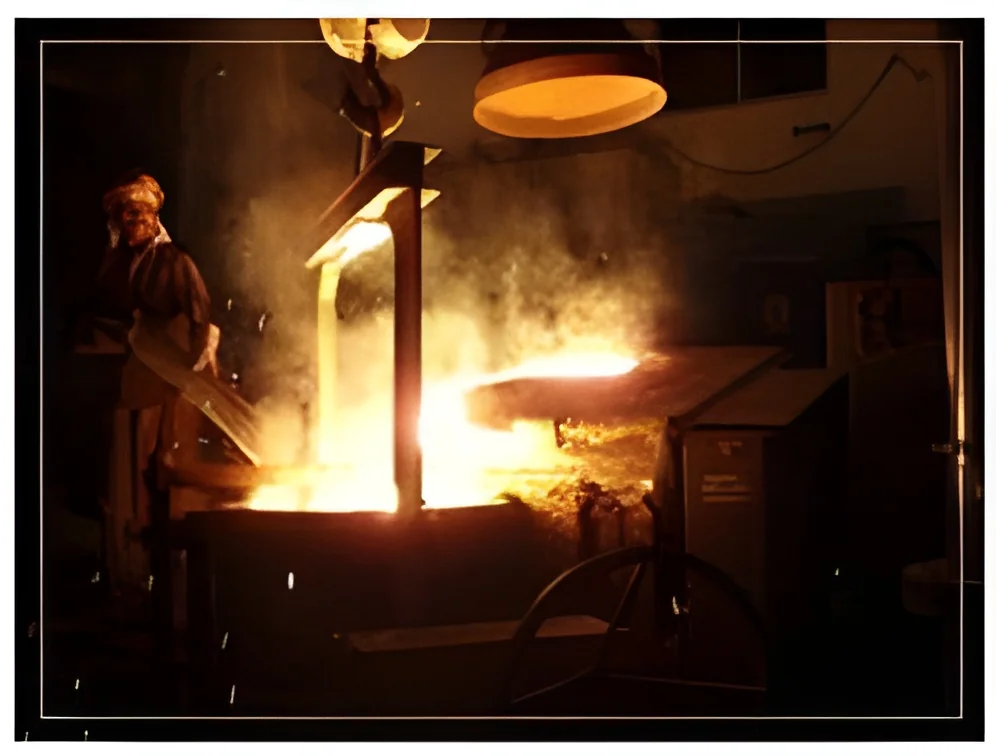
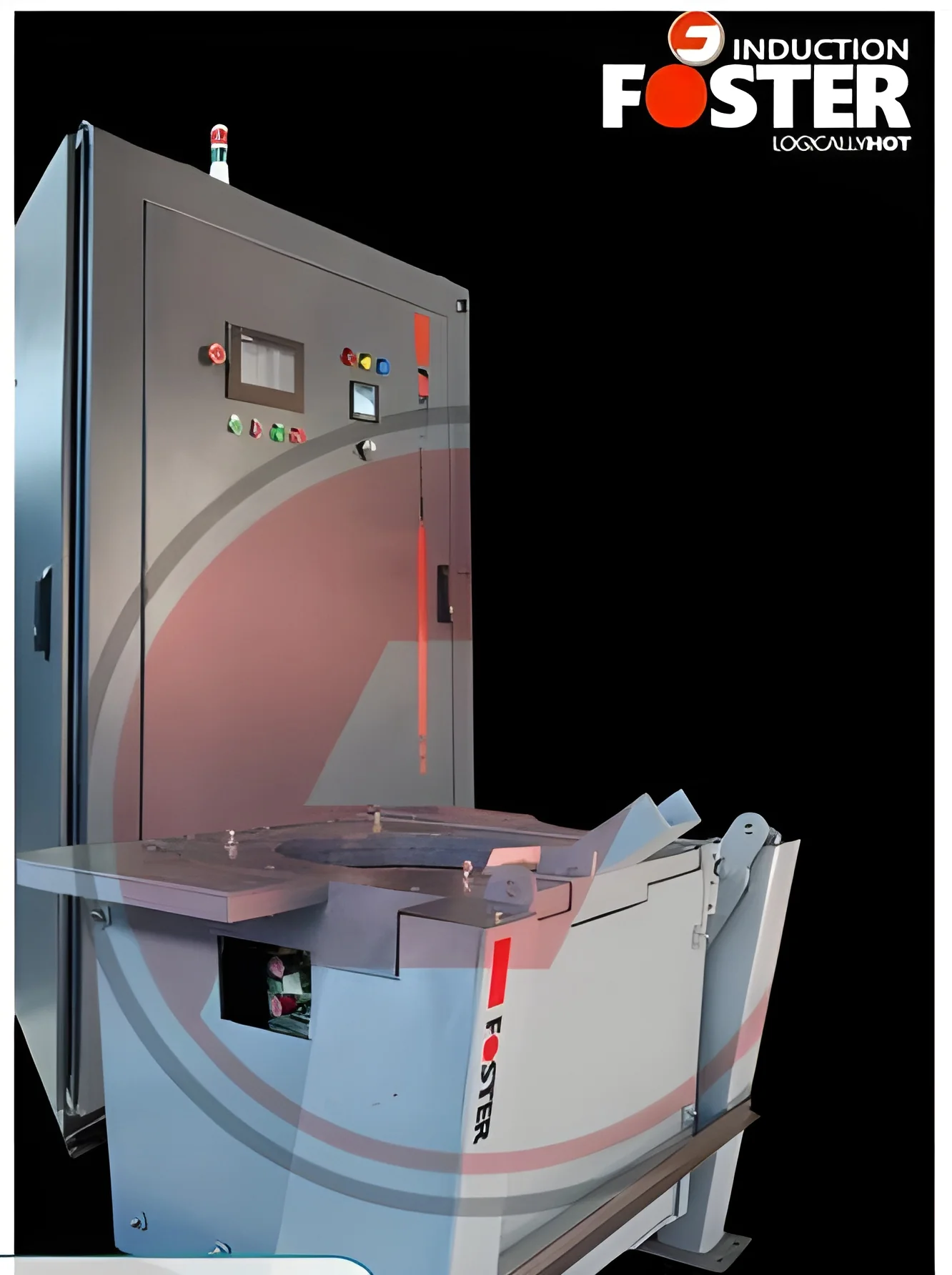
Induction melting furnaces are specialized equipment designed to melt metals and alloys using electromagnetic induction. This technology uses an alternating current to generate a magnetic field that induces heat within the metal, allowing it to reach its melting point efficiently. The process is highly controlled and can be tailored to specific materials, enhancing precision in melting operations.
These furnaces are primarily used in industries such as foundries, metal casting, and recycling. They are ideal for melting a variety of metals, including ferrous and non-ferrous materials. Businesses utilize induction melting furnaces for producing castings, manufacturing components, and recycling scrap metal. The ability to achieve high temperatures quickly and maintain them with precision makes these furnaces crucial for operations requiring high-quality metal outputs.
In the current market, the demand for induction melting furnaces is rising due to the growth of the manufacturing and recycling sectors. As industries seek more efficient and environmentally friendly melting solutions, induction melting furnaces are becoming increasingly relevant. Their ability to minimize energy consumption and reduce emissions places them at the forefront of modern metallurgical practices.
Key Features and Specifications
Induction melting furnaces come with various features and specifications that make them suitable for diverse applications. Understanding these specifications is essential for businesses looking to invest in such equipment.
Key specifications include:
1. Power Capacity
- The power capacity of induction melting furnaces typically ranges from a few kilowatts to several megawatts.
- This allows for the melting of small to large quantities of metal.
2. Frequency Range
- Induction melting furnaces operate at specific frequencies, usually between 1 kHz to 20 kHz.
- This frequency range affects the efficiency of heating and melting processes.
3. Temperature Control
- These furnaces offer precise temperature control, often exceeding temperatures of 1600°C.
- Accurate temperature regulation ensures optimal melting conditions for various metals.
4. Cooling System
- Equipped with cooling systems to maintain operational efficiency and prevent overheating.
- Water-cooled coils are common, enhancing the lifespan of the furnace.
5. Melting Capacity
- Melting capacities can range from 10 kg to several tons, catering to different production needs.
- This flexibility allows businesses to scale operations as required.
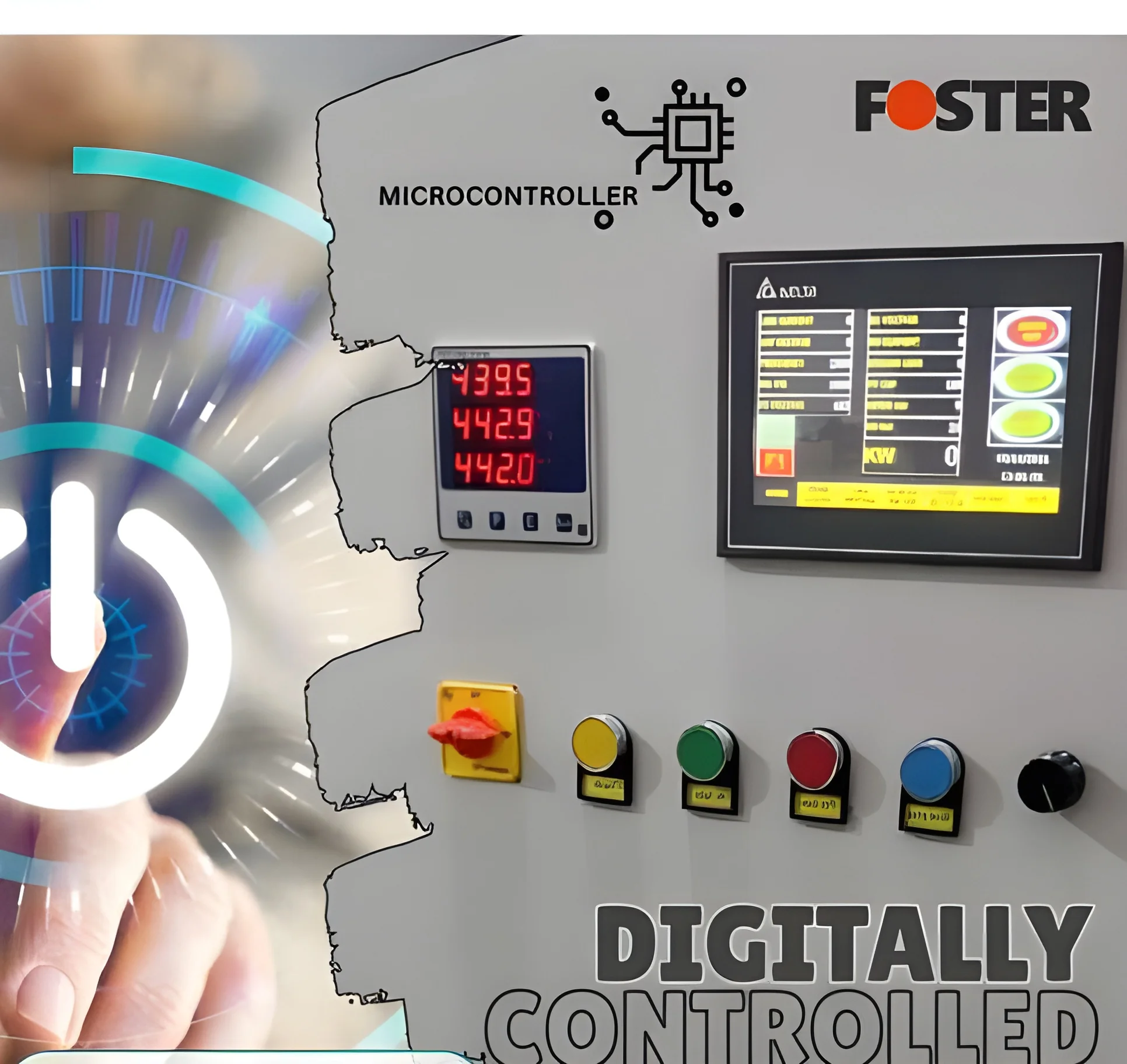
6. Automation Features
- Many models include automation for better control and monitoring of the melting process.
- Automation improves consistency and reduces human error.
7. Safety Features
- Safety mechanisms, such as emergency shut-off and temperature alarms, enhance operational safety.
- These features protect both the equipment and the operators.
Induction melting furnaces are engineered for efficiency and reliability, making them a valuable asset in metalworking operations.
Common Applications and Use Cases
Induction melting furnaces serve a wide range of industries where metal melting is essential. Their versatility allows for various applications across different sectors.
1. Foundries: Induction melting furnaces are commonly used in foundries for producing castings. They allow for quick melting and pouring, ensuring high-quality molds.
2. Metal Recycling: These furnaces play a critical role in recycling operations, enabling the efficient melting of scrap metals. This process helps reduce waste and supports sustainable practices.
3. Manufacturing: Industries that require metal components, such as automotive and aerospace, utilize induction melting furnaces for precise melting and alloying, ensuring high-quality parts.
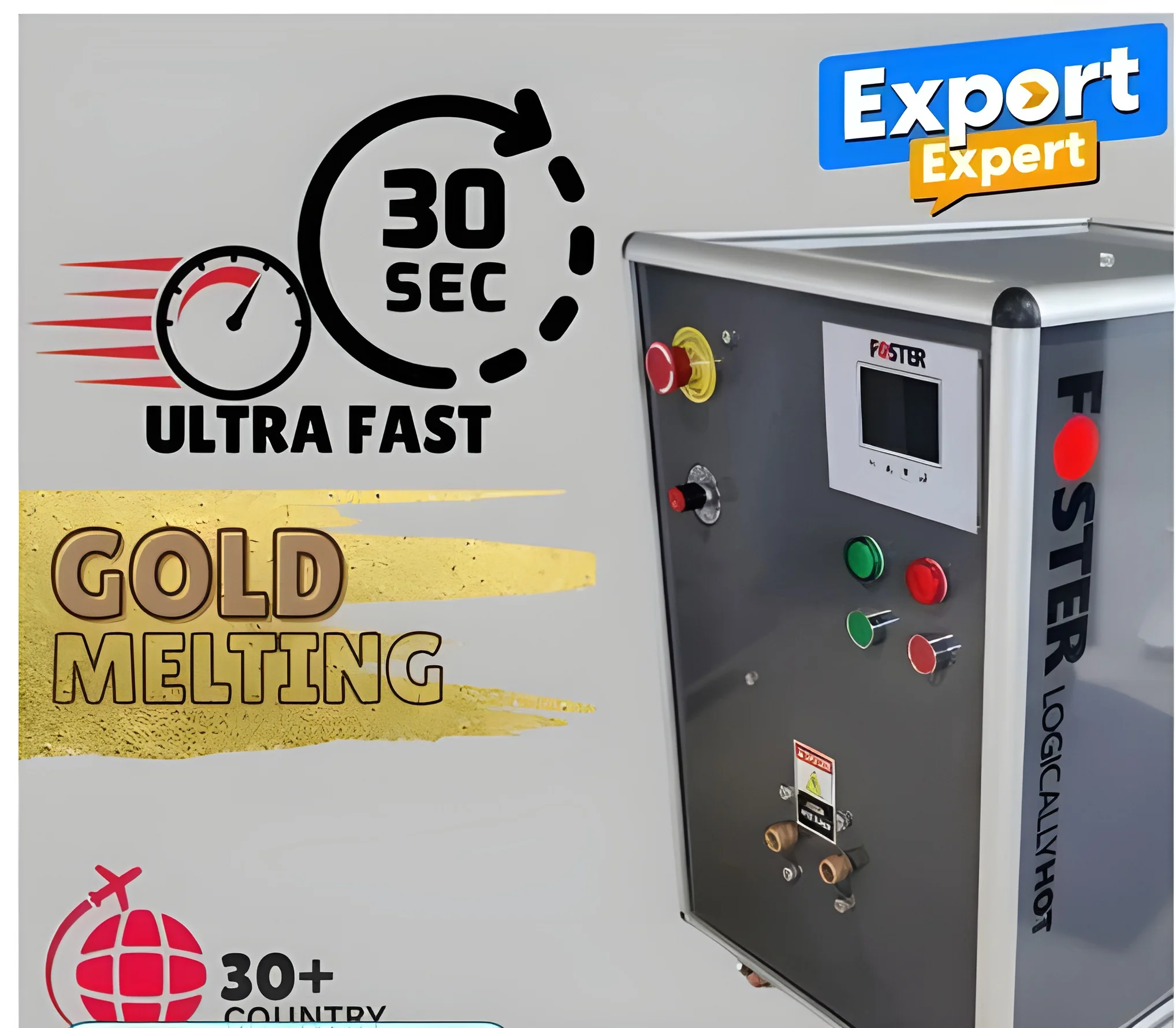
4. Jewelry Production: In jewelry making, these furnaces are used for melting precious metals, providing artisans with the ability to create intricate designs.
5. Research and Development: Laboratories utilize induction melting furnaces for experimental metal melting and alloy development, supporting innovation in metallurgical research.
6. Tool and Die Making: Induction melting furnaces are essential in producing durable tools and dies, ensuring they can withstand high-stress applications.
7. Construction and Infrastructure: These furnaces are used to melt metals for construction components, supporting the infrastructure development sector.
Product Variants and Subcategories
Induction melting furnaces come in various designs and configurations to meet specific needs. Although detailed subcategories are not available, here are some common variations.
Small Capacity Induction Melting Furnace: This variant is designed for small-scale operations, typically used in laboratories or small foundries. It offers precise control and quick melting times, making it ideal for limited production runs.
Medium Capacity Induction Melting Furnace: Suitable for mid-sized foundries, this type balances efficiency and capacity, handling larger batches while maintaining metal quality during melting.
High Capacity Induction Melting Furnace: Designed for large-scale manufacturing and recycling operations, this variant can melt substantial quantities of metal. It is ideal for industries with high throughput requirements.
Benefits and Advantages
Induction melting furnaces provide numerous advantages that make them an attractive choice for businesses in metalworking.
Key benefits include:
1. Energy Efficiency: Induction melting is more energy-efficient compared to traditional melting methods, reducing operational costs.
2. Environmentally Friendly: These furnaces produce lower emissions, contributing to a cleaner work environment and compliance with environmental regulations.
3. Precision Control: Induction melting furnaces offer precise temperature and power control, ensuring consistent melting results for high-quality outputs.
4. Fast Melting Times: The induction process allows for rapid heating, significantly reducing the time taken to melt metals.
5. Safety Features: Advanced safety mechanisms enhance operator safety and minimize risks associated with metal melting operations.
6. Versatility: Capable of melting a wide range of metals and alloys, induction melting furnaces can adapt to various production needs.
Buying Guide for B2B Buyers
When sourcing induction melting furnaces, it is crucial for businesses to consider several key factors to ensure the right investment.
1. Quality Assessment: Evaluate the quality of the furnace based on manufacturer reputation, material standards, and performance history. Ensuring that the equipment meets industry standards is vital for operational success.
2. Supplier Verification: Vet potential suppliers by checking their credentials, customer reviews, and previous installations. A reliable supplier can provide valuable support and maintenance services.
3. Pricing and MOQ: Understand the pricing structure and any minimum order quantities associated with the purchase. Pricing can vary significantly based on specifications and supplier terms.
4. Delivery and Lead Times: Inquire about delivery schedules and lead times to ensure timely installation and operational readiness. This is essential for planning production schedules.
5. Compliance Requirements: Ensure that the induction melting furnace complies with relevant regulations and standards for safety and efficiency. Familiarize yourself with industry certifications that may apply.
Compliance and Certifications
Induction melting furnaces must adhere to various compliance and certification standards to ensure safety and operational effectiveness. Compliance with quality standards like ISO 9001 is critical for manufacturers, as it reflects a commitment to quality management and continuous improvement.
Additionally, specific industry certifications such as CE mark are essential for products sold in European markets. This certification indicates that the product meets EU safety, health, and environmental protection requirements.
Safety and testing requirements are also vital in this sector. Furnaces must undergo rigorous testing to ensure they operate safely under high temperatures and pressures. Finally, businesses should be aware of regional compliance considerations, as regulations may vary by country or region, impacting the ability to operate or sell equipment.
Why Source Induction Melting Furnaces from Pepagora?
Pepagora provides a trusted platform for sourcing induction melting furnaces, offering several key advantages for business buyers.
Verified Supplier Network: Pepagora features a network of verified suppliers, ensuring that businesses can find reliable manufacturers with proven track records. This network facilitates connections that enhance purchasing confidence.
Streamlined RFQ Process: The platform offers a streamlined request for quotation (RFQ) process, making it easy for buyers to obtain competitive quotes from multiple suppliers. This efficiency helps businesses make informed decisions quickly.
Trade Assurance and Support: Pepagora provides trade assurance, protecting buyers throughout the purchasing process. This support includes assistance with negotiations and addressing any concerns that may arise.
Regional Coverage: With a strong presence in India, the GCC, and Southeast Asia, Pepagora offers extensive regional coverage. This geographic reach enables businesses to access a wide range of suppliers and products tailored to local market needs.

 IN
IN