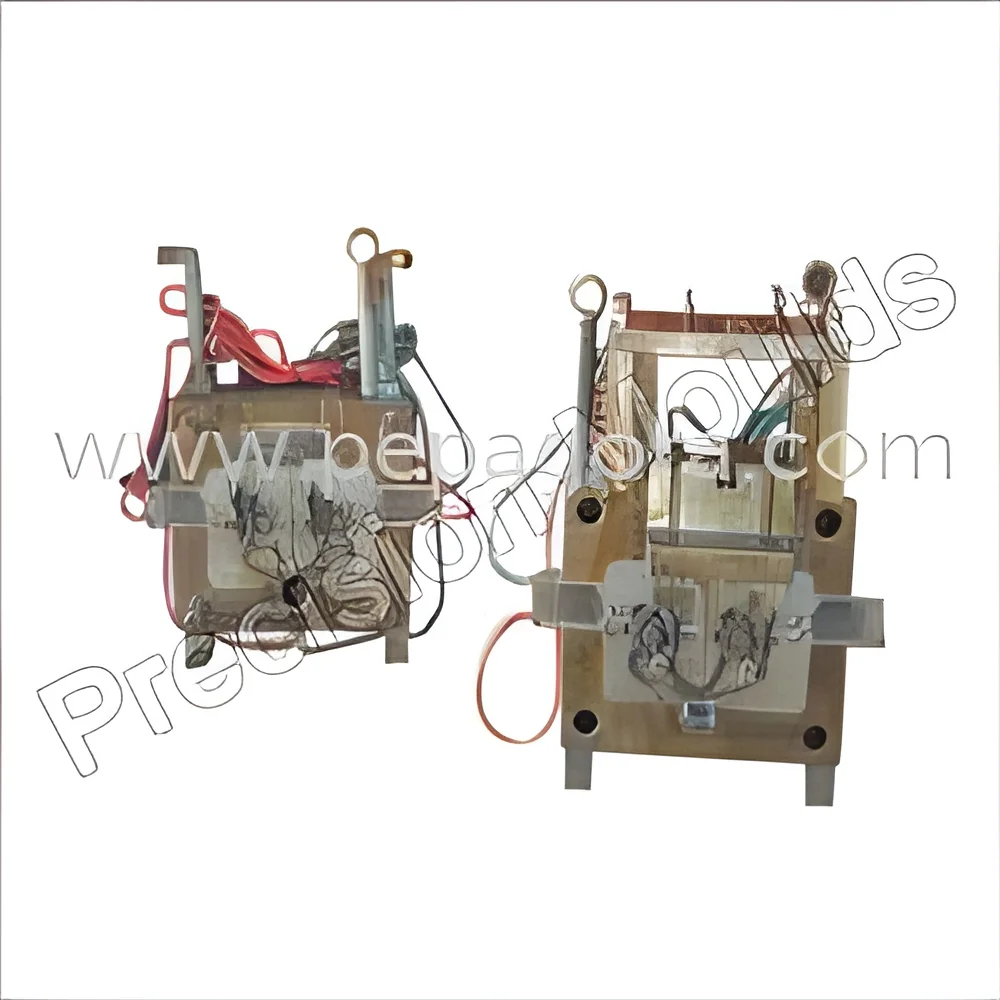
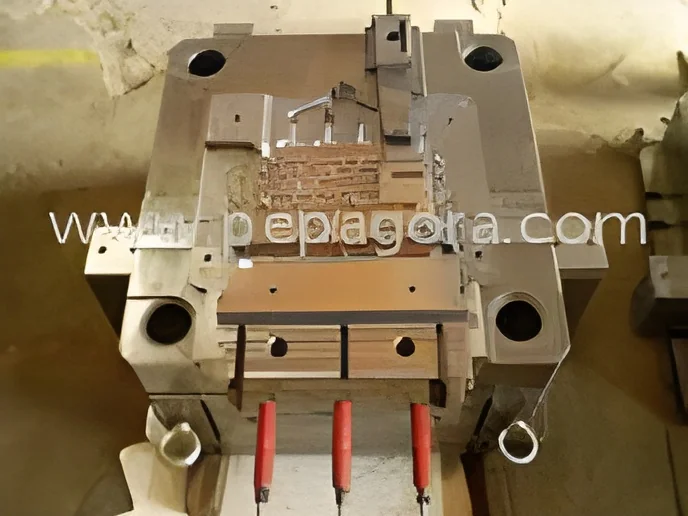
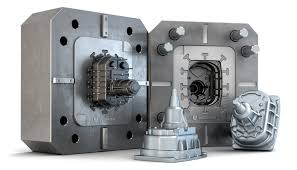
What are Metal Molds (Permanent Mold Casting)?
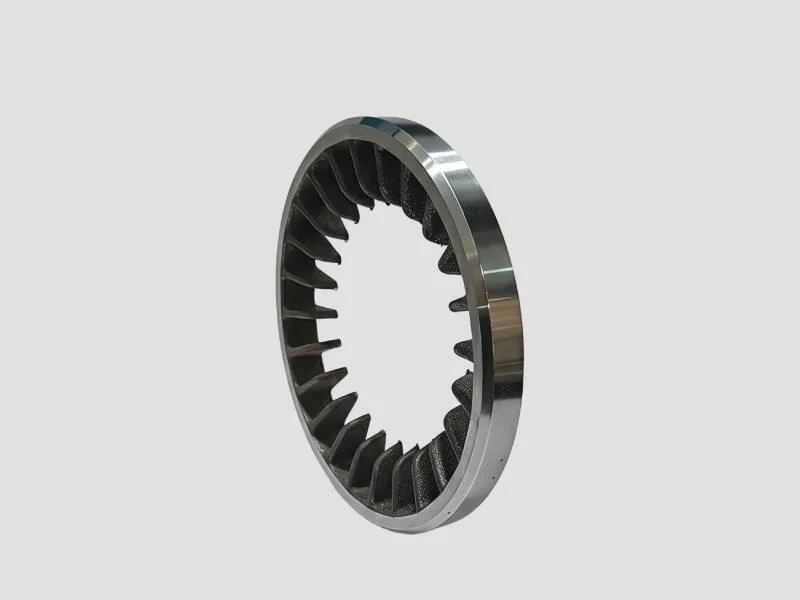
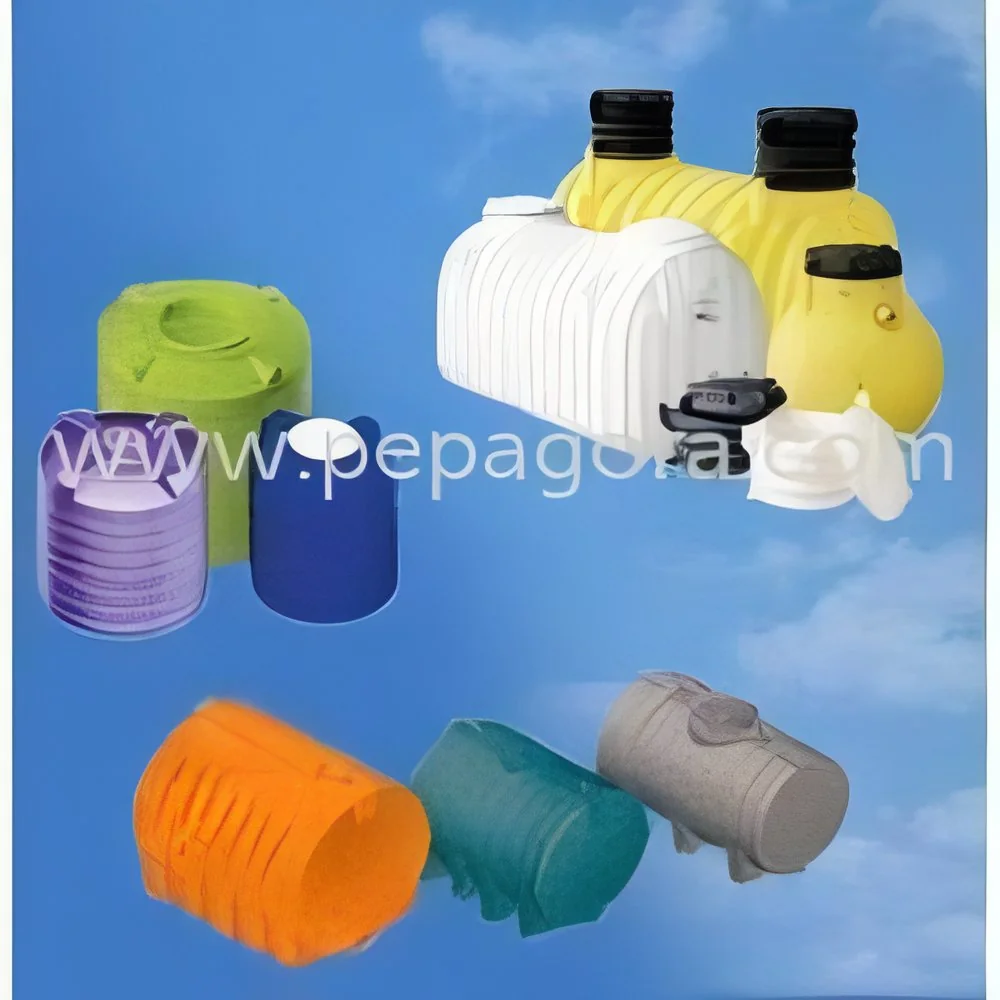
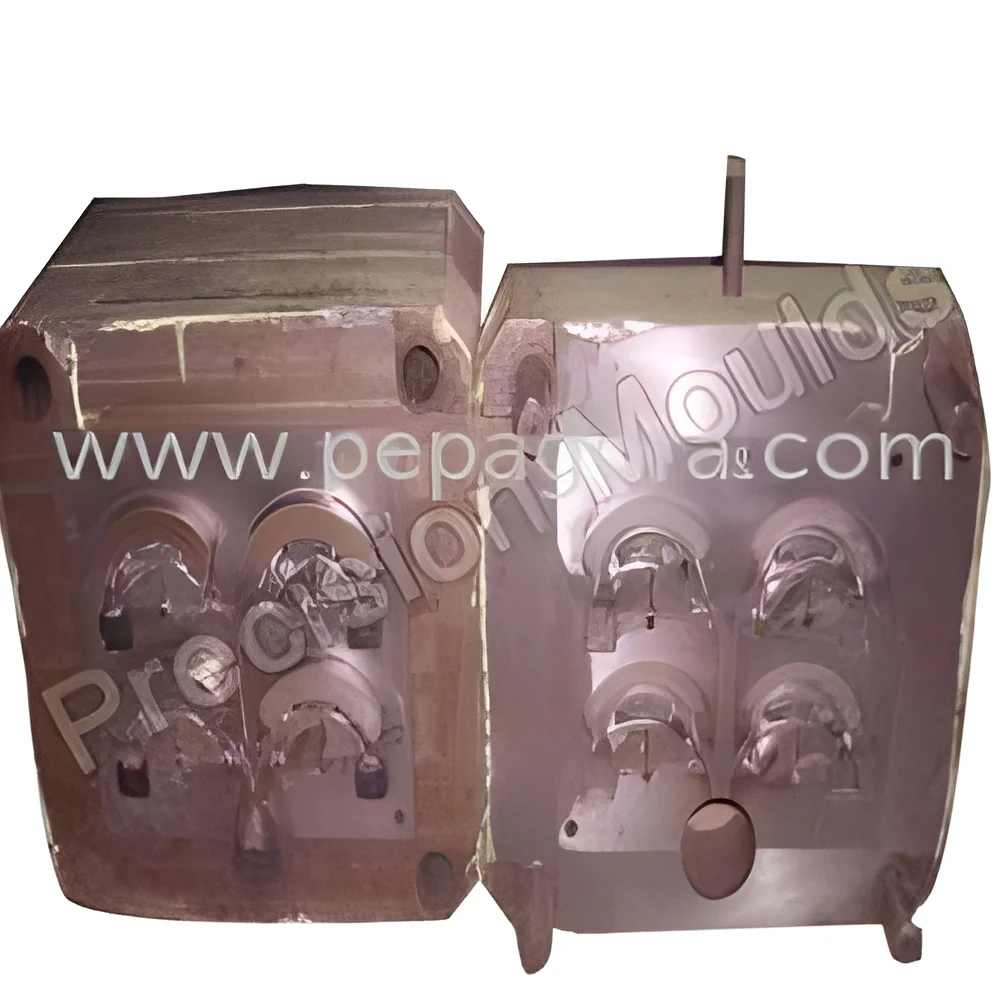
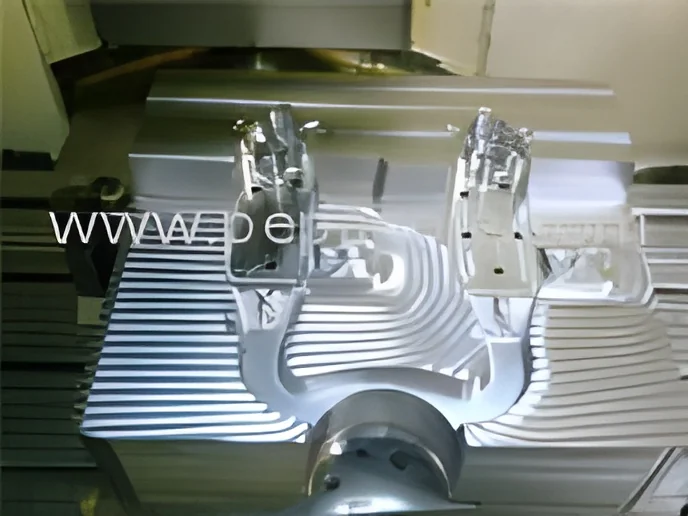
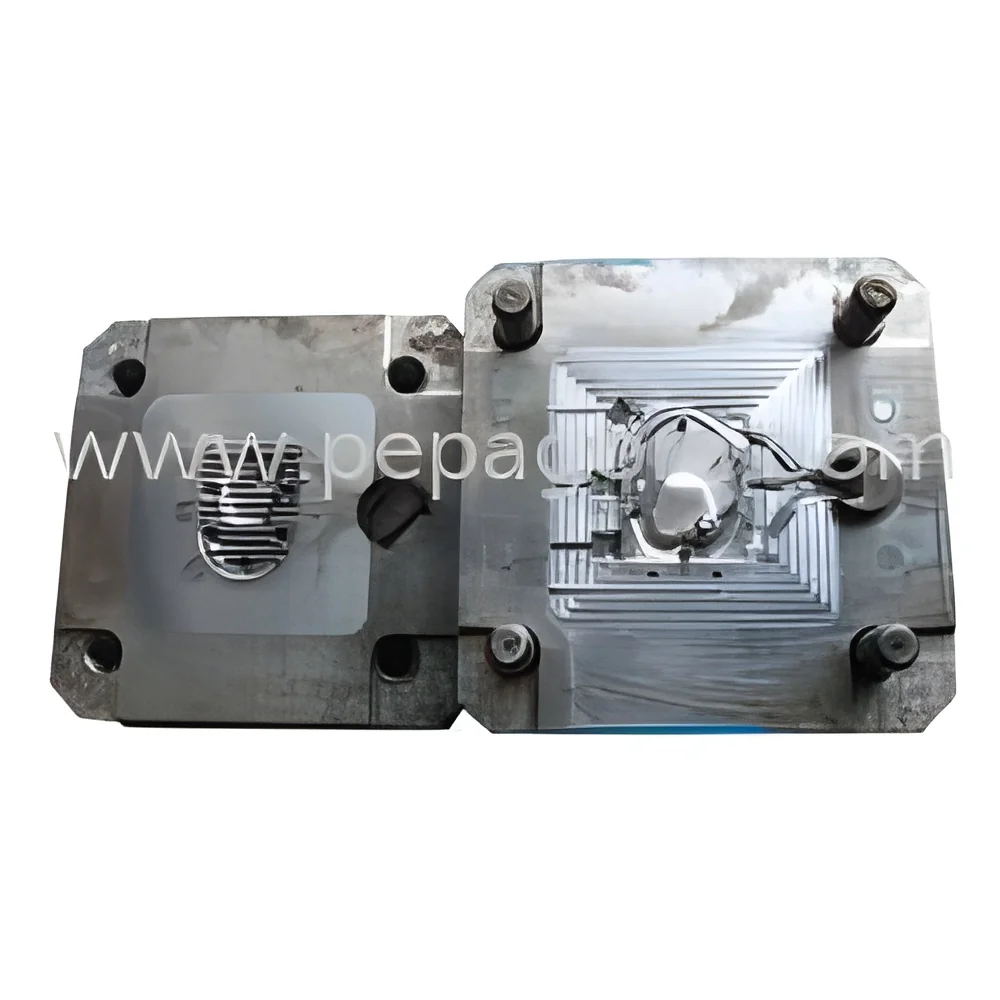
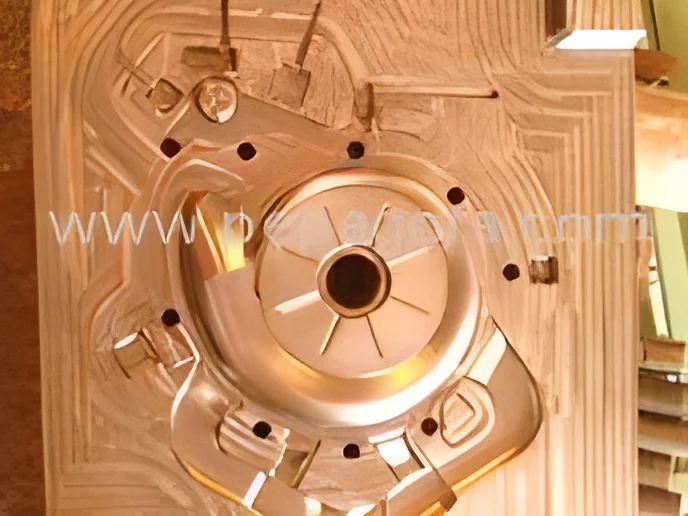
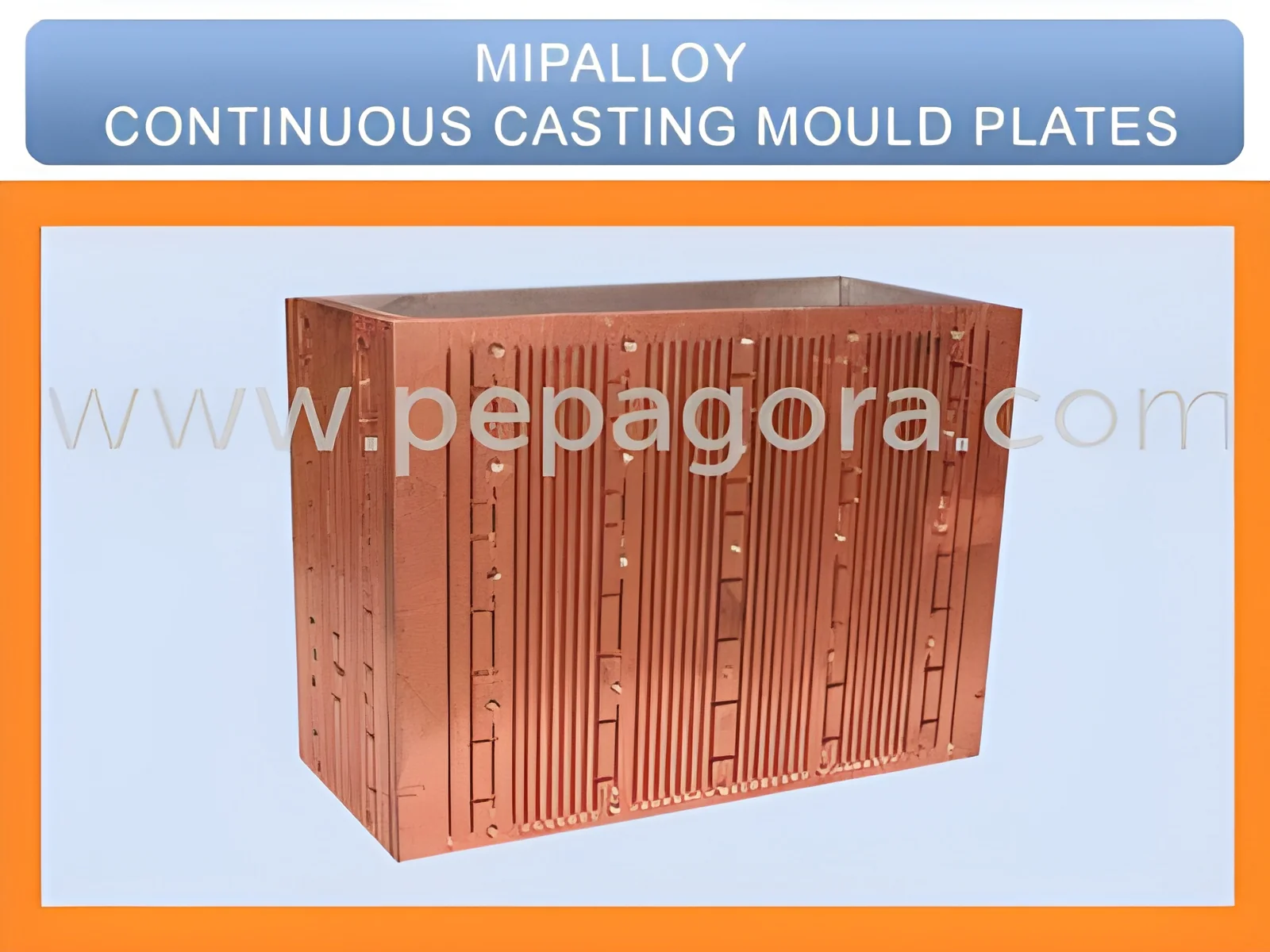
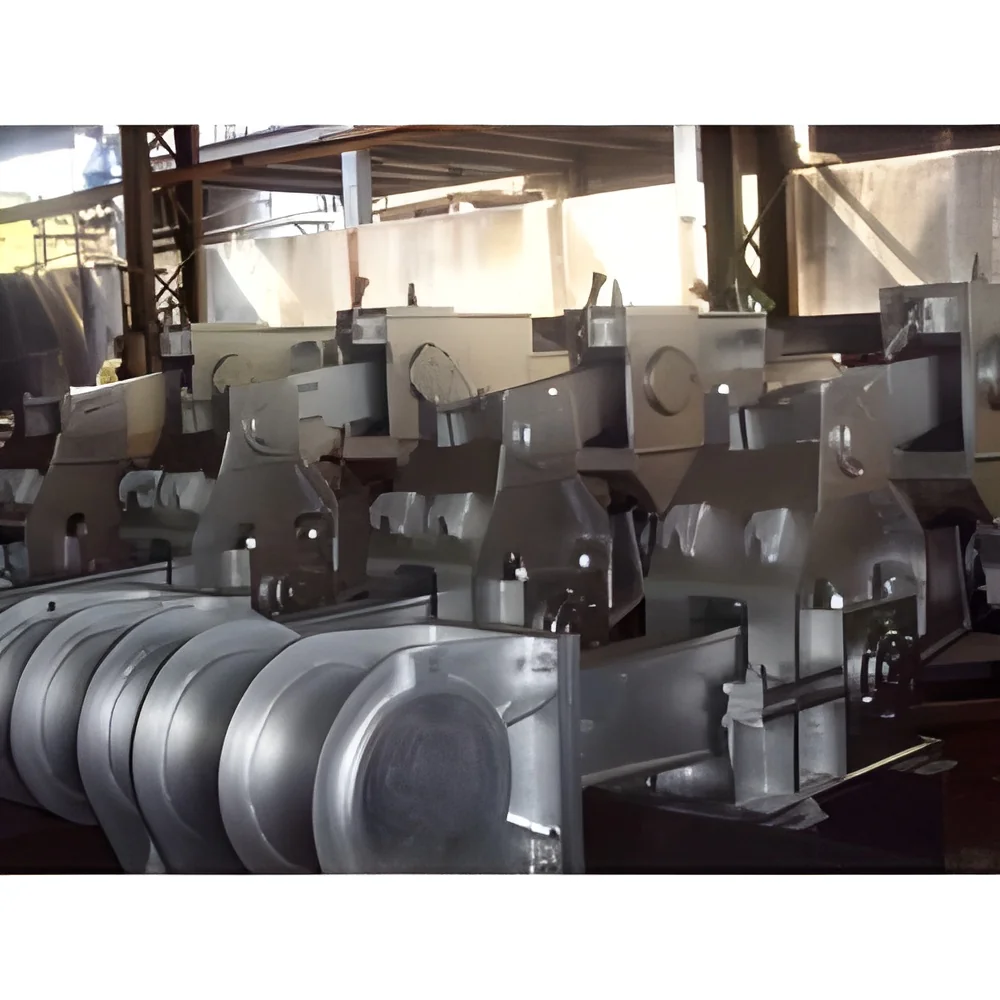
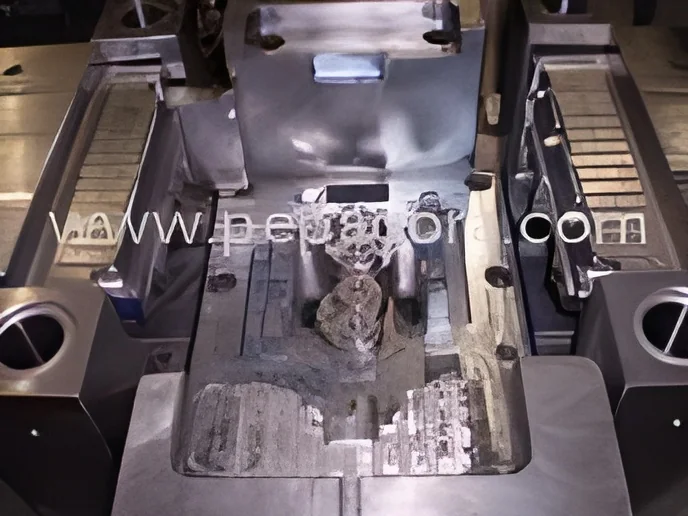
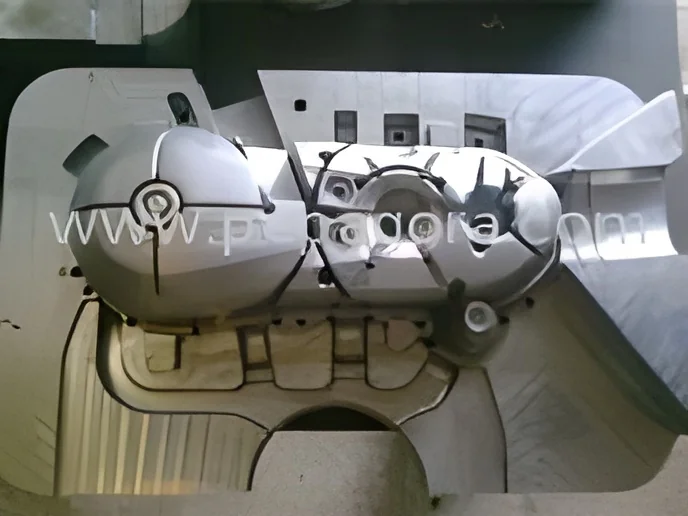
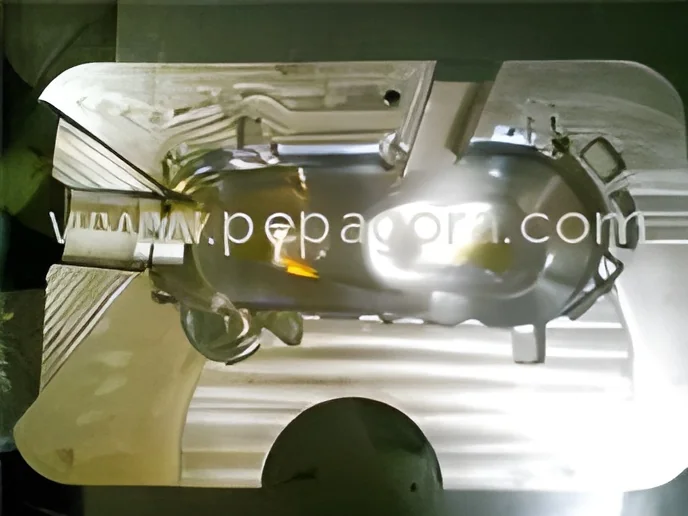
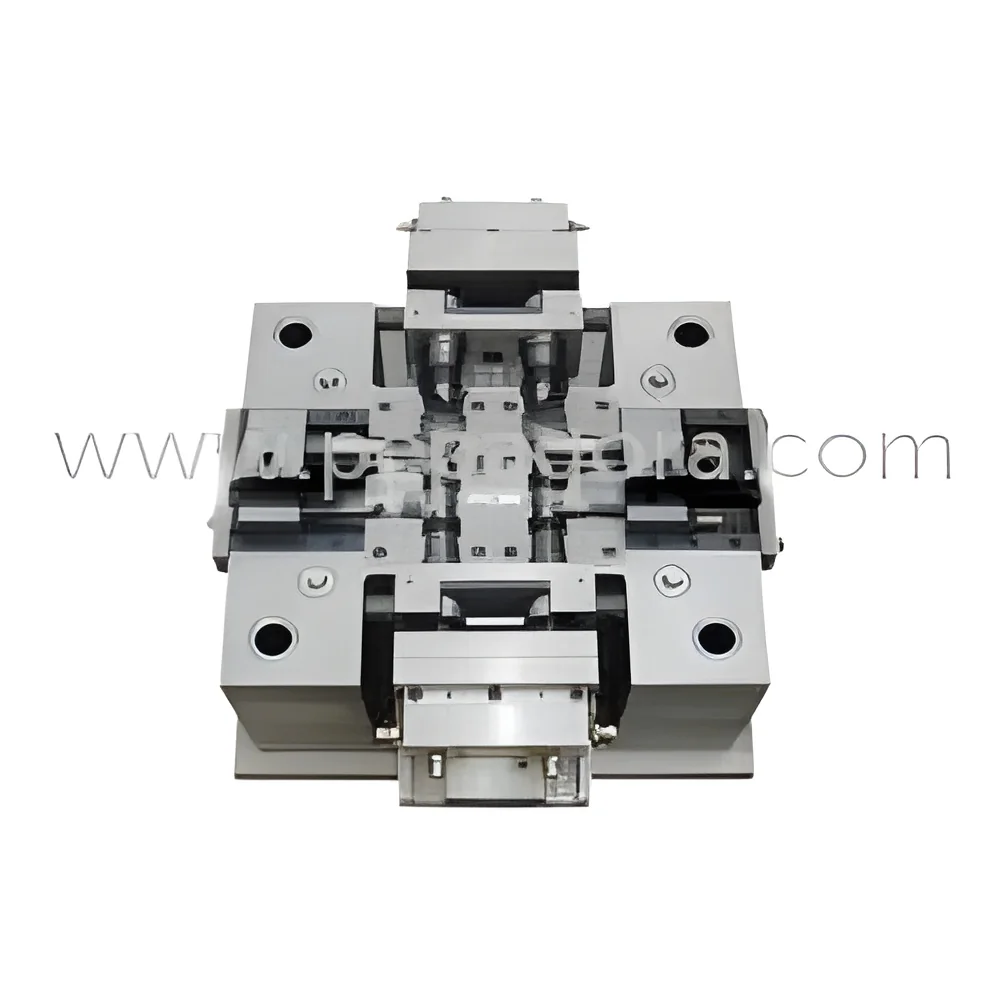
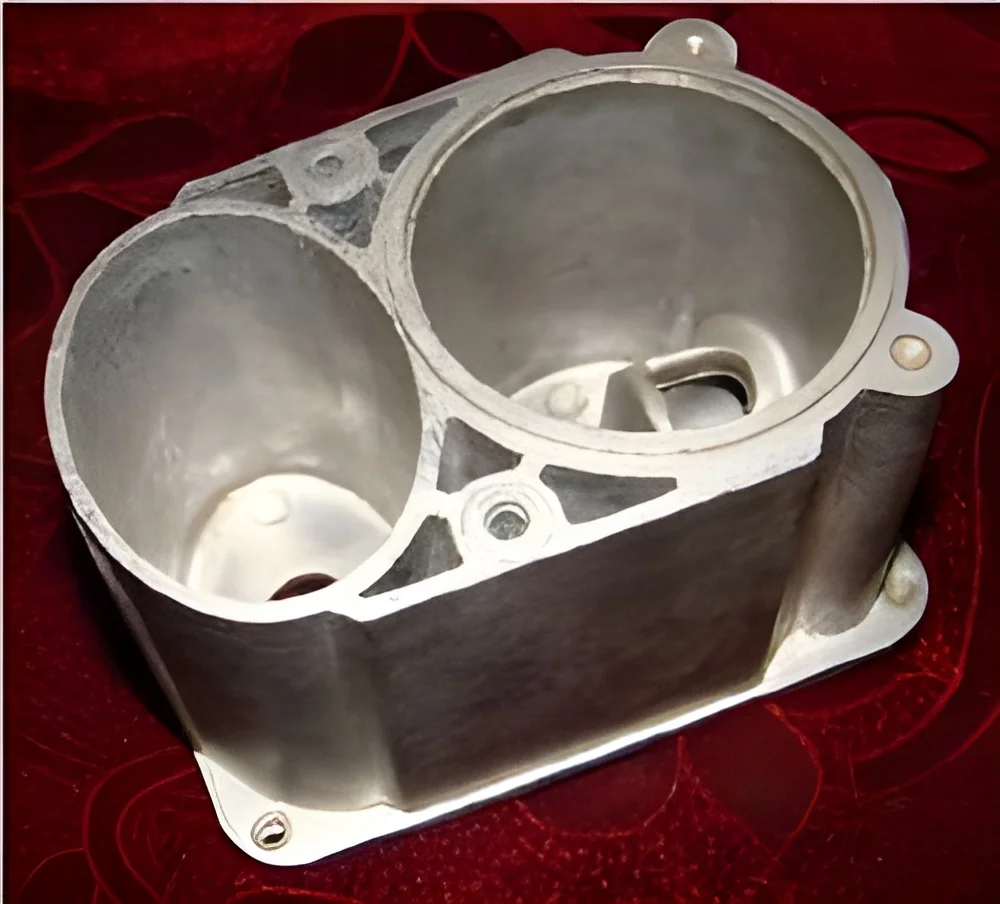
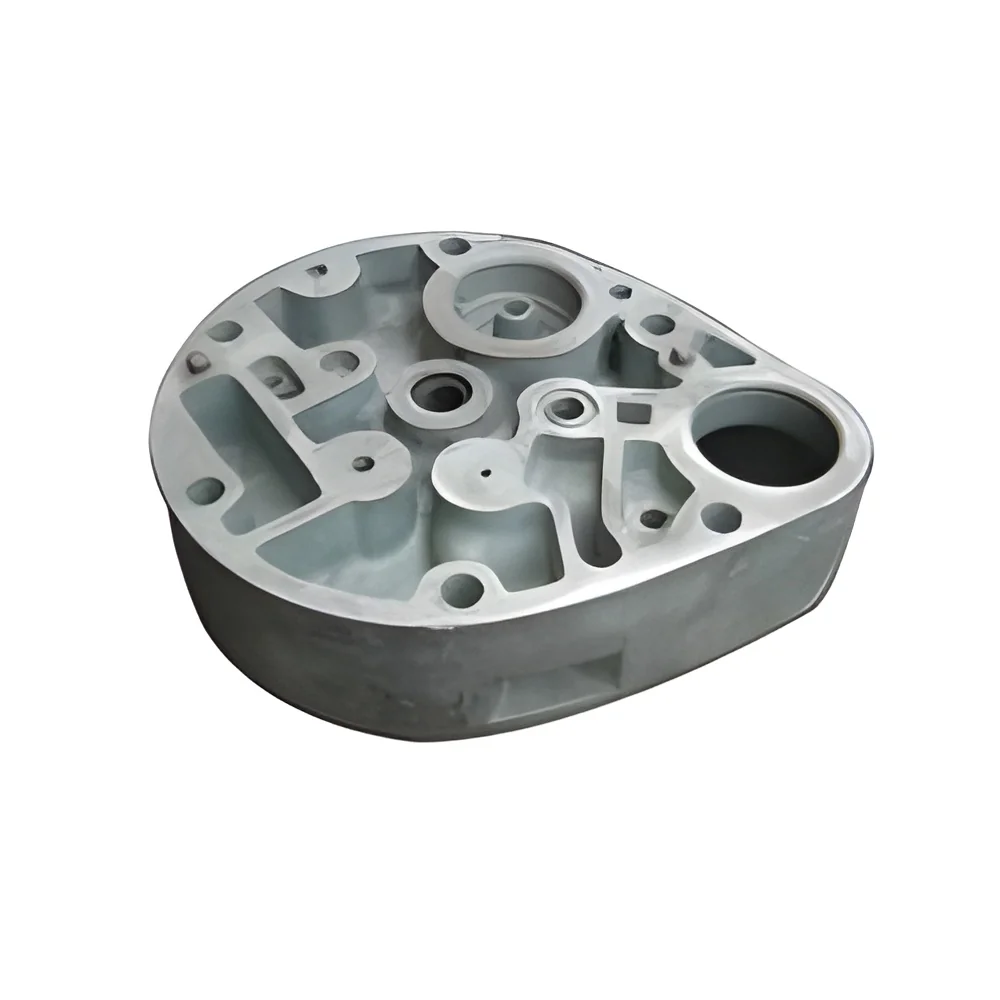
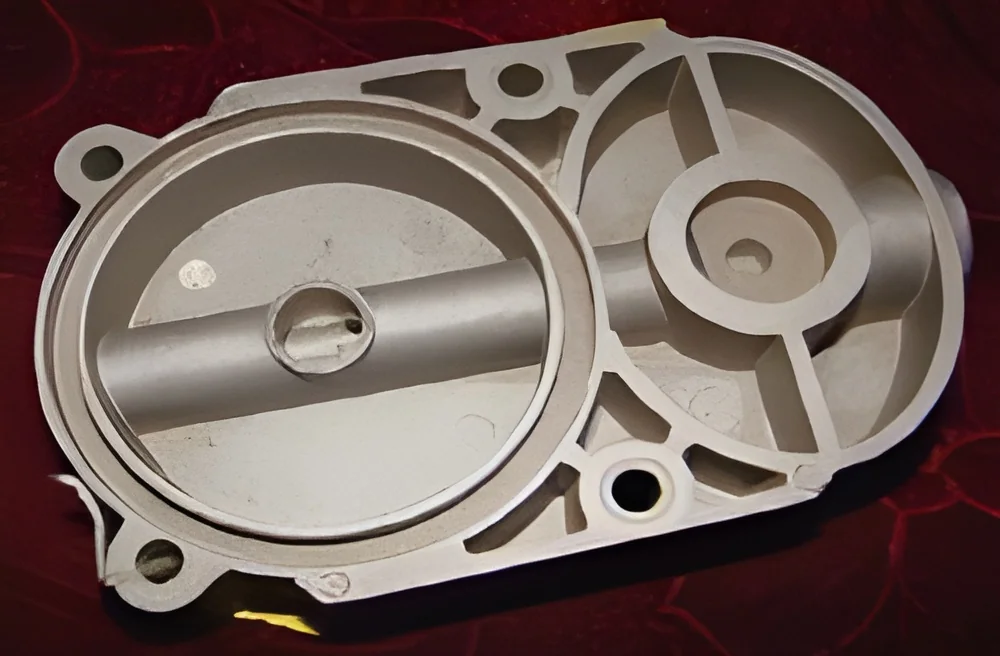
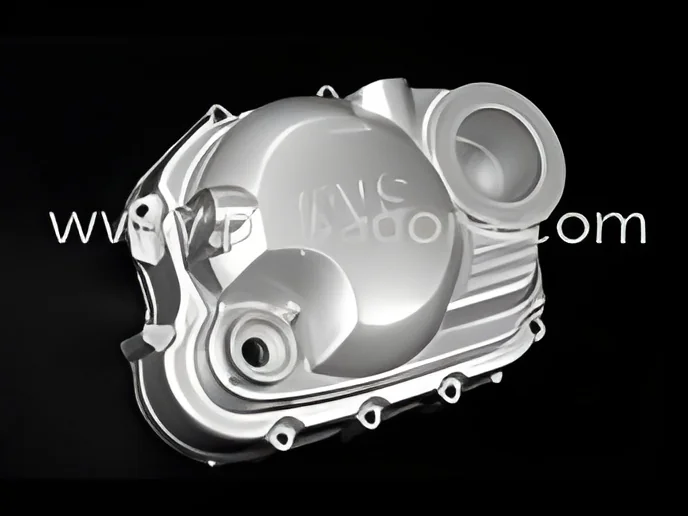
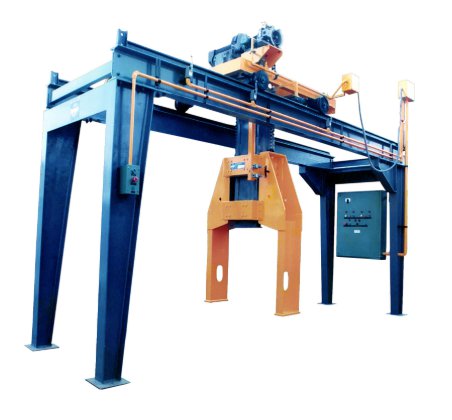
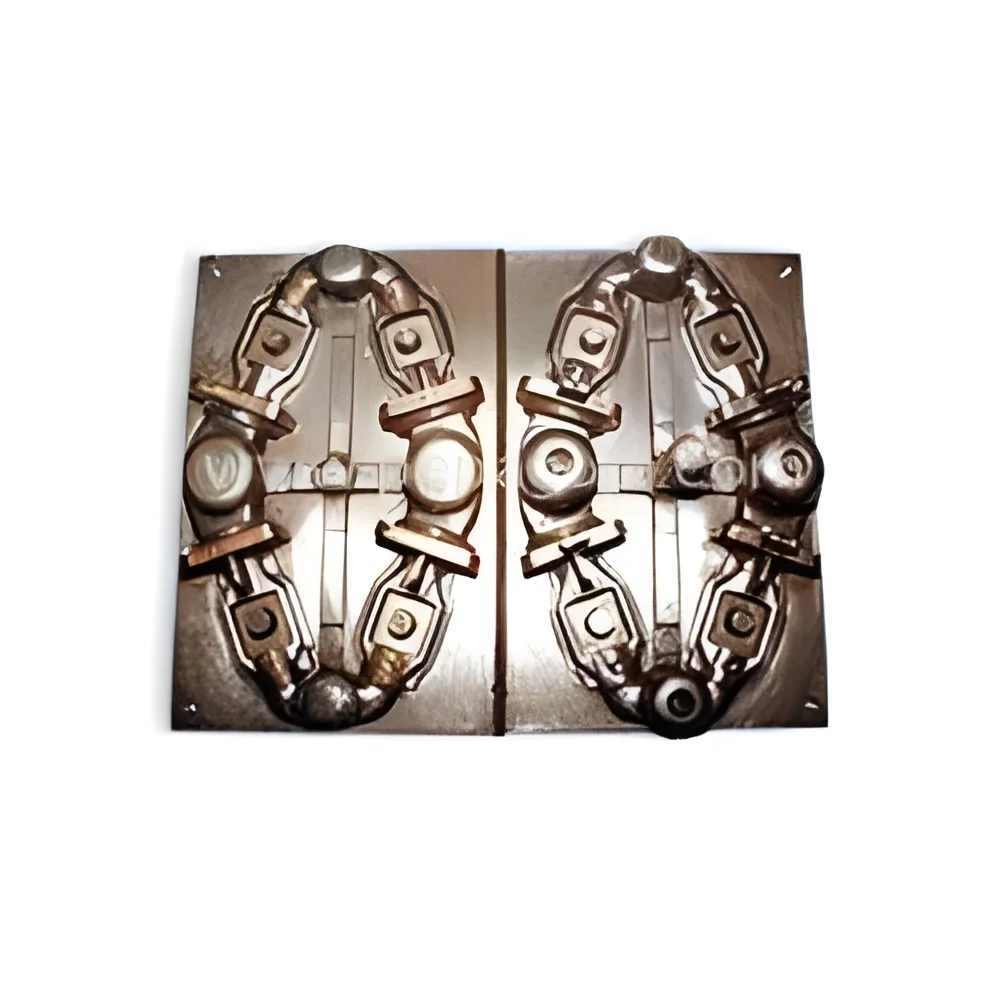
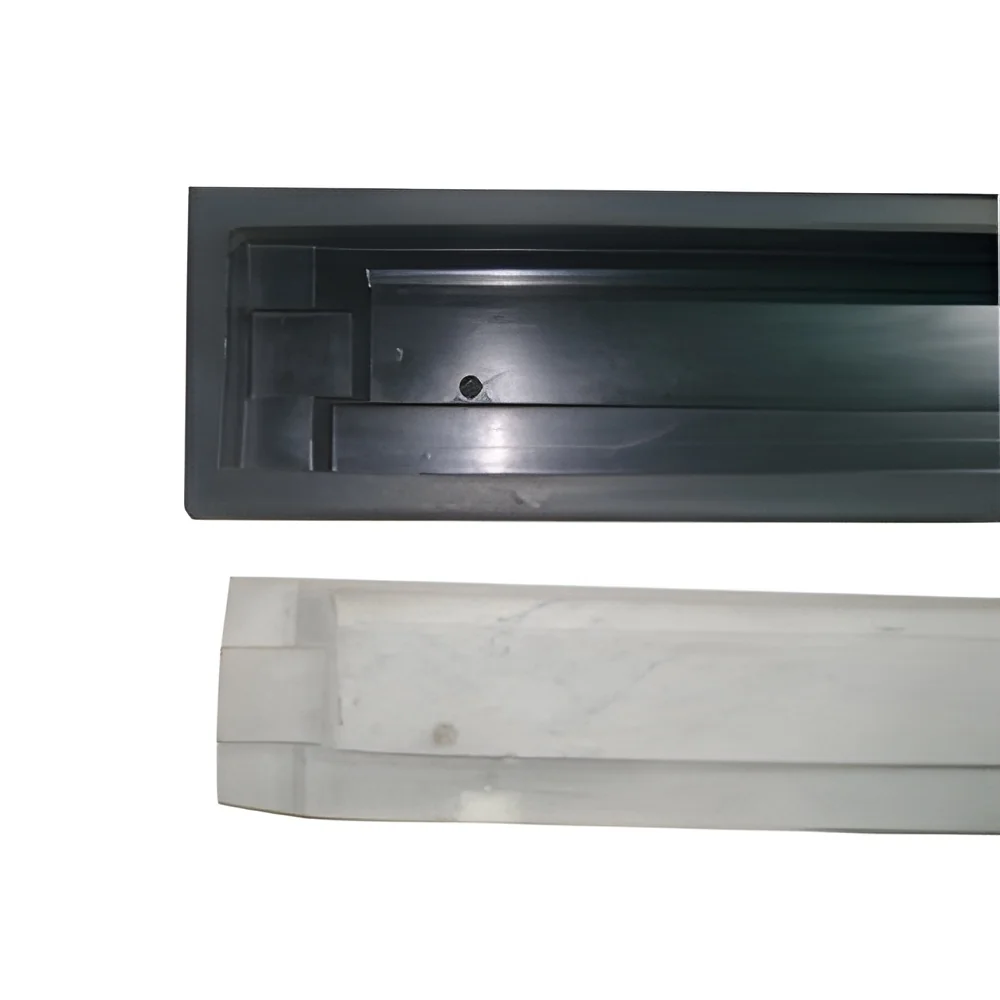
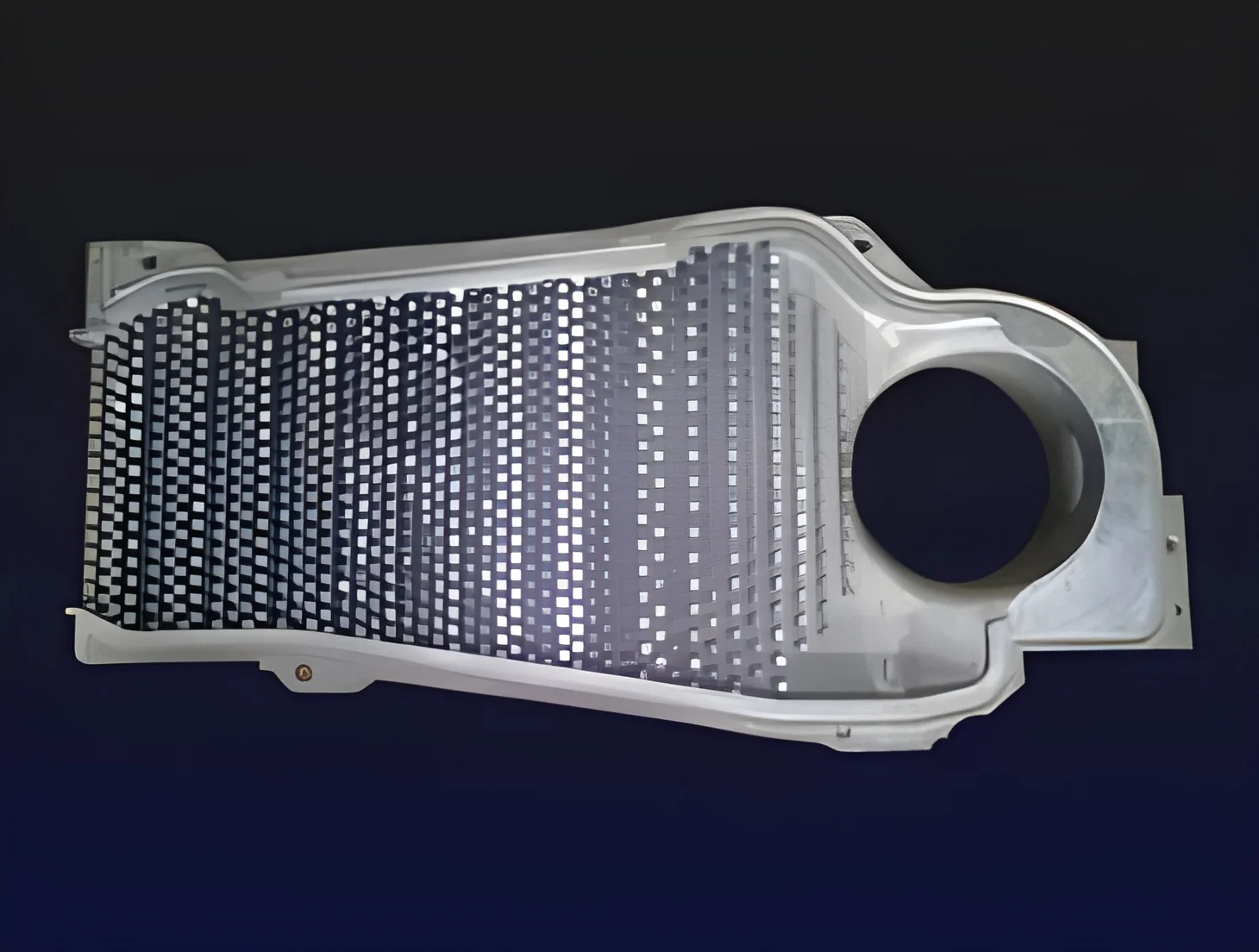
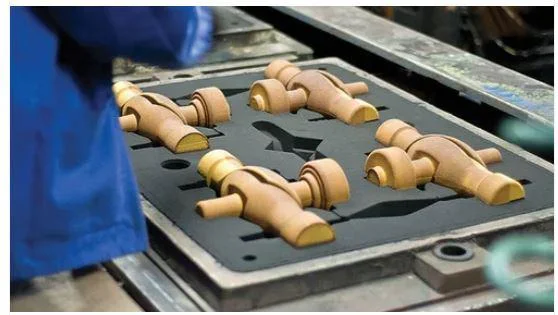
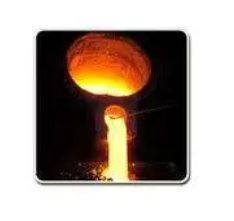
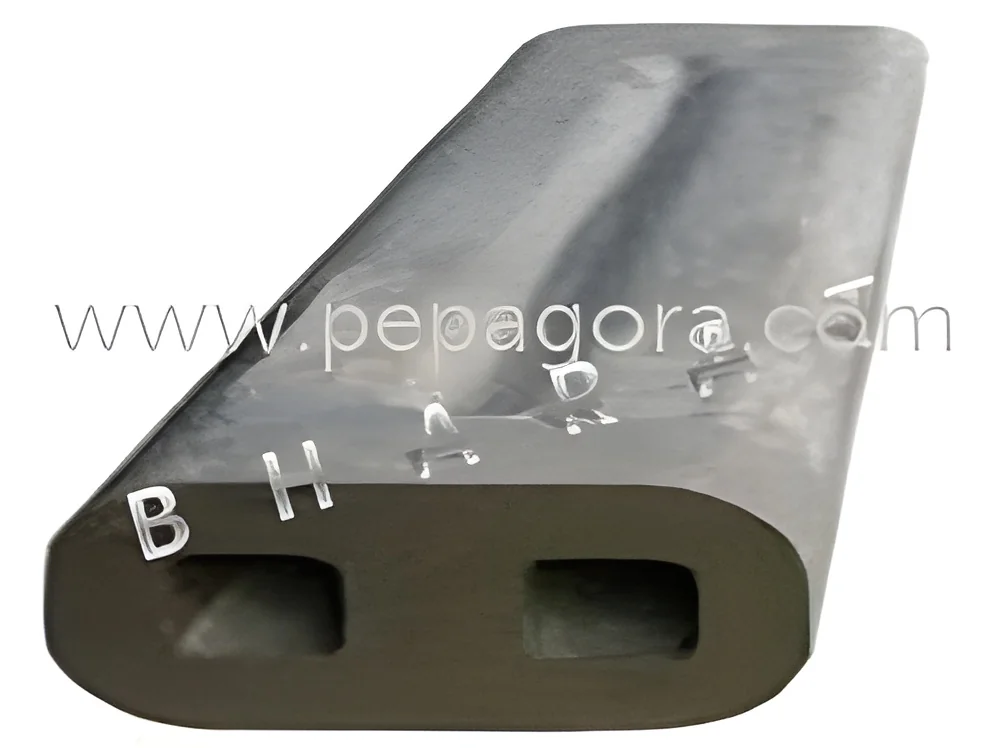
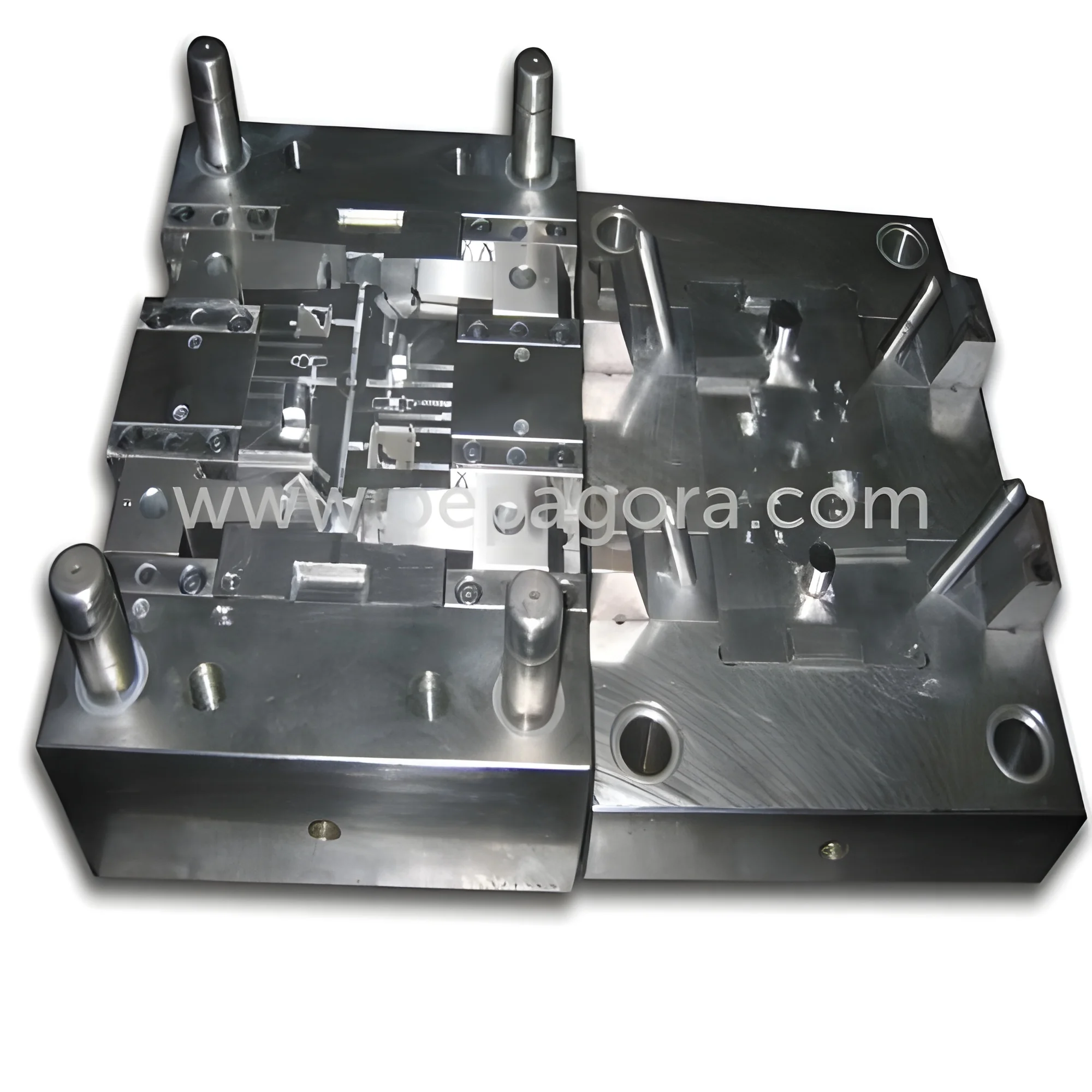
Metal molds, also known as permanent mold casting, are reusable molds made from metal materials used in the casting process. This method involves pouring molten metal into a metal mold cavity, allowing it to cool and solidify into a specific shape. The primary advantage of using metal molds is their ability to produce high-quality castings with excellent dimensional accuracy and surface finish. Unlike sand casting, which uses expendable molds, permanent molds can be reused multiple times, making them cost-effective for mass production.
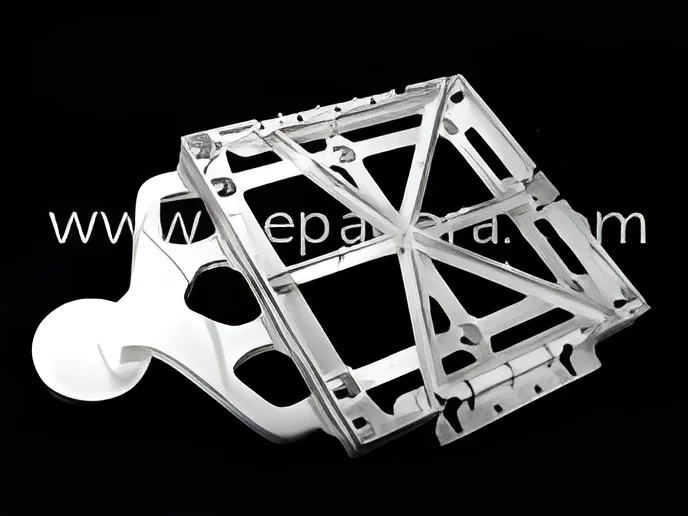
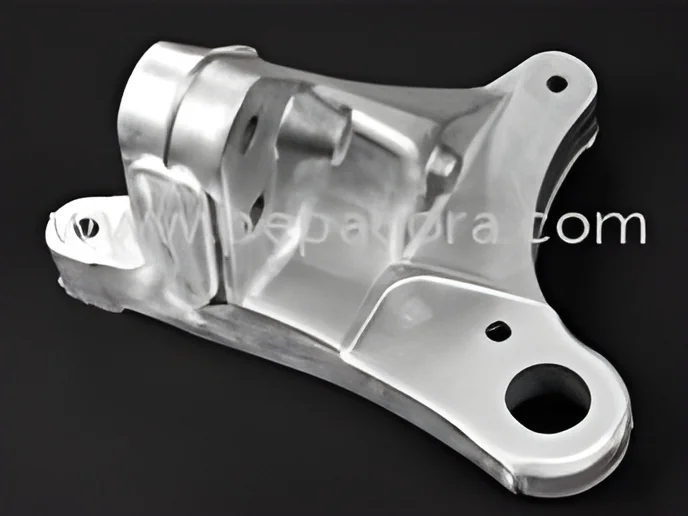
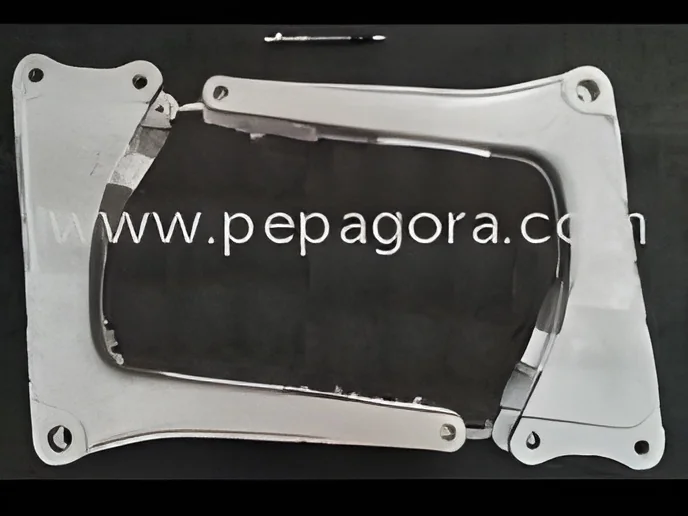
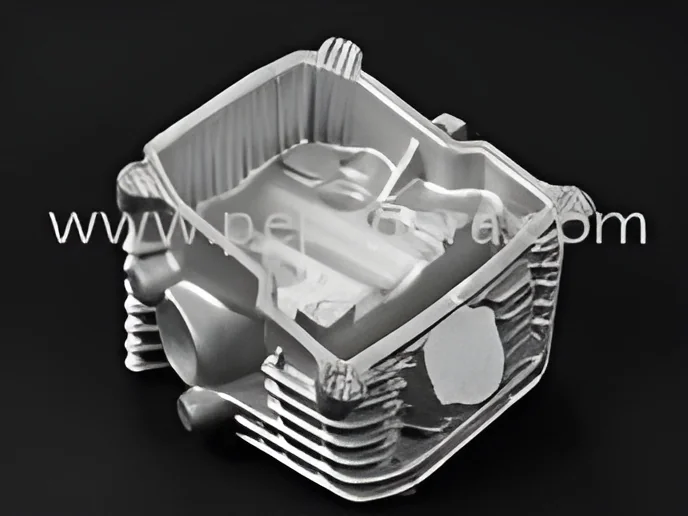
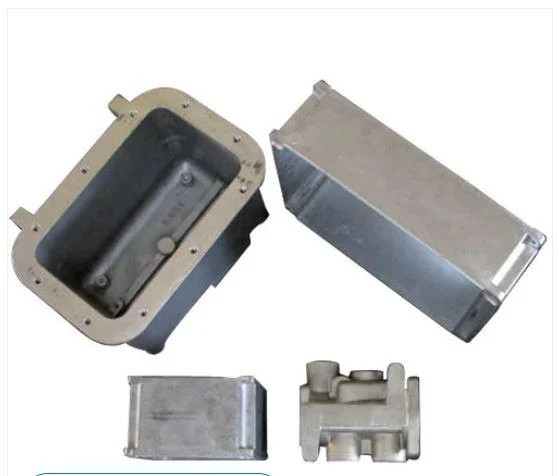
Metal molds find extensive applications across various industries, including automotive, aerospace, and consumer goods manufacturing. They are particularly useful for producing complex components with intricate designs. Businesses leverage metal molds for their durability and reliability, which contribute to overall production efficiency. As industries continue to seek innovative manufacturing solutions, the relevance of permanent mold casting remains strong in the market, driven by the demand for precision-engineered products.
𝗞𝗲𝘆 𝗙𝗲𝗮𝘁𝘂𝗿𝗲𝘀 𝗮𝗻𝗱 𝗦𝗽𝗲𝗰𝗶𝗳𝗶𝗰𝗮𝘁𝗶𝗼𝗻𝘀
Metal molds come with several key features that enhance their performance and usability. Understanding these specifications is vital for businesses looking to implement permanent mold casting in their operations.
Key specifications include:
1. Material Composition
- Typically made from aluminum, copper, or iron alloys.
- Offers strength, thermal conductivity, and resistance to thermal fatigue.
2. Mold Design
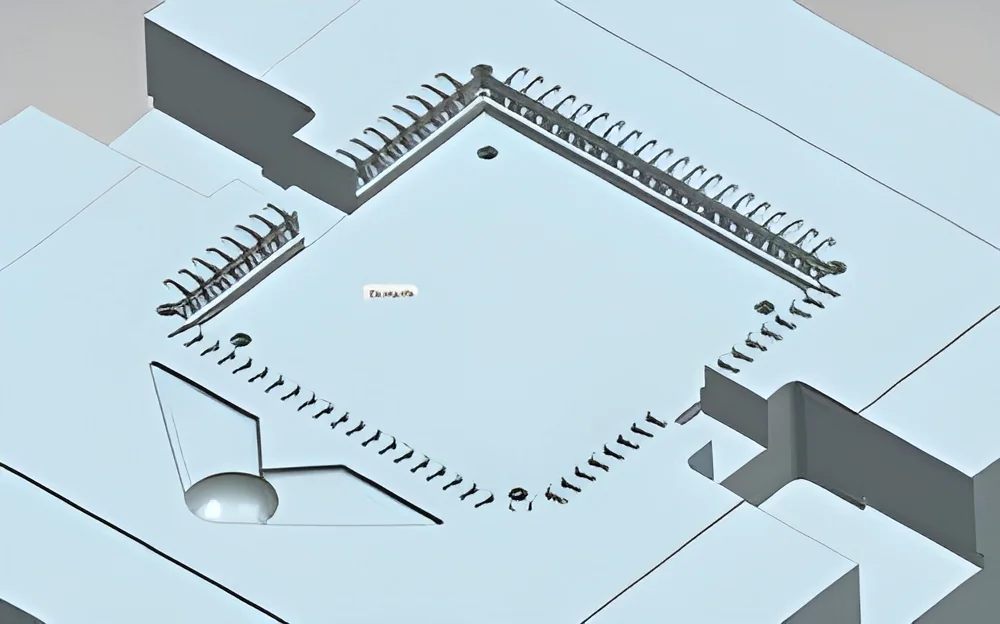
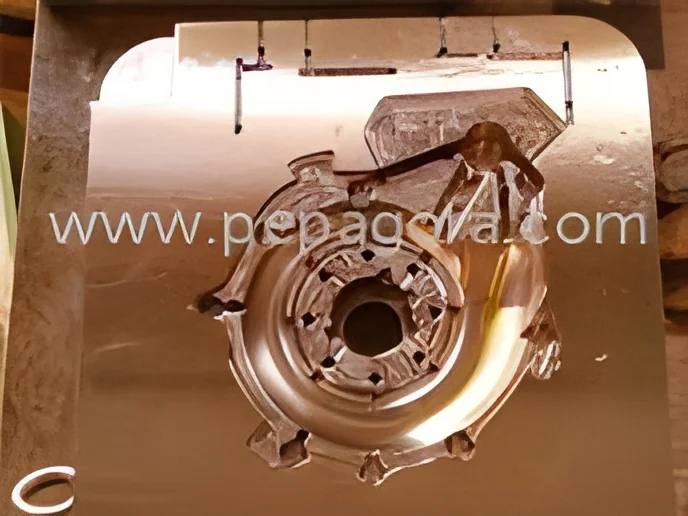
- Customizable designs to suit specific casting requirements.
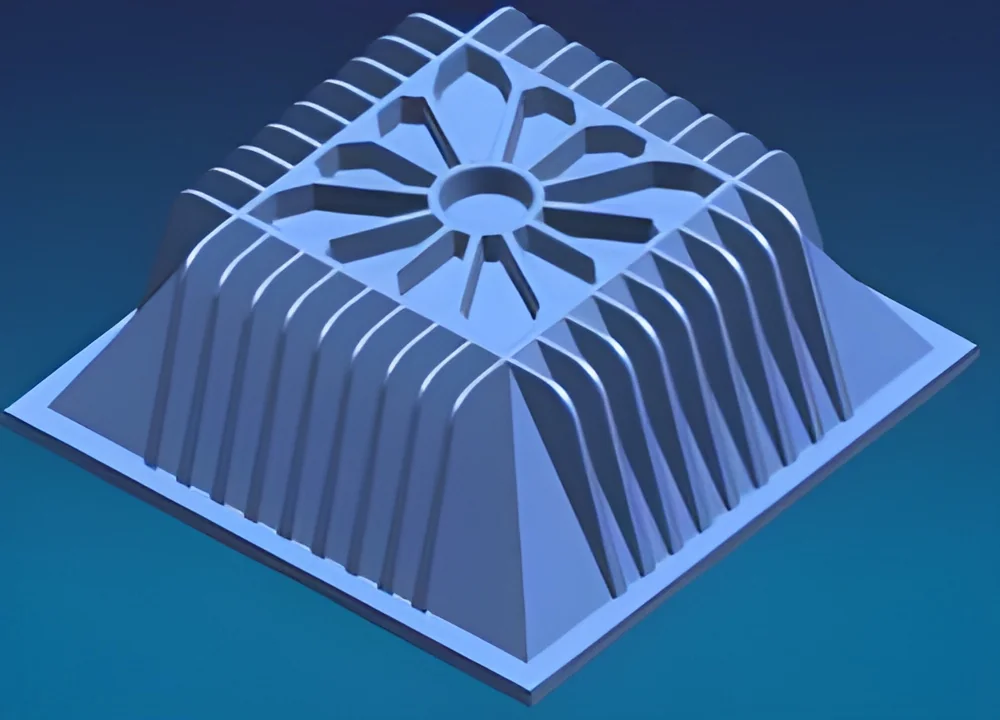
- Features integrated cooling channels for improved heat dissipation.
3. Surface Finish
- Capable of achieving smooth surface finishes.
- Reduces the need for additional machining processes.
4. Dimensional Tolerance
- High precision with tolerances usually within ±0.5 mm.
- Ensures consistent quality across production batches.
5. Reusability
- Designed for multiple uses, significantly reducing per-unit cost.
- Longevity of molds contributes to lower manufacturing costs.
6. Temperature Resistance
- Can withstand high pouring temperatures, typically up to 700°C.
- Ensures effective casting of various metals.
7. Cooling Time
- Faster cooling times compared to sand molds, enhancing production speed.
- Allows for quicker turnaround in manufacturing processes.
8. Weight and Portability
- Lightweight designs facilitate easier handling and installation.
- Can be adapted for automated production lines.
In summary, the key features and specifications of metal molds make them an essential component of efficient and high-quality production processes.
𝗖𝗼𝗺𝗺𝗼𝗻 𝗔𝗽𝗽𝗹𝗶𝗰𝗮𝘁𝗶𝗼𝗻𝘀 𝗮𝗻𝗱 𝗨𝘀𝗲 𝗖𝗮𝘀𝗲𝘀
Metal molds are utilized in various industries due to their versatility and efficiency in manufacturing processes.
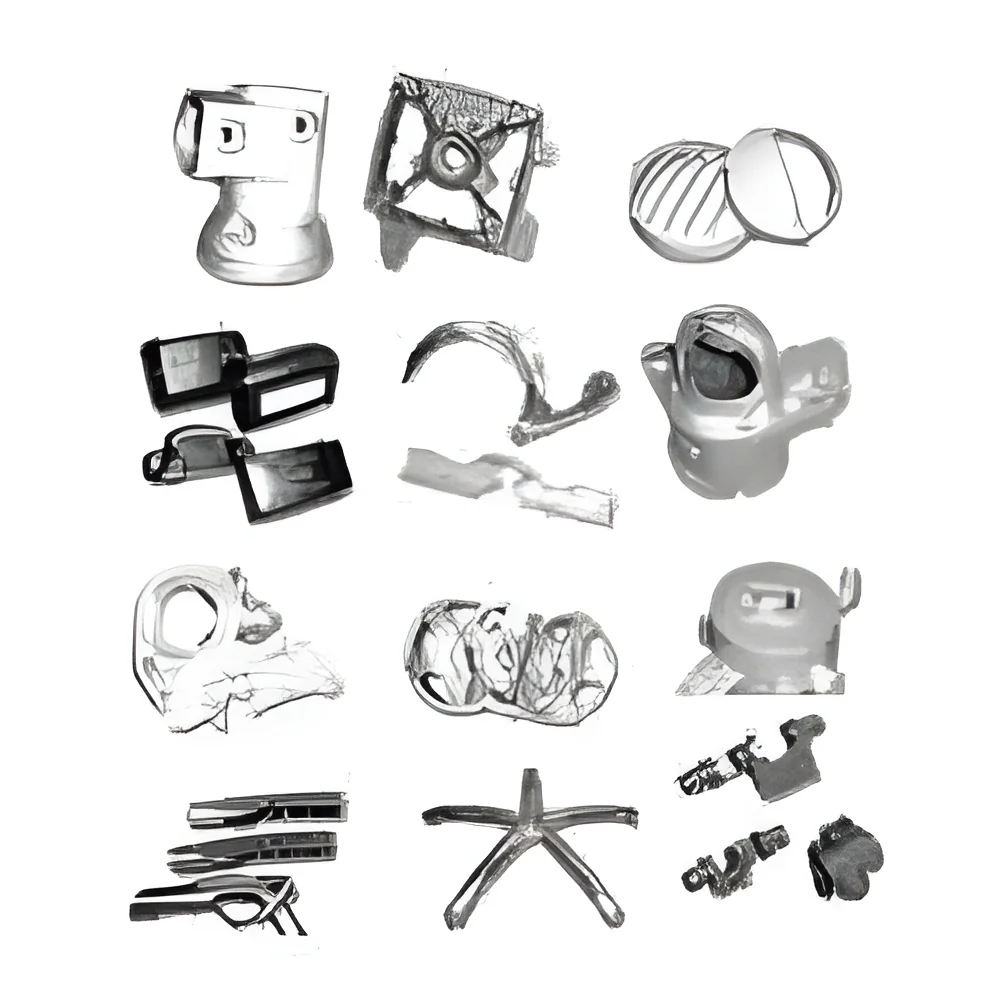
1. Automotive: Metal molds are extensively used to produce engine components, transmission parts, and other critical automotive parts requiring high precision.
2. Aerospace: They are employed in the aerospace industry for manufacturing lightweight structural components that require high strength-to-weight ratios.
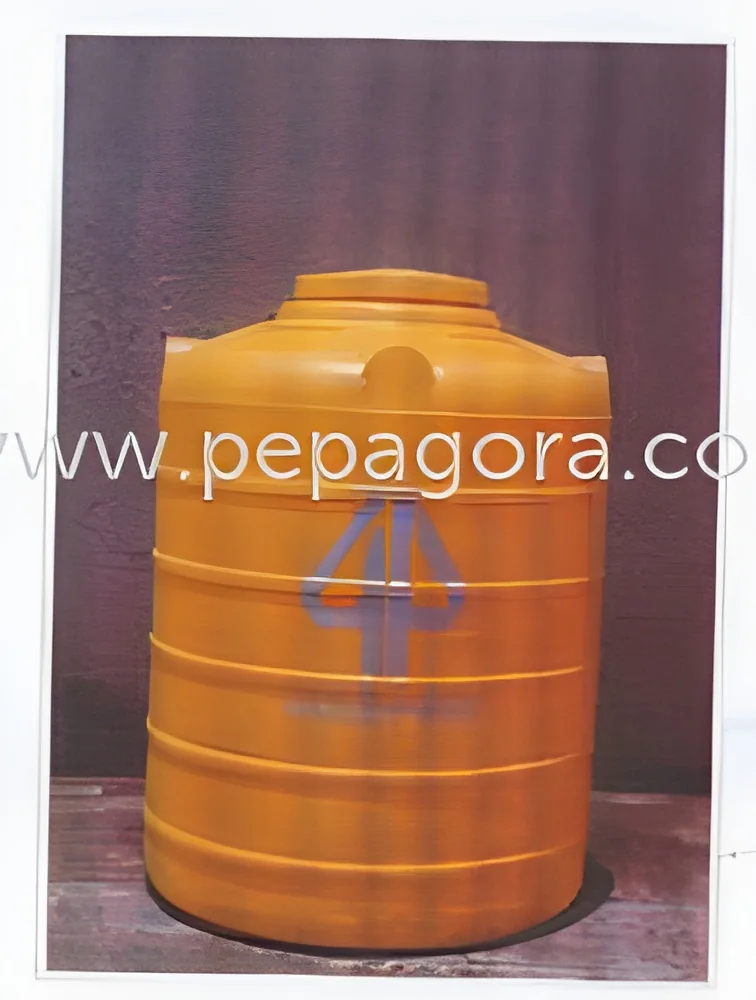
3. Consumer Goods: Metal molds are also common in producing household items, such as cookware and appliances, where durability and design precision are crucial.
4. Industrial Equipment: Various machinery parts and tools are manufactured using permanent mold casting to ensure longevity and performance.
5. Electronics: The production of electronic housings and components benefits from the precise and reliable casting capabilities of metal molds.
6. Medical Devices: Metal molds are used for creating components in medical devices, ensuring compliance with strict quality standards.
7. Construction: They are utilized in producing hardware and fittings that require robust construction and reliability.
𝗣𝗿𝗼𝗱𝘂𝗰𝘁 𝗩𝗮𝗿𝗶𝗮𝗻𝘁𝘀 𝗮𝗻𝗱 𝗦𝘂𝗯𝗰𝗮𝘁𝗲𝗴𝗼𝗿𝗶𝗲𝘀
The diversity of metal molds allows for various product variants tailored to different manufacturing needs.
Standard Metal Molds
These molds are designed for general use in various applications. They provide a reliable option for businesses looking to produce common cast components efficiently.
Custom Metal Molds
Custom molds are specifically engineered to meet unique specifications. They are ideal for businesses requiring bespoke solutions for specialized components.
Multi-Cavity Molds
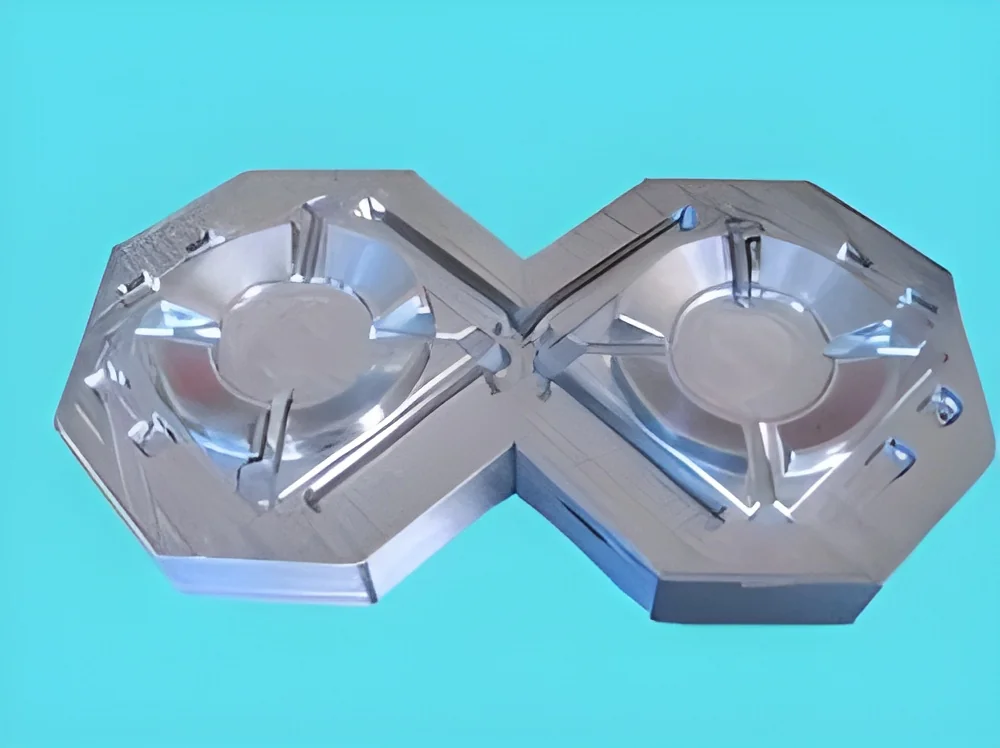
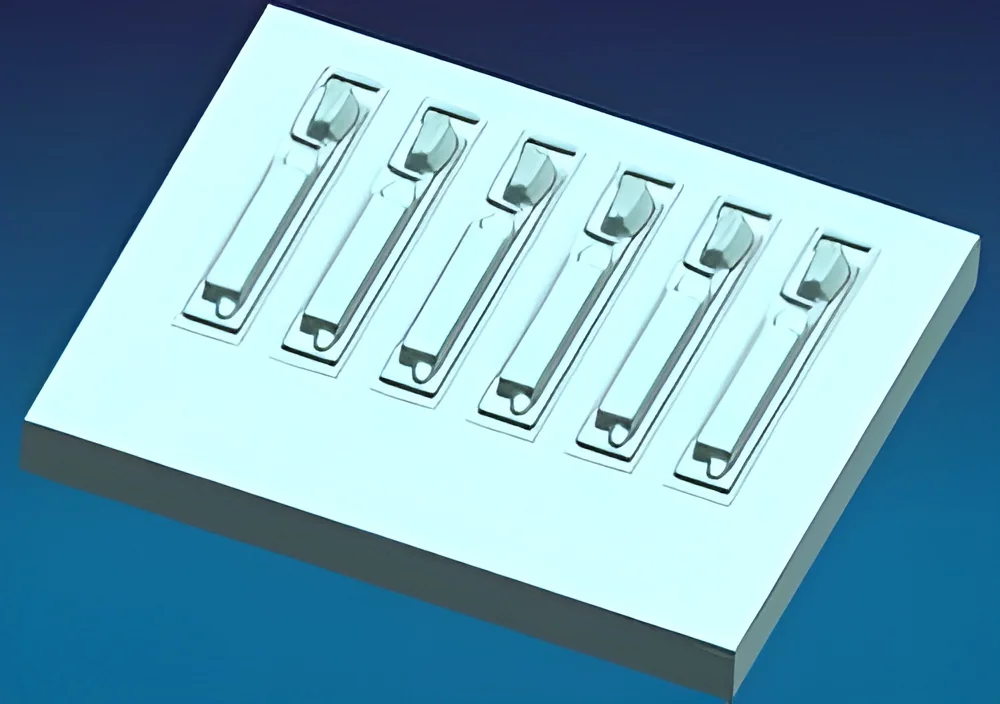
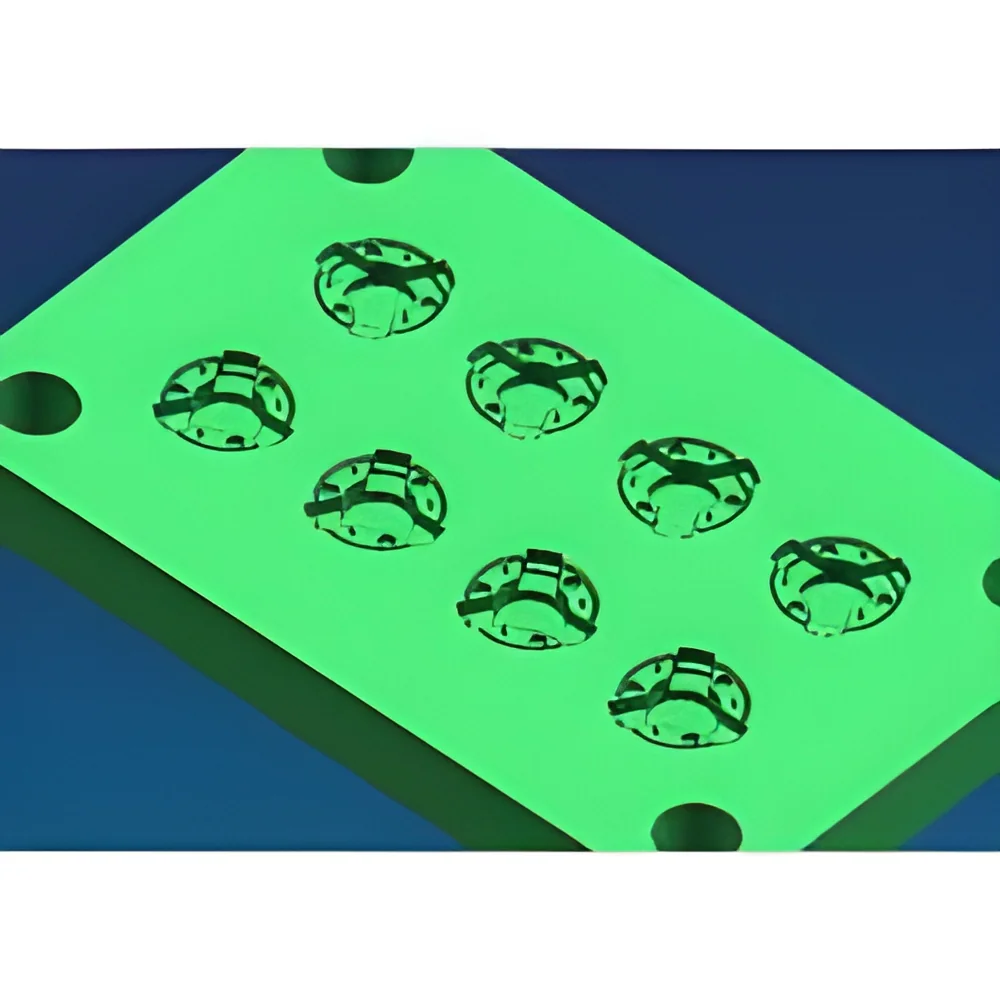
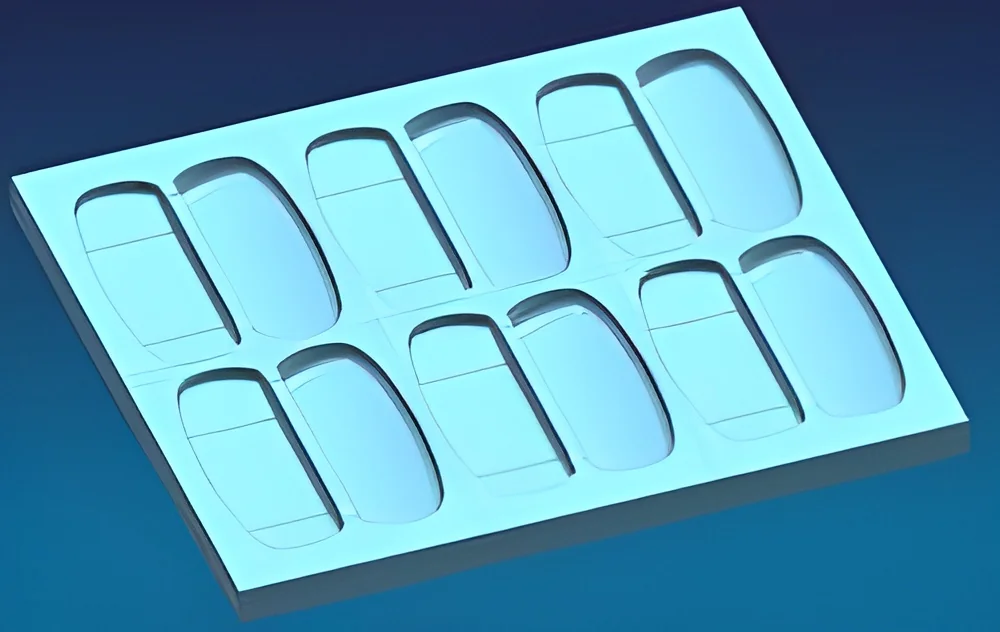
These molds allow for the production of multiple parts in a single cycle, significantly increasing production efficiency and reducing costs.
𝗕𝗲𝗻𝗲𝗳𝗶𝘁𝘀 𝗮𝗻𝗱 𝗔𝗱𝘃𝗮𝗻𝘁𝗮𝗴𝗲𝘀
Metal molds offer numerous benefits that enhance production capabilities and business operations.
1. Cost-Effectiveness: The reusability of metal molds leads to lower production costs over time, making them an economical choice for manufacturers.
2. High Precision: Metal molds provide superior dimensional accuracy, reducing the need for post-casting machining and improving overall product quality.
3. Enhanced Surface Finish: The ability to achieve smooth finishes decreases the need for secondary operations, saving time and resources.
4. Increased Production Speed: Faster cooling times lead to quicker turnaround in manufacturing, improving overall productivity.
5. Durability: Metal molds are built to withstand the rigors of repeated use, ensuring consistent performance over numerous cycles.
6. Flexibility in Design: Customizable options allow manufacturers to adapt molds to specific requirements, accommodating a wide range of applications.
𝗕𝘂𝘆𝗶𝗻𝗴 𝗚𝘂𝗶𝗱𝗲 𝗳𝗼𝗿 𝗕𝟮𝗕 𝗕𝘂𝘆𝗲𝗿𝘀
When sourcing Metal Molds (Permanent Mold Casting), several factors should be considered to ensure the best investment for your business.
1. Quality Assessment: Evaluate the quality of the molds through certifications and manufacturing standards. Look for suppliers adhering to international quality standards to guarantee the reliability of products.
2. Supplier Verification: Vet suppliers based on their reputation, customer reviews, and industry experience. A well-established supplier is likely to provide better products and services.
3. Pricing and MOQ: Understand the pricing structure and minimum order quantities. This will help in budgeting and determining the feasibility of bulk purchases.
4. Delivery and Lead Times: Assess the supplier's ability to meet your delivery requirements. Timely delivery is critical for maintaining production schedules.
5. Compliance Requirements: Ensure that the molds meet relevant regulatory standards and compliance requirements specific to your industry, which can impact safety and quality.
𝗖𝗼𝗺𝗽𝗹𝗶𝗮𝗻𝗰𝗲 𝗮𝗻𝗱 𝗖𝗲𝗿𝘁𝗶𝗳𝗶𝗰𝗮𝘁𝗶𝗼𝗻𝘀
Compliance with industry standards and certifications is crucial for ensuring the quality and reliability of metal molds.
Relevant quality standards, such as ISO 9001, ensure that manufacturers follow best practices in quality management systems. This guarantees that the products meet customer and regulatory requirements consistently.
Industry certifications like CE indicate compliance with European safety and environmental requirements. These certifications are essential for businesses looking to operate within specific markets.
Safety and testing requirements are also critical. Molds must undergo rigorous testing to ensure they can withstand the casting process without compromising quality.
Companies must be aware of regional compliance considerations, as different regions may have specific regulations regarding manufacturing processes and materials used.
Why Source Metal Molds (Permanent Mold Casting) from Pepagora?
Pepagora provides a trusted platform for sourcing Metal Molds (Permanent Mold Casting) with several key advantages.
A verified supplier network ensures that businesses have access to reliable manufacturers who meet high-quality standards. This reduces risks associated with sourcing and guarantees a consistent supply of quality products.
The streamlined RFQ process simplifies the quotation system, allowing buyers to request and compare offers from multiple suppliers efficiently. This fosters competitive pricing and better negotiation outcomes.
Trade assurance and support are significant advantages for buyers, providing protection throughout the purchasing process. This includes safeguards against non-delivery or substandard products.
Finally, Pepagora offers extensive regional coverage, including India, GCC, and Southeast Asia, facilitating connections between buyers and suppliers across these markets. This geographic reach helps businesses find the right partners to meet their production needs effectively.