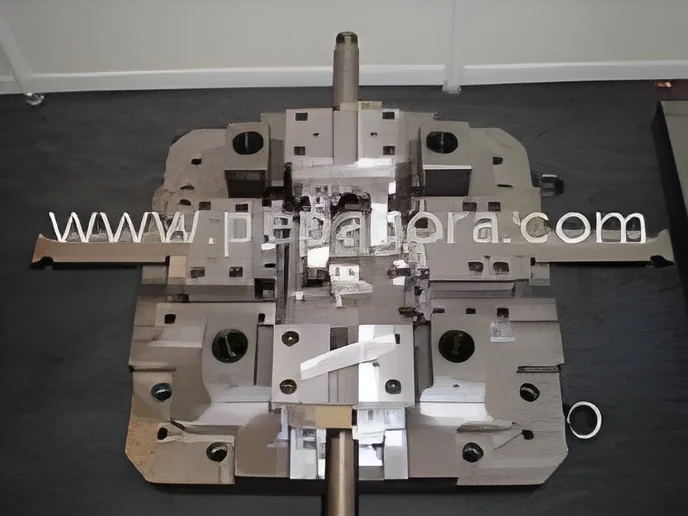
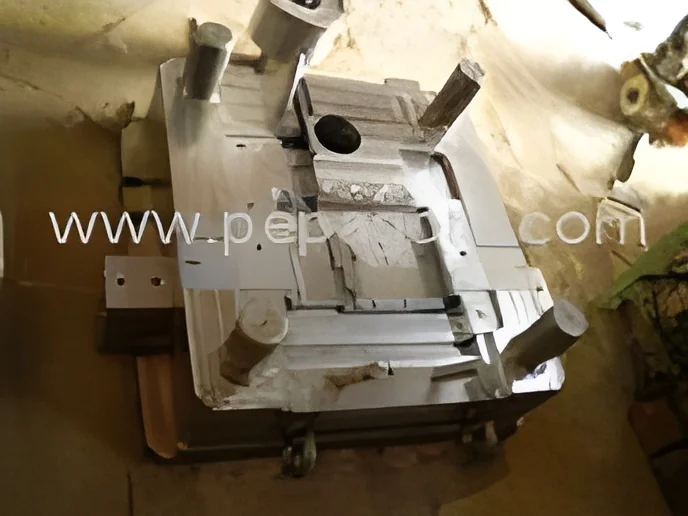
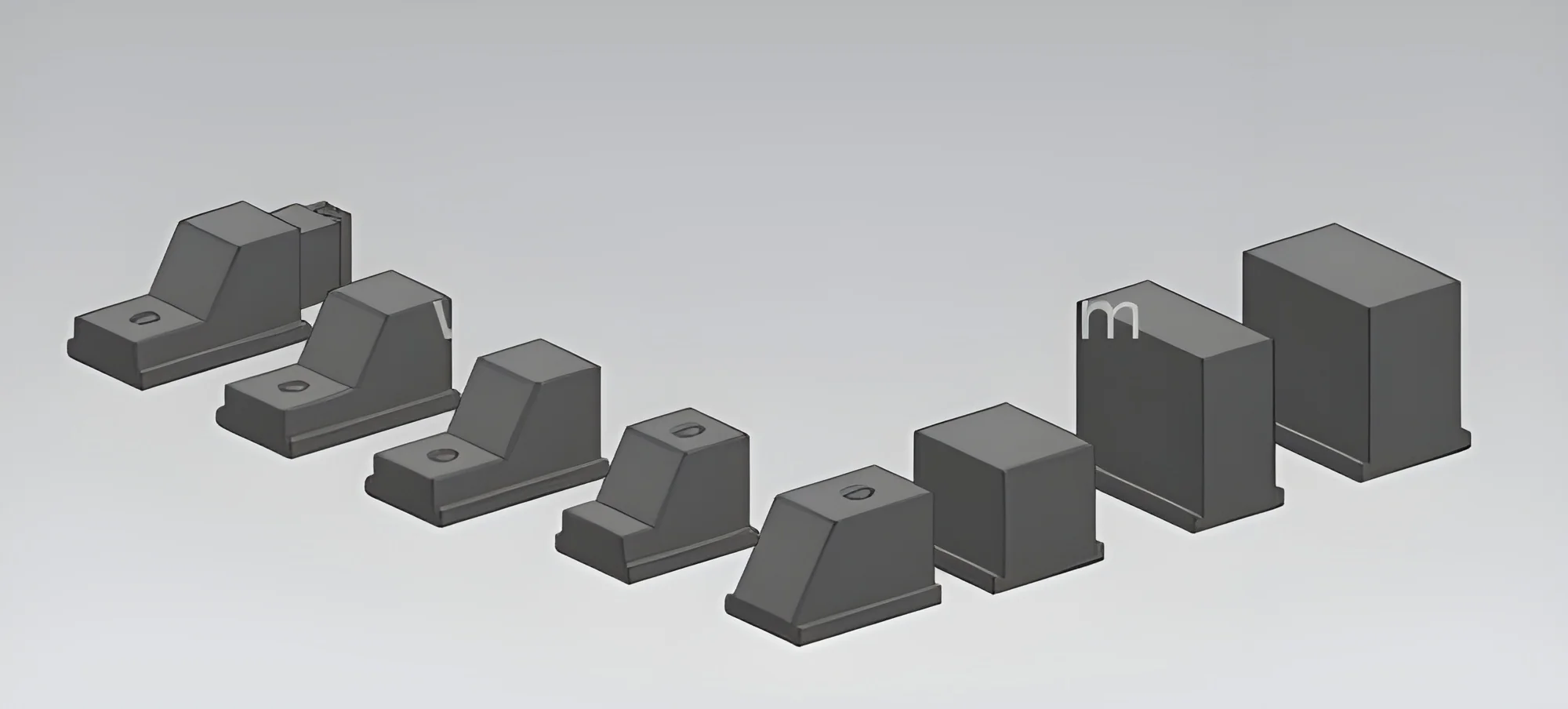
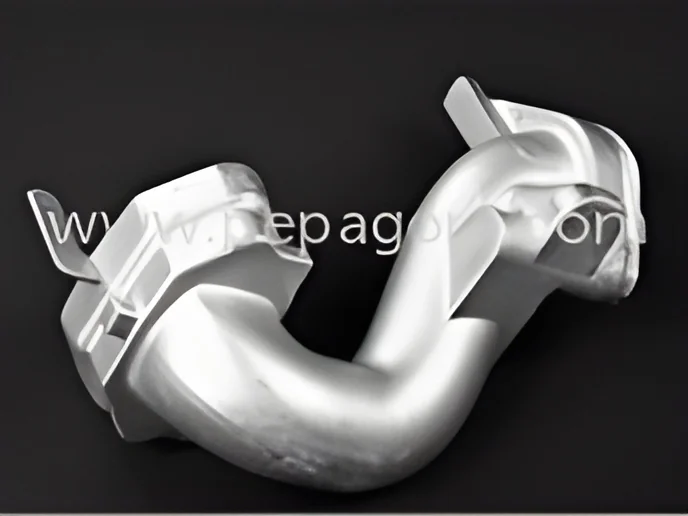
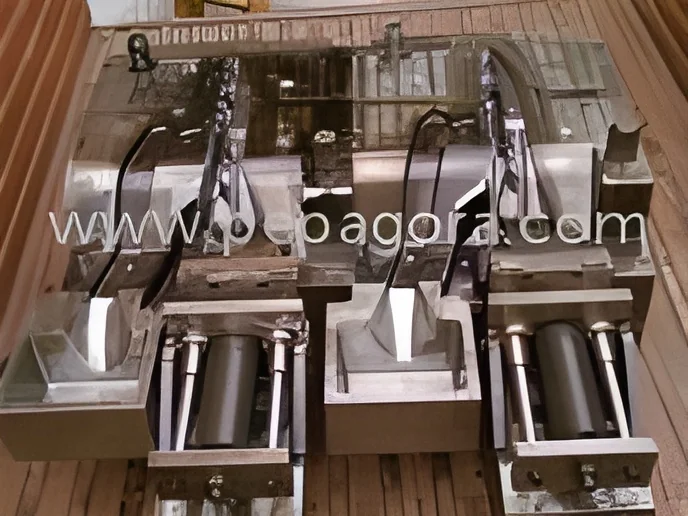
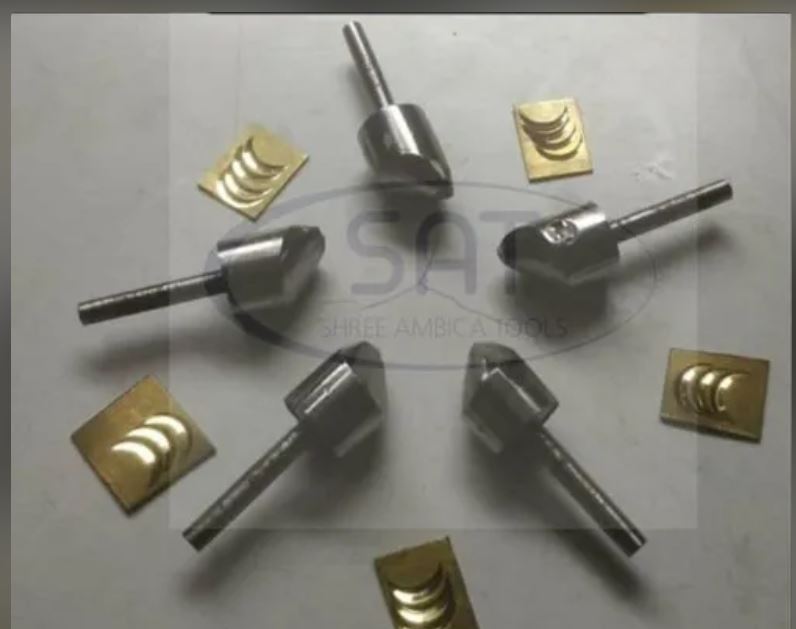
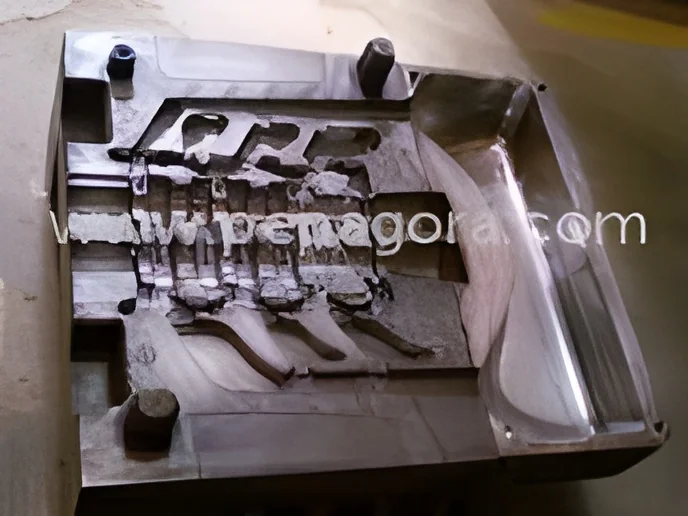
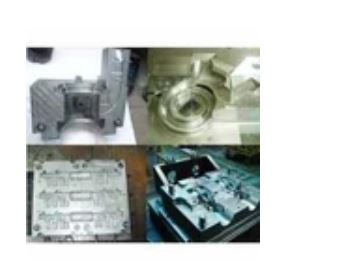
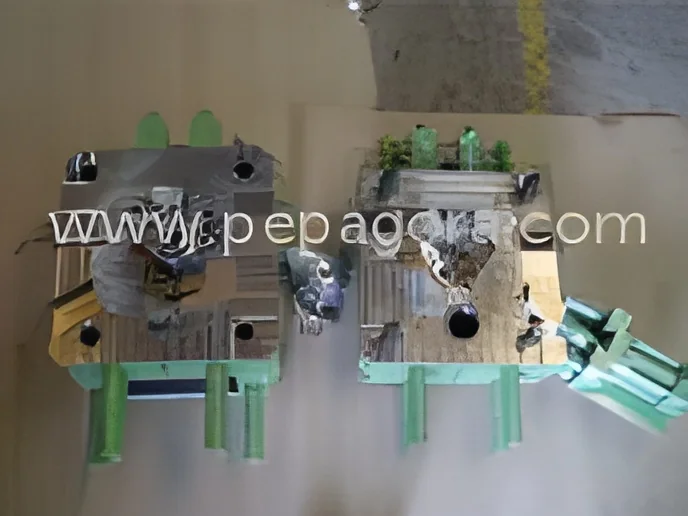
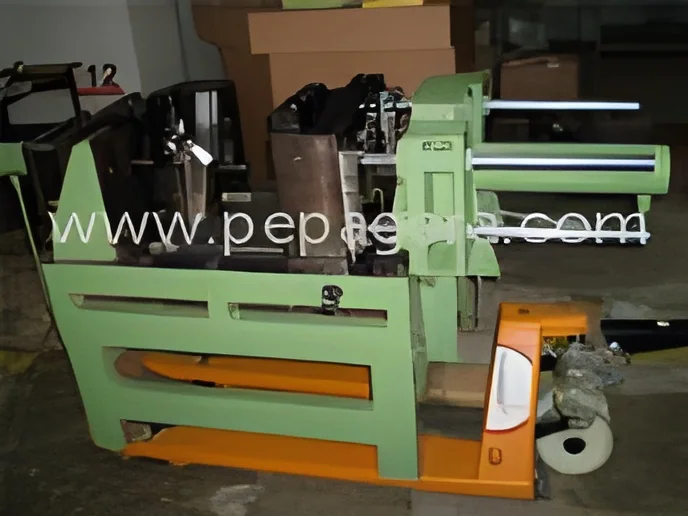
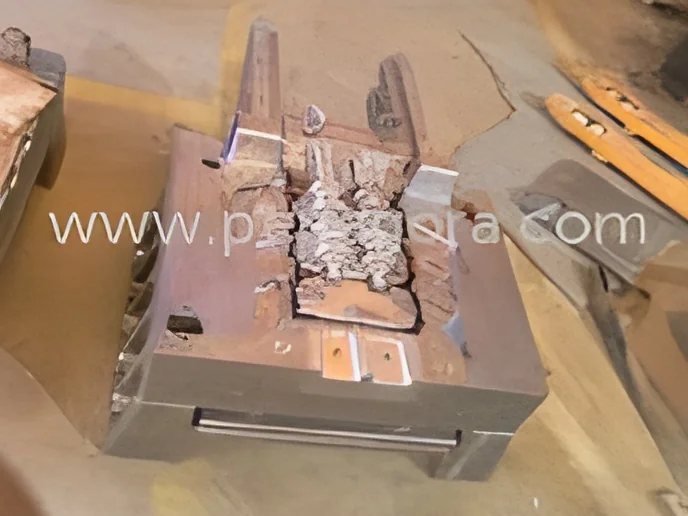
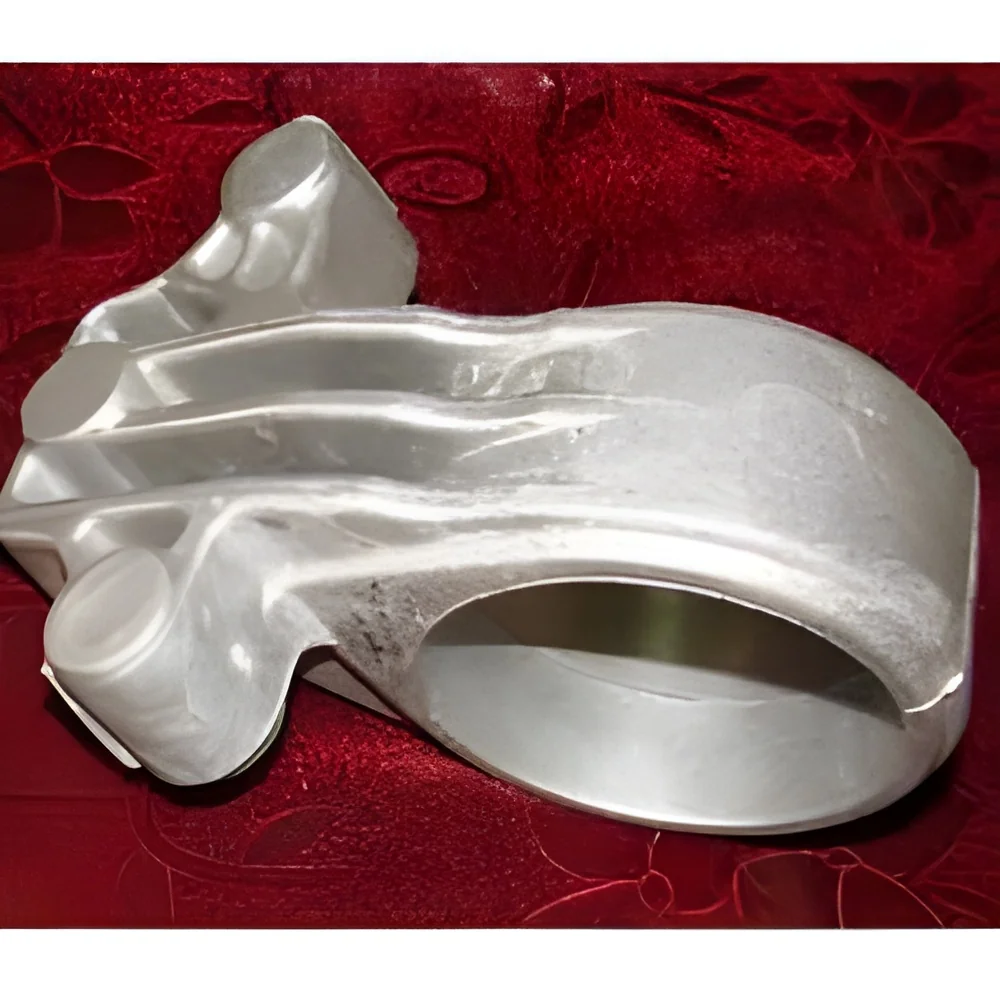
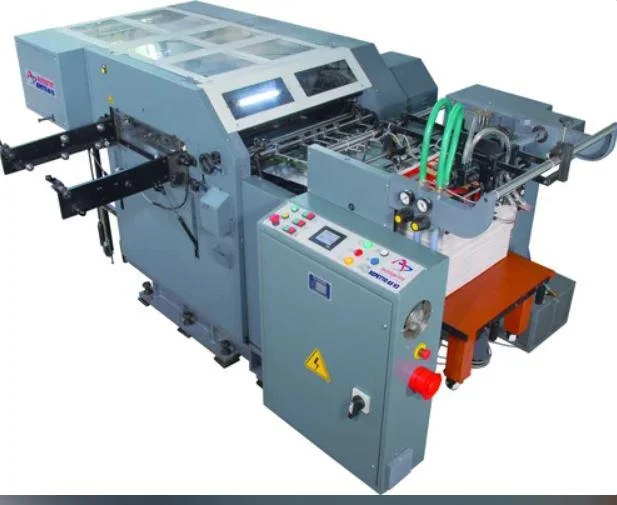
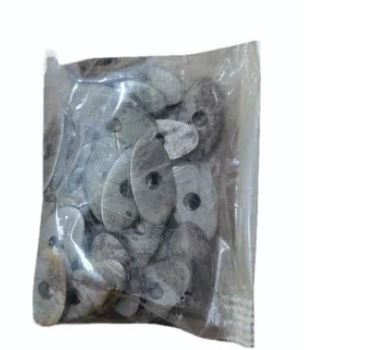
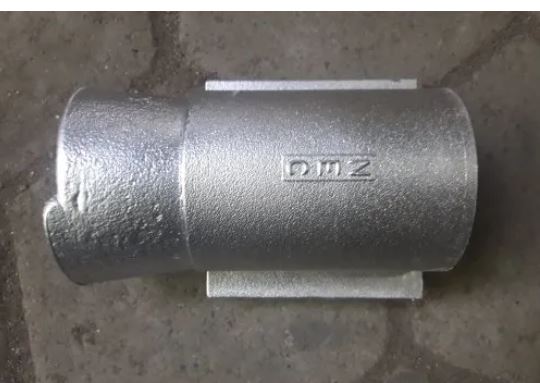
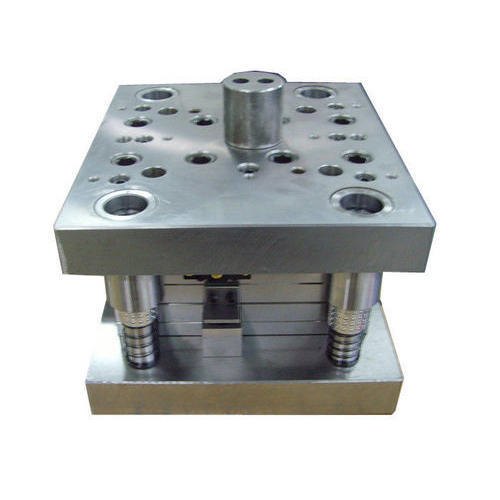
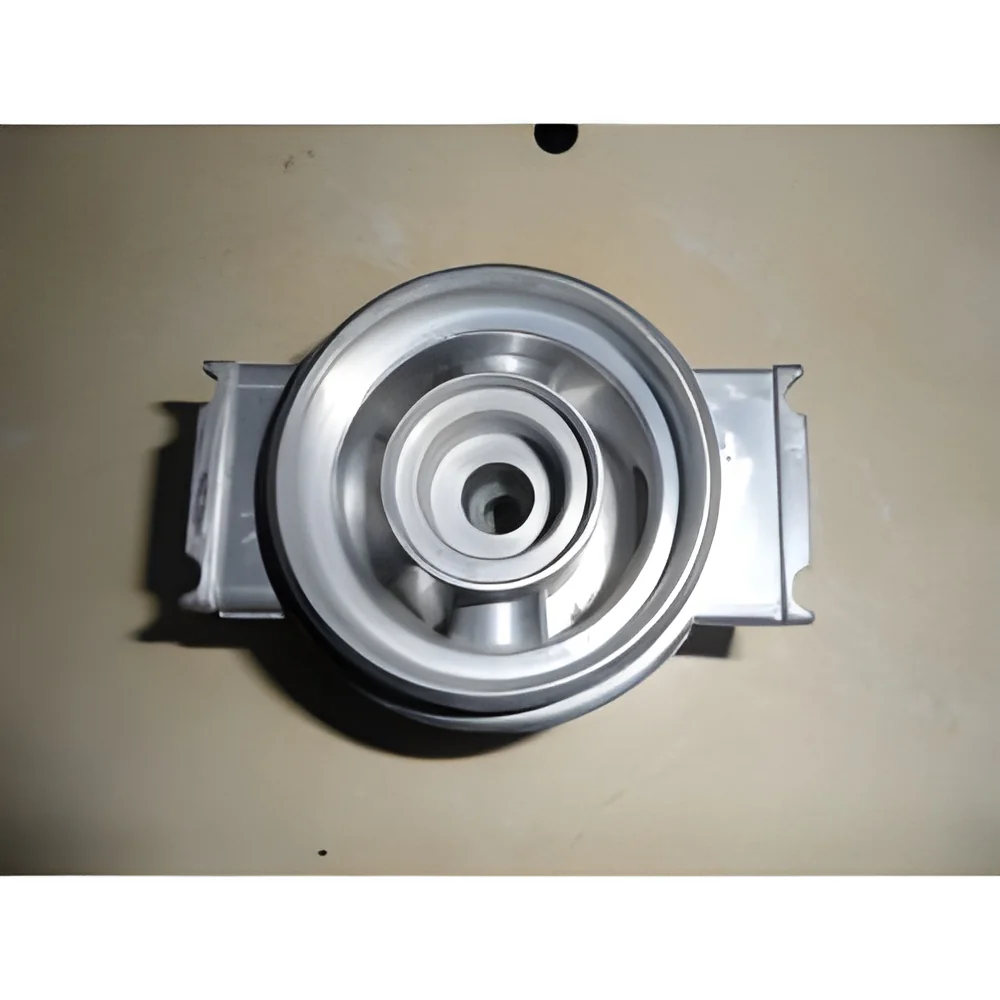
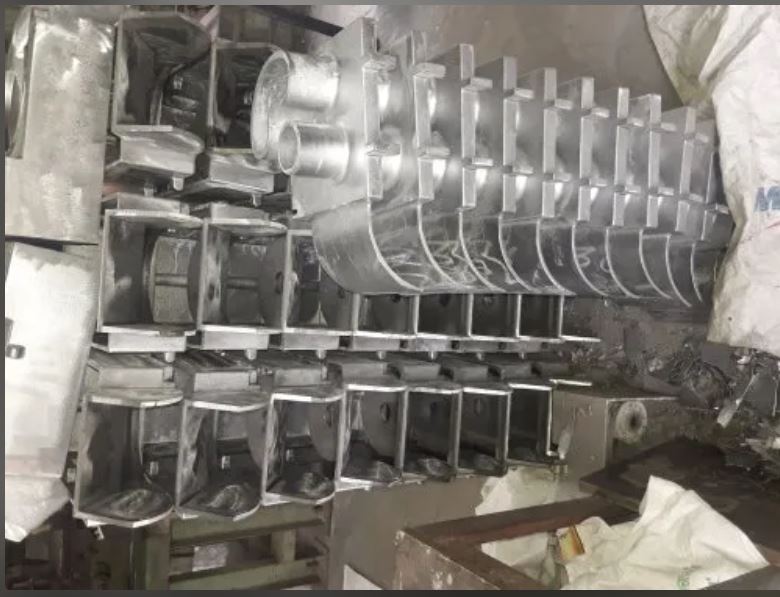
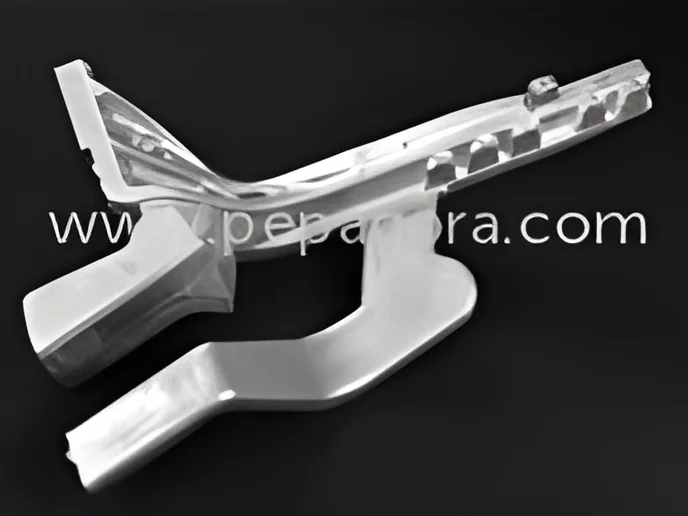
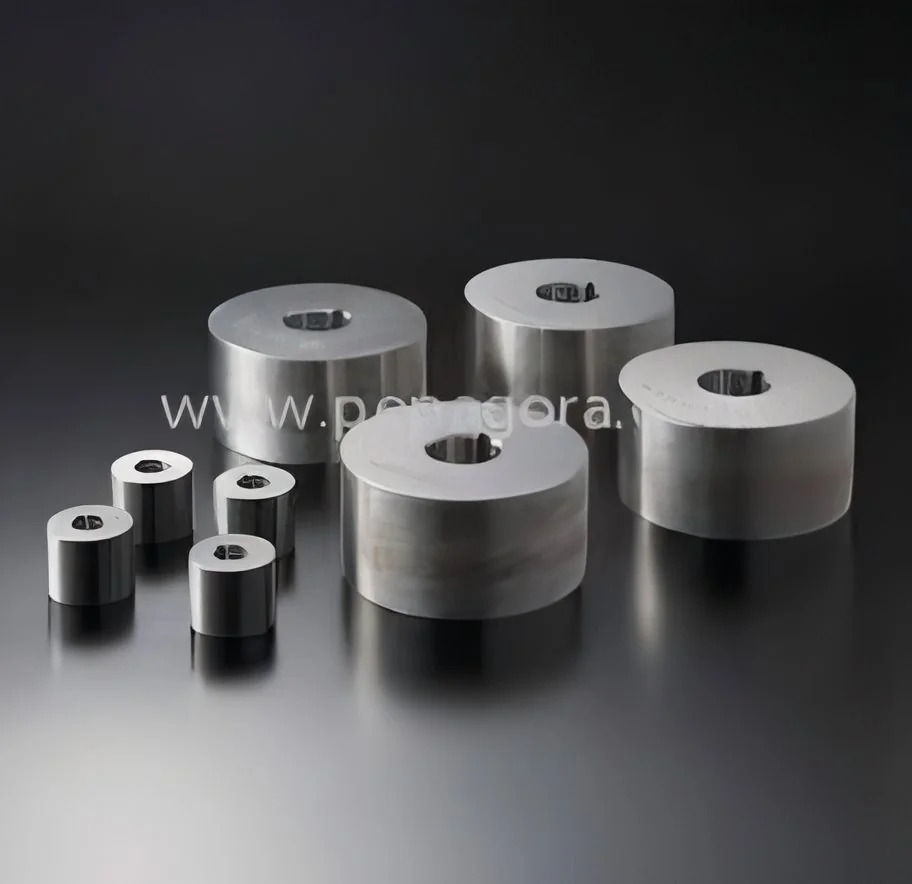
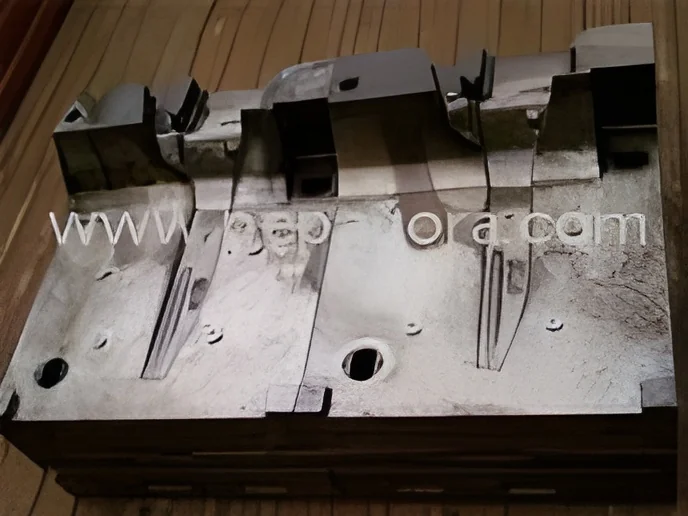
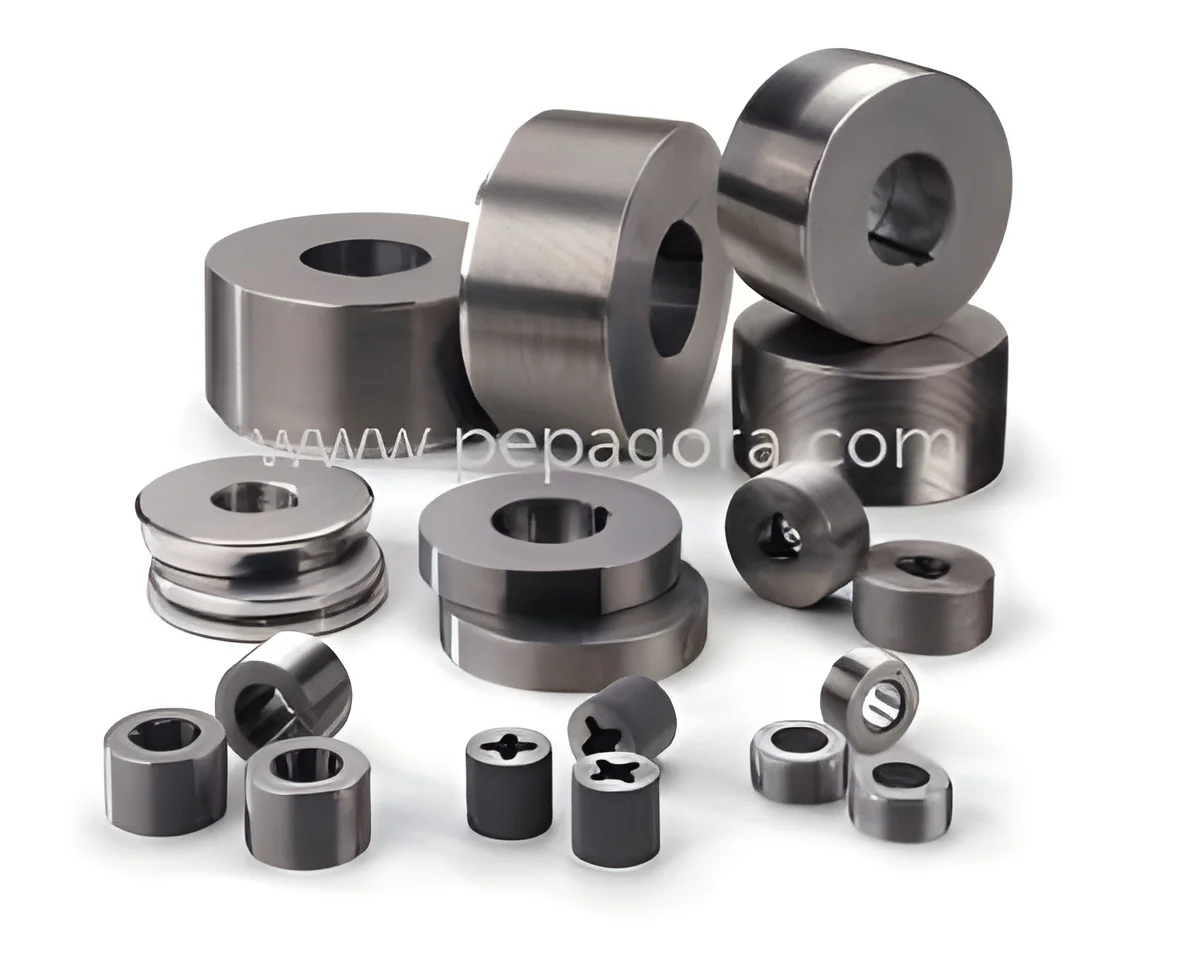
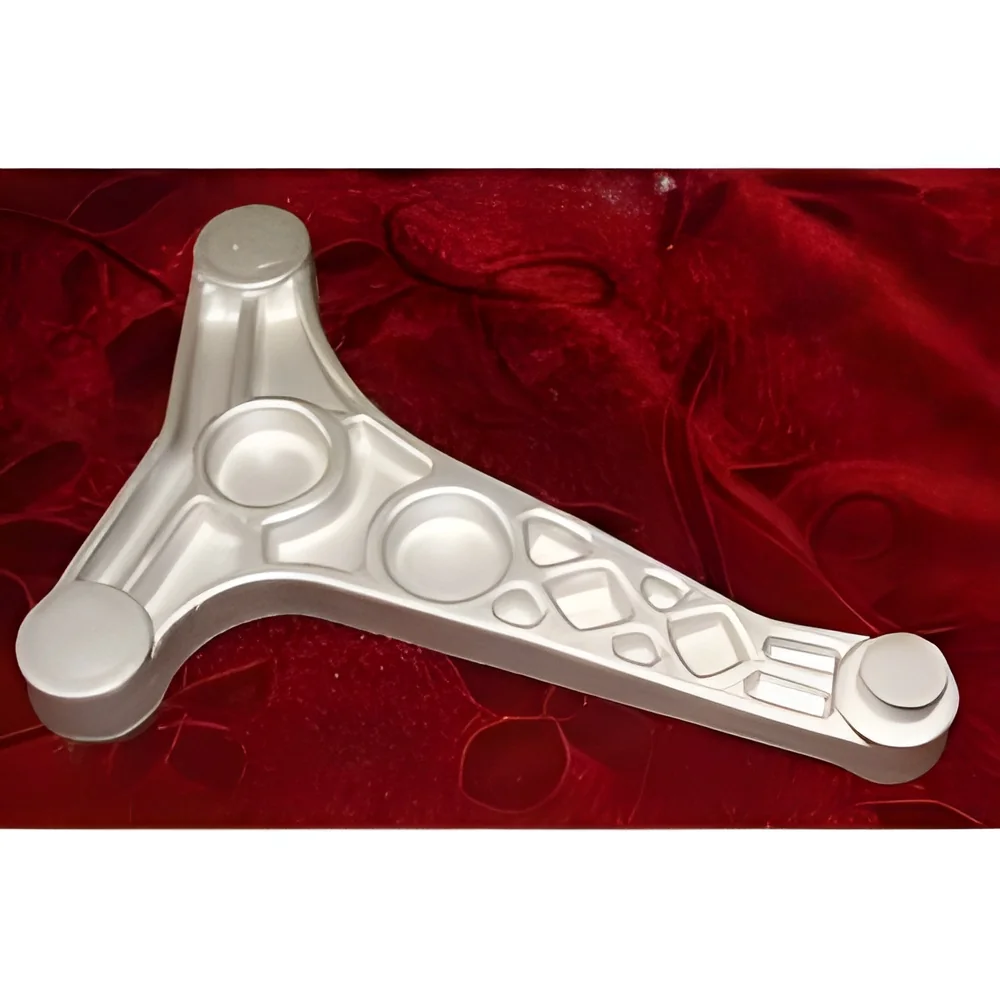
What are Die Casting Dies & Tooling?
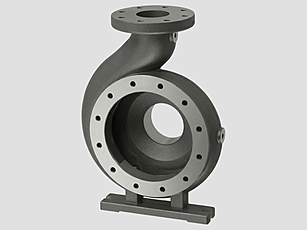
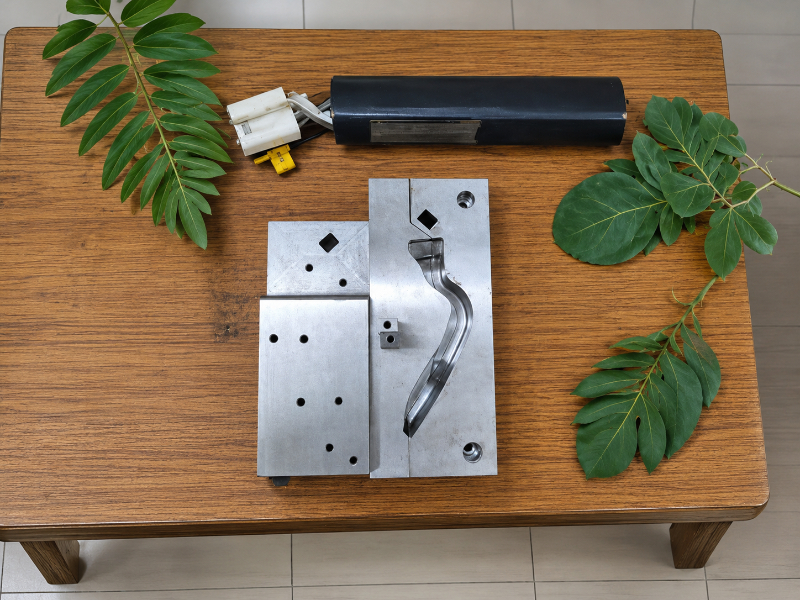
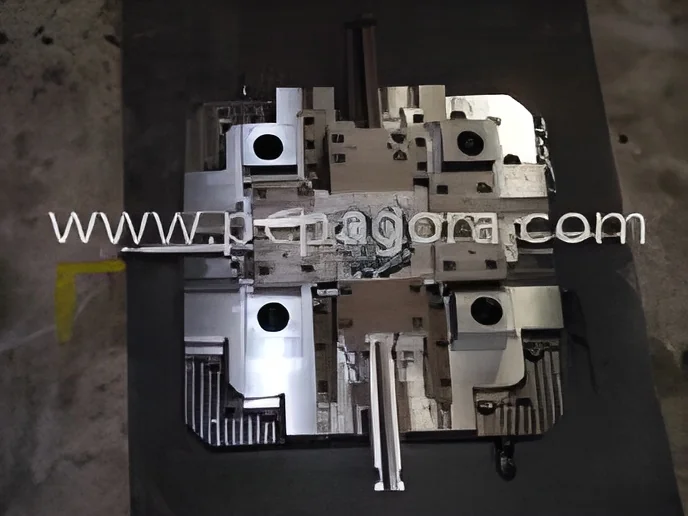
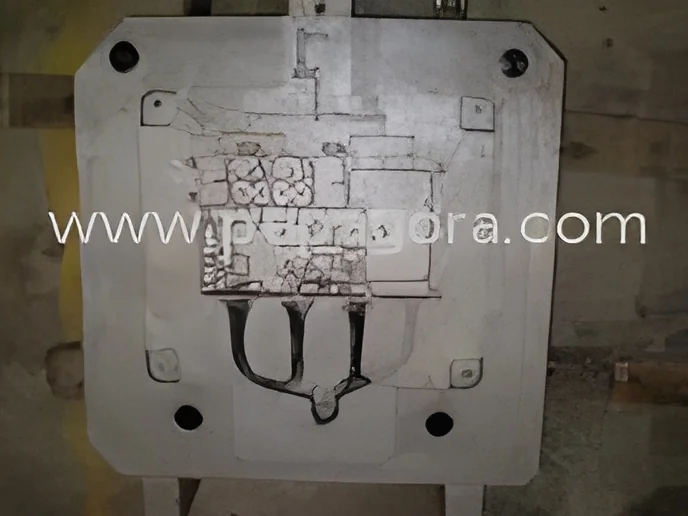
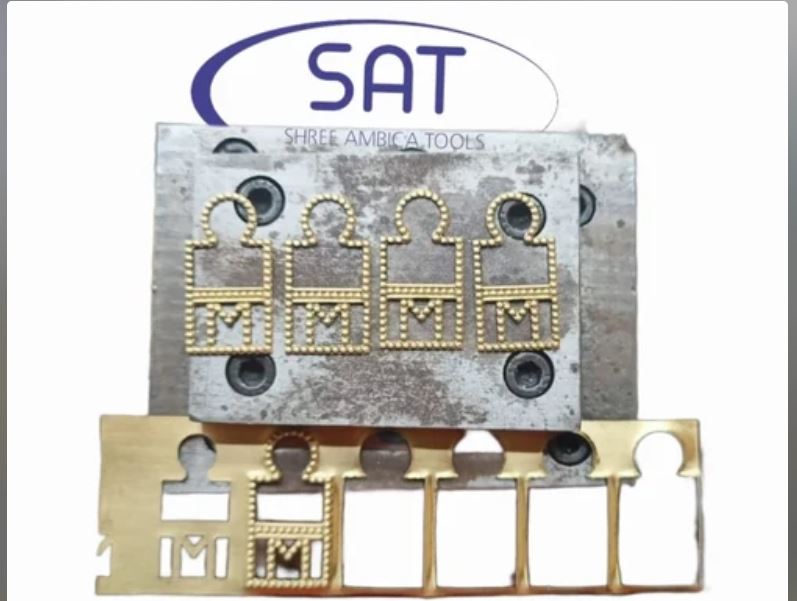
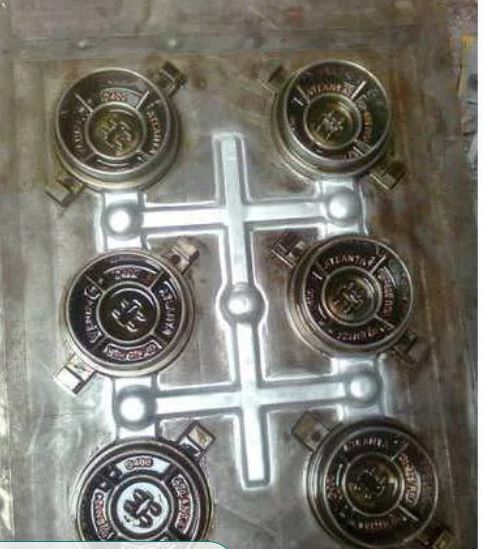
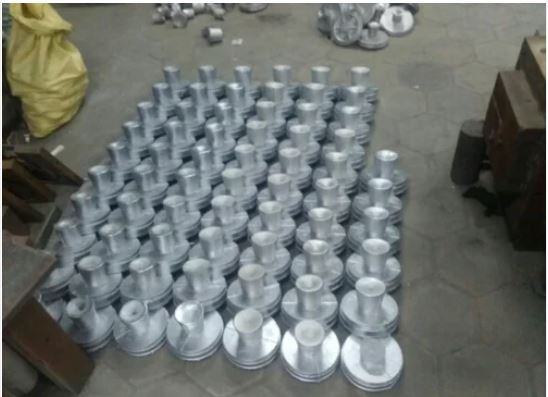
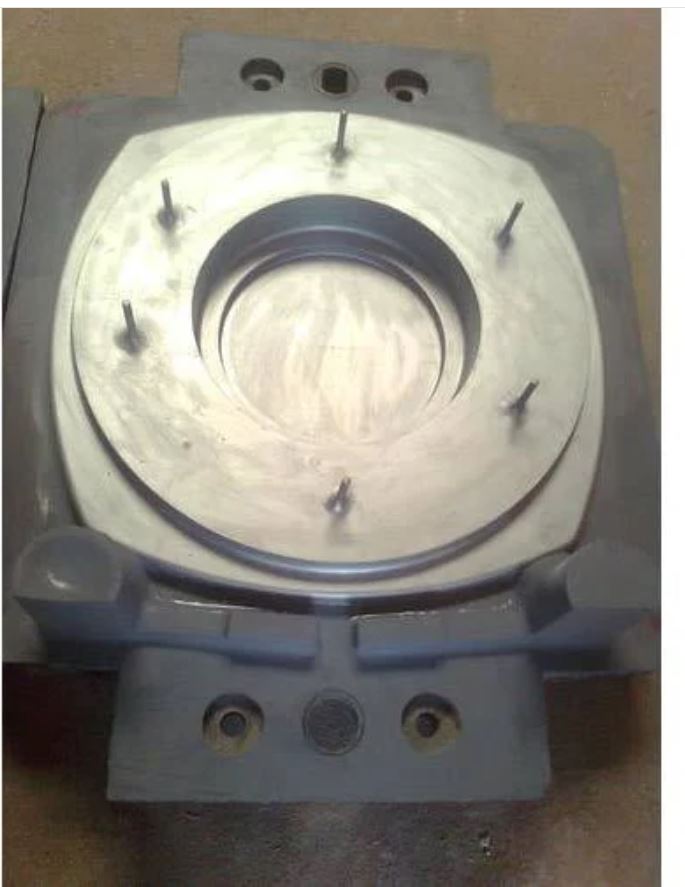
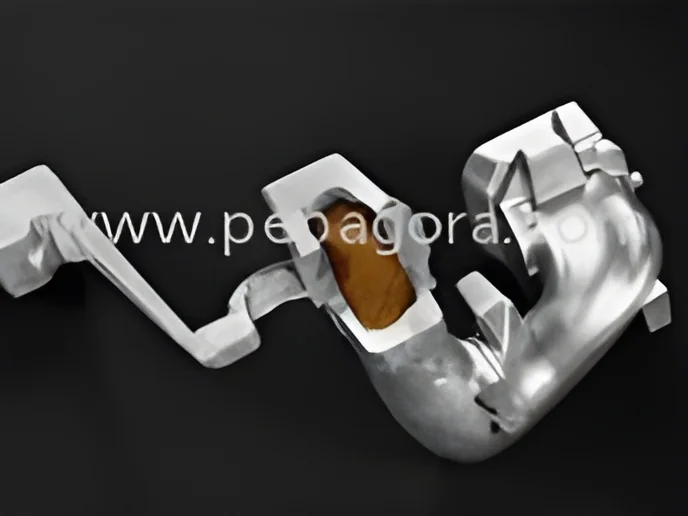
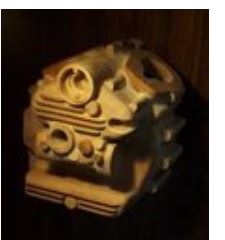
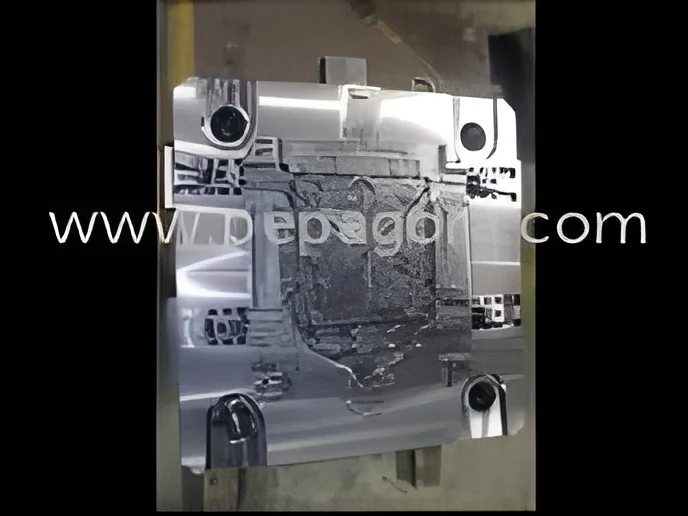
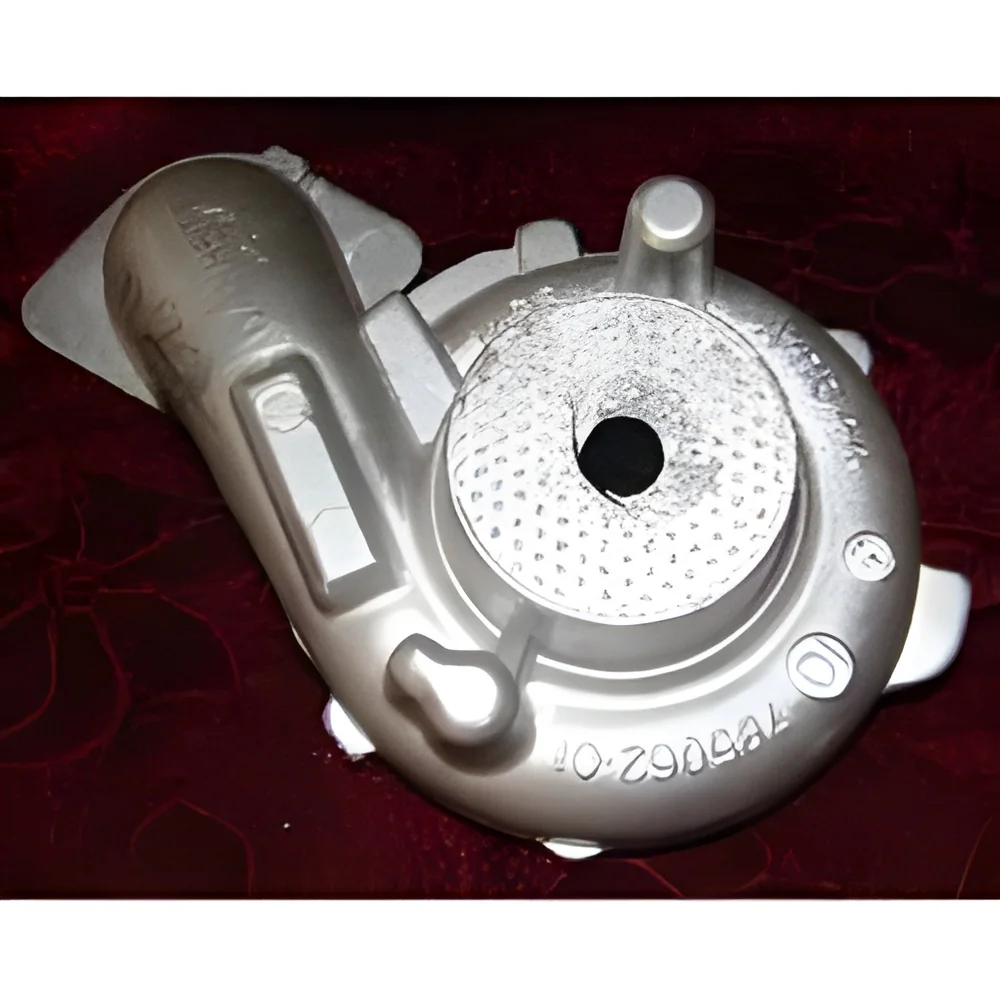
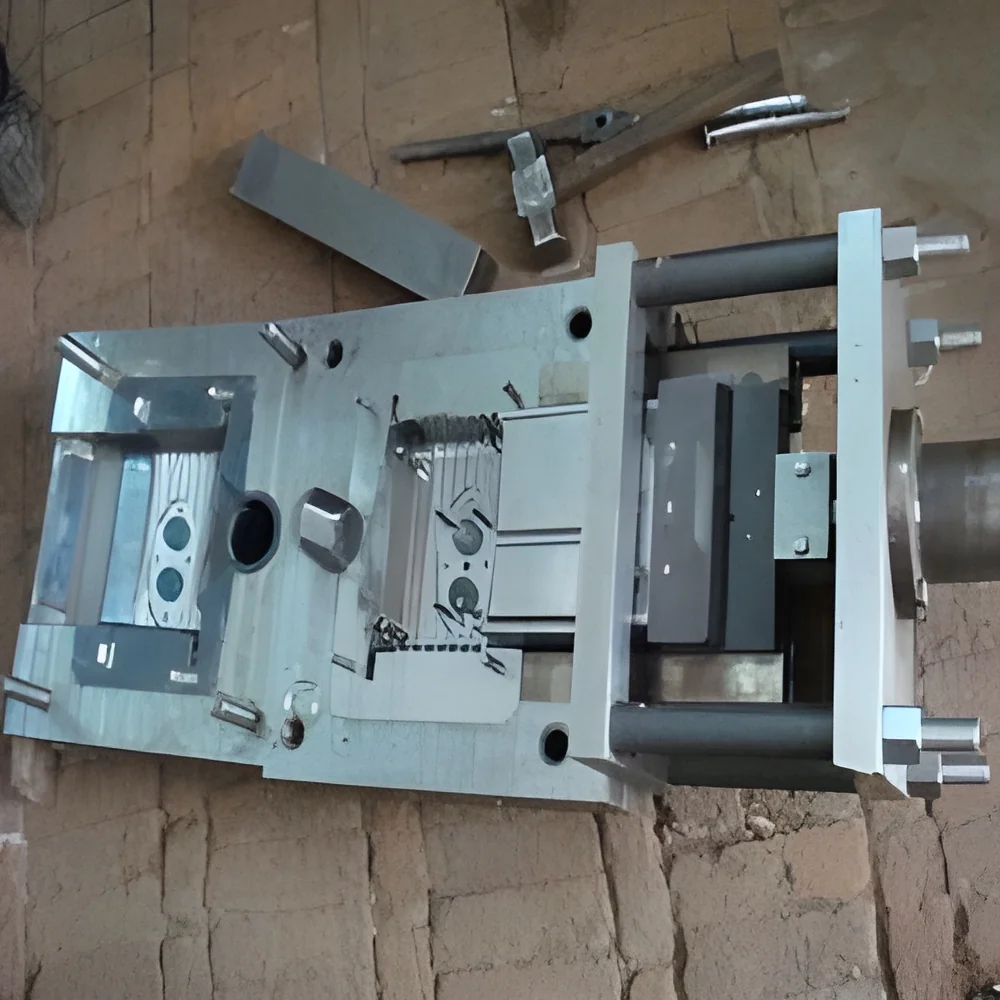
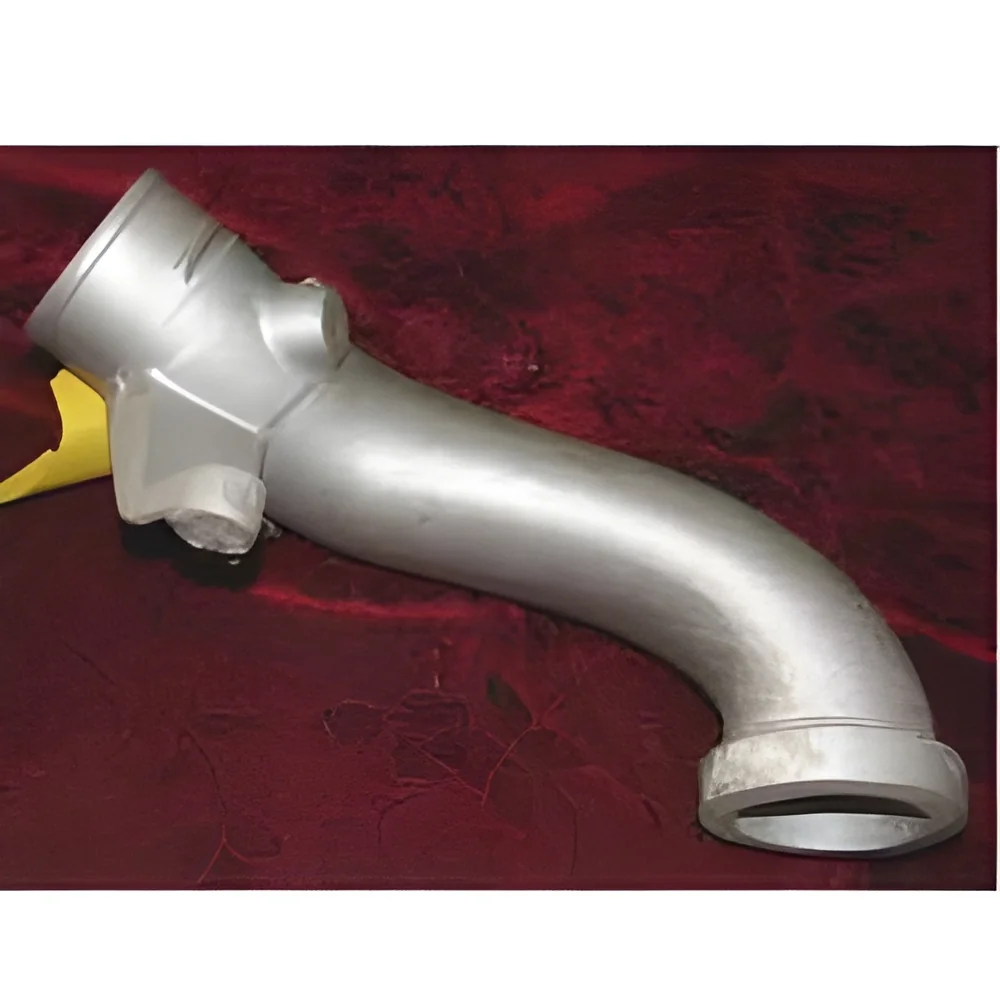
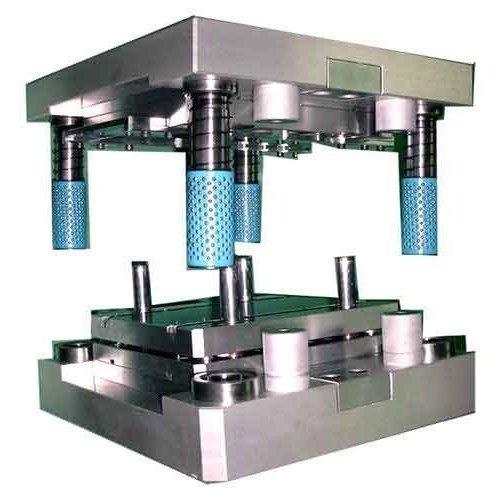
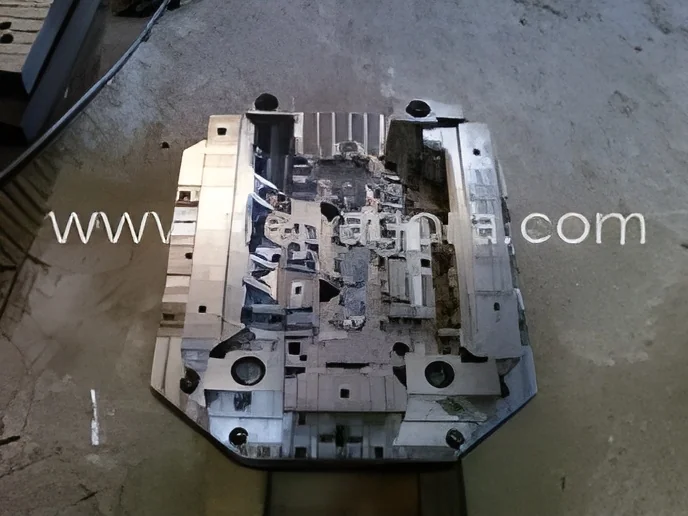
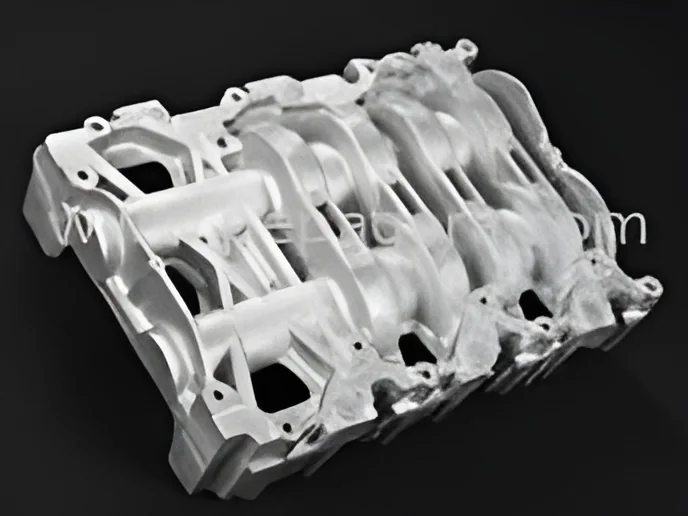
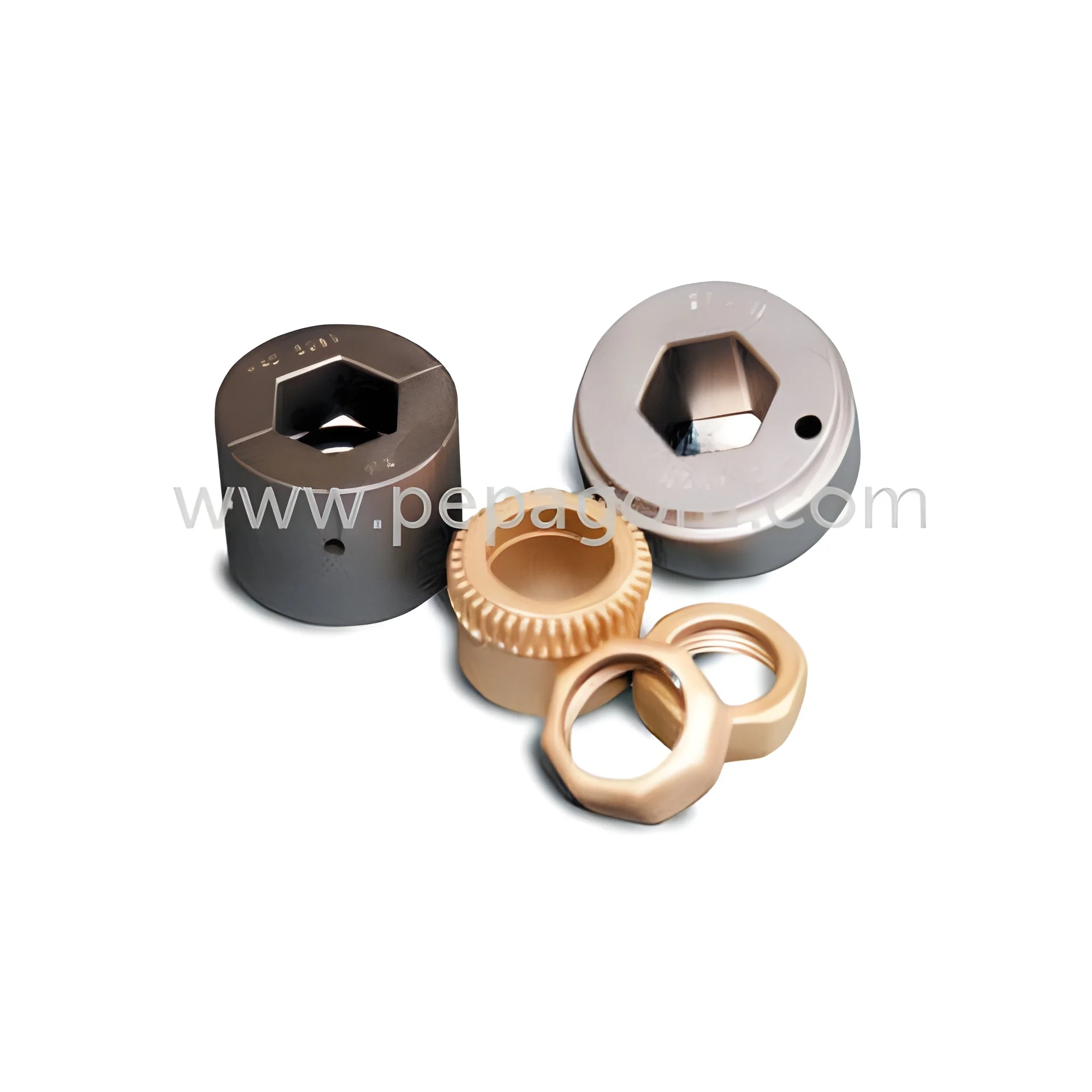
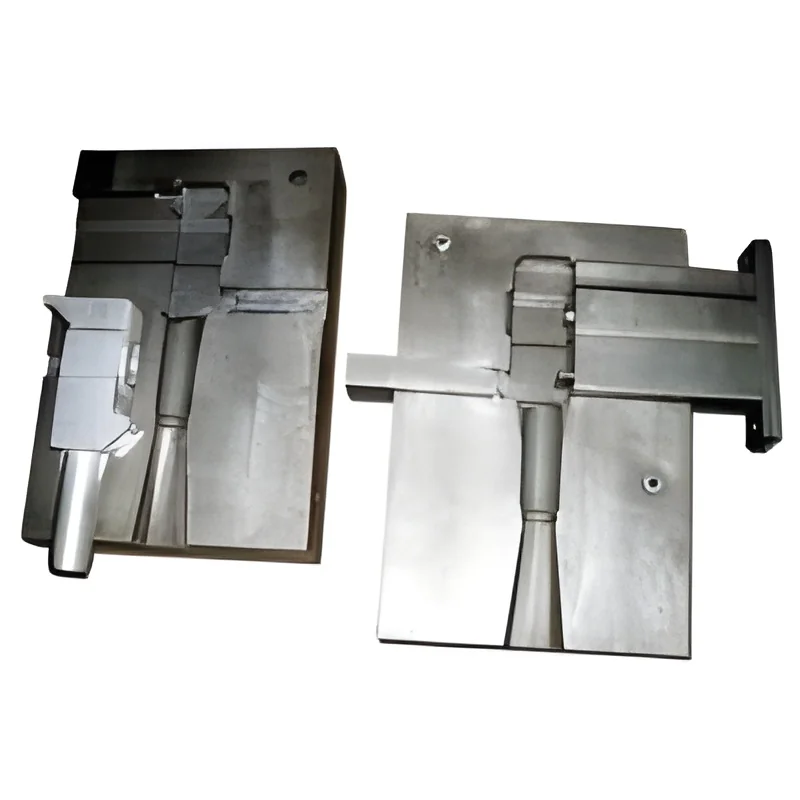
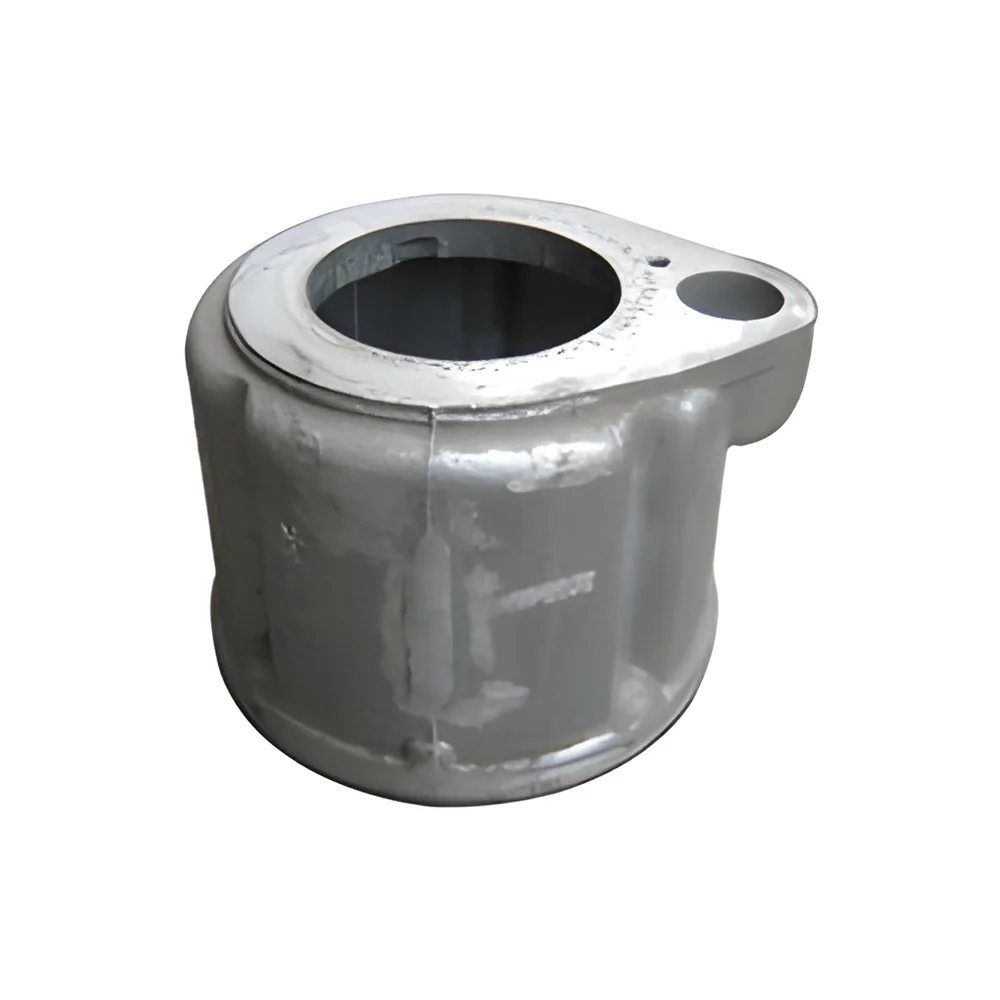
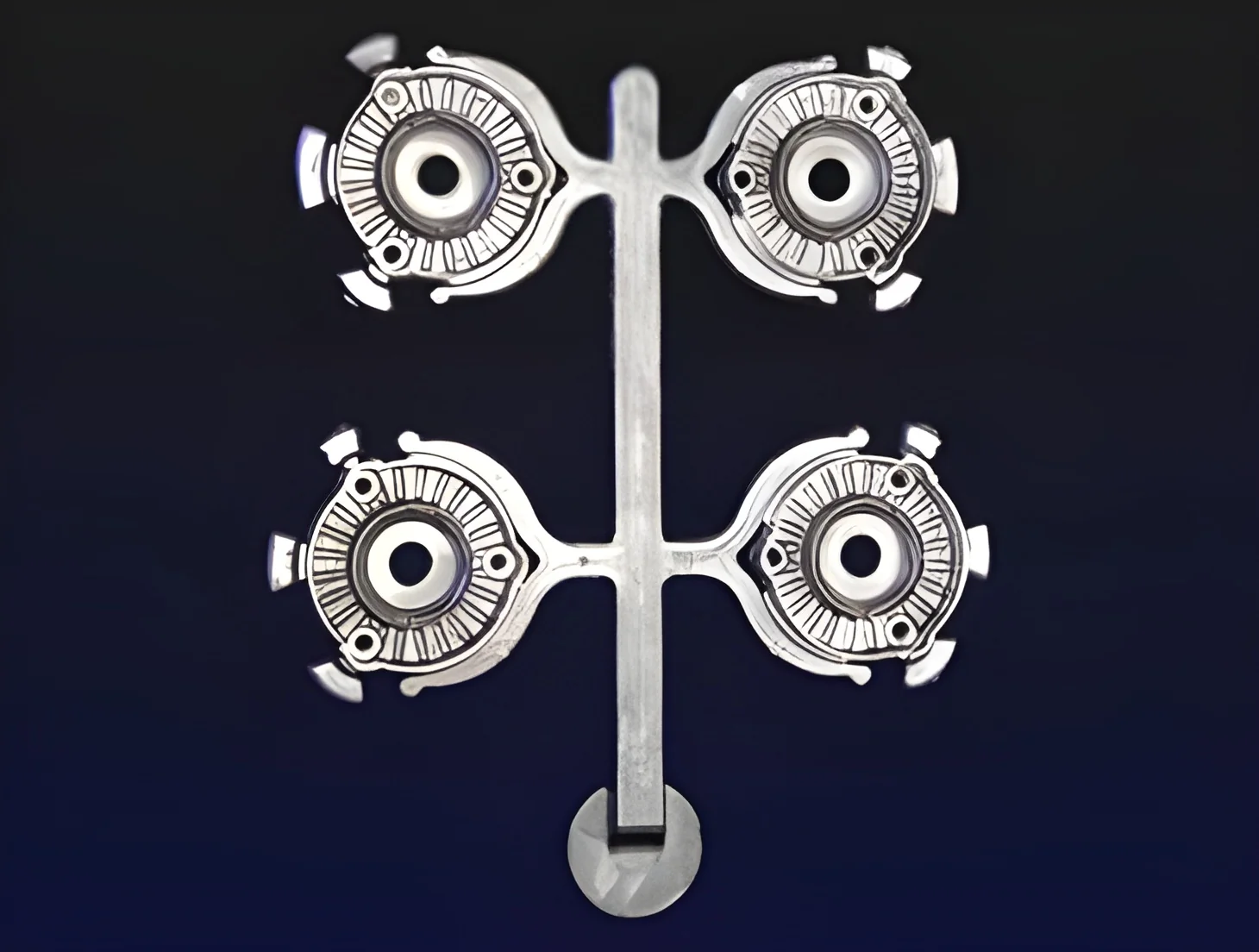
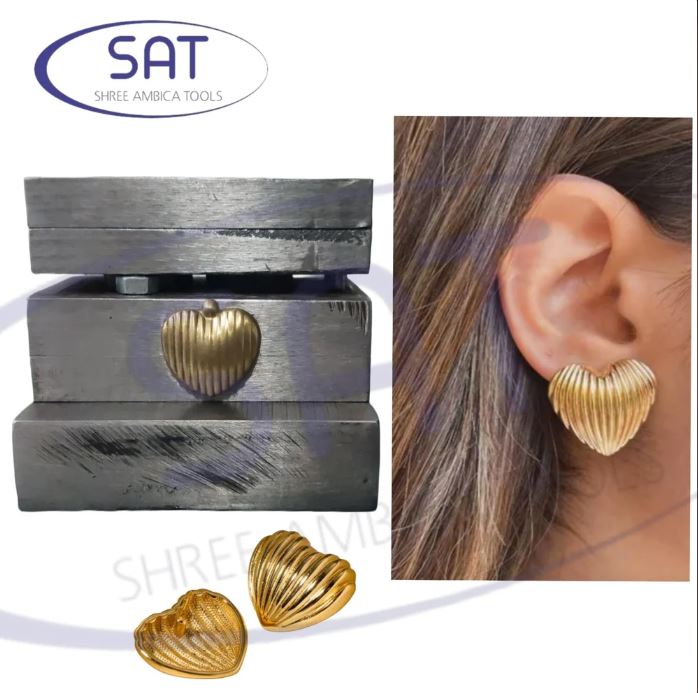
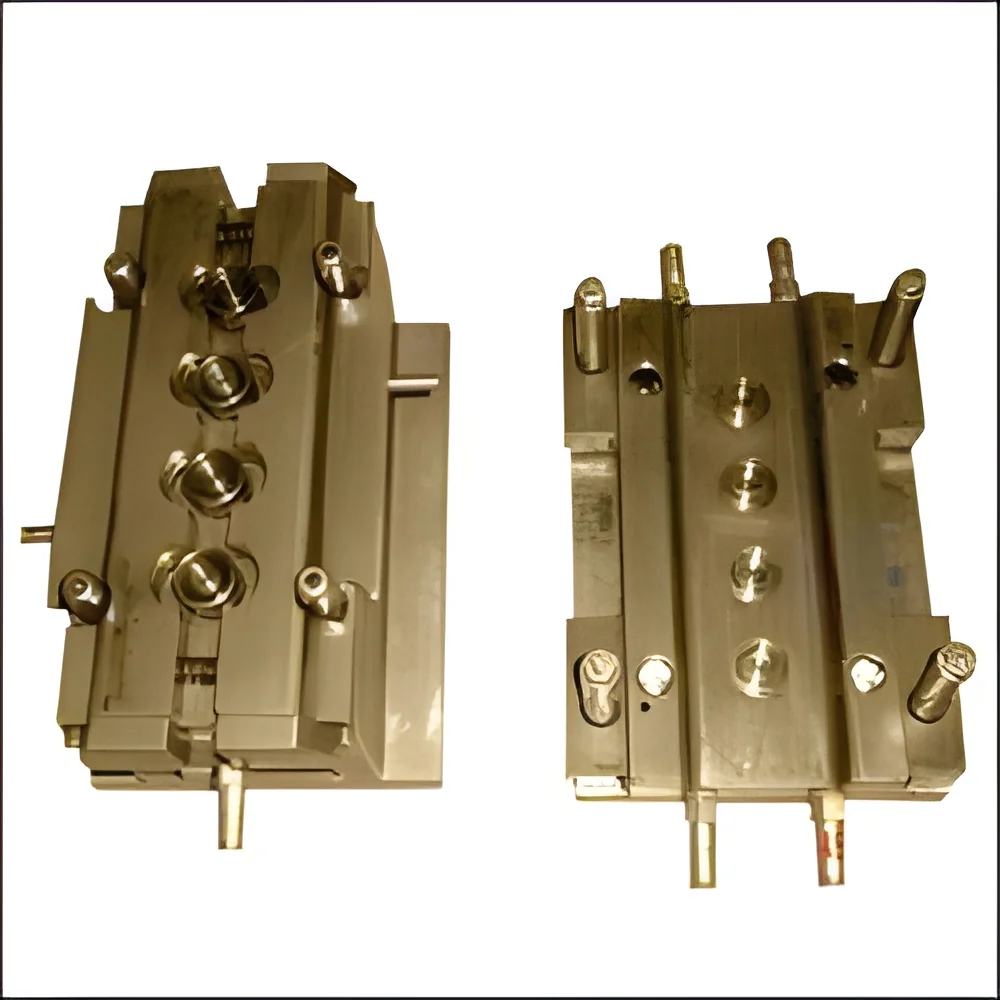
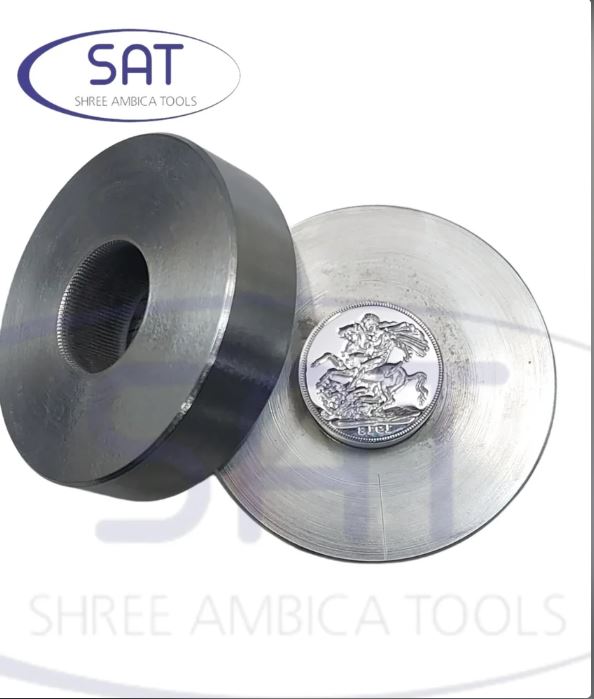
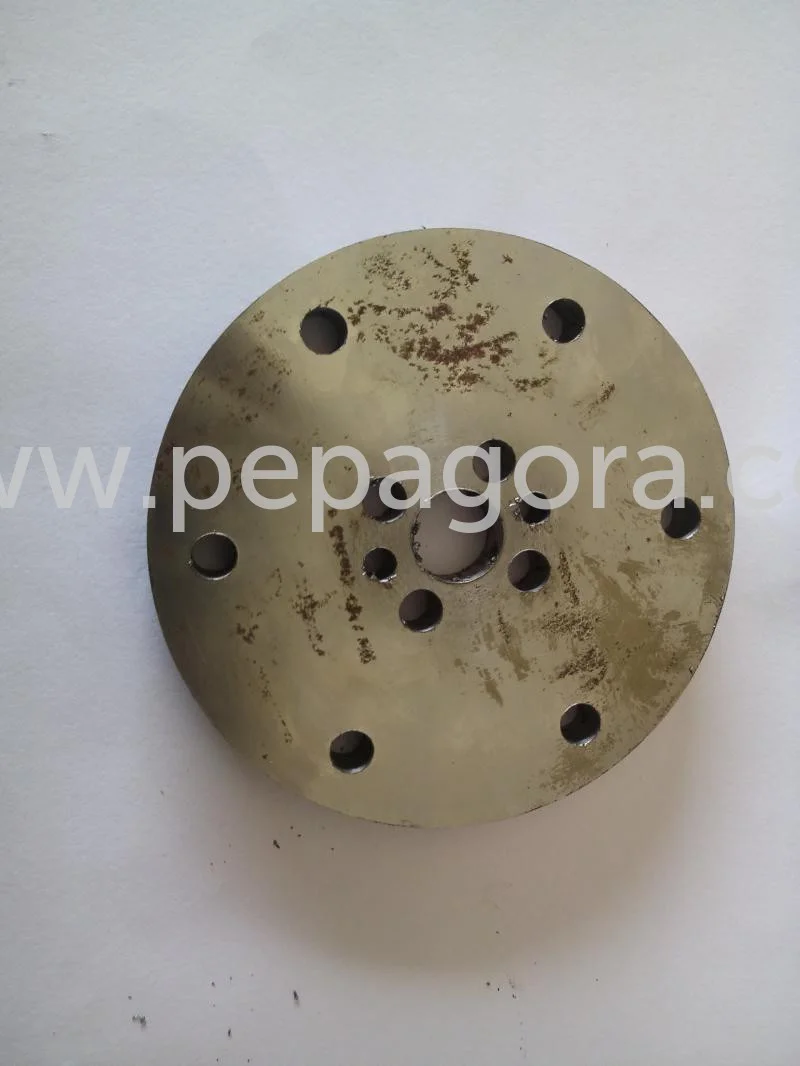
Die casting dies and tooling are specialized molds used in the die casting process to create metal components. These dies are made from high-strength materials to withstand the high pressure and temperatures involved in casting molten metal. The tooling refers to the equipment and methods employed to manufacture these dies, ensuring precision and consistency in the final products.
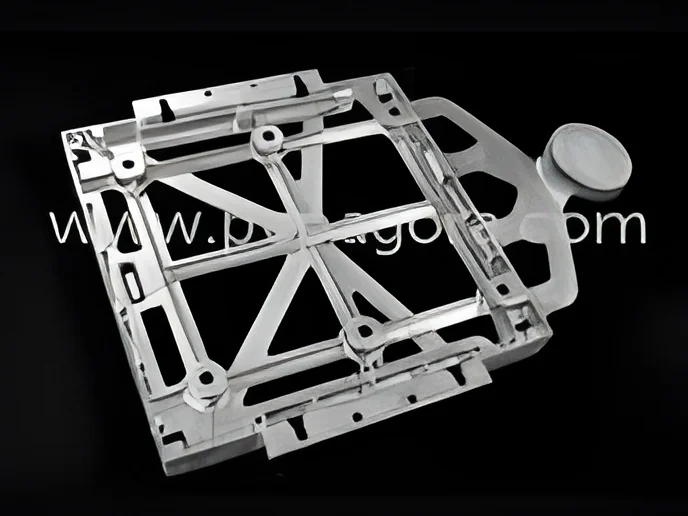
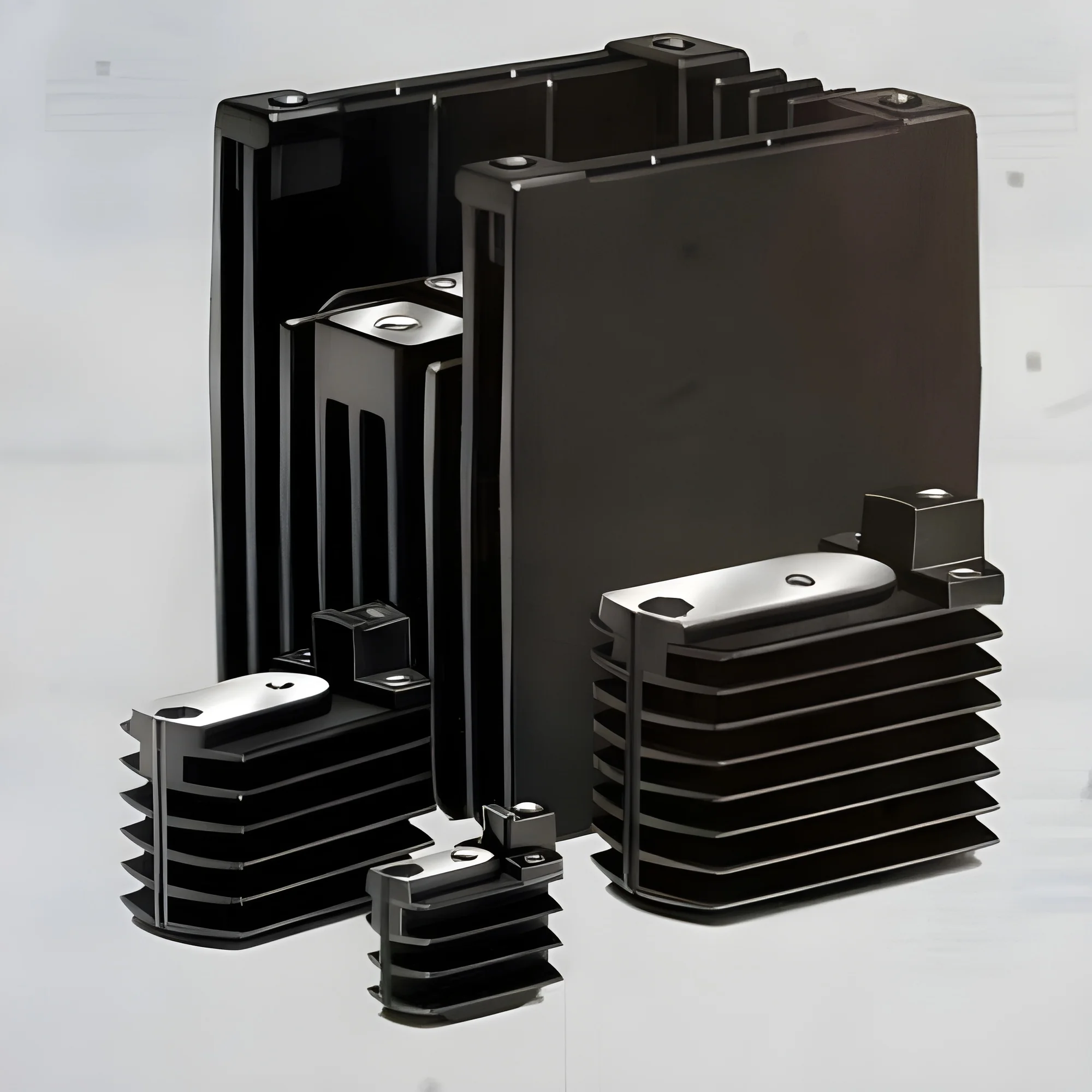
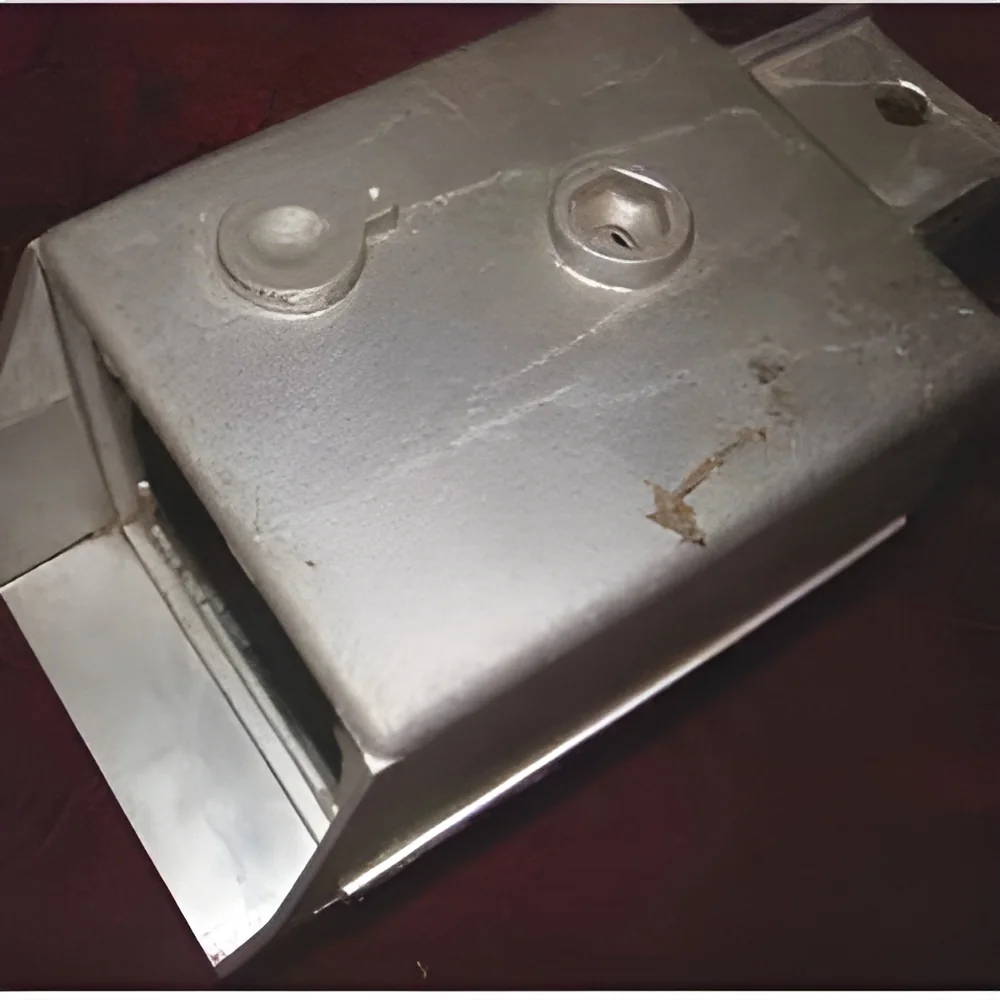
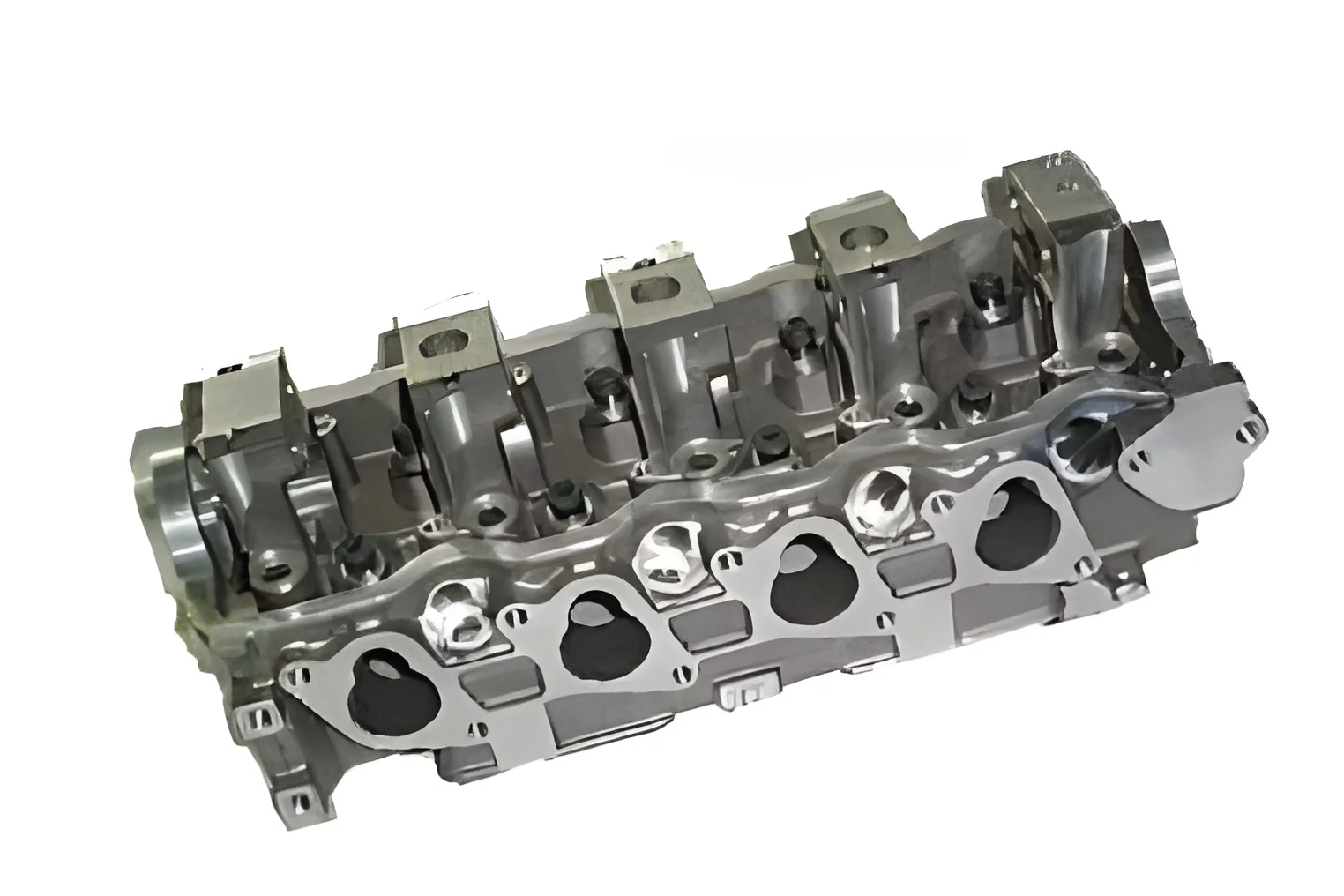
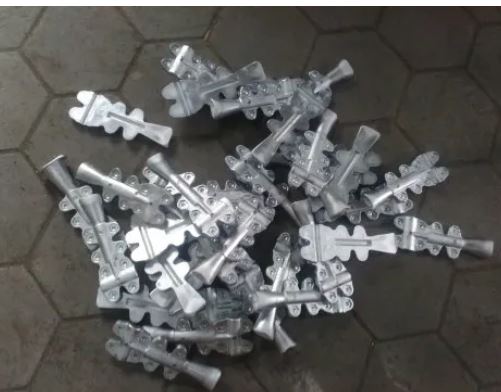
Die casting is widely used in various industries for producing complex shapes and high-volume parts. The process is particularly beneficial for manufacturing components that require high dimensional accuracy and a smooth surface finish. Industries such as automotive, aerospace, and consumer electronics rely on die casting dies and tooling to produce everything from engine blocks to intricate housings.
In the current industrial landscape, die casting remains a vital method for mass production. The demand for lightweight and durable components has driven advancements in die casting technologies. As manufacturers push for efficiency and cost-effectiveness, the importance of high-quality dies and tooling has become more pronounced.
Key Features and Specifications
Die casting dies and tooling come with various features and specifications tailored to meet specific industry needs. These specifications ensure that the dies provide consistent quality and durability over time.
Key specifications include:
1. Material Composition
- Dies are typically made from steel or aluminum alloys.
- Material choice affects durability and thermal conductivity.
2. Dimensional Tolerances
- Precision tolerances are usually within ±0.1 mm.
- Critical for maintaining part specifications.
3. Cooling System Design
- Includes channels for efficient temperature control.
- Essential for reducing cycle times.
4. Surface Finish Requirements
- Can vary from rough to mirror-like finishes.
- Surface quality impacts post-processing steps.
5. Weight Capacity
- Dies can handle varying weights depending on the application.
- Important for ensuring die integrity during casting.
6. Lifespan and Durability
- High-quality dies can last for thousands of cycles.
- Longevity is key for cost-effectiveness in production.
In summary, understanding the features and specifications of die casting dies and tooling is crucial for manufacturers looking to optimize their production processes.
Common Applications and Use Cases
Die casting dies and tooling serve a broad range of industries, each with unique applications.
1. Automotive: Used for engine components, transmission cases, and structural parts, die casting ensures lightweight yet durable solutions to meet automotive demands.
2. Aerospace: Critical for producing lightweight components like brackets and housings, die casting supports the industry's need for high-performance materials and precision engineering.
3. Consumer Electronics: Utilized in creating housings for devices such as smartphones and laptops, die casting provides the necessary strength and aesthetic appeal.
4. Industrial Equipment: Commonly used for producing parts such as pumps and valves, die casting offers reliability in high-stress environments.
5. Electrical: Essential for manufacturing components like connectors and switchgear, die casting meets stringent safety and performance standards.
6. Medical Devices: Employed in creating housings and components for medical equipment, die casting ensures precision and compliance with regulatory standards.
7. Home Appliances: Used for parts in appliances such as refrigerators and washing machines, die casting contributes to product durability and efficiency.
Product Variants and Subcategories
Die casting dies and tooling can vary significantly based on application needs.
High-Pressure Die Casting Dies: These dies are designed for producing intricate shapes with tight tolerances. They are ideal for high-volume production runs.
Low-Pressure Die Casting Dies: Suitable for larger components, these dies allow for a slower filling process, which can reduce defects and enhance surface quality.
Gravity Die Casting Dies: Used for low-volume applications, these dies are typically made from durable materials and are suitable for non-ferrous metals.
Permanent Mold Casting: This variant utilizes reusable molds for repeated casting, providing cost savings and consistent quality over time.
Benefits and Advantages
Die casting dies and tooling offer numerous advantages that make them a preferred choice for manufacturers.
1. High Precision: The design of die casting dies allows for exceptional dimensional accuracy, reducing the need for extensive machining.
2. Cost-Effective: High-volume production significantly lowers the cost per unit, making die casting an economical choice.
3. Versatile Applications: Suitable for various materials, die casting can accommodate a wide range of part designs and applications.
4. Excellent Surface Finish: The die casting process can produce parts with a smooth surface finish, minimizing post-processing needs.
5. Strength and Durability: Die-cast parts exhibit high strength and resistance to wear, making them ideal for demanding applications.
6. Efficient Production: The rapid cycle times associated with die casting enhance productivity, allowing manufacturers to meet tight deadlines.
Buying Guide for B2B Buyers
When sourcing die casting dies and tooling, it is essential to consider several key factors to ensure a successful procurement process.
1. Quality Assessment: Evaluate the quality of materials and craftsmanship used in the dies. High-quality dies result in better final products and reduced maintenance costs.
2. Supplier Verification: Research and vet suppliers for their reputation and experience in the industry. Choose suppliers who provide evidence of successful projects and satisfied clients.
3. Pricing and MOQ: Understand the pricing structures and minimum order quantities (MOQ) that suppliers offer. Compare costs while ensuring quality is not compromised.
4. Delivery and Lead Times: Inquire about delivery schedules and lead times to ensure they align with your production timelines. Reliable logistics are crucial for maintaining workflow.
5. Compliance Requirements: Be aware of any industry-specific regulations and standards that apply to die casting dies and tooling. Ensure suppliers can meet these compliance needs.
Compliance and Certifications
Compliance and certification are critical aspects of die casting dies and tooling. Ensuring that products meet relevant quality standards guarantees reliability and safety in application.
ISO 9001 is a widely recognized standard that outlines quality management systems. Adherence to this standard ensures that manufacturers consistently meet customer and regulatory requirements.
The CE mark is essential for products sold within the European market, indicating compliance with safety, health, and environmental protection standards. This certification assures buyers of the product's quality and safety.
Additionally, various safety and testing requirements must be met, particularly for industries such as aerospace and medical devices. These standards ensure that components are safe for use in critical applications.
Regional compliance considerations vary, with different countries having specific regulations governing manufacturing practices. Understanding these local laws is vital for international sourcing.
Why Source Die Casting Dies & Tooling from Pepagora?
Pepagora offers a trusted platform for sourcing die casting dies and tooling, providing several key advantages to buyers.
Verified Supplier Network: Pepagora connects buyers with a network of verified suppliers, ensuring quality and reliability in every transaction. This verification process minimizes risks associated with procurement.
Streamlined RFQ Process: The request for quotation (RFQ) system simplifies the sourcing process. Buyers can efficiently compare offers from multiple suppliers, saving time and effort.
Trade Assurance and Support: Pepagora provides buyer protection through trade assurance, safeguarding transactions and ensuring that buyers receive the products as promised.
Regional Coverage: With a strong presence in India, the GCC, and Southeast Asia, Pepagora facilitates access to a wide range of suppliers and products, making it easier for businesses to find the right solutions for their needs.

 IN
IN